You probably grew up with a pretty neat timeline in your head: first this civilization, then that species, then those empires. In the last twenty years, archaeology has taken that tidy mental chart, crumpled it up, and tossed it in the bin more times than most people realize. Quiet digs, dusty caves, and odd bits of bone have forced scholars to literally go back into textbooks and correct the record. You’re living in a moment when the story of the human past is shifting under your feet. From temples older than farming to humans far earlier than your school atlas ever admitted, the last two decades have been ruthless to old certainties. Below are 12 buried discoveries that were so disruptive, historians and archaeologists had no choice but to redraw official timelines, revise museum labels, and sometimes admit that whole chapters of the story were wrong or missing.
1. Jebel Irhoud: When You Discover Homo sapiens Is Way Older Than Your Textbook
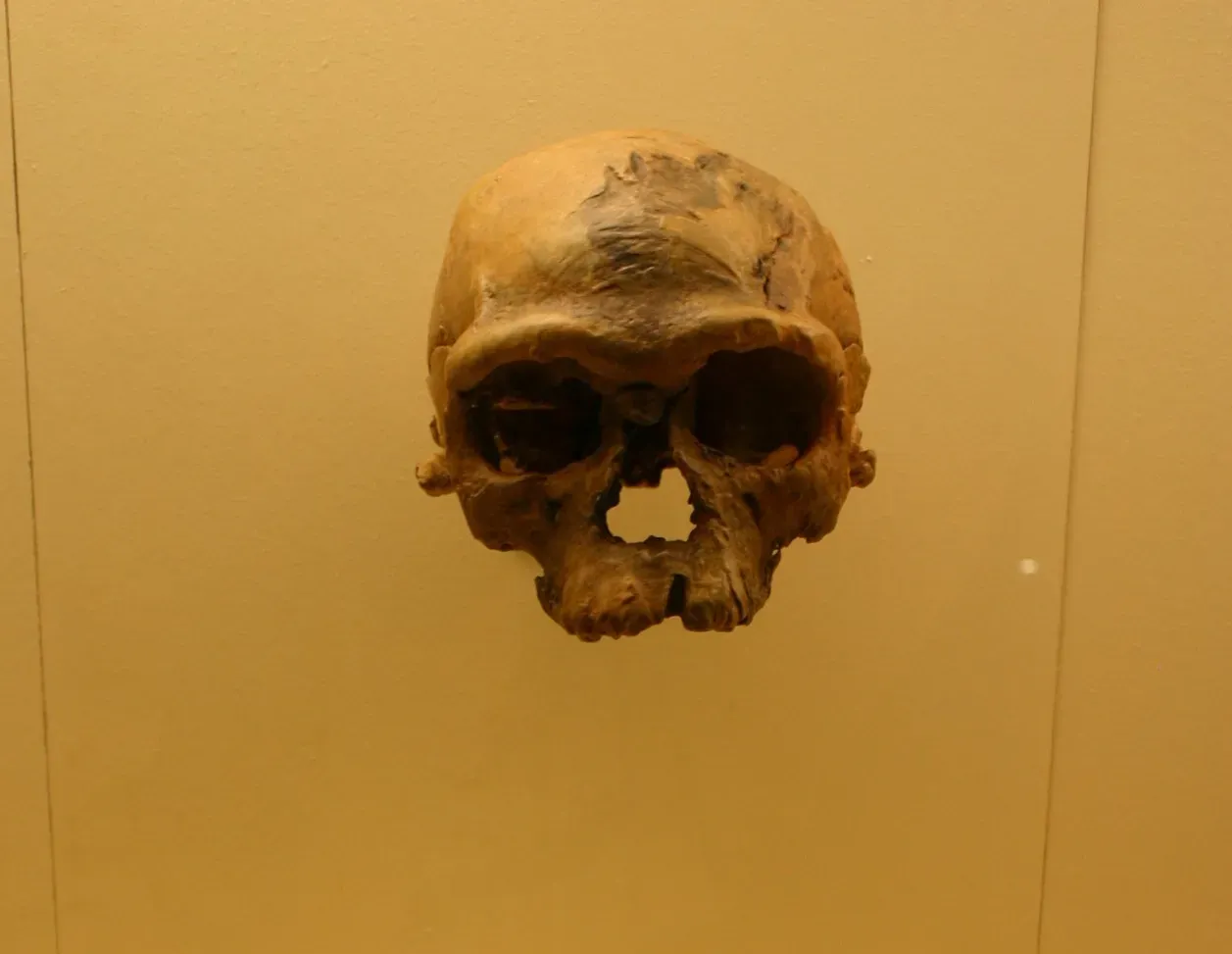
You were probably told that your species, Homo sapiens, showed up around 200,000 years ago in East Africa. Then, in 2017, fossils from Jebel Irhoud in Morocco were redated to roughly 300,000 to 315,000 years old, instantly pushing your species’ story back by about one hundred thousand years and shifting the map from East Africa to a more pan‑African picture. These remains, which include skulls and jaws with a mix of modern and archaic traits, forced researchers to admit that early Homo sapiens were already living far to the northwest, long before anyone had penciled them in there.
That one site made historians and paleoanthropologists go back into published timelines and update the “origin of modern humans” from a neat point in East Africa to a broader, earlier, messier process. Museum panels, school materials, and even scientific reviews had to be rewritten to reflect that your species is older and more geographically widespread in its early stages than the classic story allowed. In other words, if you still picture a single “cradle of humankind” on a map, this discovery nudged you toward imagining a whole continent of overlapping cradles instead.
2. Göbekli Tepe: The Temple That Shows Religion May Have Invented Farming, Not the Other Way Around
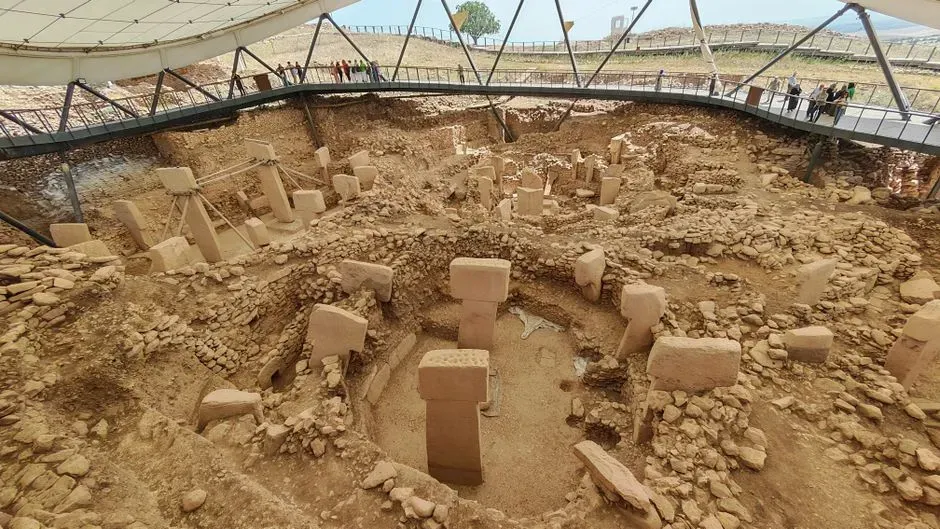
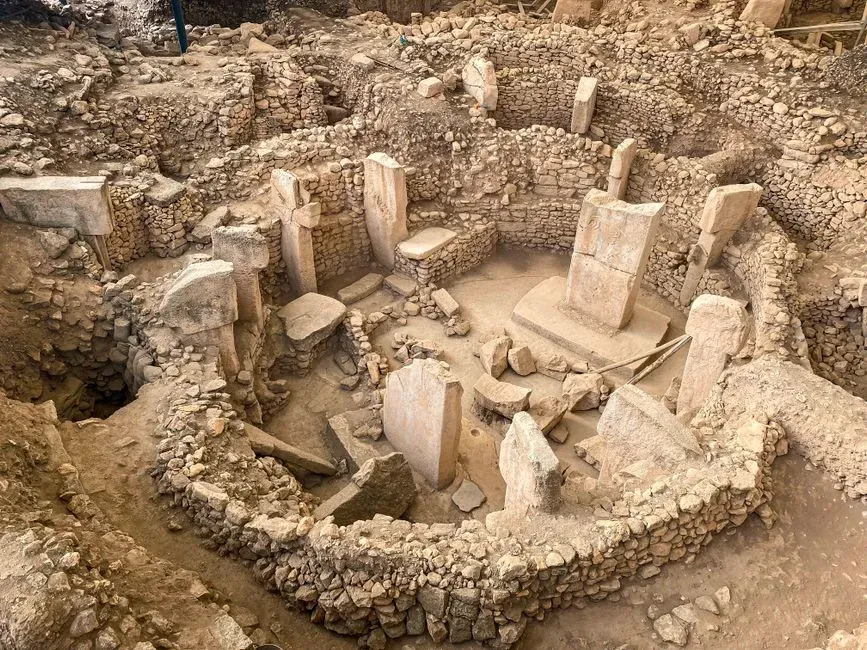
If you’ve always heard that humans settled down to farm first and only later had the time and stability to build big temples, Göbekli Tepe in southeastern Turkey blows that sequence apart. Excavations over the last two decades have revealed vast stone enclosures with towering T‑shaped pillars carved with animals, dated to around 9600 to 8000 BCE – thousands of years before the earliest known cities and long before pottery in that region. You’re looking at monumental ritual architecture at a time when people were still foragers, not classic farmers bound to fields.
This forced historians to redraw the timeline that once went “agriculture → villages → temples.” Instead, Göbekli Tepe suggests that large communal ritual sites may have been a driving force that pulled people together and pushed them toward more intensive food production. When you see it this way, belief and shared symbolism stop looking like a luxury add‑on and start looking like a core engine of early complex society. Textbooks that used to place monumental religious architecture firmly after settled farming had to be updated to acknowledge that, in this case, the temple came first.
3. Denisova Cave: When a Finger Bone Added a Whole New Kind of Human
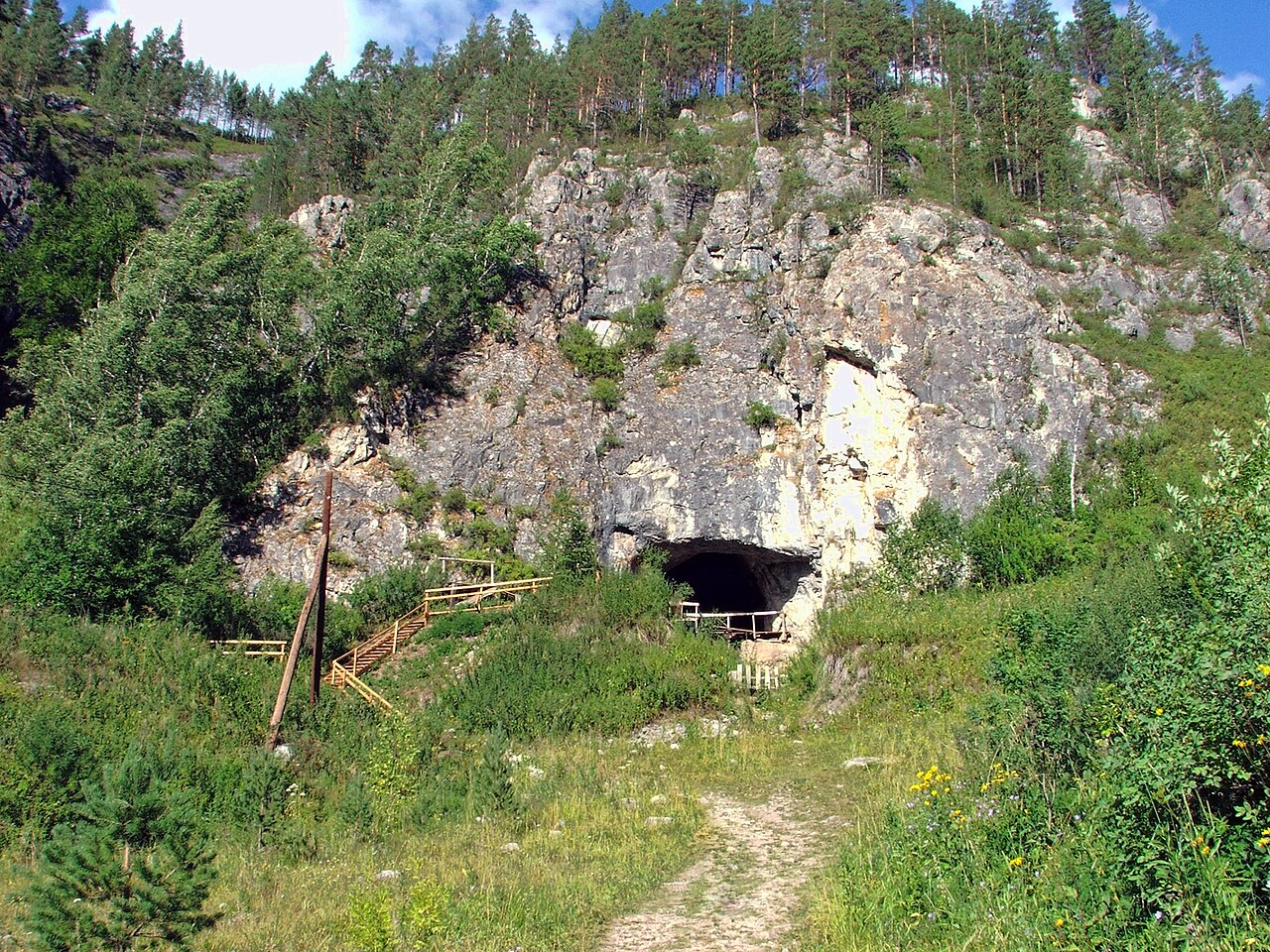
You might think every major human branch – modern humans, Neanderthals, maybe a few others – was mapped out by the early 2000s. Then a tiny finger bone and later teeth and other fragments from Denisova Cave in Siberia, analyzed genetically starting in 2010, revealed a completely unknown lineage now called Denisovans. You’re not just dealing with a local variant; you’re looking at a distinct group that interbred with both modern humans and Neanderthals and left genetic traces in many living populations.
Because of this, historians and geneticists had to update those iconic human family trees that used to show a simple split between Neanderthals and you. Timelines of human migration into Asia and Oceania were also rewritten to include episodes of contact and mixing with Denisovans tens of thousands of years ago. That one cave shifted your mental model from a lonely march of “modern humans replacing archaic cousins” to a crowded, overlapping world where different human groups met, mixed, and vanished in ways your school charts never really captured.
4. Homo naledi in Rising Star Cave: Primitive Bodies in a Shockingly Recent Time Slot
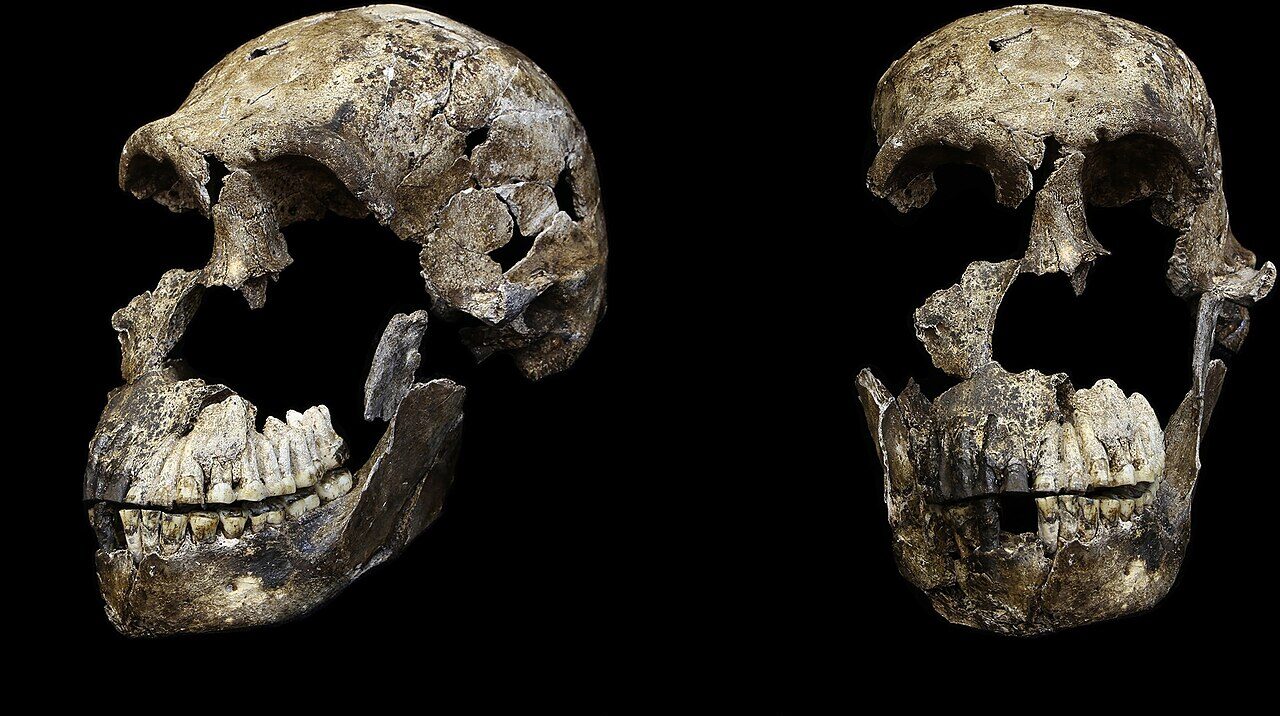
You probably assume that by a few hundred thousand years ago, the only humans left were fairly modern looking. The discovery of Homo naledi in South Africa’s Rising Star cave system destroyed that comfortable assumption. Described in 2015 and later dated to between about 335,000 and 236,000 years ago, this species has a strange blend of small brain, primitive shoulders and torso, but hands and feet that look surprisingly modern. The real shock for you is the timing: they were alive at roughly the same time early Homo sapiens was emerging in Africa.
This forced a rewrite of human‑evolution timelines that once suggested a steady, linear move toward bigger brains and more modern bodies. Instead, you now have to picture a patchwork of different human forms coexisting side by side in the same continent for long stretches of time. Some researchers also argue that the way the bodies were placed deep in the cave hints at deliberate deposition, which, if borne out, would challenge the idea that complex mortuary behavior required a big, modern brain. Even cautious interpretations still made scholars redraw charts to add another late‑surviving, mosaic‑bodied human species into the mix.
5. The Redating of Omo Kibish and Herto: Pushing Back the East African Chapter
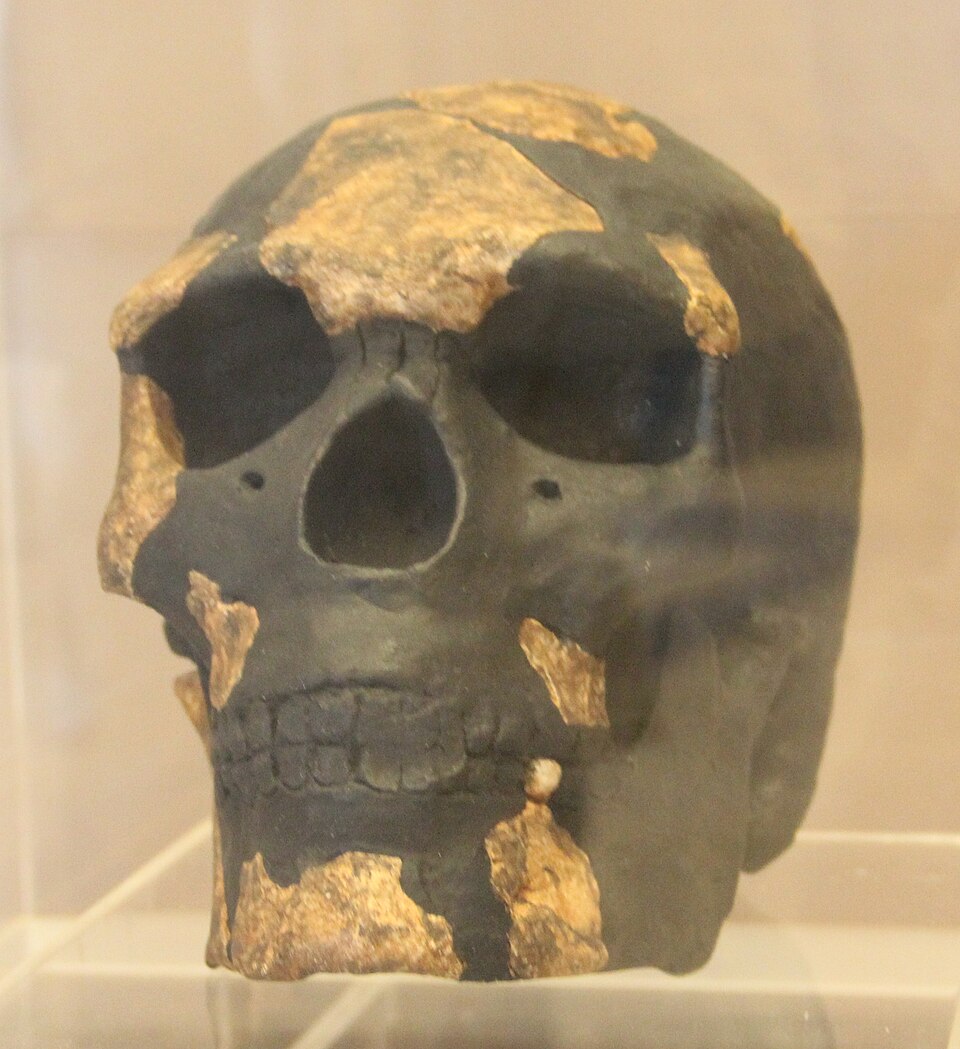
For a long time, if you looked up the oldest known Homo sapiens fossils, you’d find the Omo remains from Ethiopia, dated to about 195,000 years, and the Herto fossils, also from Ethiopia, at around 160,000 years. New work in the last two decades, especially reanalysis of volcanic layers and improved dating, has nudged those ages upward, with some estimates placing Omo closer to at least around 200,000 years and reinforcing a deeper, more extended presence of early modern humans in East Africa. When you combine this with the older Jebel Irhoud dates, the timeline of Homo sapiens stretches back and spreads out in a way that simply wasn’t in earlier reference works.
Because of this, you now see academic reviews and popular summaries updated to treat “around three hundred thousand years ago” as a reasonable lower bound for your species’ emergence, with East Africa no longer the lone stage but still an essential one. Instead of a crisp origin point, you’re encouraged to imagine a long, overlapping period where populations across Africa shared traits and genes that gradually formed what you’d recognize as Homo sapiens. Those familiar charts with one neat bar labelled “modern humans” starting at 200,000 years ago have been quietly revised in journals, museum timelines, and online encyclopedias to reflect this more complex picture.
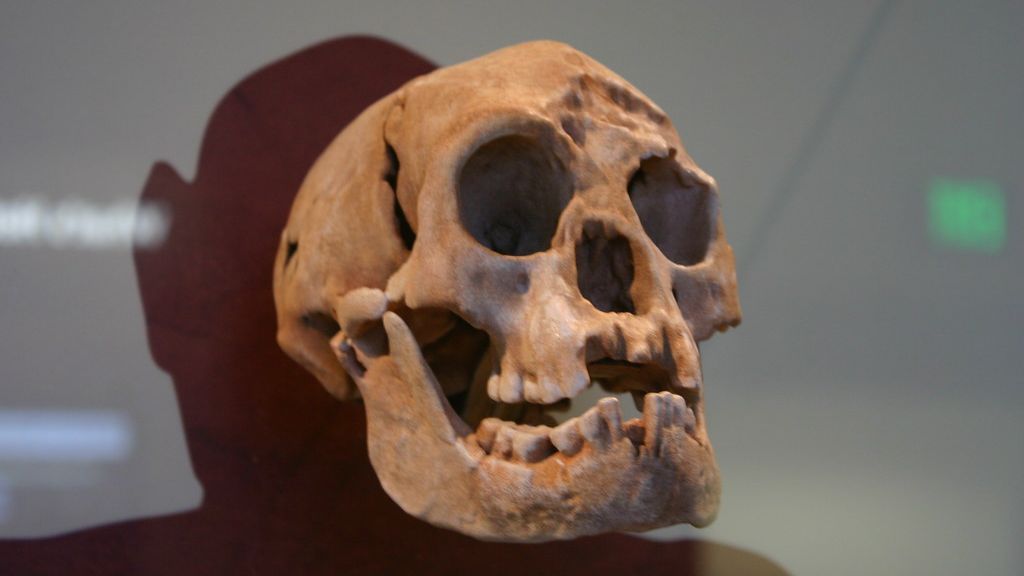
6. Flores and the Long Shadow of Homo floresiensis
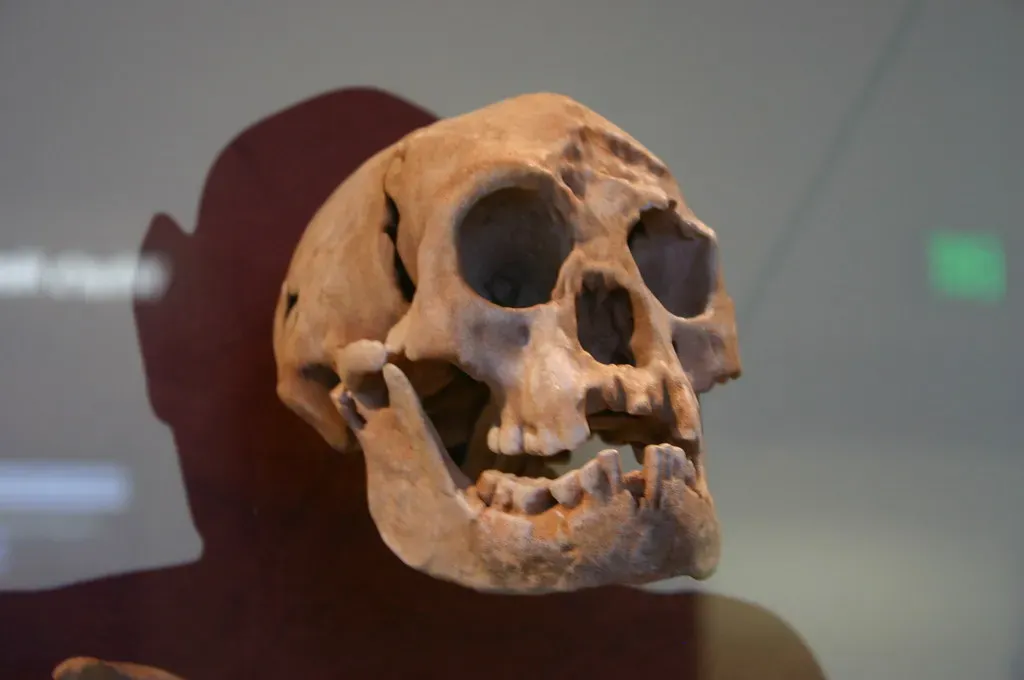
When you first heard about the “hobbits” of Flores – Homo floresiensis, announced in 2004 – you might have thought it was a quirky side story. But as dating methods improved and additional remains were studied over the following years, their presence turned into a serious challenge to the idea that only modern humans occupied Southeast Asia in the late Pleistocene. Some evidence suggests they may have survived until roughly fifty thousand years ago, meaning they overlapped in time with incoming Homo sapiens in the region.
This forced archaeologists and historians to change migration and occupation maps that had once shown a straightforward replacement of earlier hominins in island Southeast Asia. Now you have to picture a scenario where small‑bodied humans with very different anatomy may have shared the broader region with your own species for a while. Timelines of “first modern humans in Australia and nearby islands” have been rewritten to account for the possibility that when your species arrived, it stepped into a world already inhabited by multiple human relatives, not just empty landscapes waiting to be filled.
7. The Oldest Known Cave Art in Indonesia and Iberia: Rethinking Who Painted First
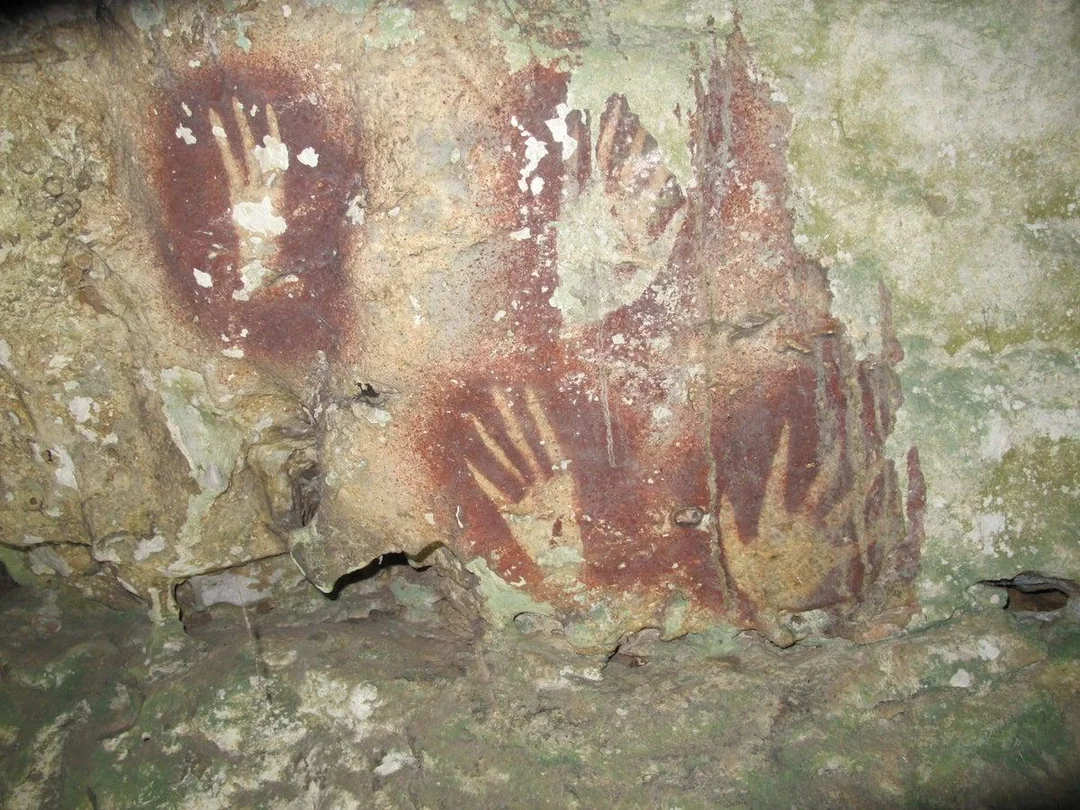
If you still picture Europe as the unquestioned birthplace of sophisticated art, recent dating of cave paintings in Indonesia and Iberia should make you pause. Work over the last decade has pushed some hand stencils and animal figures in Sulawesi, Indonesia, back to at least the same age as famous European caves, and in some cases older, while redating in Spain suggests that some simple motifs are well over sixty thousand years old – older than the accepted arrival of modern humans there. That raises the real possibility that Neanderthals, not just Homo sapiens, were making symbolic marks.
Art‑history timelines that once started with “Upper Paleolithic revolution in Europe” have had to be rephrased in museum texts and academic books. You’re no longer being told that symbolic art just suddenly burst into existence in southwestern France; instead, you’re encouraged to imagine multiple early centers of imagery across continents, with different human groups contributing. For you, that means dropping the old narrative of a single “creative explosion” and accepting a slower, more global, and more collaborative unfolding of human imagination than your school posters probably hinted at.
8. Rewriting the Peopling of the Americas With Pre‑Clovis Sites
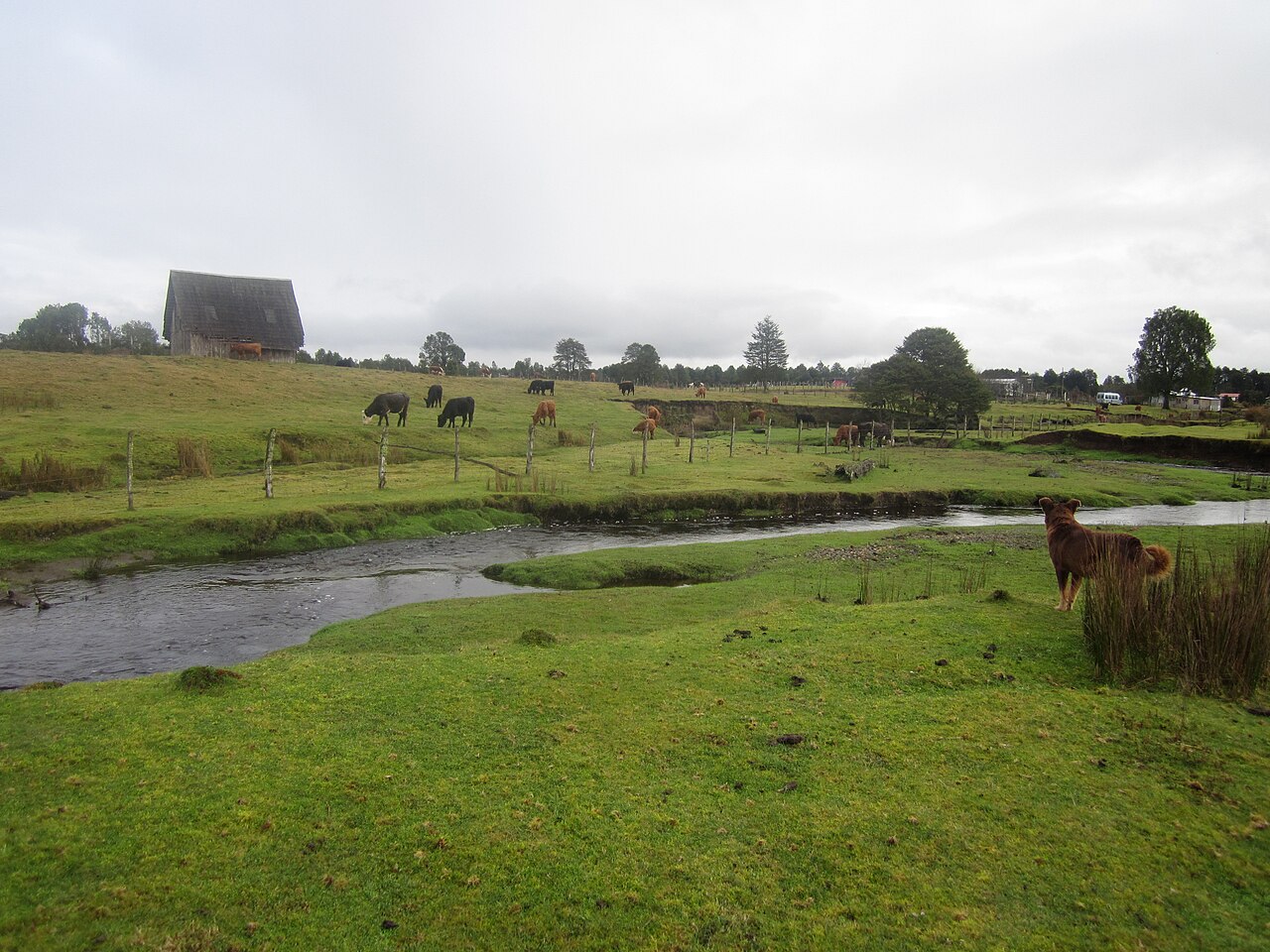
If you were taught that the first people in the Americas were the Clovis culture, arriving around thirteen thousand years ago across an ice‑free corridor, you’re overdue for an update. Over the last two decades, multiple pre‑Clovis sites with solid dating – such as Monte Verde’s strengthened case in Chile and additional early evidence in North America – have convinced most specialists that humans were present earlier than that. Some coastal and interior sites hint that people may have been moving through parts of the Americas several thousand years before Clovis points appear.
As a result, reference timelines have been rewritten to remove the “Clovis‑first” label that once dominated textbooks and documentaries. Instead, you now see discussions of earlier migrations, including coastal routes that would have been invisible to you without underwater or shoreline archaeology. That matters because it changes how you picture those first Americans: not a single wave sprinting through a newly opened corridor, but likely multiple groups exploring different paths over a longer window of time. Museum maps and general histories that used to treat anything earlier than Clovis as fringe have quietly rephrased their storylines to reflect this new consensus.
9. The Sutton Hoo Ship Burial and Its Re‑Dating of Early Medieval Power
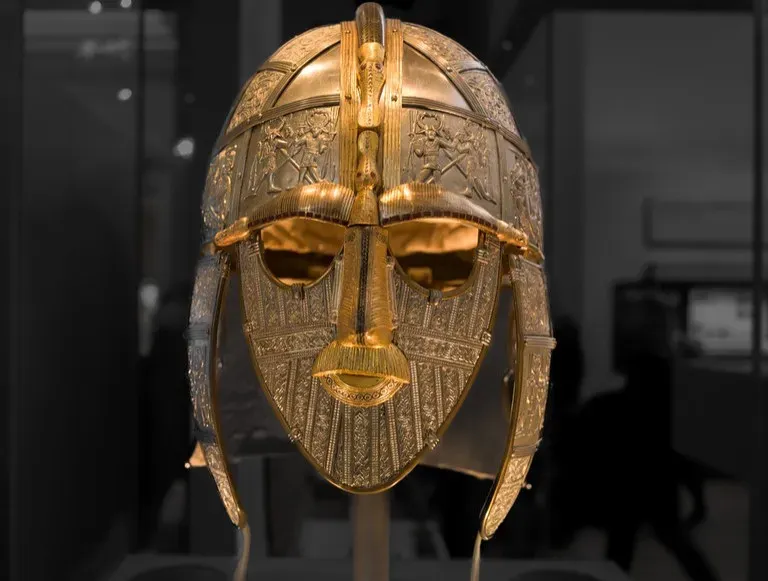
You might think early medieval Europe is so well documented that fresh timelines are settled, but even here, buried discoveries and refined dating have forced adjustments. The famous Sutton Hoo ship burial in England has been known since the mid‑twentieth century, yet work over the last couple of decades using more precise radiocarbon techniques and comparative analyses has sharpened its placement in the early seventh century. That might sound like a small tweak to you, but in a period once caricatured as a “dark age,” even a few decades of shifting can change how you understand the rise of kingship and connections with the wider world.
This re‑dating has encouraged historians to update their timelines of when powerful, outward‑looking Anglo‑Saxon elites emerged and how quickly they were plugged into trade networks linking Scandinavia, the Mediterranean, and beyond. The burial’s refined chronology feeds back into your mental picture of early English history, transforming it from a scattered, post‑Roman slump into a more dynamic era where ambitious rulers were asserting power and style earlier than older syntheses admitted. That’s why newer overviews of the early Middle Ages lean harder into complexity and connectivity, rather than leaving you with the idea of a long, uniform gloom.
10. The Antikythera Shipwreck: Re‑Dating the World’s Most Complex Ancient Mechanism
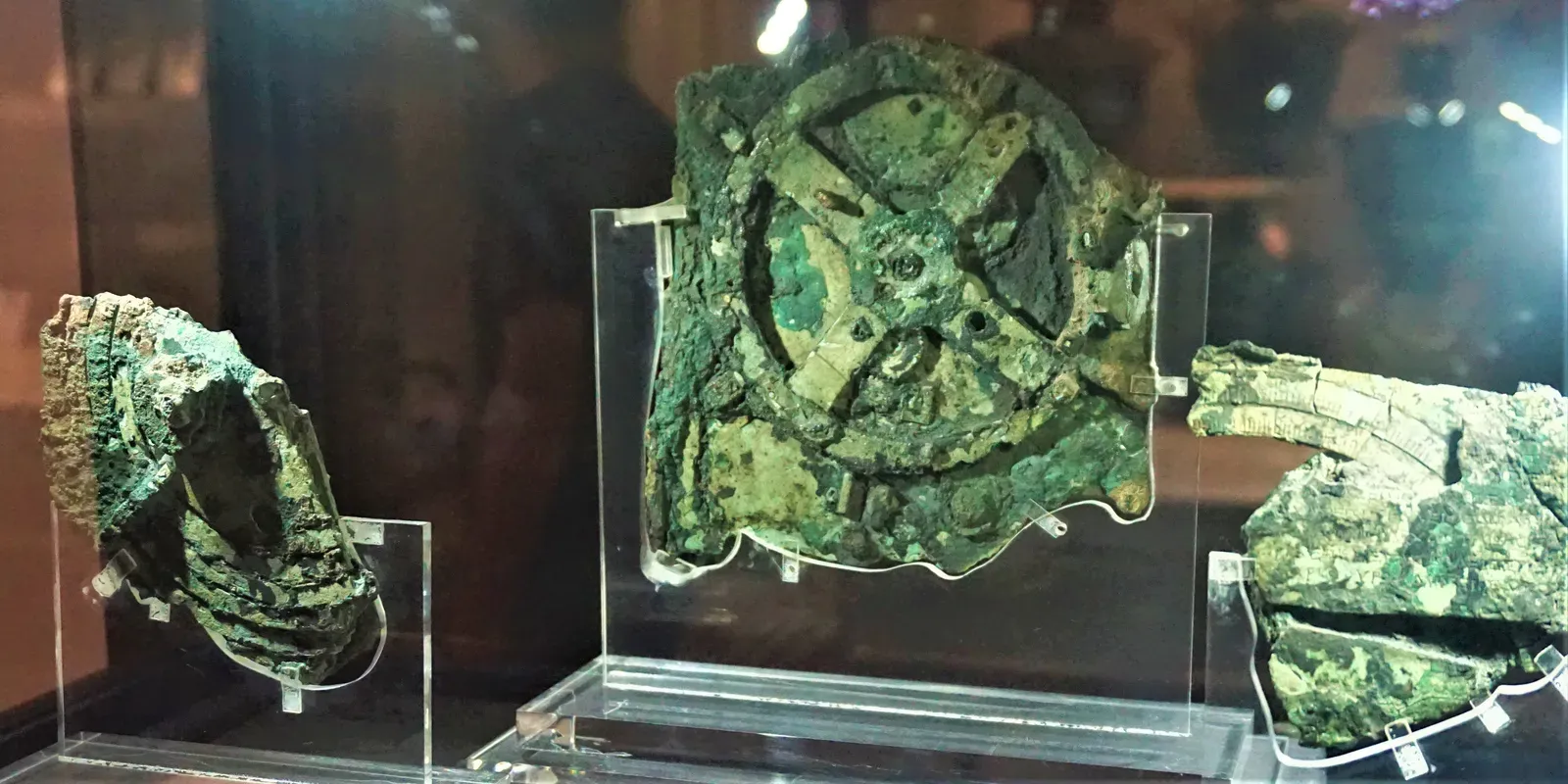
You may already know the Antikythera mechanism as the astonishing geared device recovered from a shipwreck off Greece, often called the world’s first analog computer. But over the last two decades, more refined studies of the wreck, re‑examinations of inscriptions, and underwater surveys have nudged scholars to adjust its date and context, placing it more securely in the second century BCE. That means you have to accept that by that time, Hellenistic craftsmen were already building machines of staggering sophistication, far beyond what many older histories of technology implied for that period.
As timelines in popular histories get updated, you can watch the knock‑on effect: the traditional narrative that complex mechanical engineering only really takes off in the Roman imperial era or even later has been quietly rewritten. Your mental map of ancient science and technology has to shift backward, acknowledging that lost workshops were producing devices that wouldn’t be matched for more than a thousand years. It’s a humbling correction, one that reminds you that just because evidence lay underwater for two millennia, that doesn’t mean the people of that age were “primitive” in their technical imagination.
11. Redating Stonehenge’s Early Phases and the Broader Megalithic Story
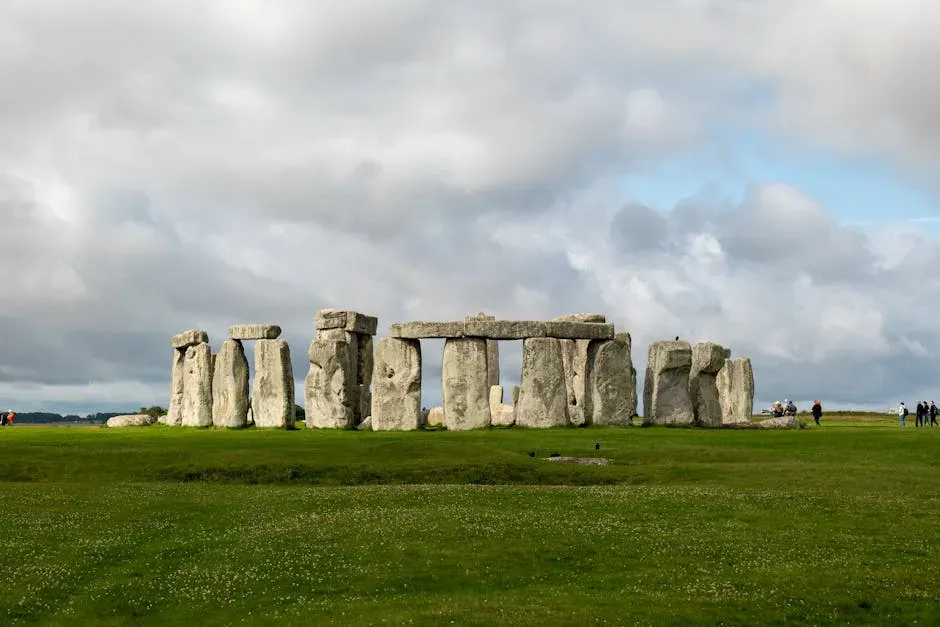
Stonehenge has been famous for so long that you might assume everything about its timeline is locked in. Yet in the last twenty years, systematic re‑excavation and radiocarbon dating have led to a more precise and in some ways earlier chronology for its earliest phases, pushing the story of monumental activity at the site back into the fourth millennium BCE. That requires you to see Stonehenge not as a sudden, isolated construction, but as part of a longer, evolving complex that spans many centuries of planning, rebuilding, and ritual use.
This refined timeline has nudged historians and archaeologists to redraw broader narratives about megalithic Europe. Projects and textbooks that once treated big stone circles as late, almost final expressions of Neolithic culture have been updated to place them earlier and more centrally in the story. For you, that means reimagining communities in Britain at that time as long‑term organizers of landscape‑scale monuments rather than short‑lived builders of one‑off projects. It’s a subtle shift, but it changes how you feel about the depth of planning, memory, and shared identity in those societies.
12. New North African Fossils Near Casablanca and the Deep Roots of Your Lineage
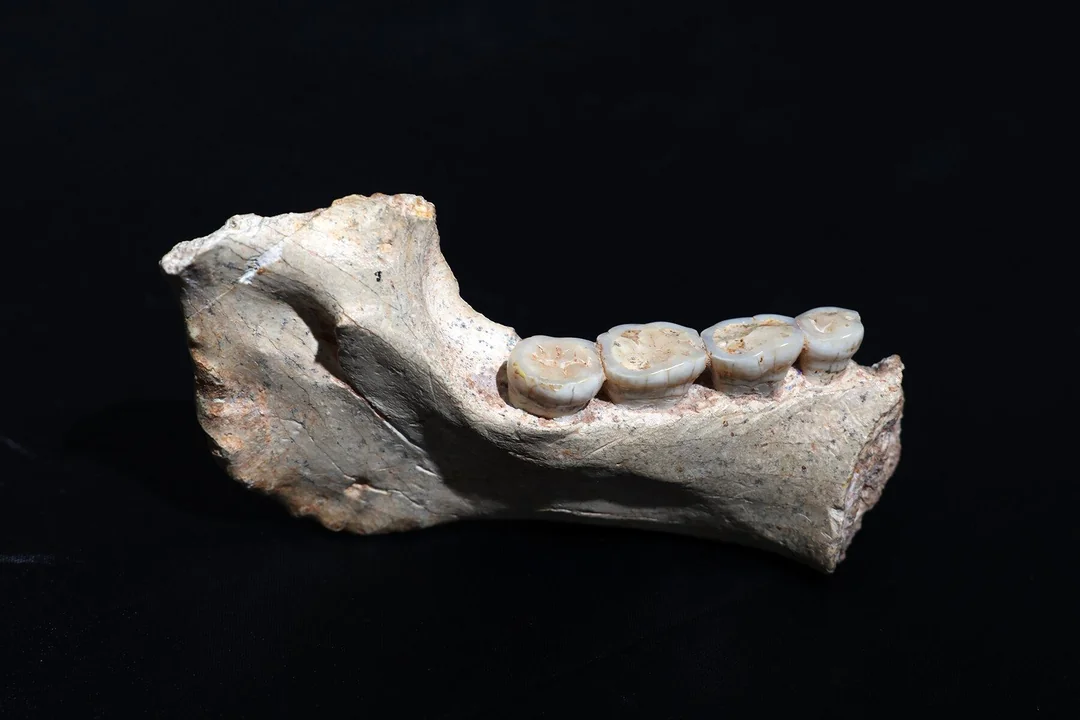
Very recently, finds from Thomas Quarry near Casablanca in Morocco, dated to roughly three quarters of a million years ago, have shaken up how you picture the deep ancestry of Homo sapiens. These fragmentary jaws and teeth share traits with Homo erectus but also show features that some researchers see as closer to the later lineage that leads to modern humans, Neanderthals, and Denisovans. When you line that up with the Jebel Irhoud evidence at about three hundred thousand years, North Africa suddenly looks like a long‑term player in your story, not just a late cameo.
This has pushed scholars to update evolutionary timelines and maps that heavily favored East and southern Africa for the later stages of human origins. Now, when you read recent reviews, you see a more complex network of populations across the continent, with North Africa holding some of the key early branches leading toward your own kind. The timelines in those papers and summaries have been lengthened and annotated to acknowledge that by around 773,000 years ago, ancestors close to your eventual lineage were already living in places earlier charts barely mentioned. For you, it is another reminder that what looks like a fixed origin story today may be tomorrow’s outdated diagram.
Conclusion: Living With a Past That Refuses to Sit Still
When you step back from all these discoveries, a pattern jumps out at you: the past is not politely staying where earlier generations put it. Fossils get older, temples turn up earlier than cities, strange cousins appear where only your species was supposed to be, and familiar monuments quietly slide backward or forward on the timeline. Each time, historians and archaeologists have had to do something uncomfortable but essential – they have gone back into published timelines, textbooks, and museum labels and changed them in light of new evidence.
If you let that sink in, it does something powerful to how you see history. Instead of treating the story of humanity as a finished novel, you start to see it as a draft with margin notes, crossed‑out lines, and new chapters constantly being inserted. That can feel unsettling, but it is also a sign that the methods, the dating techniques, and the willingness to be wrong are working. The real question for you is simple and a bit thrilling: when the next buried surprise forces another rewrite, how ready are you to change your own mental timeline along with it?