Every once in a while, you have a moment that makes you stop and think: is my mind really just neurons firing, or is there something deeper going on? Maybe it is the strange feeling of knowing who is about to text you, or the way time seems to stretch and dissolve during a powerful meditation or near-death experience. These moments do not prove anything on their own, but they poke at a quiet suspicion many people share: that consciousness might be more than a biological side effect locked inside the skull.
Scientists have spent more than a century studying brain cells, neurotransmitters, and networks. We know an incredible amount about how damage to certain regions changes behavior, personality, and memory. But there is still a stubborn mystery at the center of it all: how does physical matter give rise to the raw experience of being you? The possibility that consciousness could be connected to something larger than the brain is controversial, often dismissed, and yet impossible to fully get rid of. Once you really look at the evidence and the open questions, it becomes hard not to at least wonder if the brain is more like a receiver or interface than the entire show.
The Hard Problem: Why Experience Exists At All
Here is the most unsettling starting point: even if we mapped every neuron in your head and simulated it perfectly, that still would not explain why it feels like something to be you. Neuroscience can link patterns of brain activity to certain experiences, like seeing red or feeling pain, but it does not tell us why those patterns should have an inner life rather than being empty mechanical signals. This gap between brain processes and subjective experience is often called the hard problem of consciousness, and it has not gone away no matter how much data we collect.
In simple terms, we can describe the brain as hardware and neural processing as software, but that metaphor leaves out the strange fact that there is a conscious user on the inside. You can explain behavior in terms of inputs and outputs, yet that does not capture the taste of coffee, the ache of heartbreak, or the weird sense of self that watches thoughts come and go. Some philosophers argue that this problem suggests we have been thinking about consciousness in the wrong way: instead of trying to squeeze it out of matter like juice from a lemon, maybe we should consider it as a basic ingredient of reality itself, just as fundamental as space, time, or energy.
Brains as Receivers: The Radio Metaphor
One of the most provocative ideas is that the brain might not produce consciousness from scratch, but instead filter, shape, or tune into something more expansive. Think of an old-school radio: when you smash it with a hammer, the music stops, but that does not mean the music was created inside the device. The radio was decoding signals that already existed in the environment. By that logic, damage to the brain could disrupt our access to a wider field of consciousness without implying that awareness itself is generated only by neurons.
This receiver metaphor shows up in different spiritual traditions and in some modern philosophical speculation, but it remains deeply controversial in mainstream science. From a strict materialist standpoint, everything about our minds should eventually be explainable by neural activity alone, no external field needed. Still, there are puzzling reports that at least keep the door open a crack, such as people whose mental clarity spikes dramatically just before death despite extensive brain damage, or cases where measurable awareness seems to persist longer than we would expect after the heart stops. These do not prove the receiver theory, but they certainly keep it in play.
Panpsychism: Consciousness as a Fundamental Feature of Reality
Pushed against the hard problem, some philosophers and a few scientists have turned to a bold idea called panpsychism. In this view, consciousness is not a late arrival in the universe, but something that exists in a very primitive form all the way down, even in particles, fields, or basic physical systems. Human and animal consciousness would then be highly complex, integrated versions of a much more widespread, simpler kind of awareness woven into the fabric of reality. It is less “the rock is secretly thinking about its life choices” and more “every bit of the universe carries some seed or potential of experience.”
Panpsychism tries to avoid the leap from dead, unconscious matter to suddenly awake brains by never making consciousness disappear from the story in the first place. Critics argue that this explanation just relocates the mystery instead of solving it: how do tiny, simple bits of proto-experience combine into the rich, unified consciousness you feel right now? Supporters respond that at least this framework aligns better with what we directly know – namely, that consciousness exists and that physical descriptions alone still fall short of capturing it. Whether you find it elegant or absurd, it is one of the few serious attempts to link individual minds to something larger and more fundamental.
Quantum Speculations and the Temptation of Mystery
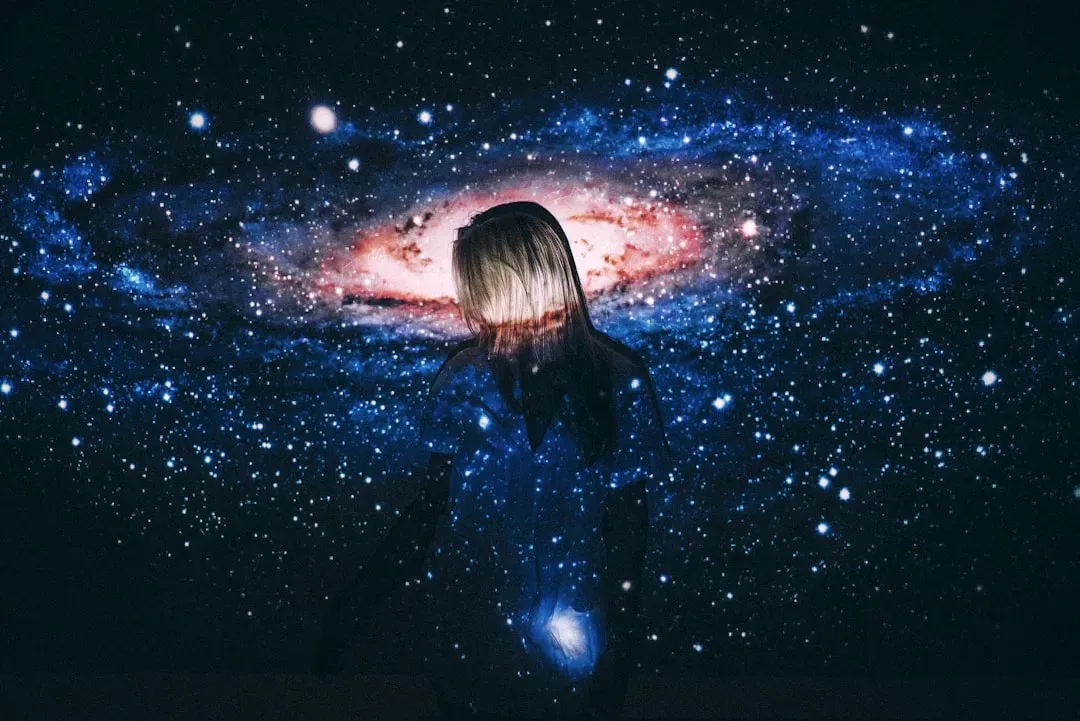
Whenever there is a deep scientific mystery, quantum physics tends to get dragged into the conversation, and consciousness is no exception. Some theories suggest that quantum processes in the brain, such as delicate interactions inside neurons or microtubules, might play a role in creating or connecting consciousness. Because quantum mechanics involves nonlocal correlations and probabilities that defy everyday intuition, it is tempting to see it as a bridge between the individual mind and a broader, interconnected reality that goes beyond classical cause and effect.
The honest truth, though, is that the evidence for specifically quantum-based consciousness is still extremely thin and heavily debated. Brains are warm, messy biological systems, which makes it hard to maintain the kind of fragile quantum states that would be necessary for many of these models. At the same time, it is reasonable to admit that our understanding of both quantum physics and the brain is incomplete. Quantum ideas might eventually contribute to a deeper picture, but right now they mostly serve as a reminder: we are probably missing pieces of the puzzle, and whatever connects mind and matter might not fit neatly into our current boxes.
Near-Death Experiences and the Edges of Science
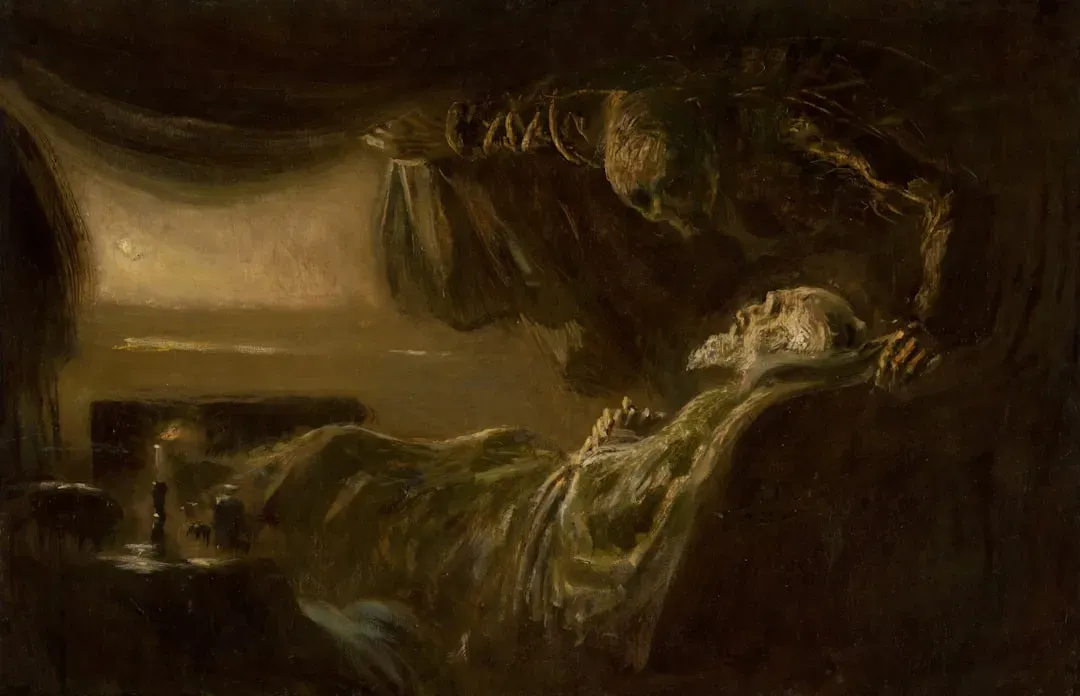
Near-death experiences sit in a strange borderland between medicine, psychology, and spirituality. People who have come very close to death sometimes report vivid perceptions: moving through tunnels, encountering beings or deceased loved ones, feeling overwhelming peace, or viewing their own bodies from above. Some accounts include details about events in the room or hospital that, in theory, they should not have been able to perceive in their physical state. These stories are emotionally powerful and can radically reshape how people view life and death.
From a scientific perspective, there are several plausible explanations that do not require consciousness to leave the brain: abnormal oxygen levels, protective brain chemistry, altered time perception, and the brain’s last bursts of activity during extreme stress. Controlled studies have found intriguing hints here and there, but nothing approaching definitive proof of a mind-independent consciousness. Personally, I think NDEs are too consistent, meaningful, and transformative to just shrug off as random noise, yet not solid enough to treat as proof of an afterlife or cosmic mind. They feel like a clue at the edge of the map, inviting more careful research without promising simple answers.
Collective Minds: From Group Flow to Global Consciousness

If you have ever been part of a band, a sports team, or a deeply connected work group, you might have felt that eerie sense of “we” doing the thinking instead of just “me.” In flow states, people sometimes talk about losing their sense of individual control as ideas or movements seem to emerge from the group as a whole. Social neuroscience supports the idea that our brains synchronize when we interact closely, with rhythms and activity patterns starting to line up as we cooperate or share intense experiences. On a local scale, minds literally lock in step.
Scale that idea up, and you get speculation about something like a global brain or collective consciousness: humanity as a vast network of minds linked through technology, culture, and shared attention. Online platforms already act like nervous systems that pulse with real-time emotions, reactions, and beliefs. There are even projects that try to measure subtle shifts in randomness around major world events, looking for hints that mass attention might be affecting the physical environment. The evidence so far is far from conclusive, but the intuition that our minds might form larger patterns together is hard to ignore in a hyperconnected world.
Spiritual Traditions and the Idea of a Shared Conscious Field
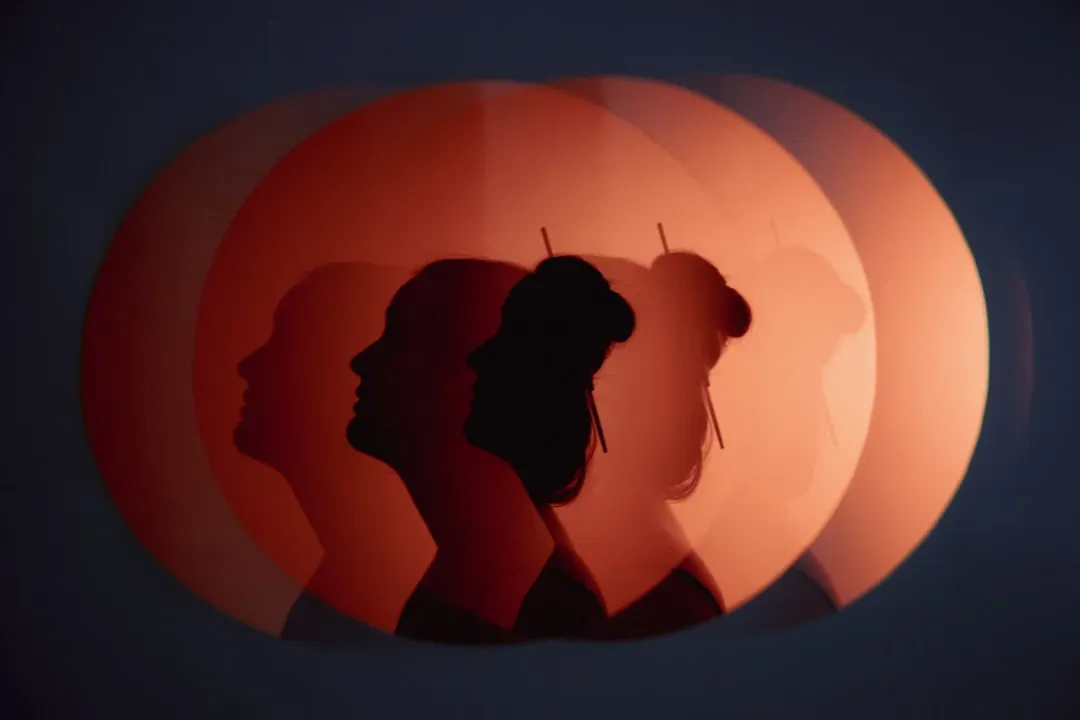
Long before modern neuroscience, spiritual traditions around the world proposed that individual minds are expressions of a deeper, shared field of consciousness. Mystics talk about experiences of unity where the sense of separate self dissolves, replaced by a feeling of being part of something vast, alive, and indescribably real. Practices like meditation, prayer, chanting, or psychedelics can sometimes trigger moments where people report that ordinary boundaries between “me” and “everything else” temporarily vanish. These experiences have been recorded across cultures and centuries, well before brain scanners existed.
Modern brain imaging has shown that such states often correlate with changes in key networks involved in self-representation and sensory integration. When those networks quiet down or reorganize, the subjective feeling of being a separate, solid “I” can soften or disappear, which lines up with what practitioners describe. None of this proves that there truly is a universal consciousness field, but it does show that our everyday sense of isolation is, at least partially, a construct. Whether we interpret these experiences as glimpses of a larger truth or as beautiful illusions shaped by neural wiring depends a lot on our prior beliefs – and probably on which experiences we have had ourselves.
Artificial Intelligence and the Mirror Question
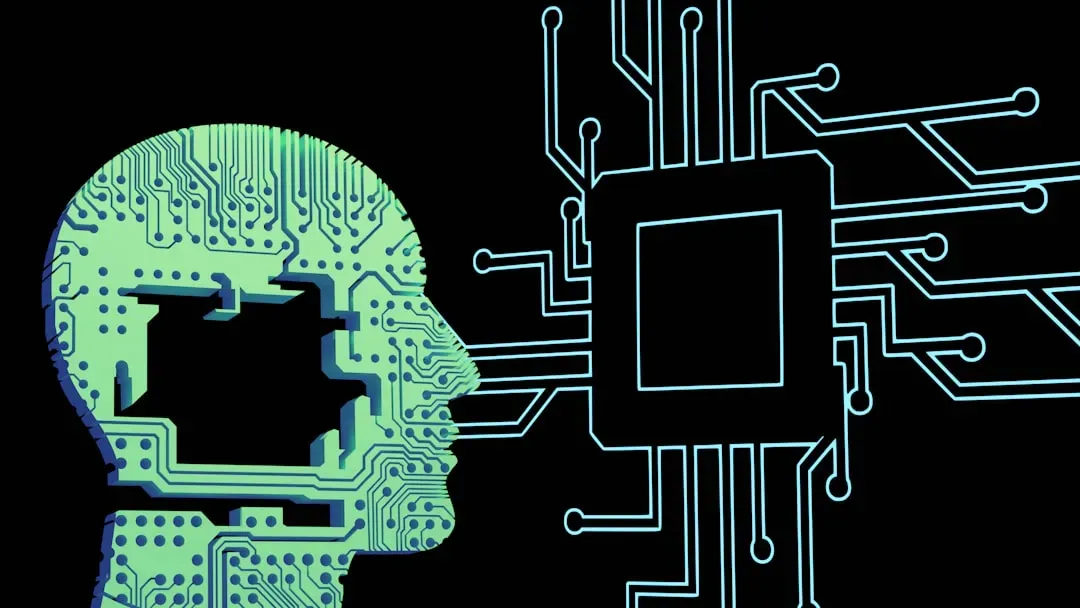
The rise of advanced AI systems poses a fresh challenge: if we can build machines that chat, create art, and solve problems, where exactly does consciousness fit in? Right now, there is no solid evidence that today’s AI models are conscious in any human sense; they are powerful pattern recognizers drawing on huge datasets, not inner lives quietly watching thoughts pass by. But the fact that non-biological systems can mimic so much of what we thought required a mind forces us to reconsider which parts of intelligence actually require awareness and which do not.
Some thinkers suggest that if consciousness is tied to the way information is integrated and processed, then in principle it could show up in non-biological systems under the right conditions. Others argue that subjective experience is inseparable from the messy, embodied, evolutionary history of living organisms, and that silicon alone will never host a real inner life. Either way, AI acts like a mirror, making us confront our ignorance about what consciousness really is. If we cannot even say clearly whether a future super-intelligent system would be conscious, that is a sign that our current theories are still missing something big.
So Is Consciousness Bigger Than the Brain? A Personal Take
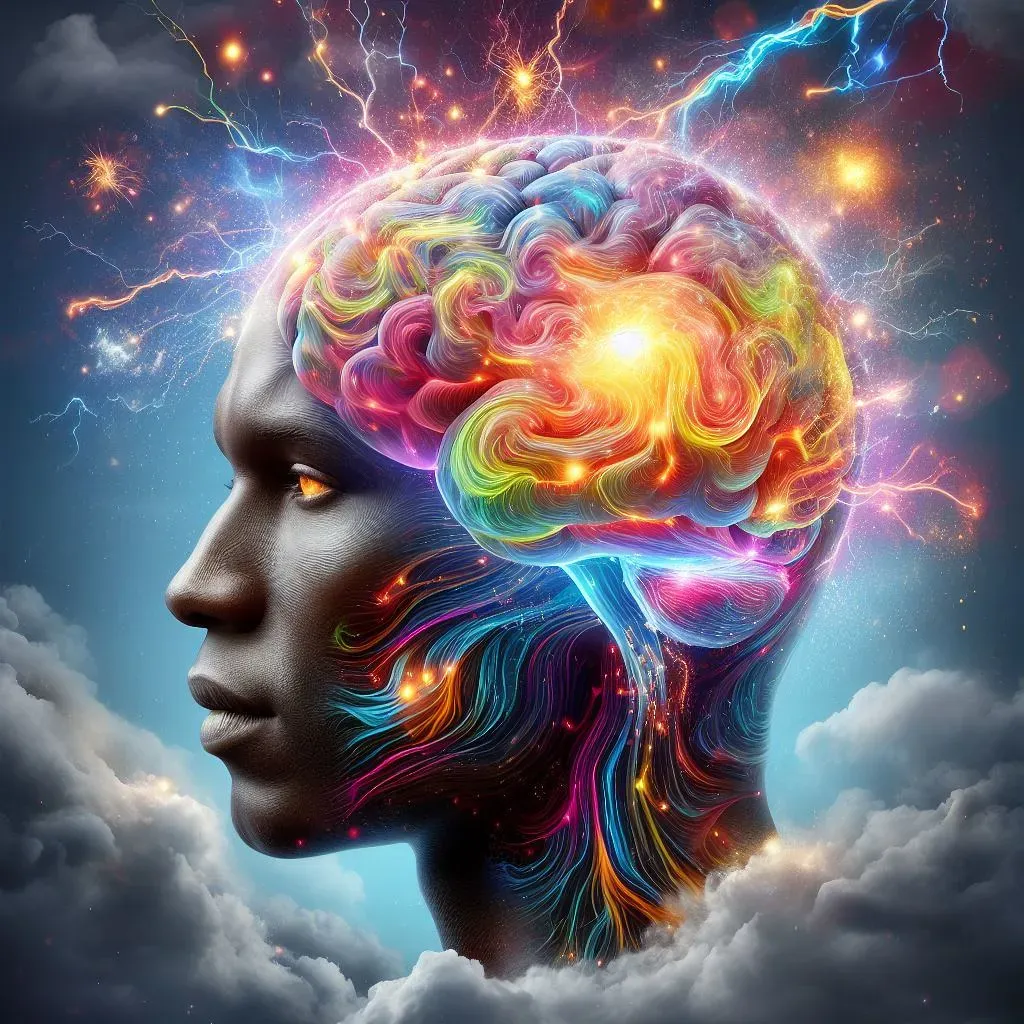
Looking at all of this – hard problems, strange experiences, spiritual reports, bold theories, and the stubborn success of brain science – I land in a deliberately uncomfortable middle ground. On one hand, the evidence that the brain is intimately tied to consciousness is overwhelming: change the brain and you change the mind, sometimes dramatically. Any serious view has to take that relationship very seriously. On the other hand, saying “the brain does it, end of story” feels more like a convenient story than a complete explanation. The deepest questions about why anything feels like anything at all are still wide open.
So my opinion is this: the brain is probably not the whole of consciousness, but the way a flashlight beam is not the whole of light. It is a powerful, intricate, and fragile device that shapes, narrows, and personalizes something we do not yet fully understand, whether that something is a basic property of reality, a shared field, or a level of organization we have not discovered. I think we will eventually see that our individual awareness is both grounded in biology and connected to a larger pattern that stretches beyond our skulls. Until then, staying curious, humble, and willing to question our assumptions might be the most honest response. If your own experience is your only guaranteed data point, what do you really feel is going on when you close your eyes and notice that you are here at all?