You have probably seen your dog love almost everyone, then suddenly bristle or hide from that one person for no obvious reason. It feels eerie, almost like your dog is seeing something you cannot. For a long time, people chalked that up to superstition or wishful thinking, but research in the last few years has started to back up what dog owners have always suspected: your dog really can pick up on who is safe and who is not.
The twist is that it is not magic. Your dog is not reading anyone’s soul. Instead, dogs are incredibly tuned in to tiny behavioral cues, body language, tone of voice, and even smells linked to stress and aggression. When you put all of that together, you start to see how a dog might be better than you at noticing when someone’s intentions do not match their words. Once you understand how this works, you will probably never look at your dog’s “bad vibes radar” the same way again.
Your Dog Judges People By How They Treat You
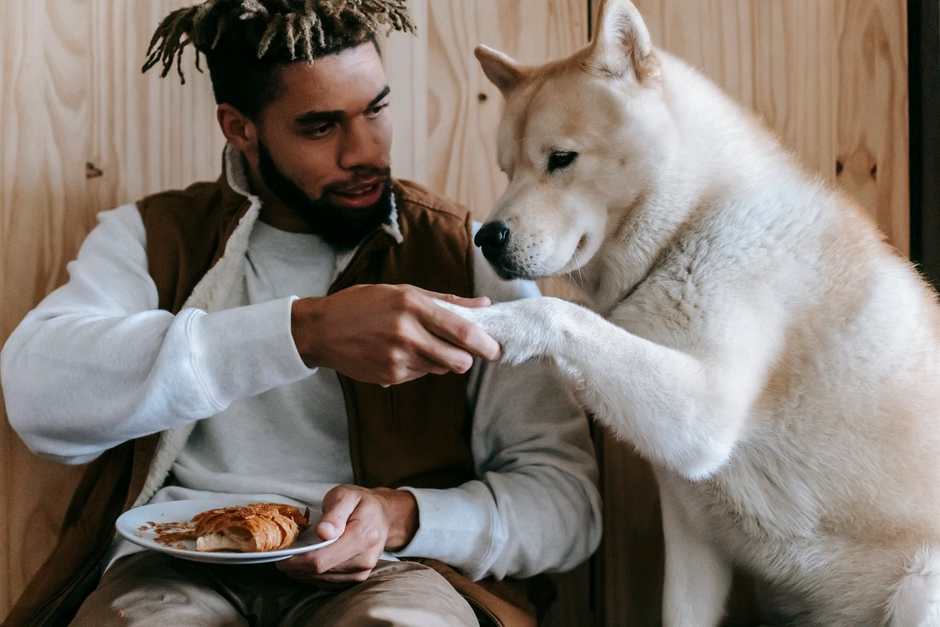
One of the clearest things science has found is that your dog watches how others behave toward you and uses that to form an opinion about them. In controlled experiments, dogs watched people either help their owner, refuse to help, or act in a clearly unkind way. Later, when those same people offered the dog food, the dog tended to avoid the person who had been unhelpful or rude and preferred the helpful one. In other words, your dog is not just focused on themselves; they are actively tracking who is on your side.
That means when someone snaps at you, ignores you when you clearly need help, or talks to you in a cold, dismissive way, your dog is adding that to its mental scorecard. You might brush it off and make excuses for the person, but your dog is far less forgiving. From your dog’s point of view, anyone who treats their favorite human badly is automatically suspicious, no matter how charming that person tries to be afterward. So when your dog “doesn’t like” someone who is consistently disrespectful to you, they are not being dramatic – they are being loyal and observant.
Dogs Read Micro‑Expressions And Body Language You Miss
You probably know when someone is obviously angry or threatening, but your dog can catch the tiniest flicker of that long before it turns obvious. Dogs are experts at reading micro‑expressions – those quick, involuntary facial movements that leak your real feelings before you can hide them. They also pay intense attention to posture, how someone stands over you, how fast they move, and whether their movements are smooth or jerky. All of that adds up to a quiet but powerful signal of safety or danger.
Imagine a person who smiles with their mouth but not their eyes, leans in just a little too close, or moves in a stiff, tense way. Maybe a part of you thinks, “Something feels off,” but you push that feeling down so you do not seem rude. Your dog does the opposite. They trust that first impression completely. They may back away, bark, growl, or simply position themselves between you and that person. To you it seems sudden and intense; to your dog it is the logical response to a stack of subtle red flags.
Your Dog’s Nose Detects Stress, Fear, And Aggression
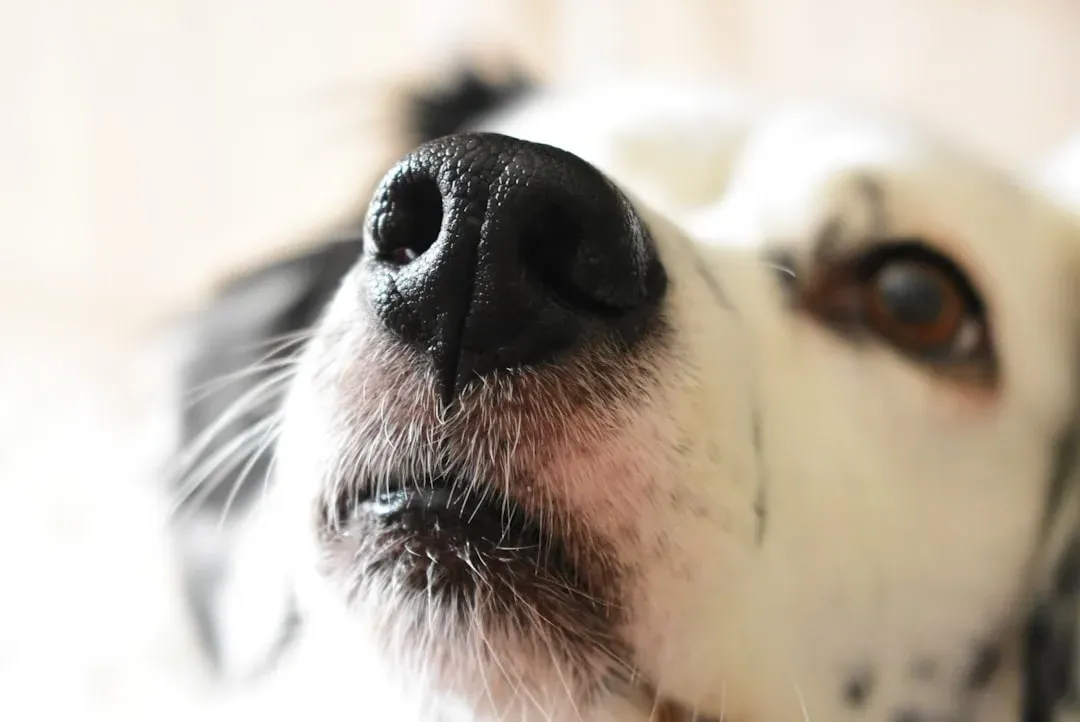
While you are trying to read faces and tone, your dog has access to an entire extra channel of information: smell. Dogs can detect tiny changes in your body’s chemical signals when someone is anxious, furious, or highly stressed. Hormones and stress‑related compounds change how a person smells, and your dog can pick those shifts up at levels that are basically invisible to human senses. When people say dogs can “smell fear,” they are not entirely wrong.
Now connect that to a “bad person.” Someone with aggressive or manipulative intentions often carries around a background level of tension, even when they are pretending to be relaxed. Your dog may smell that disconnect: the calm, friendly voice does not match the sharp, stressed, or strangely intense scent. Over time, your dog starts to associate that scent pattern with unpredictable or unpleasant behavior. So when they suddenly go on alert around someone who looks charming but smells like trouble, you are getting data your own senses simply cannot access.
They Notice Inconsistency Between Words And Actions
You are used to giving people the benefit of the doubt. If someone’s words say one thing and their behavior says another, you might rationalize it away. Your dog does not do that. Dogs are incredibly sensitive to consistency. When a person approaches with an overly sweet voice but moves in a pushy way, ignores your dog’s signals to slow down, or breaks small “rules” of personal space, your dog quickly notices the mismatch and gets uneasy.
This is especially obvious with people who try too hard. Think about someone who rushes to hug you or touch your dog without reading the room, while acting like they are being friendly. To you, it might feel mildly awkward. To your dog, that is a walking contradiction: the emotional tone and physical behavior do not align. Over time, dogs learn that people who do not respect clear signals or boundaries are more likely to act badly later, so they start to tag those people as unsafe long before you do.
Your Dog Remembers Who Made Them Uncomfortable
Dogs are not just reacting in the moment; they build a memory bank of people who have made them uneasy. That discomfort might come from rough handling, unpredictable behavior, harsh voices, or even just intense staring. Once your dog has had a negative experience with someone – being grabbed too hard, cornered, yelled at, or forced into interaction – they can remember that person and react the next time even if nothing “bad” happens right away.
You have probably seen this if your dog starts to growl or hide when a certain person walks in, even if that person is now being on their best behavior. To you, it may seem unfair or overly dramatic. To your dog, it is self‑protection based on past evidence. Dogs tend to generalize, too: if several people with a similar style or energy have made them uncomfortable, they might distrust new people who give off the same vibe. That can look like “sensing a bad person,” when really your dog is using lived experience as a quiet warning system.
They Take Their Emotional Cues Directly From You
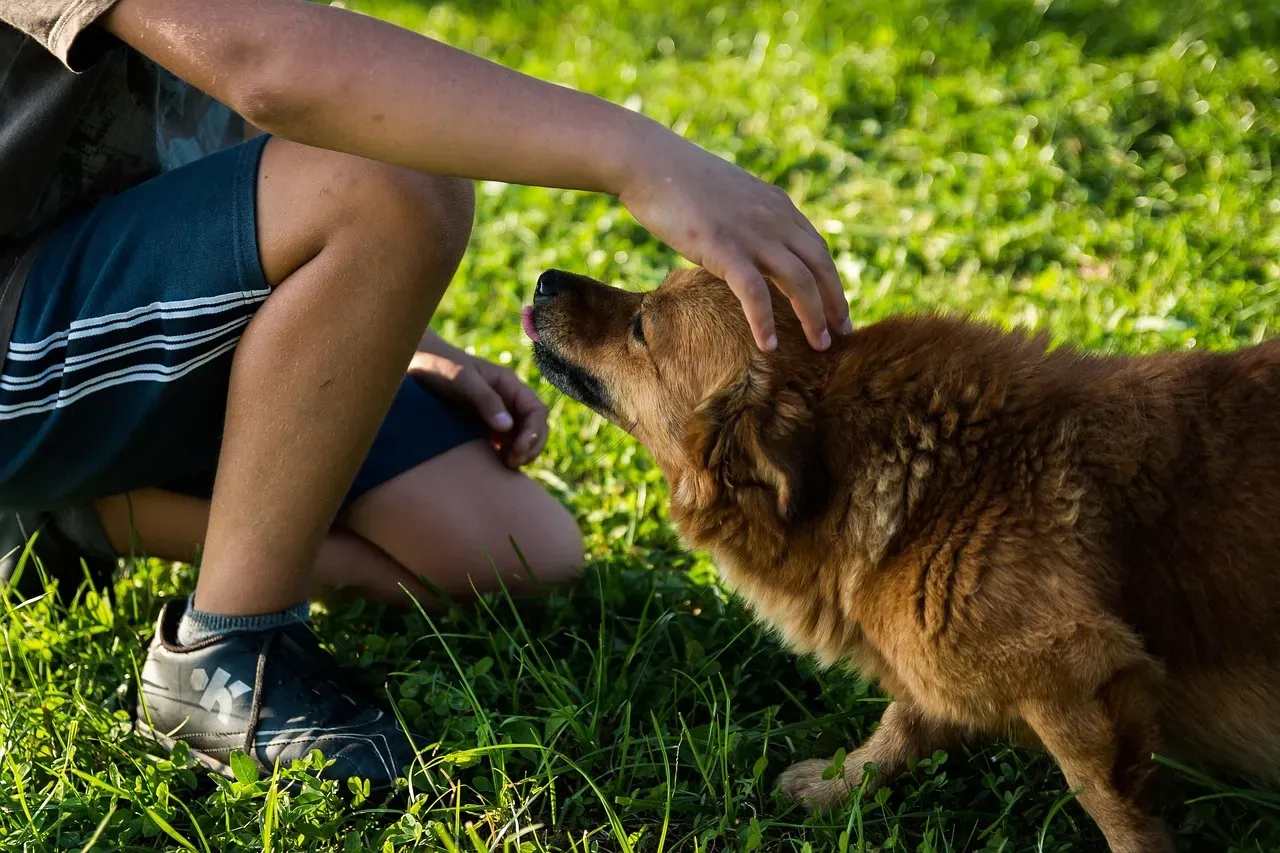
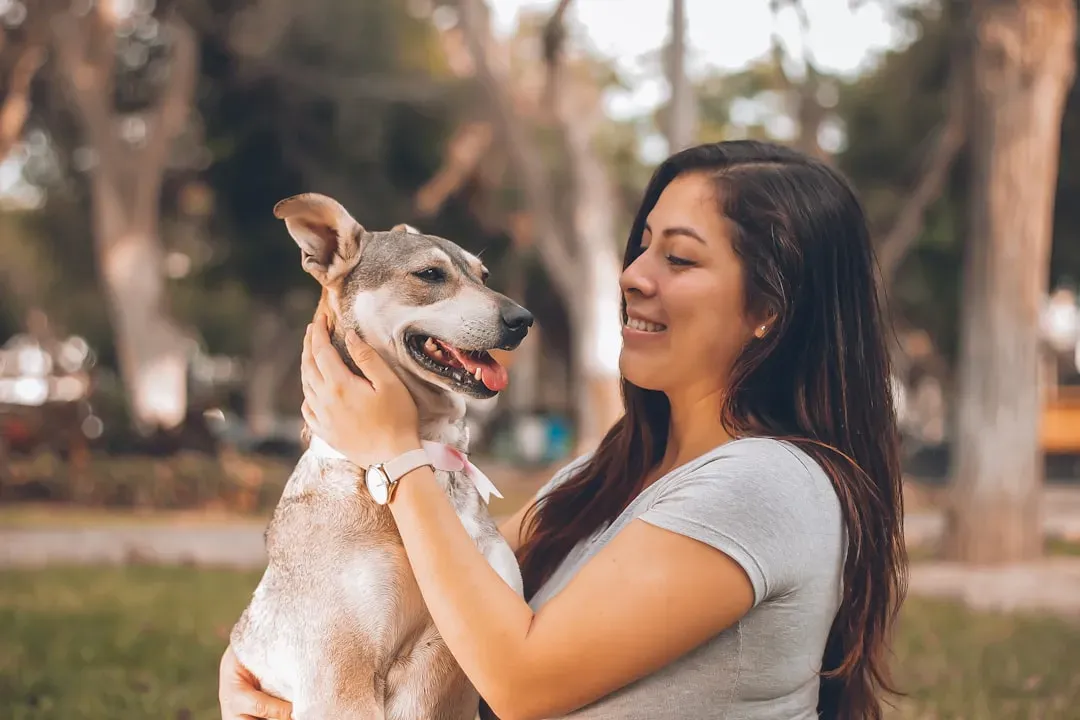
Your dog constantly scans you for emotional updates, almost like checking a weather report. If your heart rate spikes, your tone changes, or you unconsciously tense up around someone, your dog notices. Even when you force a smile and try to act fine, your body may be telling a different story. Your dog will often side with your body over your words. If you are nervous but pretending to be polite, your dog feels that unease and may decide the person in front of you is the problem.
Over time, this creates a powerful feedback loop. If certain people consistently make you feel small, stressed, or on edge, your dog links their presence with your discomfort and starts to react defensively. In that sense, your dog is amplifying your own gut feelings, giving them teeth and a voice you cannot always give yourself. Sometimes when your dog “randomly” dislikes someone, what they are really doing is reflecting a discomfort you have been talking yourself out of acknowledging.
Dogs Are Wired To Spot Threats In Social Groups
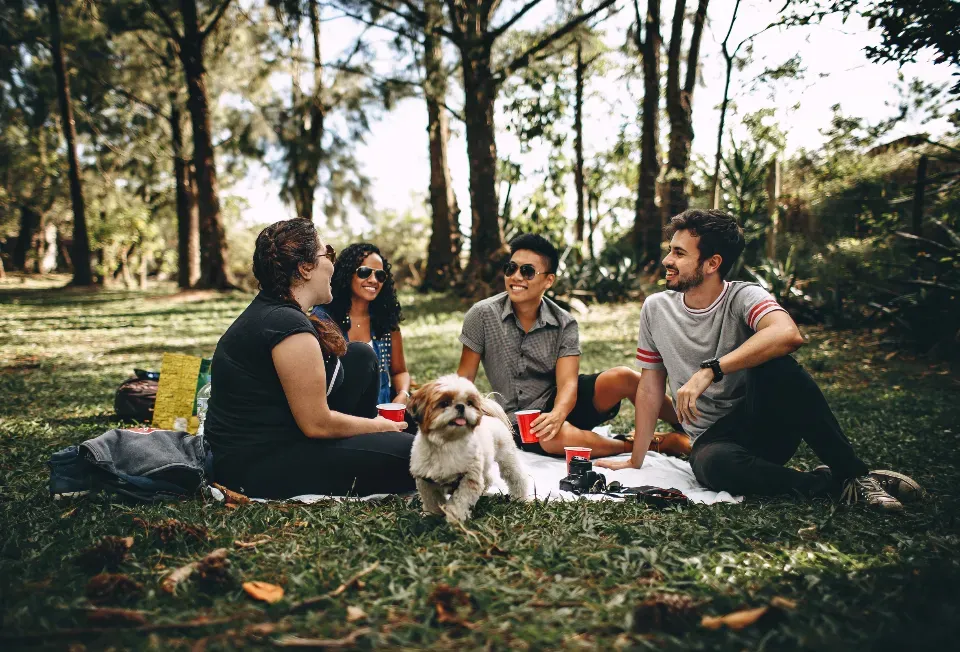
Dogs evolved alongside humans, not just as pets but as partners in survival. Part of that partnership involved scanning the social environment for threats, both human and animal. A dog that could quickly pick up on unreliable or dangerous individuals gave their human group an edge. Modern life is obviously very different, but that old wiring is still there. Your dog is always evaluating who fits into the “safe pack” and who does not.
That is why some dogs will quietly tolerate most strangers but instantly stiffen around a few. They are running a constant background check based on movement, energy, smell, and history. To you, two visitors may look almost identical: same polite smile, same friendly tone. To your dog, one feels like neutral background noise and the other sets off every alarm. It might look mystical, but it is just evolution doing its job through a set of finely tuned instincts.
They Respond Strongly To Hidden Aggression And Alcohol
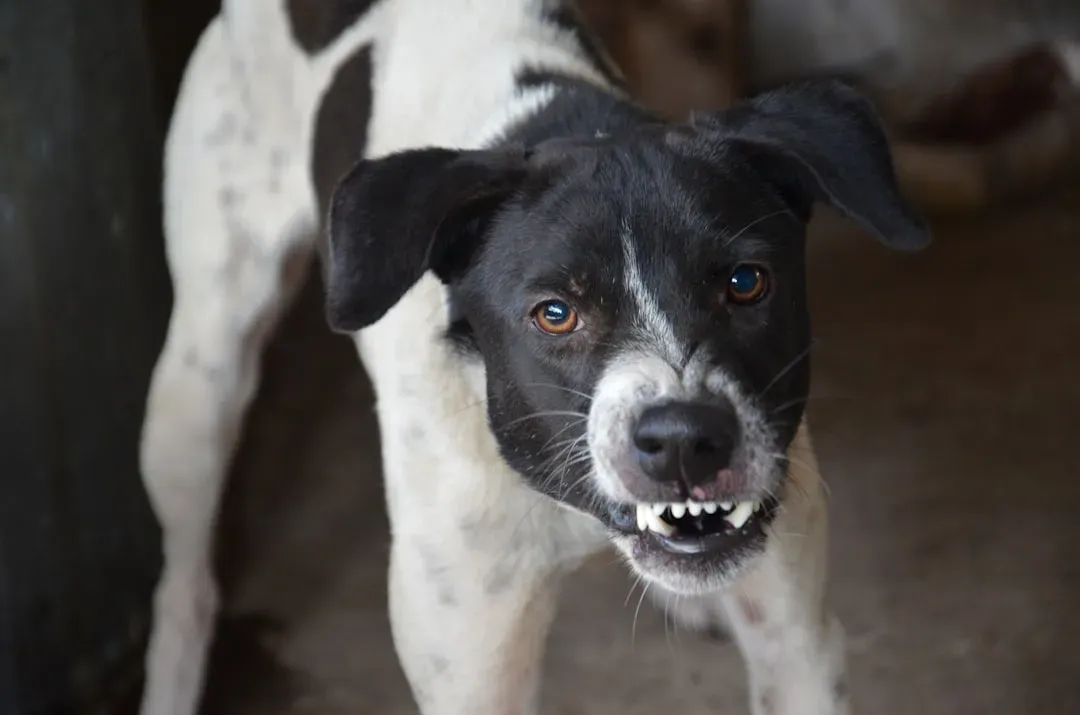
There is another layer you might not think about: your dog often reacts more to how a person behaves when they think no one is watching. Many dogs become uneasy around people who are drunk, high, or just out of control in subtle ways. Slurred speech, unsteady walking, unpredictable movements, and strange smells all combine into a pattern your dog learns to treat as unsafe. Even if you tell yourself, “They are just having fun,” your dog may not buy it.
Hidden aggression can show up the same way. Someone who has a temper may be very good at masking it socially, but their body often gives them away: clenching their jaw, balling their fists, moving too fast toward you, or startling easily. Your dog will often catch those cues long before the person finally snaps in public. So if your dog consistently positions themselves between you and someone who “has never done anything wrong,” it is worth asking whether they are picking up on patterns you have been trained to ignore.
Your Dog’s “Bad Person Radar” Is Real – But Not Perfect
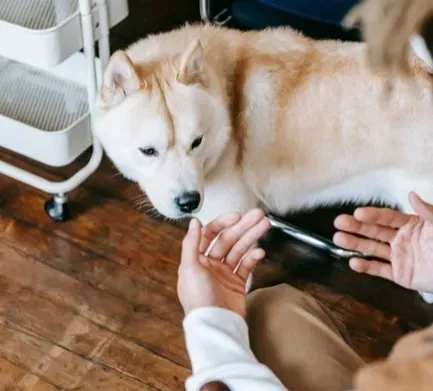
As tempting as it is to treat your dog like a flawless lie detector, you still need to stay grounded. Your dog is reading behavior and patterns, not morality. They can misjudge people who move differently because of disability, wear unusual clothing, or simply remind them of someone from a bad memory. They can also be influenced by poor socialization, past trauma, or your own reactions. So while your dog’s instincts are powerful, they are not some magical truth serum about a person’s character.
The smartest way to use your dog’s reactions is as one more data point, not the whole verdict. When your dog consistently reacts badly to someone, instead of brushing it off or blindly trusting it, you can pause and look closer. Are there red flags in how that person talks to you, respects your boundaries, or behaves when stressed? Your dog can nudge you to notice what you have been explaining away, but your judgment still matters. In the end, it is a partnership: their instincts plus your reasoning make a far better safety system than either one alone.
How To Respect Your Dog’s Warnings Without Overreacting
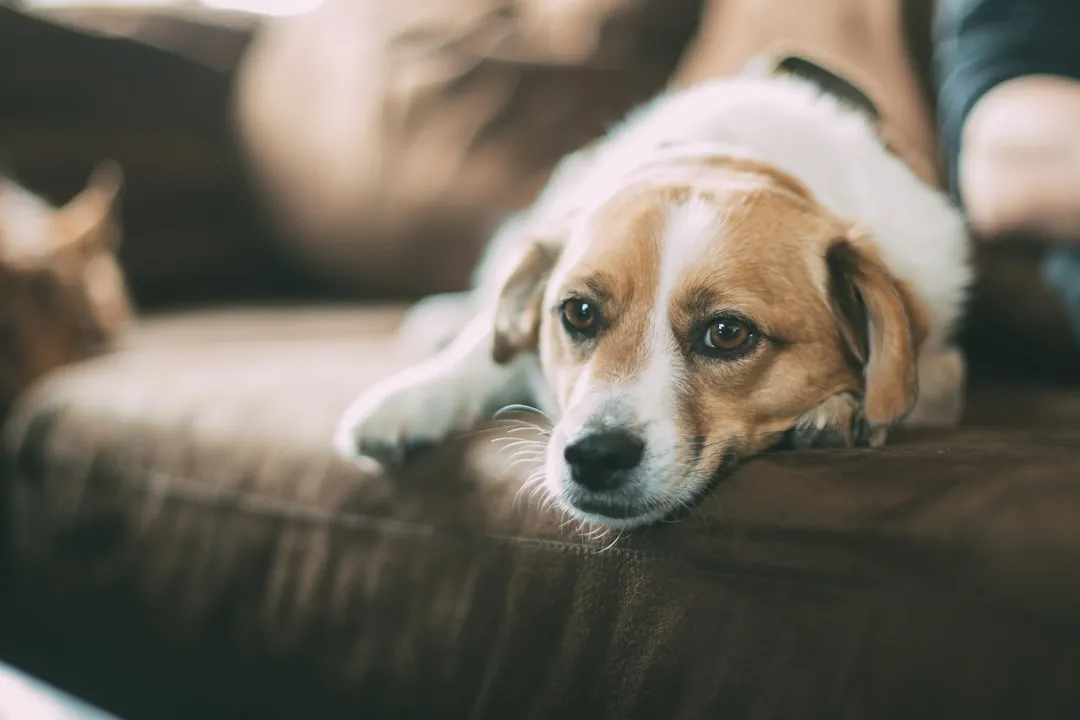
So what do you actually do with all of this? When your dog seems uncomfortable around someone, the first step is to take it seriously instead of shaming or forcing them. Give your dog space, observe the person more closely, and pay attention to how your own body feels around them. You do not have to accuse anyone of anything, but you can quietly adjust how much trust, access, or information you give them. You can treat your dog’s reaction as an early caution sign rather than proof of guilt.
At the same time, you can work on giving your dog positive experiences with a wide range of people, so their radar is based on real warning signs and not just unfamiliarity. If your dog has trauma, fear issues, or poor socialization, getting help from a qualified trainer or behavior professional can sharpen the difference between true alarm and simple anxiety. The goal is not to turn your dog into a judge and jury, but to honor the very real, scientifically backed skills they bring to your life.
Ironically, as you learn to listen to your dog better, you often learn to listen to yourself, too.
Conclusion: Trust The Dog, Trust Yourself
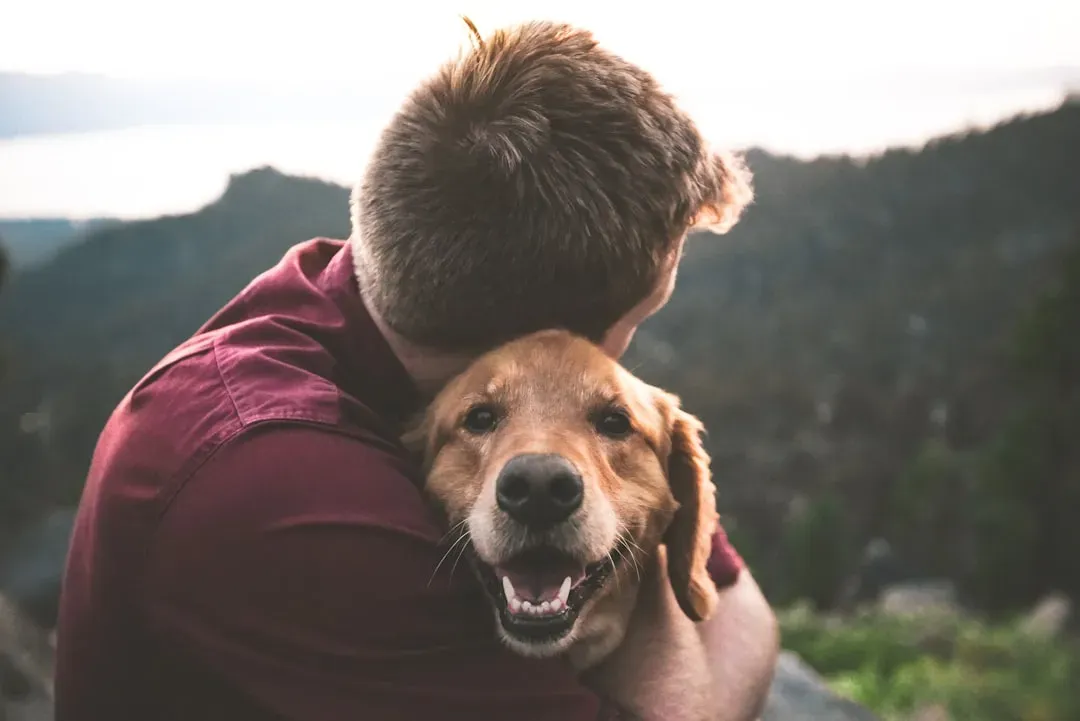
When you put all the research and real‑life stories together, a clear picture emerges: your dog is not magically sensing someone’s inner goodness, but they are astonishingly good at reading clues about who is safe and who might be trouble. They judge how people treat you, watch body language you miss, smell stress and aggression, and remember who has made them uneasy in the past. That adds up to something that, from the outside, looks an awful lot like a built‑in “bad person detector.” It turns out your dog has been doing quiet risk assessment for you all along.
The key is to treat that ability with respect but also with balance. You do not want to hand over every decision about people in your life to your dog, but you also do not want to ignore them when they are clearly, repeatedly uncomfortable around someone. When your instincts and your dog’s instincts line up, that is usually worth taking very seriously. Maybe the real lesson is simple: you and your dog are a team, and you are both better off when you pay attention to each other. The next time your dog bristles at someone who “seems fine,” will you still shrug it off – or will you pause and listen?