You know that feeling when you watch a shark documentary and think, this is already scary enough, nothing could top this? Then you meet the prehistoric ones. Suddenly, today’s great white looks like a nervous intern compared to the corporate villains that swam the oceans millions of years ago, with jaws like wrecking balls and bodies built to bully anything that moved.
When you look closer at the science, you start to see a pattern: again and again, the biggest ancient sharks show up right at the top of their food webs, reshaping ecosystems, pushing other species to evolve or disappear, and hijacking entire oceans like comic-book antagonists. You are not exaggerating when you picture them as supervillains; you are just translating cold fossil evidence into language your nervous system understands.
The Ocean Was Their Personal Crime Syndicate
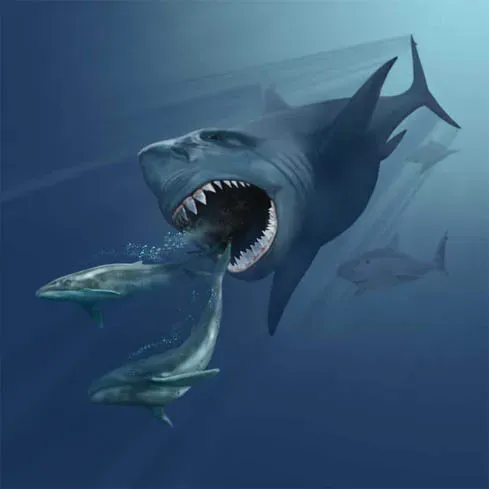
If you could time-travel back tens of millions of years and drop into the ocean, you would not be entering a peaceful blue planet; you would be stepping into a territory ruled by apex predators that treated everything smaller than them like unpaid extras. Giant prehistoric sharks, from the famous megalodon to lesser-known brutes, sat at the top of the food chain with almost no natural enemies once they reached adult size. That kind of power lets a species act like it owns the place, because in many regions, it basically did.
When you dominate like that, your behavior ripples through everything below you. These sharks were not just random big fish; their feeding habits controlled where whale populations could safely live, how big marine mammals could grow, and which other predators even had a shot at surviving. You can think of them like mob bosses whose “business decisions” shaped the layout and mood of entire neighborhoods, only their neighborhoods were entire ancient seas.
Megalodon: The Whale-Crushing Antihero You Can’t Ignore
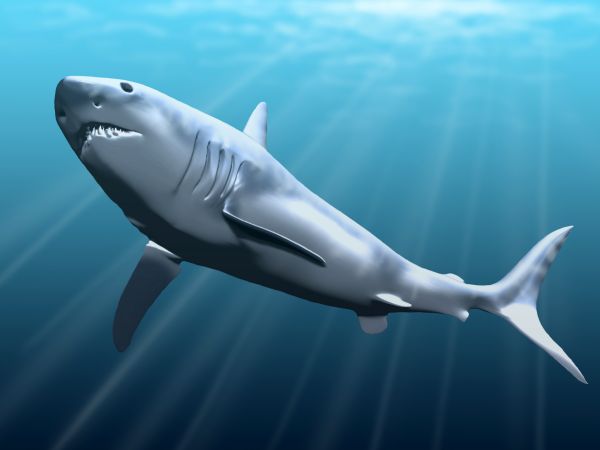
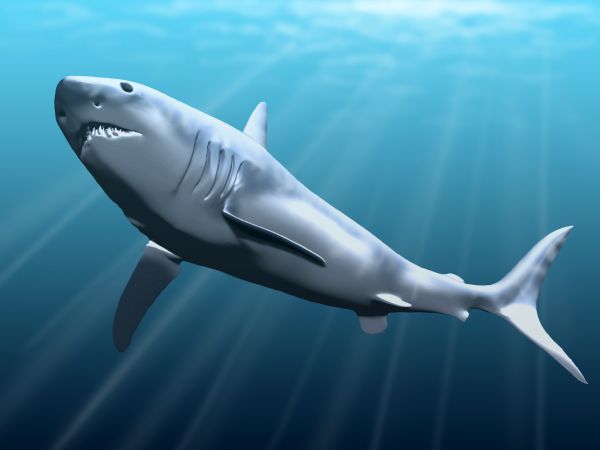
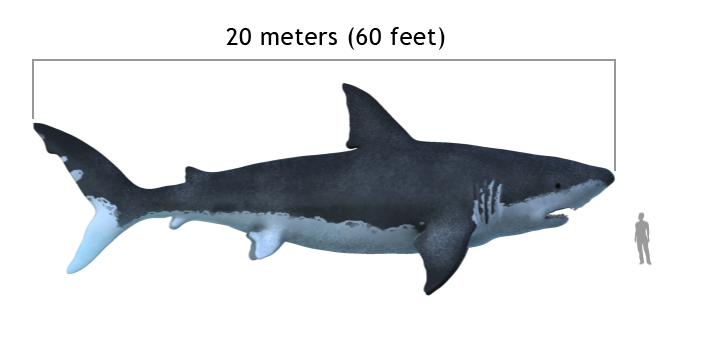
When you picture a prehistoric shark supervillain, you almost certainly land on megalodon first, and honestly, you’re not wrong. You are dealing with an animal that likely stretched more than the length of a city bus and carried a bite force that researchers estimate far beyond anything alive today. Its teeth alone, thick and serrated like stone knives, tell you exactly what kind of damage it was built to do: slice through bone and blubber, not just nibble on fish.
Fossil whale bones add another layer to this villain origin story, because quite a few show bite marks that match the size and shape of giant megalodon teeth. That means you are not imagining things when you imagine this shark targeting large marine mammals as routine prey, possibly even going for high-calorie hits like the chest cavity where organs are richest. In modern terms, you would compare it to a predator that does not just hunt; it optimizes the menu for maximum payoff, like the ocean’s most terrifying efficiency expert.
Teeth Like Movie Weapons, Engineered for Maximum Damage
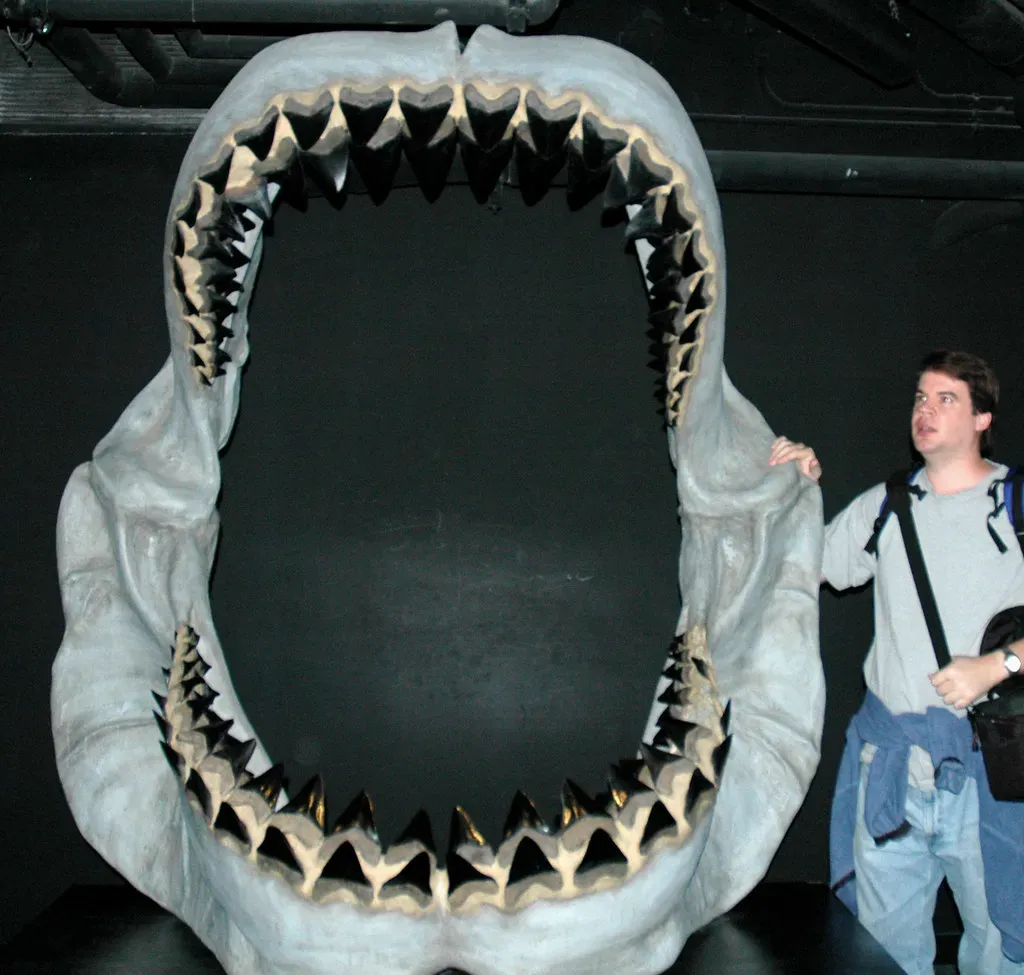
If you want to understand why these sharks feel like supervillains, you should start with their teeth, because the design is pure overkill. Many giant prehistoric shark species evolved teeth that were not only enormous, but also heavily serrated, thick-rooted, and constantly replaced, like a conveyor belt of fresh weapons. You are looking at a system where losing a tooth mid-attack is not a problem; the next one is already queued up and ready to tear something open.
Those blades were perfectly adapted for sawing through flesh and bone, which means you are not just talking about catching prey but dismantling it quickly before other scavengers closed in. In practical terms, that gave these sharks a way to turn a single successful attack into a huge caloric payout, enough to fuel a massive body in a competitive ocean. You might compare it to carrying an entire arsenal instead of just one weapon: when your teeth are that specialized, every bite is an act of brutal engineering.
They Hunted Big, Slow, and Full of Calories
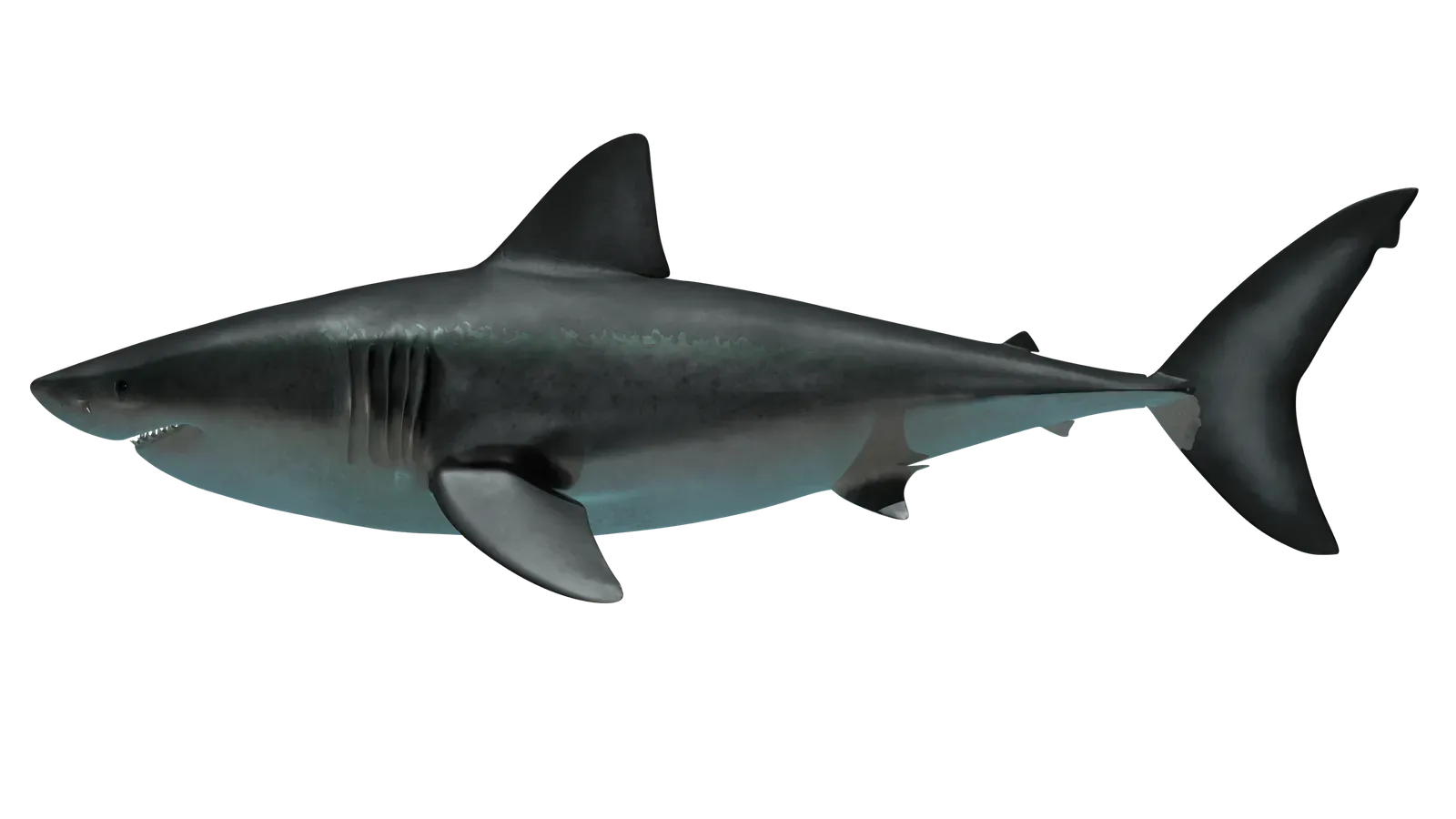
You see a pattern in how apex predators behave, whether they are cats on land or sharks in the sea: they go after the biggest, richest payoff they can reasonably tackle. Prehistoric giants like megalodon appear to have focused heavily on marine mammals, including early whales and seals, which offered thick layers of fatty tissue. When you are trying to feed a multi-ton predator, you do not waste effort on small, fast fish if you can ambush something that is basically a swimming pantry of calories.
Evidence from bite marks, fossil distributions, and the timing of marine mammal evolution suggests that as whales diversified and grew larger, they opened up an entire buffet line for giant sharks. You can imagine the dynamic as a grim feedback loop: whales get bigger, sharks adapt to exploit them, and the pressure on those whales shapes which ones eventually survive. In modern terms, you would say these sharks were following the money; except in their case, the money was blubber and organs.
They Reshaped Evolution Like Comic-Book Masterminds
When you stand back and look at the long timeline, you realize these sharks were not just scary in the moment; they were powerful enough to redirect the course of evolution. Prey species that lived in the same waters had to adapt or die, which for you means they evolved better defenses, changed their migration routes, or shifted to different habitats entirely. You can think of every new whale behavior, every deeper diving pattern, as partly a response to the shadow of a giant shark patrolling above.
Over millions of years, that kind of pressure adds up. Some lineages of marine mammals may have been pushed toward larger body sizes or different feeding strategies simply because any vulnerable niche was a death trap when these predators were around. When you hear that a single predator can have an ecosystem-wide impact today, you are seeing a smaller echo of what prehistoric giants likely did on a much grander scale. They were not just players in the game; they helped write the rules.
Even Their Extinction Reads Like a Fallen Villain Arc
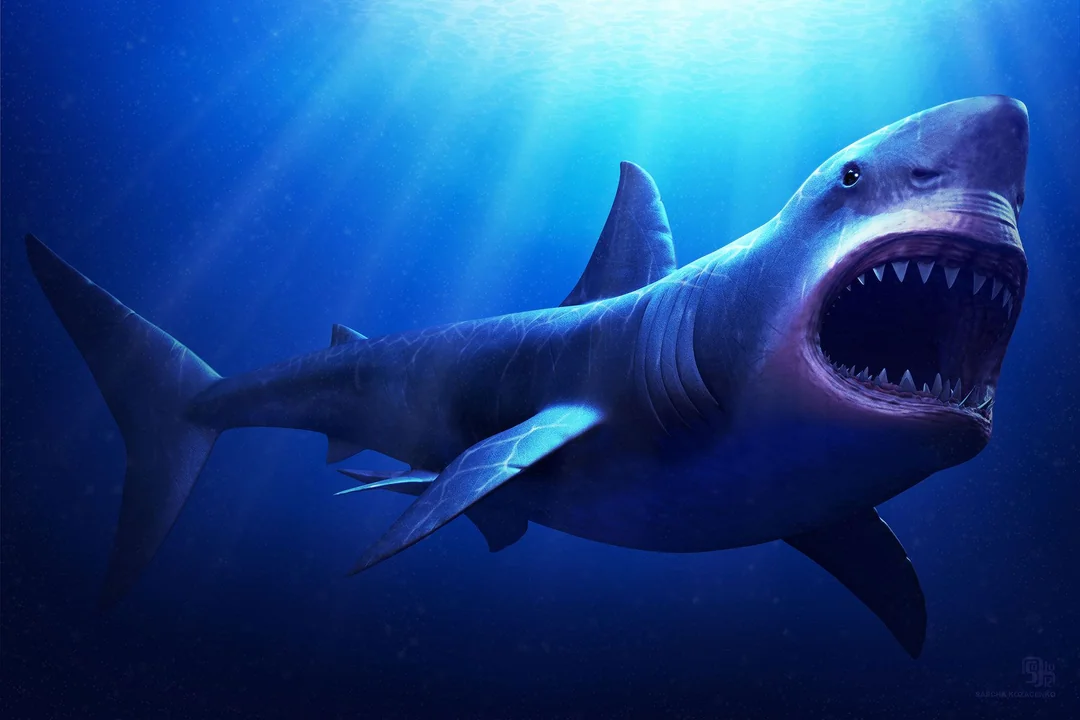
You might assume that a super-predator this dominant could only be stopped by something even bigger, but the story scientists see in the fossil record is more subtle and oddly poetic. Climate shifts, changing ocean temperatures, and reorganized food webs seem to have chipped away at the foundations these sharks relied on, especially their supply of large, calorie-dense prey. If whales changed their migration routes or young whales shifted into cooler waters where sharks struggled, you suddenly get a villain cut off from its favorite targets.
On top of that, you likely had new competitors, such as modern great white sharks and other agile predators, squeezing into some of the same ecological roles but with smaller bodies and lower energy demands. You can picture megalodon as the oversized crime boss whose empire cannot survive once the economy crashes and the rules change. Its extinction is a reminder to you that even the most terrifying apex predator is still chained to the environment it dominates, and when the environment moves on, the villain does not get a sequel.
Why Your Brain Turns Them Into Monsters (And Why That’s Okay)
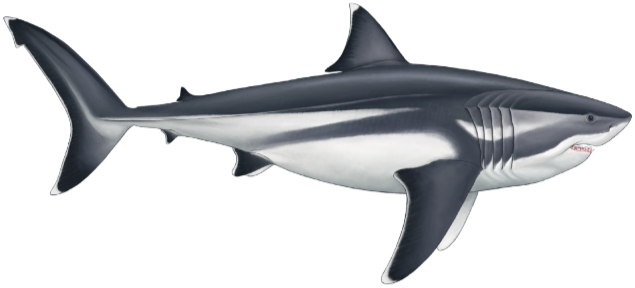
Even if you never swim in the open ocean, something in you reacts to the idea of a shark the size of a bus with weaponized teeth, and that reaction is not an accident. Your brain is wired to pay special attention to large, fast, unpredictable threats, whether that is a charging animal on land or a dark shape rising from below. When you hear about megalodon or other prehistoric giants, your imagination fills in the gaps with cinematic flair, because that is how your nervous system handles danger: it exaggerates to keep you cautious.
At the same time, turning these animals into supervillains helps you make sense of complex scientific stories that stretch over millions of years. You give them roles – mastermind, bully, fallen ruler – because it is easier for you to remember a narrative than a spreadsheet of bite-force estimates and fossil localities. As long as you remember that the drama is your interpretation and the fossils are the reality, you are using your fear and fascination in a productive way. You are letting emotion pull you into the science, instead of letting it replace the science.
Conclusion: Living in a World Without Them (And Still Feeling Watched)
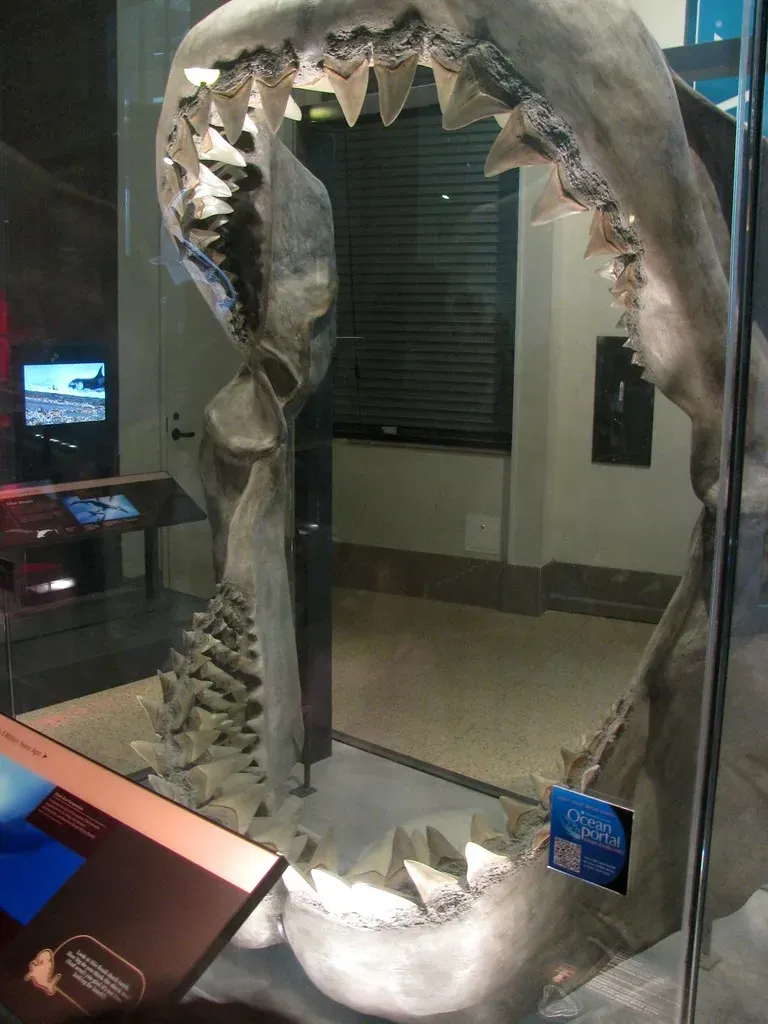
When you zoom out, every giant prehistoric shark that feels like a full-time supervillain is really a product of its time: an animal perfectly tuned to the prey, climate, and oceans it inherited. You live in a world they no longer rule, but their legacy still lingers in the way modern sharks hunt, the paths whales travel, and the stories you tell whenever the sea looks a little too dark. The supervillain persona is your way of translating raw, ancient power into something your modern brain can stare at without looking away.
In a strange way, you are lucky to encounter these monsters only through fossils, models, and your own imagination instead of while treading water in an ancient sea. You get all the thrill, all the awe, and none of the risk of becoming part of the food chain they once controlled so casually. So the next time you see a great white and feel a jolt of fear, you can remind yourself: this is just a distant cousin of the real ocean tyrants. Knowing that, would you actually want them back, even for a moment?