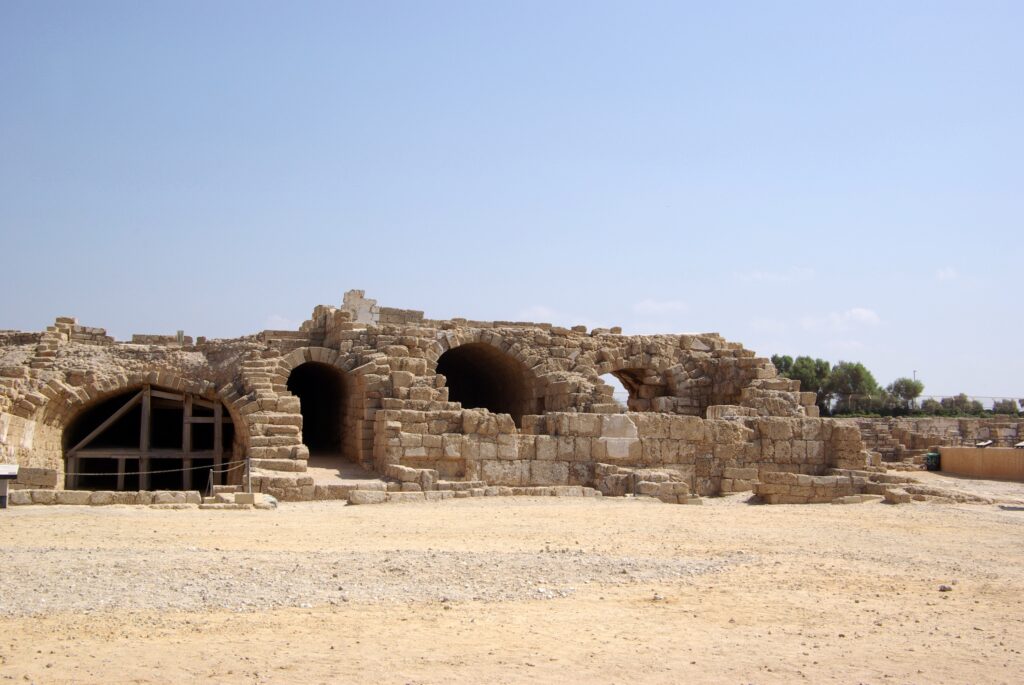
You probably like to imagine that once an artefact reaches a museum, it’s safe forever. Neatly labelled, properly catalogued, carefully locked away. The uncomfortable truth is that history leaks. Objects vanish between card catalogues and storage shelves, slip into anonymous private hands, or get quietly deaccessioned when their stories become awkward, disputed, or inconvenient. As you move through these nineteen cases, you’re not just reading about missing things. You’re really watching how fragile your connection to the past is. Each artefact here was, at some point, recorded, handled, and studied by professionals. Then, often without fanfare, it left the public realm. Some were stolen, some rebranded as fakes, and some were simply allowed to fade into the bureaucratic fog of “location unknown.”
1. The British Museum’s Quietly Vanishing Small Antiquities

You have probably heard that a major museum can misplace a few objects, but the British Museum scandal forces you to rethink what “a few” means. Over roughly a decade, staff realised that not just dozens but around a couple of thousand small items – gems, jewellery, glass, and other antiquities – had gone missing from its storerooms. Many of these objects had been catalogued in internal records, photographed or described by curators, and used in specialist research, but never fully exposed to public view. When they slipped out into the market, they blended in with the endless online listings of “unprovenanced” antiquities that you see on auction sites. You’re left with a disturbing realisation: a world-class institution can study artefacts in depth, record them, and still lose them so completely that they might as well have never existed. The museum later admitted its own record-keeping and internal oversight were deeply flawed, which means that even professionals couldn’t always prove precisely what had been taken. For you, as someone who relies on museums to guard and share the past, this case shows how easily well-documented history can evaporate the moment it passes through a weak point in the system.
2. The Cartier Diamond Ring and Other “Misplaced” Museum Treasures

When you think of missing artefacts, you probably picture ancient coins or anonymous shards of pottery, not a high-end Cartier diamond ring. Yet a British national institution managed to lose a ring valued in the hundreds of thousands of pounds, along with rare minerals and other objects from its collections. All of these were fully catalogued and insured, and at some stage they had been handled and evaluated by professionals who knew exactly what they were looking at. Then, after moving between storage, displays, and loans, they simply dropped off the radar. For you, the shocking part is not only the monetary value but what that loss says about stewardship. Even heavily insured, carefully documented items can slide into a grey zone where no one can say whether they were stolen, quietly sold, or just filed under the wrong shelf code forever. They were once prominent enough to be recorded in museum systems; now they’re ghost entries in databases, technically “there” on paper but gone from every public-facing collection you can visit. It underlines how even glamorous artefacts are only as safe as the people and paperwork around them.
3. The British Museum’s Missing Coins and Pottery
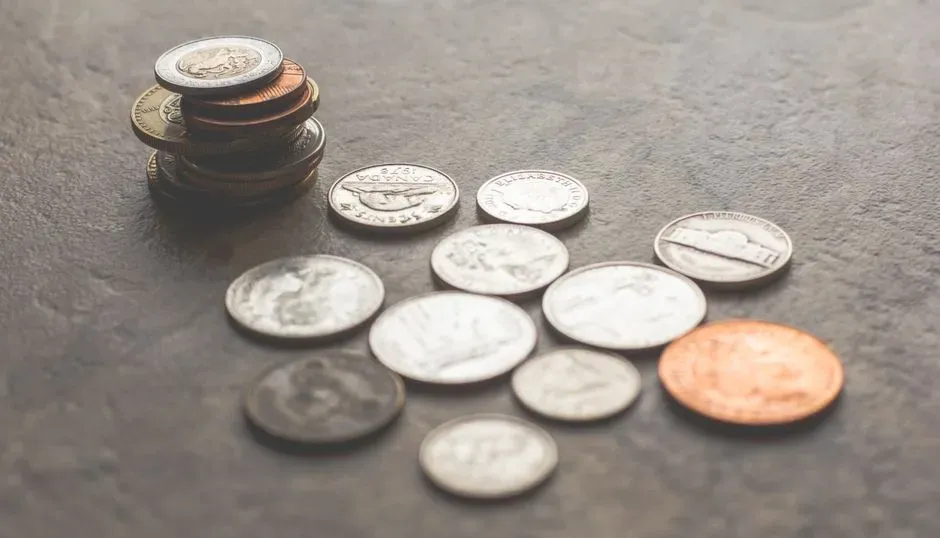
If you dig into freedom‑of‑information responses about missing collections, you start to see patterns rather than isolated mishaps. In the British Museum’s case, internal records list hundreds of missing artefacts since around 2013, including ancient Greek and Roman coins, German pieces, and hundreds of fragments of pottery. You would have expected such items to be among the most carefully tracked, given their usefulness for dating historical layers and reconstructing ancient economies. But the reality you face is that coins and sherds are easy to pocket, easy to mislabel, and easy to lose in massive storage bays. From your perspective as a visitor or reader of museum catalogues, these pieces exist as line items and accession numbers, not as actual objects you can see. Curators have studied them, written internal notes, and sometimes even prepared them for research that never reached a broader audience. Once they disappear – whether through theft, negligence, or simple chaos – the written record remains, but the physical evidence is gone. That gap between paper and object makes you question how solid any catalogue really is, especially when it is not backed by regular, independent audits.
4. The Natural History Museum’s Lost Triassic Jaw Fragment

You might not feel much emotional attachment to a small reptile jaw from the late Triassic period, but palaeontologists certainly do. A single fragment like that can help you refine timelines of evolution, identify new species, or trace how ecosystems changed across deep time. In one widely reported case, a British museum acknowledged that a jaw fragment of an ancient reptile had been lost while on loan. It had been catalogued, studied, and moved through official channels, yet by the time anyone checked carefully, the trail went cold. What makes this so unsettling for you is that this was not an anonymous rock; it was a flagged, documented specimen with clear scientific value. Loans are supposed to be among the safest forms of access because both parties sign paperwork and track each item. Yet even under those conditions, this jaw simply vanished. If such a specialised specimen can fall through the cracks, you have to imagine how many less famous samples have quietly slipped away, leaving data tables and scientific papers that now point to objects no one can examine again.
5. The Imperial War Museum’s Missing Military Papers and Curios
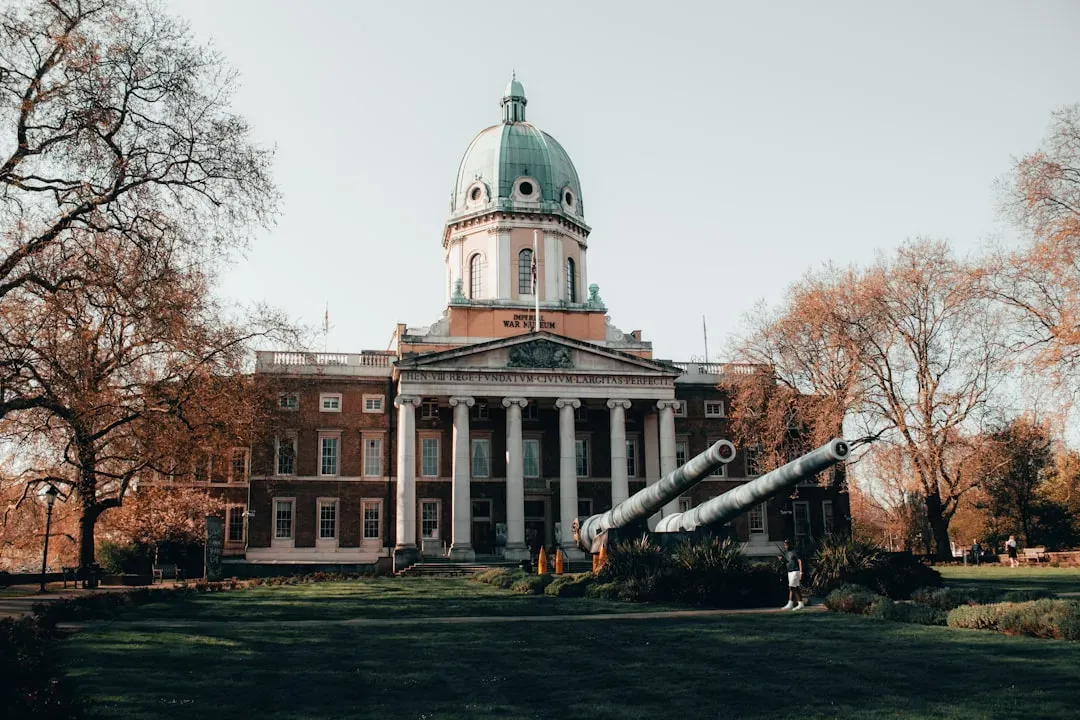
When you walk into a war museum, you’re really stepping into a carefully curated argument about memory, sacrifice, and power. Behind the scenes, though, the collections are huge and messy, and that mess sometimes swallows objects whole. In England, the Imperial War Museum has acknowledged hundreds of missing items, ranging from mounted sword bayonets to a calendar featuring a former Iraqi leader, and sets of private papers from army officers. Each of these items once sat in a box or a folder with accession numbers, research notes, and handling records. For you, documents like officers’ private papers are especially painful to lose, because they often capture personal perspectives not preserved anywhere else. They might contain marginal notes, maps, or sketches that never made it into official archives. When such material disappears after being catalogued, you lose more than one artefact; you lose a chain of context that historians depend on to reconstruct what people actually thought and felt in wartime. It is like tearing pages out of a diary you never got to read, even though someone promised those pages were safe in a vault.
6. The Kansas Cosmosphere Space Artefact Disappearances

Space history feels recent enough that you assume everything is tightly controlled and inventoried, but one American space museum proved how wrong that assumption can be. In the early 2000s, staff at the Kansas Cosmosphere discovered that over a hundred aerospace artefacts were missing from their collection. Many of these were flown items or rare components from historic missions, objects you would expect to be treated with almost religious care. They had been catalogued, studied, and in some cases loaned out or used as reference material for exhibitions and documentaries. When you look more closely at what happened, you see a familiar pattern of trust placed in senior staff, followed by accusations that items were quietly sold into private hands. Once dispersed, they became individual collectibles, stripped of the documentary context that tied them to specific missions or astronauts. For you as a member of the public, those artefacts are now essentially gone, even if bits and pieces sit in anonymous display cases in private homes. You can read about them in old audits and court documents, but you can no longer walk into a gallery and stand in front of them.
7. The Carnegie Library’s Vanished Rare Maps and Atlases
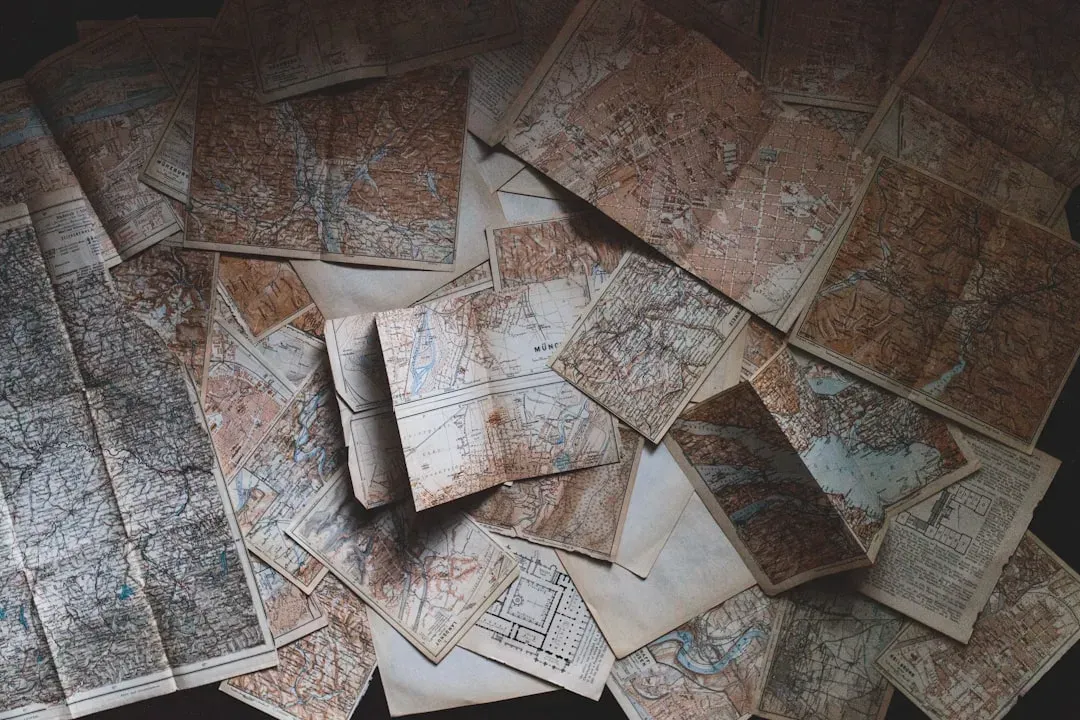
If you love old books, the idea of a rare‑book room probably feels like a sanctuary. The Carnegie Library of Pittsburgh’s special collections were exactly that: a quiet, controlled environment full of valuable atlases, early maps, and illustrated volumes. Over more than two decades, however, hundreds of items disappeared from those shelves. They had been catalogued and sometimes even digitised or referenced in research, but physical volumes and individual maps were cut out, removed, and sold through dealers. For you, the emotional punch comes from understanding that this theft was not a quick smash‑and‑grab. It was a slow bleed carried out by someone who understood both the catalogue and the market. By the time auditors realised how much was missing, some items had been scattered across private collections and auction houses around the world. Even when authorities recovered a portion of the material, the long gap between cataloguing and discovery meant that many treasures had passed into hands that are now difficult or impossible to trace. To you, those missing maps are a reminder that knowledge can be literally sliced out of the historical record.
8. The “Fake” Dead Sea Scroll Fragments Removed from Display

You might think that when an artefact is declared a fake, its disappearance does not matter much. But when a museum in Washington, D.C. quietly pulled several supposed Dead Sea Scroll fragments from public display after experts deemed them inauthentic, something more complicated happened. Those fragments had been catalogued, photographed, and intensely studied for years under the assumption that they were ancient. Scholars wrote about them, visitors marvelled at them, and the museum used them to build narratives about early biblical texts. Then, almost overnight, they were moved offstage and essentially erased from the museum’s public identity. As someone trying to make sense of the past, you’re caught in a bind here. On one hand, you want museums to be honest when they discover an object is not what it seemed. On the other, you lose access not just to the object, but to the story of how experts were fooled and what that says about the antiquities market. These fragments still matter as evidence of forgery networks and the pressure to acquire impressive pieces quickly. Yet because they are now treated as an embarrassment, they have slipped into back rooms and private files, leaving you with an incomplete picture of how modern institutions grapple with truth and deception.
9. Looted Mediterranean Antiquities Quietly Returned, Quietly Removed
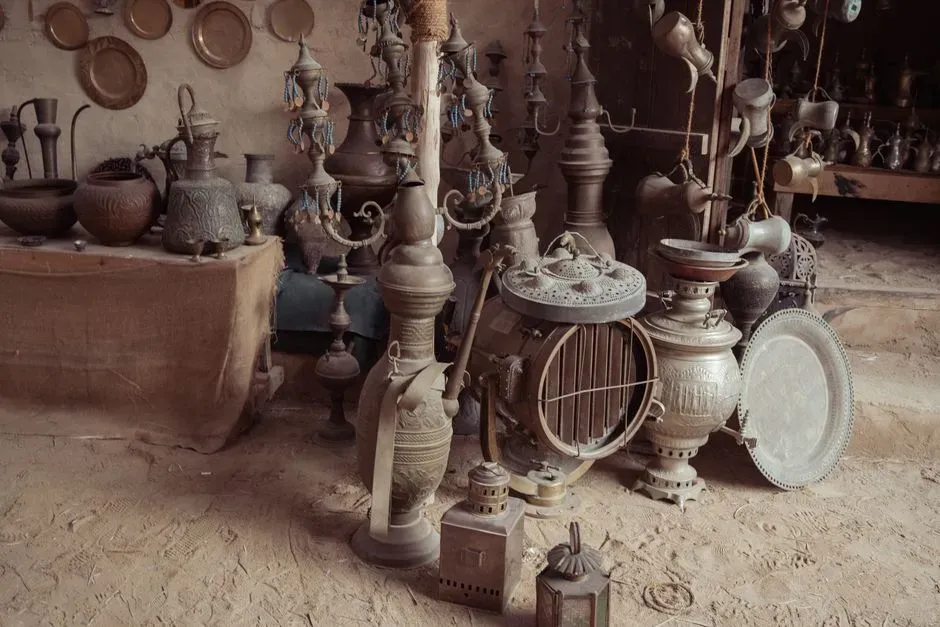
Over the past few decades, you’ve probably seen headlines about American and European museums returning antiquities to Italy, Greece, Turkey, or Cambodia. Many of those pieces were once proudly displayed and heavily marketed; later, curators realised that they had been looted or smuggled. In some cases, the artefacts moved from private collections into major museums before finally being repatriated. Throughout this journey, they were repeatedly catalogued, researched, and reviewed in scholarly publications, each time under a slightly different story of ownership. From your perspective, this means that an artefact can be studied for years and still suddenly vanish from the museum you associate it with. The object is not destroyed – in fact, it often goes to a more appropriate home – but it does disappear from the public-facing collections you might have planned to visit. Exhibition labels are removed, catalogue entries are revised, and new gaps open in galleries. You’re left relying on old photographs and catalogues for a sense of what once stood there, while the object itself starts a new, less documented life in another institution that might not have the same digital reach.
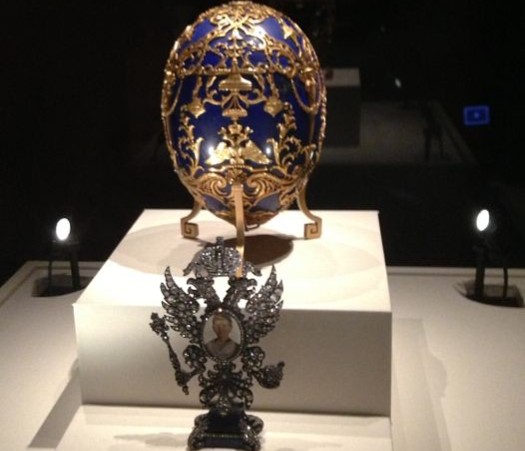
10. The Fabergé Imperial Eggs That Fell Out of View

Fabergé eggs, with their over‑the‑top opulence, feel almost too famous to lose. Yet a couple of Imperial eggs created for the Russian royal family in the late nineteenth century have effectively vanished after early twentieth‑century upheavals. You can trace them through inventories in the Kremlin, early sales to Western buyers, and mentions in catalogues of a few collectors. Then the trail fizzles out. Scholars can tell you they once existed, describe them in detail, and even point to blurry photographs or sketches, but no present‑day museum can put them in a glass case for you to see. What you’re really confronting here is how fragile provenance chains can be when politics, revolution, and private collecting intersect. These eggs moved from imperial treasuries to state inventories and eventually to private hands, where they may still sit in vaults or be broken up for their materials. They were catalogued multiple times along the way, studied by jewellery experts and historians, and yet they occupy the strange category of documented but absent artefacts. For you, they symbolise all the high‑profile treasures that slipped out a side door during chaotic transfers of power and never came back.
11. Unprovenanced Egyptian Artefacts Linked to Tutankhamun’s Tomb

You probably grew up seeing images of the golden wonders from Tutankhamun’s tomb and assuming everything was carefully sorted and preserved in one place. In reality, early twentieth‑century excavations operated under looser norms, and some small objects from the tomb seem to have travelled unofficial routes. Later curators and historians have pointed out artefacts in major collections that appear stylistically and materially identical to items from that burial, even though their paperwork doesn’t clearly say so. These pieces were catalogued, analysed, and put on display under generic labels, but their true origin remains murky. For you, this raises uncomfortable questions about how many “Egyptian antiquities” in Western museums were once part of tightly contextualised assemblages. If a bead, amulet, or small figurine really did come from Tutankhamun’s tomb but was carried out as a souvenir or gift, its separation from the tomb robs you of a complete picture of that burial. Later scholarship has to work around the missing pieces, sometimes relying on stylistic guesses rather than firm documentation. The objects themselves have not disappeared entirely, but their most meaningful context has, leaving you with artefacts that feel like orphaned puzzle pieces.
12. The Missing Michelangelo “Hercules” Marble

Renaissance sculptures by Michelangelo are some of the most scrutinised objects on earth, so it feels impossible that a major work could vanish. Yet that is exactly what happened with a marble “Hercules” he carved as a young artist in the late fifteenth century. You can follow its story through early inventories and descriptions, track its presence in a French royal garden, and see how scholars wrote about it as late as the eighteenth century. At some point during renovations and landscape changes, though, the sculpture disappeared, either destroyed, buried, or quietly removed to a private estate. From your point of view, this is a chilling reminder that even star artists do not guarantee immortality for their works. “Hercules” was catalogued by contemporaries and later historians, studied as part of Michelangelo’s development, and still managed to slip beyond reach. Today you can read about it in art‑historical literature and see speculative reconstructions, but no museum can put the original in front of you. It shows you how much of what you think of as a secure canon actually rests on scattered references and the hope that nothing catastrophic happened between one inventory and the next.
13. The Science Museum Group’s Lost Scientific Curiosities

Scientific instruments and curiosities may not be as glamorous as canvases or statues, but they are crucial if you want to understand how knowledge was actually produced. In the United Kingdom, audits have revealed that the Science Museum group has lost or misplaced hundreds of objects across its various sites. These range from early technological prototypes to unique samples of materials. Each item once had a place in a register, often with technical notes and sometimes with photographs used by researchers and exhibition designers. For you, the tragedy of these losses is partly that they rarely make big headlines. A missing experimental device or rare mineral specimen does not attract the same public outrage as a stolen painting, yet these objects anchor key stories about innovation, industry, and everyday problem‑solving. When they are catalogued, studied, and then drift out of traceable existence, you’re left with scientific narratives that are slightly thinner and more abstract. The physical evidence that grounded them has slipped into the same limbo as countless anonymous tools and prototypes that never made it into any collection at all.
14. Regional Museums That Close, Leaving Orphaned Collections
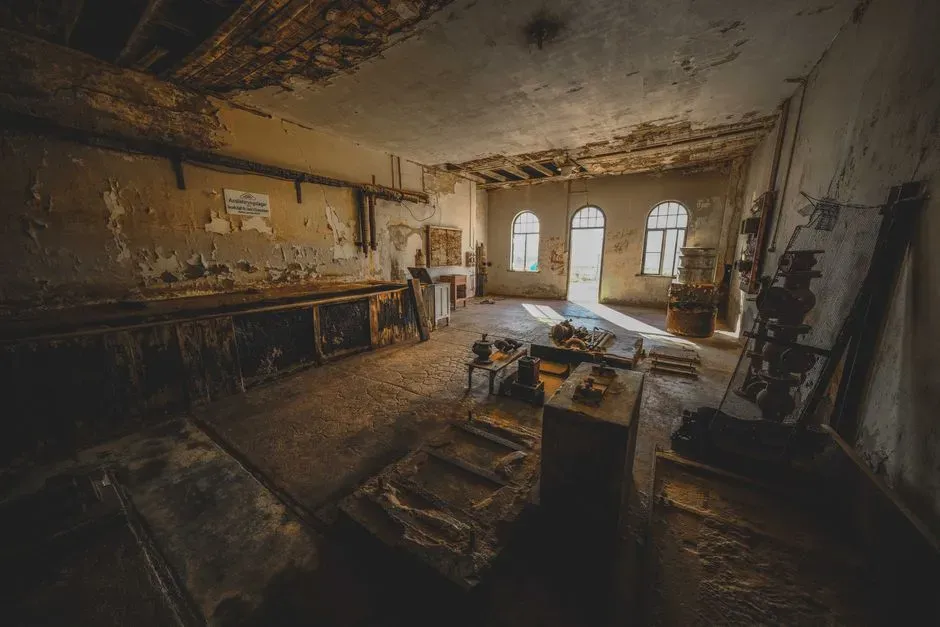
You might assume that if a museum closes, its artefacts automatically flow into another public institution, but reality is far messier. Across Europe and elsewhere, many small or regional museums have shut down since around the turn of the century. Their collections – often rich in local history objects, folk art, and unique archives – are sometimes dispersed, sometimes stored in bulk, and sometimes left in limbo when legal or financial disputes arise. Even when the objects were properly catalogued and occasionally studied, their new locations may be poorly documented. From your perspective as a researcher or curious visitor, this means that artefacts which were once accessible in a local gallery or reading room can simply vanish from public view. Catalogue records might survive in spreadsheets or printed inventories, but the actual objects are now in off‑site warehouses, private hands, or institutions that lack the staff to share them with you. This quiet disappearance is different from theft or deliberate destruction; it’s more like a slow suffocation of access. You know something exists on paper, but you have no meaningful way to encounter it anymore.
15. Private Collections Studied by Scholars, Then Locked Away Again
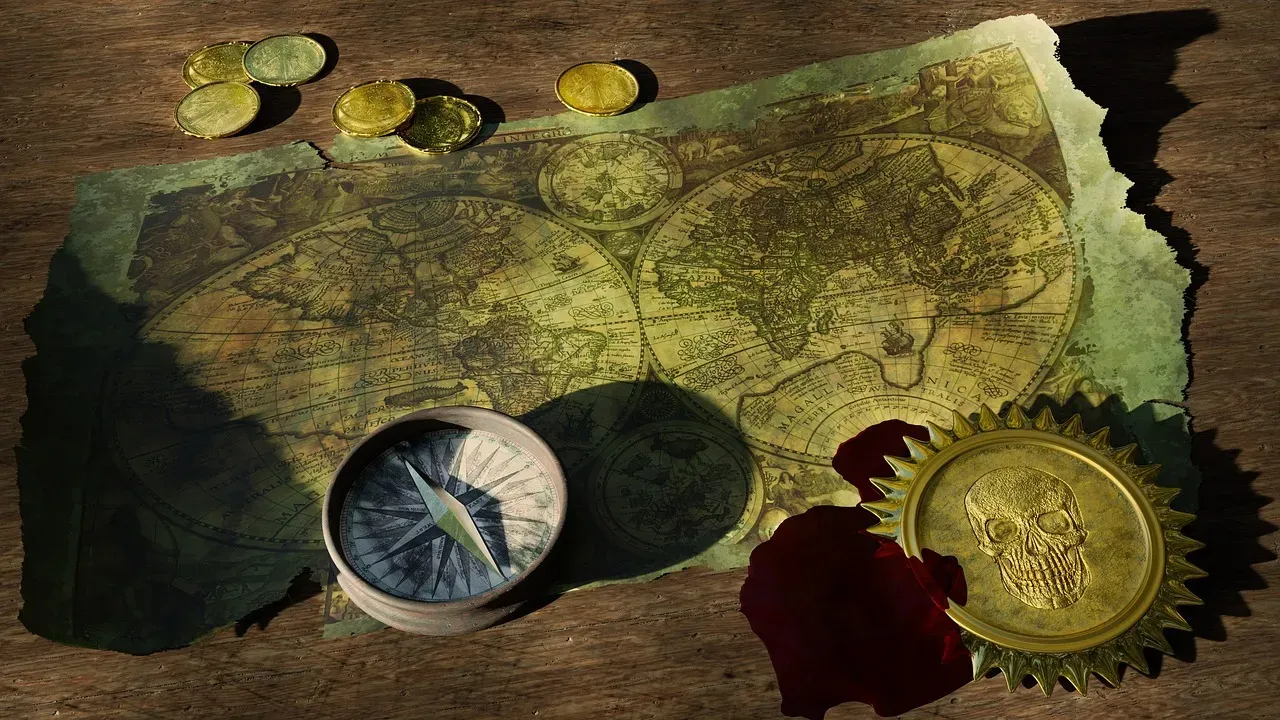
There’s a strange, half‑secret world where private collectors and academics overlap. As a scholar, you might gain temporary access to a private hoard of coins, ceramics, or manuscripts, under the condition that you document it and keep certain details discreet. You take photographs, write catalogue descriptions, maybe even publish a monograph or article based on the material. For a little while, those artefacts are part of your shared intellectual landscape. Then the collection changes hands, is broken up at auction, or is simply withdrawn from circulation, and you lose track of where anything went. If you are on the outside of that process, all you see is the published catalogue or study. The objects themselves become abstractions that you can’t revisit, verify, or reinterpret with new methods. They were effectively “in” the public sphere for a brief window while experts studied them, and then they retreated into safe rooms and vaults where you cannot follow. This cycle leaves you depending on one generation’s descriptions of artefacts you’ll never get to see, which is a risky foundation for any evolving understanding of the past.
16. Mislabelled or Untracked Specimens in Natural History Collections

Walk into a big natural history museum and you’re surrounded by just a fraction of the millions of specimens stored behind the scenes. Staff will tell you that only a tiny slice of the collection is on display at any given time. In that vast unseen reserve, objects are catalogued, sometimes only briefly, and then boxed, frozen, or bottled. Over decades, moves between buildings, shifts in cataloguing systems, and staff changes can create black holes where certain items effectively cease to exist in any usable way. They are technically on the books, but no one knows exactly where. For you, especially if you care about biodiversity and climate history, this is more than an administrative nuisance. Those “lost” samples might hold genetic data from extinct populations, early evidence of invasive species, or climate signals recorded in shells and bones. Researchers who once studied them may still have notes and photographs, but new generations cannot cross‑check or build on that work if the specimens are functionally missing. It’s like hearing about a crucial lab experiment but never being allowed to see the raw results or repeat the test yourself.
17. Archival Manuscripts Cited in Scholarship but Now Unlocatable
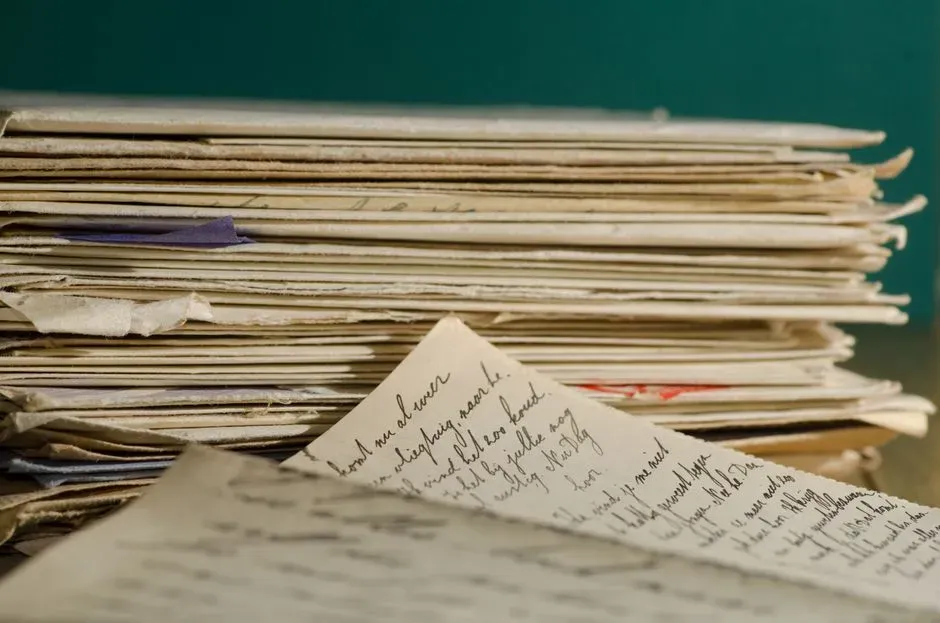
If you read historical footnotes closely, you sometimes stumble across references to letters, diaries, or charters that no one seems able to find today. Many of these documents came from private or semi‑private archives that allowed scholars brief access in the nineteenth or early twentieth century. Those scholars catalogued and described what they saw, often in meticulous detail, and their work entered the mainstream of historical writing. Then the families sold the papers, the archives were reorganised, or political upheavals scattered collections. Today, when you go looking, you hit a wall of vague references and dead ends. This kind of disappearance is especially frustrating for you because the proof that the documents existed is solid: multiple researchers saw and handled them, sometimes even transcribed them. Yet digital catalogues, national archives, and major libraries have no physical trace of the originals. They have slipped into private safes, boxes in attics, or perhaps even the trash. You are left with second‑hand access through old editions and quotations, while the artefacts themselves have disappeared from every public‑facing collection that might have preserved them for fresh study.
18. Artefacts Deaccessioned as Fakes and Then Lost Completely
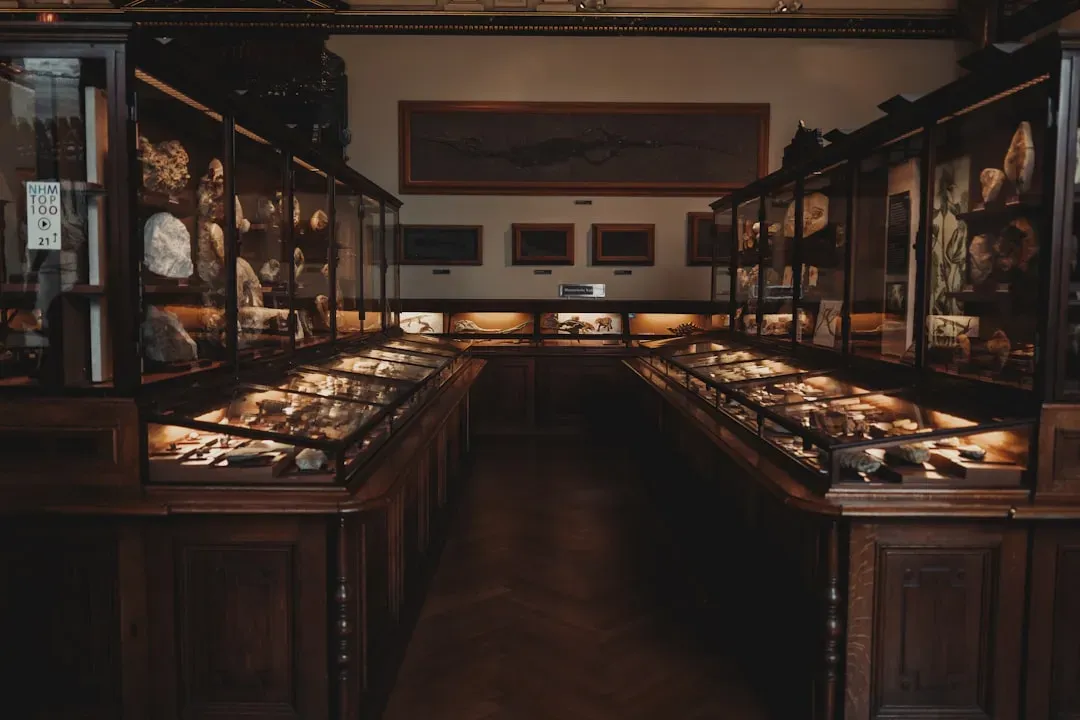
Not every artefact disappears because someone wanted to steal it. Sometimes, the threat comes from curators deciding something is not worth keeping. Over the twentieth century, many museums and libraries deaccessioned items they considered forgeries, misattributions, or low‑value duplicates. An object might have been catalogued, photographed, and discussed in early scholarship, only to be reclassified later as unauthentic. Once that label sticks, institutions often feel little obligation to track the item carefully when it is sold, traded, or discarded. For you, this creates an odd situation where even misattributed or dubious artefacts become historically interesting, but you cannot find them anymore. Later researchers might want to study the history of forgery, changing authentication techniques, or the psychology of collecting, and they discover that key “fake” pieces have vanished. Those objects once sat in accessible collections, were examined and written about, and then were pushed out into an undocumented afterlife. You’re left trying to reconstruct them from old catalogues and grainy photographs, with no way to see the physical evidence that sparked earlier debates.
19. The Everyday Objects That Slip Through “Poor Records”

In the end, some of the most haunting disappearances are not the headline‑grabbing treasures but the ordinary objects that evaporate because records were never quite good enough. Museum professionals openly acknowledge that poor cataloguing and patchy inventories make it almost impossible to say exactly what has gone missing in many institutions. A pot sherd here, a small amulet there, a set of photographs that no one properly logged before a move – each one is trivial on its own, but together they form a quiet landslide of loss. They were handled, sometimes studied, maybe even briefly displayed, and then swallowed by the gaps in paperwork. When you step back, you realise that this invisible attrition reshapes the past as much as grand acts of looting. The artefacts you get to see in exhibitions or online databases are the survivors of multiple layers of selection, accident, and disappearance. Countless other pieces passed through scholarly hands and then drifted out of sight, leaving only cryptic traces in outdated catalogues or footnotes. That knowledge should not paralyse you, but it should make you a little more humble about how solid your grip on history really is.
Conclusion: Living With the Fragility of the Past
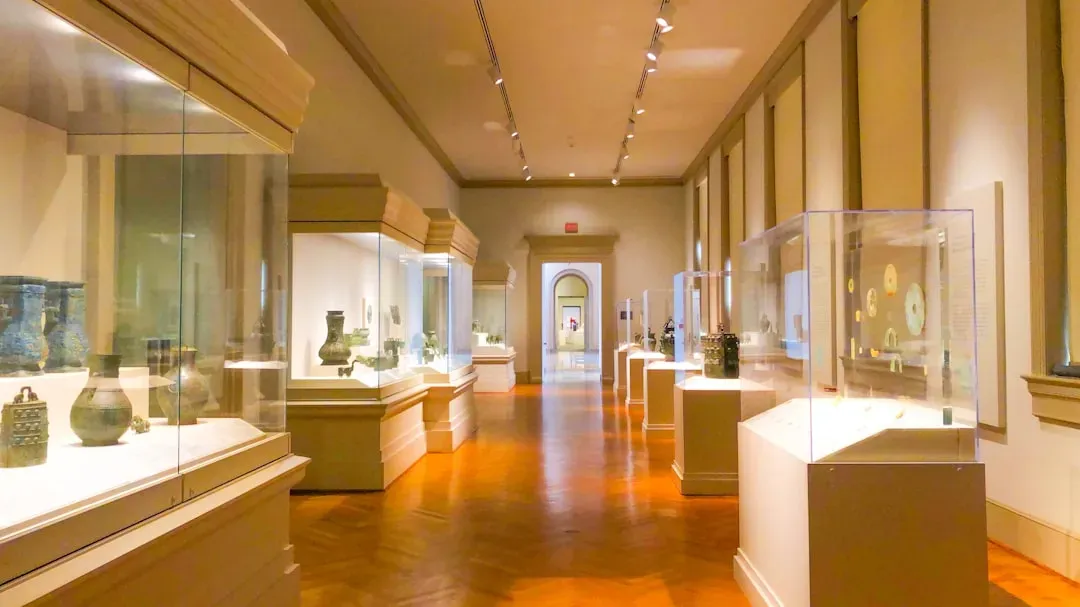
As you trace these stories, you start to feel that historical artefacts are less like stones in a fortress wall and more like fireflies in a dark field – bright for a moment in public view, then gone. Each object here was once carefully described, measured, or photographed by professionals. Many shaped exhibitions, influenced research, or anchored big narratives about empires, religions, wars, or scientific breakthroughs. Yet in one way or another, they slipped beyond the reach of public institutions and into a confusing mix of private spaces, lost shipments, mislabelled crates, and deliberate quiet removals. For you, the lesson is not that museums and archives are hopeless, but that they are human. Records fail, people make poor choices, and priorities change. If anything, these disappearances underline why transparency, proper cataloguing, and open access matter so much: the more eyes on an artefact, the harder it is for it to be erased. The next time you stand in front of a museum case or scroll through an online collection, you might find yourself wondering about the pieces you cannot see – the studied, documented, once‑real objects that have slipped into the dark. How many of your favourite stories about the past rest on things that might already be gone?