You probably think archaeologists have most of the ancient world neatly figured out by now. Dates, builders, purposes: all logged, tagged, and filed away. But when you look a little closer, you start to find places where the story frays at the edges, where even the experts raise an eyebrow and say, in so many words, that they’re still guessing. This is where things get fun for you. The monuments below are real, thoroughly studied, and often partially explained. But their deeper origins, meanings, and sometimes even basic timelines are still controversial. You’re going to see where the evidence is strong, where it gets shaky, and where the debates become surprisingly emotional for something made of stone and dirt thousands of years ago.
Göbekli Tepe: The “Impossible” Temple Before Farming
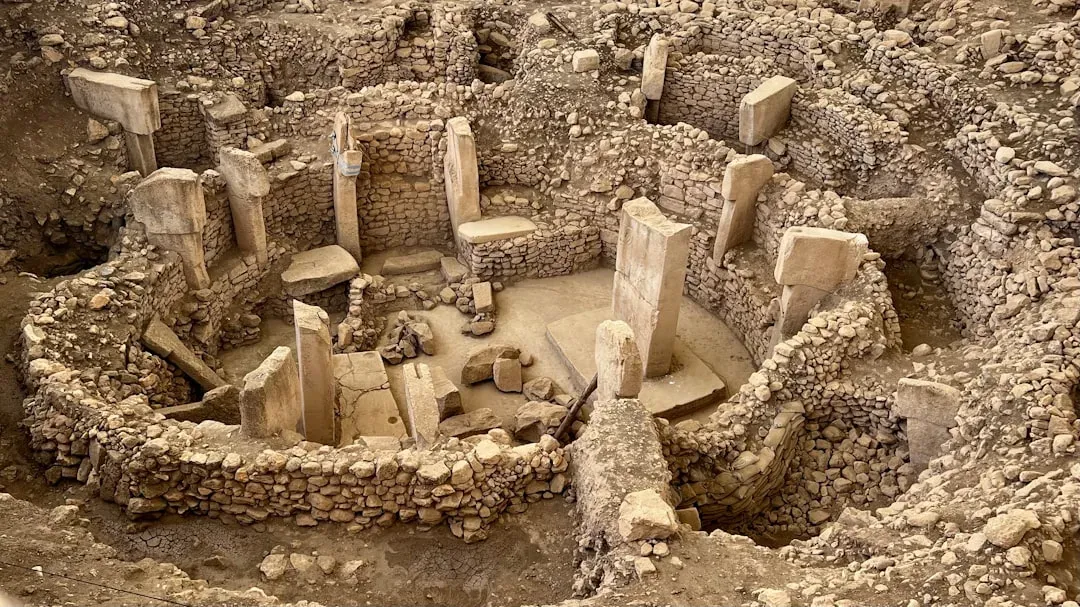
You’re told civilization came after farming: first you plant seeds, then you build temples. Göbekli Tepe, in southeastern Turkey, casually flips that script by thousands of years. Here you’re looking at massive stone circles with T-shaped pillars, carved with animals and symbols, dated to roughly eleven thousand years ago, when people in the region were still hunter-gatherers using stone tools and had not yet fully settled into farming life. That alone is enough to make archaeologists argue over whether you should even call this a “temple,” a ritual center, or something stranger entirely. When you stand here in your mind’s eye, you have to ask: who organized the labor and the know‑how to quarry, move, and carve stones weighing many tons long before cities or writing? Some researchers see Göbekli Tepe as the ceremonial magnet that pulled scattered groups together and actually helped trigger agriculture, not the other way around. Others think you’re looking at a ritual complex created by already complex societies whose remains we just have not found yet. Even its deliberate burial in antiquity – carefully packed with rubble rather than simply abandoned – adds another layer of mystery to its origin story.
The Great Sphinx of Giza: Lion of the Old Kingdom or Survivor of a Lost Age?
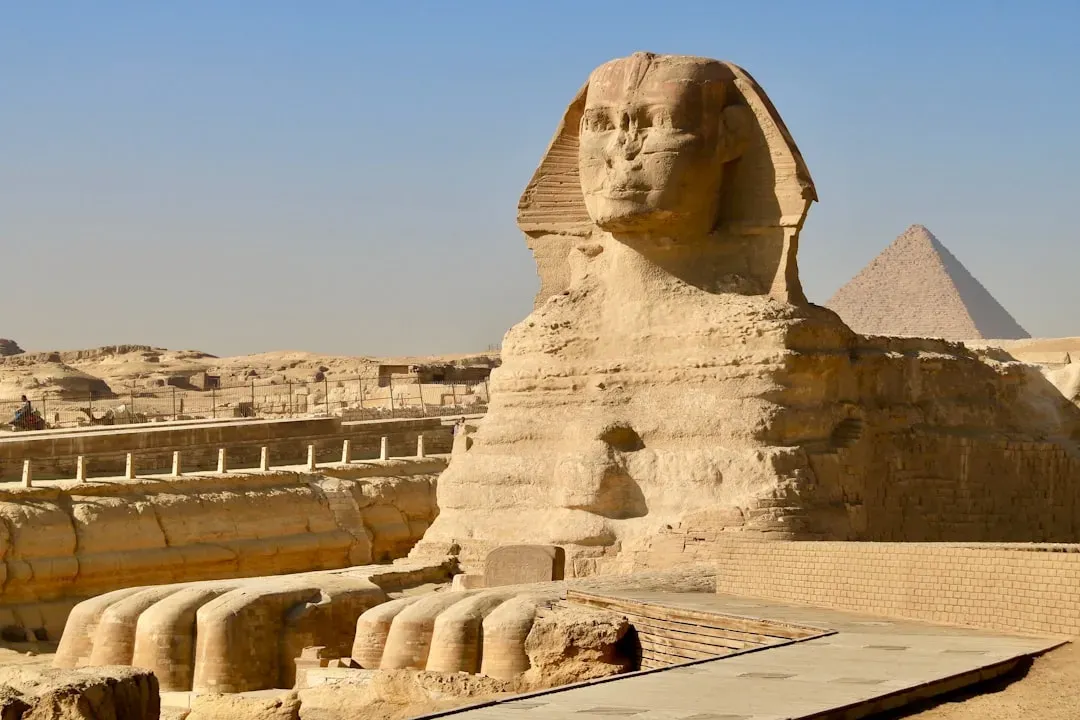
If you have ever stared at a photo of the Great Sphinx and felt that nagging sense of “this seems older than everything around it,” you’re not alone. The official line places the Sphinx in the time of Pharaoh Khafre, around four and a half thousand years ago, carved directly from the bedrock as part of the Giza pyramid complex. But when you start looking at the erosion around the Sphinx and its enclosure, you walk into one of archaeology’s most heated debates. Some geologists argue that the rounded, undulating patterns on the walls look more like damage from long‑term heavy rainfall than simple wind and sand. If that’s true, you would be forced to push the Sphinx back to a much wetter climatic period in Egypt, potentially several thousand years earlier than the established date. Most Egyptologists stick firmly to the Old Kingdom origin, pointing to stylistic links, nearby temples, and inscriptions that connect the Sphinx to Khafre’s reign. On the other side, alternative chronologies use the erosion arguments to hint at forgotten builders or lost chapters in Nile history. You, standing between the two camps, see the awkward truth: we still lack a definitive inscription saying who ordered this colossal lion‑bodied guardian to be carved and precisely when.
Puma Punku: Precision Stonework in the High Andes
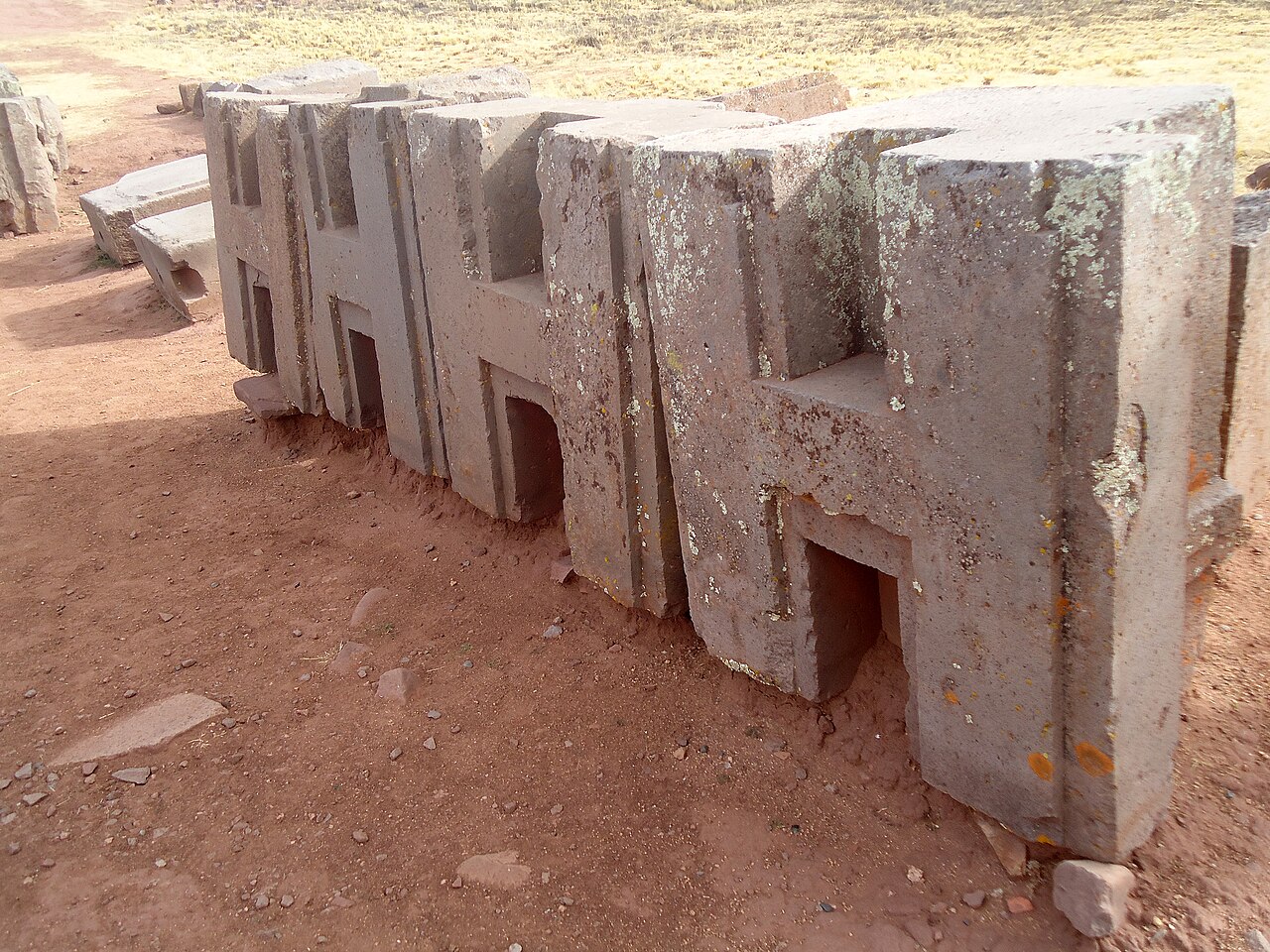
High on the Bolivian altiplano, near the better‑known ruins of Tiwanaku, you find Puma Punku: broken platforms, scattered blocks, and some of the most obsessively precise stonework you’ll ever see. Here, you’re looking at andesite and sandstone pieces weighing many tons, some shaped into interlocking “H‑blocks,” with right angles, grooves, and channels that seem, at first glance, almost machine‑made. Radiocarbon dating of the earth fillings under the platform points to construction in the middle of the first millennium CE, linked to the Tiwanaku culture, but the site’s original appearance and exact function are still up for debate. Mainstream archaeologists explain the clean lines and tight joints as the result of skilled stone masons using hammerstones, abrasion, and patient craftsmanship – no lasers required. Alternative researchers look at the same blocks and argue that your current model of ancient Andean technology might be missing a few crucial chapters. Add to this the fact that the superstructure has largely collapsed or disappeared, leaving you with a kind of “exploded diagram” of pieces, and you get an origin story that is mostly reconstructed from fragments. In practice, you’re forced to hold two ideas at once: the Tiwanaku people absolutely built this, and you still do not fully understand how their engineering tradition evolved to this level of finesse.
Baalbek’s Trilithon: Who Moved the Monster Stones of Lebanon?
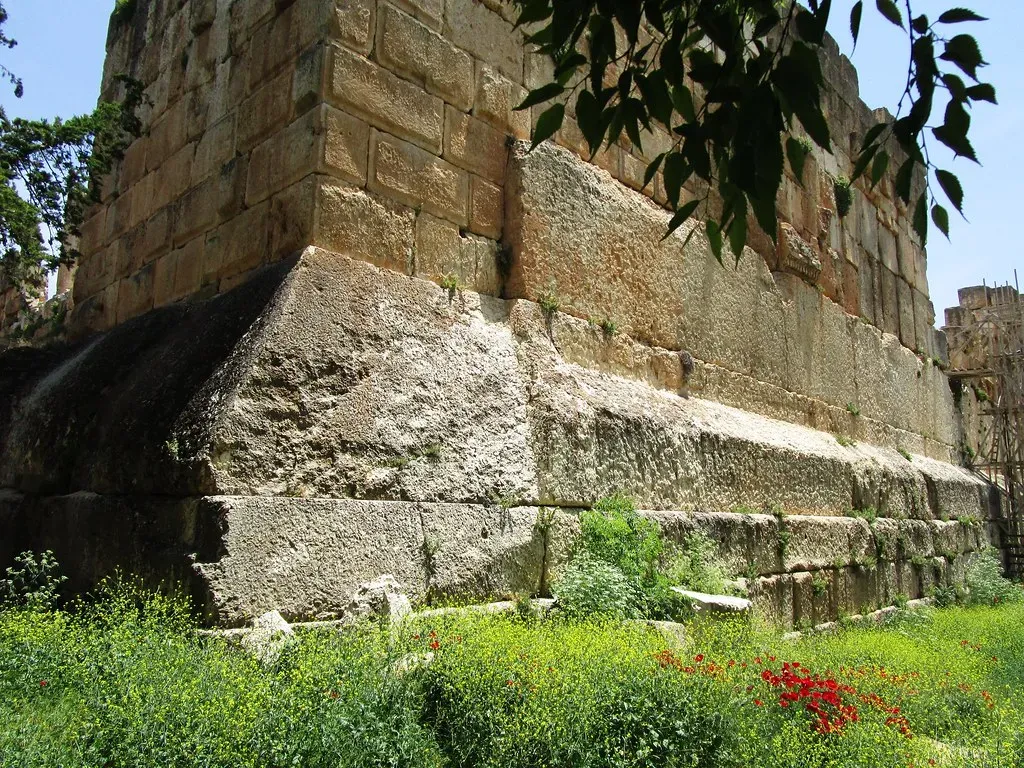
Imagine trying to move a block of stone that weighs more than a fully loaded modern airliner. At Baalbek in Lebanon, you’re confronted with exactly that problem. In the foundations of the Roman‑era temple complex, especially under the Temple of Jupiter, you see the famous Trilithon: three enormous limestone blocks, each weighing hundreds of tons, placed so tightly that you can barely slip a blade between them. Above and around them lie clearly Roman structures; that part of the story is relatively clear. But the deeper you look at those megalithic foundations, the more you find room for doubt about who originally set them in place. Some scholars argue that the Romans themselves, masters of engineering and large‑scale building, were completely capable of quarrying, transporting, and positioning these monsters using ramps, rollers, levers, and a terrifying amount of human and animal muscle. Others suggest you’re dealing with a much older platform later reused and expanded by the Romans, possibly rooted in local or regional cultures whose monumental ambitions we still barely understand. The nearby quarry, with blocks even larger still partly attached to the bedrock, confirms that ancient builders were at least planning on doing something on an almost absurd scale. You are left weighing two options: a staggering extension of what you already credit to Rome, or an even earlier wave of megalithic engineering that we have not fully mapped.
Stonehenge: Burial Ground, Solar Calendar, or Something More Social?
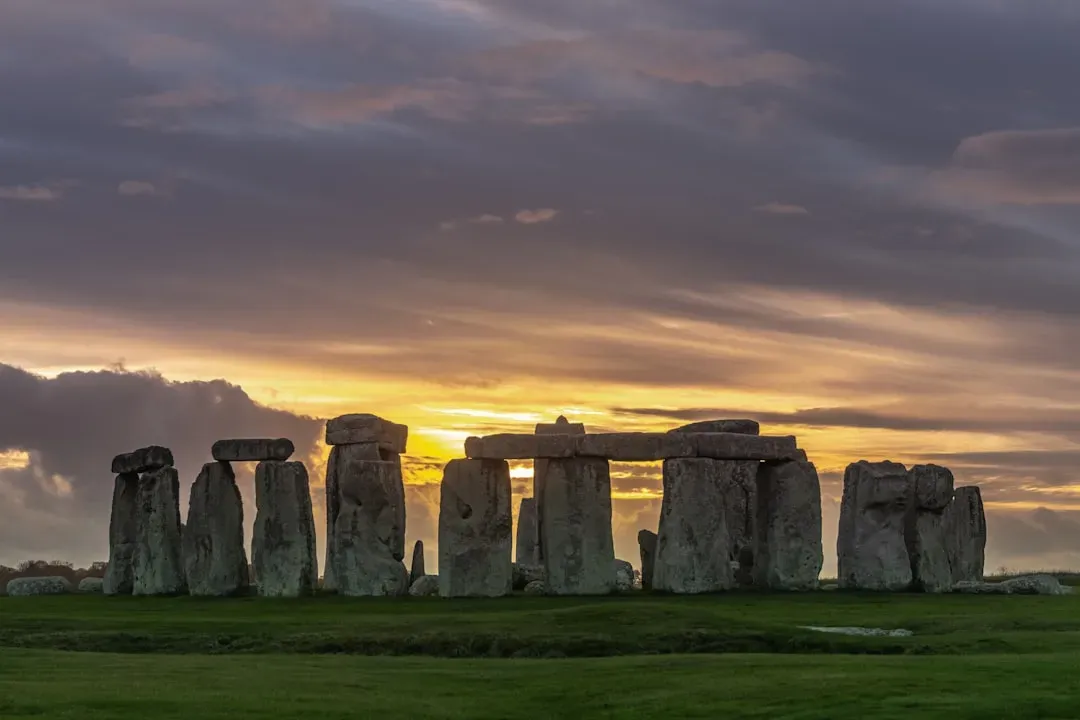
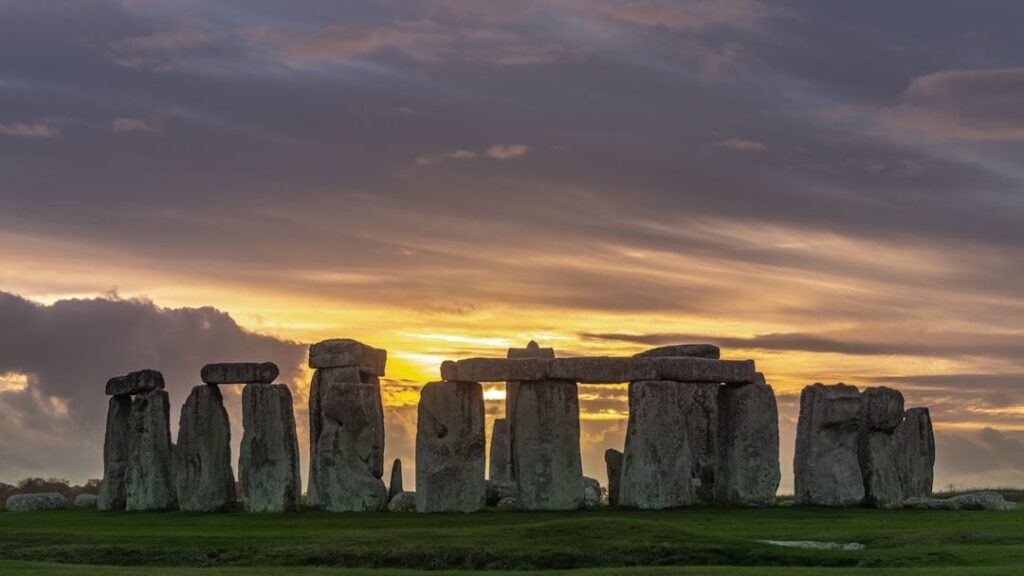
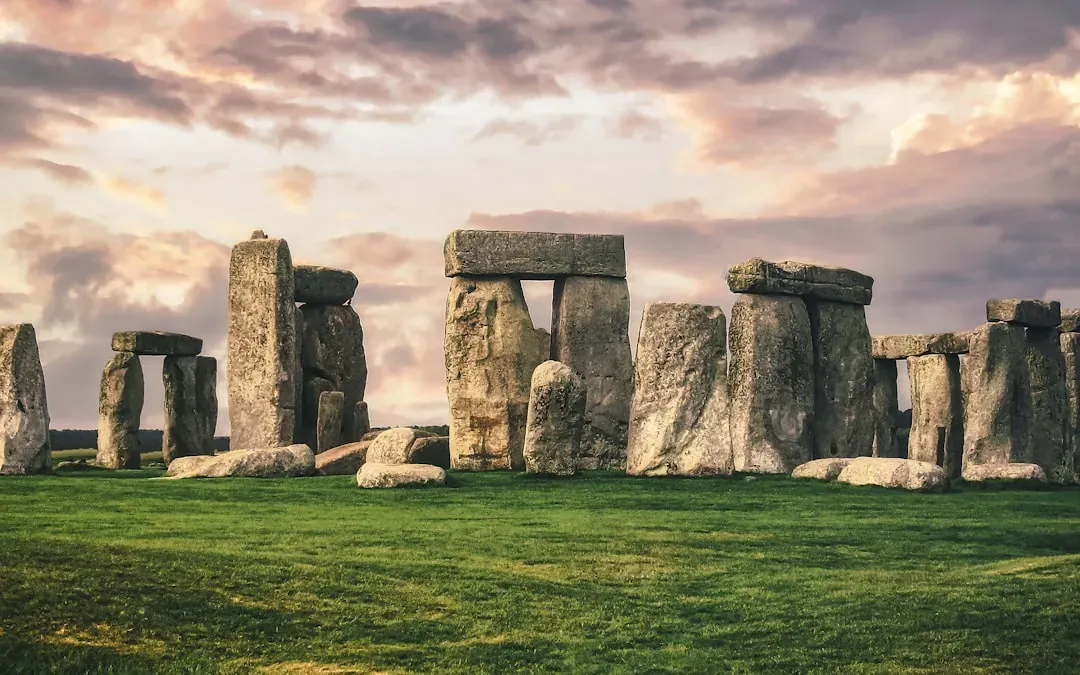
You probably know Stonehenge as the stone circle that lines up with the sunrise on the summer solstice. That striking alignment is real, and you can stand among the crowds on June mornings to watch the sun rise exactly where the builders intended. But when you zoom out, the site becomes far more complex: earthworks, ditches, timber structures, cremation burials, and rearranged stones that span centuries of use. Radiocarbon dating has anchored different construction phases across the late Neolithic and early Bronze Age, yet the core question lingers: what did this place really mean to the people who built and rebuilt it? Archaeologists have proposed Stonehenge as a ceremonial center linked to both life and death, a monument to ancestors, a healing sanctuary, or a gathering place that helped knit together scattered farming communities. The transport of the smaller “bluestones” from distant Wales alone suggests networks and symbolism that go far beyond convenience. For you, this means the origin story can’t be reduced to a simple one‑line purpose. You are looking at a monument that changed over time, layered with new meanings as societies shifted around it, leaving you with a final form that is more like a palimpsest than a single, clean inscription.
Newgrange: Tomb, Solar Machine, or Portal to the Otherworld?
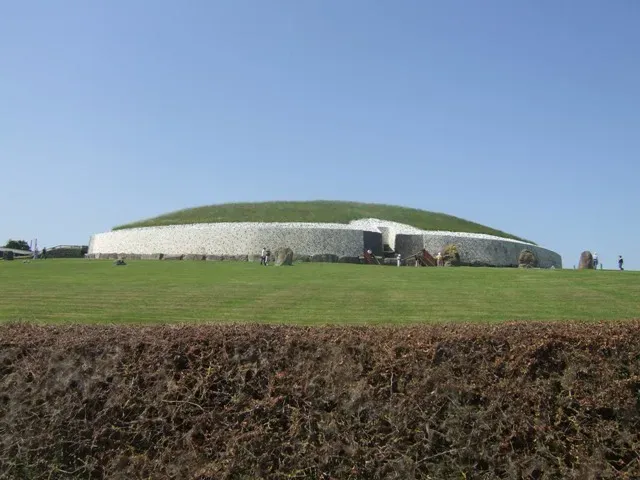
In Ireland’s Boyne Valley, Newgrange looks from a distance like a grassy mound with a white stone facade, but as you walk closer – mentally or in person – you realize you’re dealing with one of Europe’s most sophisticated Neolithic constructions. Dating to around 3200 BCE, it predates Stonehenge and the Egyptian pyramids, and its long passage leads into a central chamber beneath tons of stone. The most famous trick is its alignment: at dawn around the winter solstice, sunlight pierces a small opening above the entrance and creeps down the passage to light up the inner chamber for a few precious minutes. That alignment is deliberate and precise, and it forces you to see the builders as careful sky‑watchers as well as skilled engineers. Officially, Newgrange is often described as a passage tomb, and human remains and grave goods support that label. Yet the astronomical design, the swirl and spiral carvings, and the enormous effort needed to build it push you beyond the idea of a simple burial site. Some researchers see it as a kind of ritual calendar or cosmic drama, where the return of the sun at the darkest time of year symbolized rebirth. Local mythology later associated the mound with deities and heroes, folding it into a landscape of the Otherworld. You, trying to pin down its “true” origin, quickly find that its builders probably never separated religion, astronomy, and community identity the way you do today, which is why the debate over what Newgrange really was has never fully settled.
Yonaguni Underwater Monument: Natural Formation or Lost Architecture?
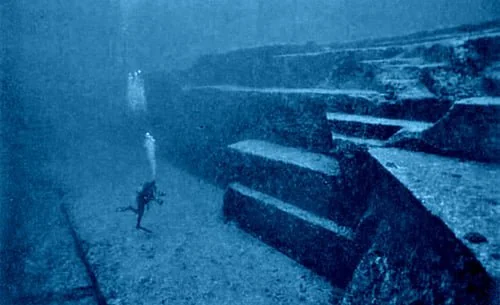
Off the coast of Japan’s Yonaguni Island, divers discovered a series of submerged terraces, steps, and flat planes that look eerily like the remains of a sunken city. When you see photos or footage, your brain instantly reaches for familiar shapes: platforms, staircases, walls. The structure lies under about twenty to thirty meters of water, which means if it really was carved by humans, it would date back to a time when sea levels were significantly lower, pushing its origin deep into the late Ice Age. That alone explains why this site has become one of the most contentious underwater finds of the last few decades. Many geologists argue that what you’re seeing is primarily a natural sandstone formation, fractured along bedding planes and joints that naturally produce right angles and step‑like shapes. Supporters of a human origin counter that some features, like sharply defined corners and what look like carved ledges, go beyond what simple erosion would produce, hinting at deliberate modification or even large‑scale carving. The reality might lie somewhere between: natural bedrock sculpted and perhaps lightly altered by ancient people whose coastal settlements now lie beneath the waves. For you, Yonaguni is a reminder that your eyes are easily fooled when you’re desperate to find lost civilizations, and that distinguishing between geology and archaeology can be surprisingly tricky.
Teotihuacan: City of the Gods with Anonymous Founders
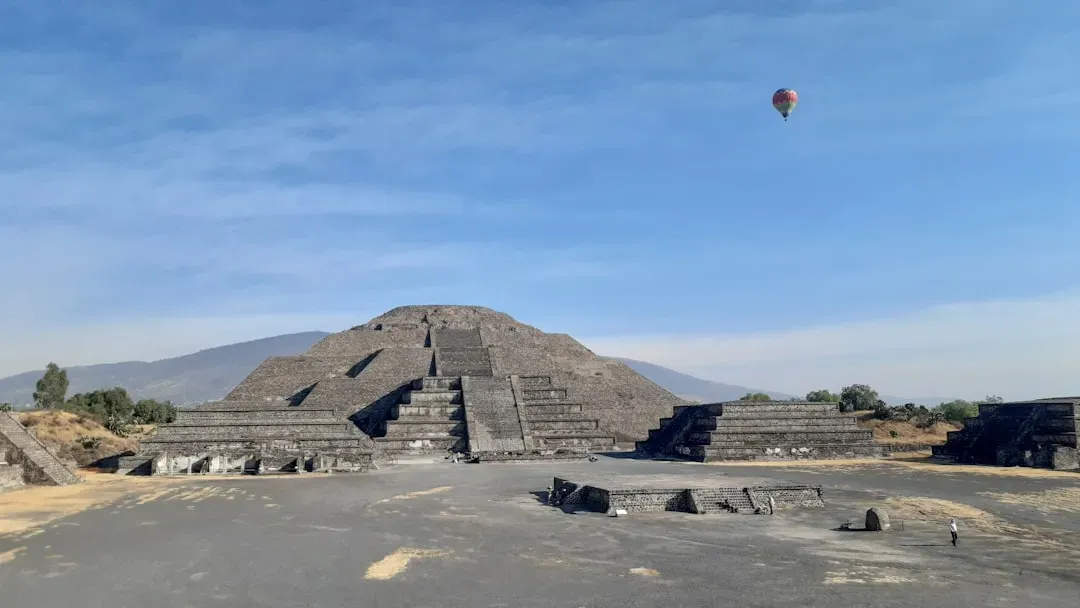
When you walk down the Avenue of the Dead at Teotihuacan in central Mexico, flanked by the Pyramids of the Sun and Moon, you are in one of the largest ancient cities in the Americas. At its peak, it may have housed tens of thousands of people, with apartment compounds, markets, workshops, and temples all integrated into a carefully planned urban layout. The city flourished many centuries before the Aztecs, who later gave it its current name and treated it as a sacred, ancient place. The odd part is that despite its scale and sophistication, you still do not know what its original inhabitants called themselves or exactly who first conceived this colossal urban project. Archaeologists have uncovered evidence of multiple ethnic groups living there, including migrants from distant regions, and they’ve traced phases of construction, expansion, and eventual decline. The city’s orientation hints at astronomical concerns, and murals and sculptures point to complex religious beliefs, possibly involving powerful state cults. But the founding moment – who gathered the first planners, why this location, and what political or religious vision drove the earliest construction – remains largely obscured. You are forced to reconstruct its origin through later layers and outsider accounts, like trying to understand a novel after someone has torn out the first chapters and scribbled over the author’s name.
Nan Madol: A Coral Fortress Built on the Sea
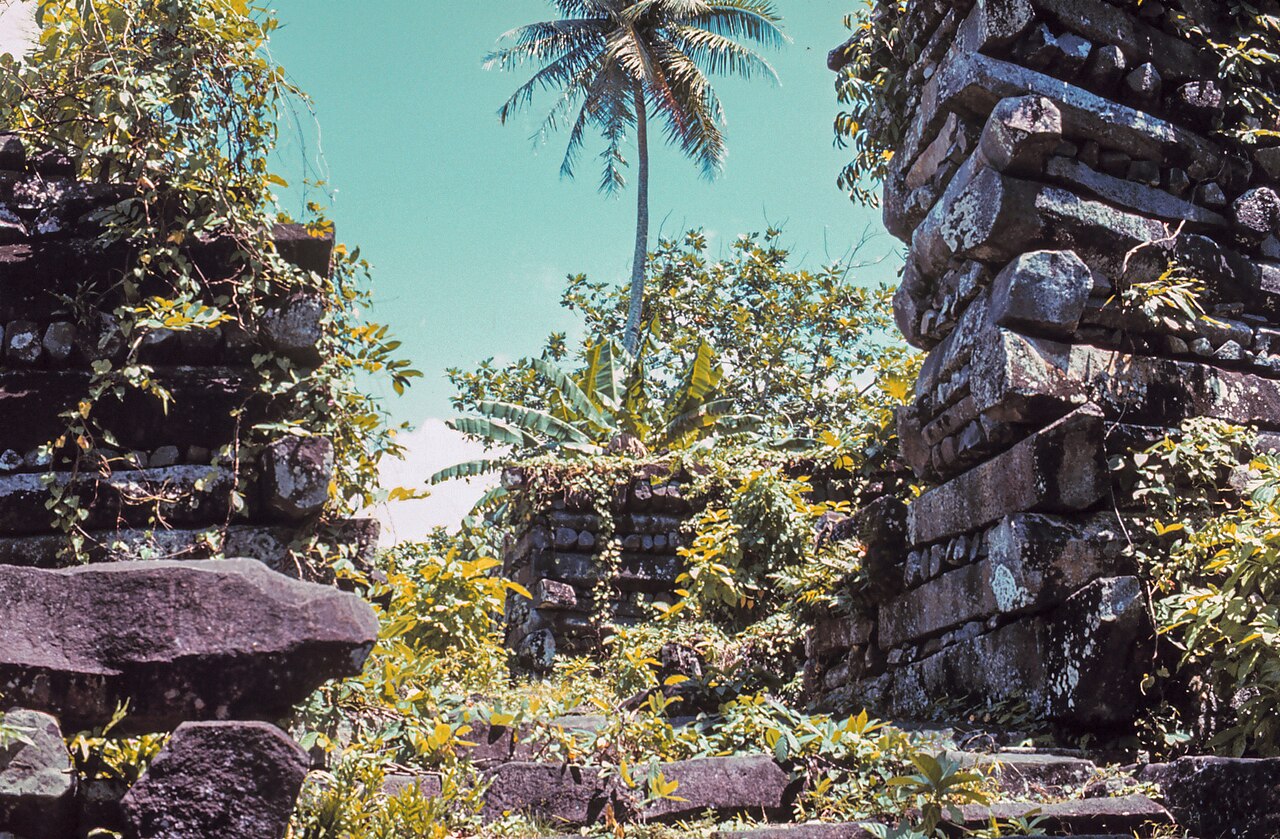
Far out in the Pacific, off the island of Pohnpei in Micronesia, you encounter Nan Madol, a city built on a lagoon using artificial islets and massive basalt columns stacked like bundles of logs. The place looks like something straight out of a dark fantasy story: channels for canoes instead of streets, walls rising from the water, and an eerie sense of abandonment. Oral traditions connect it to powerful rulers and sorcerers, while archaeological evidence suggests construction over several centuries before European contact. Yet the exact origins of the engineering know‑how and organizational power needed to move and stack those heavy stones over open water are still not fully nailed down. Researchers have proposed that Nan Madol developed as the ceremonial and political heart of a local dynasty, possibly built in stages as leaders tried to physically separate themselves from their subjects and embody divine authority. You’re left asking how a relatively small island population coordinated the quarrying, transport, and placement of so many heavy basalt prisms without draft animals, wheels, or metal tools. While experiments show that such feats are possible with rafts, rollers, and sheer human effort, the lack of detailed written records means you still rely heavily on a mix of oral history and archaeological guesswork. For you, Nan Madol sits in that tantalizing space where myth and engineering overlap and refuse to fully separate.
Great Zimbabwe: Whose City, Whose Story?
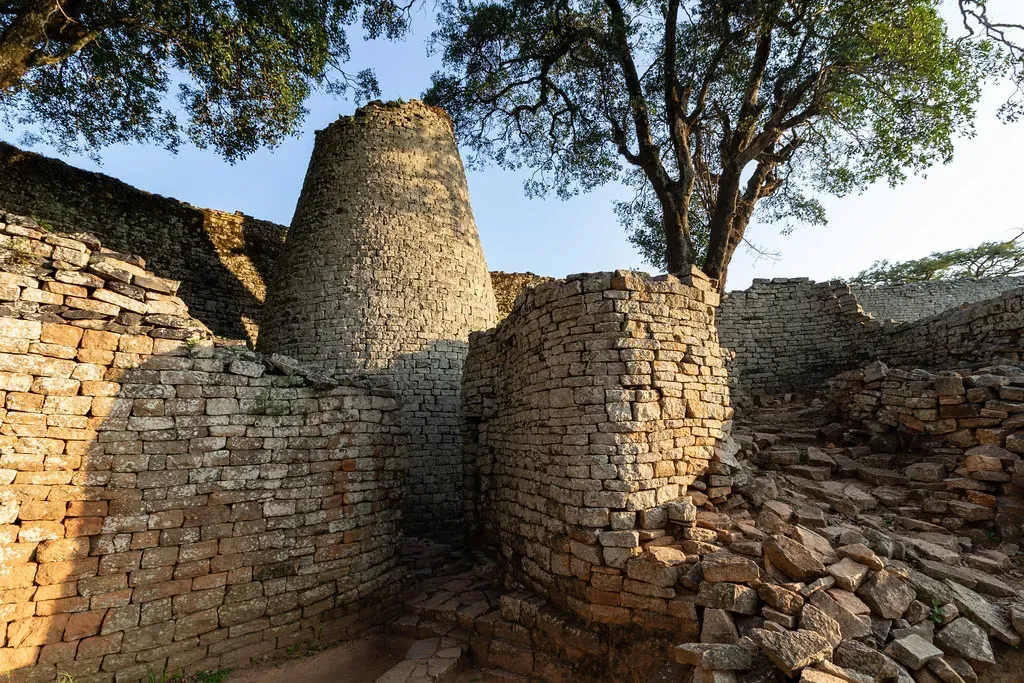
In the hills of modern‑day Zimbabwe stand the stone walls and enclosures of Great Zimbabwe, once the center of a powerful kingdom that thrived on trade in gold, ivory, and cattle. The complex includes an imposing Great Enclosure with curved walls built without mortar, as well as hilltop ruins and smaller surrounding settlements. Radiocarbon dating and material culture strongly link the site to local Shona‑speaking peoples between roughly the eleventh and fifteenth centuries CE. Yet for a long time, its origin was twisted by colonial powers who refused to believe that sub‑Saharan Africans could have built something so impressive, spinning tales of foreign architects instead. Even today, while the basic origin in local African societies is widely accepted, debates continue over exactly how Great Zimbabwe emerged as a capital, what sequence of building phases unfolded, and how power was negotiated within its stone walls. Was it primarily a royal court, a ritual center, or a bustling trade hub plugged into Indian Ocean networks? Likely it was all three at different times, but the lack of indigenous written records makes it hard for you to reconstruct the founding moment with precision. So the “mystery” here is less about aliens or lost civilizations, and more about how you untangle real African history from centuries of distortion and denial.
Conclusion: When Stones Refuse to Tell the Whole Story
When you line up these ten monuments side by side, a pattern quietly emerges. You’re not dealing with magic, aliens, or superhuman powers; you’re dealing with human beings whose creativity, stubbornness, and ability to organize each other are easy to underestimate. Radiocarbon dates, tool marks, alignments, and local traditions all give you pieces of the puzzle, and in many cases they draw a clear outline of who built what and roughly when. But they almost never hand you the whole story about motives, meanings, and cultural turning points, especially when writing is absent or later layers have overwritten the original narrative. If anything, the debates around these sites say as much about you as they do about the ancients. You like tidy timelines and simple explanations, yet the past often comes to you broken, submerged, repurposed, or eroded. That forces you to live with uncertainty, to weigh competing theories, and to stay open to new evidence without falling for wild speculation. Maybe that’s the real gift these monuments offer: they remind you that your map of human history is still unfinished, and that curiosity – not certainty – is what keeps you moving forward. Looking at these stones and mounds, what part of the story would you most want to witness with your own eyes?