You keep hearing the word Nephilim and feeling that odd mix of curiosity and unease, like you’ve just walked into a room where something important happened long ago. Are these beings just an ancient story that got out of hand, or are they echoes of something real that your modern mind can barely process? When you start following the trail, you find yourself standing at the crossroads of religion, myth, archaeology, and conspiracy theory, wondering where solid ground actually is.
In this article, you’ll walk through what is known, what is guessed, and what is honestly just speculation when it comes to the Nephilim. You’ll see how a few cryptic lines in ancient texts ballooned into legends of giants, fallen angels, and forbidden unions. Along the way, you’ll weigh symbolism against literalism, and explore how this mystery might say more about human fears and hopes than about monsters in the distant past.
How the Nephilim Enter the Story: Your First Encounter in Genesis
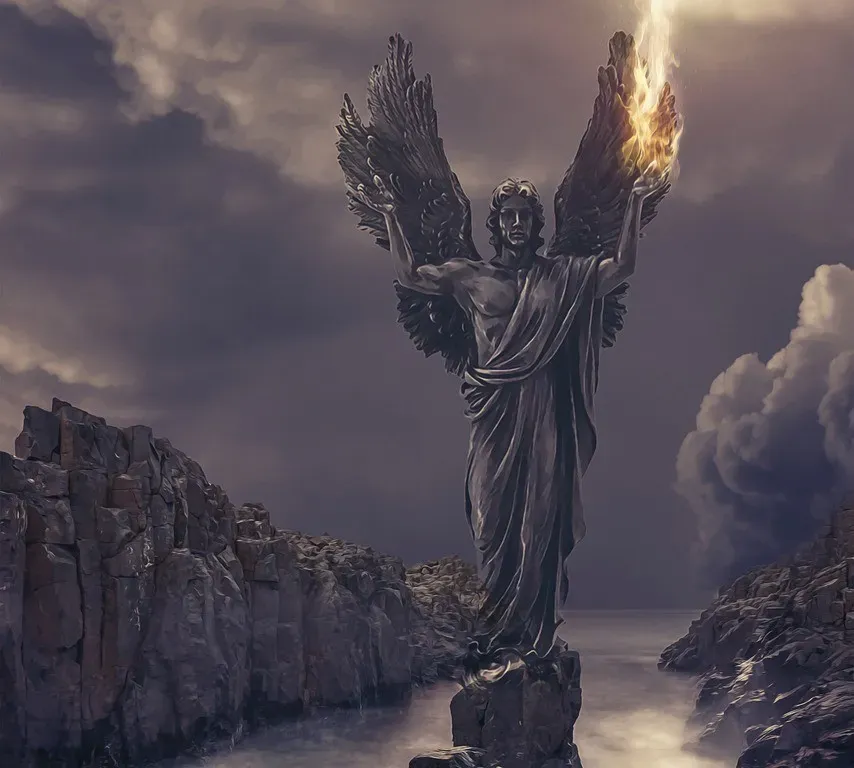
If you’ve ever read straight through the early chapters of Genesis, you know how strange it feels to suddenly stumble over the Nephilim. One moment you’re reading about human wickedness and the coming flood, and then you hit that brief, shocking line about mysterious beings on the earth in those days. You’re given almost nothing to work with: the term Nephilim, a suggestion of greatness or might, and then the story barrels on toward Noah and the ark as if nothing unusual just happened.
That’s exactly where your imagination kicks in, because your mind hates gaps, especially in old, sacred stories. You see a word that can be translated as “giants” or possibly “fallen ones,” and you instinctively want details that the text refuses to give you. Were they monsters? Heroes? Tyrants? Hybrid beings? You’re left with a tantalizing fragment that forces you to decide how literally you want to read it, and how much mystery you’re willing to tolerate in your beliefs about ancient history.
The Sons of God and Daughters of Men: What You’re Really Being Told
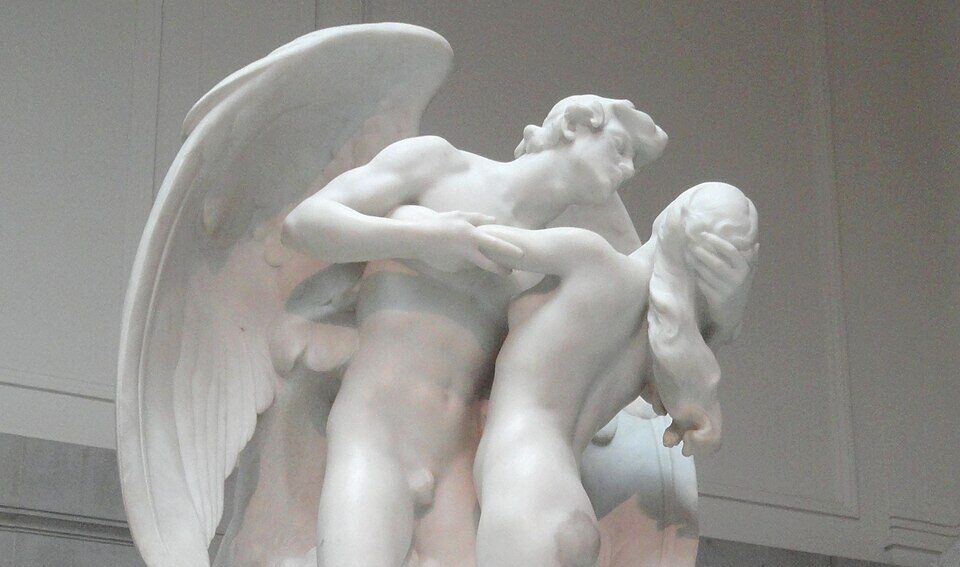
Right before the flood narrative, you’re told that “sons of God” saw that “daughters of men” were beautiful and took them as wives, leading to the birth of mighty figures. You’re invited to picture a crossing of boundaries, where beings from a higher realm step into human life in a way that feels both alluring and dangerous. Whether you interpret “sons of God” as divine beings, angels, or just powerful human rulers, you’re meant to feel that something about this union violates a cosmic order.
When you sit with that image, you realize the story is less about curiosity over strange offspring and more about a world spinning out of control. It’s as if you’re being shown the ultimate corrupting mix: unchecked desire, misuse of power, and blurred lines between heaven and earth. Instead of focusing only on who the Nephilim were, you can read this as a warning about what happens when limits are ignored and when those with power treat human beings as objects to possess rather than persons with dignity.
Are the Nephilim Giants, Fallen Ones, or Something Else in Your Mind?
Because the word “Nephilim” is rare and linguistically tricky, you’re forced to live with several competing possibilities. Some readers lean into the “giants” angle, imagining enormous beings whose physical size matched their violence and reputation, especially when later texts mention gigantic enemies in the land. Others prefer the idea of “fallen ones,” focusing on a spiritual or moral collapse, not a change in height. You end up having to choose whether you picture towering bodies or towering evil – or maybe both at once.
This ambiguity matters because it shapes how you see the story as a whole. If you imagine literal giants, you’re more likely to treat the Nephilim as historical anomalies roaming a very different earth. If you think of them as fallen or tyrannical figures, you may recognize patterns that still exist today: powerful elites towering over the weak through systems, not muscles. Either way, you’re not just decoding a word; you’re deciding what kind of world the text describes and how much of that world still looks like your own.
Ancient Near Eastern Echoes: When You Notice Similar Myths Everywhere
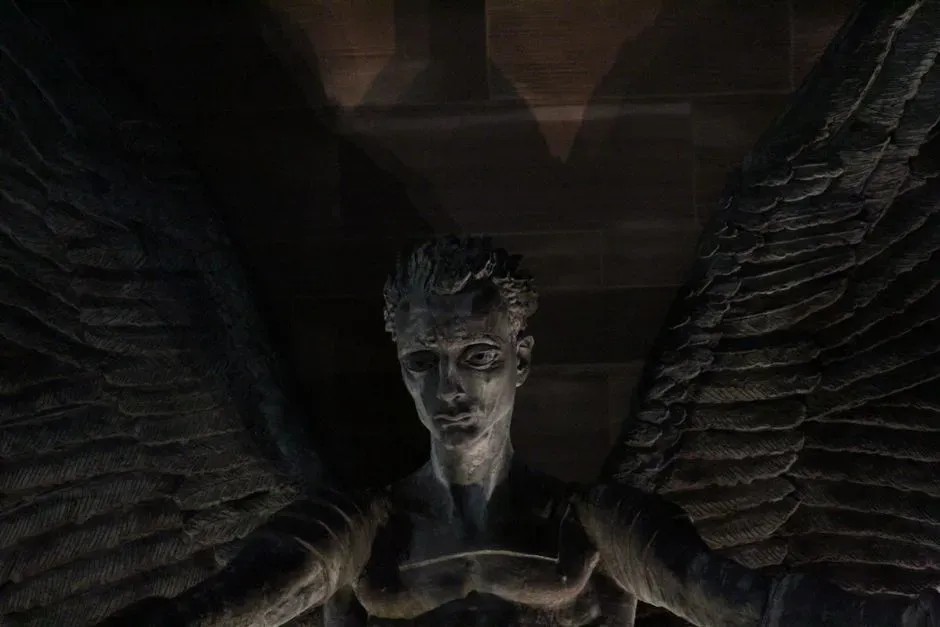
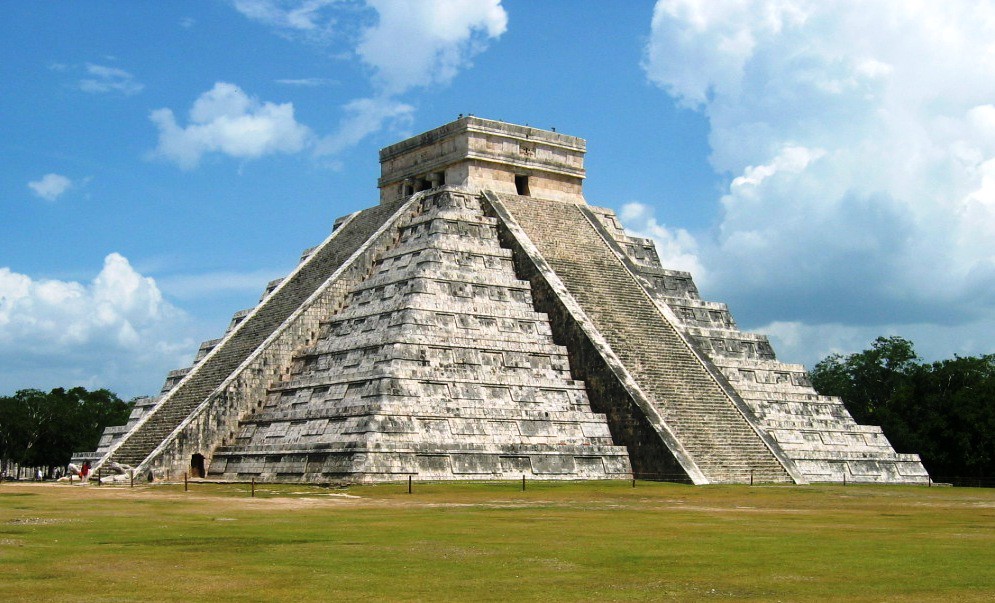
As soon as you step outside the biblical text, you start noticing that other ancient cultures also told stories about extraordinary beings from long ago. You find myths of gods mingling with humans, legendary kings with superhuman traits, and ages of heroes who tower over ordinary people in strength and fame. When you compare these stories, you see that the idea of a distant time populated by larger-than-life figures is not unique; it’s part of a wider ancient way of remembering the past.
For you, this raises an uncomfortable but important question: are you looking at shared memories of real events, or at shared human tendencies to mythologize origins? You might see the Nephilim as one local version of a broader pattern, where people explain ruins, wars, or unexplained bones by imagining older, greater races. Or you might feel that widespread similarities hint at a real, half-forgotten chapter in human history. Either way, you’re forced to hold two possibilities at once, without rushing to a neat answer.
Symbolism and Moral Warning: What the Nephilim Might Be Saying About You
If you set aside the urge to prove whether giants physically walked the earth, you can read the Nephilim as symbols that cut uncomfortably close to your own life. You see beings born from desire without restraint, power without humility, and transgression without repentance. In that light, the Nephilim become a kind of mirror: they picture what happens when you or your society lets ambition, violence, and ego swell until they overshadow everything human.
In this symbolic reading, the flood that follows stops being just a disaster story and becomes a reset of a world gone mad with its own greatness. You’re being warned about the seduction of crossing ethical boundaries simply because you can, and about the way unchecked power turns you into something monstrous in spirit, if not in size. You might not be a giant in any literal sense, but when you treat others as disposable, you quietly join the same pattern the Nephilim represent, and the story starts to feel painfully contemporary.
Archaeology, Giant Skeletons, and Your Skepticism
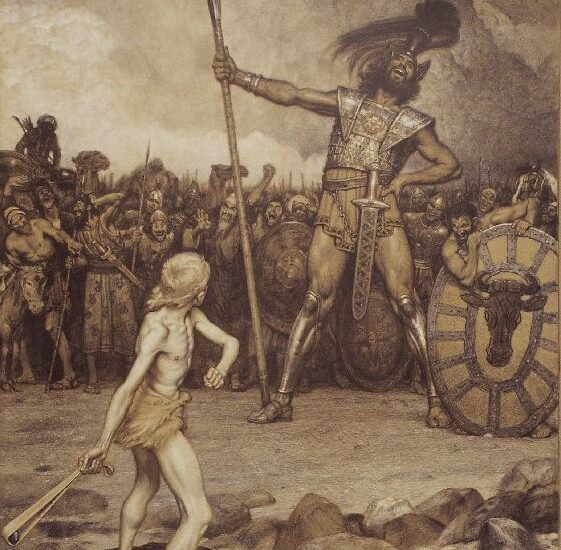
If you spend time online, you’re going to run into claims about giant human skeletons, buried cities, and hidden evidence that supposedly proves the Nephilim were physically real and massive. You’ll see edited photos, dramatic headlines, and stories about secret museum conspiracies. When you dig deeper, you quickly discover that many of these claims fall apart under basic scrutiny, relying on hoaxes, misidentified fossils, or exaggerations that grow bigger each time they are retold.
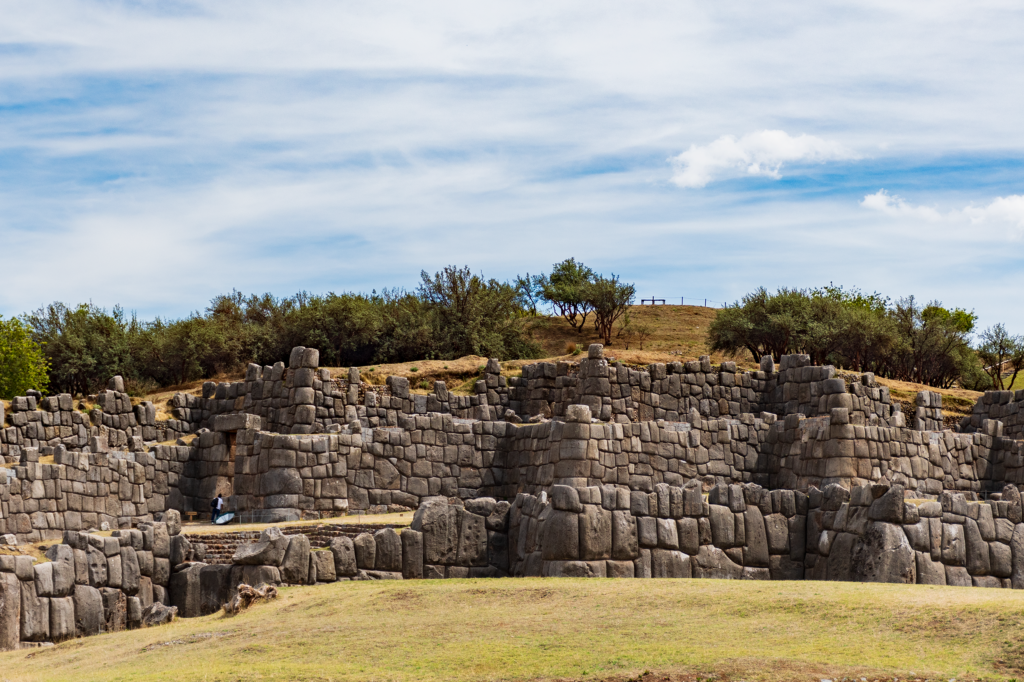
At the same time, your desire for something tangible is understandable, because you want proof you can touch, not just lines on an ancient page. Archaeology does find unusual remains, oversized individuals, and impressive ancient structures, but nothing that clearly forces you to accept a race of superhuman giants. So you’re left balancing curiosity with caution, realizing that your hunger for mystery can make you vulnerable to bad evidence. That tension pushes you back to the original texts and forces you to be honest about where the data ends and your imagination begins.
Faith, Interpretation, and How You Choose to Live With the Mystery
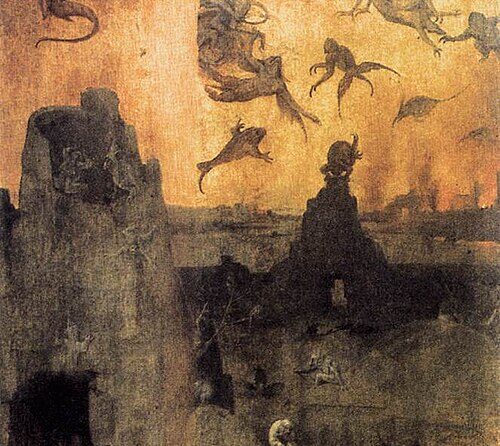
Eventually, you reach a point where the Nephilim become less about what you can prove and more about how you decide to interpret what you cannot. If you approach the story with a literalist mindset, you may hold that unusual beings truly walked the earth, leaving only faint traces in ancient memory. If you tilt toward a symbolic or literary view, you might treat the Nephilim as narrative tools that amplify themes of corruption, power, and judgment. In either case, your reading says a lot about how you handle tension between faith and evidence.
Living with this mystery means admitting that you do not get to have every detail tied up in a neat package. You’re invited to let the story provoke humility instead of arrogance, reflection instead of quick answers. You can ask what it would mean to resist the Nephilim pattern in your own world – by refusing to worship power, by guarding boundaries that protect the vulnerable, and by questioning any narrative that glorifies domination. In the end, the way you carry this story may shape you far more than the way you categorize it.
Conclusion: What the Nephilim Ultimately Leave You With
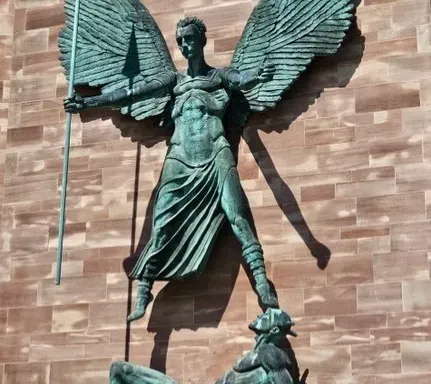
When you follow the Nephilim trail from Genesis through ancient myth, theology, and modern speculation, you discover that the clearest thing about them is actually your own reaction. You bring your hopes, fears, and worldview to a handful of mysterious lines, and they act like a prism, breaking your assumptions into their component colors. Whether you lean toward literal giants, symbolic fallen ones, or an unresolved mix of both, you’re confronted with big questions about power, corruption, and the fragile boundary between what is human and what pretends to stand above it.
So perhaps the real value of the Nephilim story is not that it solves a historical puzzle for you, but that it unsettles your certainty in just the right way. It reminds you that ancient texts can carry layers of meaning you might never fully unpack, and that some mysteries are meant to be lived with, not eliminated. As you step away from the legend, you might find yourself less obsessed with proving the past and more concerned with how you resist becoming a modern version of what the Nephilim represent. When you first heard the word, did you imagine it would end up asking so much of you?