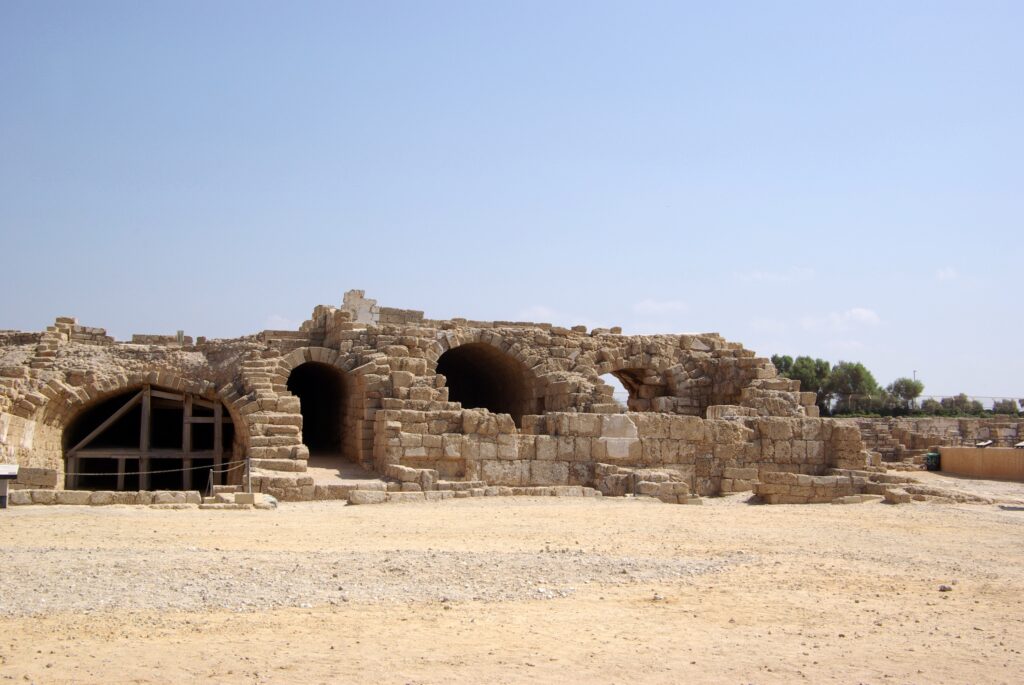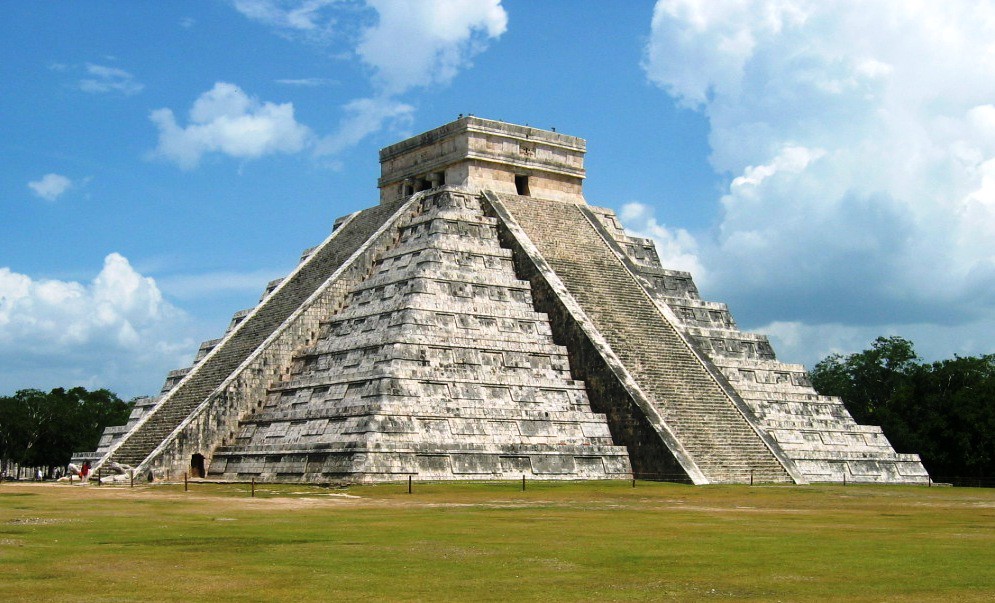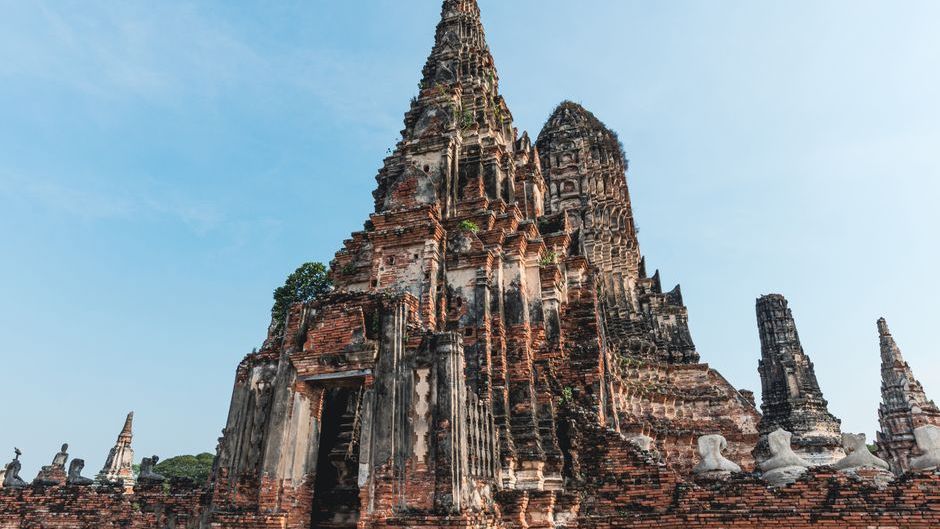
Somewhere beneath deserts, jungles, and shallow seas lie the remains of kingdoms that once shaped the ancient world, then slipped almost completely out of human memory. What makes these lost realms so haunting is not just that they fell, but that they almost disappeared from the historical record, leaving scholars to reconstruct entire civilizations from a handful of inscriptions, a ruined wall, or a single forgotten city name. When a kingdom vanishes , it forces us to question how secure our own stories really are.
In the last hundred years, archaeologists and historians have slowly realized that the official narrative of the ancient world is full of blind spots. New digs keep revealing powers that ancient writers barely mentioned or ignored entirely. At the same time, countless other cultures remain little more than rumors in distant texts or disputed names on brittle clay tablets. Exploring these vanished kingdoms is like trying to read a book where most of the pages have burned away, yet the few surviving lines are gripping enough that you can’t stop turning the ashes, hoping another sentence appears.
When History Forgets: How a Kingdom Truly Vanishes

It sounds dramatic to say a kingdom , but in historical terms it can be brutally literal. If a culture never developed extensive writing, or its texts were stored on materials that rot or burn easily, then one well-timed disaster can wipe out centuries of memory in a single generation. Even literate powers aren’t safe; when libraries burn, clay archives crumble, and stone is quarried to build new cities, the physical record can collapse fast enough that later people barely remember a name, let alone a story.
On top of that, history is usually written by neighbors, rivals, and conquerors who have their own priorities and prejudices. A powerful trading kingdom that never started a major war might simply not be interesting enough for an imperial chronicler to describe in detail. So a realm can be central to regional commerce and politics for hundreds of years and yet end up with only a few offhand mentions in foreign records. When both the internal archives and the external references are thin, all it takes is a run of bad centuries for that kingdom to dissolve into the fog.
Ghost Empires in Ruins: The Puzzle of Forgotten Cities
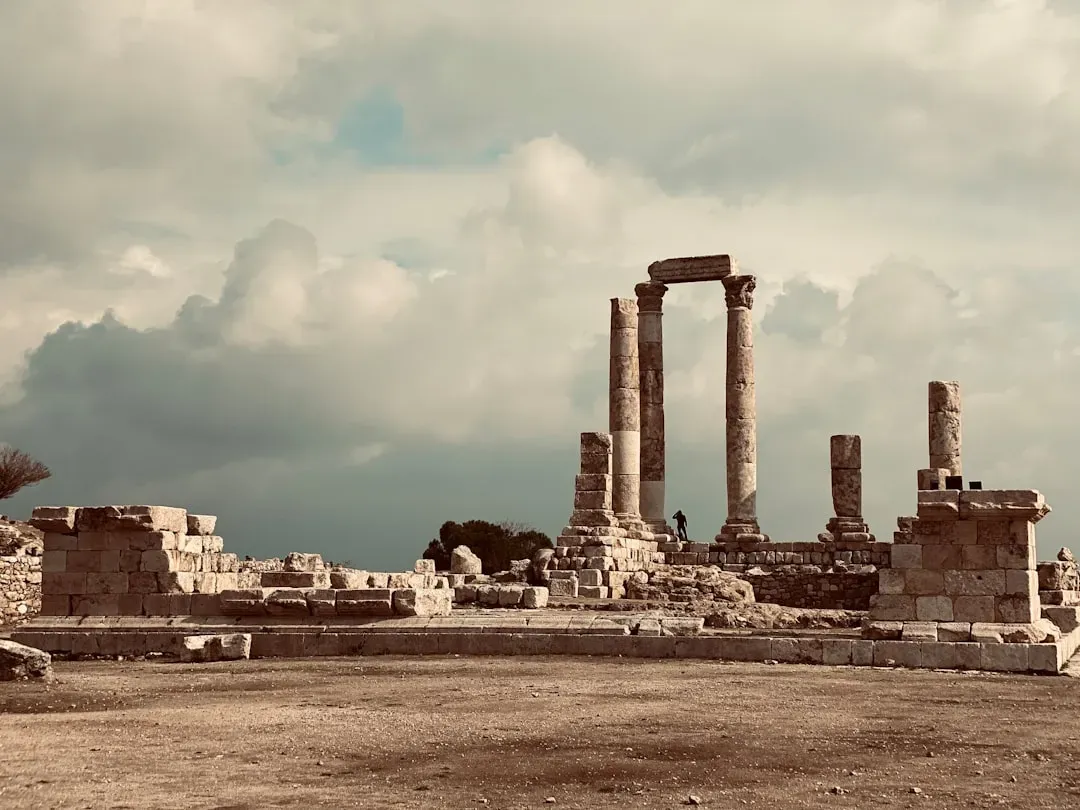
Many so‑called vanished kingdoms first reappear in modern times as lonely ruin fields with no obvious name attached. Archaeologists step into a tangle of tumbled walls, broken streets, and buried temples, with no clear idea who lived there or what they called themselves. The process of figuring that out is part detective work, part forensics, and part educated guesswork. Pottery styles, construction techniques, and the layout of the city all become clues to connections with better-known cultures nearby.
Sometimes a single inscription, seal, or coin finally ties a mysterious city to a kingdom known only from a stray line in a foreign text. Other times, the city forces scholars to admit that there was a political player no ancient writer bothered to record. This is where the phrase “” can be a little misleading; the kingdom did leave traces, just not the ones written histories usually value. Its memory survives as layers of ash in the soil, a pattern of trade goods, or a particular kind of fortification that suddenly appears along a forgotten frontier.
Climate Shocks, Trade Collapses, and the Slow Unraveling of Power
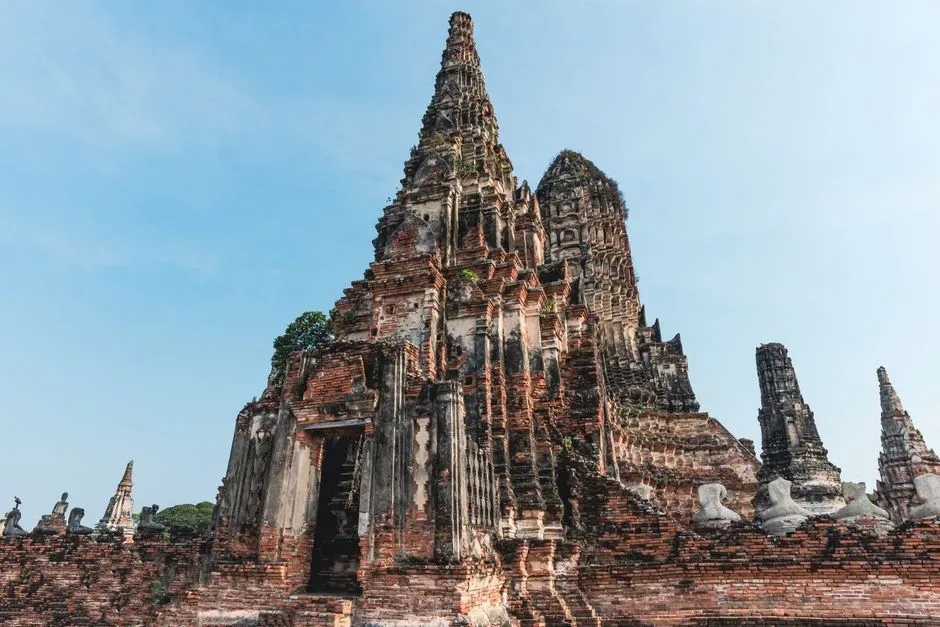
From a distance, it can look like ancient kingdoms simply blinked out, here one century and gone the next, but the reality is usually slower and more complicated. Shifts in climate, for example, can first nudge a kingdom into crisis by cutting harvests and drying up rivers. A few failed rainy seasons, a rising sea swallowing coastal farmland, or a creeping drought across pasturelands can push a finely balanced system over the edge. When farmers flee, tax revenues shrink, armies weaken, and border defenses erode.
Trade is another fragile lifeline that can turn a regional power into a historical ghost. If a kingdom’s wealth depends on controlling a particular route, then a new sea lane, a rival canal, or a hostile neighbor can suddenly starve it of income. Over a few generations, big stone public projects stop, palaces go unmaintained, and urban populations drift away to more stable regions. What remains for archaeologists might look abrupt – a burned palace layer, a dumped hoard of valuables – but behind each dramatic layer is usually a long period of strain, adaptation, and quiet decline that written sources barely bothered to track.
Erased on Purpose: Conquest, Damnatio, and Cultural Overwriting
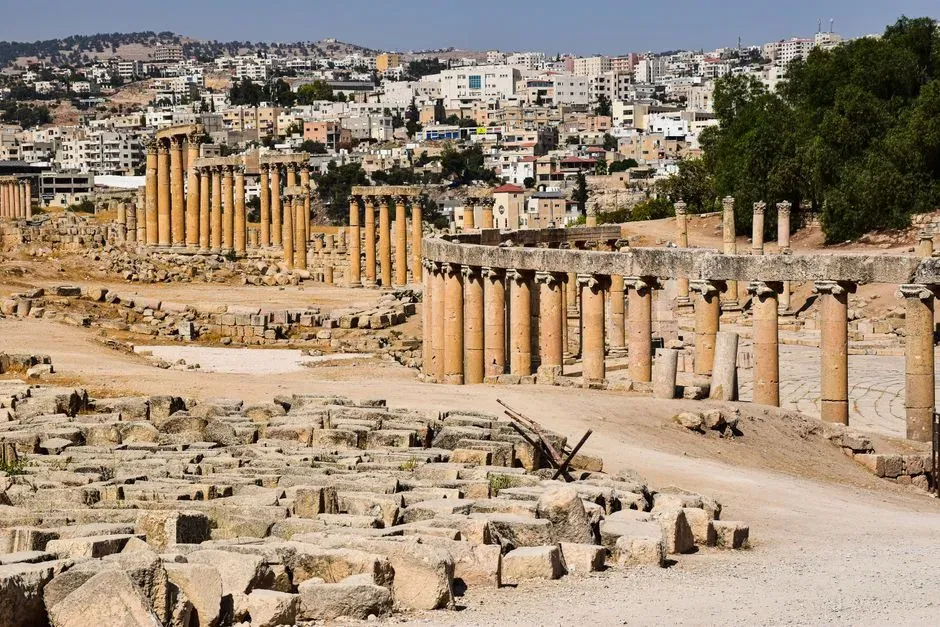
Not all disappearance is accidental. Sometimes, a kingdom vanishes because someone with more power decides it should. Ancient conquerors knew that destroying a rival’s image, names, and records was a way to control the narrative of the past as well as the politics of the present. Rulers could order the chiseling out of royal names from monuments, the burning of dynastic archives, or the deliberate renaming of cities and regions. This kind of erasure does not always succeed completely, but it can strip away most of what later historians might have relied on.
Over time, cultural overwriting can be just as effective as conscious destruction. When a dominant civilization expands, its language, religion, and administrative practices often replace the local ones. Younger generations grow up identifying with the new system, and the memory of older dynasties fades into legend or disappears entirely. In the archaeological record, layers belonging to the earlier kingdom are literally capped by the buildings and artifacts of the successor culture. To a casual visitor, it may look like one city, but a careful excavation reveals a palimpsest of powers, some of which left almost no written name behind.
The Limits of the Evidence: Myths, Speculation, and Responsible Mystery
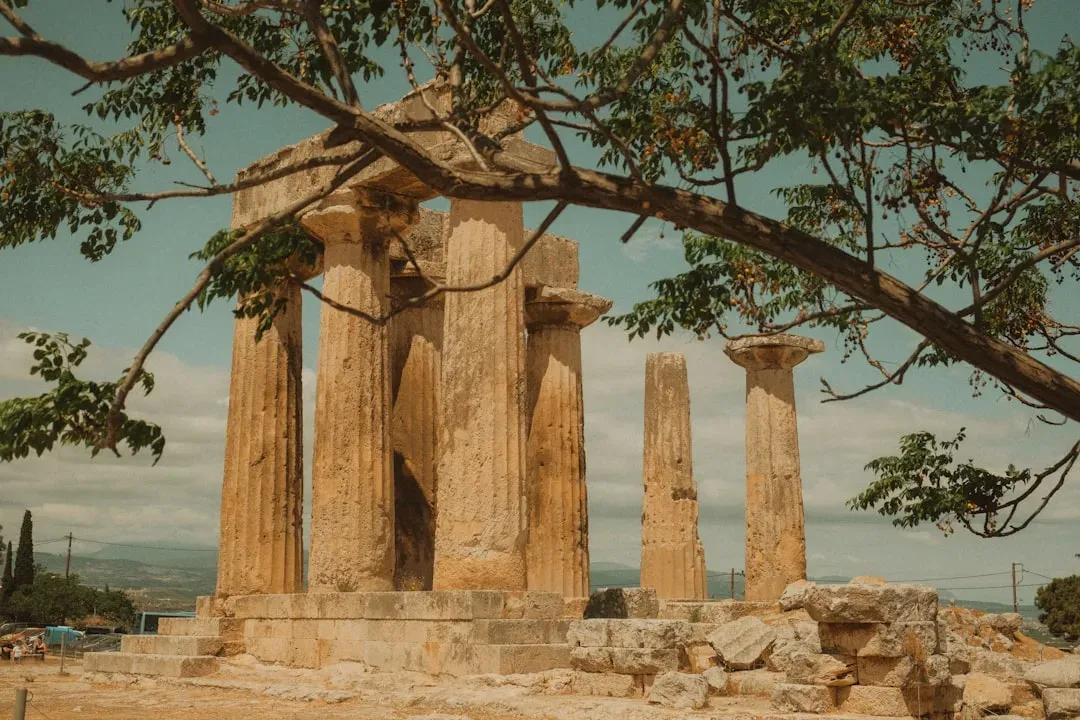
The idea of an ancient kingdom vanishing without a trace is so evocative that it almost begs to be turned into myths about hidden continents and hyper-advanced civilizations. Popular culture loves these stories, and they can be genuinely fun, but they also blur the line between what we actually know and what we wish were true. In reality, the evidence for most poorly documented kingdoms is fragmentary, ambiguous, and open to multiple interpretations. A few inscriptions, a cluster of unusual artifacts, or a striking ruin can suggest a lot, but they rarely prove sweeping claims on their own.
Because of that, responsible historians and archaeologists tend to be cautious about what they say. They may admit that a particular region clearly hosted more political complexity than the surviving texts describe, while refusing to label it a “lost superpower” without stronger proof. That cautious approach can frustrate people looking for dramatic revelations, yet it is what keeps our picture of the past from slipping into fantasy. The most interesting part, at least in my view, is that rigorous skepticism does not kill the sense of wonder; it sharpens it. Knowing how little we can say for sure makes every new inscription, radiocarbon date, or satellite image feel like opening a fresh window in a long‑dark room.
Why Vanished Kingdoms Matter More Than Ever
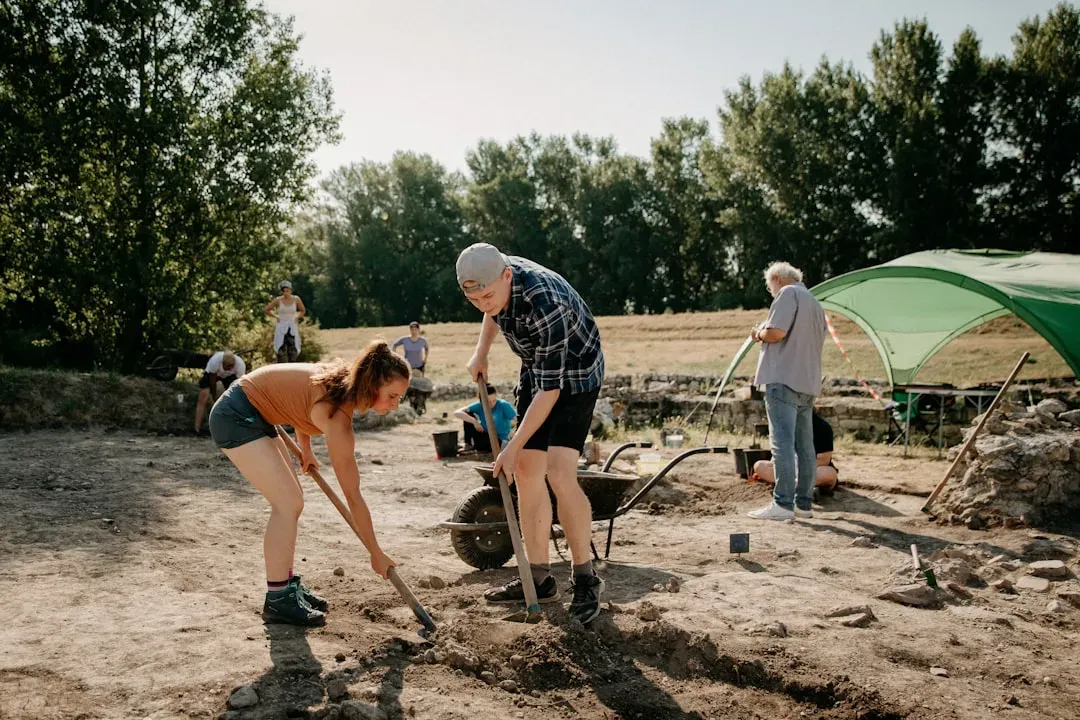
It might be tempting to treat these lost and half-lost kingdoms as distant curiosities, but they tell us something uncomfortably relevant about our own world. They show that even complex, seemingly stable societies can be fragile in ways they do not fully understand at the time. Environmental stress, tangled trade dependencies, and overconfidence in political structures are not just ancient problems. When you see how a once thriving kingdom can end up as a nameless ruin in a few centuries, it becomes harder to assume that modern states are immune to long-term amnesia.
On a more hopeful note, the ongoing rediscovery of these kingdoms is a reminder of how much there is still to learn. Every time archaeologists uncover a new script, map a buried city with ground‑penetrating radar, or reanalyze old artifacts with new methods, they restore some voice to societies that history sidelined. Personally, I find that prospect both humbling and energizing. It suggests that the story of humanity is not a closed book but a manuscript still being pieced together from scattered pages. The real question is not just which ancient kingdom , but which ones are waiting, just below the surface, to be recognized at last.