Some puzzles from the ancient world feel like they refuse to grow old. Even as technology races ahead, there are ruins, texts, and relics that sit there like a raised eyebrow from history, daring us to explain them. We keep throwing satellites, scanners, and supercomputers at these mysteries, and still, new questions appear as fast as old ones are answered.
What fascinates me most is how our explanations say as much about us as they do about the past. Every generation projects its fears, hopes, and obsessions onto these enigmas, spinning fresh theories that feel almost like cultural mirrors. Let’s walk through ten of the most stubborn ancient mysteries that just won’t sit quietly in a textbook, and see why they still grab our imagination today.
1. The Great Pyramids of Giza: Engineering Genius or Lost Technology?
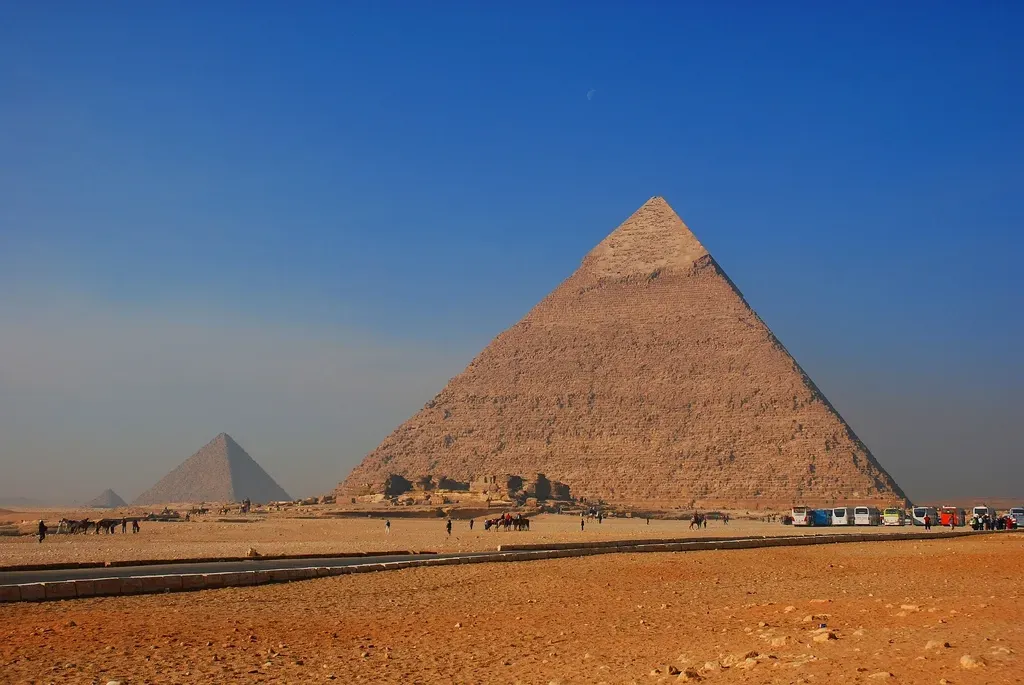
It still blows people’s minds that the Great Pyramid was built more than four thousand years ago, yet its base is astonishingly level and its alignment with the cardinal directions is incredibly precise. Archaeologists have strong evidence for ramps, sledges, levers, and a massive, organized workforce, but the exact combination of methods is still debated. That lingering gap between “we mostly get it” and “we can fully replicate it” is exactly where wild theories multiply. Some people jump to lost advanced technologies, while others insist the real marvel is what human coordination and simple tools can do over decades.
Personally, I think we underestimate just how relentless a motivated society can be when its entire worldview is tied up with a single project. Imagine a construction effort that makes the biggest modern infrastructure projects look like weekend DIY. New scans of internal voids, unknown chambers, and thermal anomalies keep adding fuel to the fire, hinting that the pyramid still guards secrets inside its own stone body. Every time technology gives us a better look, the sense of awe deepens rather than fades.
2. Stonehenge: Monument, Observatory, or Something Else Entirely?
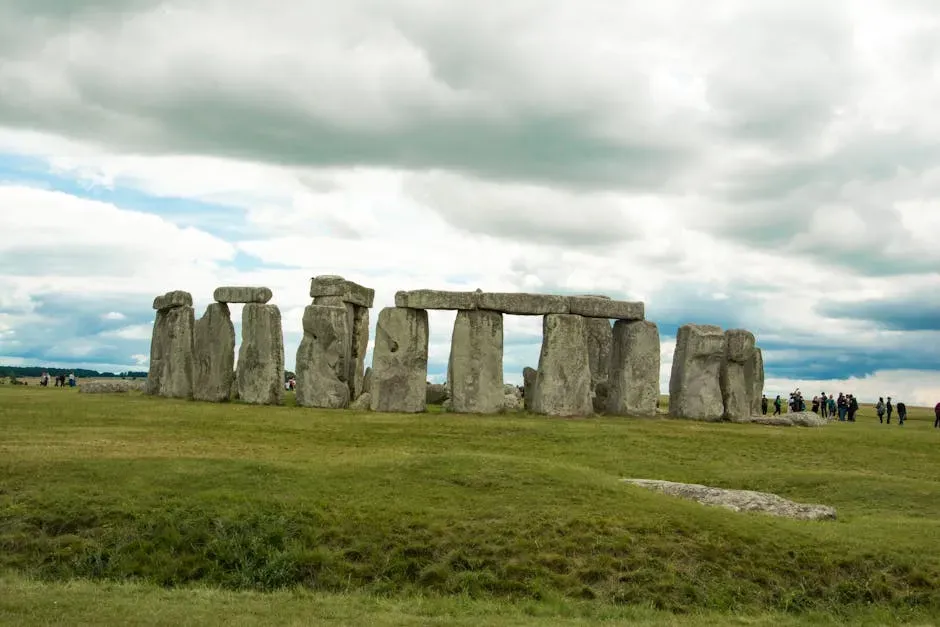
Stonehenge has become almost a shorthand for “ancient mystery,” and for good reason. Those massive stones, some dragged from over a hundred miles away, are arranged in ways that line up with the movements of the sun during solstices. That alone is enough to suggest serious astronomical awareness, yet the site is tangled up with burials, ritual deposits, and other nearby monuments that turn it into a whole ceremonial landscape rather than a single isolated ring of stones. The more archaeologists uncover in the surrounding fields, the more it looks like a complex, evolving sacred zone.
What keeps the theories flowing is that Stonehenge is both familiar and alien at the same time. You can stand there and literally watch the midsummer sun rise between the stones, and feel like you almost get it. But then you realize you don’t fully understand why this exact design, why those particular stones, or how people from so long ago coordinated such a project. Some see it as a kind of prehistoric cathedral, others as a solar-lunar calendar, and some as a healing center. In a way, each interpretation says more about what we moderns value in a monument than what the builders actually had in mind.
3. The Nazca Lines: Desert Doodles or Messages to the Gods?
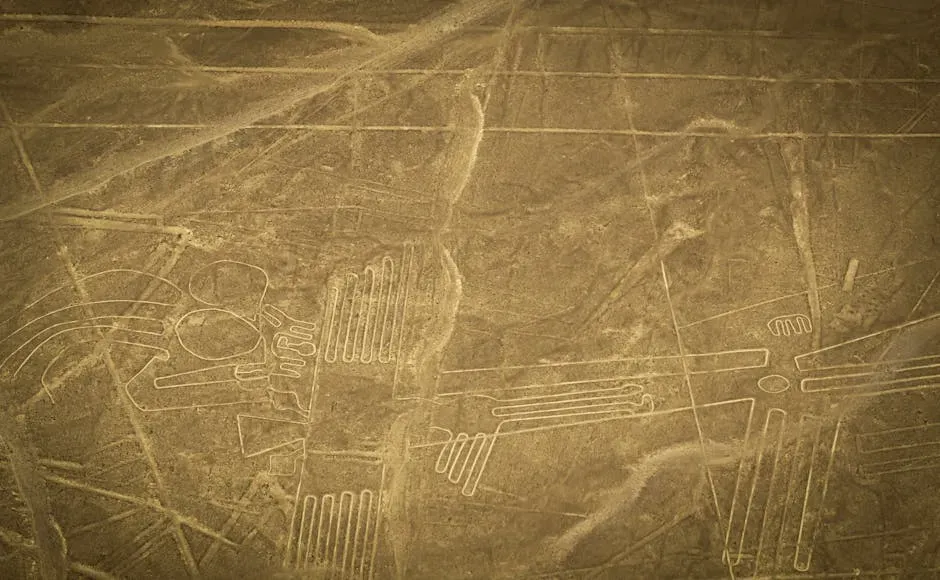
From ground level, parts of the Nazca desert in Peru look pretty plain. But from the air, the land suddenly cracks open into enormous lines, geometric shapes, and animal figures stretching across the earth like some giant sketchbook. These geoglyphs were created by removing the darker top layer of stones to reveal lighter soil underneath, and the dry climate has preserved them astonishingly well. The scale of some of the figures is staggering: you simply cannot grasp them without leaving the ground, which is exactly why they light up theories about ancient aviation or messages to sky gods.
Most researchers lean toward ritual or ceremonial explanations, linking the lines to water, fertility, or processions connected to religious beliefs. The lines may have helped guide ritual walks or symbolically appealed to deities for rain in a brutally dry landscape. Yet because there are so many different shapes and styles, a single neat explanation feels too tidy. The real hook is that people living in such harsh conditions invested huge effort into drawings they themselves could not fully see from above. That paradox alone is enough to keep both serious scholars and fringe theorists circling overhead, metaphorically and literally.
4. Göbekli Tepe: Rewriting the Story of Civilization?
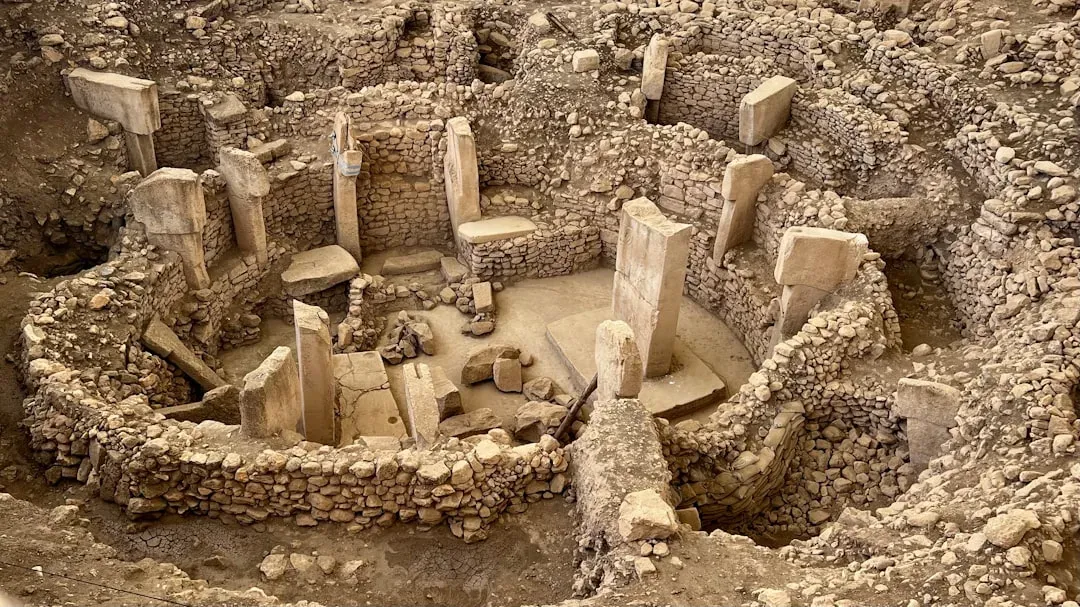
When Göbekli Tepe in southeastern Turkey burst onto the scene, it quietly messed with one of archaeology’s most cherished timelines. These massive stone circles and intricately carved pillars are thousands of years older than Stonehenge or the pyramids. That means organized, large-scale monument building was happening long before settled farming villages were supposed to exist on that level. For a long time, the story went: first agriculture, then big temples and complex religion. Göbekli Tepe shrugged and suggested it might have been the other way around, or at least more entangled than we thought.
The site’s animal carvings and stylized human figures feel hauntingly deliberate, as if we are seeing the inner life of very early religious imaginations carved into stone. Researchers argue fiercely over whether it was a pilgrimage center, an early sanctuary, or something entirely different. One detail that fascinates me is that the place seems to have been deliberately buried in ancient times, almost like its builders wanted to close a chapter and tuck it away. That dramatic gesture invites fresh theories: was it a ritual farewell, a social shift, or an early example of people deciding that one enormous religious project had run its course?
5. The Indus Valley Script: A Civilization Without a Voice
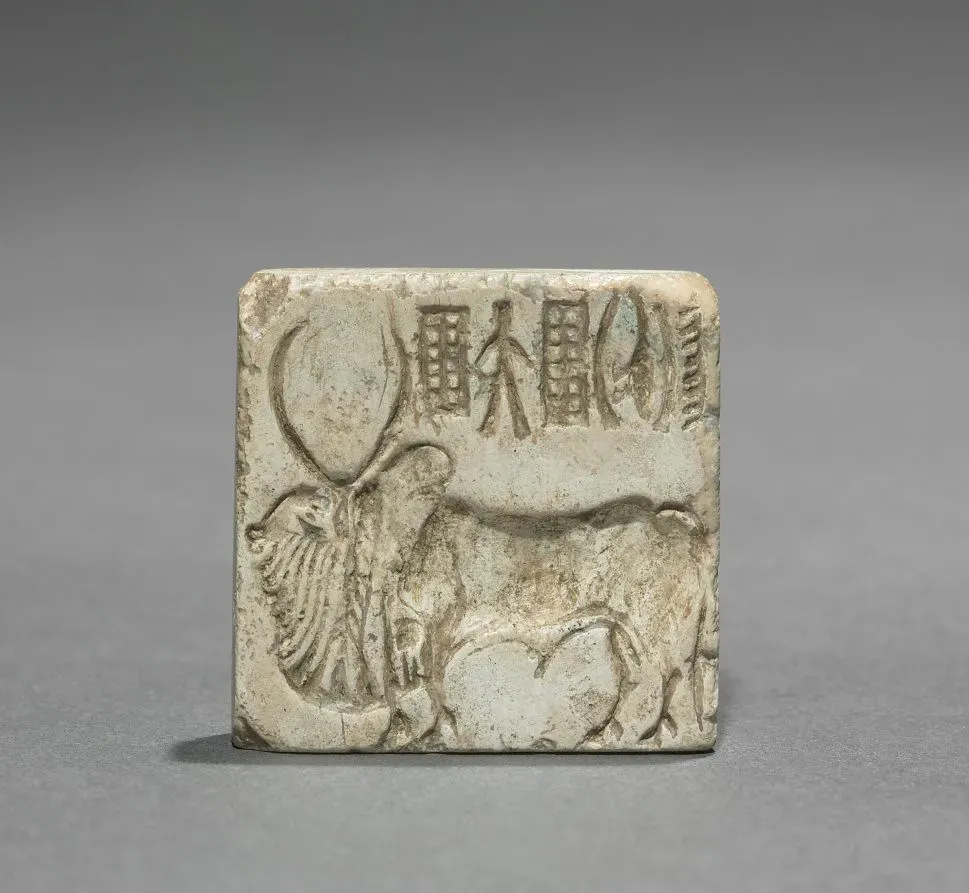
The cities of the Indus Valley civilization – places like Mohenjo-daro and Harappa – were astonishingly advanced in urban planning, with grid layouts, sophisticated drainage, and standardized weights. Yet for all that order, one huge piece of the puzzle is missing: we still cannot read their script with any real confidence. Tiny seals and short inscriptions pop up on artifacts, but the texts are so brief and the language behind them so uncertain that every attempt at decipherment remains controversial. This silence is especially maddening because we can read the records of other ancient cultures that interacted with them, but not their own words.
This unreadable script has turned into an intellectual playground. Some argue that the marks might not even represent a full writing system, while others insist there is a lost language locked inside those symbols. Theories link it to various language families and propose all sorts of meanings, but none have won over a clear majority of experts. For me, the most haunting part is walking mentally through those carefully planned streets and realizing that the people who lived there are effectively mute to us. Until someone cracks the code, the Indus world will keep inviting new theories precisely because the main characters cannot answer back.
6. The Antikythera Mechanism: Ancient Clockwork Enigma
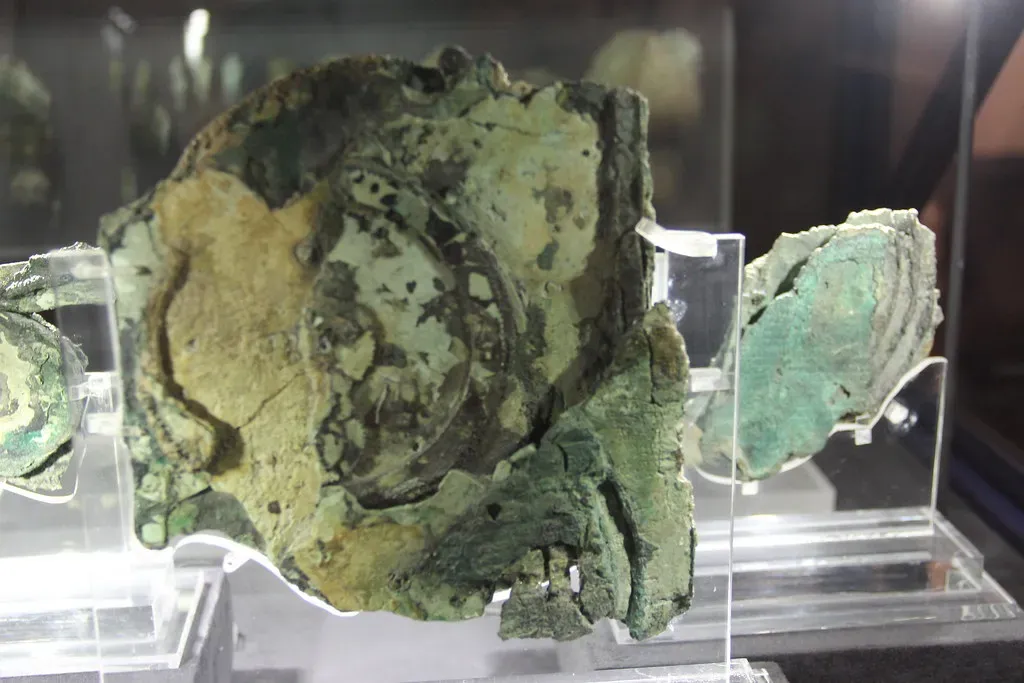
When divers pulled a corroded lump of bronze from a shipwreck off the Greek island of Antikythera in the early twentieth century, no one expected it to redraw the map of ancient technology. X-rays and modern imaging eventually revealed a complex system of gears that could model the motions of the sun, moon, and possibly planets. Built more than two thousand years ago, this device functions like a mechanical computer, predicting eclipses and tracking celestial cycles with an elegance that feels centuries ahead of its time. The sheer sophistication of the gearwork stunned historians of science.
The mystery is not just how it worked, but what it means for our understanding of ancient engineering. If such an intricate device survived only as a broken wreck, how many others once existed? Was there a whole tradition of precision instruments that simply failed to survive the centuries? Every new scan and reconstruction of the mechanism spawns fresh theories about its creators, its purpose, and the broader technological culture around it. It is one of those rare artifacts that forces even skeptical minds to admit that our assumptions about what was possible in the past may be too modest.
7. The Disappearance of the Maya: Collapse, Transformation, or Both?
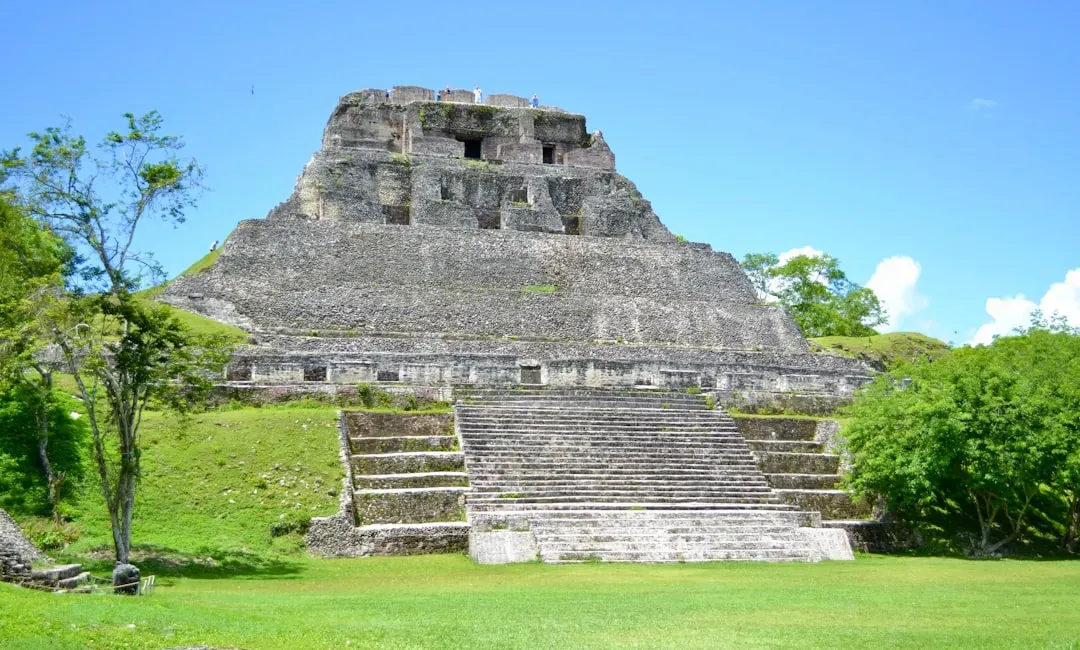
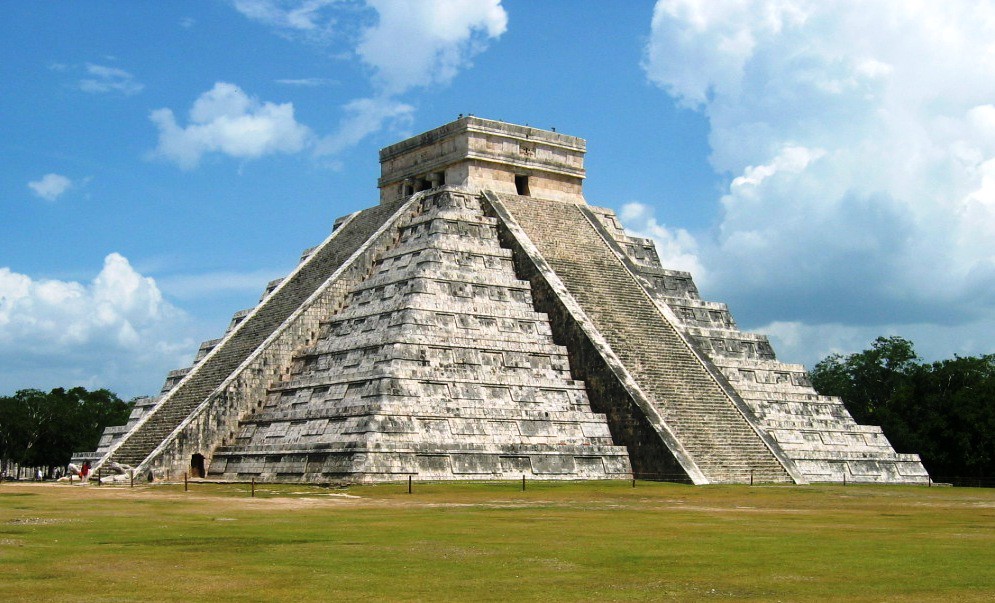
The ancient Maya built dazzling cities filled with towering pyramids, elaborate palaces, and intricate carved stelae. Then, in many of their major southern lowland centers, large-scale building stopped, populations dropped, and monuments fell silent over a few centuries. For a long time, people casually said the Maya “mysteriously vanished,” which was never really true because their descendants are very much alive today. Still, the question of why those great cities and royal courts declined so dramatically keeps scholars arguing and revising their models.
Current research points toward a messy cluster of causes: climate stress, political conflict, overuse of resources, social upheaval, and changing trade networks. Instead of one single dramatic event, it may have been more like a slow, uneven unraveling in some areas and adaptation in others. I find it interesting that we keep projecting our own modern fears onto this story – whether it is environmental collapse, inequality, or warfare. Each new dataset, from lake sediments to laser mapping of hidden ruins under rainforest canopy, adds nuance but also fresh angles for theory. The Maya story stays compelling because it feels like a cautionary tale and a survival story at the same time.
8. The Voynich Manuscript: An Unreadable Book That Refuses to Be Solved
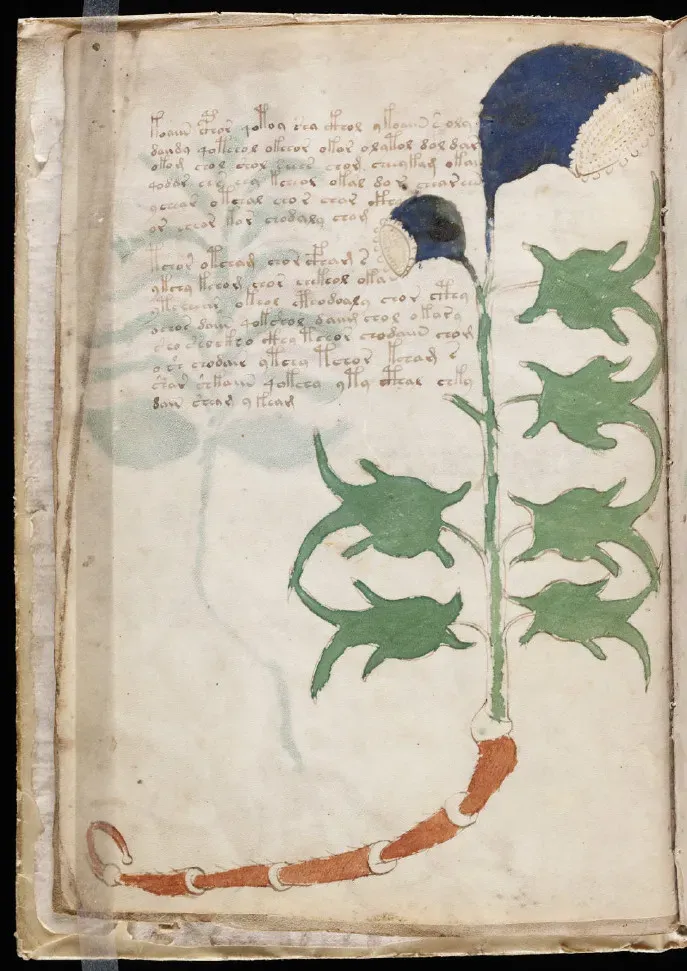
The Voynich Manuscript looks like something out of a fantasy novel: pages of flowing script in an unknown alphabet, strange plants that do not quite match any known species, odd diagrams, and mysterious scenes involving human figures. Carbon dating suggests it was created in the late medieval or early Renaissance period, but beyond that, nearly everything about it is up for debate. Is it an encoded scientific treatise, an elaborate hoax, an unknown language, or a private constructed script with meaning only to its author? Cryptographers, linguists, and hobbyists have all taken a swing, and so far, it holds its ground.
Part of the charm is how the manuscript sits right at the edge of what computers are good at. Modern algorithms can analyze letter frequencies, patterns, and statistical quirks, and they have shown that the text behaves more like real language than random gibberish. Yet no definitive reading has emerged, which keeps the door wide open for creative theories. I sometimes think the manuscript has become a kind of intellectual Rorschach test: people see herbal lore, astrology, coded love stories, or secret knowledge depending on what they want to find. Until someone provides a convincing, testable decipherment, it will remain the ultimate unsolved book.
9. Easter Island’s Moai: Giants on the Edge of the World
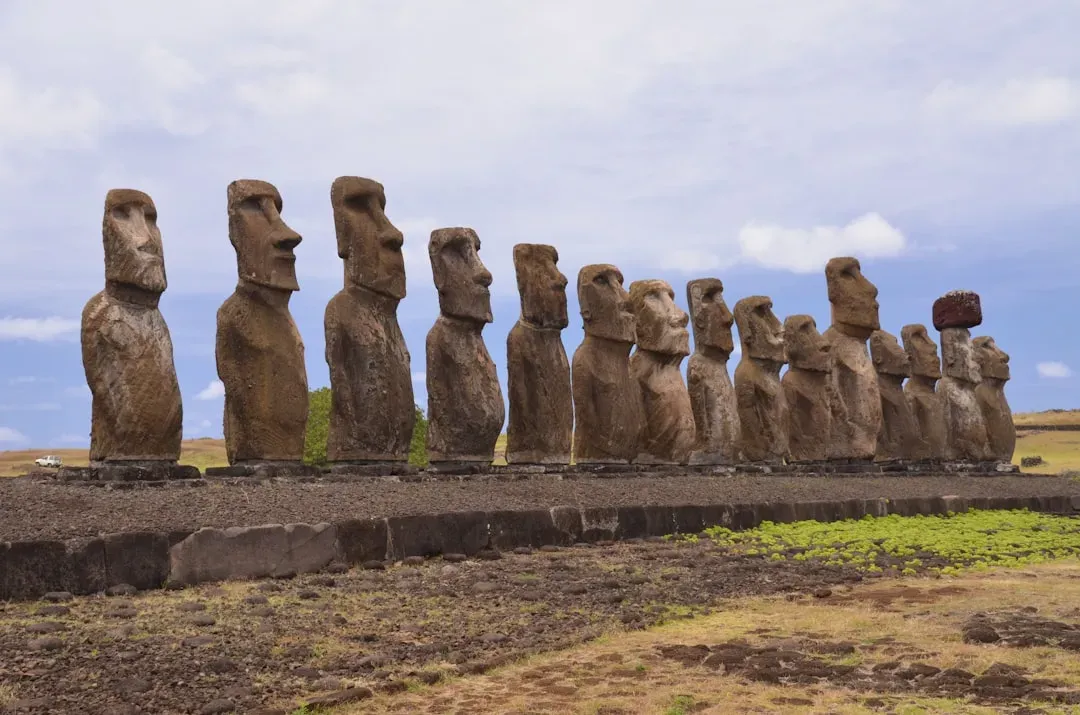
On a tiny, remote island in the Pacific, hundreds of massive stone figures, the moai, stare inland with an unblinking, slightly unsettling calm. Carved and transported by the Rapa Nui people, these statues can weigh many tons and stand several meters tall. Archaeological work has shown that many moai also have buried bodies beneath the more famous heads, and that they were likely part of a complex system of ancestor veneration and social status. Yet the practical questions – how exactly they were moved, why production slowed and toppled statues litter the landscape – still invite competing explanations.
Earlier narratives pushed a dramatic story of ecological collapse and self-destruction, but more recent research suggests a more complicated picture of resilience, adaptation, and outside impacts. This shift in understanding has sparked fresh debates about what really happened on the island before and after European contact. For me, standing in front of a moai (even just in photos) feels like staring at a frozen argument with time itself: proof of extraordinary human creativity, but also a reminder of fragility. As methods like sediment analysis, DNA studies, and high-resolution mapping improve, theories keep evolving, making Easter Island one of those places where history and myth refuse to fully separate.
10. The Atlantis Legend: Lost City or Enduring Metaphor?
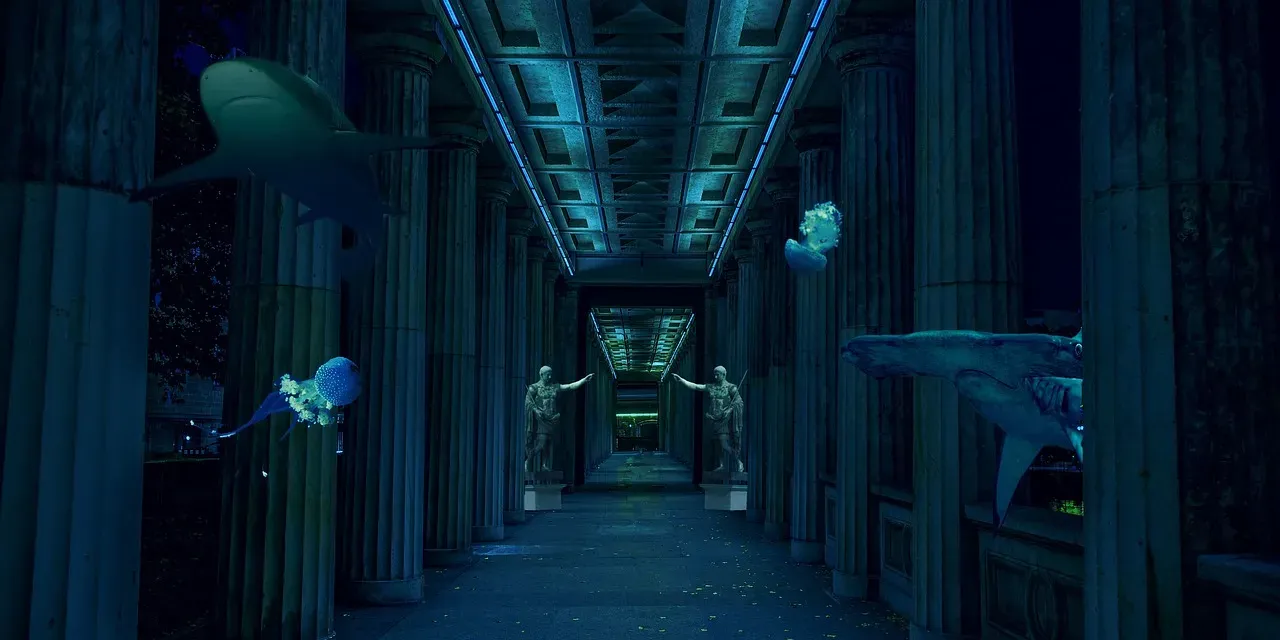
The story of Atlantis comes from a few pages in ancient philosophical writings, describing a powerful island civilization that supposedly sank beneath the sea after moral decay and divine punishment. That brief mention has ballooned into centuries of speculation, with proposed locations scattered from the Mediterranean to the Atlantic and beyond. Geological discoveries of submerged landscapes and ancient coastlines sometimes get pulled into the narrative, even when the timelines and details do not quite line up. The idea of a lost advanced civilization hidden under the waves is simply too tempting to let go.
Most historians see the tale as a moral and political allegory rather than a literal travel report, yet it keeps inspiring fresh expeditions, TV series, and speculative research. I think Atlantis endures not because of solid evidence, but because it plugs straight into a deep human fear: that greatness can be wiped out overnight, leaving only a story behind. It is also surprisingly flexible; people reframe it to reflect whatever they think is currently at risk – hubris, technology, environment, empire. Whether or not any “real” Atlantis ever existed, the legend itself has become an ancient mystery about how we tell stories of rise and fall.
Conclusion: Why These Mysteries Refuse to Die
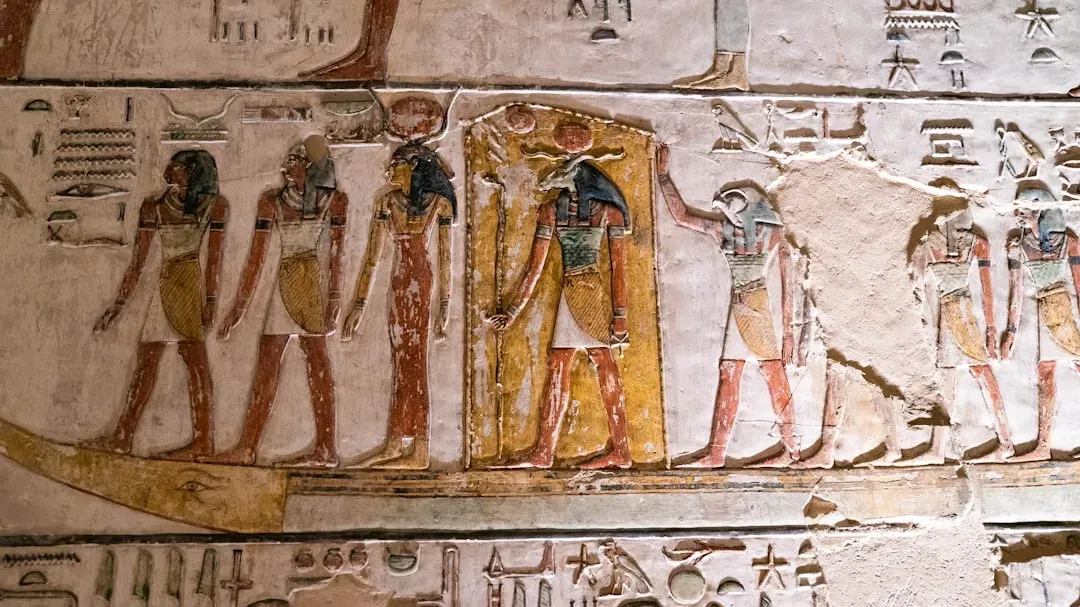
What ties all these puzzles together is not that they are totally unknowable, but that they live in the spaces where our evidence thins out and our imaginations step in. We actually know a lot more about pyramids, Stonehenge, the Maya, and other topics than most popular retellings admit. Still, the leftovers – the missing motives, lost voices, and half-understood technologies – are where theories keep multiplying. In my view, the worst thing we could do with these mysteries is flatten them into simplistic legends or overconfident explanations just to feel comfortable.
I think we should let these ancient questions stay a bit prickly, a bit unresolved, because that uncertainty keeps us curious and humble. Every new scan, dig, or decipherment is not just about filling gaps in the past; it is a test of how we handle not knowing. Do we rush to the most dramatic answer, or can we sit with complexity and doubt? Next time you see a headline promising that some ancient mystery has finally been “fully solved,” it might be worth asking yourself: is the truth actually that tidy, or are we still only seeing one corner of a much bigger picture?