Every few years, a story resurfaces that sounds like it was ripped straight from a science fiction movie: that ancient Indian sages described flying machines thousands of years ago, complete with metal alloys, propulsion systems, and even something that looks uncannily like a flying saucer. It is the kind of claim that makes some people roll their eyes and others lean forward in fascination. Somewhere between those two reactions is a more interesting place: a careful look at what the texts actually say, what modern scholarship thinks of them, and why the idea refuses to die.
I still remember reading a translation of one of these so‑called “vimana” texts late at night and feeling that weird mix of wonder and skepticism. On the one hand, it felt like reading an ancient technical manual; on the other hand, it also looked suspiciously like a modern imagination retrofitted onto old traditions. That tension is exactly why this topic is so compelling. When ancient mythology, modern engineering language, and UFO‑era fantasies all collide, you get a cultural Rorschach test: what you see in these manuscripts often says as much about you as it does about the texts themselves.
The Mythic Vimanas: Chariots of the Gods or Just Poetic Metaphors?
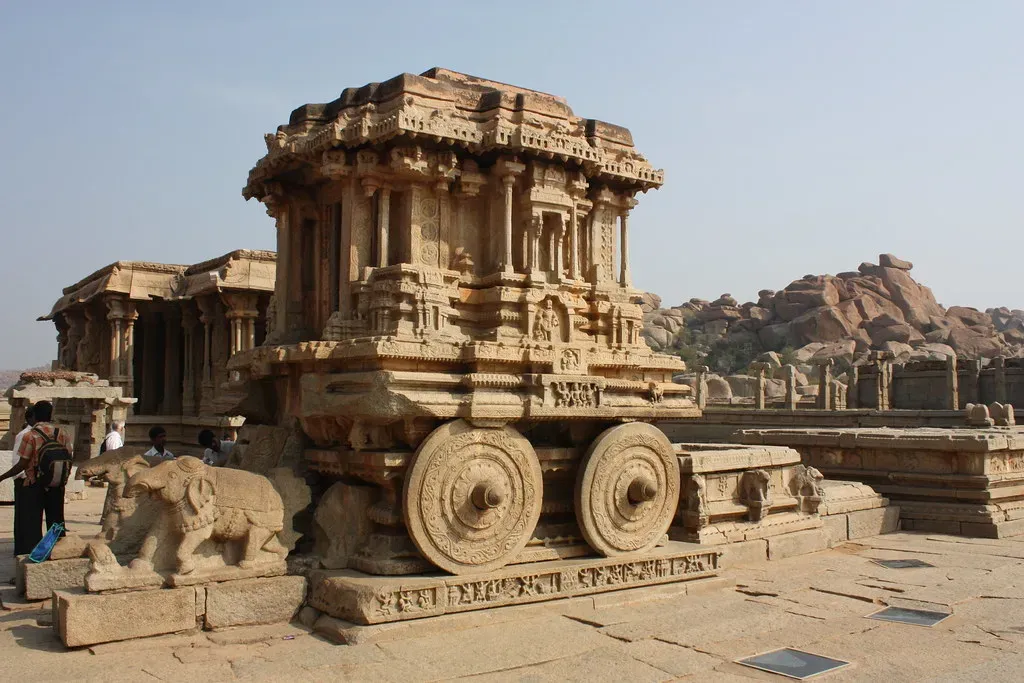
Let’s start with the big word at the center of all this: vimana. In many classical Sanskrit texts, like the Ramayana and the Mahabharata, vimanas are usually described as divine or royal chariots, palaces, or vehicles associated with gods and heroes. Sometimes they fly through the sky, sometimes they move instantly from one place to another, and sometimes they are simply elevated palaces or thrones. In other words, the term is flexible and context‑dependent, a bit like how “ship” can mean anything from a sailing boat to a spaceship in English, depending on the story.
These mythic vimanas are often wrapped in poetic language: they shine, they move with the speed of thought, they can traverse realms. To a modern reader steeped in science fiction, it is very tempting to treat these passages as literal technical descriptions of aircraft. But when you zoom out and look at how similar metaphors appear in other mythologies – Greek gods in golden chariots, Norse gods traveling on magical steeds – it begins to look less like aerospace engineering and more like a shared human habit: using grand vehicles as symbols of power, divinity, and transcendence. That does not completely rule out any technological inspiration, but it places the burden of proof squarely on those claiming real machines were involved.
The Controversial Vaimanika Shastra: An “Ancient” Manual That Probably Isn’t
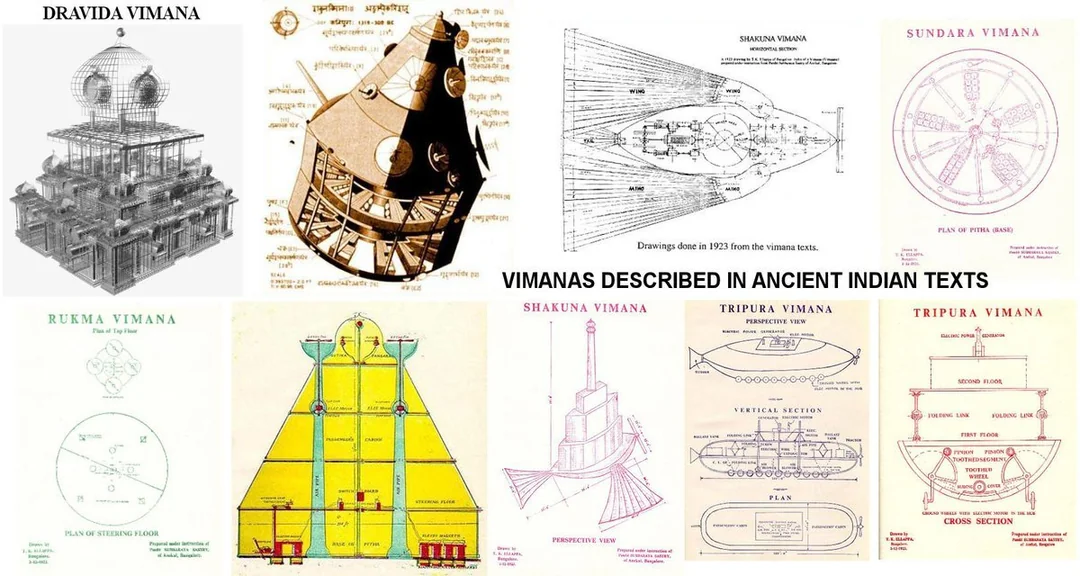
Most of the detailed, nuts‑and‑bolts descriptions that sound like flying saucers come not from the big classical epics, but from a text known as the Vaimanika Shastra (or Vimanika Shastra). This work describes various types of vimanas, their parts, the metals to be used, and even what sounds like pilot training and operational protocols. On the surface, it reads like a technical manual, and this is exactly why it has become a centerpiece for claims about ancient advanced aerospace technology in India. It looks so modern that it practically begs to be linked to UFO lore.
The problem is that serious historical and philological analysis points strongly to the Vaimanika Shastra being a twentieth‑century composition, not a genuinely ancient Sanskrit treatise. Investigations into its origin trace it to a process of “psychic dictation” or channeled revelation recorded in the early 1900s, then later written up and presented as an old text. When scholars looked more closely at the Sanskrit, the terminology, and especially the technical content, they found anachronisms, errors, and ideas that matched popular understandings of aviation from the early airplane era – not from any plausible ancient technological tradition. So if you imagine this text as a kind of spiritualist fan fiction inspired by both Hindu mythology and early flight, its odd mix of mysticism and pseudo‑engineering suddenly makes a lot more sense.
Do the Descriptions Really Resemble Modern Flying Saucers?
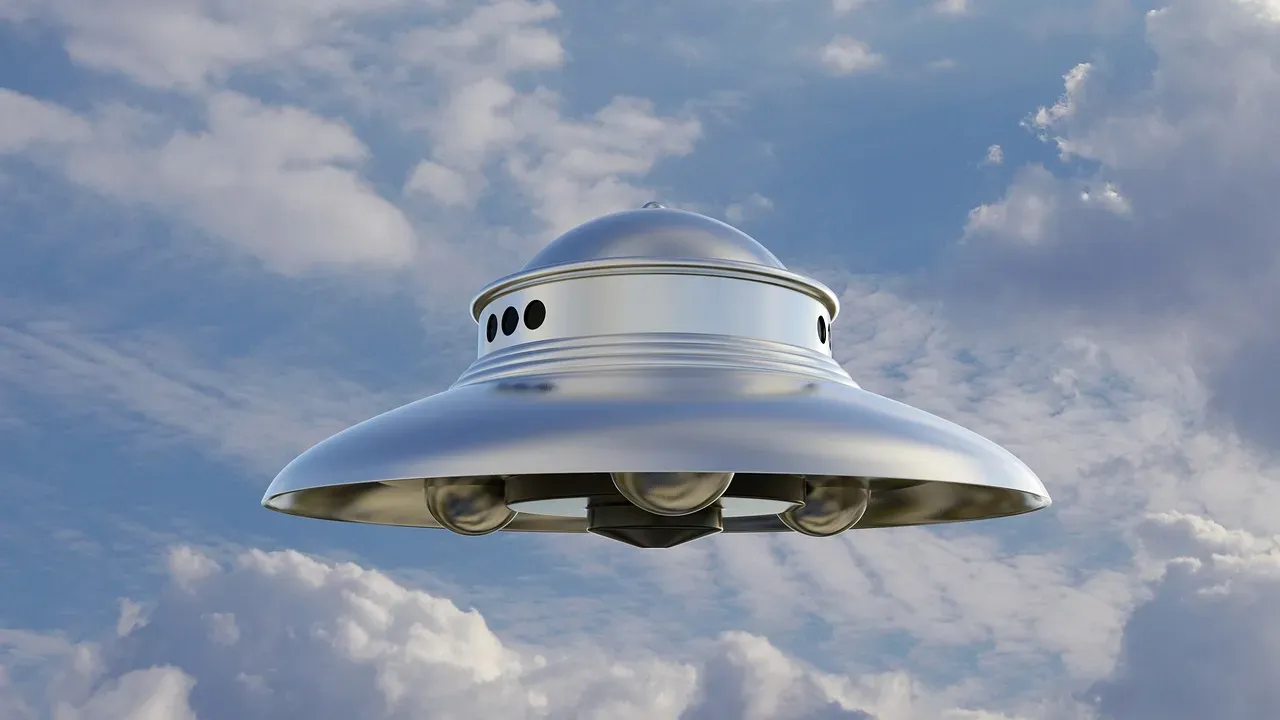
The headline‑grabbing part of these manuscripts is the claim that they describe disc‑shaped or saucer‑like craft, complete with multiple decks, portholes, and rotating sections. In the Vaimanika Shastra and related material, you can certainly find descriptions of circular or multi‑tiered vimanas, often with domes or layered structures that some readers visualize as stacked discs. Paired with references to speeds, maneuvers, and mysterious power sources, it is not hard to see why people draw parallels to the classic UFO shape burned into twentieth‑century pop culture.
However, the resemblance becomes much fuzzier when you strip away modern imagination and stick to the literal text. Many descriptions are vague enough that you could just as easily imagine ornate temple towers, chariots with canopies, or symbolic thrones rather than sleek aerospace vehicles. The human brain is excellent at pattern‑matching, and when flying saucers are part of your mental wallpaper, almost any round or layered object can start to look like one. To me, the “flying saucer” reading says more about mid‑twentieth‑century Western UFO culture than about what ancient or early modern Indian authors actually had in mind.
Engineering Reality Check: Could These Designs Actually Fly?
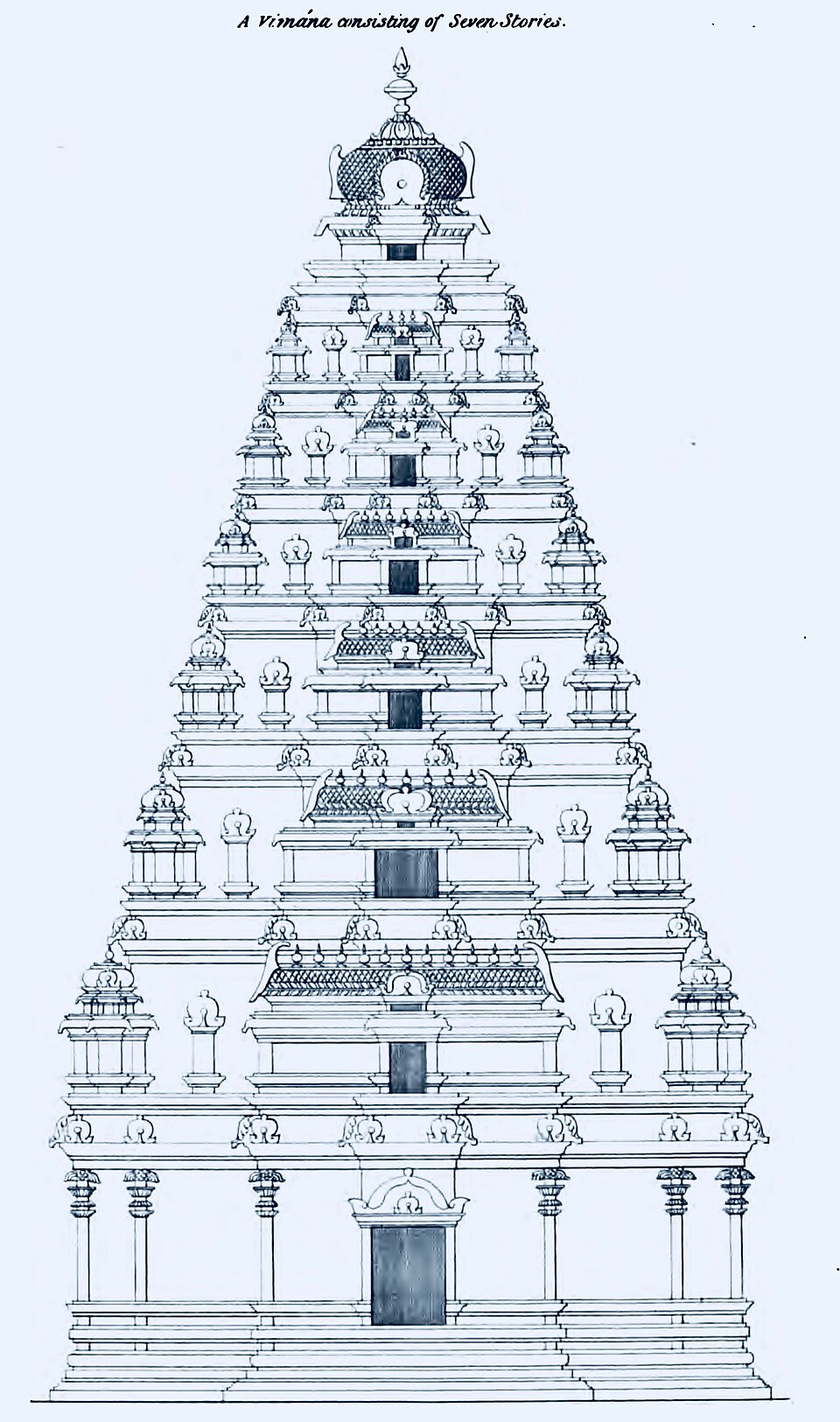
At one point, a group of Indian scientists and engineers took the vimana designs from the Vaimanika Shastra and treated them as if they were serious engineering proposals. They analyzed shapes, alleged propulsion methods, and the described materials using the basic principles of aerodynamics and structural engineering. The verdict was devastating from a technical standpoint: the craft as described would not be stable in flight, the proportions made little physical sense, and the supposed materials and mechanisms did not line up with real‑world physics. In a modern wind tunnel or simulation, these designs would behave more like flying bricks than graceful saucers.
That kind of analysis does not just poke holes in fringe theories; it actually teaches a useful lesson. If you really had a technologically advanced civilization capable of sustained, controlled flight in heavy craft, you would expect some consistency in terminology, design, and physical plausibility. Instead, what we see here is a patchwork of ideas that borrow the language of technology but lack the underlying coherence of genuine engineering. It feels more like someone trying to imagine flight from a distance – like a child drawing a car with wings – than the output of an actual aerospace tradition. The mismatch between the grand descriptions and the physical reality is a strong reason to treat these texts as imaginative rather than evidential.
Ancient Imagination and the Human Obsession With the Sky

Even if these manuscripts are not blueprints for real flying saucers, they are still incredibly revealing about how humans dream. Long before powered flight became a reality, cultures around the world were filling the sky with gods, spirits, palaces, and luminous chariots. Sanskrit literature is especially rich in this regard: the sky is not just a backdrop, but an active stage for cosmic drama, with vimanas as mobile symbols of status, divinity, and sometimes terrifying power. In that sense, these stories are less about machines and more about longing – to transcend the ground, to see from above, to move beyond ordinary limits.
Modern readers bring a different set of obsessions to the same sky. We think in terms of jets, rockets, UFOs, and satellites, so we project that language back onto ancient texts that were written to stir awe and devotion rather than satisfy an engineering checklist. The similarity is less in the hardware and more in the emotional core: flying vehicles, whether mythic or mechanical, embody freedom, danger, and superiority. That shared emotional thread might be why the vimana stories feel familiar, even if the technological details collapse under scrutiny. It is like recognizing a melody played on entirely different instruments.
Why Fringe Theories Persist: Identity, Mystery, and the Allure of Lost Civilizations
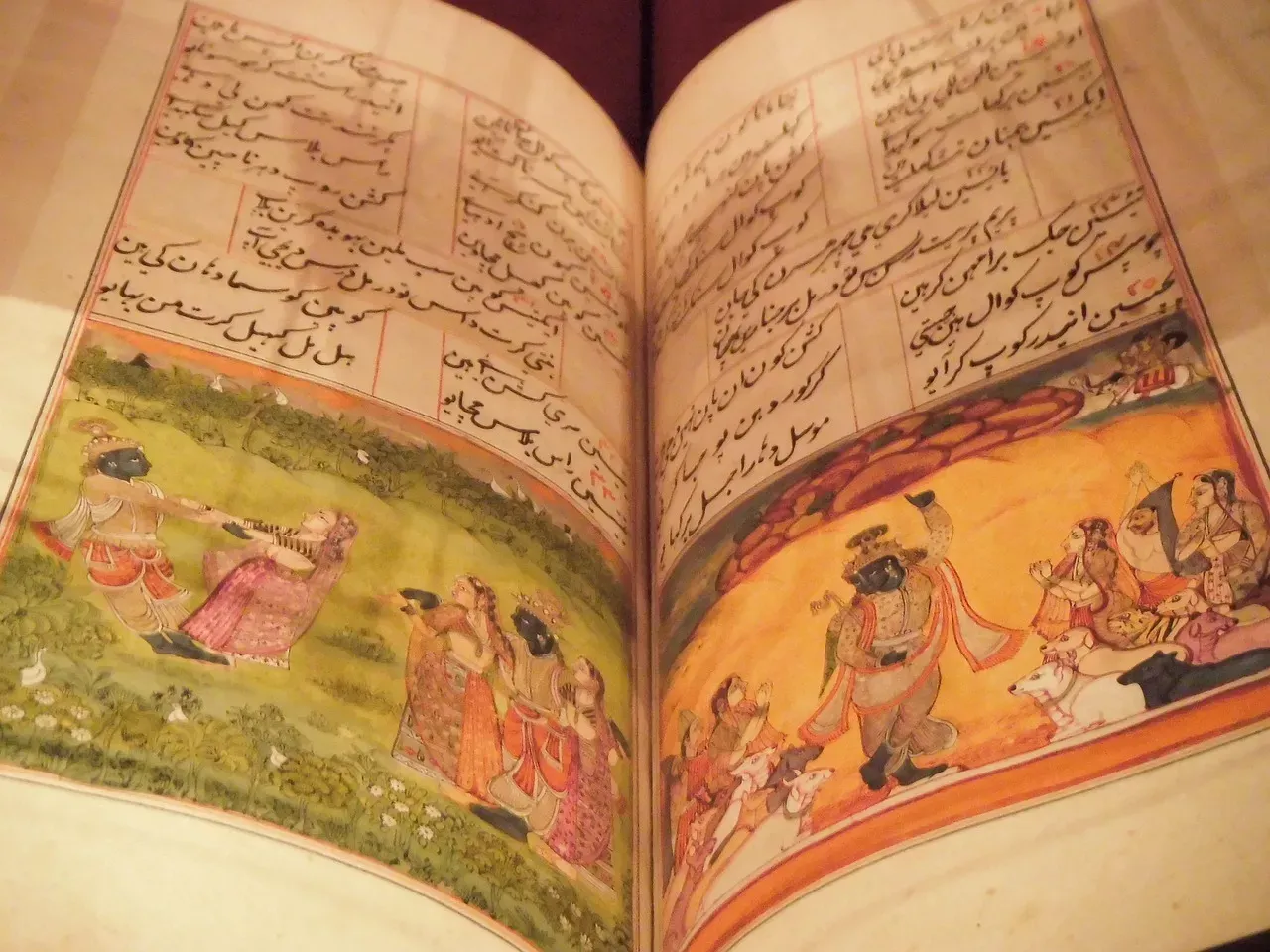
Still, the idea that ancient Sanskrit manuscripts hide evidence of advanced aerospace technology is not going away. Part of the appeal is emotional and cultural. For some people, especially in India, the notion of ancient high technology offers a proud counter‑narrative to centuries of colonial condescension. It says, in effect, that long before modern powers built planes and rockets, Indian sages had already mastered the sky. Even if the evidence is weak, the story itself feels empowering, and that emotional charge makes it very hard to let go.
There is also the universal human love of mystery and the romance of a lost golden age. A world where modern science painfully climbed its way up from basic tools is impressive, but a world where we are rediscovering forgotten aerospace secrets from thousands of years ago feels more dramatic. Personally, I get the attraction – I grew up devouring stories of Atlantis, lost technologies, and mysterious artifacts. But as I got older, I started to appreciate that real history is already astonishing without needing to bend the evidence. The genuine achievements of ancient India in mathematics, astronomy, architecture, and philosophy are extraordinary on their own; turning dubious texts into flying saucer manuals undersells that real brilliance instead of honoring it.
What These Texts Actually Teach Us About Science, Faith, and Imagination
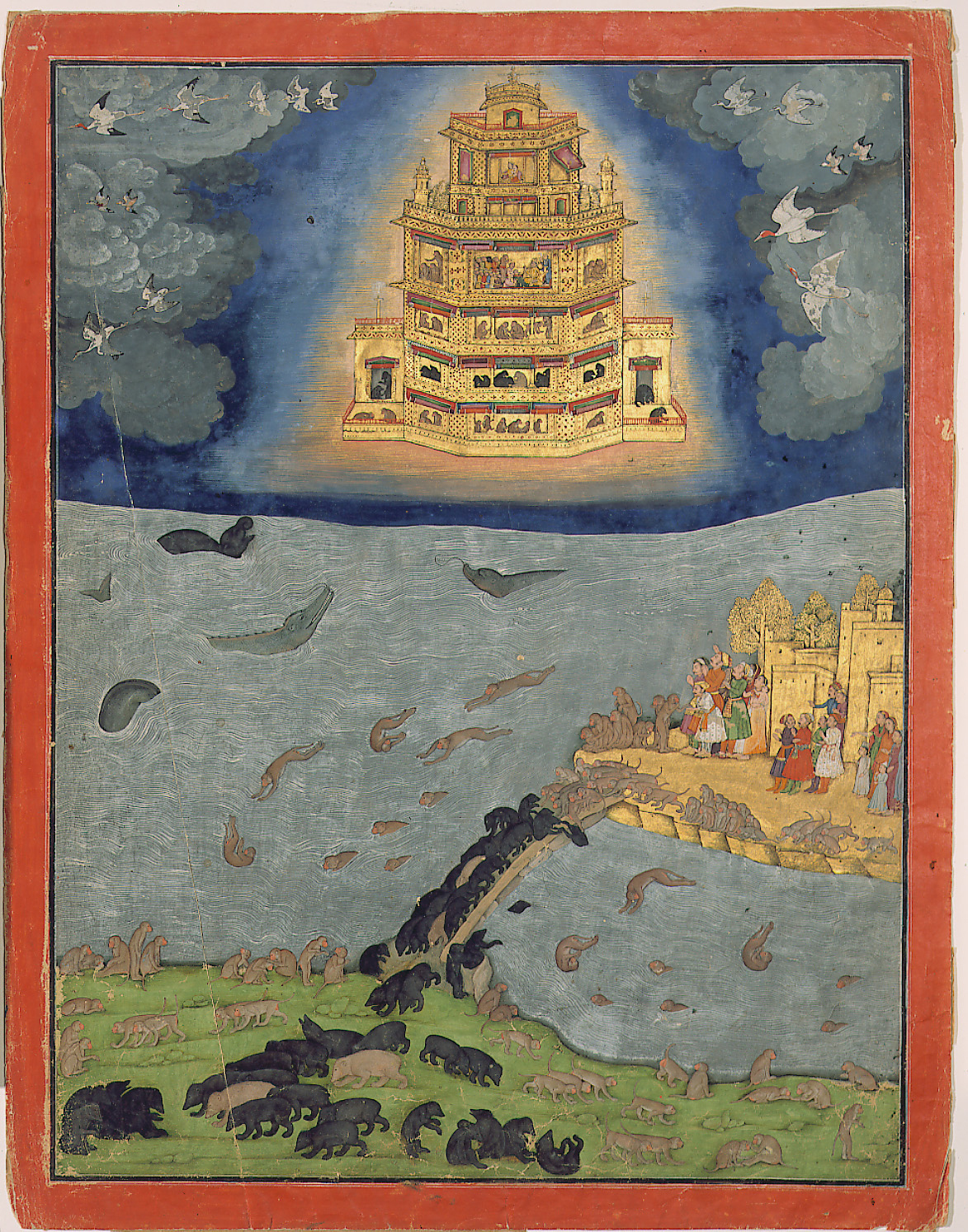
When you strip away the UFO hype and the pseudo‑scientific gloss, the strange flight technology in these Sanskrit manuscripts becomes more interesting, not less. It shows how spiritual imagination can borrow the language of machinery to express awe, how later authors in the early twentieth century tried to blend modern flight with sacred tradition, and how eager we are today to find ourselves in the stories of the past. Rather than proof of ancient aerospace engineering, these texts feel like mirrors: they reflect our fears, hopes, and cultural battles back at us in surprisingly vivid ways.
My own opinion is that we do these manuscripts a disservice when we treat them either as literal technical documents or as mere curiosities to mock. They belong to a long, rich conversation about what it means to transcend human limits, and that conversation now includes rocket scientists, UFO enthusiasts, skeptical historians, and everyday readers who just like a good mystery. In a strange way, the vimanas ended up doing what all memorable myths do: they kept flying, not through the sky, but through time, crossing from ancient Sanskrit poetry into modern internet threads and late‑night debates. Maybe the more honest question is not whether they were ever real machines, but what it says about us that we so badly want them to be. Did you expect that the most revealing part of the story would be the way we look at it today, rather than the way it looked thousands of years ago?