You have probably seen dramatic illustrations of golden flying palaces soaring over ancient India, leaving trails of light like something straight out of a science fiction movie. The idea that ancient civilizations might have mastered advanced aviation long before the modern era is a thrilling one, and vimanas sit right at the center of that fascination. When you first hear about them, it almost feels like someone blended a religious text with a retro-futuristic comic book and then dared you to decide what is real and what is metaphor.
As you dig in, though, you realize the story of vimanas is actually a story about how you read the past. You are asked to decide whether you treat old texts literally, poetically, or somewhere in between, and that decision completely changes what you think vimanas were. Were they real machines made of metal and powered by mysterious fuels, or were they symbolic vehicles of the gods, meant to carry ideas more than people? By the time you reach the end of this topic, you are not just learning about flying chariots; you are really learning how you trust and interpret history itself.
What You’re Really Talking About When You Say “Vimana”
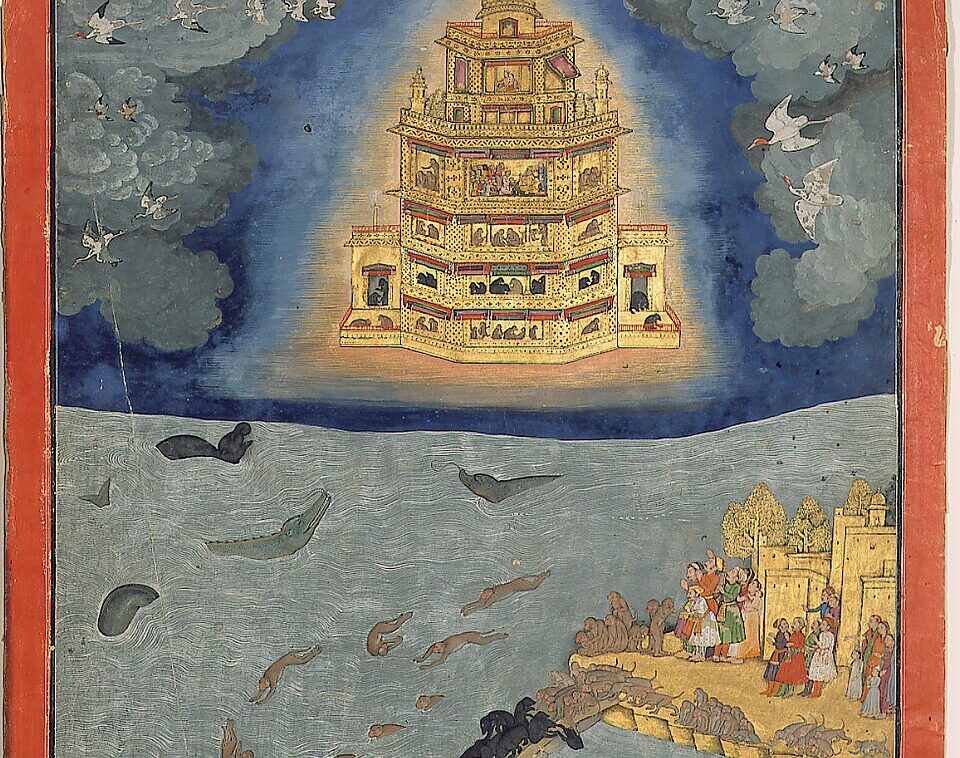
When you use the word “vimana,” you are stepping into a huge and complicated body of ancient Indian literature, not a single, neat definition. In the oldest texts, the word can mean a palace, a temple structure, a chariot, or a heavenly dwelling that can move, depending on the context. That means you are not dealing with a clean aviation term like “airplane,” but with a flexible word that shifts meaning across time and different types of stories. You have to pay close attention to what kind of text you are reading and what that text is trying to do before you assume it is describing a physical machine.
As you read, you start to see that vimanas often appear in scenes involving gods, heroes, or cosmic journeys rather than in practical, everyday travel. Instead of technical manuals, you are usually looking at epics and religious narratives packed with symbolism and dramatic imagery. That does not mean there is nothing of historical value there, but it does mean you cannot treat every description like a straightforward engineering sketch. If you approach vimanas expecting modern-style aircraft documentation, you set yourself up to misread what the authors were actually trying to say.
How Ancient Texts Describe Vimanas (And How You Might Misread Them)

When you look at the famous epics and other Sanskrit works, you notice that vimanas are wrapped in vivid, poetic language that is meant to grab your imagination. You might read about vehicles that glow, move swiftly through the sky, or even travel to other realms, and your modern brain automatically translates that into rockets, jets, or spacecraft. It is very tempting to map every dramatic phrase onto a piece of modern technology, especially when you already like the idea that ancient people knew more than you give them credit for. But if you step back for a moment, you see that the same kind of colorful exaggeration appears in descriptions of weapons, cities, and battles too.
You also notice that details about vimanas are often inconsistent from one passage or text to another, which is exactly what you would expect if you are looking at mythology instead of standardized engineering. Sometimes a vimana looks or acts like a chariot, sometimes more like a floating building, and other times it is basically a divine taxi summoned at will. When you read these stories as a modern person, you can easily cherry-pick the parts that sound technological and ignore the rest, but that choice says more about your expectations than about the original purpose of the text. By reminding yourself that these works were not written as science reports, you keep from turning flexible, symbolic images into rigid technical blueprints.
The Allure of Ancient High Technology and Why It Hooks You

If you find yourself secretly hoping vimanas were literal flying machines, you are not alone. There is something deeply satisfying about the idea that ancient people might have cracked advanced technologies and then lost them, leaving you with only scattered hints in old manuscripts. That story lets you imagine hidden chapters of human history, where knowledge rises and falls in dramatic cycles rather than moving in a neat straight line toward progress. It feels more like an epic movie than a dry timeline from a school textbook, and your mind naturally leans toward the more exciting version.
You also live in a world where aircraft, rockets, and drones are normal, so your brain is primed to see them everywhere once you start looking. When you read about a shining, fast-moving craft in the sky, you immediately project your own experience of technology back onto people who never shared it. This is a bit like walking into an old painting filled with candles and insisting they must be primitive electric bulbs because that is what you are used to. The allure of ancient high technology is not just about the past; it is about your present imagination reshaping old stories into something that fits your modern sense of wonder.
What Mainstream Historians and Archaeologists Actually See
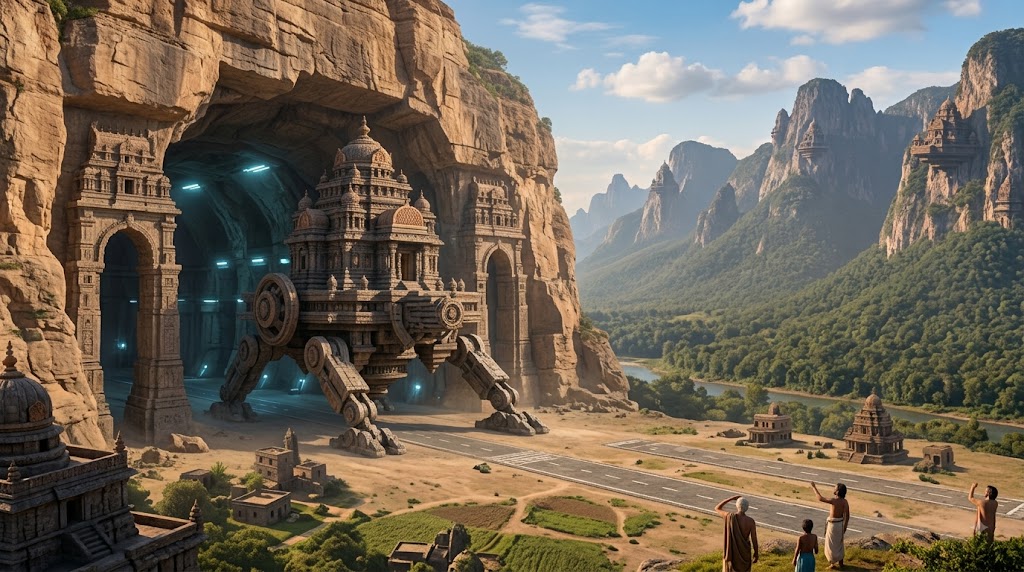
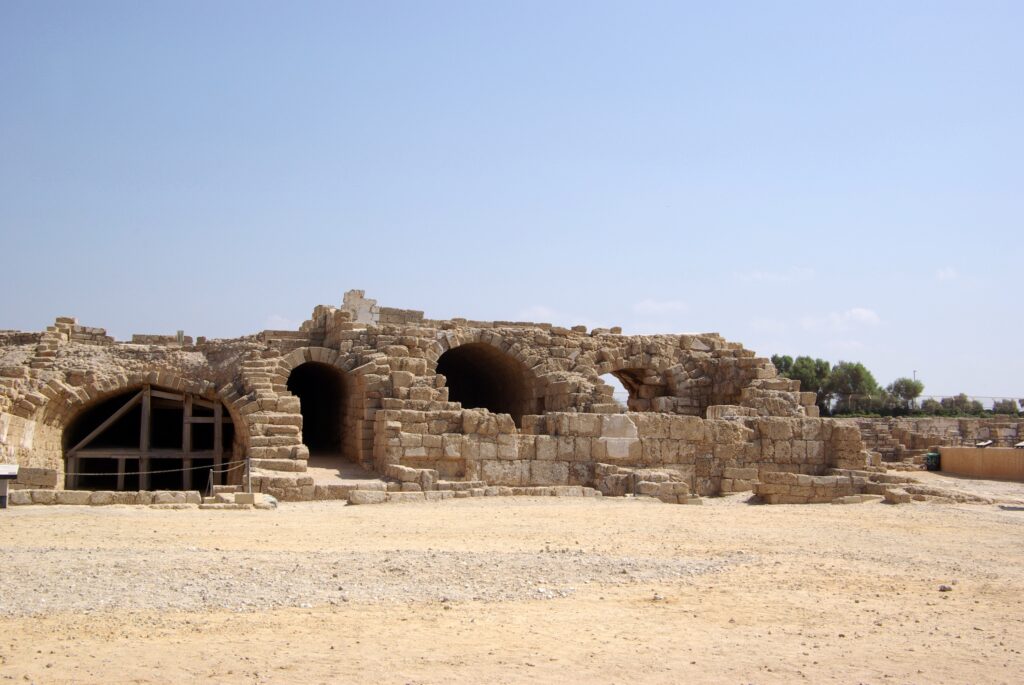
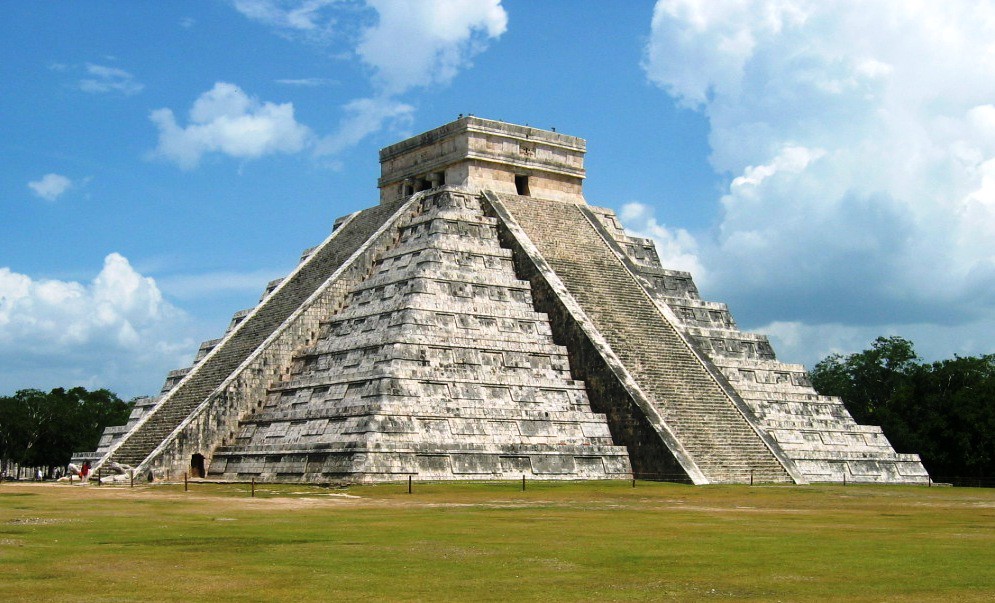
When you look at how mainstream historians and archaeologists handle vimanas, you find a very different tone from the speculative claims you might see in documentaries or sensational books. They generally treat vimanas as part of a rich mythological and literary tradition, not as evidence of lost machines or secret engineering. When they dig up sites, survey old cities, and analyze artifacts, they do not find matching physical remains of aircraft, advanced engines, or the kind of infrastructure you would expect from a civilization that built real flying machines. You are not seeing runways, hangars, or standardized navigation tools that would usually go hand in hand with practical aviation.
Instead, you see architectural remains, inscriptions, sculptures, and everyday objects that line up with what you already know about ancient Indian cultures: sophisticated in many ways, but still clearly pre-industrial. The way vimanas appear in art and texts matches how other cultures show their own mythic vehicles, whether that is sun chariots, winged horses, or celestial boats. When experts put all this together, they see vimanas as powerful images expressing status, divine favor, or cosmic movement, rather than as technical projects. From that perspective, you are not being asked to deny anything magical about the past, only to recognize that the magic is metaphorical, not mechanical.
The Controversial Texts and Modern Fabrications You Need to Watch

As soon as you wander into the modern literature on vimanas, you start bumping into texts that sound very technical but do not actually stand on solid historical ground. Some works are claimed to be ancient manuals on aeronautics, describing metals, fuels, and designs in a way that feels eerily similar to modern engineering language. When you look closer at the history of those documents, though, you often find that they appeared relatively recently, carry no reliable manuscript trail, or show clear signs of modern scientific ideas being pushed backward into the past. If you are not careful, you can mistake a twentieth-century imagination for a second-millennium BCE blueprint.
This is where your skepticism becomes a useful tool rather than a barrier to wonder. When you evaluate these controversial texts, you ask simple but powerful questions: Where did this manuscript actually come from, who first published it, and does its language match the era it claims to belong to? When experts have put these works under that kind of scrutiny, they usually find anachronisms and inconsistencies that point to recent composition or heavy editing. By learning to separate genuinely old sources from modern fabrications or embellishments, you protect yourself from building wild theories on top of shaky or invented foundations.
How You Can Read Vimanas in a Symbolic and Cultural Way

Once you put aside the pressure to decide whether vimanas were real machines, you can start asking a more interesting question: what did they mean to the people who told these stories? When you think of a flying palace or a sky chariot as a symbol, suddenly a lot of things click into place. You see vimanas as expressions of divine mobility, royal power, or the crossing of boundaries between worlds, much like the way modern stories use spaceships to talk about exploration, fear, and hope. Instead of arguing over blueprints, you are exploring layers of meaning in how a culture pictured its gods and heroes moving through the universe.
You also notice how vimanas help organize the space of the story itself: earth below, heavens above, and the vehicle as the bridge between them. That structure shows you how people in that time imagined their place in a vast, layered cosmos and how they thought divine authority moved around and intervened in human affairs. When you read vimanas in this symbolic light, you are not stripping away their magic; you are actually uncovering a deeper magic rooted in belief, imagination, and worldview. In that sense, the vimana becomes less a machine you can build and more a map you can use to understand how an ancient mind navigated reality.
Balancing Open-Minded Curiosity With Evidence
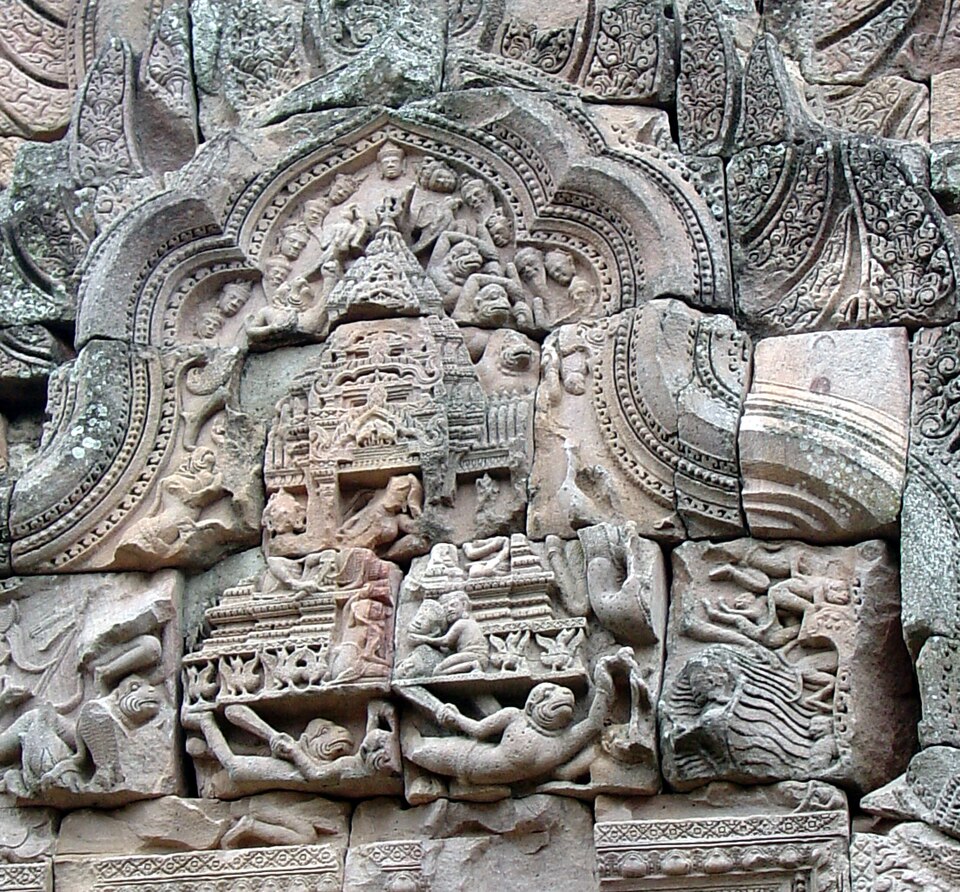
If you love the idea of ancient flying machines, you do not have to give up your curiosity just because the evidence for real vimana aircraft is thin. What you can do instead is hold two thoughts at once: you stay open to possibilities you might not have considered, while still grounding yourself in what you can actually verify. That means you let yourself enjoy speculation as speculation, without pretending that imagination automatically turns into fact. You treat ancient texts with respect, but you also respect the tools of critical thinking that help you avoid turning stories into false history.
In practice, this looks like following a simple rule: extraordinary technological claims need extraordinary support, especially when they rewrite entire eras of human development. So far, you do not see that kind of support for vimanas as real machines, even though you see plenty of genuine richness in the stories that mention them. By accepting that, you free yourself from the pressure to choose between being a skeptic who rejects everything and a believer who swallows every sensational claim. You become someone who can admire the past, question it, and learn from it without forcing it to match your favorite modern myths.
Conclusion: What Vimanas Ultimately Tell You About the Past
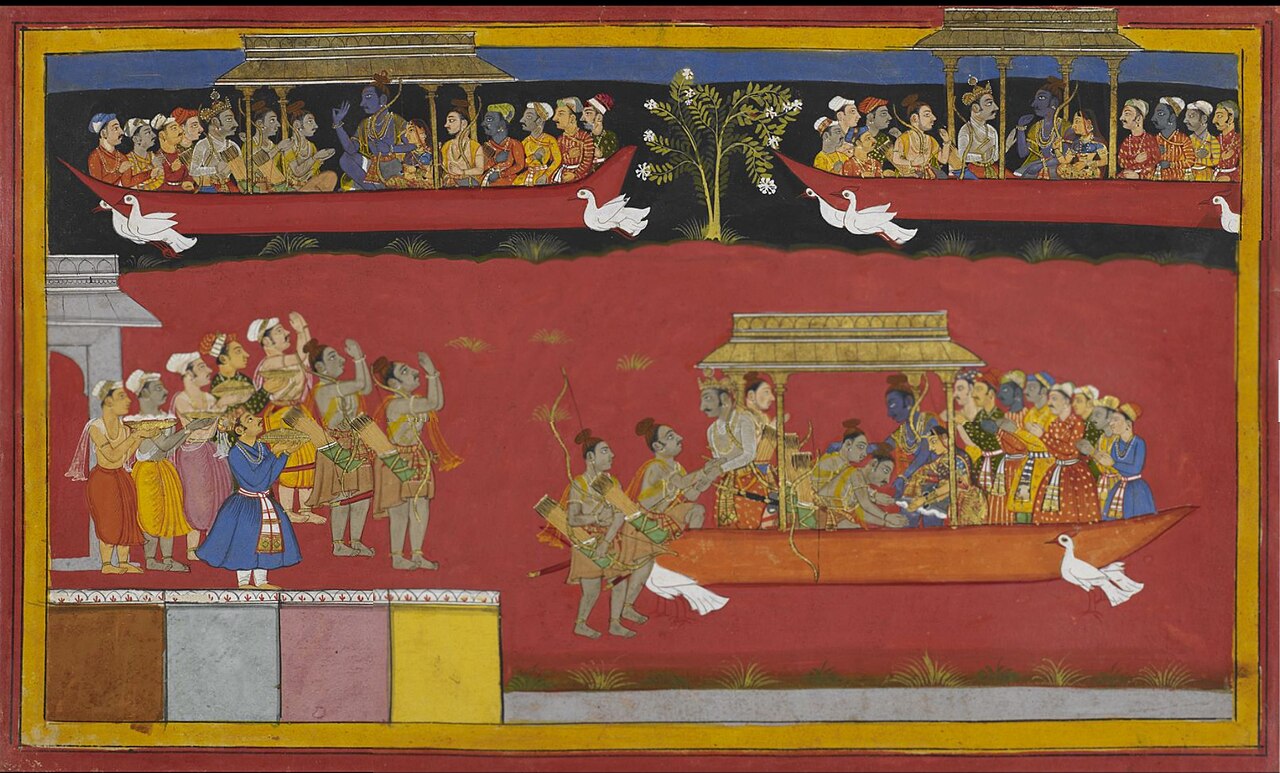
By the time you step back from the whole vimana debate, you realize the real lesson is not about whether ancient people built aircraft, but about how you handle mystery. Vimanas challenge you to see that the past is not a blank screen for your modern fantasies, but a complex landscape with its own symbols, genres, and ways of telling truth. When you read carefully, you see vimanas less as stranded pieces of lost technology and more as powerful narrative tools that carried gods, kings, and big ideas across the skies of the imagination. That understanding gives you a richer, more honest appreciation of the culture that created them.
So when someone asks you whether vimanas were ancient flying machines or misunderstood mythology, you now have space for a more nuanced answer. You can say that, based on the evidence you have, they make far more sense as symbolic vehicles in myth and epic than as literal aircraft, while still respecting the wonder they inspire. In a way, the real flight here is not in metal and fuel, but in the human capacity to dream and to picture the divine as something that can move swiftly and freely above the world. As you think about that, you might catch yourself wondering: is the truth less about what was in the sky, and more about what was happening in the minds that looked up?