Some archaeological discoveries sound like they were ripped straight out of a conspiracy forum or a science‑fiction script. Crystal skulls, tiny “alien” bodies, a Roman gadget that predicts eclipses with clockwork gears – if you heard about them at a party, you’d probably roll your eyes and change the subject. Yet many of these things really do exist, sitting quietly in museum cases while the wildest rumors swirl around them.
What makes these finds so irresistible is the tension between hard evidence and our very human urge to tell stories. When scientists say “probable ritual object,” our imaginations hear “ancient cursed artifact.” In this article, we’ll walk through fifteen discoveries that sound completely fake at first glance but are absolutely real, documented, and studied – and we’ll separate what we actually know from the legends that grew up around them.
1. The Antikythera Mechanism: An Ancient Greek “Computer”
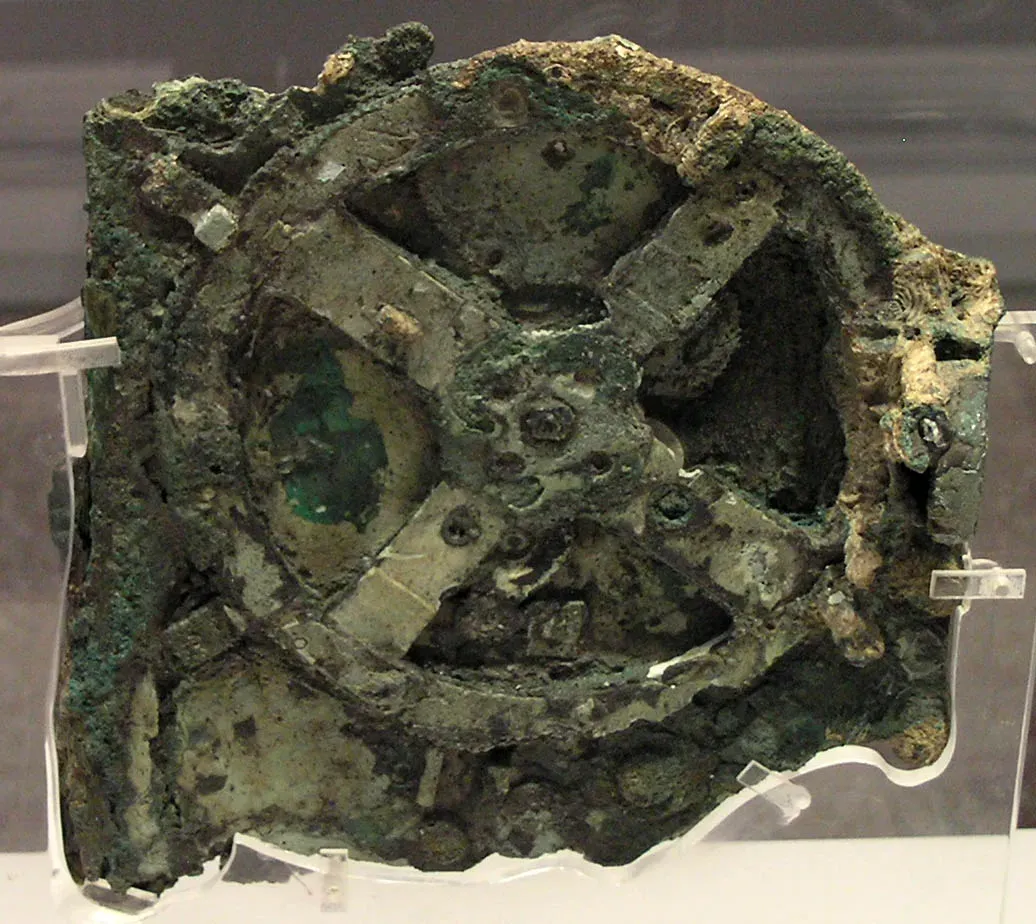
Imagine a corroded lump of bronze pulled from a shipwreck that turns out, under X‑ray, to be a finely crafted machine with dozens of interlocking gears. When I first read about the Antikythera Mechanism, it honestly sounded like a hoax meant to bait people who love lost‑technology stories. But the device is very real, recovered in 1901 from a shipwreck off the Greek island of Antikythera and now studied with every imaging trick modern science can throw at it.
This mechanism, built around the second century BCE, could model the motion of the Sun, Moon, and possibly the planets, and even predict eclipses using what are essentially mechanical algorithms. It worked through a system of precisely cut bronze gears, something we usually associate with medieval or even early modern clockmaking, not with ancient Greece. The wild part is that nothing else quite like it survives from that world, which makes it feel like a technological ghost – proof that human ingenuity has spiked ahead of its time more than once.
2. The Baghdad “Battery” Jars
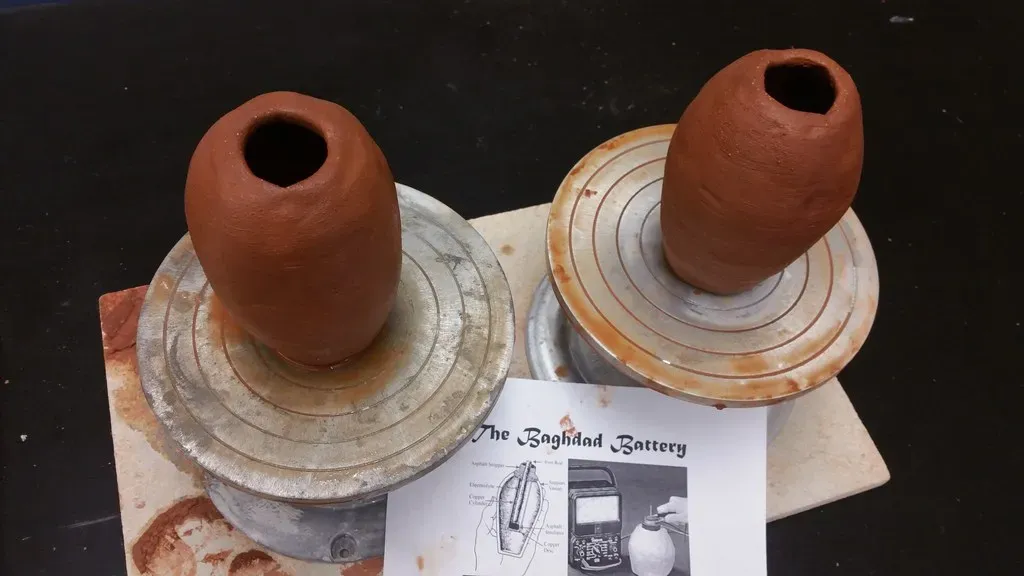
The so‑called Baghdad Battery is a small clay jar with a copper cylinder and an iron rod found near modern‑day Baghdad, often dated to the Parthian or early Sasanian period. On paper, that description sounds bland; on the internet, it turns into breathless claims about “ancient power grids” and forgotten electricity. The idea that a two‑thousand‑year‑old civilization might have produced a crude galvanic cell makes people either wildly excited or instantly skeptical.
In laboratory experiments, replicas of the jar filled with an acidic liquid can produce a low voltage, something on the level of a weak battery. The hard part is that we have no clear ancient text that says, in effect, “this is a battery, and here’s what we used it for.” More cautious researchers suggest it could have been used for electroplating small objects, while others argue it might have been nothing more exotic than a storage container that happens to resemble an electrical device when taken apart. The jars themselves are real; the power‑plant myth is not.
3. The Nazca Lines: Colossal Desert Drawings Only Fully Visible from Above
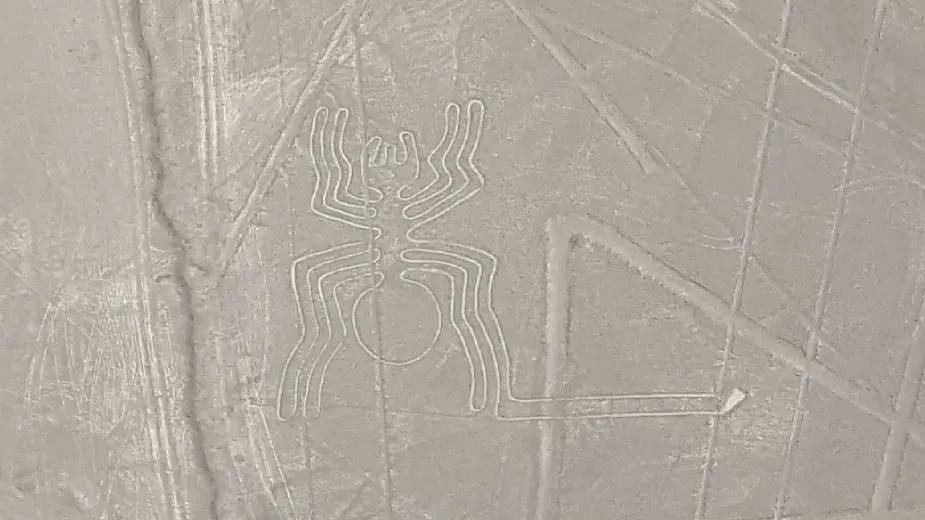
Seen on a map, the Nazca Lines in Peru look like the work of a bored cosmic illustrator: huge geometric shapes and animal figures etched across a high desert plateau. For a long time, people found it hard to believe that pre‑Columbian communities, without airplanes or satellites, could design something that makes the most sense from the air. It sounds suspiciously like a setup for stories about alien runway markings and secret space visitors.
Archaeology paints a different, more grounded picture. The Nazca people removed darker surface stones to reveal lighter soil beneath, creating shallow lines that can be walked, measured, and laid out with surprisingly simple tools. Experimental archaeologists have shown that a small group with stakes, ropes, and careful planning can map out massive figures while only seeing them from the ground. Most researchers interpret the lines as part of ritual landscapes, likely linked to water, fertility, and cosmology, not extraterrestrial flight paths – which to me makes them more impressive, not less.
4. The Chinese Terracotta Army Guarding an Emperor’s Tomb

The idea that one ruler ordered the creation of thousands of life‑sized clay soldiers to guard him in the afterlife sounds so over the top that it could pass for a fantasy novel plot. Yet in 1974, farmers digging a well near Xi’an in China hit fragments of what turned out to be the outer edges of the First Emperor’s buried army. The scale of the discovery is almost absurd: warriors, chariots, horses, and officials, each piece fired from clay and arranged in vast underground pits.
What keeps the whole thing from sliding into pure myth is the meticulous excavation and documentation. Archaeologists have uncovered rank structures, weapon placements, and evidence that these figures were once brightly painted, not the pale grey statues we see today. The main burial chamber of the emperor himself is still largely unexcavated, partly due to concerns over preservation and possible toxic materials. We do not need supernatural explanations here; we only need to recognize how far absolute power and belief in the afterlife can drive human labor and artistry.
5. Ötzi the Iceman: A 5,000-Year-Old Frozen Murder Victim
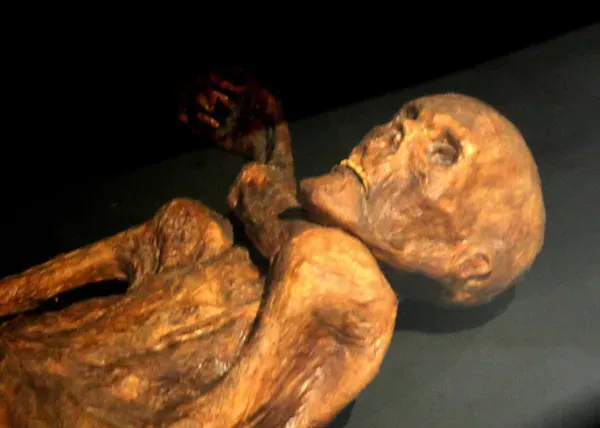
A naturally mummified body found high in the Alps with an arrow lodged in his shoulder and a full toolkit of Copper Age gear sounds like a crime thriller that forgot to end. Yet Ötzi, discovered in 1991 on the border of Italy and Austria, is one of the most studied ancient humans ever found. Radiocarbon dating places him at roughly five millennia old, and he was preserved so well that researchers can analyze his last meals, his tattoos, and even his likely chronic health problems.
Forensic analysis suggests he died violently, probably from blood loss after being shot from behind with an arrow. He carries a copper axe, a bow, flint tools, and carefully repaired clothing, giving us an almost eerie sense of his everyday life. The very ordinariness of some of his belongings makes the drama of his death feel more real; this was not a mythic hero but a person dealing with cold weather, worn shoes, and social conflicts. It is one of those finds that forces you to admit just how thin the line is between past and present.
6. Göbekli Tepe: Monumental Temples Older Than Agriculture
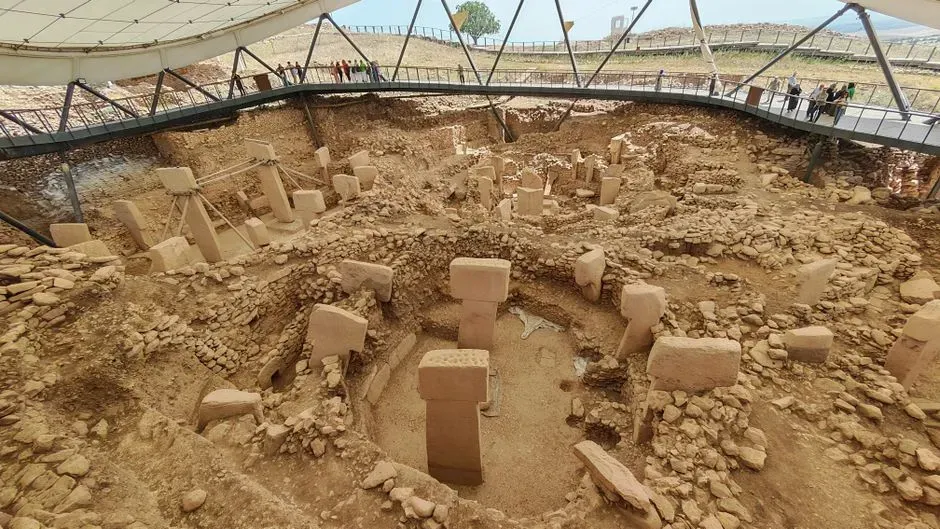
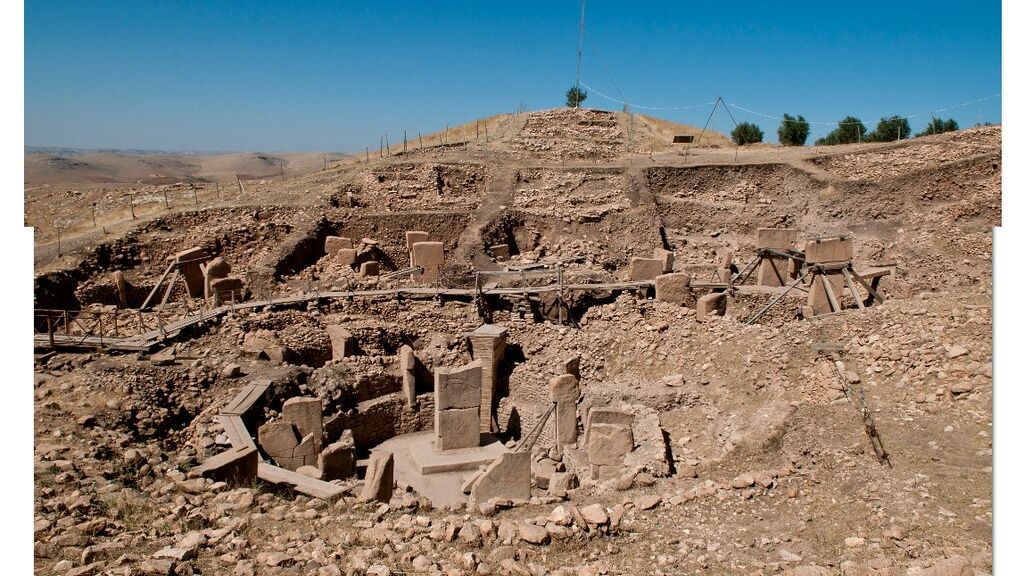
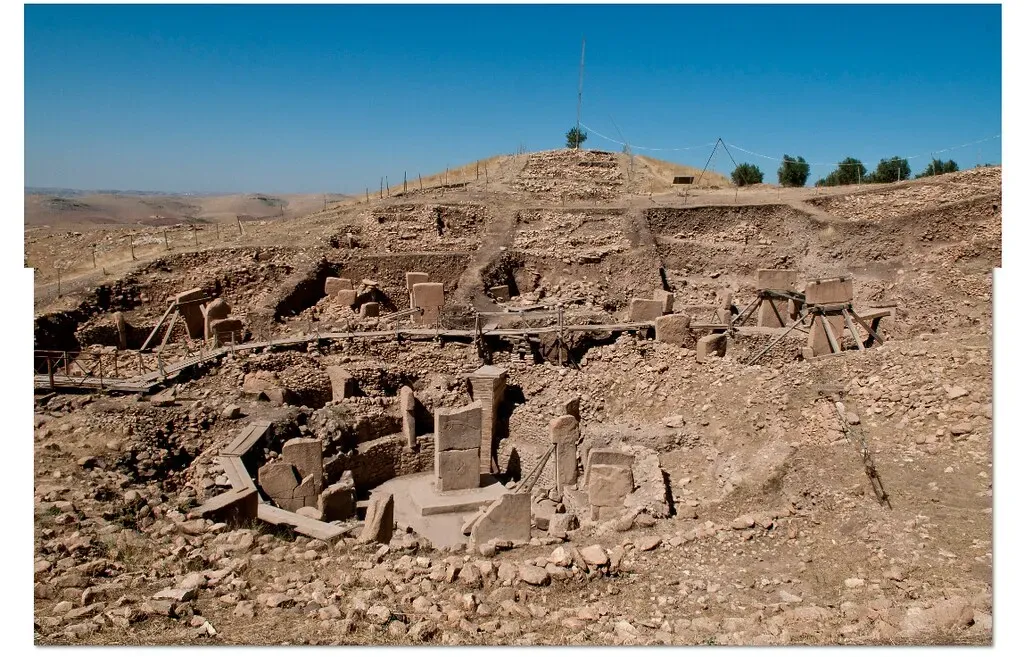
If someone told you there were massive stone circles carved with animal figures, built by hunter‑gatherers several thousand years before Stonehenge, it would sound like pure speculation. Then Göbekli Tepe in southeastern Türkiye came along and rewrote the timeline. These megalithic enclosures, some more than ten thousand years old, predate settled farming communities in the region, at least in the textbook way we used to tell the story.
The site’s T‑shaped pillars and carved reliefs show an astonishing level of planning, labor organization, and symbolic thinking for groups often dismissed as “simple” foragers. One of the most provocative ideas is that large ritual centers like this may have helped pull people into more permanent cooperation, nudging them toward agriculture rather than emerging only after farming was already established. When you stand back, it feels almost like the plot twist in a long series: the temples may have come before the villages, not the other way around.
7. The Shigir Idol: The Oldest Known Wooden Sculpture
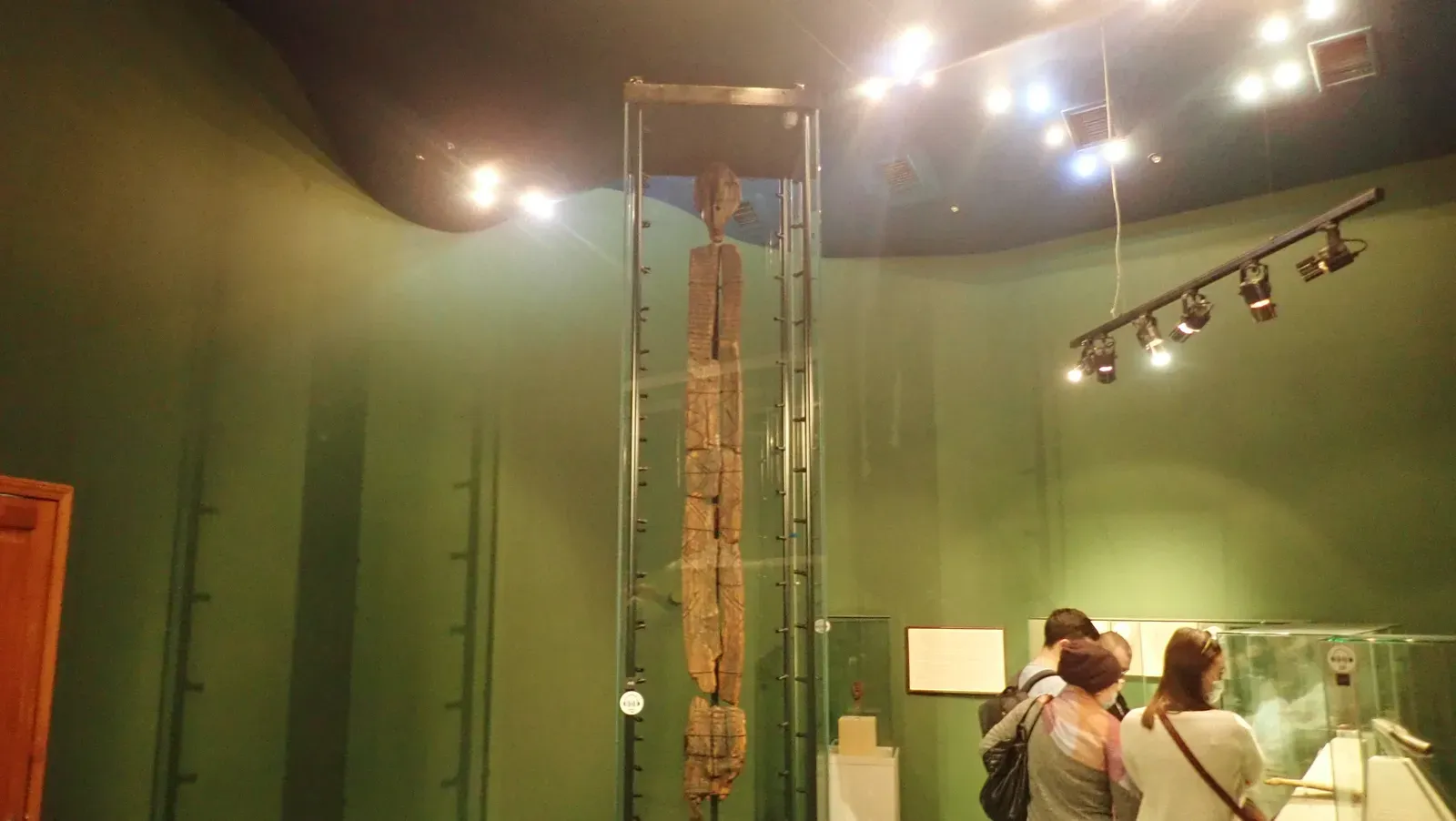
Wood usually decays long before it can become part of the archaeological record, which is why claims about ancient wooden statues often sound suspicious. The Shigir Idol, found in a peat bog in the Ural Mountains and dated to roughly twelve thousand years ago, defies that expectation. At more than five meters tall in its original form, it was carved from larch wood and decorated with geometric patterns and stylized faces stacked along its length.
The age alone would be enough to make people doubt it if the radiocarbon dates did not line up with what we know of the region’s environment and preservation conditions. Researchers still debate exactly what the symbols mean, but many see it as an expression of complex mythic or cosmological ideas among very early post‑Ice‑Age communities. To me, it undercuts the lazy assumption that sophistication only appears once people build stone cities; here we have deep storytelling etched into something as humble as a tree trunk.
8. The Piri Reis Map: Early 16th-Century World Map with Surprising Details
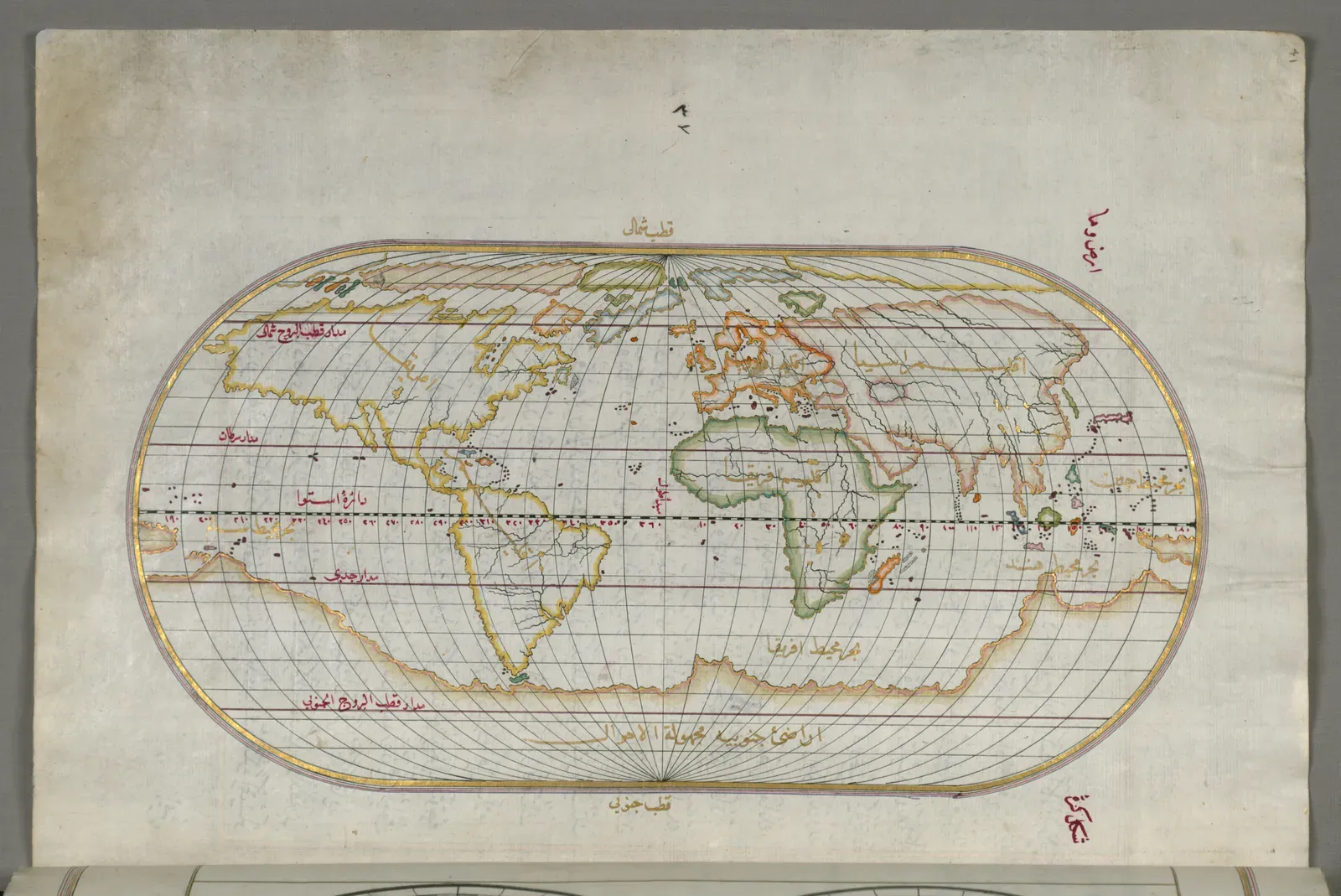
The Piri Reis Map, drawn by an Ottoman admiral in 1513, has attracted outlandish claims for decades, including suggestions that it shows Antarctica long before its “official” discovery. On the surface, that sounds like classic pseudo‑archaeology bait: an old parchment that supposedly proves hidden global exploration or lost civilizations. The reality is both more modest and more interesting when you actually look at how the map was compiled.
Piri Reis himself noted that he used a collection of earlier charts, including some derived from Portuguese and possibly even older sources. The map does indeed show parts of the Americas with a level of detail that reminds us how rapidly geographical knowledge was spreading by the early sixteenth century. The supposed Antarctica is more likely a distorted extension of South America drawn according to imperfect reports. It is still a beautiful and real example of how information moves through cultures, just not evidence of ice‑free polar continents mapped by unknown geniuses.
9. Roman Dodecahedra: Mysterious Bronze Objects with No Agreed Purpose
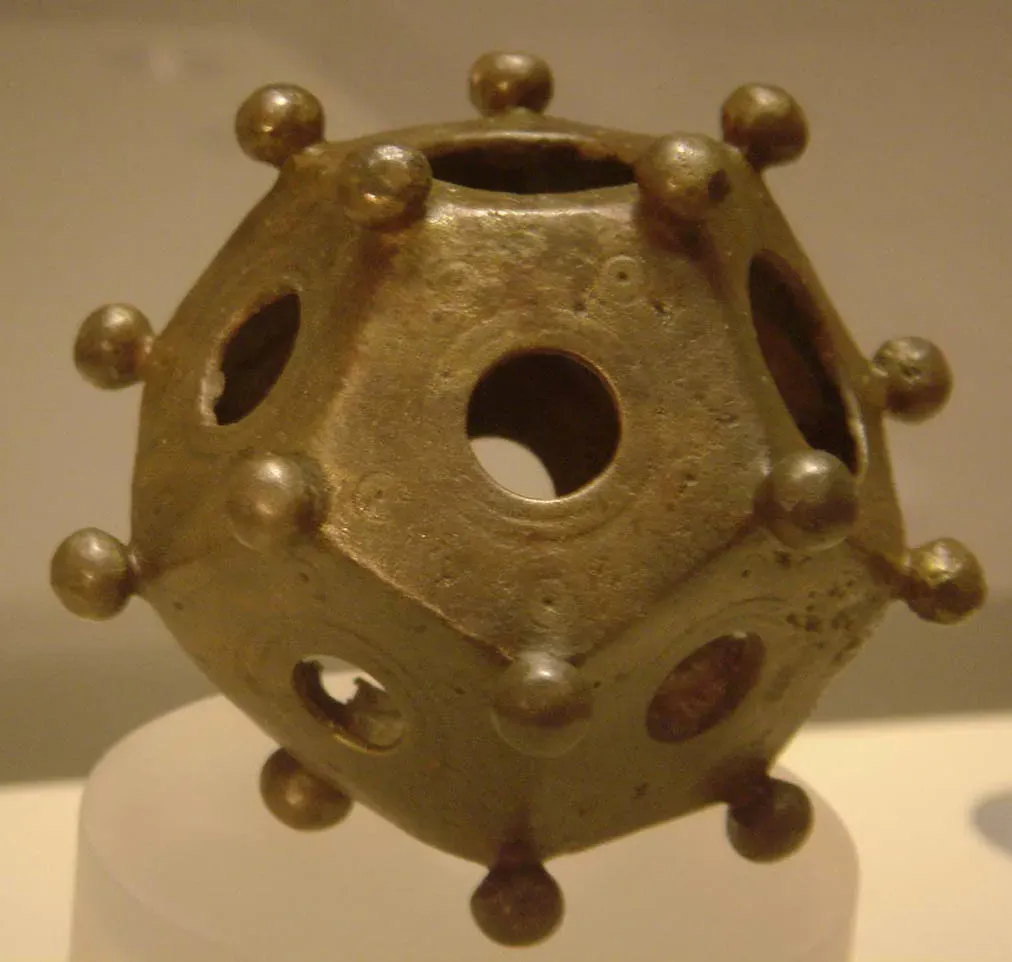
Every so often, an object comes along that looks like it belongs in a tabletop role‑playing game rather than a museum. Roman dodecahedra fit that bill: hollow bronze or stone shapes with twelve flat faces, each face punctured by a round hole, and small knobs at the corners. They date to the Roman imperial period and have been found mostly in northern Europe, usually in non‑spectacular contexts. When I first saw a photo of one, I assumed it was either a fake or a modern puzzle someone had dropped in a field.
The weird part is that we have no ancient written explanation of what they were for, even though dozens have been found. Theories range from candlestick holders to knitting aids, surveying tools, or ritual objects used in divination. Experimental re‑creations show that some of these uses are at least plausible, but there is no consensus. The only safe conclusion is that they are genuine artifacts whose exact function has slipped out of our cultural memory, which is strangely humbling in an age when we think we can Google anything.
10. Dogū Figurines: Strange “Goggle-Eyed” Figures from Prehistoric Japan
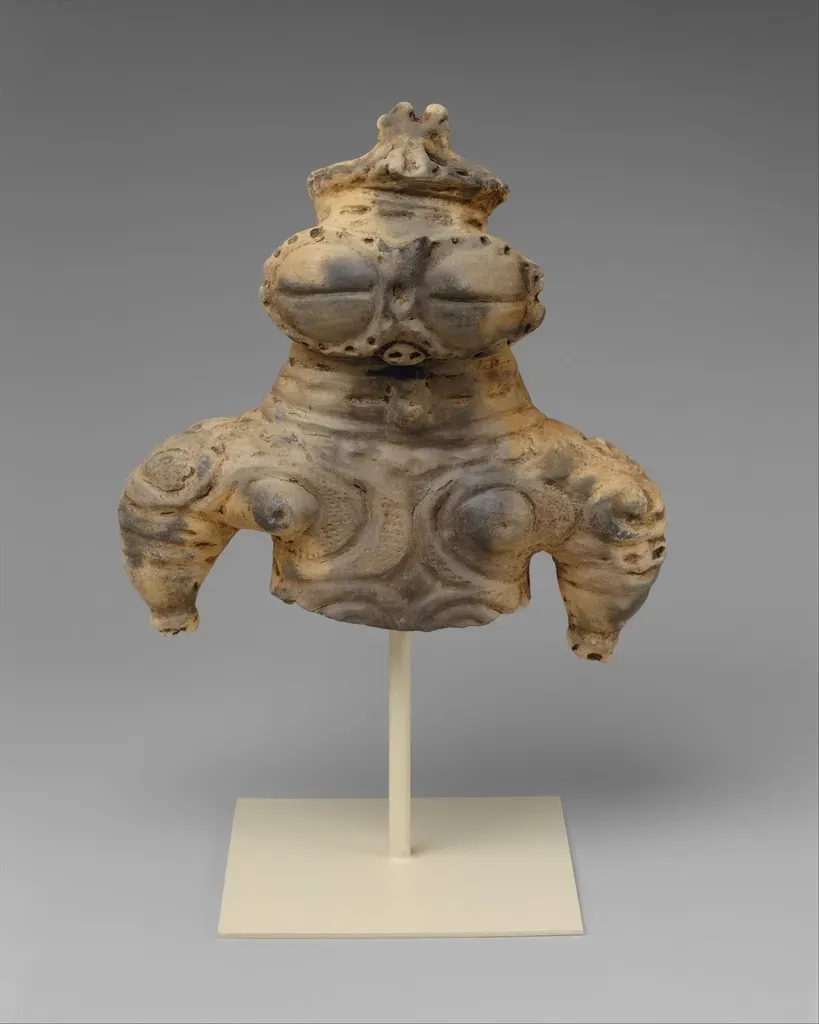
Dogū are small clay figures from Japan’s Jōmon period, often with exaggerated features and large, almond‑shaped or “goggle‑like” eyes. To modern viewers, a few of them look uncannily like people wearing helmets or suits, which has fed wild claims that they represent ancient visitors in protective gear. On a late‑night TV show, they are almost guaranteed to appear next to dramatic music and talk of otherworldly contacts.
Archaeologists, unsurprisingly, take a more grounded view. Dogū vary enormously in style and likely had different roles, possibly connected to fertility, healing, or other ritual concerns, based on where they are found and how they are broken or deposited. The “goggles” may simply be a stylistic way of emphasizing eyes or a particular face pattern rather than any kind of visor. To my mind, reading them as space suits says more about our own science‑fiction soaked culture than about the Jōmon people themselves, who clearly had their own rich symbolic worlds.
11. The Crystal Skulls: Real Objects, Dubious Legends

Carved crystal skulls are the kind of object that practically beg for tall tales: perfect translucent heads supposedly from ancient Mesoamerica, sometimes claimed to have healing powers or coded messages. Several famous skulls turned up in the nineteenth and early twentieth centuries, often with fuzzy or suspiciously romantic backstories. The obvious question is whether they are genuinely pre‑Columbian or clever fakes made for wealthy collectors who wanted a dash of the exotic.
Detailed studies of tool marks and material sources show that many of the most famous skulls were in fact carved with modern rotary tools, not with the techniques used by ancient artisans. That means the myths about them are mostly modern inventions wrapped around a kernel of real carved objects. There are legitimately ancient carved stone and crystal pieces from Mesoamerica, of course, but the pop‑culture crystal skull as a mystical relic is, in my view, a case study in how the market for wonders can distort archaeology. The line between real artifact and manufactured mystery is often thinner than we want to admit.
12. The Phaistos Disc: A Fired-Clay Mystery from Bronze Age Crete
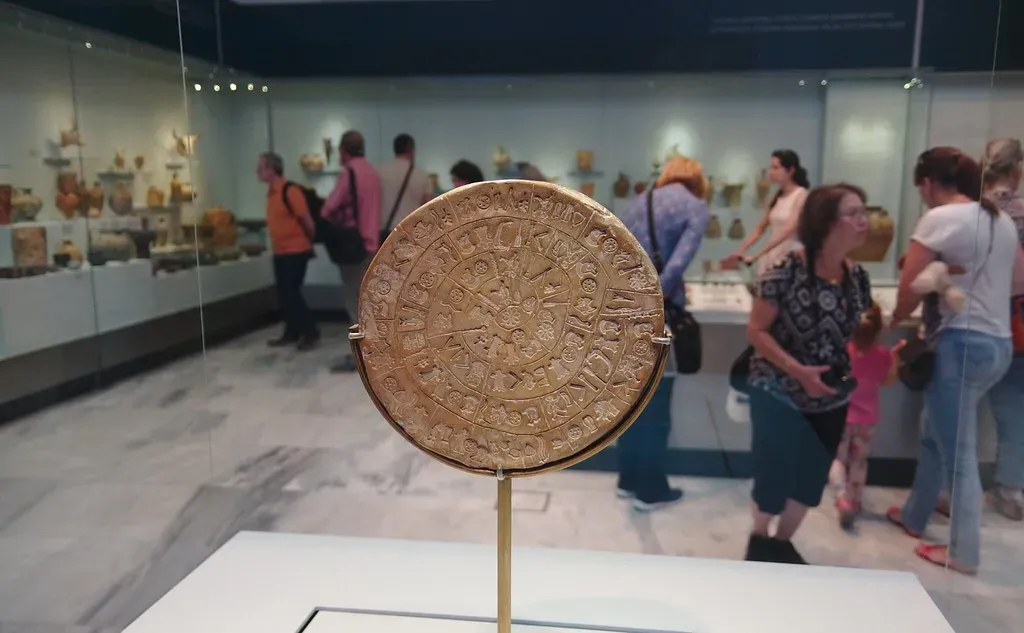
The Phaistos Disc is a palm‑sized piece of fired clay stamped on both sides with spiral rows of symbols. It was found in a Minoan palace on Crete in the early twentieth century, and because its script remains undeciphered, it has attracted everything from serious linguistic analysis to astonishingly imaginative theories. Some early skeptics even wondered if it might be a modern plant, which shows how suspicious people can become when an object feels too perfectly enigmatic.
Subsequent archaeological work, including the context of the find and thermoluminescence testing, supports its authenticity as a Bronze Age artifact. The symbols include human figures, tools, animals, and abstract shapes, impressed with individual stamps rather than hand‑drawn, which is unusual for the period. Until and unless someone cracks the code, we are left with informed guesses: it might be a ritual text, a game, or something we do not have an easy modern category for. Personally, I like that it resists easy answers; not every real object has to come with a user manual we can read.
13. The “Fairy” Bodies of Bolivia and Peru
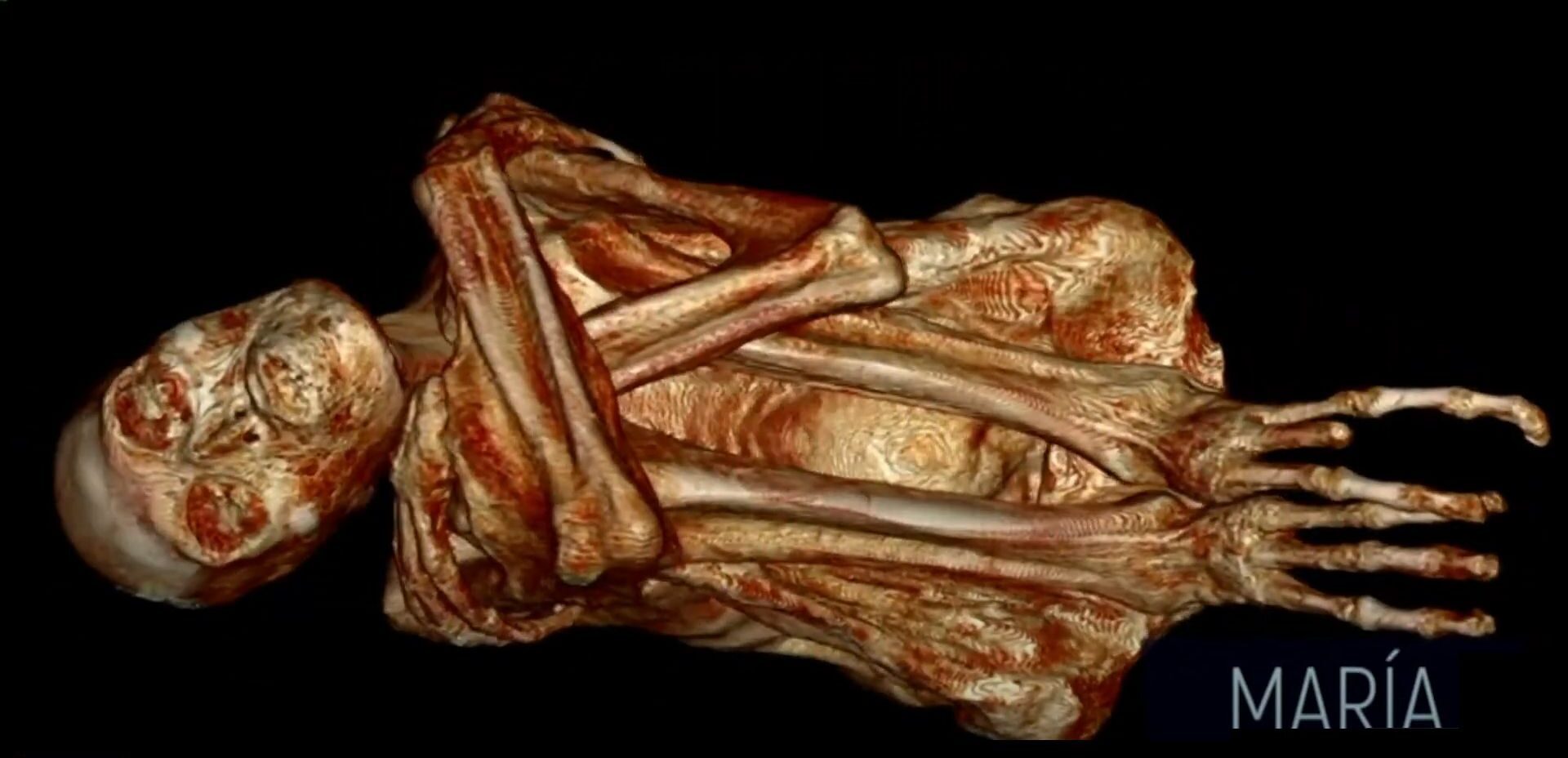
Every decade or so, photos or videos of tiny, desiccated “humanoid” bodies surface from parts of South America, quickly labeled online as fairies, aliens, or unknown species. At a glance, some of them look convincing enough to fool people who want to believe. One of the more recent waves involved small mummified bodies from the Andean region, promoted with grand claims about non‑human DNA and ancient hybrid beings. It sounds like the plot of a streaming‑era sci‑fi series.
But when actual forensic and archaeological teams have been allowed to examine such finds, the stories tend to collapse. Detailed studies have shown that many of these so‑called “mystery” bodies are either heavily modified human remains, sometimes of children or fetuses, or composite constructions using animal bones and modern materials. That does not make the underlying human burials any less real or culturally important; it just means that the sensational labels added later are misleading at best. In my view, the tragedy is that the real stories of grief, ritual, and local belief get overshadowed by viral hoaxes.
14. Bog Bodies: Naturally Mummified People Preserved for Millennia
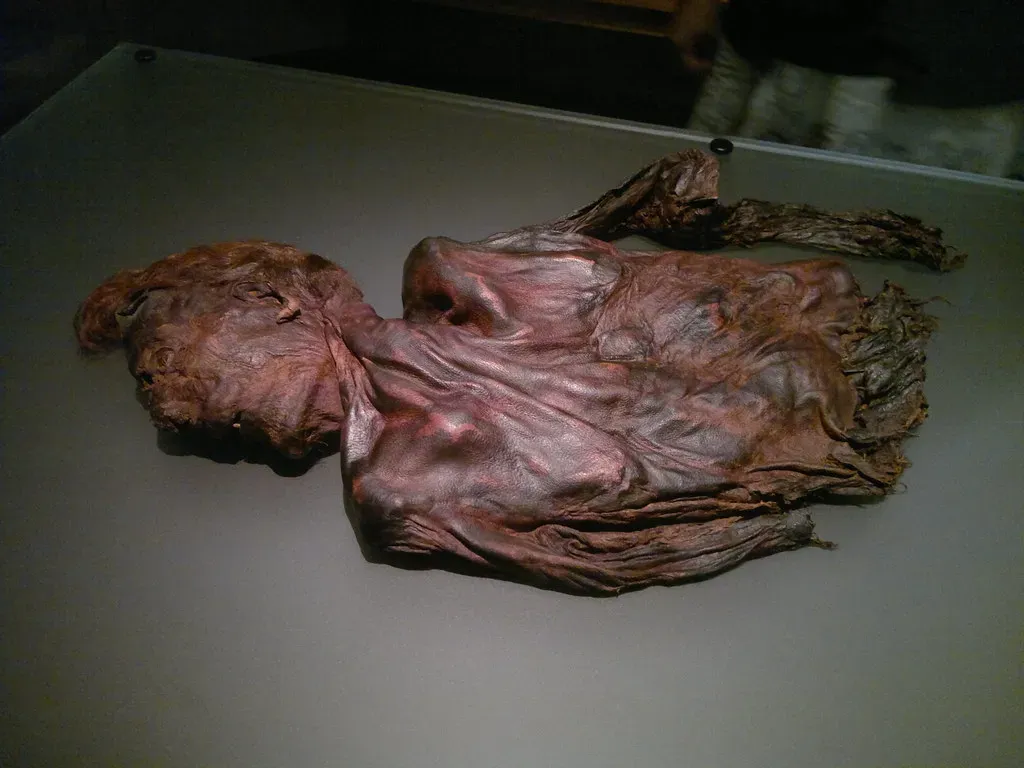
The notion that you could walk through a modern peat bog and stumble across a two‑thousand‑year‑old person with intact skin and hair is something most people would file under horror fiction. Yet bog bodies from northern Europe are very real, preserved by the cold, acidic, low‑oxygen conditions that “tan” the skin and halt decay. Some were discovered by workers cutting peat and only later recognized as archaeological treasures rather than recent crime victims.
Scientific analysis can reveal astonishing details about their final meals, health, and even the seasons in which they died. Many show signs of violent ends – strangulation, stabbing, or ritual deposition with carefully chosen objects – which raises complex questions about sacrifice, punishment, and social norms. Standing in front of one in a museum is unsettling because you are not looking at an abstract skeleton but at a face that still seems capable of expression. For me, they are a stark reminder that the past is not just pottery and tools; it is also very personal, and sometimes very dark, human stories.
15. The Yonaguni Underwater Structures: Nature, People, or Both?

Off the coast of Yonaguni in Japan lie underwater rock formations that, in photos, can look unnervingly like stepped pyramids, terraces, and massive carved blocks. The idea that there might be a sunken city, older than known Japanese civilizations, lurking beneath the waves has obvious appeal. Diving videos of right‑angled “walls” and flat “plazas” have inspired everything from Atlantis comparisons to claims of a lost Pacific super‑civilization.
Geologists point out that the local sandstone naturally fractures into straight edges and stacked layers, which could create many of the features seen, while some archaeologists have wondered whether human modification might have sharpened or used existing formations. There is no consensus that this is a true man‑made city, and mainstream opinion tends to favor mostly natural origins. Still, the site itself is real, and the debate around it shows how easily our brains look for patterns and structures, especially when deep water and mystery are involved. To me, it is a useful lesson in how awe and skepticism need to coexist when we confront the unknown.
Conclusion: Why We Crave Impossible Artifacts
Looking across these fifteen finds, a pattern emerges: the real world is already strange enough, but we keep trying to make it stranger. From mechanical star calculators pulled out of shipwrecks to frozen alpine murder victims and eerie bog bodies, the archaeological record keeps handing us stories that feel too wild to be true. Instead of accepting that ancient people were both inventive and complicated, we often reach for lost technologies, aliens, or hidden masterminds, probably because those explanations feel more dramatic and, frankly, more flattering to our love of spectacle.
My own opinion is that the sober, evidence‑based stories are ultimately more mind‑blowing than the myths. It is more impressive to me that hunter‑gatherers organized to raise colossal stone pillars at Göbekli Tepe than to imagine some unknown civilization dropped in to do it for them. It is more moving to see crystal skulls exposed as products of modern desire than to cling to fantasies of telepathic relics. The past does not need us to embroider it; its reality is already rich, messy, and human. When you think about the artifacts we are leaving behind today, from smartphones to plastic debris, what future story do you think people will be tempted to invent about us?