
If you think the ancient world is a closed book, megalithic sites are the chapters that refuse to end. Just when you feel you’ve got human history in some kind of order, these massive stone structures quietly step in and say, not so fast. They are older than they should be, bigger than they need to be, and often built with a level of planning that surprises you even in 2026.
As you walk mentally through these places, you’re not just looking at old rocks. You’re standing in front of decisions made by people who had no metal tools, no written records, and no modern machines, yet somehow moved stones the size of buses and lined them up with the sky. Archaeologists have learned a lot about them, but huge questions remain: who exactly built them, how did they do it, and what were they really for? You’re about to tour eight of the most baffling sites on Earth – and you might come out with more questions than you went in with.
Göbekli Tepe, Turkey – The Temple That Shouldn’t Exist
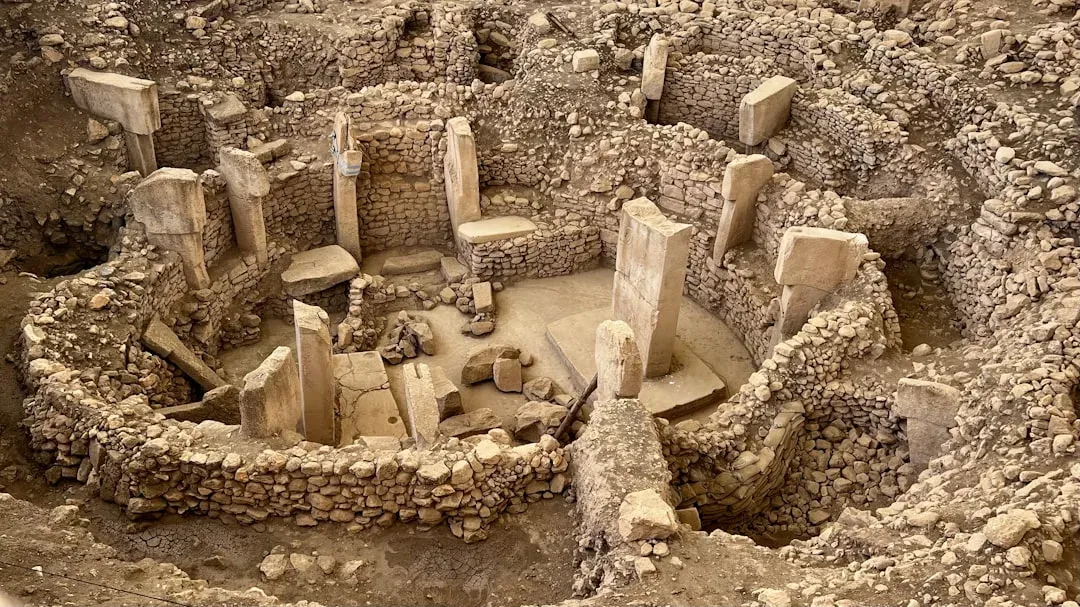
You’re told that agriculture led to cities, then religion, then big monuments – but Göbekli Tepe casually flips that story on its head. On a hill in southeastern Turkey, you find circular enclosures filled with towering T-shaped limestone pillars, some weighing around twenty tons, carved with foxes, snakes, birds, and abstract symbols. Radiocarbon dating places its earliest phases around the tenth millennium BCE, thousands of years before Stonehenge and the Egyptian pyramids, at a time when people in this region were still primarily hunter-gatherers. ([guinnessworldrecords.com](https://www.guinnessworldrecords.com/world-records/360602-oldest-manmade-place-of-worship?utm_source=openai))
What really unsettles you is that no solid evidence of houses or everyday living spaces has been found in the core monumental area, suggesting this hilltop was used mainly for ritual gatherings rather than as a village. That means groups of mobile foragers somehow coordinated the quarrying, transport, and shaping of hundreds of huge stones, plus the planning of complex iconography, long before formal cities or states existed. Archaeologists debate whether this was a seasonal ritual center, an ancestral cult site, or something even stranger, but there’s no consensus on the belief system behind those animal-covered pillars. As you imagine small bands of prehistoric people coming together here, you realize this place doesn’t just puzzle archaeologists – it forces you to rethink what a “simple” society was capable of. ([whc.unesco.org](https://whc.unesco.org/en/list/1572/?utm_source=openai))
Stonehenge, England – The World’s Most Famous Enigma
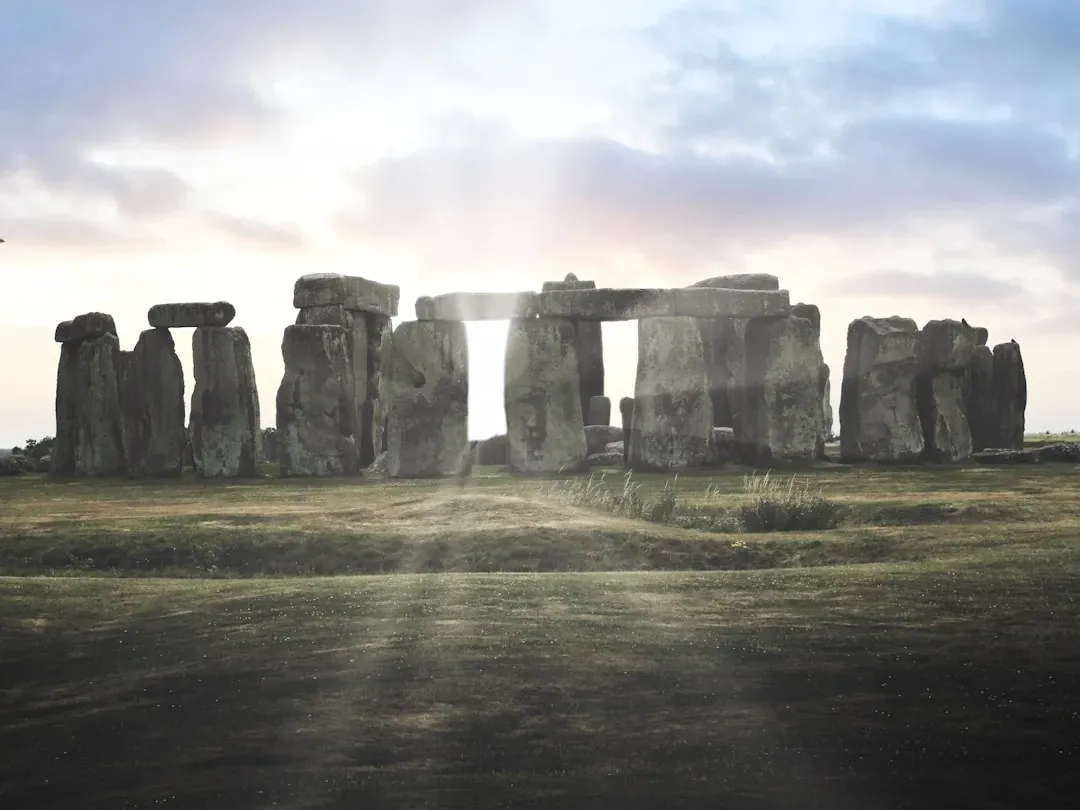
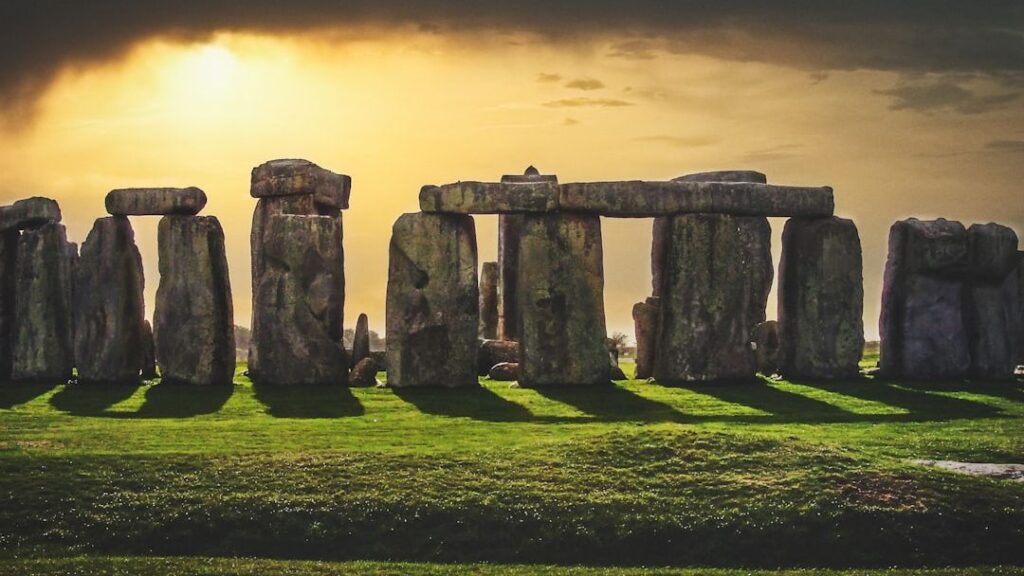
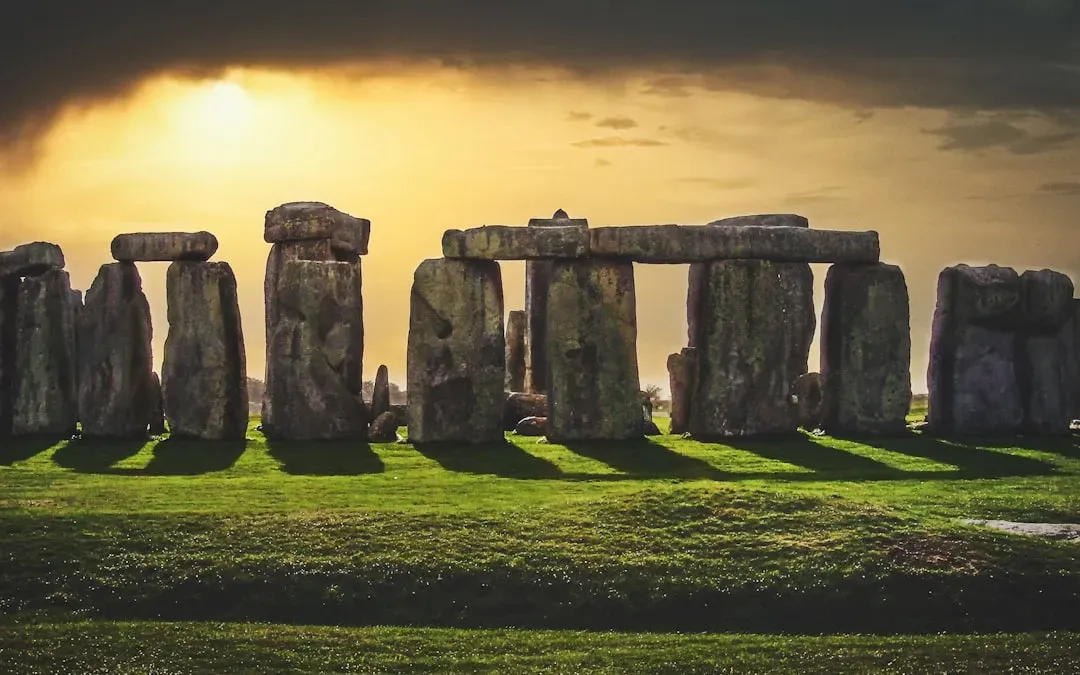
Stonehenge is so iconic that you almost feel like you know it before you ever see it, but the closer you look, the stranger it gets. You’re not just dealing with a single ring of stones; you’re looking at a monument that evolved over many centuries, with earthworks, timber structures, bluestones hauled from over a hundred kilometers away in Wales, and giant sarsen stones arranged in a precise circle and horseshoe. The engineering alone is daunting: people in the third millennium BCE shaped, transported, and raised stones weighing tens of tons using nothing more than stone, wood, rope, and muscle. Yet there’s no written explanation from the builders, only the silent geometry of the site itself.
When you stand on the plain and watch the sun rise or set over the stones at certain times of year, you start to see why researchers obsess over alignments. The axis of Stonehenge connects closely with the summer solstice sunrise and winter solstice sunset, and excavations in the wider landscape have revealed avenues, burial mounds, and other monuments that suggest a ritual corridor rather than an isolated circle. Some archaeologists see Stonehenge as a kind of ceremonial center tying together the living and the dead, the sky and the earth, over many generations. Others argue that even calling it an “observatory” or a “temple” pins it down too much. You’re left with a monument that clearly meant everything to the people who built it, but never tells you in plain language why.
Carnac Stones, France – Thousands of Standing Stones, Still No Clear Answer
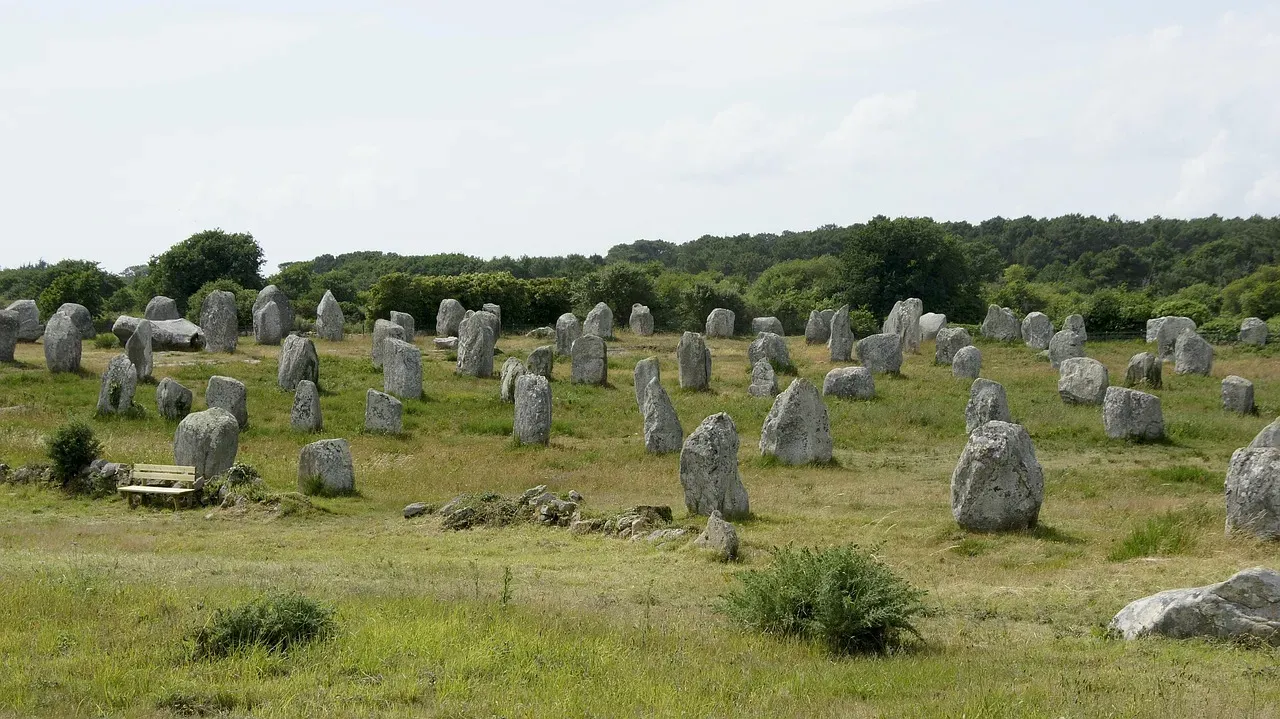
If one stone circle seems mysterious to you, imagine walking into a landscape where the stones stretch in rows for kilometers. That’s what hits you at Carnac in Brittany, where thousands of standing stones – menhirs – rise from the fields in long alignments, clusters, and solitary giants. The area includes not just alignments but also dolmens, tumuli, and stone enclosures, forming the densest concentration of megalithic architecture known anywhere. Archaeologists generally place the Carnac complexes in the Neolithic, roughly between the fifth and fourth millennia BCE, but pinning down exact sequences and purposes is still difficult. ([en.wikipedia.org](https://en.wikipedia.org/wiki/Carnac_stones?utm_source=openai))
What do you do with thousands of stones that seem organized, but in a way you don’t fully grasp? Some researchers see processional routes, others see ritual boundaries or territorial markers tied to communities or ancestors. Attempts to read the alignments as precise astronomical calculators have largely been toned down, because the evidence just isn’t clean enough, yet you can’t deny that such massive labor implies a serious cultural meaning. When you picture generations of people dragging and raising stones in carefully arranged rows, you sense a worldview where the landscape itself became a kind of sacred text. You may never know what they were “saying” with those stones, but you can feel that they were saying something big. ([archeologie.culture.gouv.fr](https://archeologie.culture.gouv.fr/megalithes/en/army-stones?utm_source=openai))
Sacsayhuamán, Peru – Stonework That Seems to Laugh at Your Tools
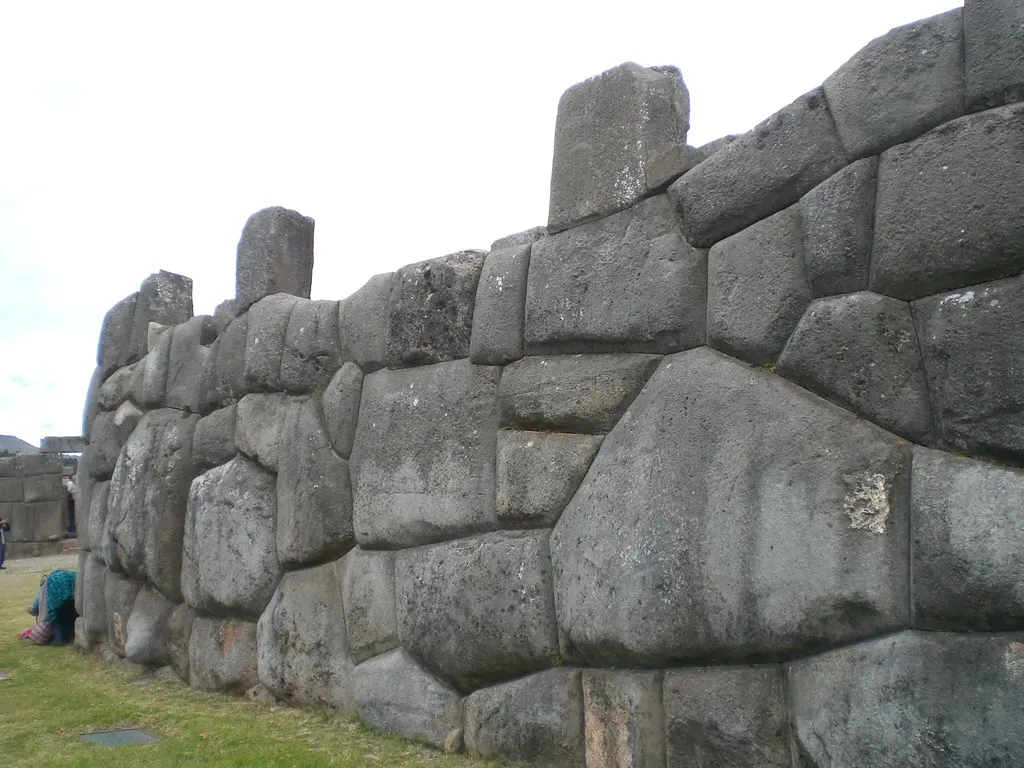
High above Cusco, you walk along zigzagging walls and realize you’re looking at stonework that almost feels like a dare. At Sacsayhuamán, massive limestone blocks – some taller than a two-story house, and weighing many tens of tons – are fitted together without mortar so tightly that you’d struggle to slide a blade of grass between them. These walls, built in the Inca imperial period over earlier foundations, run for hundreds of meters and form a kind of monumental terrace platform overlooking the old capital. Archaeologists describe Sacsayhuamán as both a fortress and a ceremonial complex, but they still debate the exact balance between military and ritual functions. ([britannica.com](https://www.britannica.com/place/Sacsayhuaman?utm_source=openai))
It’s tempting to imagine lost machines or forgotten technologies, but when you look closely, you see evidence of careful shaping, pecking, and polishing that can be achieved with stone and metal tools given enough time, skill, and labor. The real puzzle for you isn’t magic – it’s logistics. How did the Inca organize quarrying, transport up steep slopes, and precise fitting on such a scale, especially at high altitude and without draft animals like horses or oxen? Researchers propose ramps, rollers, and sheer manpower, but no single reconstruction feels completely satisfying. You come away with a deeper respect for Inca engineering and a sense that, sometimes, what really puzzles you is not what ancient people lacked, but how determined they were to push what they had to its absolute limit.
Newgrange, Ireland – A Tomb That Catches the Sun Like a Camera Lens
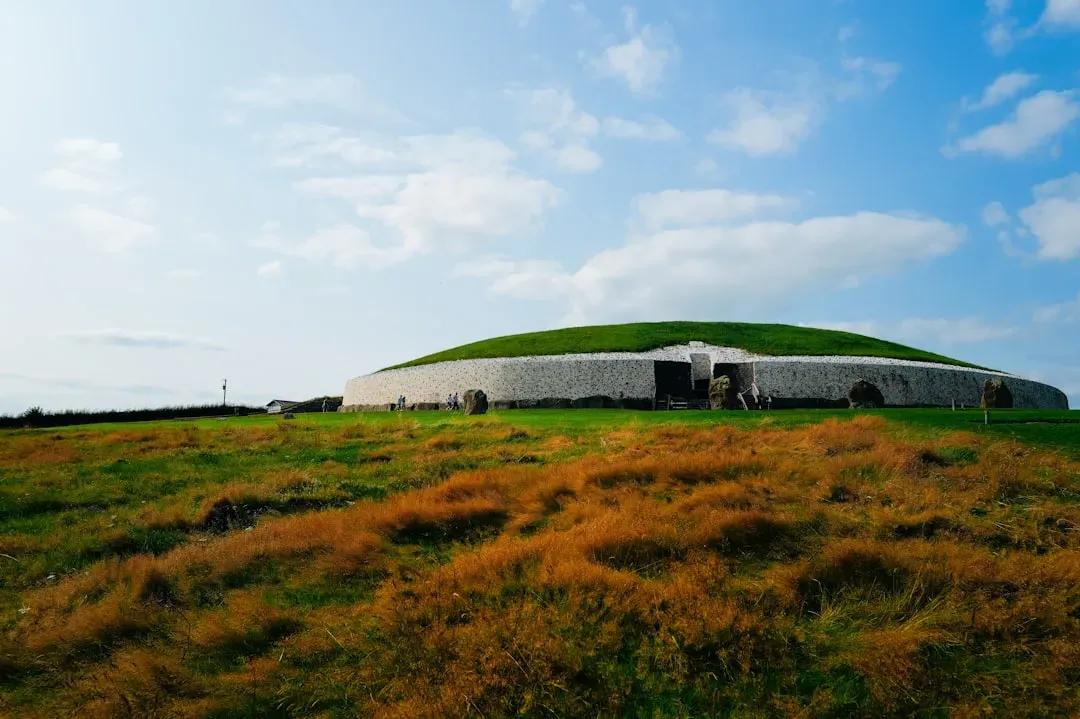
At first glance, Newgrange looks like a grassy mound, almost like a hill with ideas above its station. Then you step inside and realize you’re in one of the most carefully designed stone structures of the Neolithic world. Built around the late fourth millennium BCE, this passage tomb in the Boyne Valley hides a narrow stone-lined corridor leading to a cruciform chamber deep within the mound. Massive kerbstones form a retaining wall, many of them decorated with spirals, lozenges, and other abstract motifs that still feel oddly modern to your eyes. ([en.wikipedia.org](https://en.wikipedia.org/wiki/Megalith?utm_source=openai))
The truly astonishing moment comes at the winter solstice, when sunlight enters through a specially constructed roof box above the doorway and creeps along the passageway to illuminate the inner chamber for a few precious minutes. That kind of alignment isn’t an accident; it shows you that the builders understood the solar cycle well enough to lock the year’s darkest day into stone. Archaeologists broadly agree that Newgrange served as a tomb and ritual site linked to ancestors and cosmic cycles, but you’re still left wondering how people coordinated such precise orientation, construction, and symbolic art at such an early date. Standing in that dim chamber, you can almost feel the pause between darkness and light that meant so much to the people who built it – and that still catches you by surprise today.
Gunung Padang, Indonesia – A Hill, a Terrace, or Something Deeper?
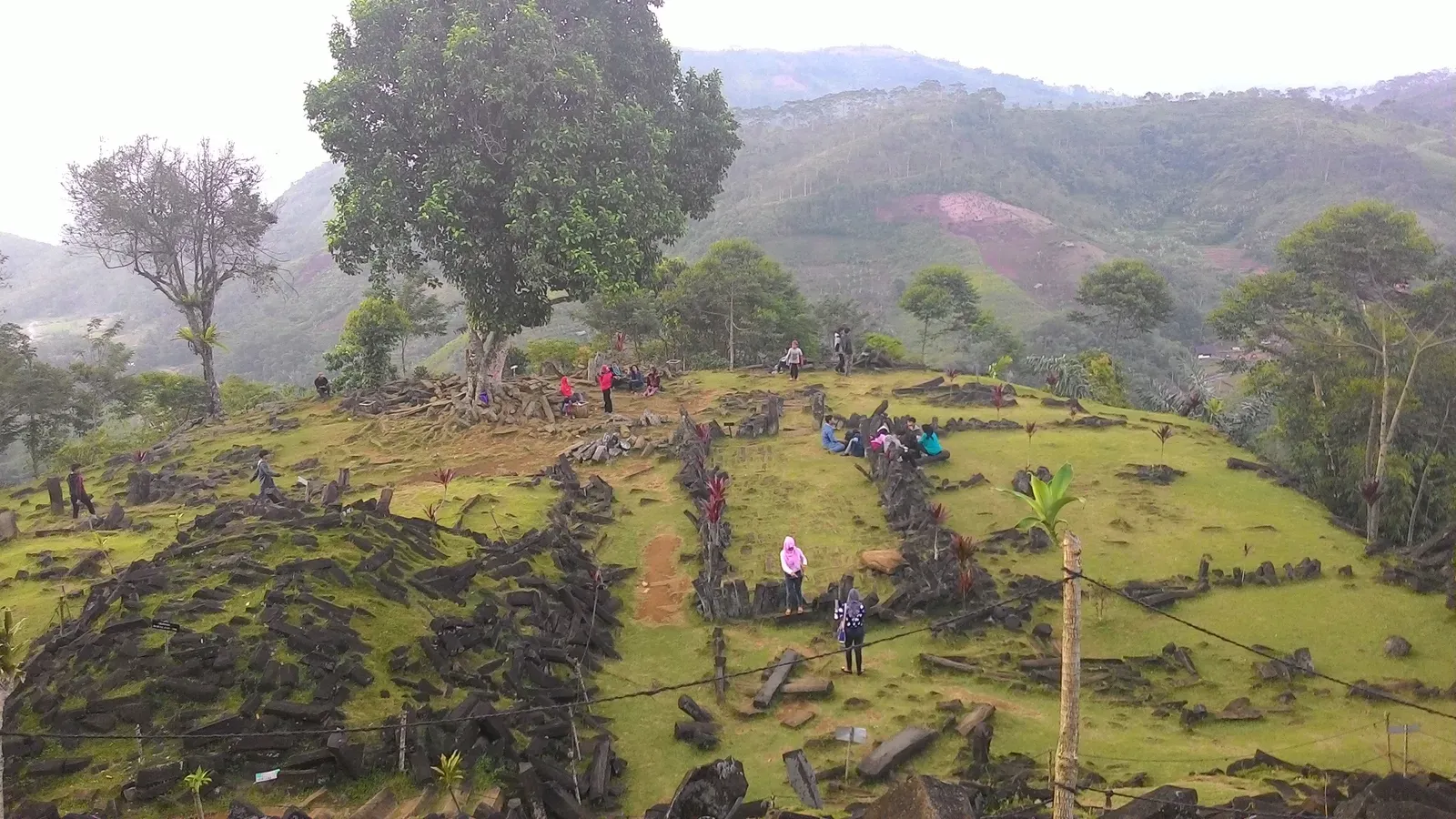
When you climb Gunung Padang in West Java, at first you might feel you’re just exploring a hillside covered in basalt columns and ancient terraces. The site has long been recognized as a significant megalithic complex, with stepped platforms and stone arrangements used by local communities over many centuries. Then you start reading the debates, and the ground under your feet suddenly feels less certain. Some geologists and archaeologists working here have proposed that the hill hides a much older, large, possibly pyramid-like structure beneath the visible terraces, with dates suggested that would push human monumental building into a far earlier period than usually accepted. ([en.wikipedia.org](https://en.wikipedia.org/wiki/Gunung_Padang?utm_source=openai))
More conservative researchers caution you to slow down, pointing out that some of the supposed early dates may reflect natural geological formations or later disturbances rather than a deep, hidden artificial core. In other words, Gunung Padang has become a kind of battleground between bold claims and strict methodological skepticism. Standing among the stones, you can feel that tension: is this “just” a remarkable Iron Age or later megalithic terrace site, or is there a buried monument that would rewrite regional prehistory? Right now, the only honest answer you can hold onto is that more careful, peer-reviewed work is needed – and that uncertainty itself is part of what makes this place so gripping.
Baalbek, Lebanon – The Trilithon That Defies Your Intuition
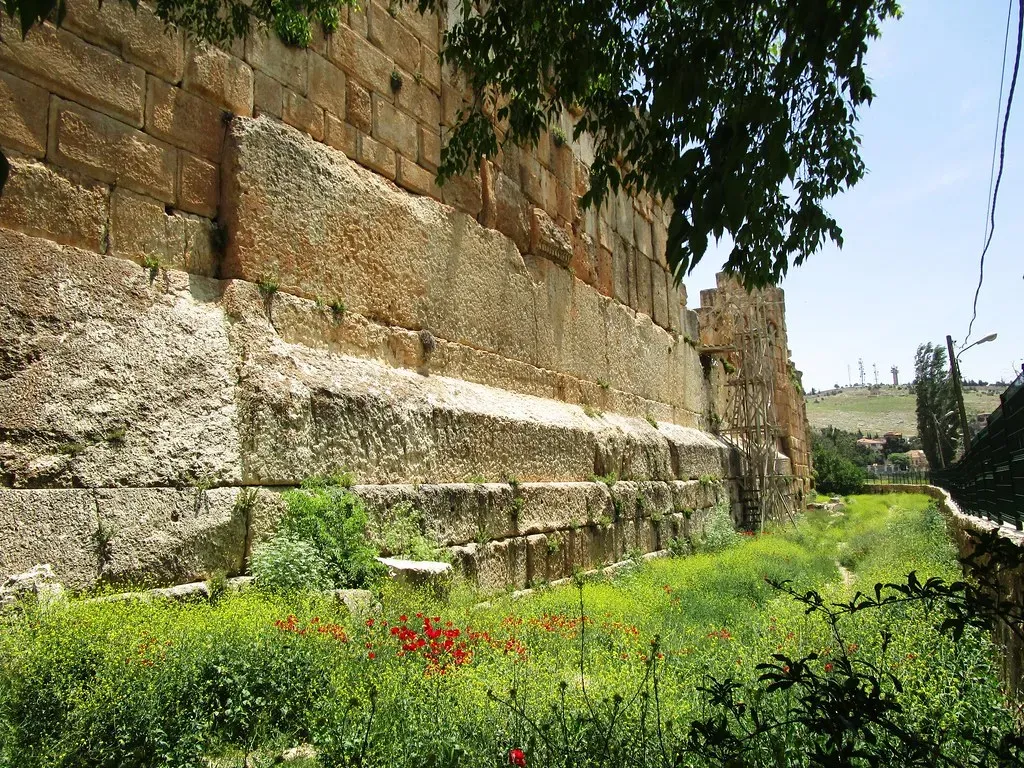
At Baalbek in Lebanon’s Beqaa Valley, you walk into a Roman temple complex and quickly realize the Romans were only part of the story. The real shock comes when you look at the lowest courses of the podium walls beneath the Temple of Jupiter, where you see some of the largest building stones ever used by humans. Three enormous limestone blocks, often called the Trilithon, each roughly the size of a train carriage and weighing many hundreds of tons, are fitted together with surprising precision. Nearby in the quarry lies an even larger stone, still partially attached to the bedrock, which was never fully transported or used. ([en.wikipedia.org](https://en.wikipedia.org/wiki/Megalith?utm_source=openai))
Archaeologists generally agree that these giant blocks date to the Roman or pre-Roman phases of construction, but how exactly they were moved and raised remains a topic of lively debate. You’ll hear models involving elaborate earth ramps, wooden rollers, massive teams of workers, and careful control of friction – none of them impossible, all of them hard to imagine in practice. Fringe theories love to jump in with lost civilizations or non-human helpers, but the archaeological evidence still points you back to human ingenuity pushing conventional techniques to extreme scales. As you trace the joints between those stones with your eyes, you can feel the puzzle pressing on your imagination: if you were handed nothing but ropes, timber, and time, could you honestly figure out a way to move and place something that big?
Callanish Stones, Scotland – A Stone Circle Between Sky and Sea
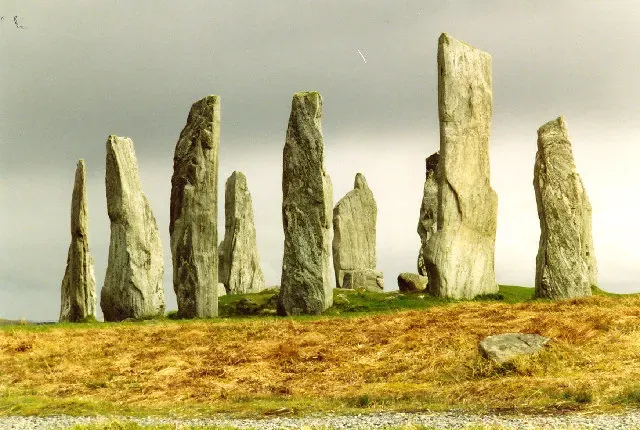
On the Isle of Lewis in Scotland’s Outer Hebrides, the Callanish Stones greet you like a gathering frozen mid-ritual. This complex, built in the late Neolithic, centers on a tall stone circle surrounded by rows of standing stones radiating outward, all set against a stark landscape of peat, clouds, and water. Unlike the tourist crowds at some other sites, here you can still catch moments of solitude and imagine what it felt like to stand among the stones thousands of years ago. The local geology provided the builders with tall, slab-like stones that give the entire arrangement a serious, almost human presence. ([en.wikipedia.org](https://en.wikipedia.org/wiki/Megalith?utm_source=openai))
Researchers have identified potential alignments with lunar cycles, particularly the long, slow swing of the moon’s rising and setting points over a roughly nineteen-year period. But as with many megalithic sites, the temptation to see a perfect observatory in every angle can lead you too far. Archaeologists increasingly suggest you think of Callanish as part ritual space, part gathering point, part cosmological symbol, rather than a single-purpose instrument. You’ll never know exactly what rites took place there, but you can sense that the builders wanted to anchor their lives to something bigger: the shifting sky, the rhythms of the sea, and the enduring presence of stone. As you imagine them watching moonlight wash over the pillars on a cold night, you feel how thin the line is between your questions and their mysteries.
Conclusion – When Stones Refuse to Explain Themselves
By the time you finish walking through these eight sites in your mind, you may notice a quiet pattern. Every time you get close to an explanation – ritual center, tomb, fortress, calendar – the stones remind you that human motives are rarely that simple. People who had no written language still shaped their landscapes with deliberate, symbolic intent, embedding stories, beliefs, and social structures into stone in ways you can sense but not fully decode. The puzzle is not only how they moved the blocks or lined them up with the sky; it’s why they felt compelled to do it at all, often over generations, with no guarantee that anyone in the distant future would understand.
In a world obsessed with instant documentation, there’s something almost unsettling about monuments that say so much without giving you a single clear sentence. Archaeologists keep refining dates, uncovering new layers, and testing new ideas, but part of the value of these megalithic sites is that they keep some secrets for themselves. When you stand among them – whether it’s the pillars of Göbekli Tepe or the windswept rows at Carnac – you’re reminded that the past is not a solved riddle, but an ongoing conversation you’ve joined very late. Maybe that’s the real power of these stones: they force you to live with wonder instead of certainty. After seeing what ancient builders achieved with so little, what else do you think you’re underestimating about the people who came before you?