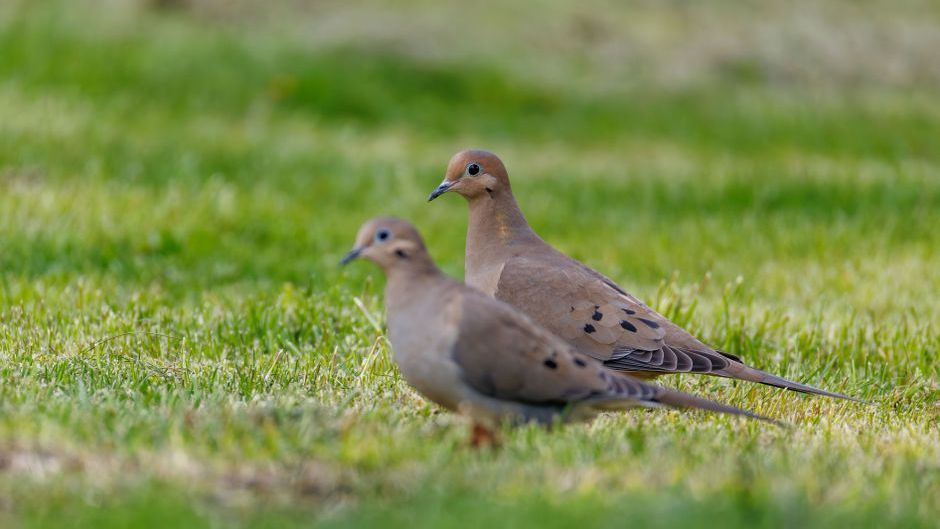

There’s something strangely moving about looking out the window and seeing the same two mourning doves show up again and again. They sit side by side on the fence, shuffle through the grass for seeds, or tuck themselves into the same corner of the roof as if your home is part of their story. It can feel almost like a sign, the way they appear at just the right time, during a big life change, a loss, or when you’ve been quietly asking the universe for reassurance.
Across cultures and generations, people have looked at these gentle birds and seen more than feathers and instinct. Mourning doves, with their soft-gray bodies and haunting coo, have collected layers of meaning: love, peace, messages from beyond, and even warnings to slow down. Science can tell us why they stay together and why they return to familiar spots, but folk wisdom speaks to something deeper and more emotional. When a pair of mourning doves keeps coming back to your yard, many traditions say it’s not just random; it’s a moment to pay attention.
The Emotional Pull of the Mourning Dove’s Call
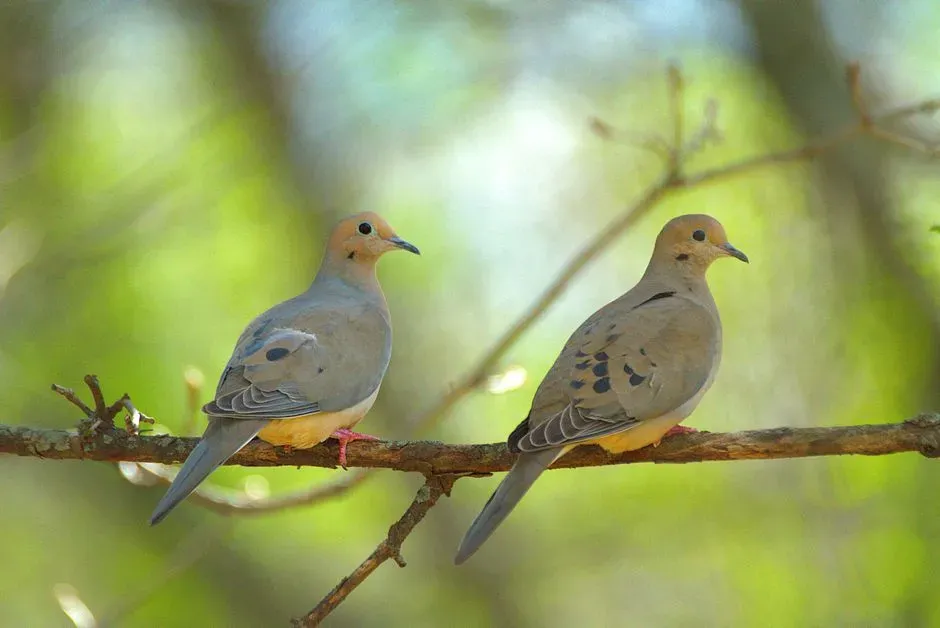
That low, echoing coo of a mourning dove can stop you in your tracks. It has a melancholy quality that many people describe as both comforting and sad at the same time, which is exactly how they earned the name “mourning” doves. Folk tradition leans into this feeling, seeing their call as a soundtrack to grief, remembrance, and healing. When a pair keeps returning, some people interpret it as a reminder that it’s okay to feel your feelings, especially the ones you’ve been trying to ignore.
In many homes, people will say the doves started showing up right after a loss, a breakup, or a major life shift, and once you notice that connection, it’s hard to unsee it. Their calm presence and repetitive call can feel like the universe nudging you to sit with your emotions instead of rushing past them. Whether or not you believe in signs, there’s something undeniably grounding about seeing the same birds calmly exist in your space day after day. It’s as if they hold a quiet vigil with you, without asking anything in return.
Love, Partnership, and the Legend of Lifelong Mates
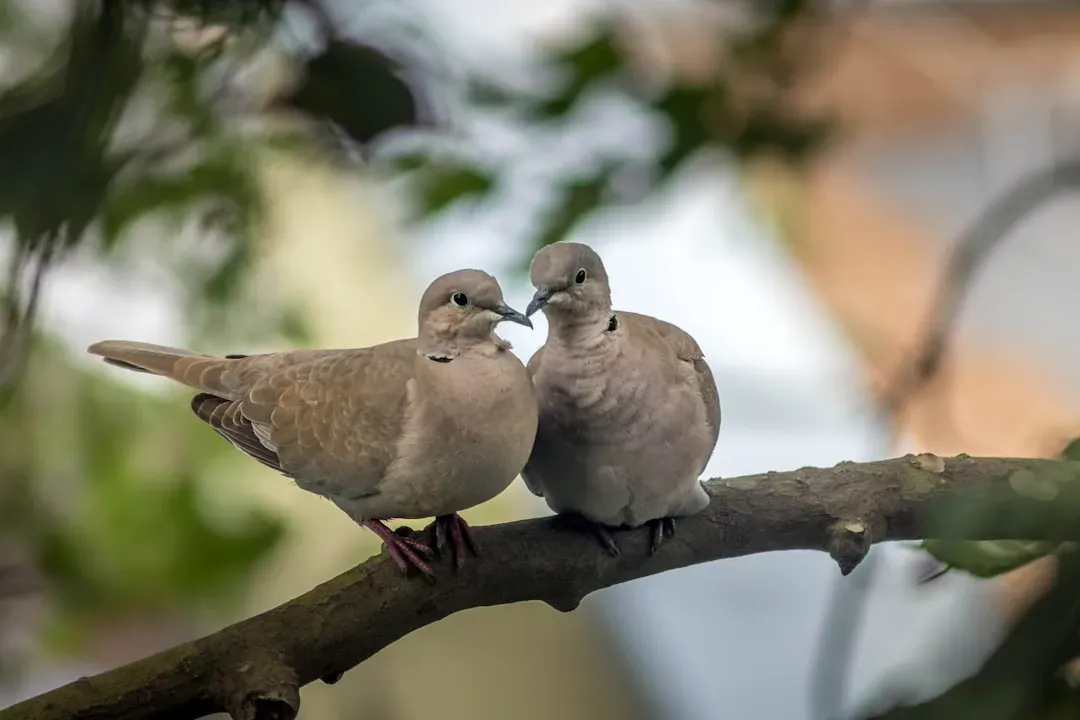
One of the most common folk beliefs about mourning doves is that they mate for life, and that alone has made them symbols of loyalty and lasting love. Scientifically, it’s a bit more nuanced: they are strongly monogamous within a breeding season and often reunite with the same partner across seasons, which is close enough that many people still frame them as “lifelong couples.” So when you see the same two doves in your yard repeatedly, folk wisdom tends to read that as a living emblem of devotion and partnership.
For someone going through challenges in their relationships, that steady pair of birds can feel oddly reassuring. It’s like a quiet story playing out in your line of sight: two creatures navigating weather, predators, and daily survival, but doing it side by side. Some people take their repeated visits as a good omen for marriages, engagements, or new relationships beginning in the home. Others simply see them as a reminder that healthy bonds are built on consistency, gentleness, and showing up again and again, even when life is not glamorous.
Messages From Loved Ones on the Other Side
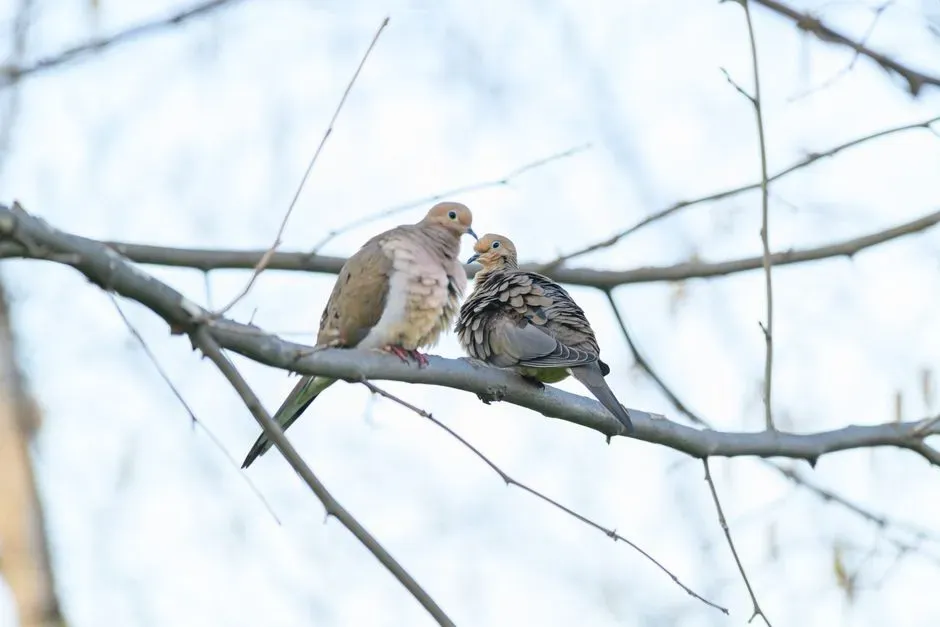
Ask around and you’ll hear a lot of people say some version of this: when a loved one dies, a pair of doves suddenly appears and lingers nearby. In many folk traditions, birds are considered messengers between worlds, and mourning doves, with their name and their calm, almost reverent behavior, slot into that role almost too perfectly. Their repeated returns are often read as a sign that someone who has passed on is still close, still watching, or trying to say, “I’m okay, and I’m with you.”
From a scientific standpoint, the birds are likely just drawn to food, safety, or nesting spots. But humans aren’t robots, and we naturally layer emotional meaning onto patterns that comfort us. If those doves started hanging around right after a funeral or a loss, your brain and heart will connect the dots, and folk wisdom validates that inner story. Whether you interpret their presence spiritually or symbolically, it can be deeply soothing to imagine that every soft coo and every quiet visit is a reminder that love doesn’t just disappear, even when people do.
Peace, Protection, and a “Safe House” Energy
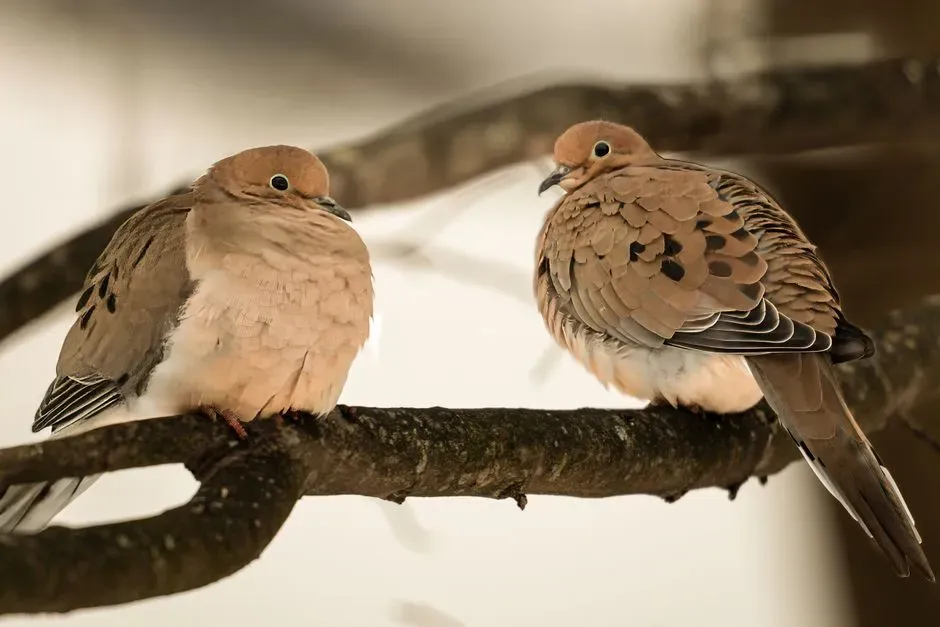
Doves in general have been tied to peace for a very long time, so it’s not surprising that folk wisdom extends that symbolism to mourning doves specifically. When a pair chooses your yard as a regular hangout, many people say it’s a sign your home carries a peaceful, protective energy. The birds aren’t aggressive, they’re not flashy, and they tend to avoid chaos, so their willingness to settle in suggests, at least in symbolic terms, that your space feels calm enough for vulnerable life to rest there.
In some households, people quietly treat recurring doves almost like guardians of the property, especially if they consistently appear on the same windowsill, railing, or rooftop edge. Their presence can feel like a living incense stick for anxiety, constantly signaling that your space is safe enough to exhale. Even if you take a more skeptical view, there’s real psychological comfort in seeing nature repeatedly choose your yard as a quiet sanctuary. It subtly encourages you to make your internal life match that energy: softer, less reactive, and more grounded.
Cycles, Seasons, and the Timing of Their Visits
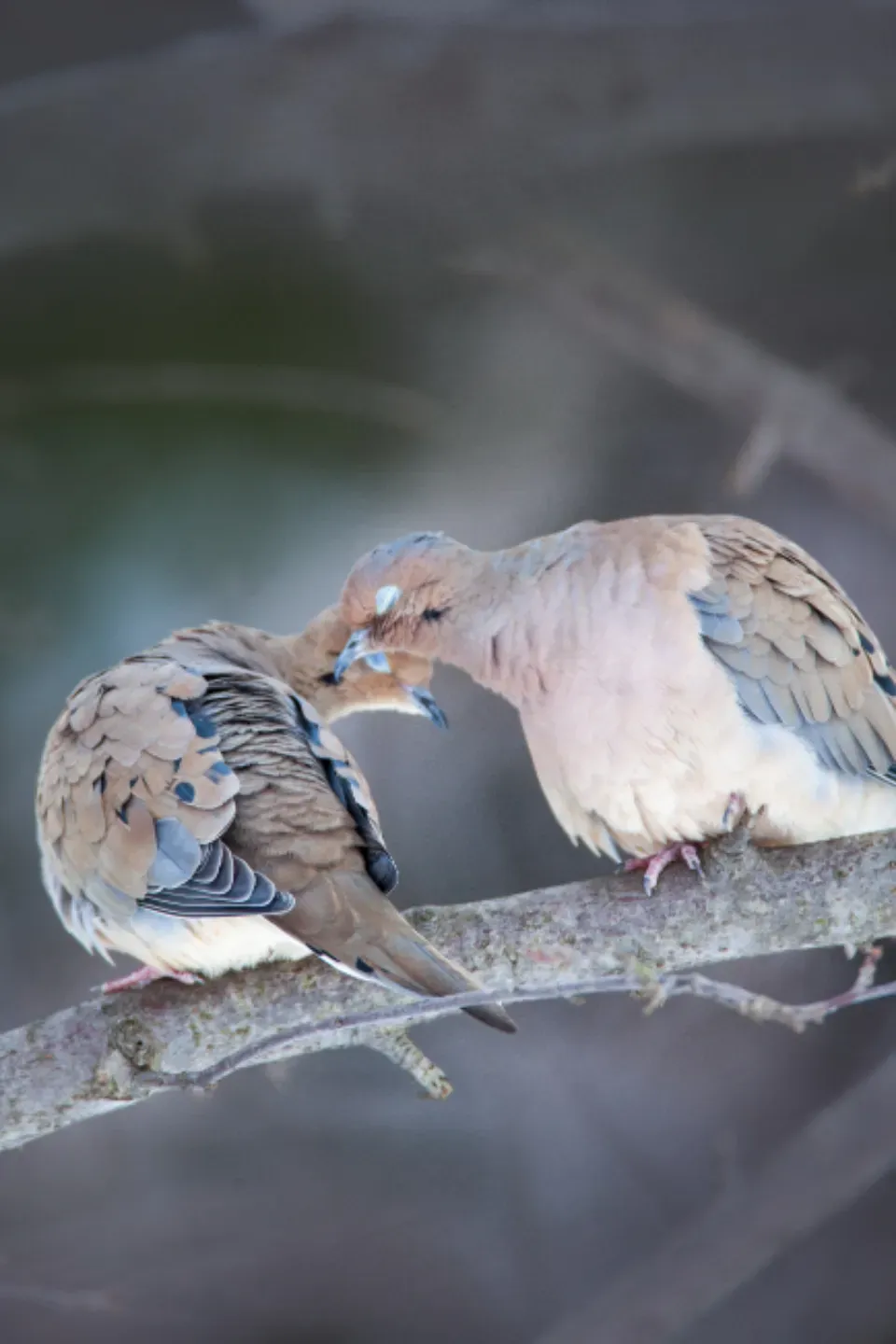
Mourning doves follow natural rhythms tied to breeding, nesting, and migration, and folk wisdom often reads meaning into when they show up in your life. If a pair begins visiting you in early spring, many people interpret that as a sign of renewal, fresh starts, and new chapters, echoing the season’s general symbolism. Their return after a long absence can feel like life circling back to a gentler place after a difficult stretch, almost like the closing of a loop you did not know needed closing.
When they appear or become especially noticeable during personally intense moments – an illness in the family, a move, a breakup – people often see the timing as almost too poetic to ignore. Even if you understand that their schedule has more to do with nesting cycles and food availability than your calendar, the overlap can be striking. Folk wisdom encourages you not to dismiss that feeling, but to use it as a prompt: what phase of life are you in, and what are these birds mirroring back to you about endings, beginnings, and everything in between?
Signs to Slow Down: Stillness as a Quiet Warning
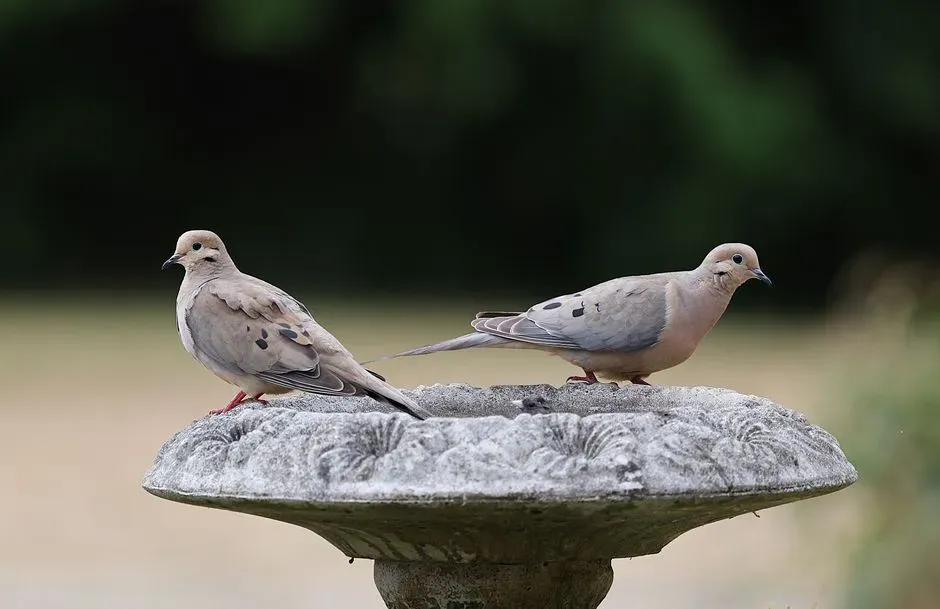
Watch a pair of mourning doves for a while and you’ll notice how much of their day can be spent in stillness – perched on a wire, resting on a branch, or quietly sunning on a rooftop. In folk interpretation, when they keep returning to your yard and seem particularly unhurried, some people see that as a subtle message: slow down. Their entire presence is in stark contrast to the frantic, always-on speed of modern life. They do what they need to do and then they simply sit, as if reminding you that rest itself is part of survival.
If you tend to notice them most when you step outside to catch your breath or stare at your phone in a daze, that can feel like a tiny intervention. Their repeated visits might strike you as a gentle “check engine” light for your nervous system, especially if you’ve been pushing through burnout. Whether or not you see that as mystical guidance, it’s hard to deny that they offer a visual template for a slower pace: be present, do less, and exist without constant noise. In that sense, folk wisdom about them being a sign to pause is surprisingly practical.
Good Fortune, Fertility, and Home Blessings
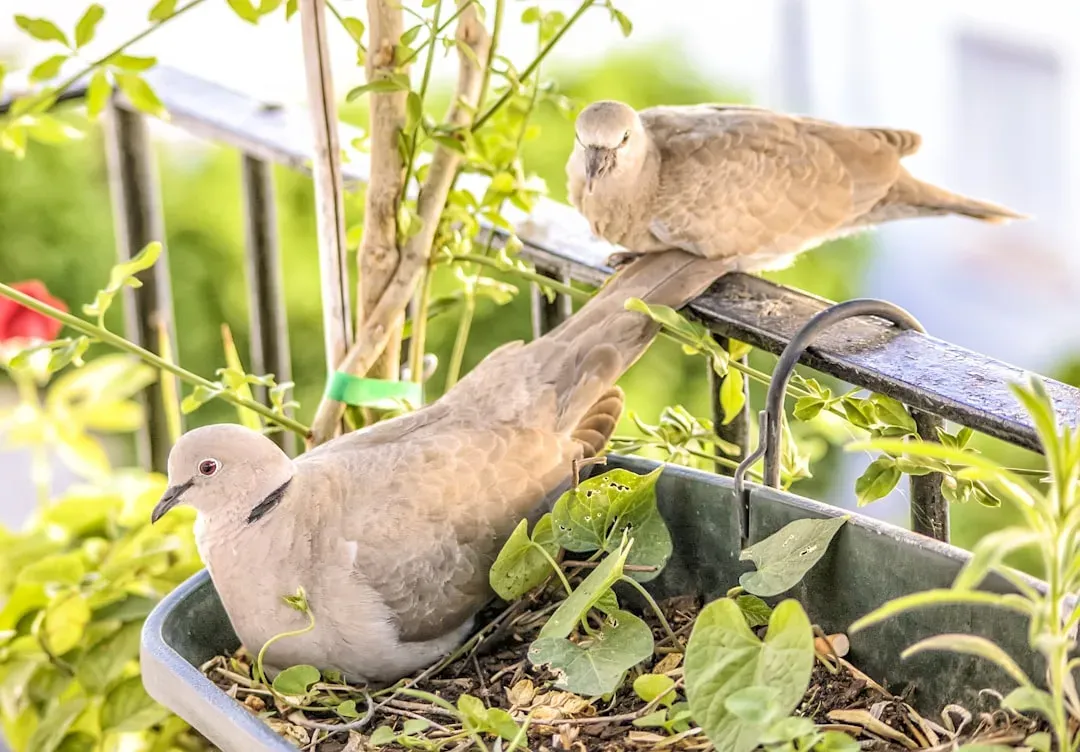
Not all interpretations are somber; in many traditions, a pair of doves is considered an excellent omen for prosperity and family life. Because mourning doves often raise multiple broods in a season and are attentive parents, people have long associated them with fertility, abundance, and the strengthening of family bonds. If they choose your home as a nesting or feeding spot, some folk stories frame that as a blessing over the household – good fortune in love, money, or new beginnings.
This does not mean that seeing doves guarantees winning the lottery or magically solving problems, and it’s important not to over-spiritualize ordinary wildlife behavior. But there is a subtle psychological effect when you decide to treat their presence as symbolic of good things growing in your life. You might feel more hopeful about plans, more protective of your home energy, and more intentional about the relationships under your roof. In that way, the “good luck” meaning becomes almost self-fulfilling, shaping how you show up for the very blessings you’re hoping to receive.
Science, Instinct, and Why They Really Keep Coming Back
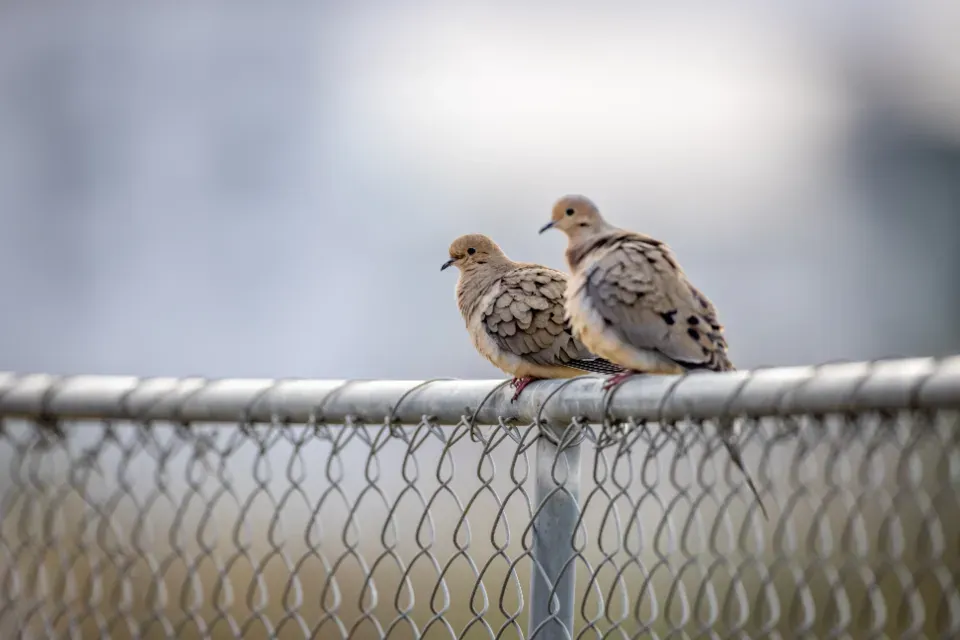
From a scientific angle, the repeated visits of a mourning dove pair are neither mystical nor unusual. These birds are creatures of habit: once they find a spot that offers food, water, shelter, or a decent nesting ledge, they tend to reuse it. Pairs may return to the same general territory year after year, especially if they’ve successfully raised young there. That means your yard might simply be prime real estate in bird terms, with a mix of open ground to forage in, trees or structures for nesting, and relatively low disturbance.
Understanding the biology behind their behavior does not have to cancel out the folk meanings, though. If anything, it gives their presence an extra layer of wonder: here are two animals following ancient instincts, and at the same time, they are woven into your emotional life as symbols of memory, love, or peace. Personally, I like the idea that both can be true. Science explains the how and the why; folk wisdom explores the what-it-feels-like and the what-it-means-to-you. Your yard becomes a tiny intersection where those two languages meet.
How to Respond When Mourning Doves “Choose” You
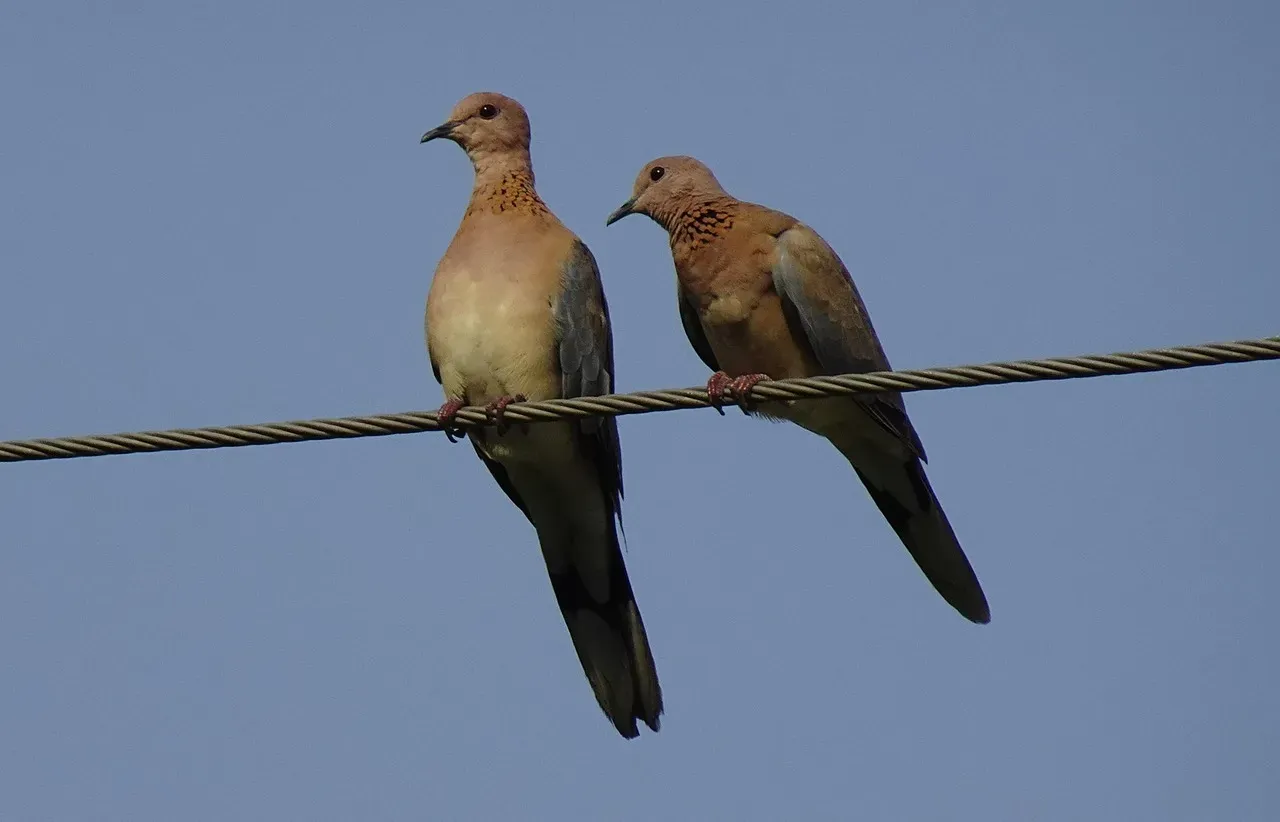
If a pair of mourning doves keeps coming back, one simple response is to acknowledge them – not out loud in a dramatic way, but inwardly, as if you’re saying, “I see you, and I’m listening.” Some people set out birdseed or a shallow water dish, partly out of kindness and partly as a quiet ritual of welcoming whatever they believe the doves represent. Even if you’re cautious about feeding wildlife, you can still choose to treat their visits as a cue to pause, breathe, or check in with your own emotional weather.
You might also notice what is happening in your life each time they appear and gently ask yourself if there’s a pattern: Are they around when you’re grieving, starting something new, or feeling burned out? Are they more present when the house feels calm versus chaotic? I’ve found that when people pay attention this way, the doves become less of a superstition and more of a mirror. Whether you see them as messengers, omens, or simply neighbors with feathers, the most meaningful response is to let their presence nudge you toward a little more awareness and tenderness – for yourself, your home, and the living world around you.
Conclusion: Between Symbol and Science, What Do They Mean for You?
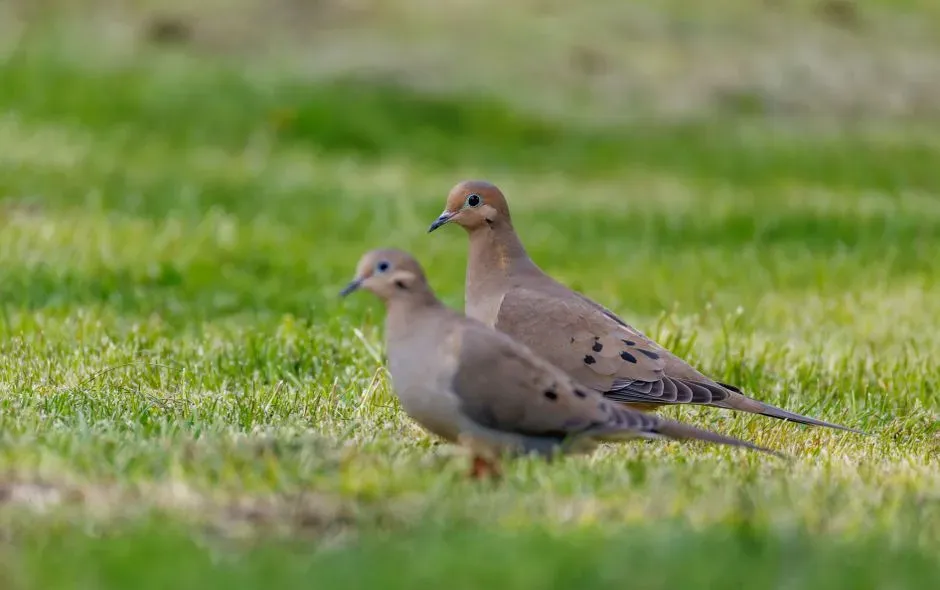
When a pair of mourning doves keeps returning to your yard, the most honest answer is that it means two things at once. On one level, it is pure biology and behavior: they have found a safe, resource-rich spot and are smart enough to keep using it. On another level, it is whatever your culture, your memories, and your heart have learned to see in them – love that persists, grief that softens, peace that settles over a home, or a timely nudge to slow down and pay attention.
My own opinion is that dismissing their visits as “just birds” misses an opportunity, but so does treating them as a rigid prophecy. The sweet spot lies in letting them matter without letting them dictate your fate. If their soft presence makes you feel comforted about a loved one who is gone, more hopeful about your relationships, or more protective of the calm in your home, then that meaning is already real in how it shapes you. Maybe the real question is not what the doves are trying to say, but what you are finally ready to hear when they show up. What do you feel in your body the next time you see them on your fence?