
Imagine waking up after a stormy weekend and realizing the river next to your town has reshaped itself as if decades had passed overnight. That is essentially what scientists are watching happen in parts of Alaska, where a rapidly draining glacial lake can chew away at landscapes in days faster than nature used to manage in generations. It sounds like the premise of a disaster movie, but it is playing out in real valleys, near real communities, under a climate that is warming far faster than many people realize.
I remember the first time I saw photos of a glacial lake outburst: the before picture looked like a calm mountain postcard, and the after photo looked like someone had dragged a giant knife down the valley floor. That jarring contrast is what climate researchers are wrestling with now in Alaska. The story is not just about melting ice; it is about how the way water moves is changing, and how that sudden reshuffling of rivers, banks, and sediment can quietly rewrite the map while most of us are busy with everyday life.
How A Glacial Lake Turns Into A Runaway Drain
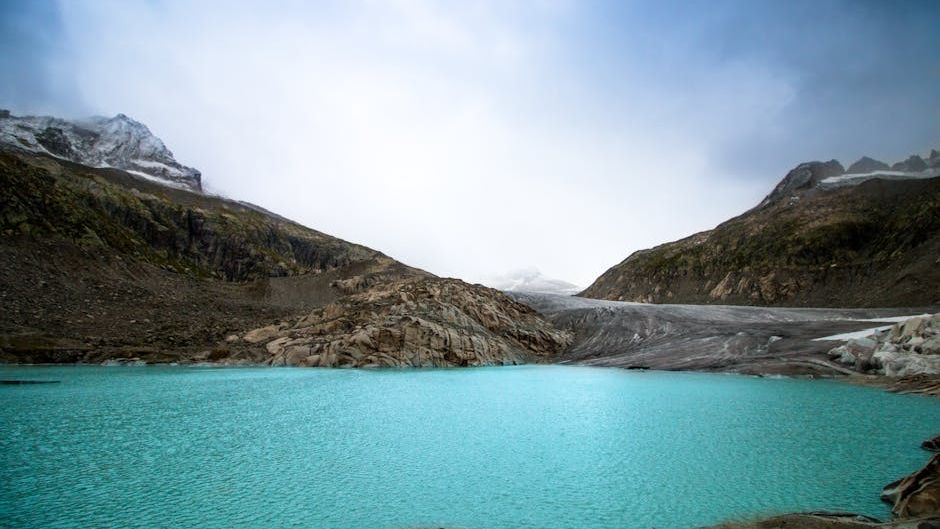
At the heart of this problem is a simple but unsettling setup: a lake held back not by a solid rock dam, but by ice and loose sediment that were never meant to last forever. In Alaska, as glaciers thin and retreat, they often leave behind big bowls or depressions that fill with meltwater. These basins can sit quietly for years, giving the impression of stability, until a weak spot in the icy or gravelly dam gives way and the whole system flips almost overnight.
Once that weakness opens into a tunnel or crack, gravity does the rest. The lake starts to drain through the glacier or around it, and as the water flows faster, it erodes more ice and sediment, which makes the tunnel larger, which makes the water rush even faster. It is a classic positive feedback loop: a small leak turns into a roaring torrent, and the lake level can drop dramatically in a short time. From the outside, you might just notice the river downstream suddenly running high and muddy, but under the surface, the architecture of the valley is being ripped apart.
“Decades of Erosion in a Weekend” – What That Actually Means
When scientists say a draining glacial lake can cause decades worth of erosion in a single weekend, they are comparing the amount of material moved in a few days to what a normal river would accomplish in many years. Under typical conditions, rivers slowly nibble at their banks and beds, moving gravel, sand, and silt along bit by bit. In contrast, a sudden lake outburst can unleash water flows many times higher than the usual peak, scouring the riverbed down, stripping vegetation, and undercutting slopes in a matter of hours.
Think of it like sanding a piece of wood versus hitting it with a pressure washer set to maximum blast. The slow, steady sanding is the normal erosion you might expect over decades. The pressure washer is the outburst: it does in moments what gentle abrasion would take an age to achieve. For communities and ecosystems downstream, the result is not academic. Roads can slump, bridges can be compromised, river channels can abruptly shift location, and fish habitat built up over long periods can be rearranged as if someone shook the landscape like a rug.
Why Alaska Is Especially Vulnerable Right Now
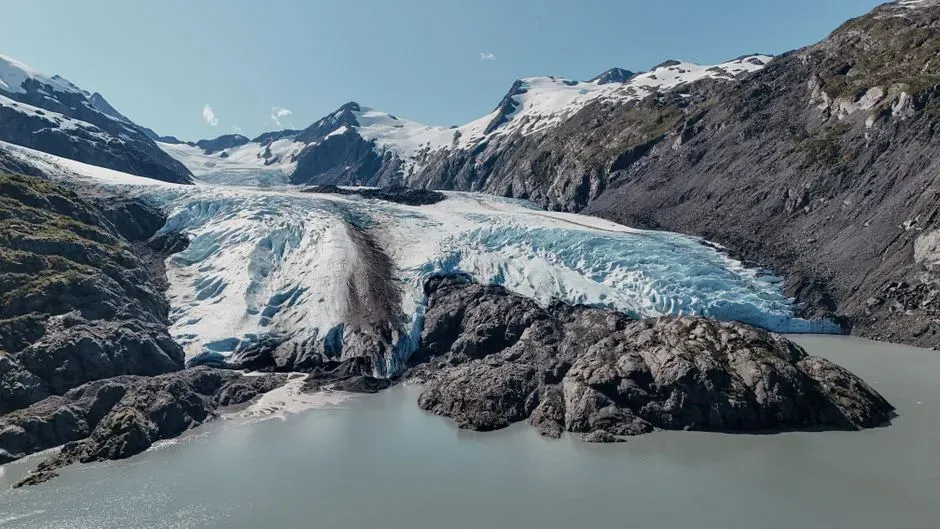
Alaska is ground zero for this kind of rapid change because its glaciers are retreating quickly in a warming climate and the terrain is steep, rugged, and primed for water to move fast. As glaciers pull back up their valleys, they expose loose, unconsolidated material that used to be locked under ice. Meltwater naturally pools in these depressions, forming lakes that are surprisingly deep and can hold massive volumes of water. The combination of big reservoirs and fragile natural dams is a recipe for repeated draining events.
On top of that, many Alaskan valleys funnel this water straight toward communities, infrastructure corridors, and salmon rivers. Unlike some remote high mountain regions where a flood might pass mostly unseen, in Alaska key roads, pipelines, and villages often sit along river corridors. That means each draining event does not just redraw the natural landscape; it directly intersects with human life. From the scientist’s perspective, it is like watching a slow-motion experiment run on fast-forward, with real people and livelihoods sitting in the splash zone.
The Hidden Mechanics: Ice, Sediment, And Sudden Collapse
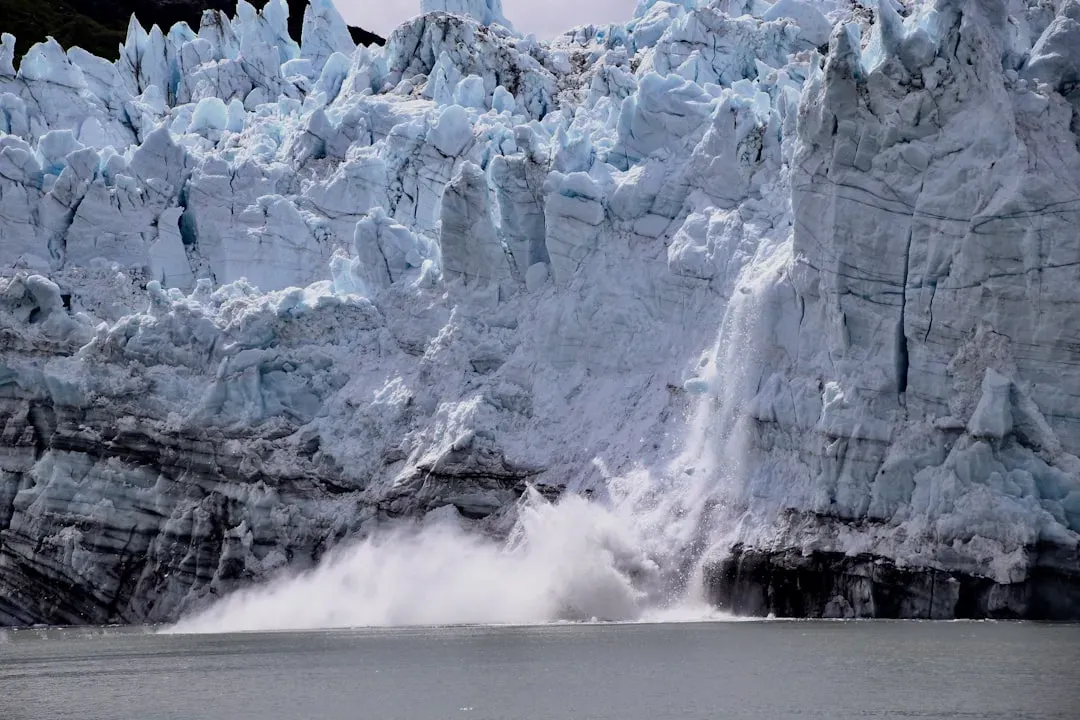
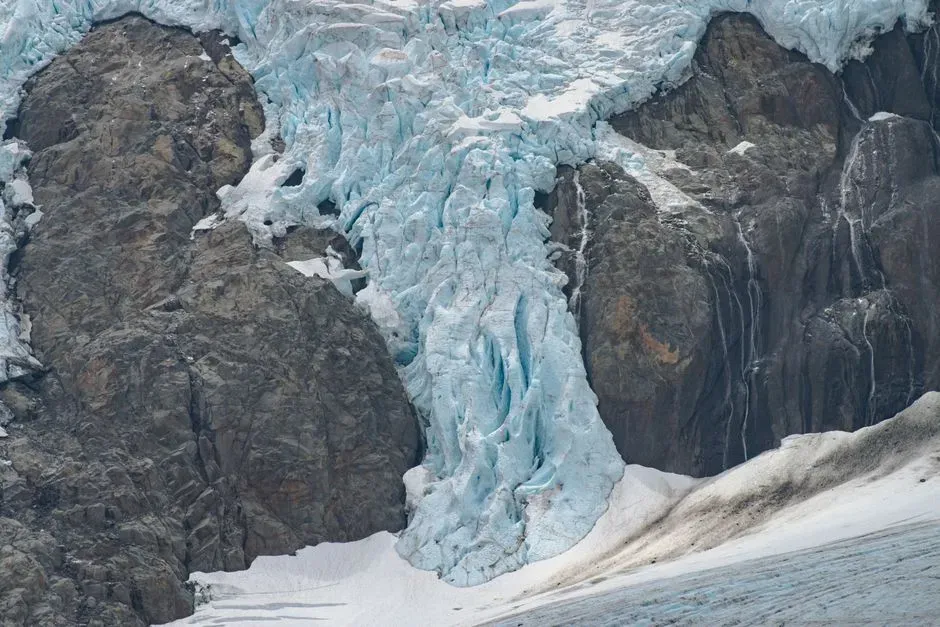
Underneath the drama of a draining lake, the mechanics are almost disturbingly simple. The ice or sediment dam acts like a plug in a bathtub. As meltwater warms and weakens the ice, or as groundwater seeps through the loose gravel, tiny channels form. Once one of those channels grows large enough, flowing water starts to carve it wider. If the dam is mostly ice, the water can also melt the tunnel from the inside, so each minute of flow weakens the structure for the next.
Sediment adds its own twist. When the dam is made of loose material, surging water can pick up grains and pebbles and carry them away, hollowing out the dam from within. This is why a lake can sit seemingly stable for years and then drain rapidly several times, each time reshaping the outlet a bit more. To a casual observer, it might look like a random disaster. To a geomorphologist, it is a classic failure mode of an overfilled, underbuilt system, running physics that you could replicate on a much smaller scale with a bucket of sand and a hole punched in the side.
Communities On The Front Line Of A Moving River
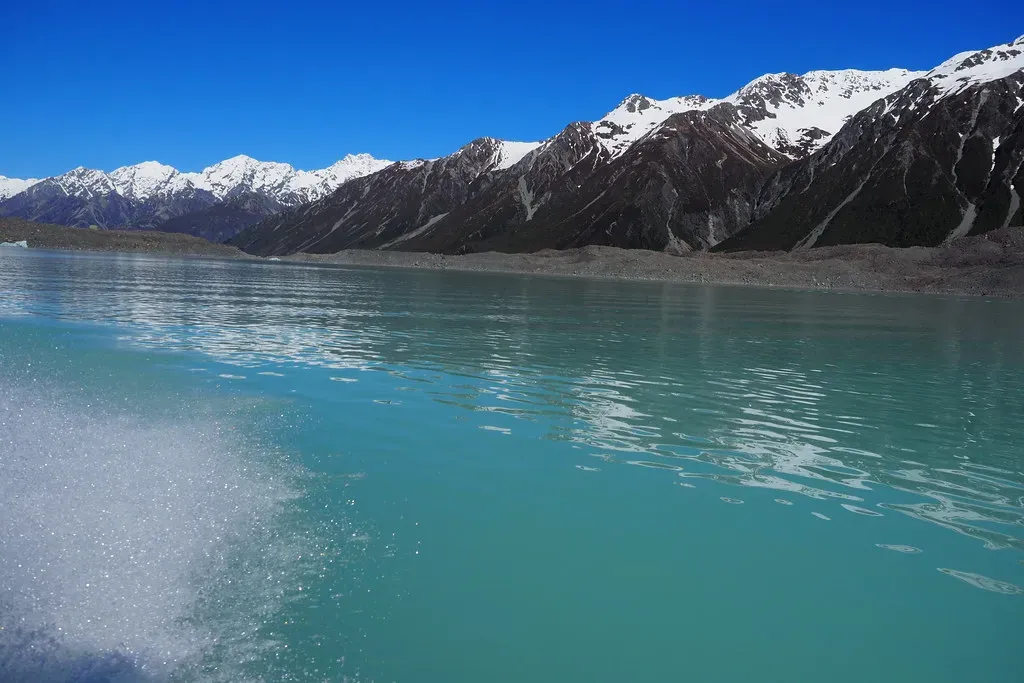
For people living downstream, this is not just a fascinating quirk of glacier science; it is a direct safety and planning issue. Roads that were built assuming a relatively stable river channel can suddenly find themselves perched at the edge of a new cut bank. Properties that felt comfortably distant from the floodplain can end up within reach of high, muddy water. Even if a given lake drains repeatedly and scientists begin to anticipate the pattern, there is always the risk that the next event is slightly bigger, slightly earlier, or coincides with heavy rain.
There is also a quieter emotional toll. Imagine watching a river you grew up with change character over just a handful of summers, becoming wider, more braided, or more aggressive, chewing into forest that once felt permanent. People in Alaska are used to living with big, dramatic landscapes, but there is a difference between living near a powerful river and watching that river become unpredictable. It feels a bit like sharing a house with someone who used to be moody but manageable and now occasionally throws furniture across the room.
How Scientists Track A Lake That Refuses To Behave
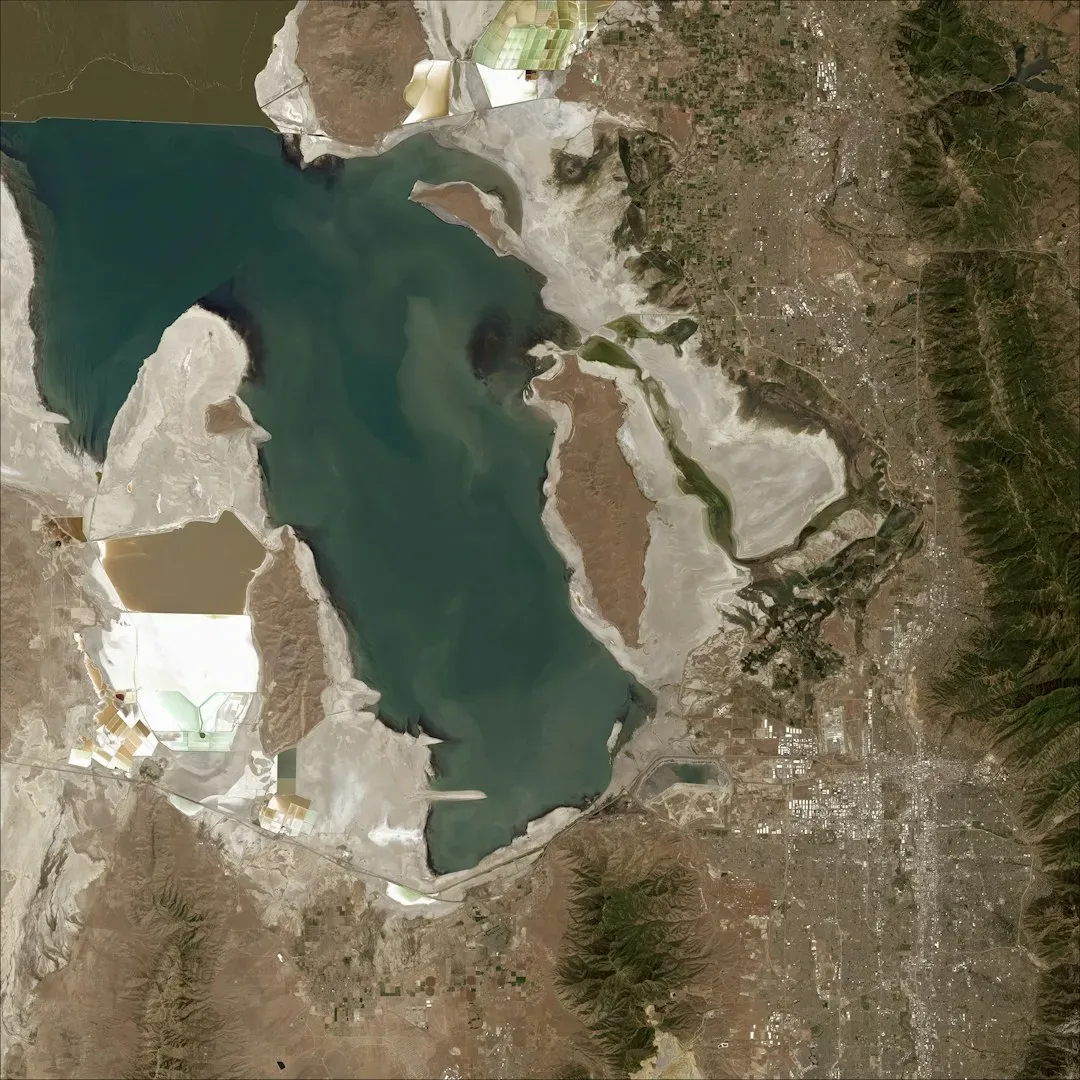
Because these lakes sit in remote, mountainous regions, researchers have gotten creative about how they watch them. They combine satellite imagery, aerial surveys, and on-the-ground sensors to monitor lake levels and downstream river discharge. Satellite images can show when a lake has shrunk suddenly, hinting at a draining event, while gauges farther down the valley record sudden spikes in flow. In recent years, automated systems have improved, giving scientists something closer to real-time awareness instead of finding out after the fact.
Still, this is not a perfectly predictable system. Each draining event slightly reshapes the dam and the outlet, so the timing and size of the next one can change. That uncertainty keeps researchers cautious in their language, even when the trend is clear: the lake is draining, it is doing so at an alarming rate compared to the historical baseline, and each event carries the potential for outsized erosion. It is like studying a volcano that erupts in small bursts; you know it will act up again, but the exact hour and the exact size of the show remain elusive.
What This Tells Us About A Warming World
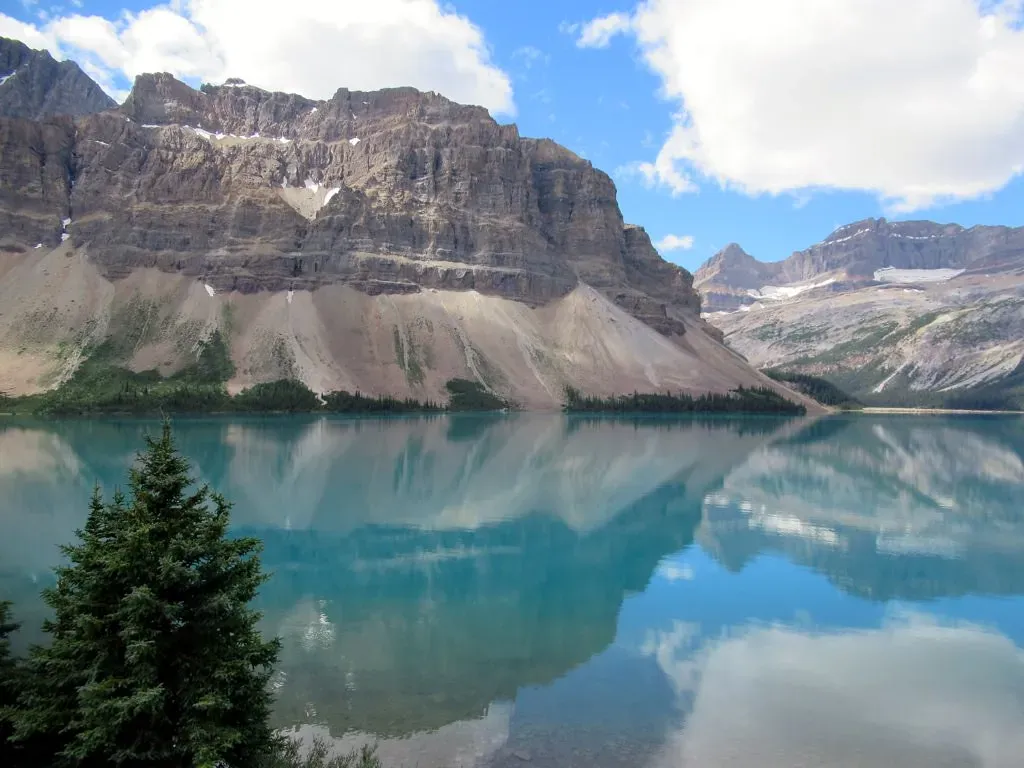
To me, the most striking thing about this story is how it condenses the broader climate problem into a very tangible symbol: water doing in days what once took decades. We often talk about climate change in terms of abstract averages and multidecade projections, but a glacial lake draining violently turns that abstraction into a physical event you can photograph and measure. It is proof that a warmer world is not just slightly different; it runs the same rules of physics harder and faster, pushing systems past thresholds that once held steady.
There is a temptation to think of this kind of rapid erosion as a local oddity, something that happens in far‑off Alaska, interesting but distant. That is, in my view, a mistake. If ice‑dammed lakes and unstable slopes in one part of the world are showing us how quickly landscapes can pivot under climate pressure, it is reasonable to ask where similar dynamics might quietly be brewing elsewhere. The lesson is not panic, but humility: when we load extra energy into the climate system, we should expect some parts of the natural world to respond in nonlinear, sometimes jarring ways.
Conclusion: An Alarm We Would Be Foolish To Ignore
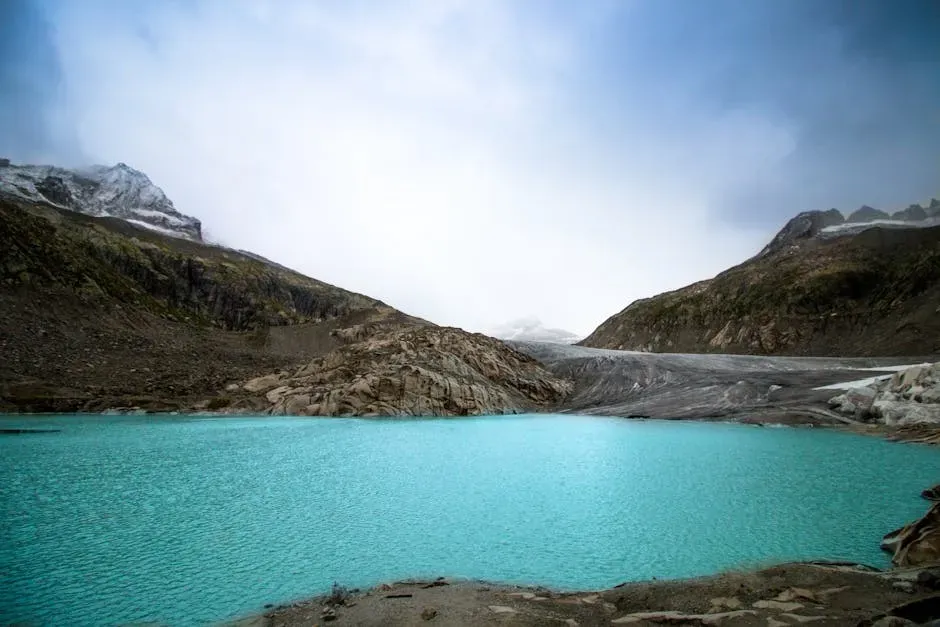
In my opinion, the draining of this Alaskan glacial lake at an alarming rate is not just a quirky side note in climate science; it is an unmistakable warning flare. When water can rearrange a valley in a weekend and carve out what amounts to decades of erosion in one burst, it tells us our assumptions about slow, steady change are out of date. We can quibble about the exact timing of the next event or the precise volume of sediment moved, but the direction of travel is stark: more meltwater, more unstable lakes, more sudden reshaping of places people rely on.
We have a habit of waiting for disasters to hurt someone directly before we treat them as serious, but that is a dangerously slow reflex in a rapidly warming world. The science coming out of Alaska is already clear enough to justify more monitoring, smarter land‑use planning, and a tougher conversation about how we factor accelerating change into our decisions. Ignoring a river that is rewriting its own path is like ignoring cracks in the foundation of your house because the walls have not collapsed yet. The question is not whether nature is sending a message here; it is whether we are willing to listen before the next “weekend” of erosion becomes our new normal.