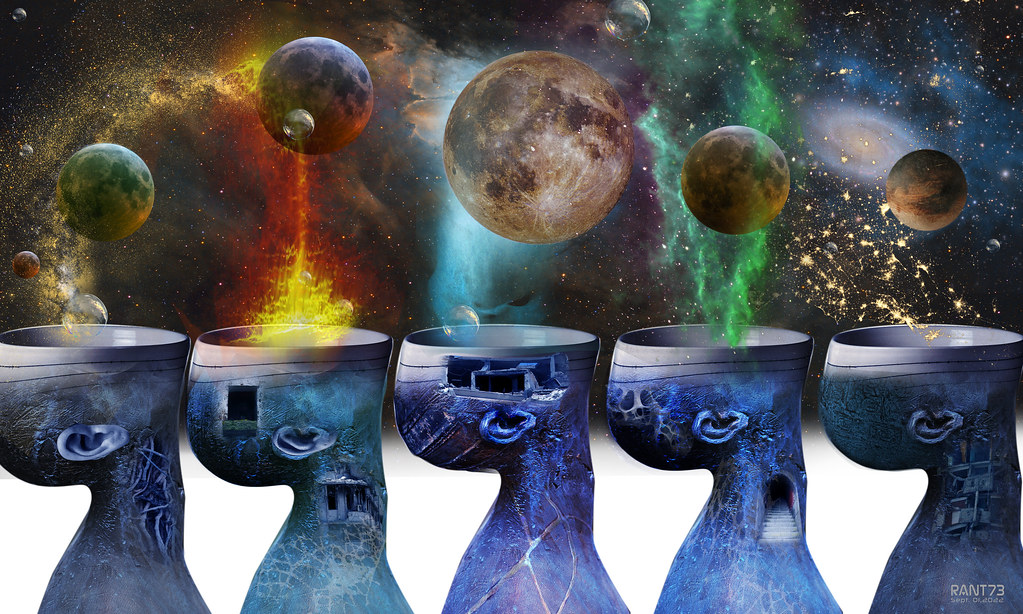

Ask anyone about the most vivid moment of their life, and you’ll usually get something emotional: the birth of a child, the loss of a loved one, a terrifying accident. But when people describe a near-death experience, they often say something stranger: it did not just feel vivid, it felt more real than real life. Colors seem sharper, time bends, and the memory sticks like it has been carved into stone, while normal memories fade like chalk in the rain.
That raises a huge, unsettling question: if something feels more real than ordinary reality, what exactly is going on in the brain? Are people glimpsing another dimension, or is the brain in crisis doing something extreme but explainable? The science here is still evolving and far from complete, yet what we do know is already fascinating. Let’s walk through what researchers, clinicians, and experiencers themselves are discovering about why near-death experiences (NDEs) can feel so intensely, almost impossibly, real.
The Strange “More Real Than Real” Feeling

One of the most striking things people say after a near-death experience is that it felt more real than everyday waking life. Not just emotionally intense, but as if the usual world is a faded copy and the NDE is the original. This feeling often leaves people shaken, because it clashes directly with what we assume about reality: that the physical world around us is the gold standard for what is real, and everything else is a step down.
It helps to remember that the sense of reality is not a built-in property of the world; it’s something the brain constructs. You can think of consciousness like a film projector and reality as the movie on the wall. When the projector changes its settings – under anesthesia, in dreams, on psychedelic drugs, or during trauma – the movie can feel brighter, darker, distorted, or strangely crisp. NDEs often occur under extreme physiological stress, and that stress may push the brain into a state where its “realness” dial is turned up to the maximum, even if what is being experienced is generated internally rather than by the outside world.
How the Brain Builds Reality (And Why It Can Turn the Volume Up)
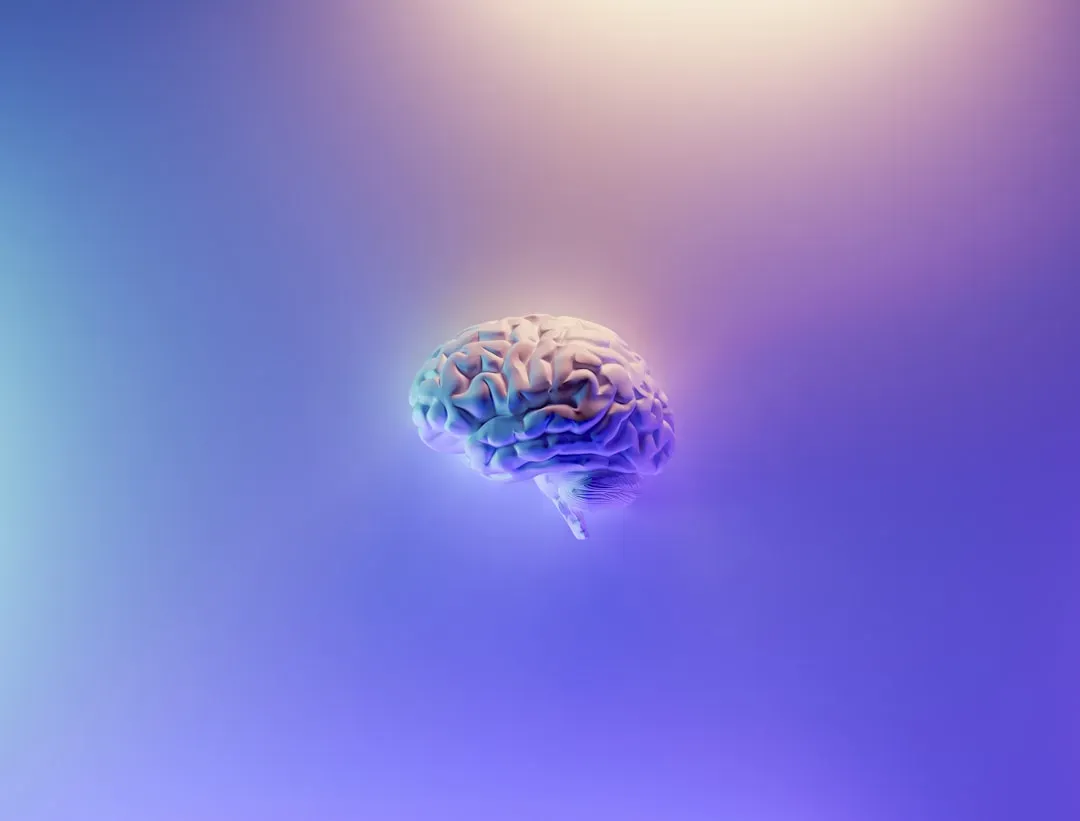
Modern neuroscience suggests that the brain is not a camera passively recording the world; it is more like a prediction machine. It constantly guesses what is happening out there and updates those guesses with incoming sensory data. When the predictions and the incoming data line up, we experience a smooth, stable, “this is real” feeling. When they do not, we feel confusion, unreality, or hallucination. The feeling of reality is the brain’s confidence score in its own model of the world.
During a near-death event – cardiac arrest, severe blood loss, acute trauma – the normal flow of sensory information can break down, while prediction circuits keep firing. The brain, deprived of clear input but still generating intense internal activity, may double down on its own best guess and flood that experience with the tag “this is absolutely real.” It is like a navigation system losing GPS signal and then insisting even more strongly that its estimated route is correct. The result for the person is a state that feels hyper-authentic, even though it may be largely or entirely constructed from within.
Stress, Trauma, and Memory on Overdrive

Anyone who has been in a serious car accident or a sudden crisis knows how weird time can feel: seconds stretch into slow motion, small details freeze into memory, and emotions slam into you at full force. That is because extreme stress sends the brain into a survival mode where attention narrows and certain memory systems light up. Stress hormones and neurotransmitters surge, prioritizing whatever might help you live through the next few moments and remember what happened later.
Near-death experiences often happen right in the middle of these extreme states. The emotional brain, especially structures involved in fear, meaning, and salience, can become highly active, marking the moment as crucial. Memories formed under these conditions are often unusually durable, richly detailed, and accompanied by a powerful feeling of significance. Compared to ordinary, everyday memories – like what you had for lunch last Tuesday – NDE memories arrive with a kind of built-in highlighter, which makes them feel more deeply real when you recall them years or even decades later.
Out-of-Body Experiences and the Brain’s Body Map
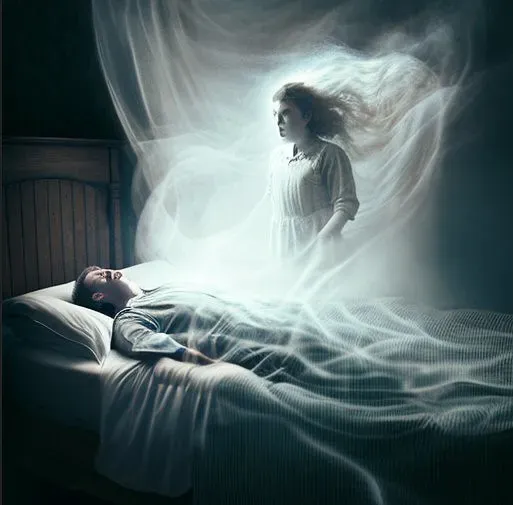
One common feature of near-death experiences is the sense of leaving the body and viewing the scene from above, sometimes watching medical staff work on one’s own physical form. For the person, this is profoundly convincing; they are seeing what looks like the real world from a new vantage point. Neuroscience has shown, though, that the feeling of inhabiting a body and being located in space is also a constructed experience, supported by a network of brain areas that integrate touch, vision, balance, and internal signals.
When these systems are disrupted – by lack of oxygen, drugs, direct brain stimulation, or neurological conditions – people can experience out-of-body sensations even when they are not near death. This suggests that the “floating above” perspective is something the brain can generate under several conditions, not just at the brink of death. But in an actual life-threatening emergency, the emotional stakes and intensity of the event can lock that perspective into memory with a sense of utter certainty. It is not just a strange visual; it becomes part of a narrative that feels too detailed and emotionally charged to dismiss as “just” an illusion.
Light, Tunnels, and the Architecture of the Visual System
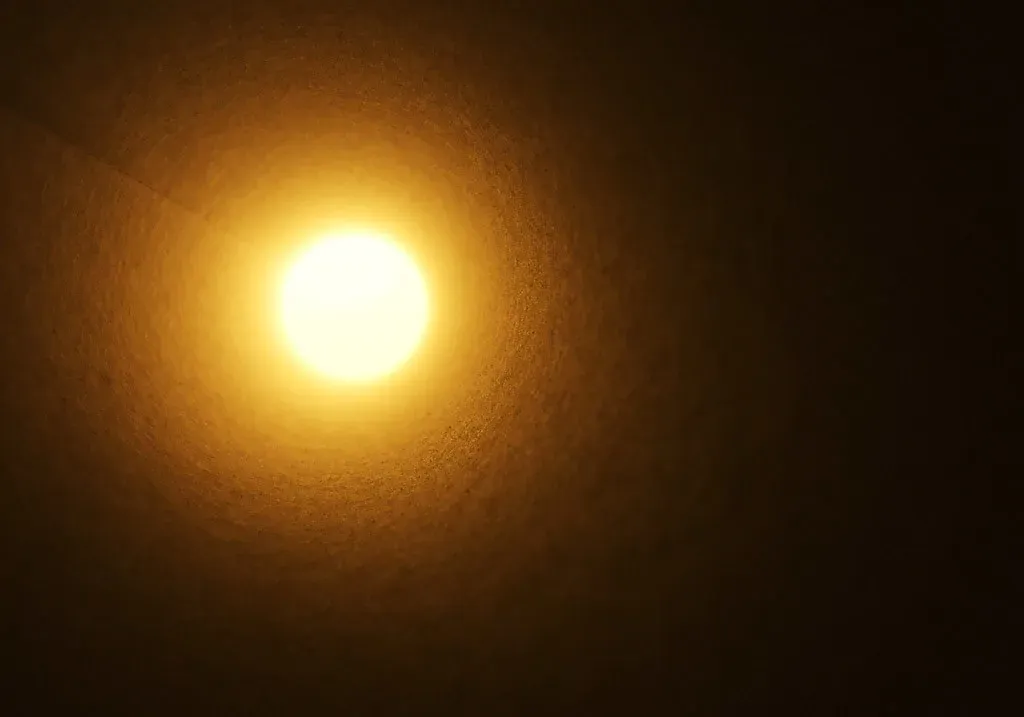
Another classic element of NDEs is the tunnel with a bright light, often described as overwhelmingly beautiful or welcoming. From a biological point of view, the retina and visual cortex are highly sensitive to oxygen and blood flow. When circulation drops, the cells at the edges of the visual field can be affected first, leading to a narrowing of perception. That natural constriction can be experienced internally as moving through a dark tunnel toward a central light, especially if the brain is still firing spontaneously in visual areas.
At the same time, the meaning assigned to that tunnel and light depends on culture, beliefs, and expectation. Many people grow up with stories of “going toward the light,” so when the brain generates this pattern, it already fits a powerful template. The combination of a biologically driven visual effect and a pre-loaded spiritual or cultural story can make the experience feel almost inevitable and deeply profound. For the person who lives through it, this blend of neural activity and meaning is not just visually intense; it is emotionally and existentially saturating, which again boosts the feeling of ultra-reality.
Psychedelics, Dreams, and Why Some Inner Worlds Feel “More Real”
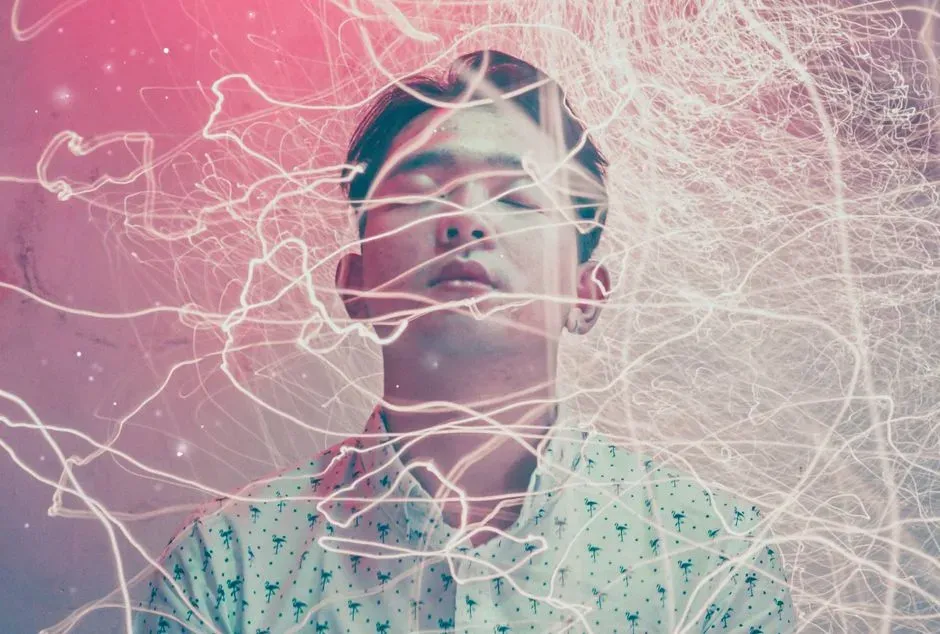
Interestingly, people who take certain psychedelic substances also sometimes report that what they see and feel under the influence seems more real than ordinary life. Colors glow, patterns feel significant, and insights seem undeniable in the moment. Brain imaging studies during these states show changes in how different regions talk to one another, with usual filters relaxing and communication becoming more widespread and chaotic. The brain essentially stops narrowing experience down as aggressively and lets more unusual patterns through.
Near-death states might share some of these features, though triggered by lack of oxygen or severe physiological stress rather than a drug. When the normal filtering and organizing systems loosen, the brain may generate experiences that feel both novel and deeply meaningful. Dreams can do something similar at times, but most of us wake up and immediately downgrade them to “just a dream.” NDEs, by contrast, are often wrapped in life-or-death emotion and occur at moments of high personal significance, so they are much less likely to be mentally filed away as trivial or unreal once the person recovers.
Meaning, Belief, and the Aftermath of an NDE

Another reason NDEs is what happens after the experience. Many people report long-term changes in their beliefs, values, and sense of purpose. They may become less afraid of death, more focused on relationships, or more open to spiritual ideas. When an experience rewires how you see everything, it is hard not to treat it as deeply real. The narrative of “this changed my life” becomes tangled with the memory itself, reinforcing its emotional weight and sense of authenticity.
Importantly, none of this proves or disproves that NDEs are glimpses of an afterlife; it only shows that they are powerful drivers of meaning. Our brains are wired to take life-changing moments very seriously, and to remember them with a kind of sacred glow. If you have ever had a single conversation that redirected your whole life, you know how a short event can become a towering landmark in your inner landscape. NDEs often function that way, but turned up to the highest intensity setting, which makes them feel not only unforgettable but fundamentally, undeniably real.
So Are NDEs “Real” or Just Brain Tricks? A Grounded Opinion

When people ask whether near-death experiences are real, they usually mean: are they proof of something beyond the brain? From a scientific standpoint, the safest answer is that NDEs are real as experiences and memories, measurable in how people describe them and how their lives change afterward. There is good evidence that many elements can be linked to known brain processes under extreme stress, like sensory narrowing, body-map disruption, and intense memory encoding. That does not settle every mystery, but it shows that you do not need to leave the brain behind to explain why they feel so astonishingly vivid.
Personally, I think the “more real than real” quality tells us something humbling: our everyday sense of reality is not the fixed benchmark we imagine it to be. The brain has multiple modes of constructing a world, and some of those modes feel more convincing, more beautiful, or more meaningful than the default one we use to pay bills and check email. Whether you see NDEs as spiritual journeys, brain events, or some messy mix of both, they remind us that consciousness has depths we barely understand. Maybe the real question is not whether they are real, but how many other intense, life-shaping experiences we casually downplay as “just in the mind” when, for the person who lived them, they are as real as it gets. What would you have guessed was more fragile – the world itself, or the way your brain decides what counts as real?