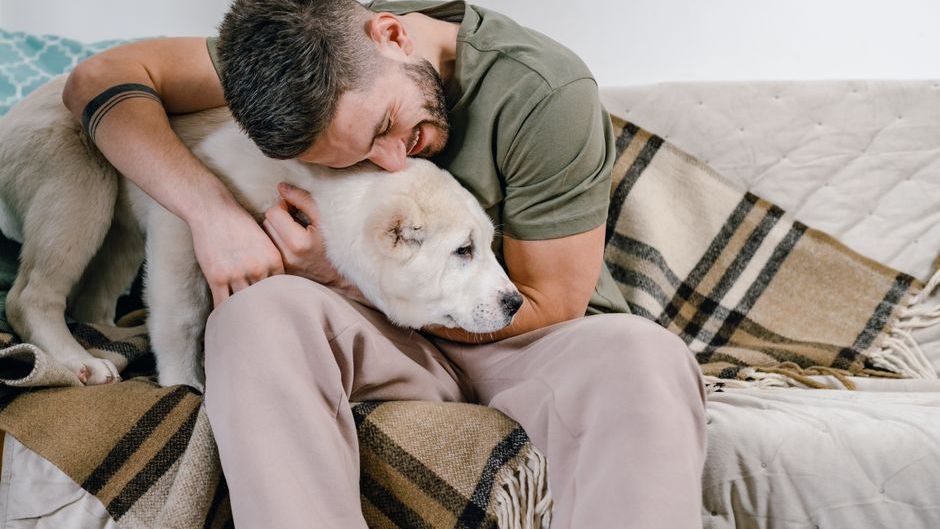

Somewhere between the chewed-up sneakers and the late-night zoomies, something deeper can quietly happen: your dog decides that you are their person. Not just the one who feeds them or walks them, but the one they trust, follow, and lean on when the world feels a bit too loud. It is not always dramatic or obvious. Often, it is hidden in tiny moments that are easy to miss if you do not know what to look for.
Dogs are experts at reading our body language, tone, routines, and moods. Over time, this constant, subtle observation shapes a powerful attachment, similar in some ways to the bond between human infants and caregivers. You may already be that chosen person without realizing it. As we walk through these signs, you will probably find yourself thinking back to little everyday details and going, “Oh… that was love, not just habit.”
1. They Keep You in Their Line of Sight – Even When They Seem “Busy”
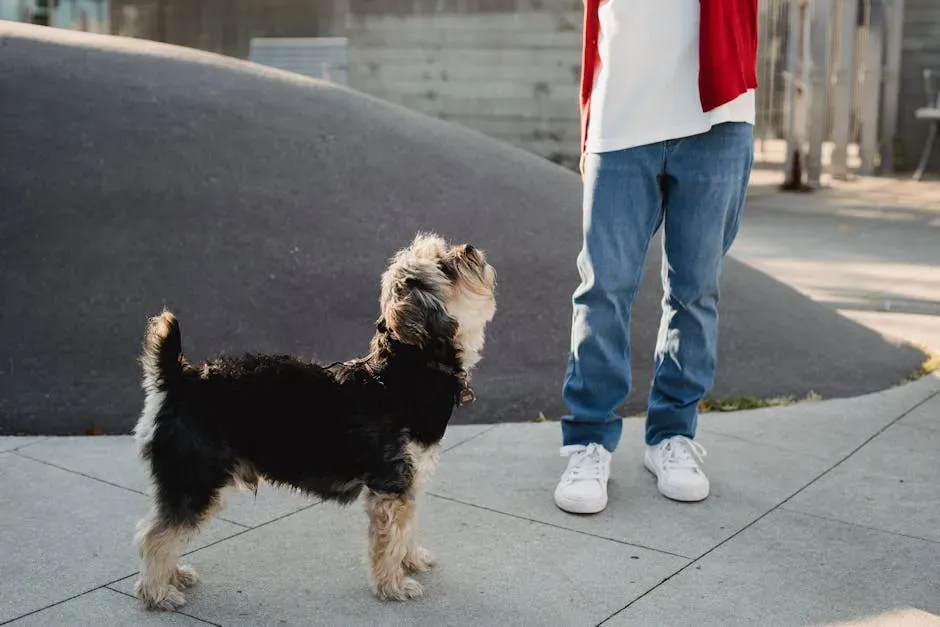
Watch your dog the next time you are moving around the house. Even if they stay lying on the rug and do not follow you room to room, notice whether they quietly adjust their head or body so they can still see you. Many dogs that have picked “their person” will track them visually, like a soft, furry radar, making sure that person does not disappear without them noticing. It is not clinginess as much as it is a security check: you are the emotional anchor, and they want to know where their anchor is.
In animal behavior research, this is sometimes described as proximity seeking, a key part of attachment. A dog that has truly bonded with you will often relax more deeply when they know where you are, and become tense when you vanish suddenly from their field of view. If your dog lifts their head when you stand up, looks for you when you leave the room, or repositions themselves so they can keep one eye on you, that is a quiet, powerful sign that they are mentally tethered to you more than anyone else in the home.
2. You Are Their Chosen Safe Place During Stress
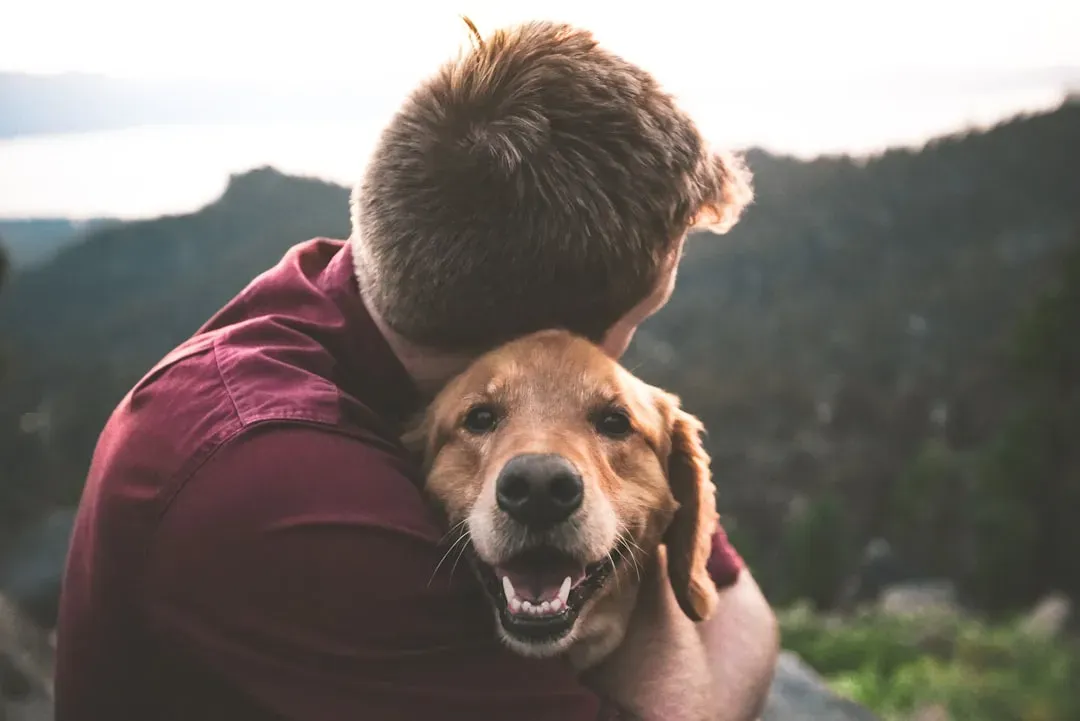
Think about where your dog goes when they are scared, overwhelmed, or unsure. Loud thunder, fireworks, a noisy vacuum, visiting guests, or even a tense argument in the house can all make a dog uneasy. Dogs may freeze, hide, bark, or pace, but many will also instinctively move toward the person who makes them feel safest. If in those stressful moments your dog heads straight for you, tries to press against you, or tries to sit behind your legs, that is a huge indicator that you have become their emotional shelter.
From a scientific angle, this mimics what researchers call the “secure base effect” in attachment studies. Dogs that feel securely attached use one specific person as a safe base to explore the world and a refuge to return to when worried. If your dog seems to breathe easier, shake less, or settle faster when you are near, it is not random. You are functioning like a weighted blanket, a familiar scent, and a reassuring presence all rolled into one. That is not just affection. That is trust at a deep, primal level.
3. Their Greeting for You Is on a Whole Different Level
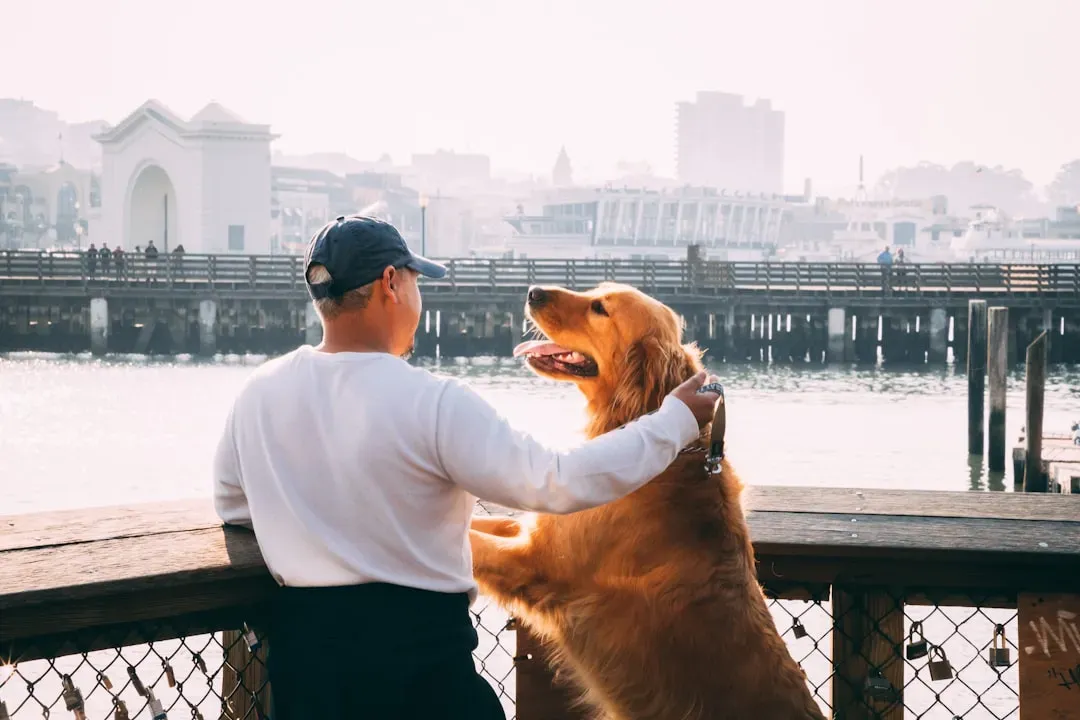
Most friendly dogs will wag and say hello to anyone they like, but the intensity and pattern of their greeting can reveal who truly has their heart. Pay attention when you come home compared to when others do. Does your dog offer you a looser, whole-body wag, soft eyes, little happy grunts, or zoomies reserved only for you? Do they ignore background noise and head straight for you like you are the main event, while other people get a polite but less dramatic welcome?
Neuroscience studies have found that dogs’ brains respond differently to the scent of their primary person than to strangers or even familiar acquaintances. That internal difference often shows up as joyful chaos at the door: spinning, jumping, bringing you a favorite toy, or that exaggerated stretch and yawn that looks like they are trying to shake off hours of waiting. If everyone gets a wag but you get a full celebration, it is a strong sign you have been promoted from “one of the humans” to “my human.”
4. They Relax in Deep, Vulnerable Ways Around You
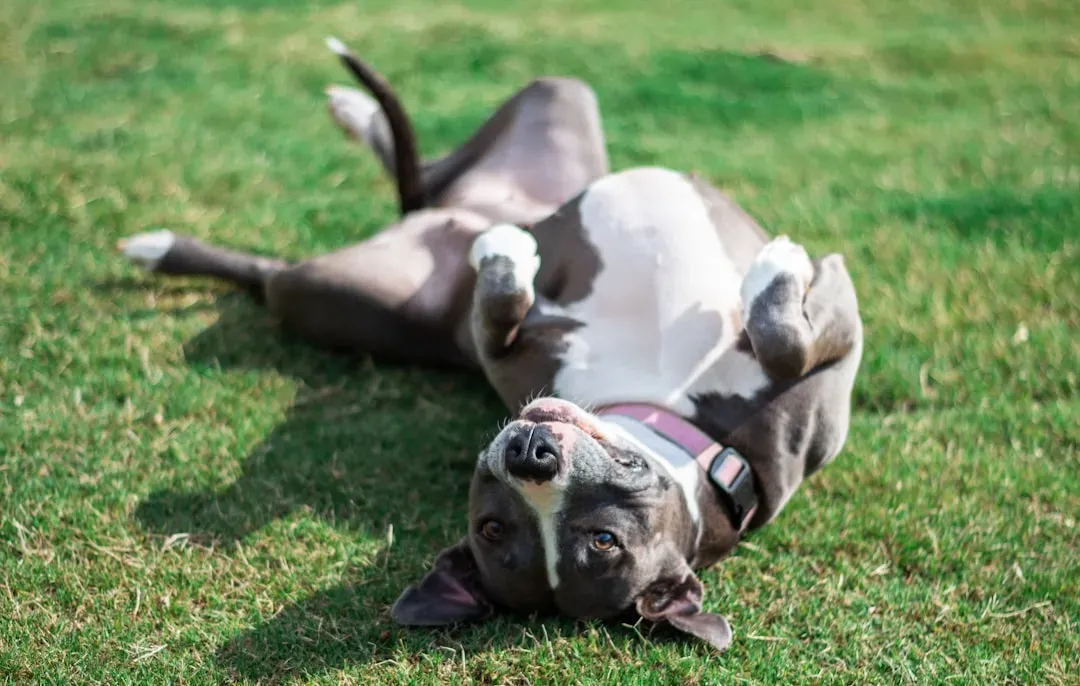
Dogs are hardwired to protect vital areas like their belly, throat, and back. When a dog sprawls on their back in front of you, falls asleep with their back turned to you, or snuggles into you in positions that leave them completely exposed, it is not just cute. That level of physical vulnerability is earned. It means that, at least in their mind, you are not a threat, you are a guardian. They feel safe enough around you to let their survival instincts take a back seat.
Look for what behaviorists sometimes call “off-duty” body language: slow, heavy blinks, floppy ears, loose jaw, deep sighs, and the kind of sleep where they twitch or dream without startling awake at small sounds. If that level of relaxation shows up more around you than around other people, you are their emotional home base. They are not just in your house; they feel that they are safe because you are there. That is the kind of quiet loyalty that is hard to measure but easy to feel once you notice it.
5. Their Body Language Softens Specifically for You
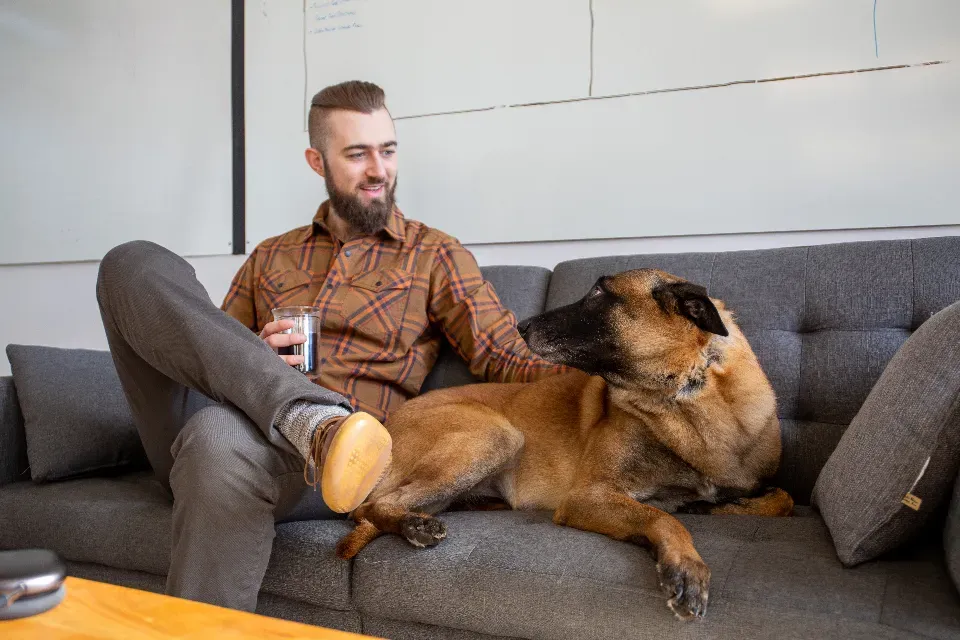
Dogs communicate with subtleties long before they bark or whine. When you are around, note whether your dog’s eyes look softer, their tail sits at a comfortable height, and their movements feel wiggly and relaxed rather than stiff or cautious. Many dogs develop what people casually call “love eyes” for their chosen person: slightly squinted eyes, gentle focus, and a face that just looks more peaceful. That soft expression is often paired with small, almost shy movements toward you, like leaning their shoulder into your leg or nudging your hand.
Behavior research suggests that mutual gazing between dogs and their humans can increase levels of oxytocin, a hormone linked to bonding and affection. When your dog looks at you with that mellow, unhurried gaze and seems in no rush to look away, they are not just killing time. They are reinforcing a bond that makes them feel secure. If their body language with you is consistently looser and more affectionate than with others, it is a strong sign you hold a special status in their emotional world.
6. They Choose to Be Near You, Not Just Next to the Food
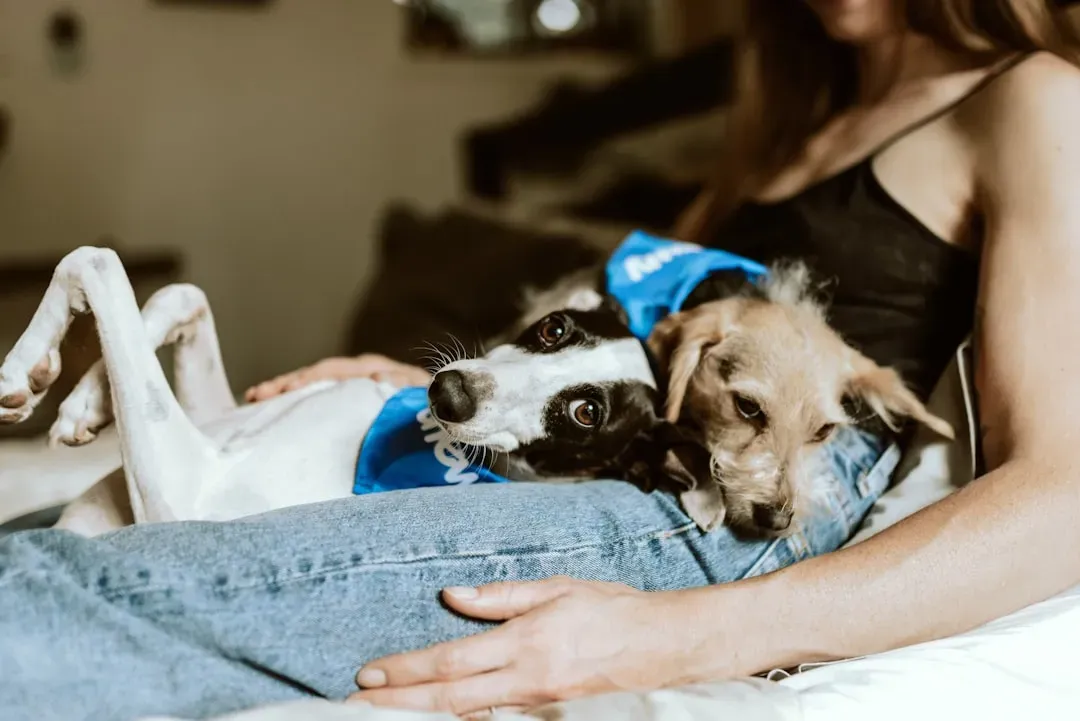
Let’s be honest: dogs love whoever holds the treats. But you can usually tell who their person is by what they do when nothing exciting is happening. In those quiet, in-between moments – when you are working at your desk, reading on the couch, or scrolling on your phone – does your dog settle near you even if their bed, toys, or a sunny spot are across the room? Choosing to simply be in your orbit, without any guarantee of snacks or play, points to attachment rather than opportunism.
Scientists studying dog-human relationships often talk about social preference: given several options, which human does the dog choose to be near when nothing else is going on? If your dog follows you from room to room just to lie down nearby, or if they position themselves so they can touch you lightly with a paw or hip, they are showing that your mere presence has value to them. It is like a living, breathing “comfort mode.” They are not just there for what you do for them; they are there for who you are to them.
7. They Listen to You Better Than to Anyone Else
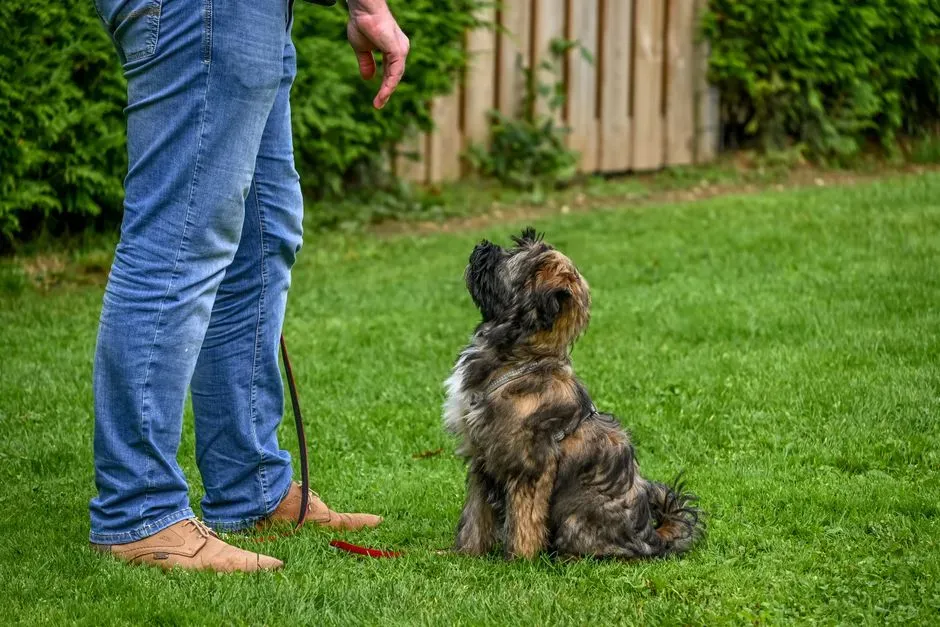
Every household has that one person whose voice seems to cut through the noise for the dog. If you are that person, it is not always because you are stricter or louder. Often, it is because your dog has built a history of communication with you specifically. They have learned your patterns, your tone changes, and your body language in more detail than anyone else’s. So when you say their name, ask them to come, or give a cue, they tune in faster and respond more consistently.
From a training perspective, dogs form associations between particular people and outcomes. If you are the one who most often reinforces behaviors calmly and consistently, your dog will naturally become more attentive to you. But there is also an emotional layer: dogs tend to work harder and respond more eagerly to the person they are most attached to. If your dog will break away from distractions for you while half-ignoring others, you are more than just a handler. You are their main communication partner in a human-dog world that can be confusing without that anchor.
8. They Mirror Your Emotions and Routines
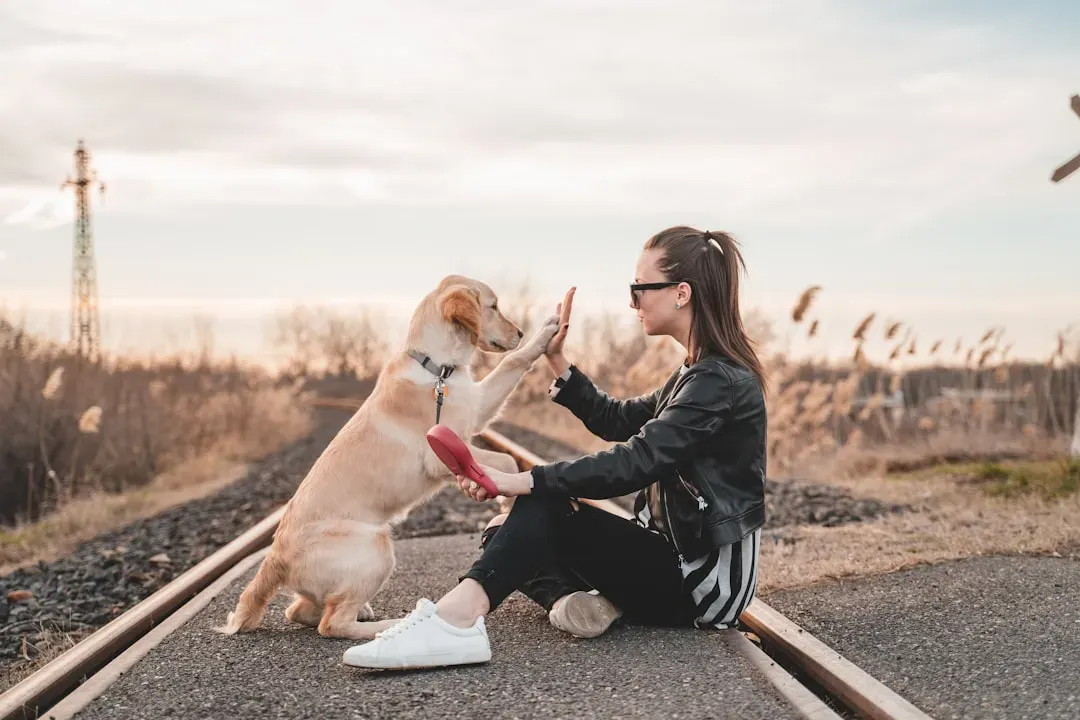
Dogs are surprisingly good emotional barometers. Many will become more settled when you are calm, more playful when you are upbeat, and quieter when you are sad or tired. If your dog seems particularly tuned in to your emotional shifts – coming closer when you are down, backing off a little when you are frustrated, or matching your energy during a good day – it often means they have invested heavily in understanding you. That kind of emotional mirroring takes time and attention, and dogs usually offer it most strongly to their chosen person.
On a more practical level, notice whether your dog has synced up to your schedule more than anyone else’s. Do they wait for you to go to bed before fully settling? Do they perk up when you grab your keys but not as much when others do? This behavior reflects what researchers call social referencing: dogs use the reactions and habits of a trusted person to interpret what is safe, what is exciting, and what is routine. If your moods and movements act like their internal weather report, it is a big sign that the bond between you runs very deep.
9. They Bring You “Gifts” or Their Most Precious Things
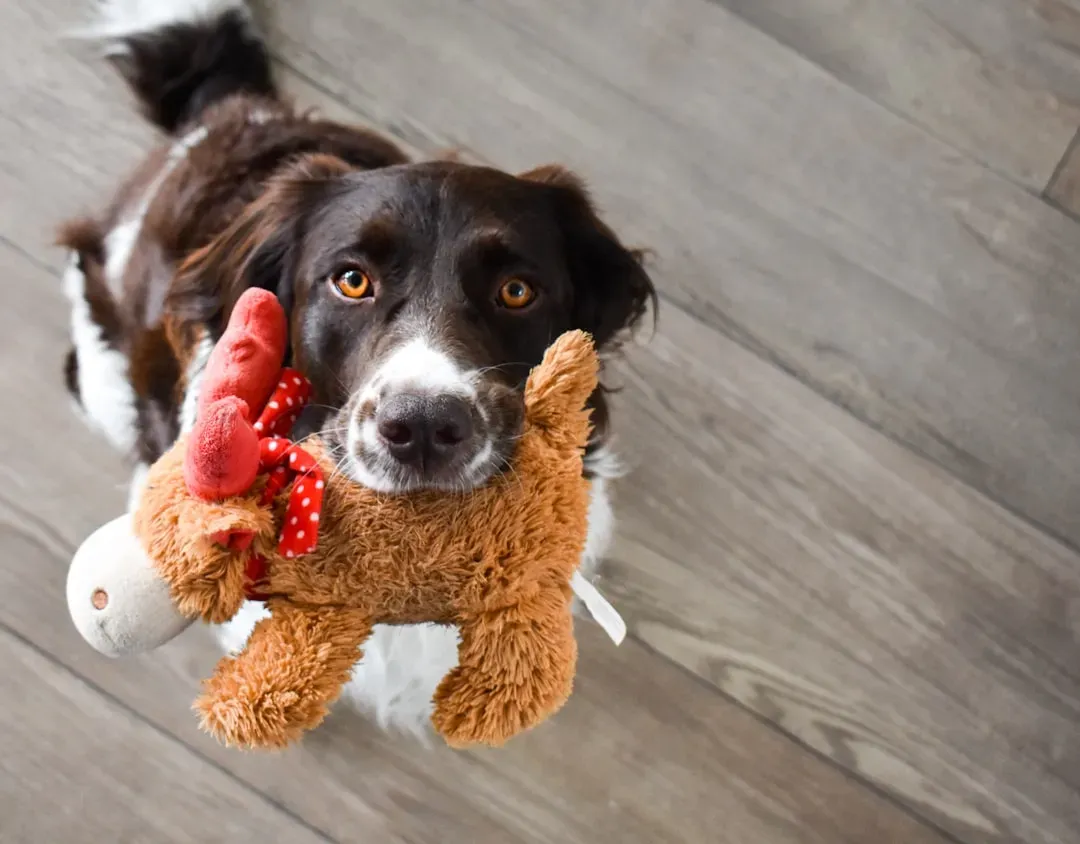
Dogs do not think about gifts the way humans do, but who they bring their favorite toy or special object to can say a lot about who they feel connected to. If your dog trots over to you with a slobbery ball, a squeaky toy, or even something random they “discovered,” they are inviting you into their world. In dog terms, sharing play or prized items is both social and vulnerable. Those toys and objects are important resources, and choosing you as their playmate or recipient shows trust and preference.
This behavior also has a practical, science-backed angle: many dogs use objects and play to seek interaction and attention from the person they like the most. Play is not just entertainment; it is a bonding tool that releases feel-good chemicals for both dog and human. If your dog repeatedly chooses you as the person they want to engage with – interrupting your work with a toy in their mouth, nudging your hand, or staring at you until you notice – it is a furry, somewhat pushy way of saying that you are their favorite teammate.
10. They Show Subtle Guarding or Protective Behaviors Around You
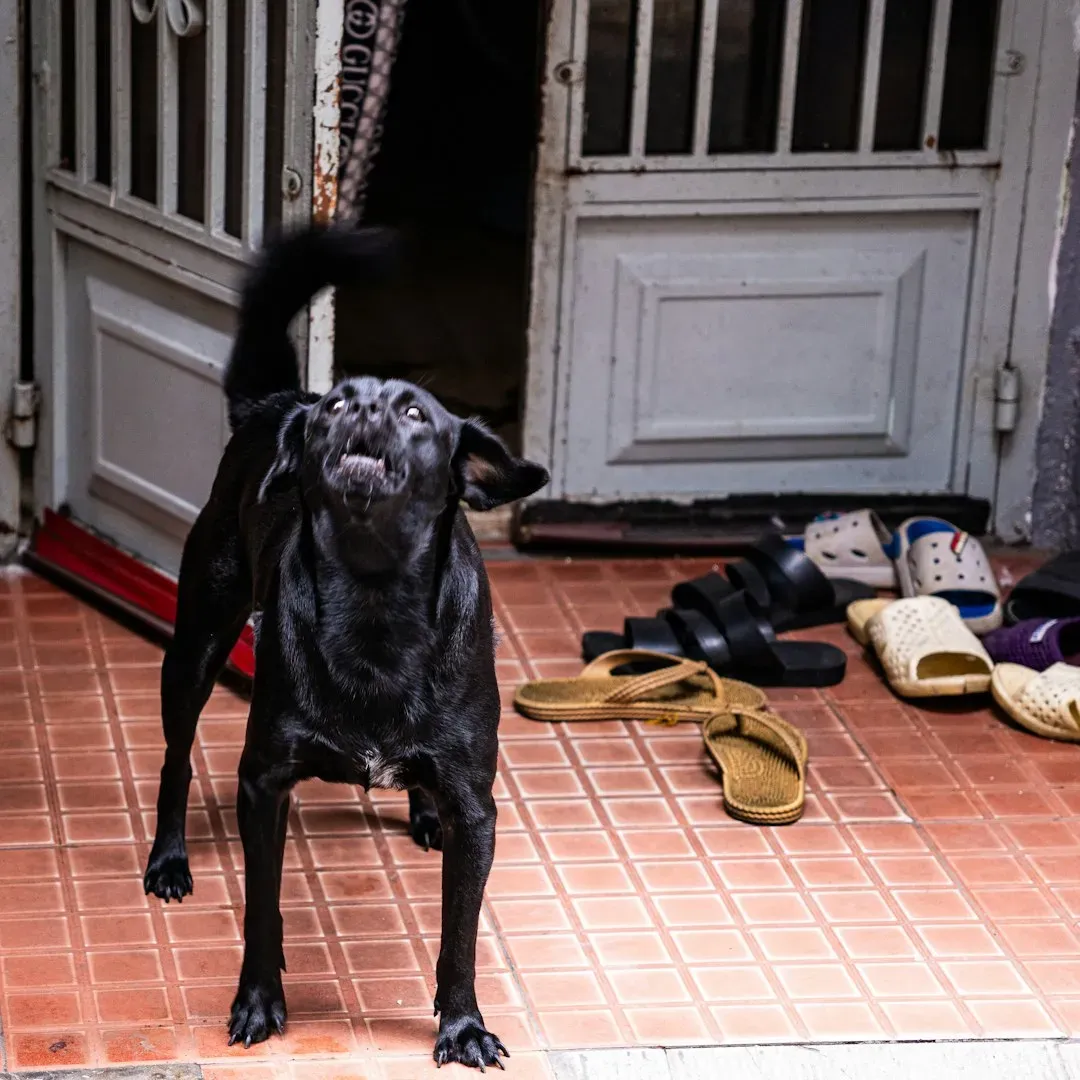
Not every bond shows up as obvious “guard dog” behavior, and not every dog will stand between you and a stranger dramatically. But many dogs that have chosen a person will display quieter, more nuanced protective signals. They might place themselves between you and something unfamiliar, watch new people closely when they approach you, or position themselves near you in crowded or chaotic environments. They are not necessarily aggressive; they are simply on alert because you matter to them.
From an evolutionary point of view, dogs and humans have coexisted for thousands of years in a partnership of mutual protection and benefit. When your dog subtly adjusts their body to keep you in their orbit or responds faster when they sense you are startled or worried, they are acting out that ancient contract. If your dog’s attention sharpens when someone moves toward you quickly, or if they calm only when they see you are relaxed, they are signaling that your safety and comfort are part of their job description.
11. They Seek Comfort From You in Small, Everyday Ways
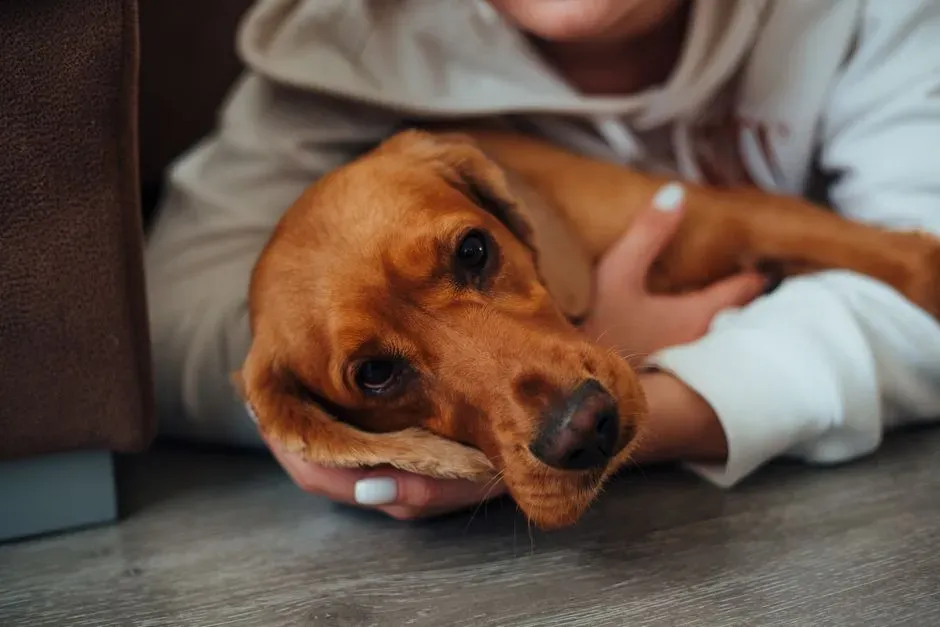
Sometimes the clearest sign is not dramatic at all. It is the tiny moments: a paw resting lightly on your foot, a head nudging under your hand when you stop petting, a quiet sigh as they lean their weight against your leg. These are what some behaviorists call affiliative behaviors – little gestures that maintain and strengthen social bonds. Your dog may not be asking for food or play. They are simply checking in, making sure the connection is still there, the way humans might lightly touch someone’s shoulder or sit a bit closer on the couch.
If, when they feel uncertain or just a bit lonely, your dog chooses contact with you over wandering off or self-soothing elsewhere, that speaks volumes. They may come find you in another room just to lie down by your chair, or climb onto the bed at night and curl up near your feet. These quiet requests for closeness are some of the most powerful signs that they do not just live with you – they belong with you, and they know it.
Conclusion: When a Dog Chooses You, It Changes Both of You
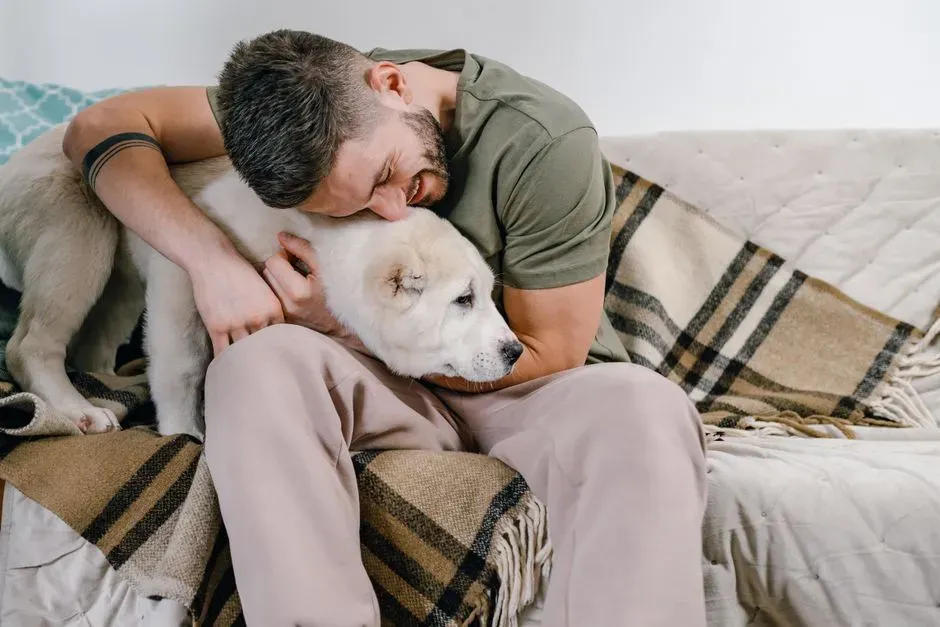
When your dog quietly chooses you as their person, it is not a single cinematic moment. It is a pattern of tiny choices, repeated day after day: following you with their eyes, settling near your feet, looking to you when they are unsure, celebrating when you come home. In my view, that is one of the most humbling relationships we ever get to have. You become their translator, their safety net, their favorite voice in a noisy world – and whether you feel ready or not, they have handed you a responsibility that is both emotional and ethical.
I think the real magic is that this choice changes you, too. You start noticing your own moods, routines, and reactions because you see them reflected in your dog’s behavior; you grow more patient, more observant, more grounded. If you recognize many of these signs in your own life, your dog has likely already made their decision. The question now is what you will do with that trust. Will you rise to it, protect it, and enjoy every silly, tender, everyday moment it brings – knowing that, for your dog, you are already their forever person?