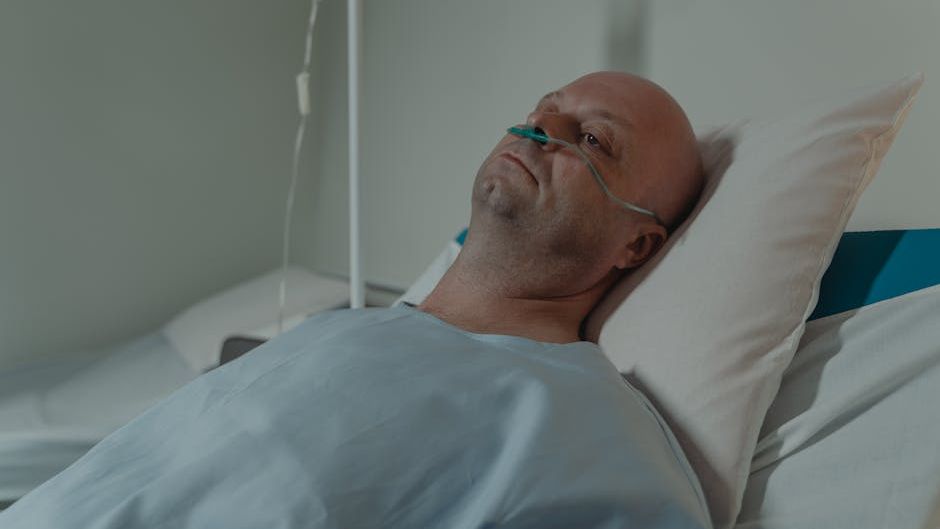

Ask any doctor and they’ll tell you: for all our scans, monitors, and lab tests, the moment of dying still feels strangely mysterious. We can often predict roughly when a body will fail, but what it actually feels like from the inside, why some people hang on against all odds while others slip away suddenly, or how a quiet room can feel charged in the seconds before a final breath – those parts still sit at the edges of science. Death is something we can measure in heartbeats and brain waves, yet the experience itself constantly refuses to fit neatly into charts or checklists.
I’ve heard more than one clinician admit, almost sheepishly, that there are deaths they “can’t quite explain,” even after decades in practice. You see patterns, you learn the usual trajectory, but then a patient breaks every rule – waking up just long enough to say goodbye, or dying peacefully minutes after being told it’s okay to let go. We love to think medicine has all the answers, but when it comes to dying, we’re still very much in a gray zone, humbly piecing together clues and trying to make sense of what really happens when a life ends.
The Strange Timing: Why Some People “Wait” To Die
One of the most haunting mysteries around dying is timing. Doctors see patients who seem medically stable for days, then die suddenly right after a particular visit, a phone call, or the arrival of a loved one. Others seem to linger, defying prognoses by weeks, as if they’re holding on for something or someone. There’s no lab value that predicts the moment a person decides – consciously or not – to let go, and that mismatch between medical expectation and actual timing quietly bothers a lot of clinicians.
It’s hard not to notice the stories that repeat: the parent who dies the night after their child finally flies in, the partner who passes peacefully just after hearing words of forgiveness, the grandparent who slips away hours after a favorite holiday. A skeptic will say this is pattern-finding in random events, but when doctors and nurses witness the same kind of “waiting” hundreds of times, it starts to feel like more than coincidence. The truth is, we don’t yet understand how psychology, connection, and biology tangle together in those final hours – and that gap might be one of the most human parts of the whole process.
The Near-Death Experience Puzzle: Real Insight Or Brain Illusion?

Near-death experiences are one of the most controversial medical puzzles around dying. People revived after cardiac arrest or severe trauma often describe similar themes: a sense of leaving their bodies, traveling through darkness, intense peace, or seeing scenes from their lives. Neuroscientists point out that a dying brain can fire in unusual patterns, creating vivid experiences that feel profoundly real even if they’re just misfiring circuits. Still, the consistency across cultures and stories unsettles anyone who wants a clean, material explanation.
Clinically, what makes this so tricky is that we can record some brain activity right around the time the heart stops, but we can’t step inside the experience itself. Even careful studies that interview people after resuscitation end up with a messy mix of powerful stories and patchy data. Some experiences match what we’d expect from a struggling brain; others include details that are much harder to brush away. So doctors live in this unresolved tension: respecting the power of what patients describe, while admitting that we don’t have a solid scientific model that fully explains what they saw, felt, or somehow “knew” on the edge of death.
The Final Rally: Why Some Patients Suddenly Seem To Get Better

Many families have lived through the eerie “last rally,” when a dying person suddenly seems brighter, more alert, or more themselves right before the end. They may ask for a favorite meal, crack a joke, or have a lucid conversation after days of confusion or unresponsiveness. Medically, there are a few partial explanations – shifts in brain chemistry, pain medication wearing off, tiny changes in oxygen – but none fully explain how someone who looked close to death can have such a surprisingly clear moment.
Doctors and nurses see this often enough that they warn families: a good day or good hour near the end does not always mean true recovery. Still, even knowing that, the experience feels almost miraculous when it happens. It’s like the body and mind gather up a last reserve of energy to close unfinished business, say what needs to be said, or leave a different final memory. Why that happens in some deaths and not others remains an open question, and it’s one of those places where medicine quietly admits it doesn’t have a satisfying answer.
The Mystery Of Consciousness: When Is Someone Really “Gone”?
We talk about death as if it’s a precise moment, but in reality it’s a process, and consciousness sits at the center of the confusion. A person may no longer respond, may not move or speak, yet sometimes they still seem to react to touch, to a familiar voice, or to music. We can monitor brain waves and reflexes, but none of those tests can tell us with total certainty whether someone can still hear, feel, or sense what’s happening around them. For families, that uncertainty can be both comforting and agonizing.
Even the definition of death has shifted over time, from stopping the heart to the more modern idea of brain death, and debates continue over where to draw the line. That tells you how unstable our understanding still is. In practice, many clinicians act as if hearing might be one of the last senses to fade, asking families to keep talking, singing, and saying what matters, just in case. The hard truth is that we don’t fully know when the inner experience of being a self actually disappears – and that unknown might be one of the most unsettling aspects of dying for modern medicine.
Visions, Voices, And “Visitors” At The End Of Life
Another recurring mystery is how many dying people report seeing or speaking with deceased relatives, beloved pets, or other “visitors” in their final days. On a purely medical level, these experiences can be labeled hallucinations, often linked to medications, metabolic changes, or delirium. Yet unlike typical delirium, many end-of-life visions are calm, coherent, and strangely consistent: people describe comforting presences, not random or frightening images, and they often feel reassured rather than distressed.
Clinicians who work in hospice care will quietly admit that they see this a lot, across cultures, ages, and belief systems. Some patients become less afraid after these encounters, as if they’ve been told in some private language that it’s okay to go. Science has not pinned down a clear mechanism for why the brain might generate these specific kinds of visions at the threshold of death. So we’re left with parallel interpretations: one grounded in neurochemistry, another in meaning and mystery, and no way – yet – to prove one version right or wrong.
Pain, Peace, And The Unpredictable Emotional Landscape Of Dying
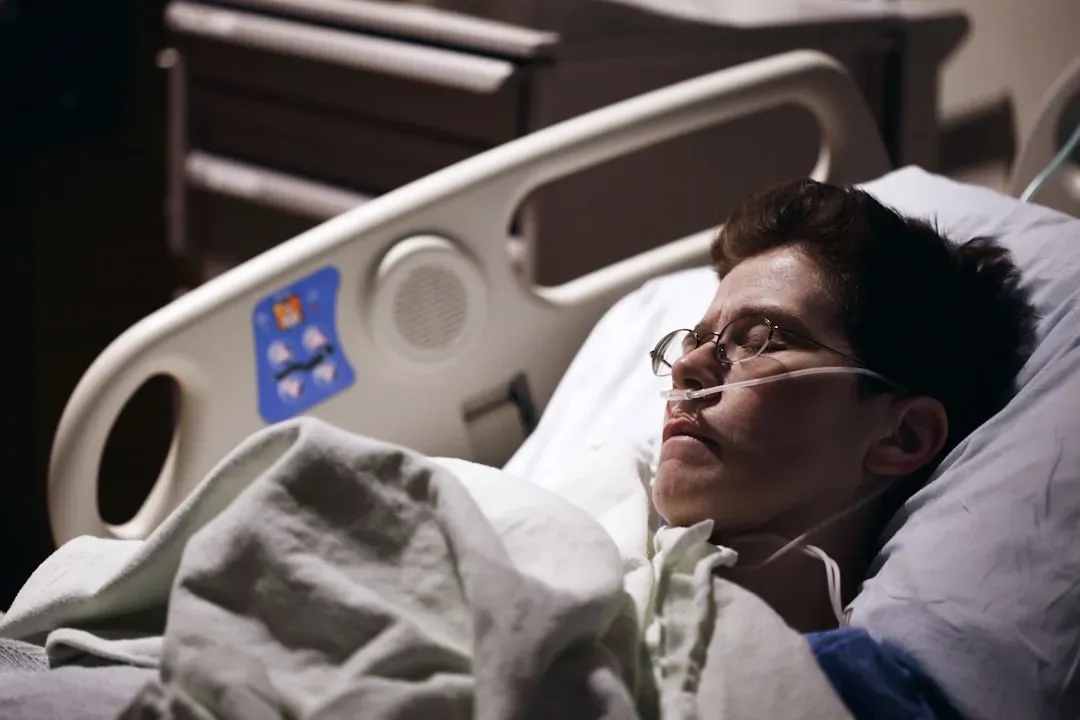
On paper, we can manage pain better now than at any other point in history, yet the actual emotional experience of dying is still wildly unpredictable. Two people with nearly identical diagnoses and similar physical symptoms can have completely different internal journeys: one feels mostly fear, regret, or anger, while the other describes deep calm, acceptance, or even gratitude. We know that mental health, trauma, spirituality, and support all shape this experience, but we cannot look at a scan or a lab test and forecast how someone will emotionally meet their own death.
There are patients who, even with excellent symptom control, remain terrified right until the end, and others who somehow reach a surprising peace in the middle of chaos. From the outside, medicine can adjust drugs and provide counseling, but that last internal shift – if it happens at all – belongs to the person who is dying. That gap between what we can treat and what we cannot touch is humbling. It forces even the most technical doctors to admit that the emotional reality of dying belongs to a realm that medicine can support but never fully control or understand.
The Body’s Final Shutdown: Why The Same Disease Can End So Differently
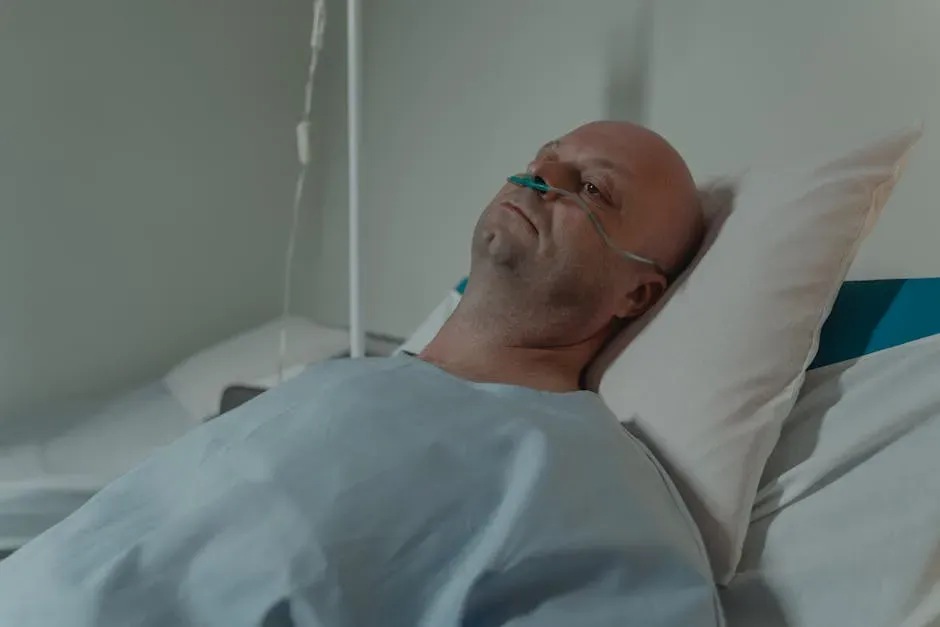
One of the most practical puzzles is how unpredictable the body’s final shutdown can be, even when the underlying disease is the same. Two patients with similar heart failure, cancer, or lung disease can follow totally different paths at the end: one experiences a slow, gentle decline, the other a rapid, stormy collapse. We have models and scoring systems to estimate prognosis, yet they remain just that – estimates. At the bedside, doctors are often honest that they can say “soon,” but very rarely “on this day, in this way.”
Part of the problem is that dying involves multiple systems failing together in complex ways we still don’t fully map. Small differences in reserves, infections, genetics, or even sheer chance can set off cascades that push the body one way or another. Families often ask why their loved one’s death looked so different from what they were told to expect, and there is rarely a neat explanation. Each death plays out like its own difficult improvisation, and medicine, for all its protocols, is still learning how to read the score.
What These Mysteries Say About Us – and About Medicine
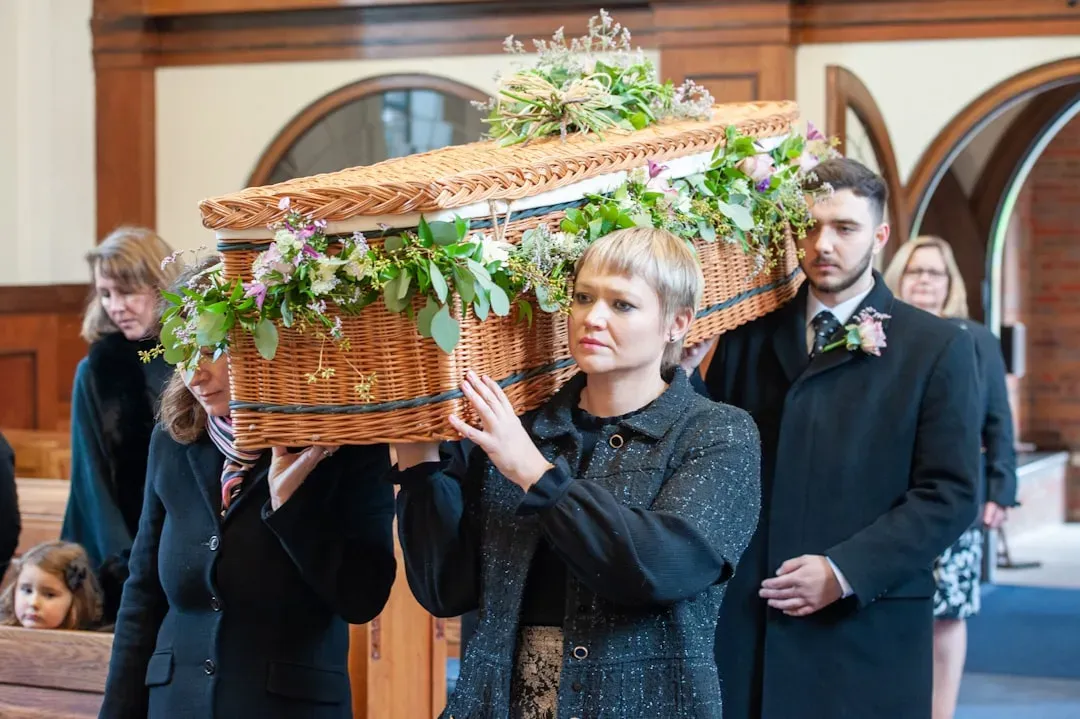
If you zoom out, these medical mysteries around dying expose a quiet truth: for all our progress, we still treat death like a technical failure rather than a profound human transition. We know more than ever about the mechanics of organs shutting down, yet the timing, inner experience, and emotional shape of a person’s final days routinely surprise even seasoned clinicians. In my view, that stubborn unpredictability isn’t just a bug in the system – it’s a sign that death sits partly outside the reach of pure measurement, no matter how advanced our machines become.
Personally, I think the real mistake is pretending we’re close to having it all figured out. We are not. And maybe we do not need to. These unanswered questions push medicine to stay humble, to listen harder to patients and families, and to treat the end of life as more than a problem to be solved. Dying is both biological and deeply personal, a space where brain waves and love, fear and physiology, mystery and science all collide. The medical puzzles we still can’t explain might be frustrating, but they are also a reminder that being human has always been bigger than what shows up on a monitor – when the time comes, what do you hope your own last chapter will feel like from the inside?