
You probably think you’re alone when you step into your yard to grab the mail in your pajamas, water the tomatoes, or pace during a phone call. You’re not. Hidden in the hedge, perched on the power line, or crouched under the deck, an entire cast of wild neighbors is quietly clocking your every move.
Once you realize how many eyes are on you, your backyard starts to feel less like “your property” and more like a shared stage. Some of these animals have learned to read your routines as clearly as you read the weather app. Others remember your face, track your habits, and adjust their own schedules around you. You might think you’re the observer of nature – but in many subtle ways, you’re the one being studied.
Crows: The Neighborhood Face-Readers Overhead
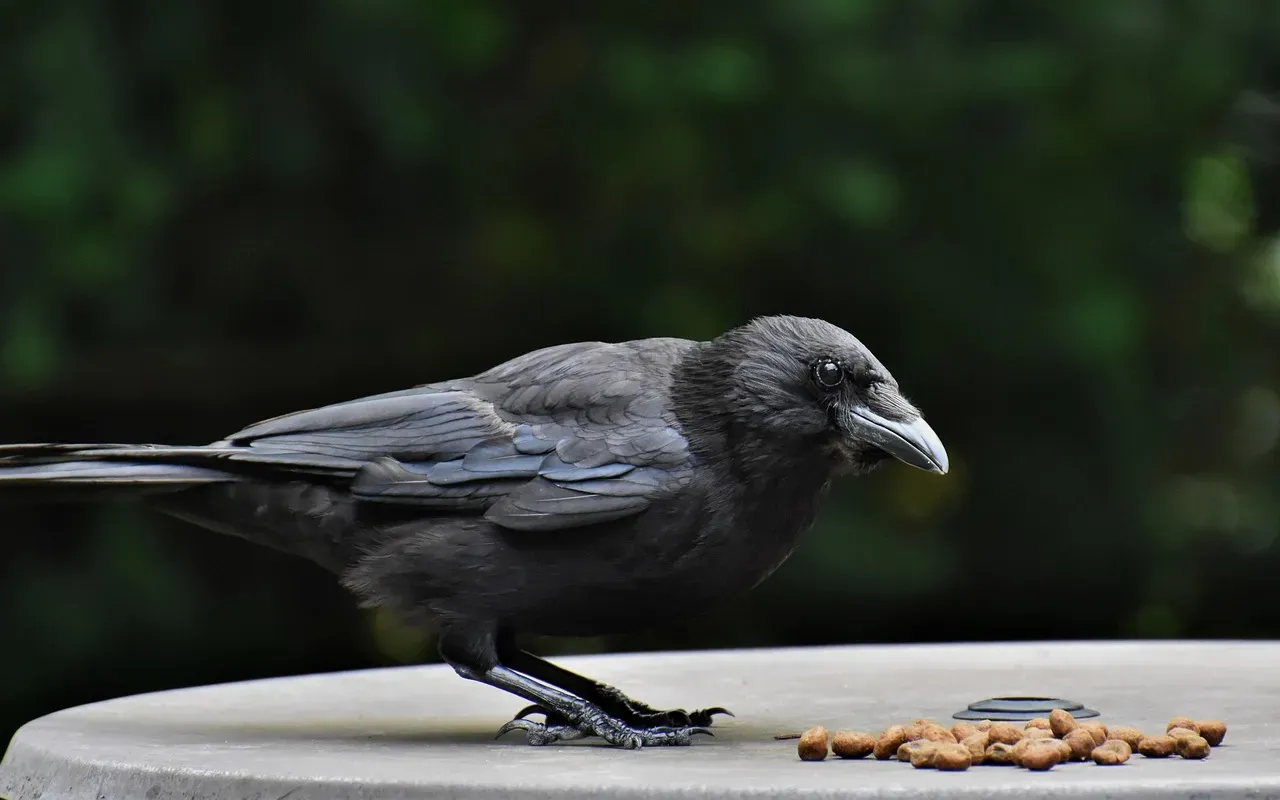
If there’s one backyard animal that truly watches you, it’s the crow. You’re not imagining it when you feel a crow’s gaze following you across the lawn; research has shown that crows can distinguish between individual human faces and remember who treated them kindly or badly for years afterward. Their brain activity even changes when they see a person they associate with danger, which means they do more than notice you – they categorize you.
Because crows are social and vocal, your reputation can spread. If you consistently chase them away, more crows may learn to mob you with alarm calls when you step outside. On the other hand, if you leave food or simply move calmly around them, they may tag you mentally as safe. In a very real sense, you are part of their mental map of the neighborhood, just like that tall pine or the alley dumpster.
Raccoons: Nighttime Investigators of Your Habits
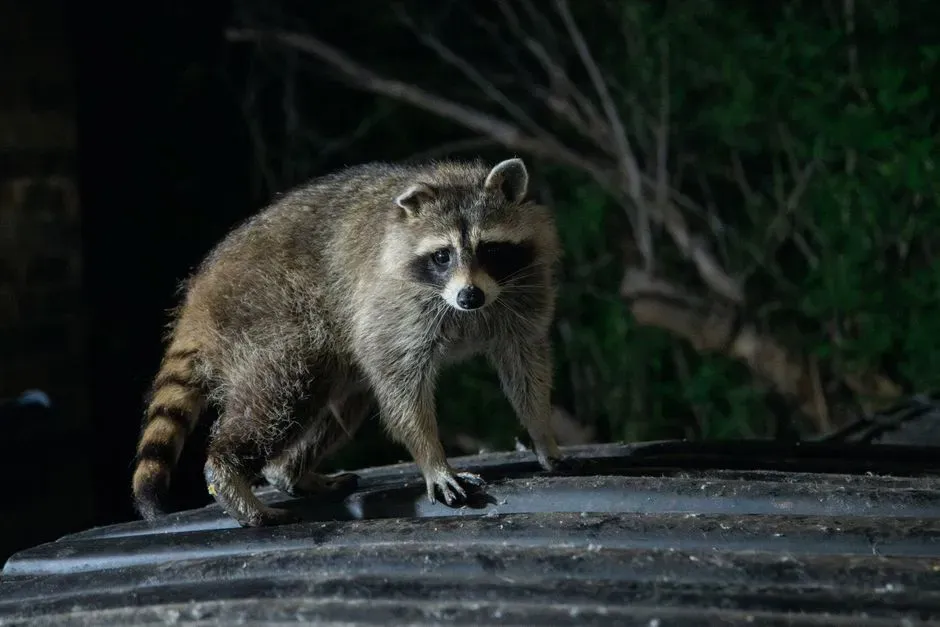
When you go to bed and the house lights click off, raccoons often clock in. Studies tracking raccoons in cities show that they strongly adjust their movements in response to where and when humans are active, tending to roam more at night and in quieter corners to avoid direct encounters. They follow predictable paths between food-rich spots like trash bins, compost, pet dishes, and fruiting trees, and your yard may be a regular stop on that route.
Over time, raccoons can learn your patterns: when you put the trash out, when the dog bowl is left unattended, when the motion light triggers but no one actually comes out. Some research even suggests that city raccoons are shifting toward traits associated with domestication, such as reduced fear around people, because human food waste rewards the bold. That means your late-night snack run to the kitchen might be synced with a masked observer quietly waiting under your deck.
Squirrels: Daytime Recon Experts on the Fence Line
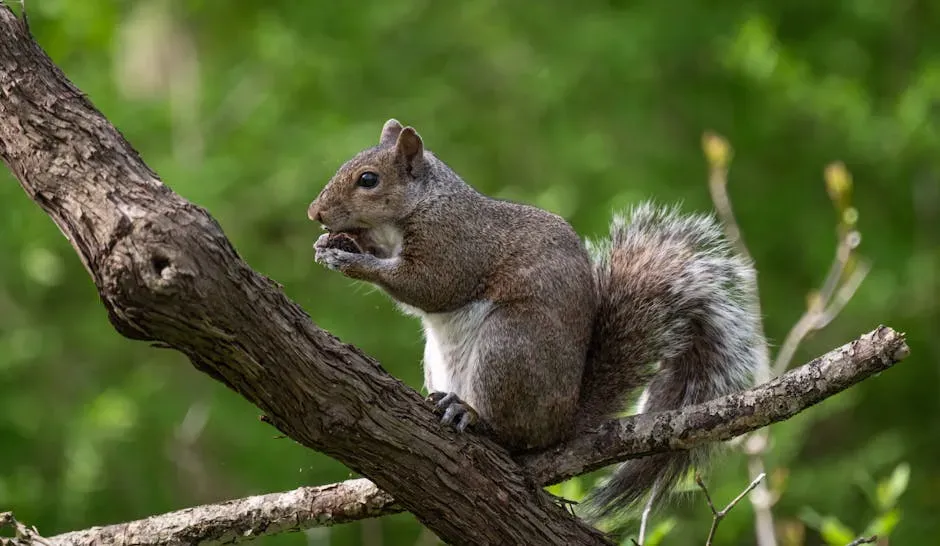
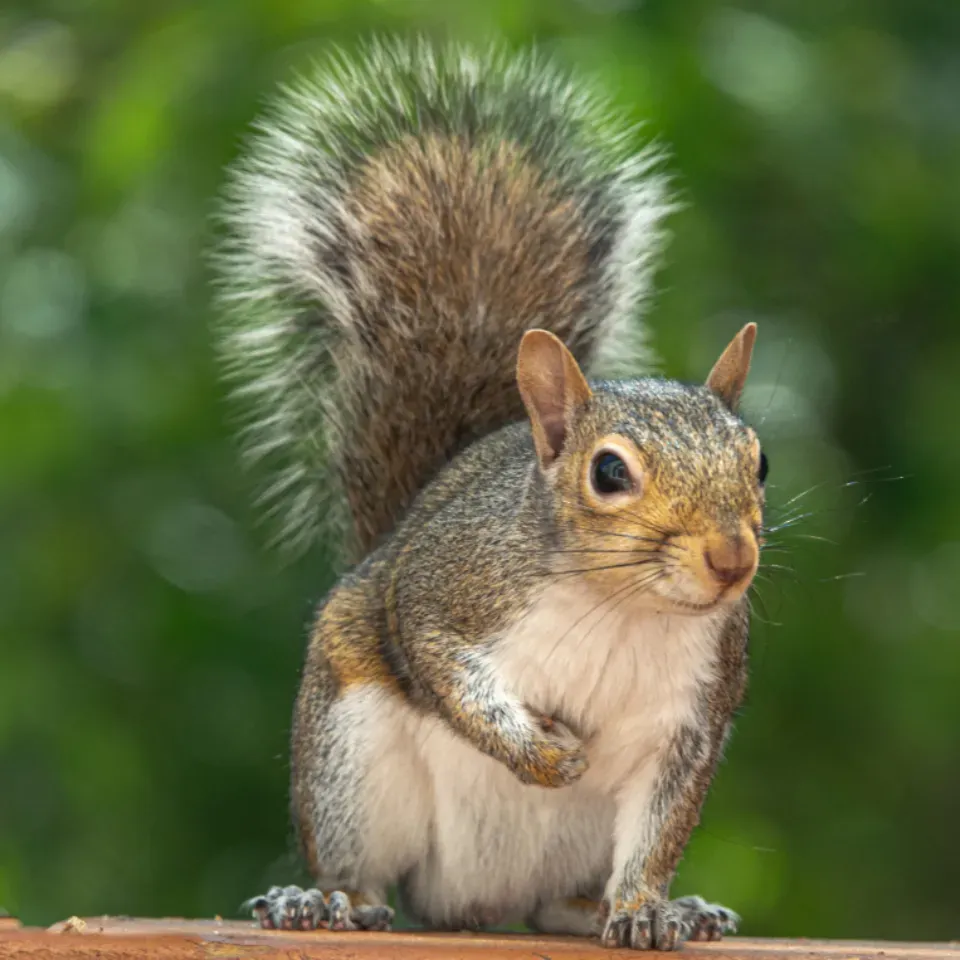
You probably think of squirrels as jittery little acrobats focused only on nuts and bird feeders, but they spend a surprising amount of time watching you. In busy parks and neighborhoods, squirrels often rely on your body language and direction of movement to decide whether to freeze, flee, or keep foraging. They notice how close you usually come, how fast you walk, and whether you tend to toss things or make sudden moves.
Some squirrels become so used to your presence that they barely twitch when you pass, especially if you often refill feeders or drop snacks. Others stay more cautious but still track you from tree trunks, using you as an early-warning system for bigger threats like dogs. In a way, you’re part of their risk-calculation formula, a moving variable that helps them decide whether today is a safe day to dig up that buried acorn.
Songbirds: Subtle Sentinels Tuning in to Your Routine
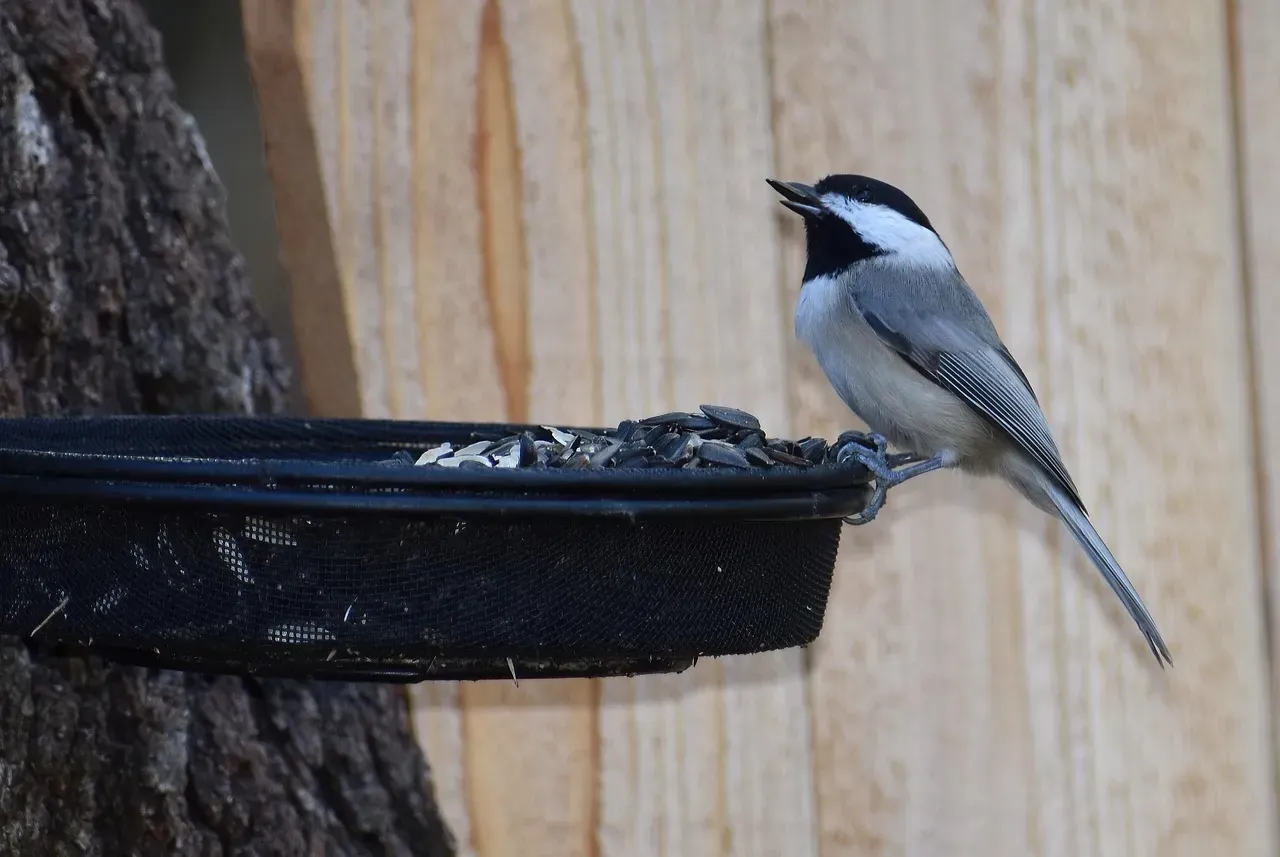
That morning chorus you hear when you open the back door is not just random background music. Many common backyard songbirds – sparrows, chickadees, finches, robins – use you as one more environmental signal. They quickly learn when you usually appear, whether you refill feeders, and how close you tend to walk to their favorite shrubs or nesting spots. When you step out, you’ll often notice a brief hush followed by a cautious resumption of calls once they decide you’re not an immediate threat.
Feeder birds, in particular, watch you very closely. They may wait in nearby trees until you go back inside, then swoop in minutes later, having judged your distance and behavior. Over time, some birds recognize that certain humans are basically mobile food dispensers, while others – especially those accompanied by unleashed pets – are treated as much higher risk. Without realizing it, you help shape when they sing, feed, and move through your yard.
Deer: Quiet Evaluators at the Edge of the Trees
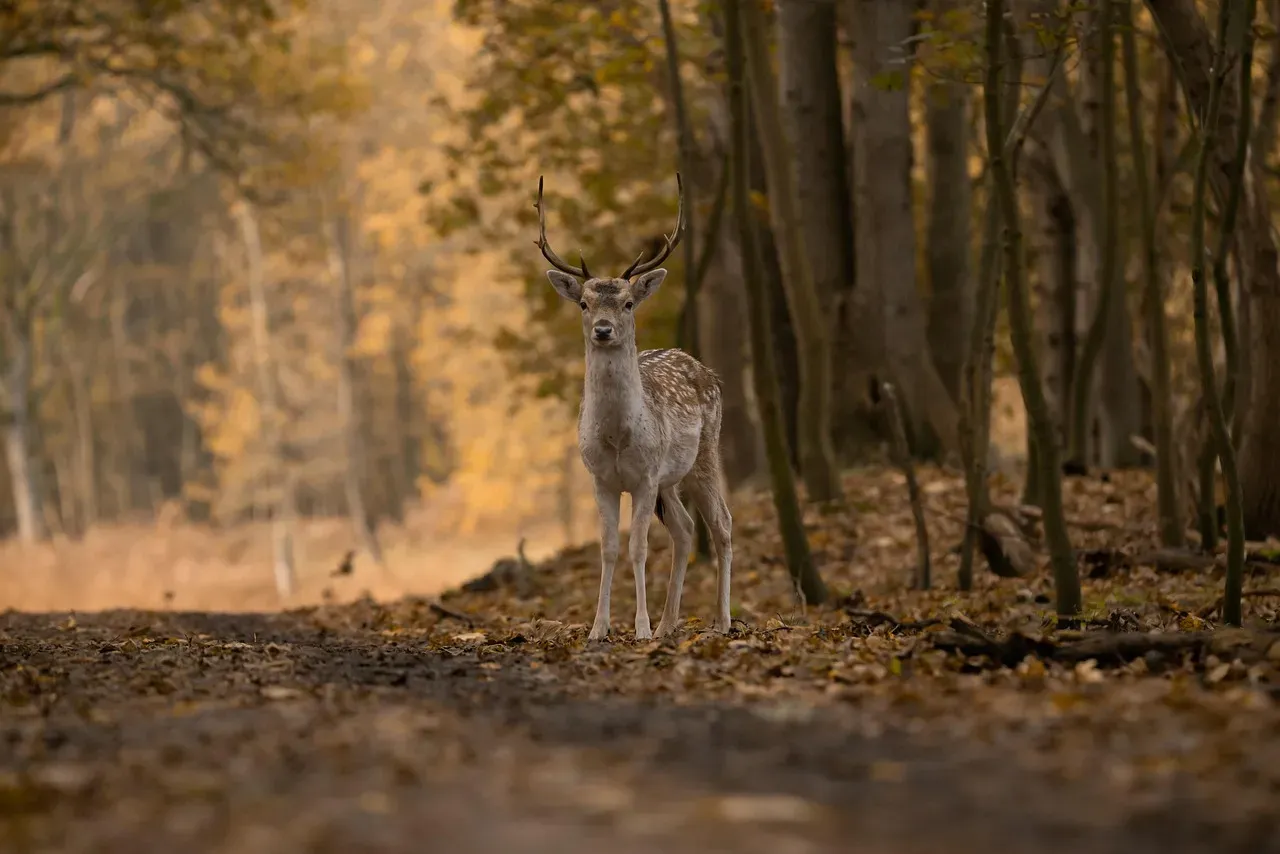
If you live near woods or even a greenbelt, there’s a decent chance deer are watching you from just beyond the fence line. Deer rely heavily on sight, sound, and scent to assess humans, and they often stand motionless in cover, tracking your movements long before you ever notice them. In areas where people are common but not actively hunting, deer can learn to tolerate certain distances and behaviors, treating a slow-moving person on a regular path as low risk.
At the same time, deer rarely become truly relaxed around you. Even when they graze calmly near houses, at least one individual is usually on lookout duty, ears swiveling and eyes fixed in your direction whenever you step outside. Over seasons, they may recognize that you, specifically, usually just walk the dog or water the flowers and then go back in, but that thin line of wariness never fully disappears. Your presence in their mental landscape is a moving question mark they re-evaluate every time you appear.
Rabbits: Early-Warning Specialists in the Grass
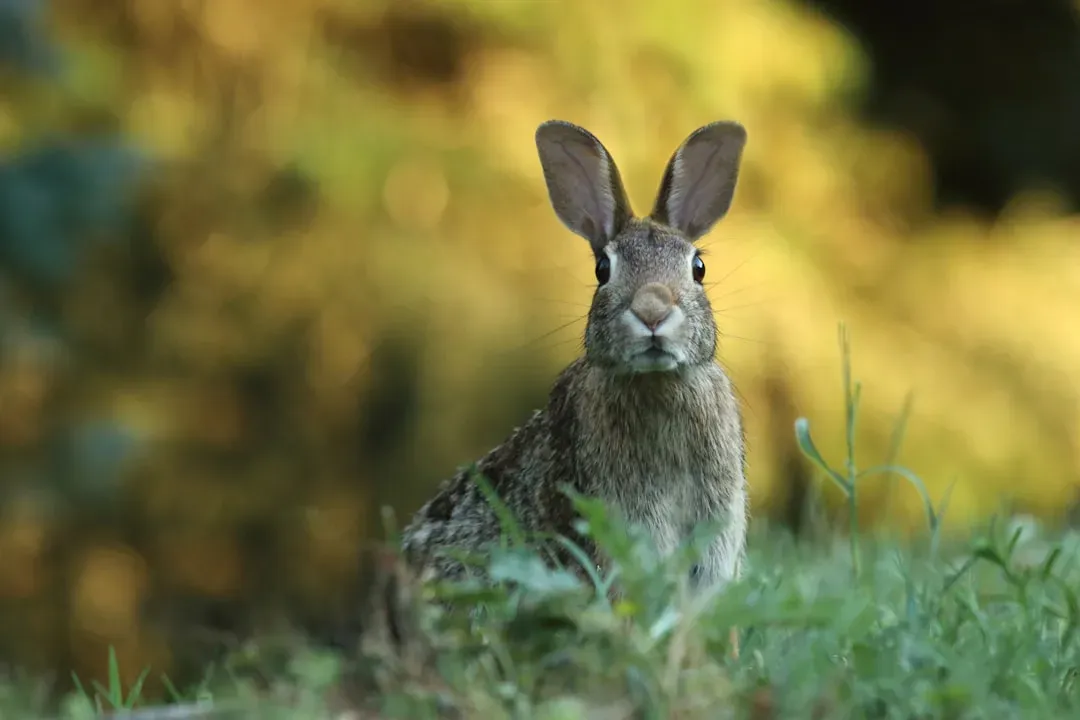
Rabbits may look like simple, nervous lawn ornaments, but they are expert watchers. When you slide open the door and see one crouched in the grass, it has usually spotted you first and is in that tense decision phase: stay or bolt. Rabbits rely on you to give away your intentions through speed, direction, and noise. A slow, predictable route to the garden shed may be tolerated, while a direct line toward them sends them rocketing for cover.
Because they are prey for so many predators, rabbits treat you as both a potential threat and a useful signal. If you pass by calmly and predators like foxes or hawks keep their distance when you’re outside, your presence can actually create safer windows for them to feed. That might be why you often see rabbits more at dawn and dusk, when human activity is lower but still enough to discourage some of their natural enemies.
Opossums: Cautious Custodians of the Night Shift
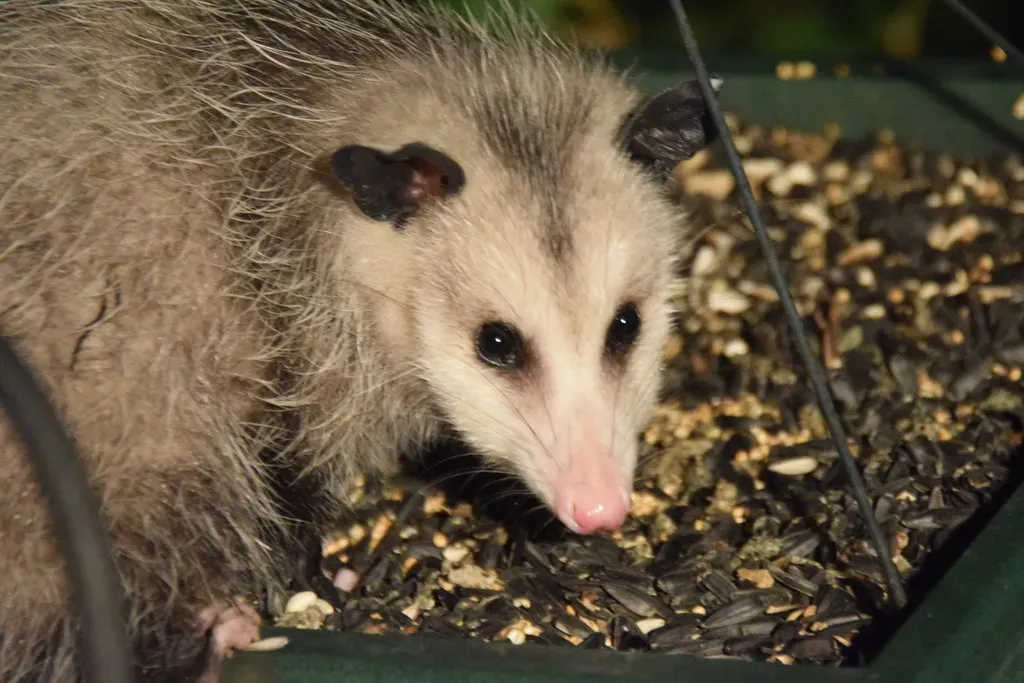
Opossums move through yards like shy janitors, cleaning up fallen fruit, carrion, and spilled pet food after dark. Camera-trap studies in urban and suburban areas show that they often become more active when human activity drops, indicating that they watch and respond to your schedule even if you never see them directly. They time their slow, deliberate patrols to the quieter hours when lights are dim and doors are closed.
When an opossum does encounter you – usually by accident near a trash can or under a deck – it spends a moment assessing your reaction. If you back off or ignore it, the animal logs that information and may treat that corner of your property as relatively safe in the future. If you chase or harass it, it may shift routes and time its visits even later to avoid you. Either way, your behavior silently sculpts its nightly mental map.
Foxes: Urban Ghosts That Schedule Around You
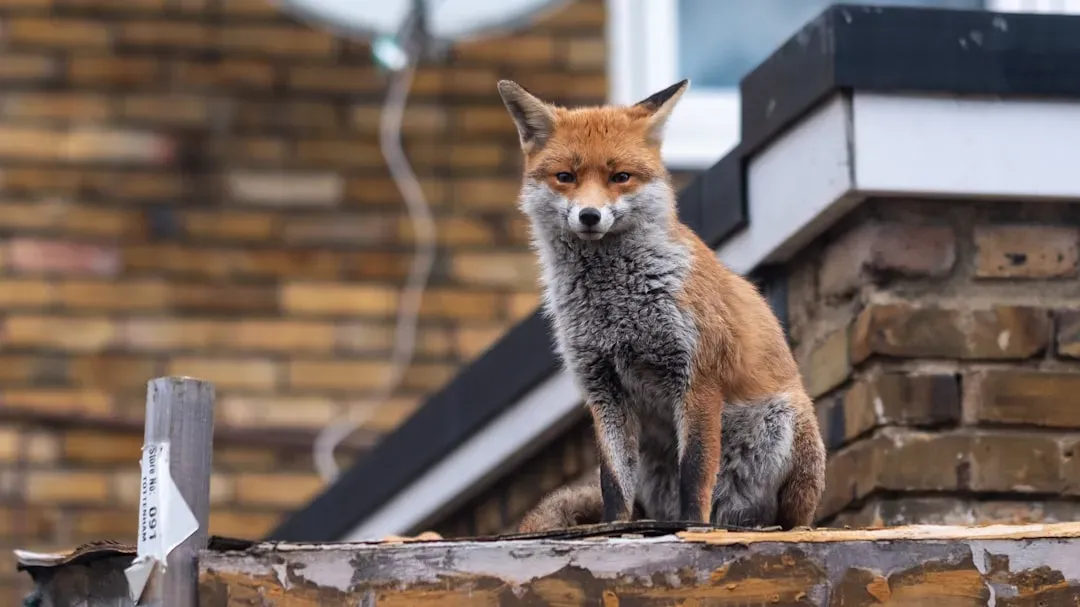
In many towns and cities, red or gray foxes slip through backyards like shadows, often captured only on security cameras or motion-triggered lights. Studies on carnivores in urban parks show that foxes tend to become more nocturnal and crepuscular where humans are highly active, essentially working the opposite shift from you. That means they learn the rhythms of your dog walks, trash nights, and patio hangouts and thread their movements through the gaps.
Foxes also watch you indirectly by monitoring your pets and your scent trails. A dog that patrols the yard loudly may convince a fox to stay on the periphery, while a quieter household can invite more frequent close passes. To a fox, your yard is part obstacle course, part opportunity: a place where rodents are drawn to birdseed and compost, but where a misjudged encounter with you or your dog could be costly. So they keep tabs on you, then slip by when you’re distracted, asleep, or inside with the curtains drawn.
Domestic Cats: Backyard Predators with a People Radar
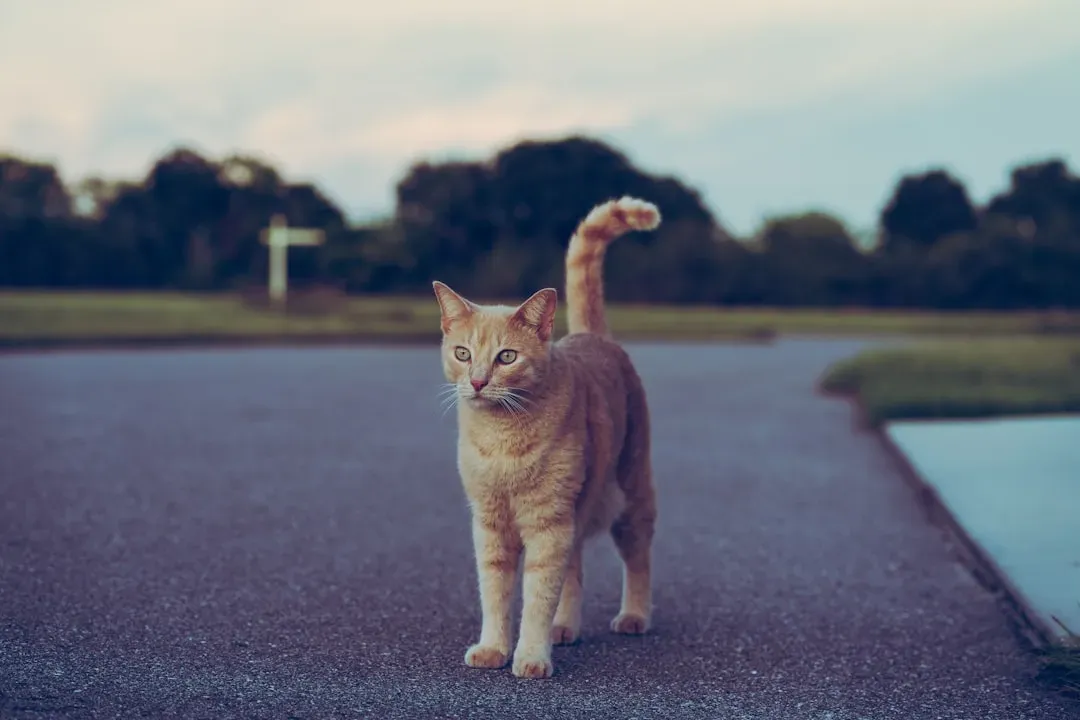
If you let your cat roam outside, you are being watched more than you realize – by your own pet. Free-roaming cats track your movements closely to time when to beg for food, when to slip out of sight, and when to stash themselves somewhere you’re unlikely to interrupt. Studies on urban carnivores often treat outdoor cats almost like wild predators, because they prowl, stalk, and use human schedules just like raccoons or foxes do.
Your cat learns your habits with unnerving precision: when you usually go to work, when you take out the garbage, when you call it inside for the night. It may sit under a shrub, eyes glowing, waiting for the sound of the door you always use. You feel like you own the yard, but your cat navigates it as its private hunting ground, with your routine as a highly reliable background signal.
Hawks and Other Raptors: High-Perched Observers of Your Yard Life
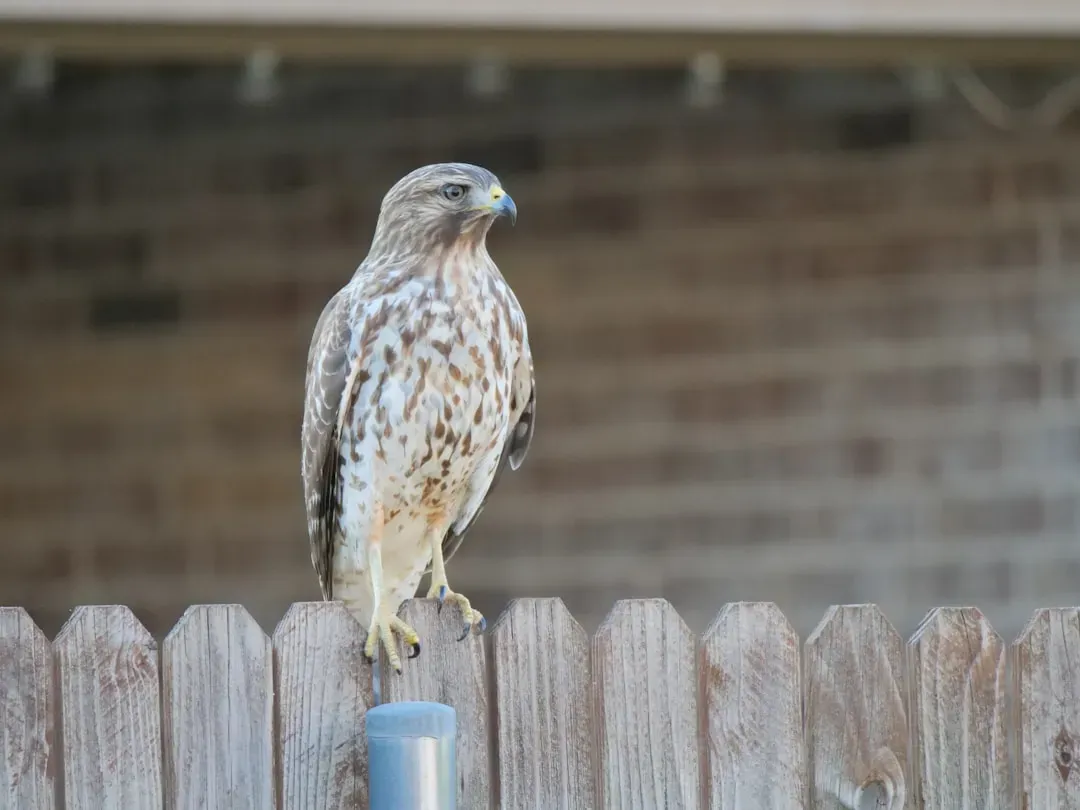
When a hawk sits on a pole or tall tree overlooking your backyard, it is not just randomly perched – it is scanning everything, including you. Raptors track the movement of small animals, but in human-dominated landscapes they also pay attention to your presence. If you step outside and small birds erupt from the feeder, you’ve just provided a burst of information about where prey is abundant and how easily it spooks when you appear.
Over time, hawks may associate certain human activities with feeding opportunities. A freshly mowed lawn can expose rodents, and a busy bird feeder can aggregate distracted songbirds. If you frequently refill feeders or maintain lush, rodent-friendly gardens, a local raptor quickly learns that your property is worth watching from a safe distance. You become part of a bigger pattern – an unpredictable giant whose actions ripple through the food web.
Skunks: Low-Profile Scouts Timing Their Moves
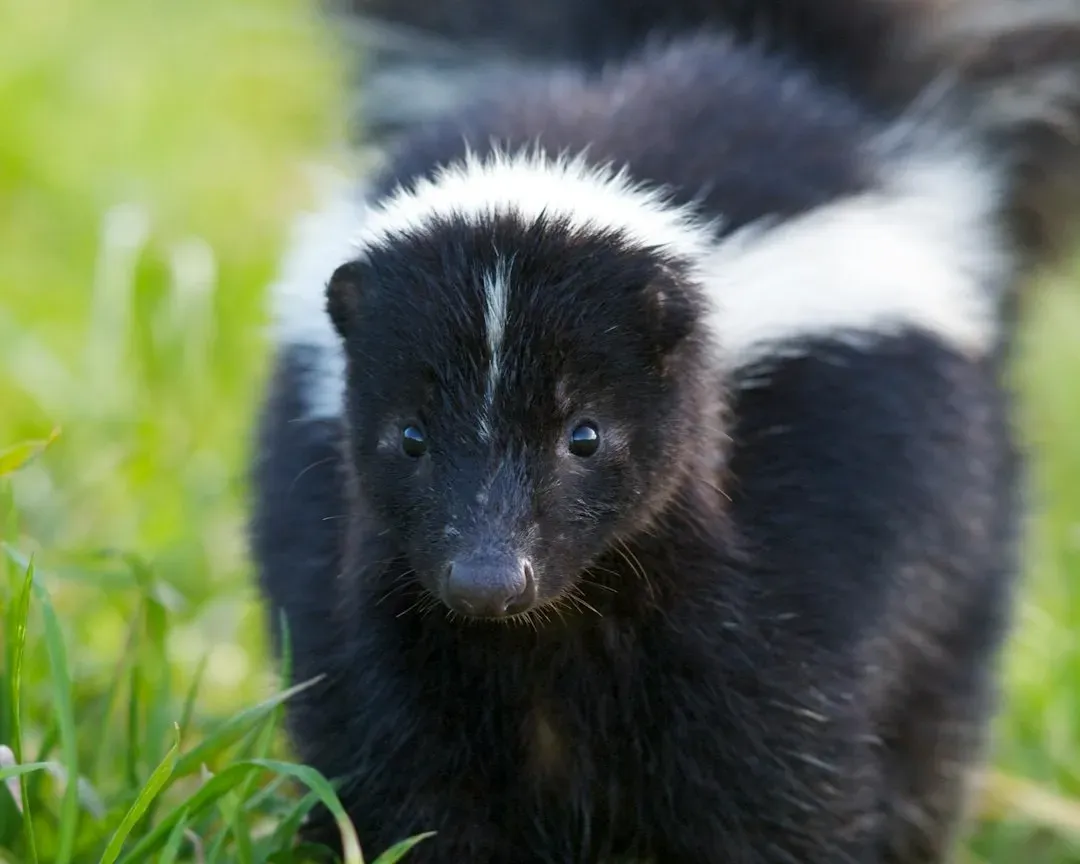
Skunks might be the ultimate low-drama observers. They usually want nothing to do with you, but their entire survival strategy depends on knowing where you are and when you are least likely to appear. Motion-sensor studies show that many medium-sized mammals, including skunks, shift their activity to the hours when humans are least active. That suggests they track the general hum of your neighborhood and respond by becoming almost invisible.
When a skunk wanders across your lawn, it has already “read” your environment: the presence of dogs, the frequency of car doors slamming, how often porch lights flick on. If you surprise one, its hesitation before spraying is partly an assessment of your next move. Back away slowly and you become just another harmless component of the nightly backdrop. Crowd it or chase it and it will update its mental file on humans in your yard in a very pungent way.
Chipmunks and Small Rodents: Tiny Watchers at Ground Level
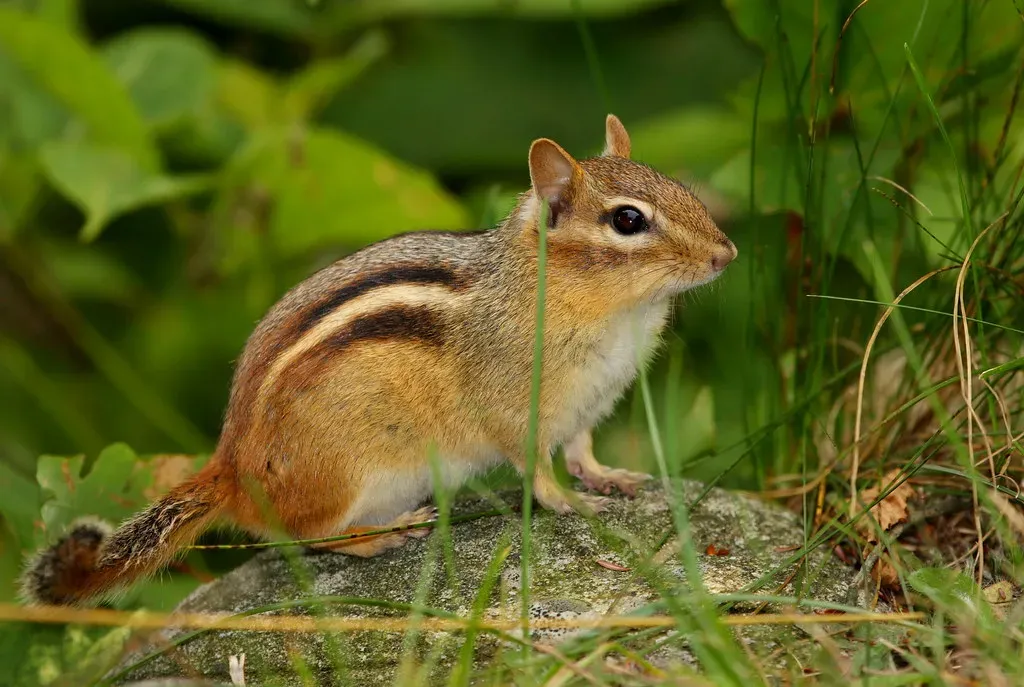
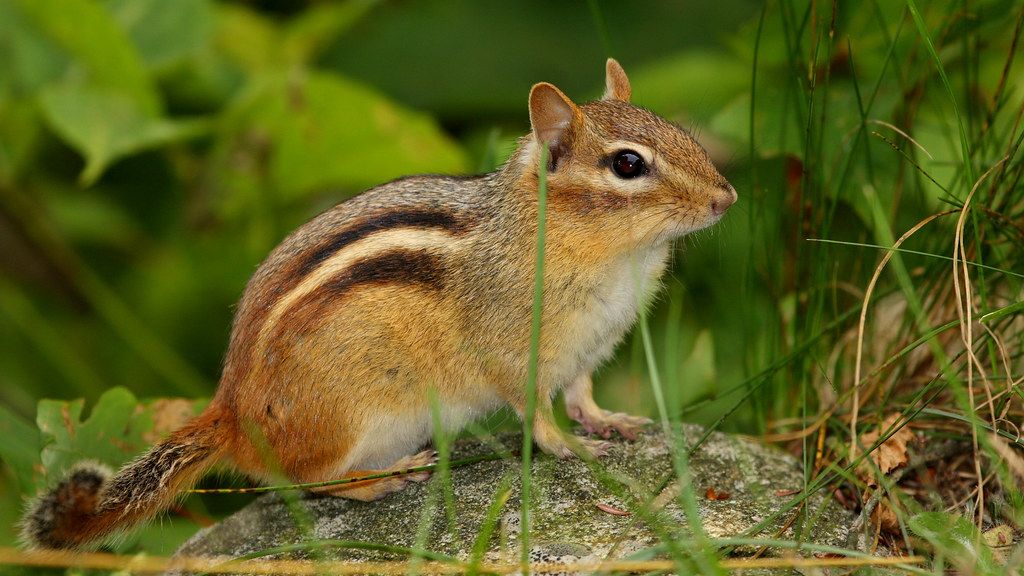
Chipmunks, voles, and other tiny rodents are so common that you may barely notice them, but they are hypersensitive to your presence. They often freeze at the slightest vibration or shadow, watching your feet and listening for changes in your voice and pace. For them, you are both a towering threat and an indirect shield, because many of their natural predators avoid you even more than they do.
These animals quickly learn which human paths are predictable and which corners you rarely visit. That is why you often see chipmunks repeatedly darting across the same stepping stones or fence lines; they have mapped out where you usually walk and where they have a head start if you change direction. In their world, you are like a moving weather system – dangerous in some situations, oddly protective in others, and always worth watching.
Conclusion: You Are Part of the Wildlife Story
Once you start noticing how many backyard animals track you – by sight, sound, and routine – it changes how you see your own space. The yard that felt like a private bubble turns out to be more like a small, busy plaza shared by many species, each with its own mental model of you: dangerous, neutral, or occasionally helpful. You are not just living beside wildlife; you are woven into their daily decision-making.
If you lean into that reality, you can turn your property into a safer, richer place for both you and your wild neighbors. Simple actions – securing trash, offering native plants, keeping pets supervised, giving animals space – tell them that you’re more predictable and less threatening. Next time you step outside and feel that faint prickle of being watched, maybe you’ll pause, look around, and wonder not just who you’re seeing, but who is silently taking notes on you. Did you expect that?