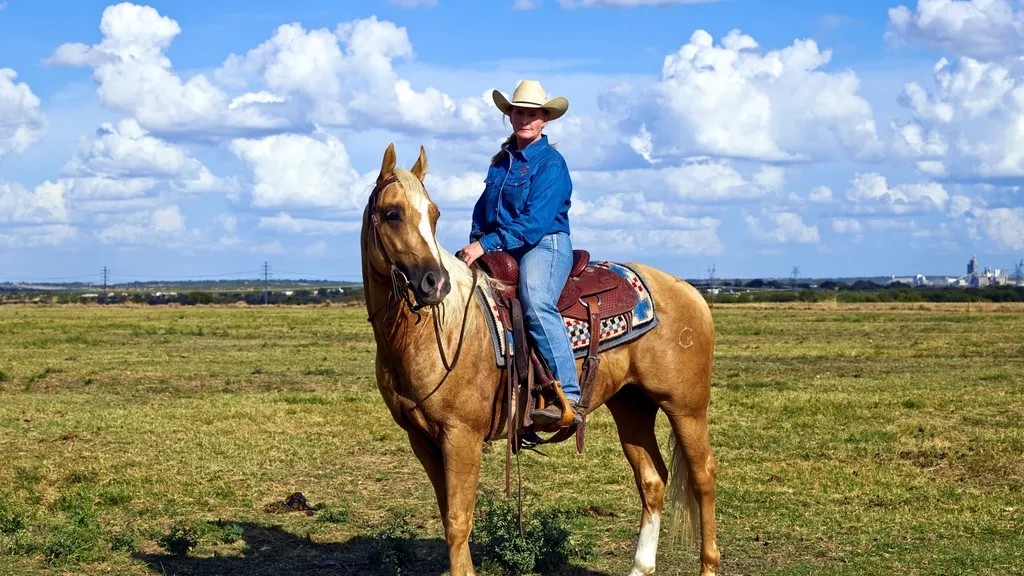

There’s something quietly shocking about realizing that a one-thousand-pound prey animal, with a mind of its own and the power to crush you, has decided to trust you. People think owning a horse is about riding and ribbons and pretty photos at sunset, but that’s the surface story. Underneath, your brain, your body, your habits, even your idea of who you are all get quietly rewired in ways you don’t fully see until you look back and think, “Wow, I’m not the same person anymore.”
Horses force you to live in two worlds at once: the practical world of mud, vet bills, and training plans, and the almost spiritual world of silent communication, instinct, and presence. That tension changes you. You become more grounded and more awake, tougher and softer at the same time. It doesn’t happen overnight, and it doesn’t always feel magical in the moment, but if you’ve ever dragged yourself to the barn after a terrible day and walked away feeling repaired from the inside, you know exactly what this transformation feels like.
The Neuroscience of Bonding With a One‑Thousand‑Pound Animal
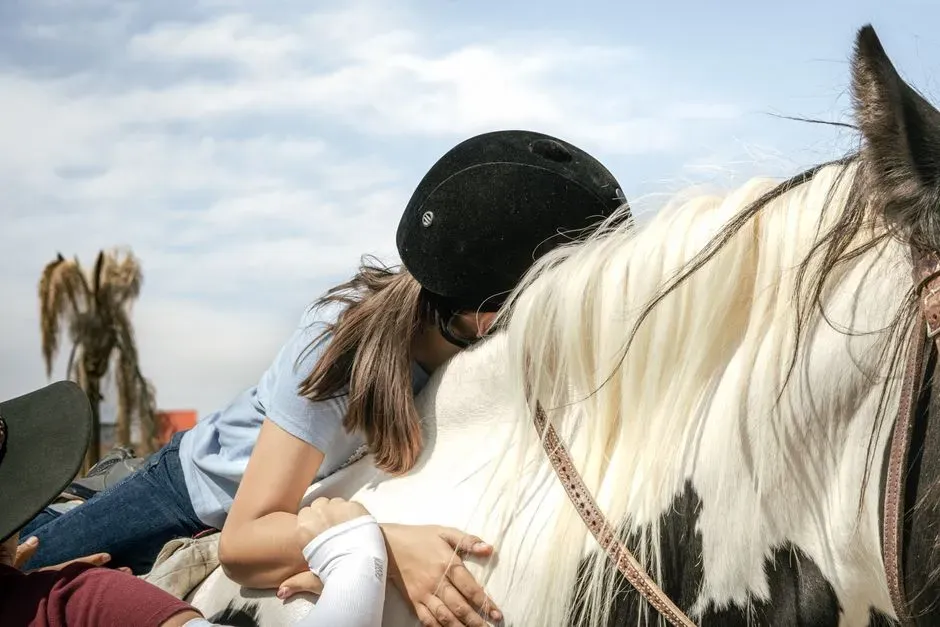
Owning a horse rewires your nervous system in a way that’s both startling and oddly gentle. When you groom, ride, or even just breathe with a calm horse, your body tends to shift into a more regulated state: heart rate slows, breathing deepens, muscles let go of tension you did not know you were carrying. Researchers have found that time spent interacting with horses can lower perceived stress and support more balanced emotional states, similar to what’s seen in people who practice regular mindfulness or yoga. It’s not magic; it’s physiology responding to predictable, rhythmic movement and non-verbal connection.
At the same time, horses pull you into what psychologists call co-regulation. As prey animals, they read every tiny shift in your tone, posture, and breathing, and then their bodies mirror that back to you. If you’re anxious, they get tight; if you ground yourself, they soften. Over time you unconsciously train yourself to become calmer, clearer, and more consistent, because that’s the only way to get anything done safely. I remember realizing one day that I could walk into a tense work meeting and instinctively slow my breathing the same way I did before mounting a fresh horse – and the room settled the same way a nervous gelding does.
Emotional Resilience: How Horses Quietly Toughen Your Heart
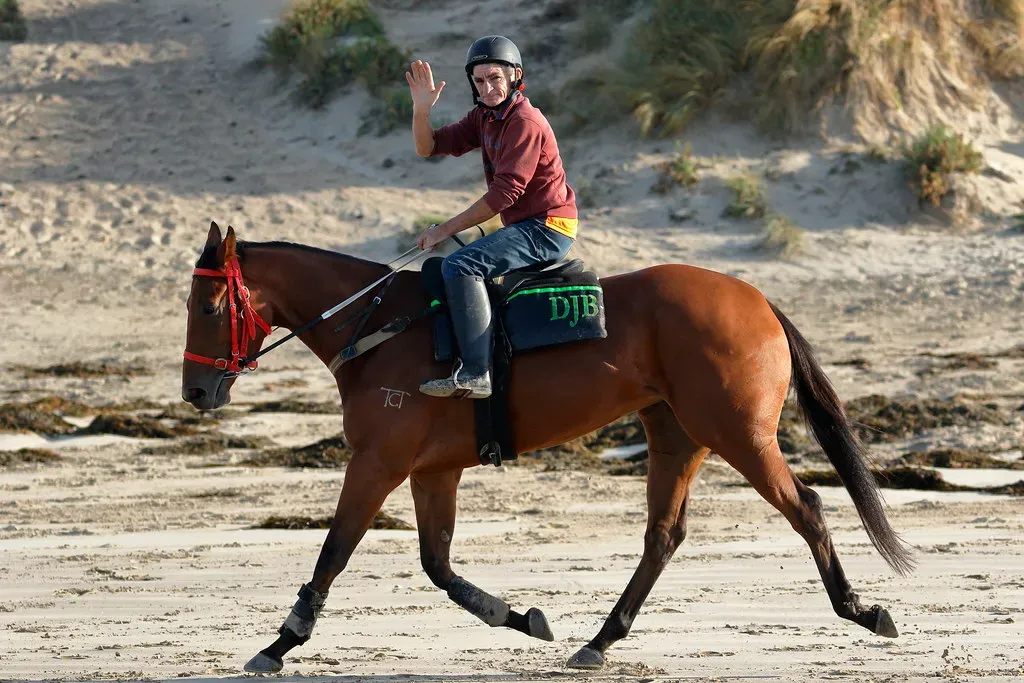
Most people do not buy a horse thinking, “I’d love to sign up for constant emotional curveballs,” but that’s what happens. Horses get hurt, they colic, they spook, they regress in training on the exact day you were counting on a breakthrough. You find yourself riding through disappointment, fear, and frustration on a regular basis. Over time, your emotional system adapts: the highs don’t throw you quite as far off the ground, and the lows don’t hollow you out the same way, because you’ve been there before and kept going. It’s like emotional strength training, one small setback at a time.
There’s also a very specific kind of heartbreak that comes with loving an animal who ages faster than you, and that too changes you. Navigating illness, behavior issues, or even end-of-life decisions builds a form of resilience that’s not glamorous but deeply real. You learn to hold sadness and gratitude at the same time, to show up even when it hurts, and to keep caring instead of shutting down. That capacity often spills into the rest of your life – you become the friend who can sit with someone in pain without rushing to fix it, because you’ve already learned how to do that in the barn aisle at 11 p.m.
Discipline and Routine: The Barn as a Training Ground for Character
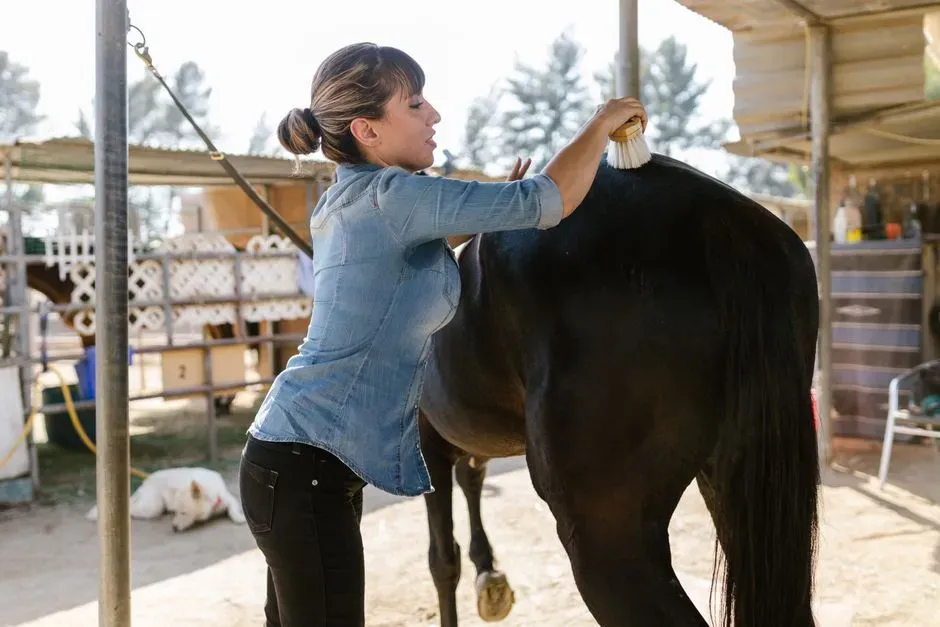
Owning a horse is a crash course in consistency, whether you like it or not. Horses eat on a schedule, move on a schedule, get their hooves done on a schedule, and your life starts to orbit around those routines. You drag yourself to the barn after work when you’d rather collapse on the couch, because that living being is waiting for you. Over time, you build a kind of muscular discipline: you learn to show up, even on bad days, even when no one is watching. That habit of follow-through is one of the most underrated ways horse ownership changes who you are.
This discipline leaks into other areas almost without your consent. People who own horses often become better at time management, because they have to be – they’re juggling feed deliveries, farrier appointments, vet visits, and training sessions around work and family. They also develop a higher tolerance for “unpretty” hard work: hauling water, stacking hay, cleaning stalls in the cold. It shifts your relationship with effort itself. You start to see effort less as something to avoid and more as simply the cost of caring about something that matters.
Body Awareness and Confidence: Learning to Trust Your Own Balance
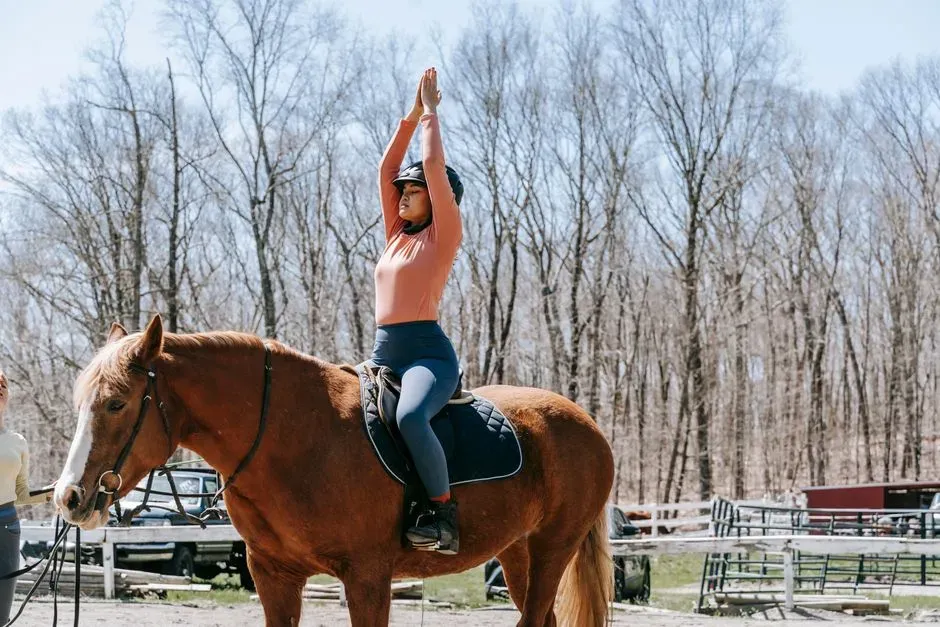
Riding a horse well requires a level of body awareness most of us never develop in ordinary life. You begin to notice where your weight sits in the saddle, how your hips move, whether your shoulders creep up when you’re tense. Over months and years, this shifts how your brain maps your body; you become more coordinated, more responsive, more tuned into subtle sensations. Many riders report feeling physically stronger and more confident in everyday movements – lifting things, climbing stairs, even just walking – because they have literally practiced balance on a moving animal.
There is also a psychological confidence that grows from continuously handling a creature so much larger than you. You learn to lead a horse who might be nervous, to ride through a shy or a spook, to assert a quiet boundary when a playful nudge turns too pushy. Those experiences send a repeated message to your nervous system: you can handle big things. That confidence often carries into non-horse contexts. Suddenly, public speaking or setting a boundary with a difficult coworker feels a bit less daunting when you know you’ve already negotiated with a thousand pounds of opinions on four legs.
Radical Responsibility: Money, Mistakes, and Moral Weight
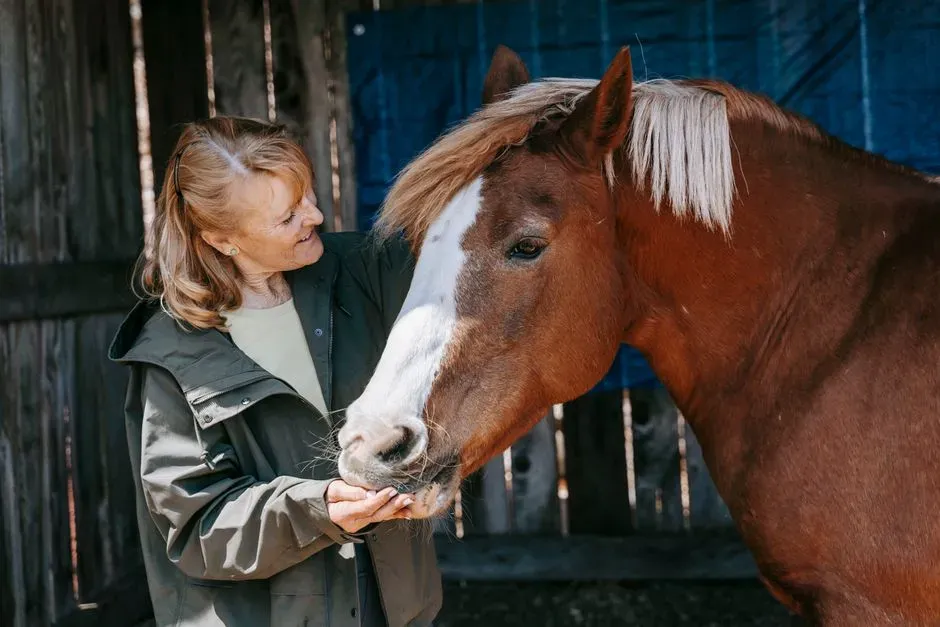
Owning a horse forces you into a level of responsibility that can be sobering. You are responsible for another being’s food, shelter, medical care, exercise, and safety, often at a financial cost that keeps you up at night. Vet emergencies, unexpected lameness, or facility issues can blow up even the most careful budget. Learning to plan for these realities – saving ahead for vet funds, asking hard questions about care, making trade-offs in your own lifestyle – changes how you relate to money and long-term decision-making in general.
There’s also a moral dimension that’s easy to overlook from the outside. When something goes wrong – an injury, a bad training decision, a situation that scares your horse – you’re forced to confront your own role in it. Horses are honest mirrors; they respond to what you actually did, not what you meant to do. Owning one nudges you to take ownership of your mistakes and to repair them. Over time, that habit of responsibility seeps into the rest of your life. You become less interested in blaming circumstances and more focused on what you can do differently next time, not because a self-help book told you to, but because your horse already did.
Communication Without Words: How Horses Sharpen Your Social Skills
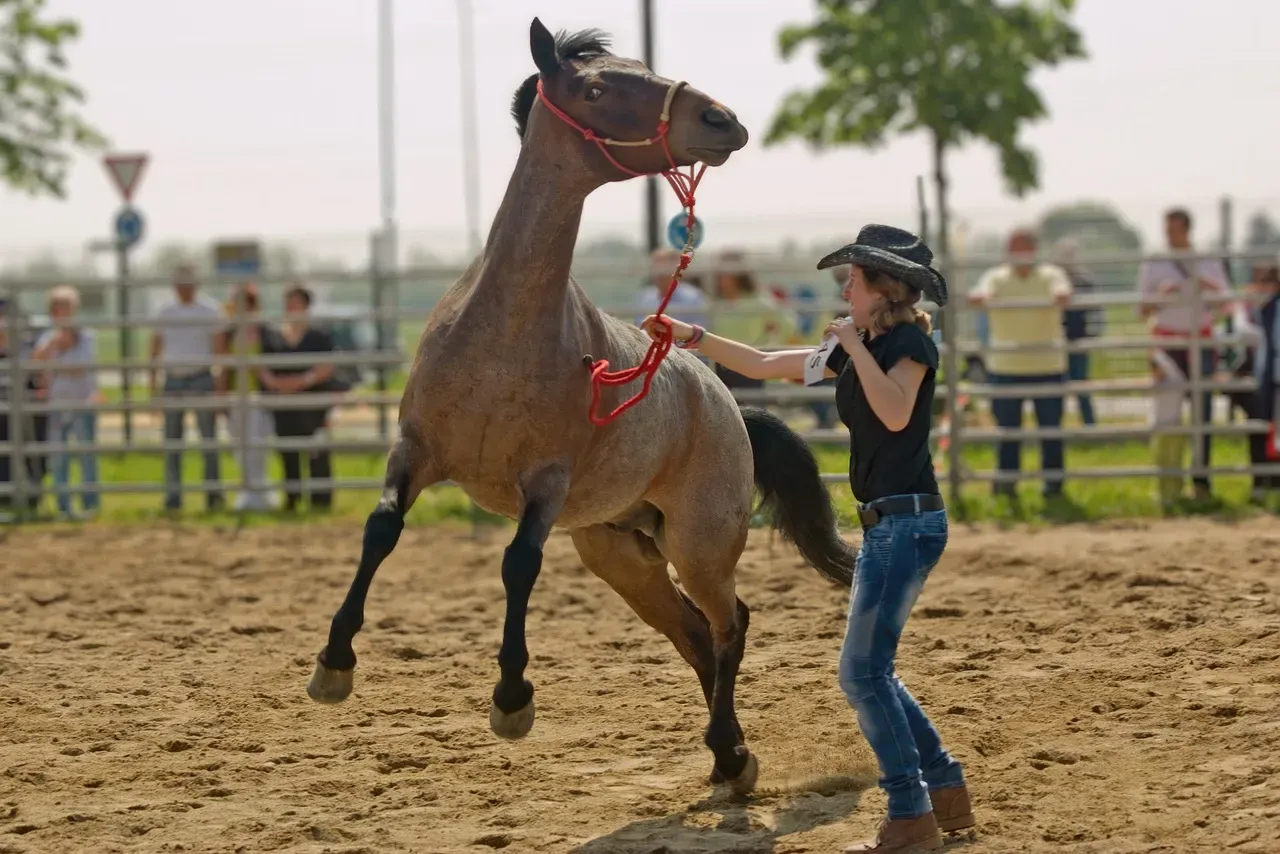
Horses do not care about your vocabulary, your job title, or how eloquent you are online. They care about where you stand, how you breathe, what your energy feels like. To get anything done with them, you have to learn to communicate clearly through body language, timing, and consistency. That means paying attention to tiny signals: an ear flick, a tightening of the jaw, a shift of weight. As you get better at reading those signals, your brain becomes more attuned to non-verbal cues in humans too – posture, expression, tone. You may find yourself noticing when a friend is “off” before they say a word, because you’re used to catching the earliest signs of unease in your horse.
Working with horses also teaches a balance of firmness and kindness that’s surprisingly transferable to human relationships. If you’re too soft and inconsistent, the horse gets confused or pushy; if you’re too harsh, you break trust and shut down curiosity. Finding that middle ground – clear boundaries delivered with calm, fair energy – can change how you show up as a partner, parent, friend, or leader. Many people discover that once they learn to ask a horse for something in a way that feels respectful and understandable, they become braver about asking people for what they need, too.
Identity Shift: From “Person Who Rides” to “Horse Person”

At some point, often without realizing it, owning a horse stops being a hobby and starts being a core part of who you are. Your calendar, your clothes, your car, your social media feed, your conversations – they all quietly reorganize themselves around this animal and this lifestyle. Your sense of identity expands: you’re not just someone who happens to ride; you’re a caregiver, a partner, an amateur vet-tech, a behavior nerd, a logistics manager. That layered identity often feels richer and more grounded than the one you had before, because it is tied to concrete, daily acts of care rather than just abstract labels.
This identity shift can be both empowering and isolating. You might feel wildly understood by other horse people and slightly foreign to those who do not get why you’re spending your vacation fund on a new saddle or why you’re at the barn at dusk in the rain. Navigating that gap changes you too. You get better at owning your choices without needing universal approval, and you learn to hold onto a part of your life that many people will never fully understand. There is something quietly liberating about that – about saying, in actions more than words, “This matters to me enough that I’m building my life around it.”
Mental Health and Meaning: Why the Barn Becomes a Sanctuary
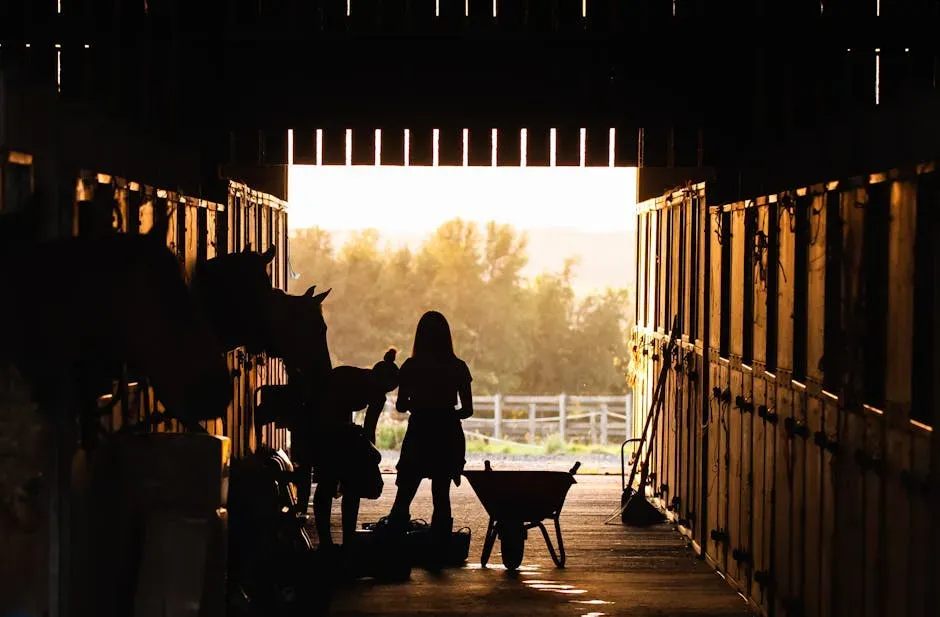
For many owners, the barn becomes more than a place to ride; it becomes a mental health anchor. The repetitive chores – sweeping, grooming, filling water buckets – create a kind of moving meditation. You can show up stressed, upset, or numb and find that the simple, tangible tasks slowly bring you back into your body. There is growing interest in equine-assisted activities for people with anxiety, trauma, or mood challenges, not because horses magically cure anything, but because they offer a uniquely steady, non-judgmental presence that invites grounding and connection.
Beyond symptom relief, there’s also a deep sense of meaning that comes from caring for a horse over time. You see the seasons change around your barn, you track your horse’s quirks and preferences, you notice the tiny victories that no one else would see as significant – a more relaxed step, a softer eye, a braver moment on the trail. That long-term, slow-burn relationship can anchor you when other parts of life feel chaotic or shallow. It reminds you that not everything worthwhile shows up as a quick win or a tidy achievement; some of the richest meaning grows slowly in the quiet, unglamorous routines of care.
The Hidden Cost: Sacrifice, Limitations, and What You Give Up
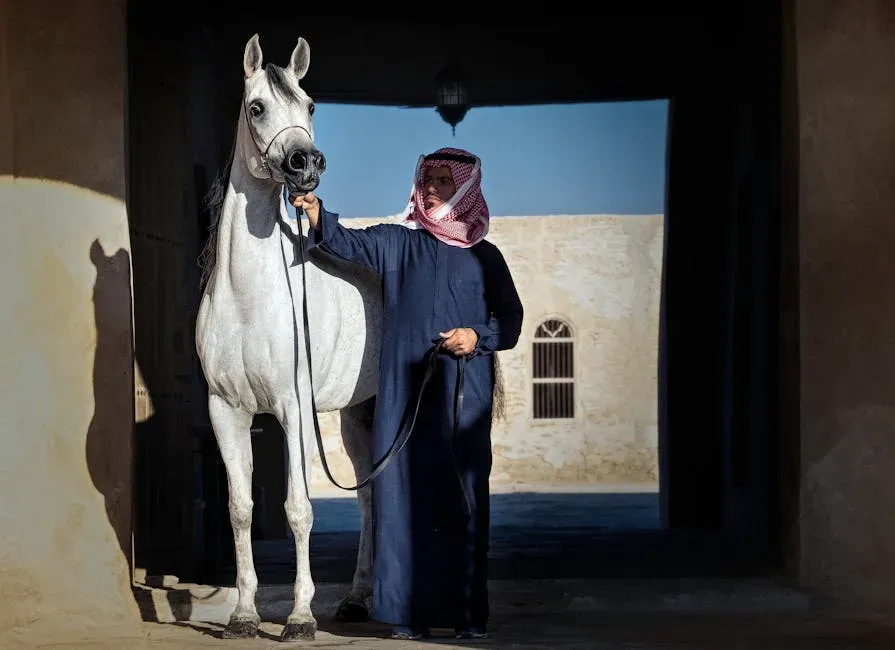
It would be dishonest to talk about how horse ownership changes you without naming the sacrifices. Horses are expensive in ways that go far beyond the purchase price: ongoing board or property costs, feed, farrier, vet bills, training, equipment, emergency care. Many owners choose older cars, fewer vacations, or smaller homes to make room for that monthly outflow. That kind of trade-off inevitably shapes your values. You stop seeing money only as a way to acquire things for yourself and start seeing it as a tool to support the well-being of another living being. It’s sobering, sometimes scary, and also clarifying.
There’s also the sacrifice of time and spontaneity. While friends might say yes to last-minute trips or late-night plans, you’re often calculating feeding times, turnout schedules, weather changes, and whether the barn needs you. That can feel like a loss in some seasons. But it also forces you to become intentional about how you spend the time that is left. You choose fewer things, more carefully. The flip side of sacrifice is priority, and horses have a way of asking you to decide, honestly, what matters enough to keep – and what you’re actually willing to let go.
Conclusion: The Quiet, Radical Transformation of Being “Horse Changed”
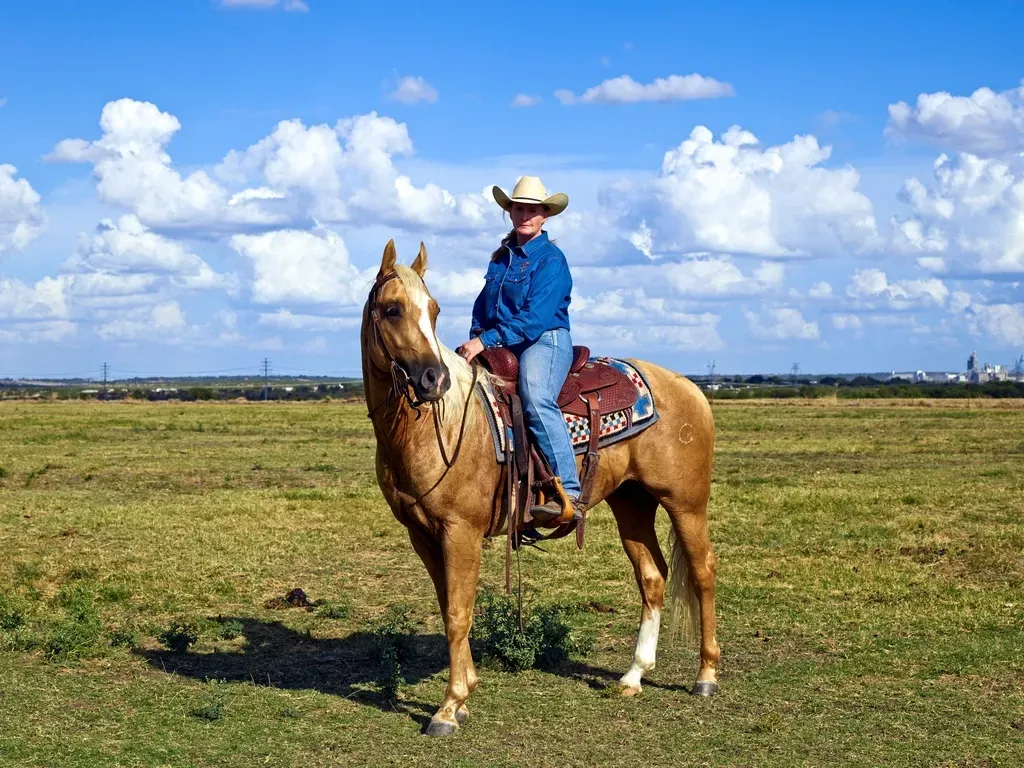
If you look only at the surface, owning a horse is messy, expensive, inconvenient, and emotionally risky. You track mud into your car, you budget around vet bills, you get your heart broken at least once. And yet, ask people whether they would go back to a life before horses, and most will say no without hesitating. The real payoff is not the perfect ride or the pretty picture; it is the person you slowly become because this animal needed you to grow up in very specific, very real ways.
Horses turn you into someone who shows up when it’s hard, who learns from mistakes instead of hiding from them, who can stand next to something huge and powerful and stay calm. They nudge your brain toward more regulation, your body toward more awareness, your relationships toward more honesty. Are there other paths to that kind of growth? Of course. But there is something uniquely raw and humbling about doing it with a creature who never reads your texts, never cares about your resume, and always believes what your body says over what your mouth insists. Maybe the real question is not how owning a horse changes you, but why, once it has, you never quite want to change back – would you have guessed that when you first fell in love with the idea of a horse?