
You have probably had that strange, floating moment in a dream where you asked yourself, almost in a whisper, whether any of it was real. Now imagine another mind doing the same thing, except that mind belongs to a crow, an octopus, or a mouse. It sounds like science fiction, but modern consciousness research is quietly pushing you in that direction.
You are living in a time when scientists can peek into sleeping brains, compare activity patterns across species, and test animals in surprisingly clever ways. As the evidence piles up, it is starting to challenge the comforting idea that humans sit alone on some great consciousness throne. You might not be ready to say a rat lies in bed philosophizing – but you also cannot ignore how close the data is beginning to cut.
Why Your Dreams Might Not Be Uniquely Human After All
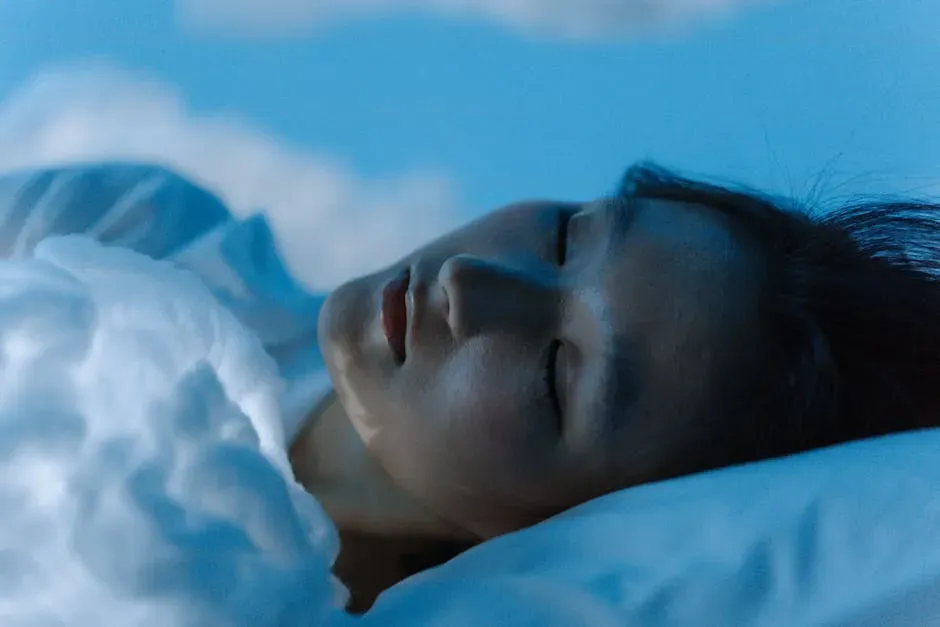
If you have ever woken up from a dream that felt more vivid than waking life, you already know your brain can build full-blown worlds from nothing. When you dream, your visual, emotional, and memory systems light up in ways that look almost like your brain is awake, only detached from your body and the outside world. You know this from the inside, as a lived experience – scientists see it from the outside in brain scans, sleep lab recordings, and reports from people describing their nights.
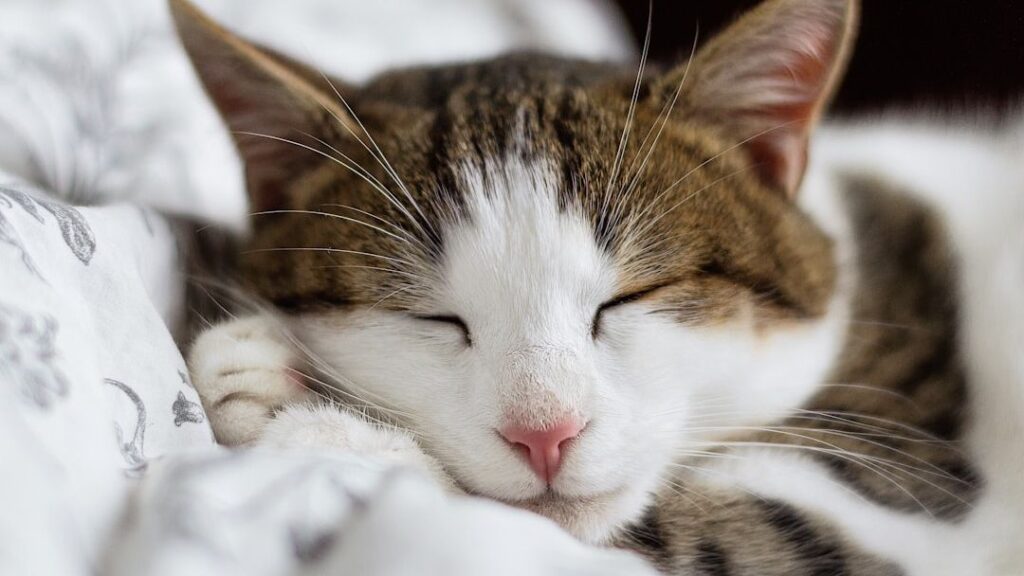
Here’s the twist: when researchers look at sleeping cats, rats, birds, and even reptiles, they often see brain activity shapes that look strangely familiar. You find phases that act like human REM sleep, where muscles go limp, eyes dart under closed lids, and the brain becomes highly active. At that point, you have a choice in how you see it. You can insist those patterns are empty noise, or you can take seriously the possibility that other animals may also be roaming through their own dream landscapes.
How Scientists Peek Into Animal Dreams Without Waking Them Up
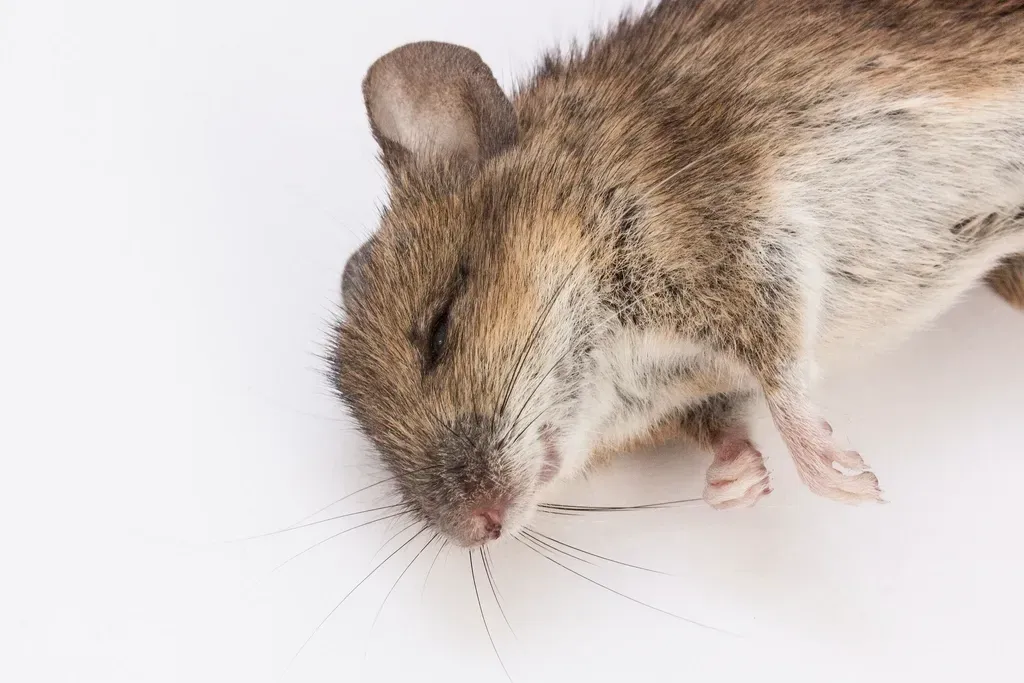
You might wonder how anyone could possibly know what a sleeping rat or bird is experiencing. You cannot exactly hand a parrot a survey and ask it to describe last night’s plot twist. So scientists do something more indirect: they record brain activity while an animal is awake learning a task, then watch what happens later when it sleeps. Sometimes, the brain replays the same patterns at night that it used during the day, like a quiet rehearsal. When you see that, it starts to look suspiciously like the animal is re-experiencing things.
In rodent studies, for example, when a rat runs a maze, certain neurons fire in a map-like sequence. Later, during sleep, those neurons fire again in the same order, as if the rat is running the route in its head. Similar replay-like activity has been found in birds that learn songs and in other species that practice motor skills. When you line this up with what you know about human dreaming – that your brain also replays and recombines your experiences – you get a strong hint that animal sleep is not just about rest, but about inner narratives that could feel, from the inside, like dreams.
Lucid Dreaming: If You Can Notice You Are Dreaming, Could Animals Do It Too?
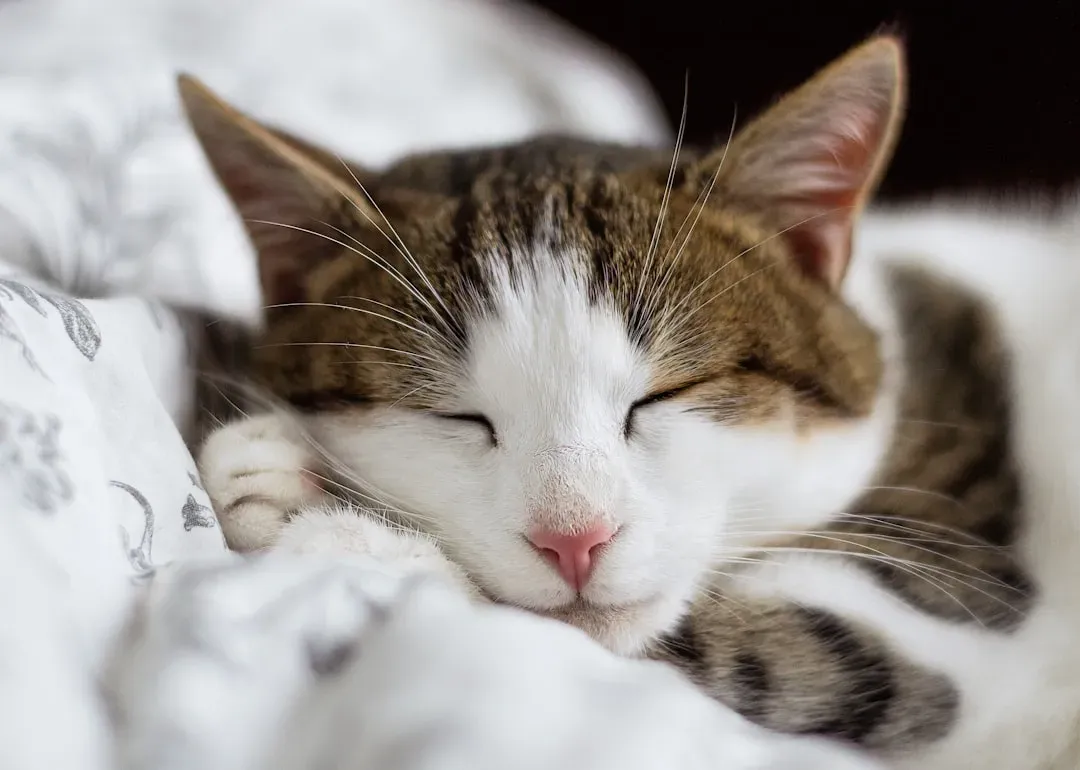
You may have had a lucid dream at some point, that thrilling moment when you suddenly realize, in the middle of a dream, that you are dreaming. In that instant, your mind recognizes its own state, and you can sometimes even steer the story, fly, or change the scene. Lucid dreaming is one of the clearest examples you have of metacognition – your mind reflecting on itself. That is the sort of thing people usually argue only humans can do.
But when scientists study lucid dreaming, they find it is not pure magic, it is a brain state. Certain frontal regions related to self-awareness and reality-checking become more active than in normal dreaming, almost like a mini-waking state layered on top of sleep. If those regions, or their rough equivalents, exist and function in other animals – and in many mammals and birds they do – then in principle, a nonhuman brain could also flip into a state of realizing it is in a dream. You do not have proof yet that this actually happens, but the door is open wider than many people would like to admit.
Metacognition in Animals: When a Rat or Monkey Knows That It Does Not Know
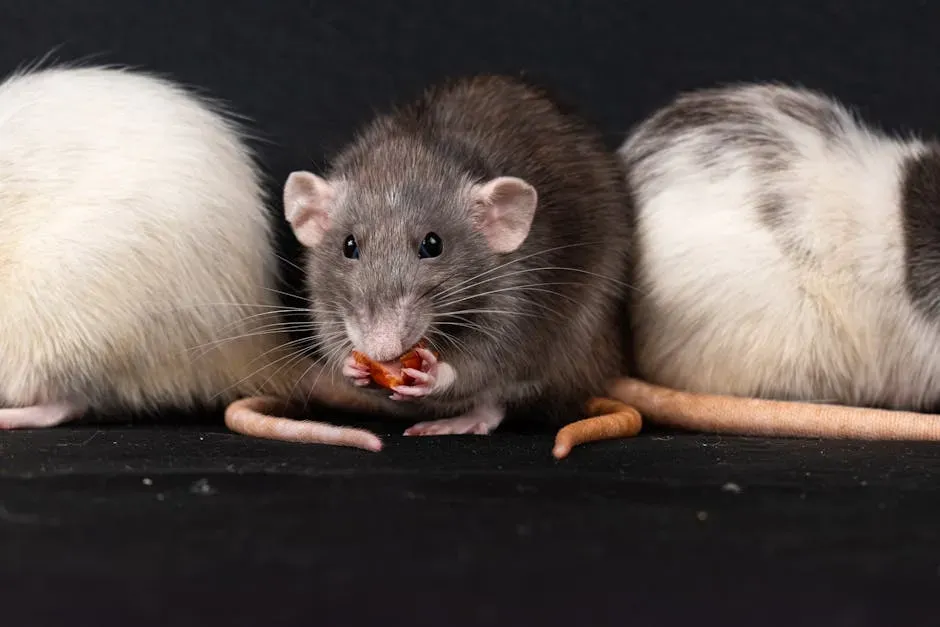
If an animal ever wonders whether it is dreaming, that would require something bigger than just having a dream. It would need metacognition: the ability to think about its own mental state. You already know you have this because you can say things like you are unsure, or you might be wrong, or you are not paying attention. Scientists test similar capacities in animals with tasks where the animal can choose a safe option when it is uncertain, rather than guess and risk a penalty.
In some experiments, monkeys, rats, and even dolphins choose an “I don’t know” response when the task becomes too hard, suggesting they are monitoring their own uncertainty instead of blindly guessing. In other setups, animals behave differently when they have full information versus when they are kept in the dark, as if they sense the gap in what they know. When you combine that with dream-like brain activity, you get a provocative picture: if an animal can reflect on its uncertainty while awake, it might also be able to notice something odd about its inner world while asleep, even if it cannot tell you about it.
Do Crows, Octopuses, and Other “Odd” Brains Have Dream Lives Too?
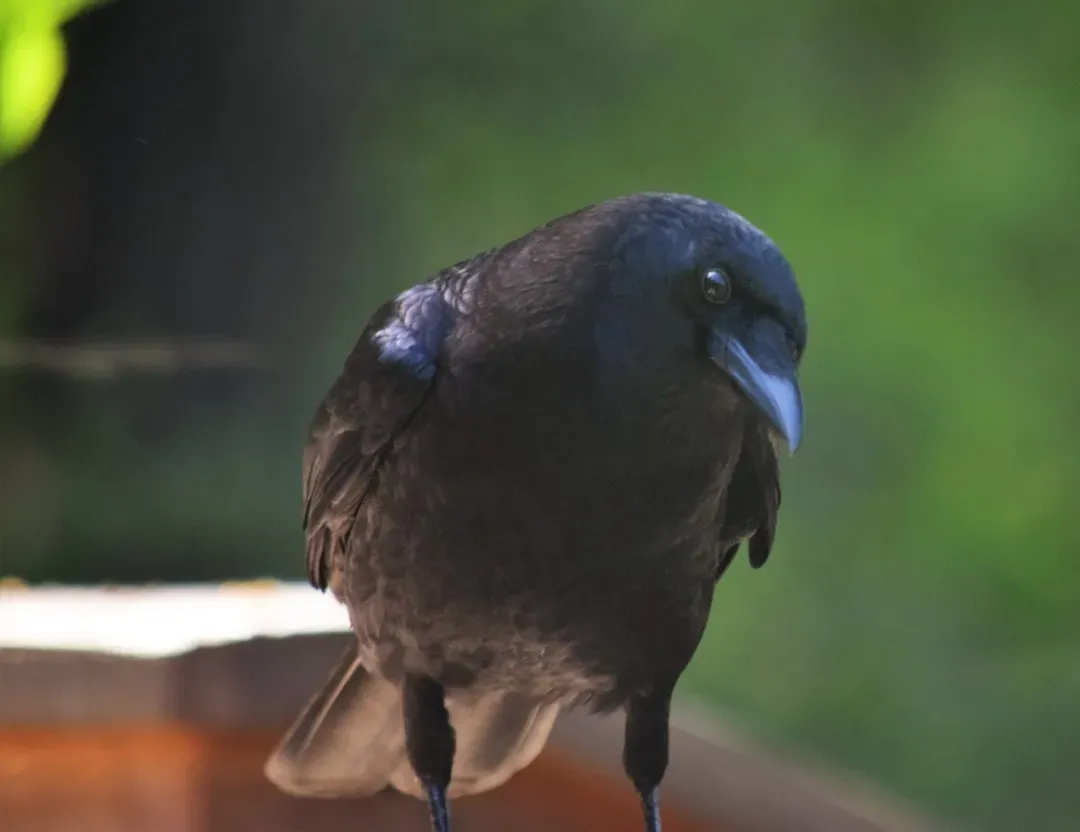
You might instinctively picture mammals when you think of dreams, but some of the most mysterious cases come from animals whose brains look nothing like yours. Take crows and other corvids, for example. Their brains are organized differently from mammalian brains, yet they can plan, use tools, and remember specific events in ways that eerily mirror human-like flexibility. They also show sleep phases with REM-like features, which makes you wonder what is going on behind those dark, unblinking eyes at night.
Then you have octopuses, with nervous systems spread across their arms and behaviors that suggest problem solving and even play. Some studies have described octopuses cycling between different sleep states, occasionally changing body color patterns as if reacting to internal scenes. You cannot say with certainty that a crow pauses mid-dream and thinks that something feels off, or that an octopus silently questions whether its underwater maze is real. But if you treat intelligence, complex learning, and varied sleep stages as clues, you start to see these animals as serious candidates for rich, possibly self-reflective inner lives.
Why You Should Be Careful Not to Over-Humanize Animal Minds

At this point, it is tempting to just project your own nighttime experience onto every creature that twitches in its sleep. You see your dog paddling its legs or whimpering and you naturally imagine it reliving a chase in the park. There is likely some truth in that, but you also need to be honest about the limits of what you can know. Animals do not give you verbal reports, and similar brain signals can, in theory, support different inner experiences than yours.
This is why serious researchers warn you not to jump straight from brain activity to rich, human-like self-awareness. The evidence strongly suggests many animals dream in some form, and some clearly show metacognitive abilities while awake. The step from there to “they wonder whether they are dreaming” is still a bold one. You can treat it as a live, fascinating possibility, but not as a settled fact. Thinking this way keeps you grounded: open to wonder, but still anchored in careful science.
How This Changes the Way You See Other Animals (and Yourself)
Once you entertain the idea that other animals might not only dream but also, in some shaky sense, question their own experience, your moral landscape shifts. You are no longer dealing with simple instinct machines. You are dealing with beings whose inner lives may include confusion, curiosity, fear, and maybe even moments of reflective awareness. That possibility alone nudges you to treat them with greater respect, because you know how precious your own inner life feels to you.
This shift does not just change how you see animals; it also humbles you about your own mind. If consciousness and self-reflection turn out to be gradual, shared across species rather than flipped on only in humans, then your place in nature looks less like a pedestal and more like a slope. You still have unique language, culture, and technology, but you are not perched as far away from other creatures as you might have believed. You are part of a continuum of minds, each one sleeping, dreaming, and perhaps, in its own way, wondering what is real.
What It Would Mean If Animals Really Do Wonder Whether They Are Dreaming
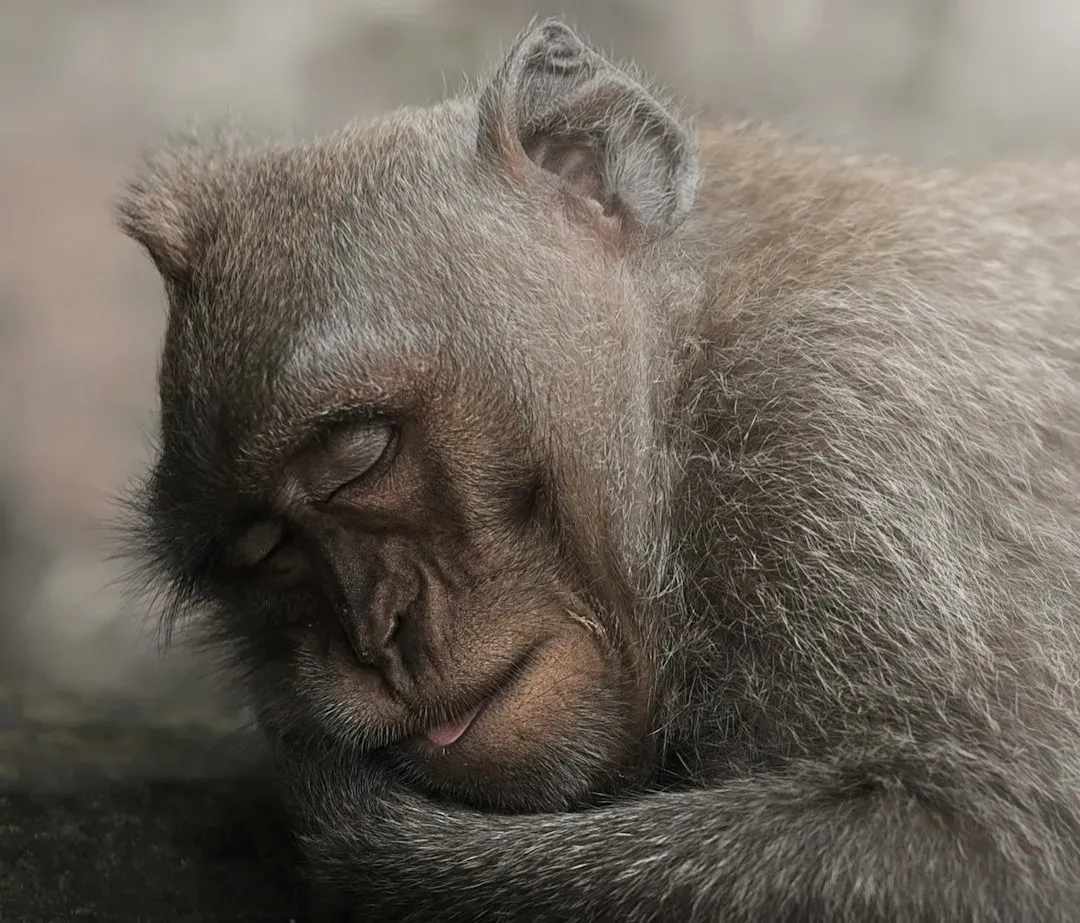
Imagine, just for a moment, that future experiments give you convincing evidence that at least some animals show dream states mixed with self-monitoring brain activity patterns. That would mean the gap between you and them is narrower than most people ever thought. Instead of drawing the line of “who matters” at language or tools, you would start to look at inner experience itself: the capacity to step back, however briefly, and notice your own mind at work. That is a deeply personal capacity for you, and recognizing it elsewhere would be emotionally powerful.
This does not automatically give animals human-style philosophies or complex introspection. A rat or crow might only have a fleeting, fuzzy sense that something about its nighttime world is strange, like a quick shiver of doubt that passes before it can fully form. But even that is extraordinary. It means your world is full of other centers of experience, some of which may occasionally look at their own mental state from the inside. Once you see things that way, it becomes harder to view any creature’s sleep as just silence and darkness.
In the end, you are left hanging in a space between evidence and imagination. The science of consciousness tells you that dreams are not uniquely human, and that metacognition is not either. Yet whether any nonhuman animal ever stitches those two together into a genuine moment of wondering about its own dreaming remains an open question. You walk a line between caution and awe.
Maybe that is the real gift of this research for you: it reminds you that other minds are deeper and stranger than they look from the outside, including your own. Tonight, when you lie down and drift into dreams, you might not be the only one stepping into a world so convincing you have to ask yourself whether any of it is real. Does that possibility change how you feel when you meet another pair of eyes, human or not, looking back at you?