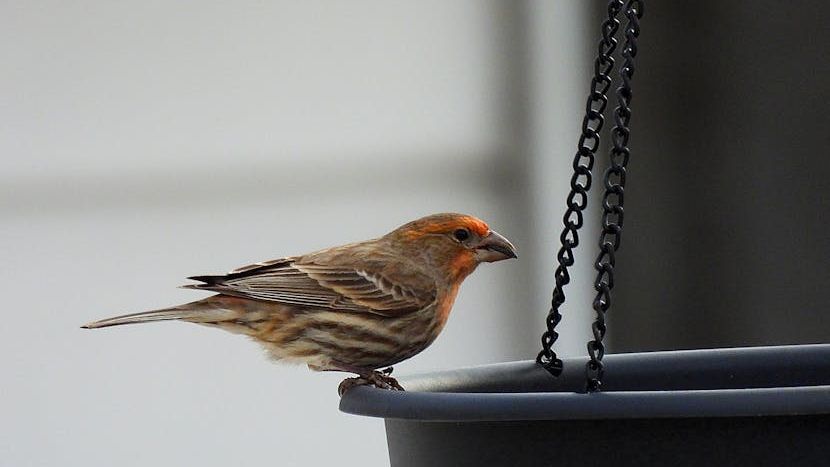

You know that strange little jolt you feel when the same bird shows up at your window more than once? When it is a finch, that feeling seems to double. These tiny, bright songbirds have been wrapped in stories, superstition, and quiet comfort for generations, and when one keeps returning to you, it is hard not to wonder if something is trying to get your attention.
Across cultures and centuries, people have treated repeat visits from a finch as more than random chance. You will not find hard scientific proof that a bird at your window is a message from the universe, but folklore is less about proof and more about meaning. If you lean in a little, you might find that this persistent visitor is inviting you to look at your life in a new, surprisingly practical way.
A Visiting Finch as a Sign of Everyday Joy
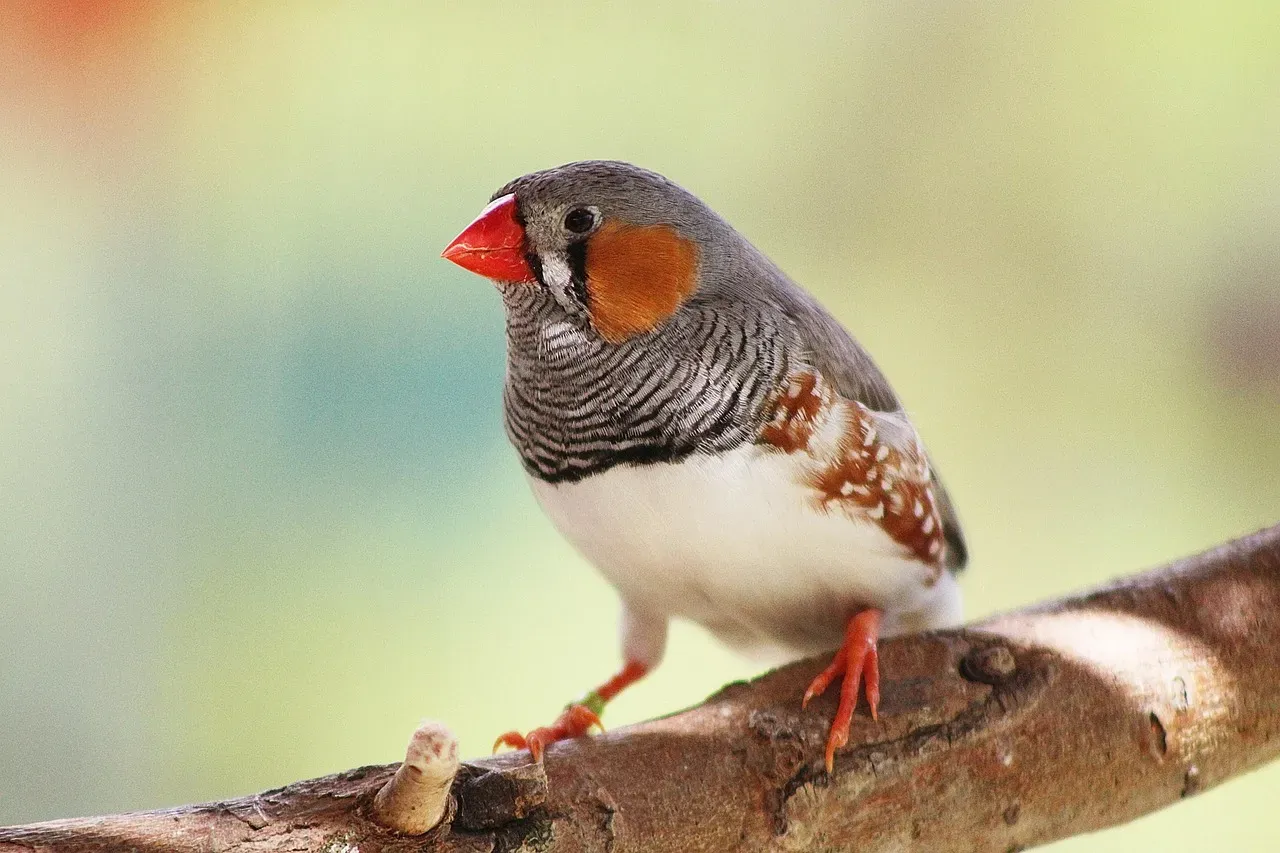
When a finch keeps tapping at your window or perching on the same ledge, old folk beliefs say it is nudging you toward simple happiness. Finches are known for their busy energy and light, bouncy songs; generations have read that as a reminder to stop drowning in heavy thoughts and notice the quiet pleasures right in front of you. The bird’s tiny size almost makes the point stronger: something so small can still carry a big dose of cheer.
You might notice how the finch shows up while you are rushing through email, worrying about bills, or scrolling endlessly. In traditional symbolism, that timing is exactly the point. The bird appears like a living pause button, inviting you to step back, breathe, and savor the little things – a warm mug, sunlight on the floor, the sound of the bird itself. You are not being told to ignore your problems, only to remember that joy does not always wait until your to‑do list is complete.
Messenger of Hope, Optimism, and Better Days Ahead
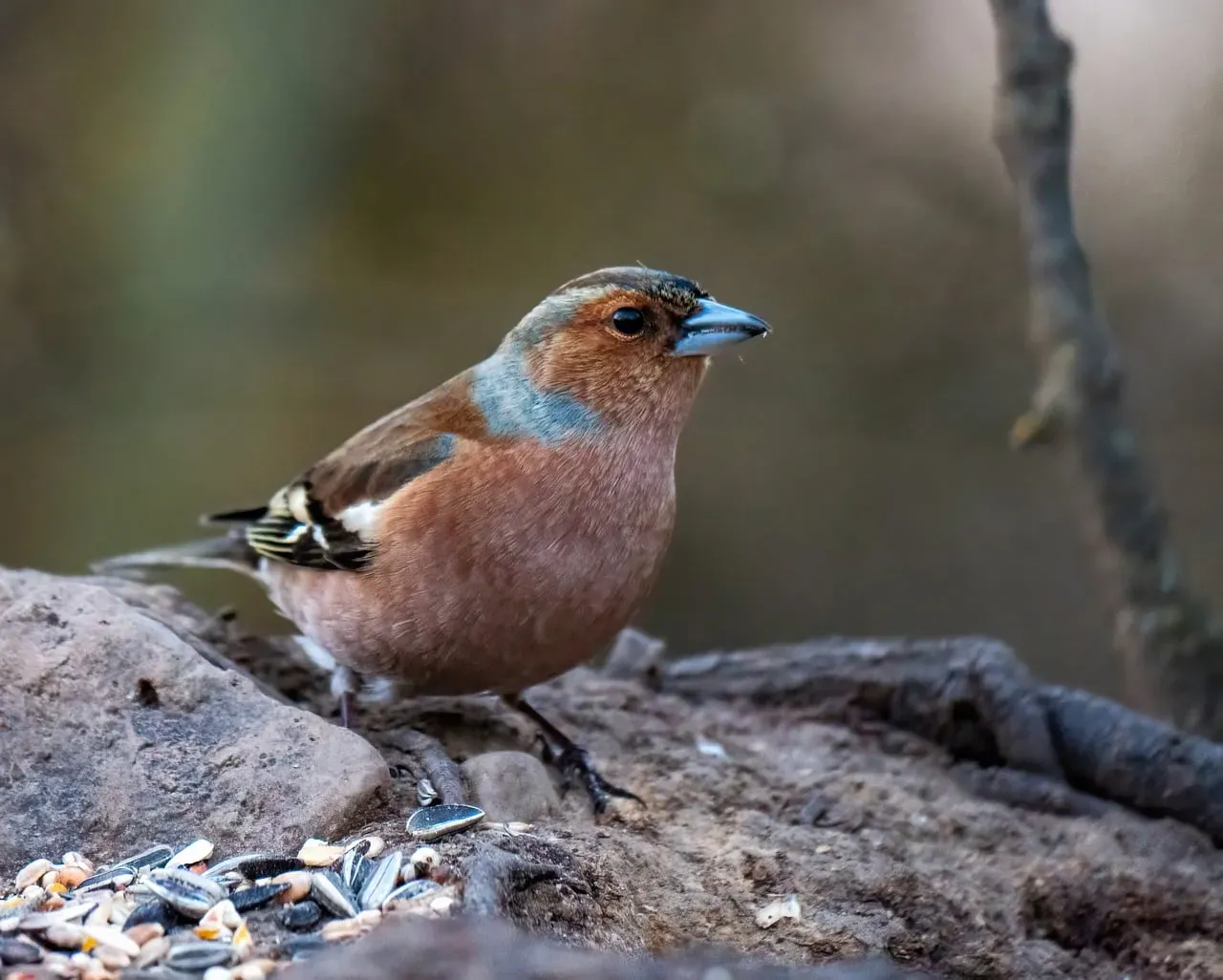
Folklore often treats finches as carriers of hopeful news, especially when they keep coming back to the same person or house. Their bright colors and sprightly movement have long been linked with optimism, the kind that says: things can improve, even if you cannot see how yet. If you are going through a rough patch and notice the same finch visiting your window again and again, traditional symbolism frames that as a small but stubborn sign not to give up on the future.
In some traditions, songbirds that return repeatedly are said to mirror the rise and fall of human moods. A finch that will not “give up” on visiting you can be read as a reflection of your own ability to keep trying, even when you feel worn down. You might not literally believe the bird is sent to save you, and you do not have to. Just letting it represent the idea of resilience – of getting up one more time than life knocks you down – can shift how you face the next day.
Symbol of Freedom, Restlessness, and the Urge to Change
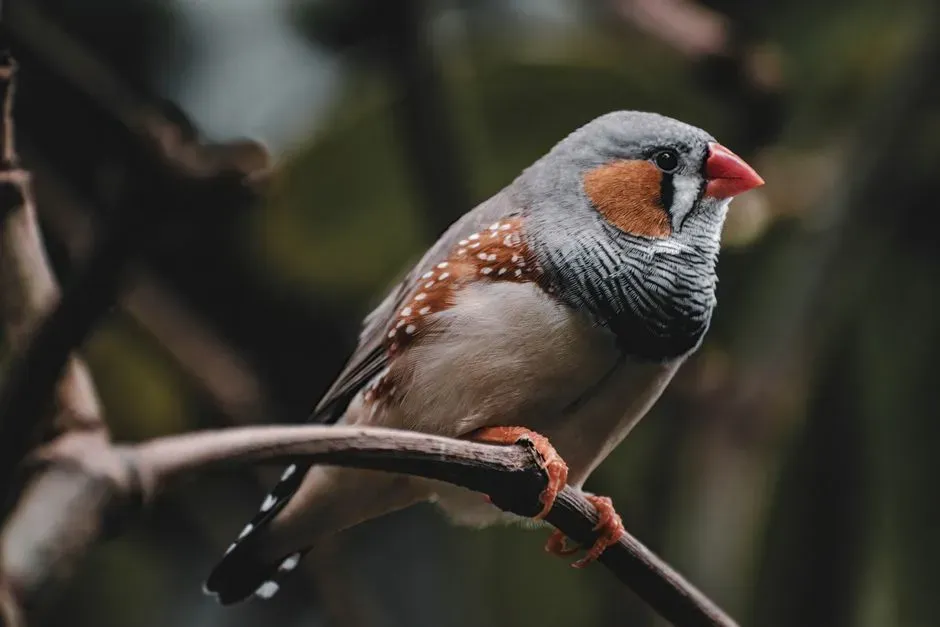
Finches are quick, agile fliers, often darting in little zigzags rather than gliding in a calm straight line. Folklore has latched onto that restless movement and turned it into a symbol of your own urge to change something. When a finch keeps appearing at your window, some traditions say it reflects a part of you that wants more freedom, whether that means changing jobs, moving homes, or simply dropping a habit that has boxed you in.
You might notice this especially if you feel stuck – trapped in routines, relationships, or expectations that no longer fit. The repeated finch can act like a mirror, showing you a version of yourself that is ready to test new directions. In older stories, this bird is not reckless; it represents smart adaptability. It does not fly blindly into storms; it shifts, pivots, and finds another route. If you let that image guide you, you may feel less paralyzed and more willing to take one small experimental step toward the life you actually want.
Family, Community, and the Call to Reconnect
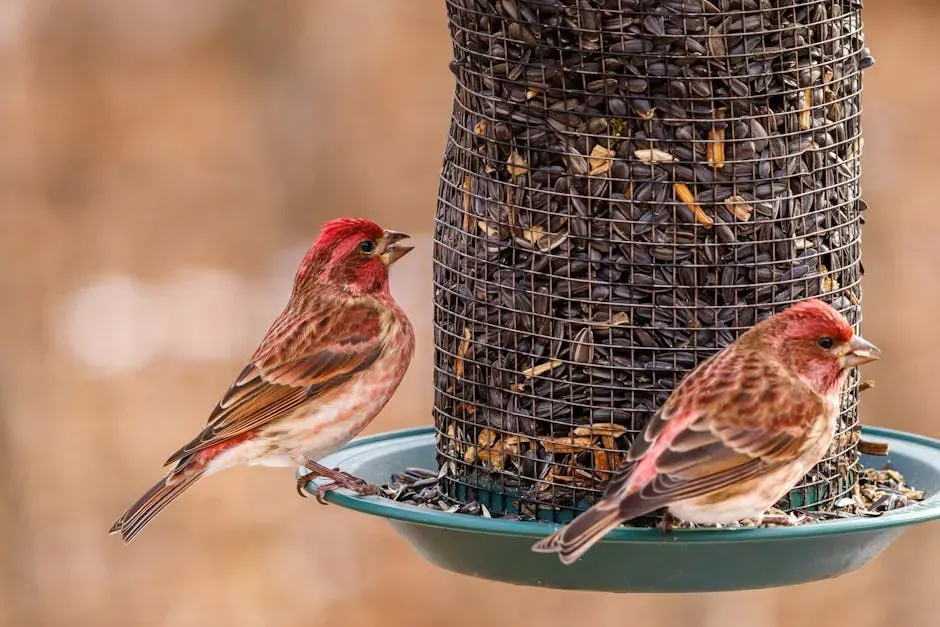
If you have ever watched finches at a feeder, you know they are rarely alone for long. They chatter, shuffle, and jostle together, and that social nature has turned them into long‑standing symbols of family and community. In various traditions, a finch that repeatedly appears near your home is taken as a nudge to pay attention to your closest bonds – whether that means blood relatives, chosen family, or the neighbors and friends who form your daily circle.
When one at your window seems especially persistent, old‑fashioned wisdom suggests asking yourself a simple question: where have you been pulling away? Maybe you have been postponing calls, ignoring messages, or retreating emotionally because you feel tired or overwhelmed. The finch’s steady presence can be interpreted as an invitation to reach out, mend a misunderstanding, or simply sit down at a table with people you care about. In that sense, the bird is not just about cozy feelings; it is about the real, sometimes difficult work of staying connected.
A Gentle Nudge to Express Yourself and Use Your Voice
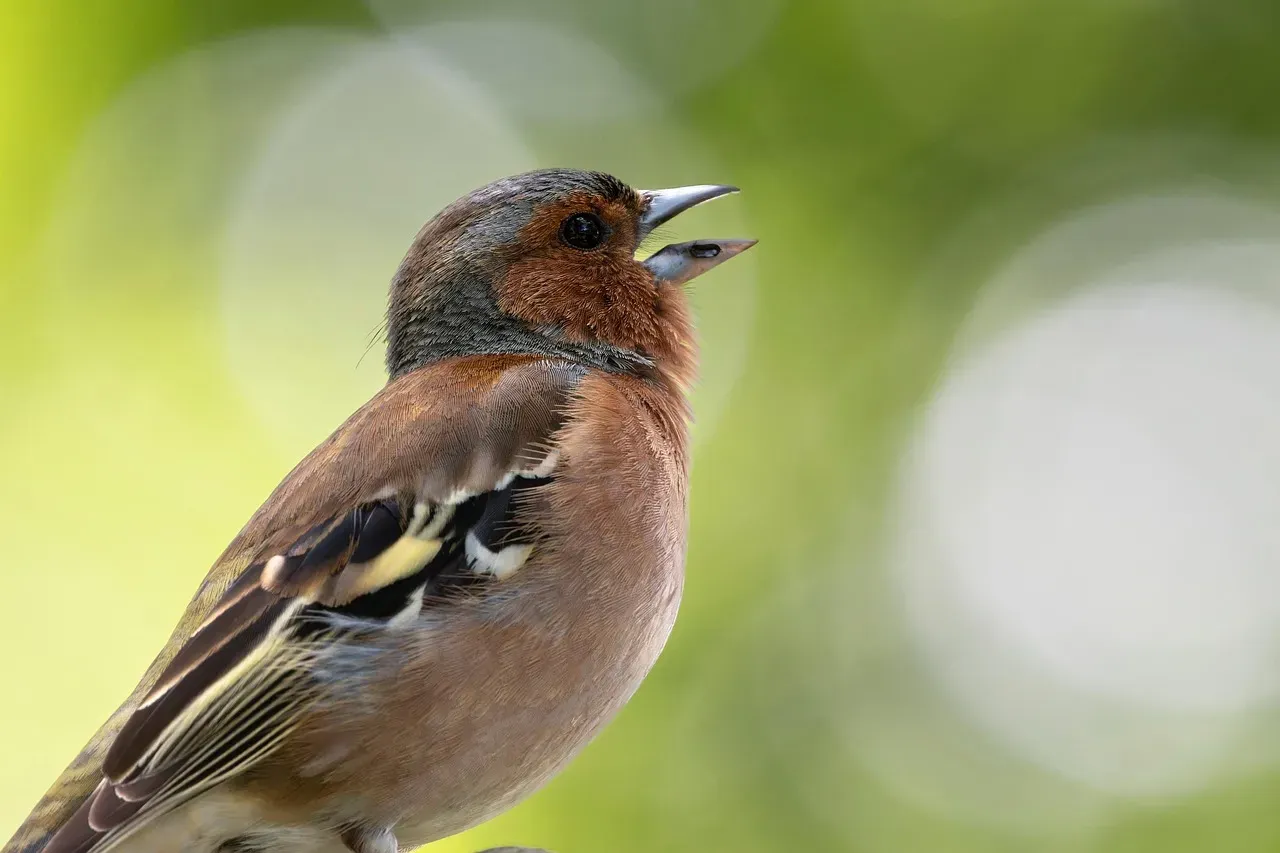
Finches have built their reputation on song. Even before dawn, they are often busy filling the air with chirps and trills, and older belief systems have linked that constant singing with human communication. When a finch keeps returning to you, especially if it seems unfazed by your presence, traditional interpretations say it may be highlighting your own voice – what you are not saying, what you are swallowing, or what you long to share.
If you tend to keep quiet to avoid conflict, or you have been hiding a creative side, the repetitive visit can feel like a tiny challenge: will you finally let yourself speak, write, sing, or tell the truth? Folk symbolism does not promise that using your voice will always be easy, but it frames the finch as a reminder that silence can become its own cage. Watching such a small creature broadcast its existence so boldly can give you permission to do the same in your own way, whether that means setting a boundary or starting a project you have talked yourself out of for years.
Spiritual Wake‑Up Call Rather Than Literal Prophecy
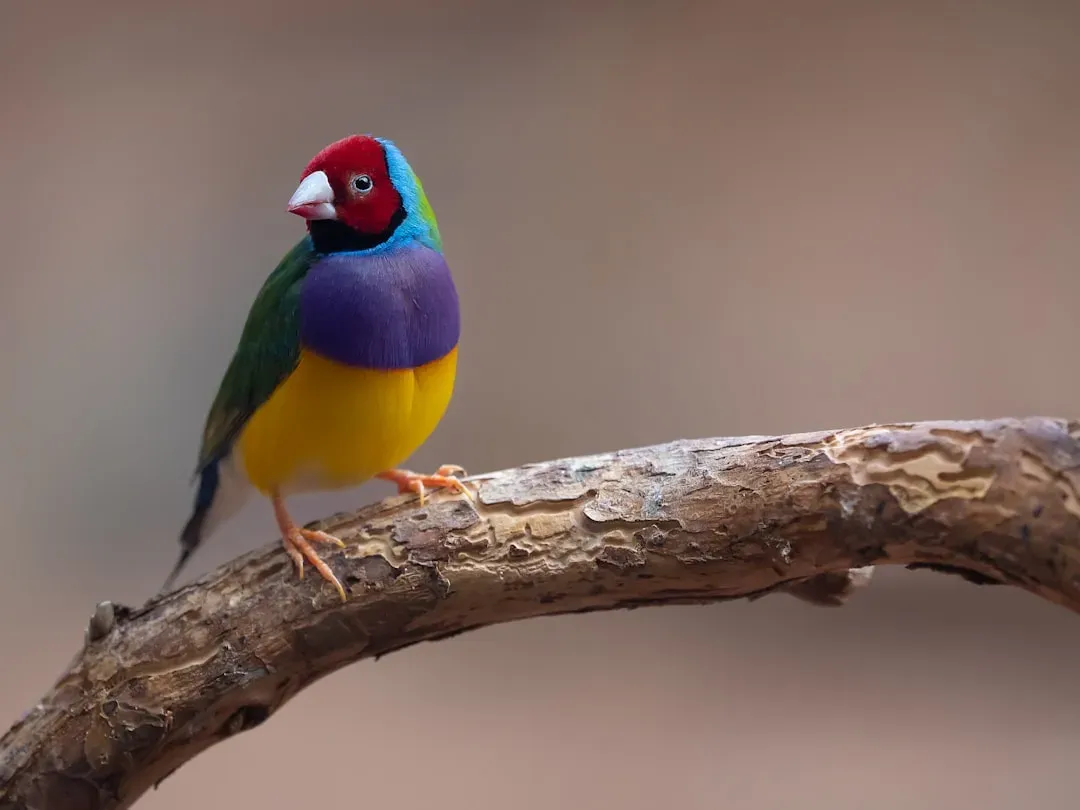
Over time, people have loaded birds with all kinds of supernatural claims – omens of death, exact predictions of luck, specific timelines for love or money. When it comes to finches, the stronger thread you find across modern sources and older folklore is less about rigid prophecy and more about spiritual attention. A finch at your window again and again can be treated as a soft alarm clock going off in your inner life, not a hard forecast of what will happen on a certain date.
That perspective keeps you grounded. Instead of worrying that a visiting finch guarantees something dramatic, you can see it as a symbol asking you to wake up to the present moment. Are you spiritually numb, going through the motions, ignoring your intuition? The bird can become a prompt to sit quietly, reflect, pray, or meditate, according to your own beliefs. You are not required to read it as a divine telegram; using it as a focusing tool for your awareness is often more helpful and much kinder to your nervous system.
Cultural Threads: How Different Traditions Color Your Interpretation
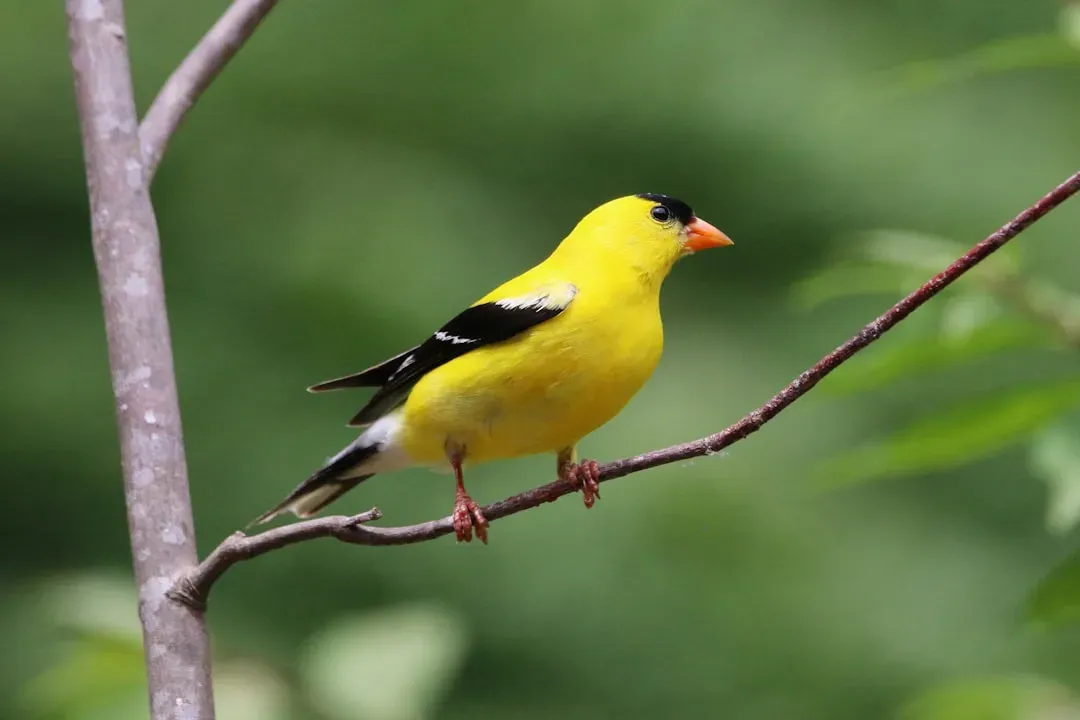
While there is no single, universal story about finches across the world, you do find repeating themes that can enrich how you read your own window visitor. In parts of Europe, goldfinches have appeared in religious art as subtle symbols of spiritual endurance and care, partly because of their association with thistles and hardship. In some Indigenous North American traditions, brightly colored finches and similar small songbirds have been linked with joy, the warmth of the sun, and the renewal that comes with changing seasons.
Modern spiritual writers often blend these older strands with contemporary psychology, treating finches as symbols of emotional lightness, adaptability, and creative self‑expression. That mix of old and new means you are free to draw on whichever thread genuinely resonates with you instead of forcing an interpretation that feels off. The key is to remember that folklore grows the way birds build nests – piece by piece, from many sources. When a finch keeps visiting your window, you are allowed to choose which pieces of that symbolic nest actually support you.
Nature, Not Just Mysticism: Practical Reasons a Finch Chooses Your Window
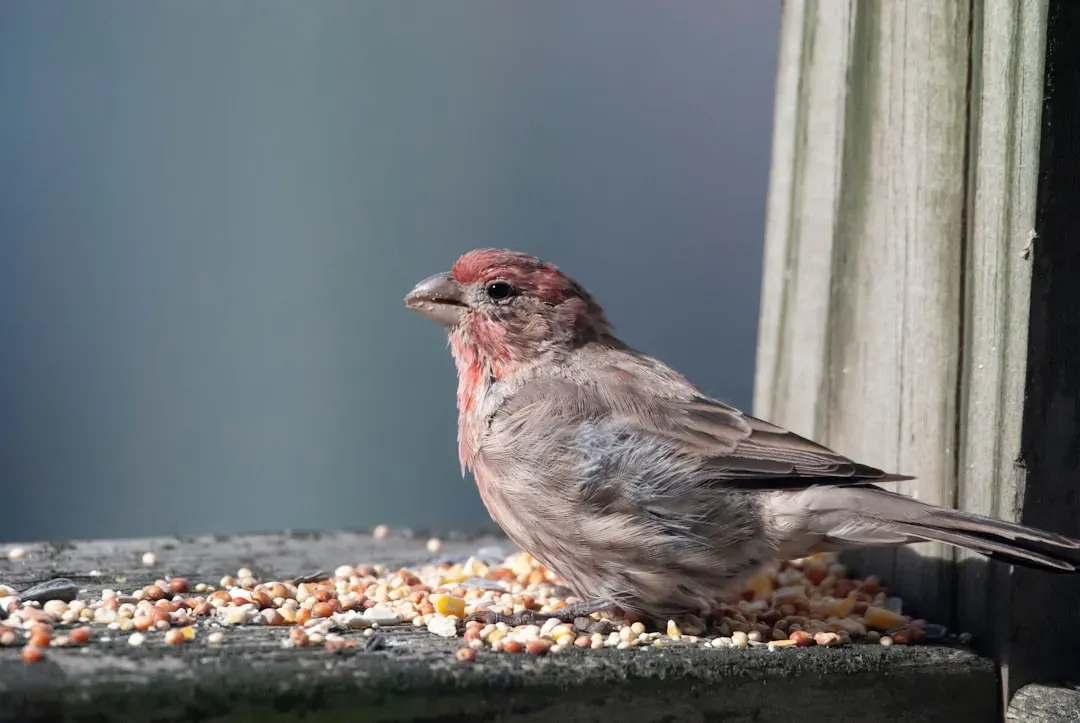
Folklore and symbolism can be powerful, but they sit right alongside plain old bird behavior. A finch that appears at your window repeatedly may be drawn to its own reflection, mistaking it for a rival or potential mate. It might be attracted to indoor plants, curtains that look like vegetation, or a feeder or tree line close to the glass. Understanding these practical reasons does not cancel the meaning; it simply keeps your feet on the ground while your imagination wanders.
In a way, the ordinary explanation makes the moment more beautiful, not less. You are watching a wild creature navigate your human‑made world, adapting the way finches always have. You can take steps to keep the bird safe – like using window decals or moving feeders slightly farther from the glass – while still allowing the experience to speak to you. The meaning you find in the encounter is personal, but it is most helpful when you let it rest on both science and story, not one or the other alone.
How to Respond When a Finch Keeps Visiting You
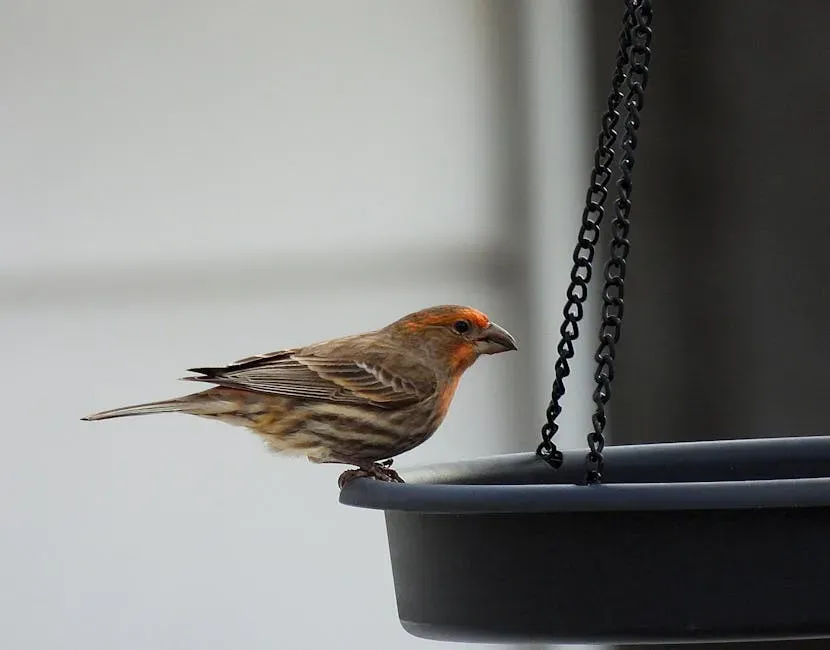
If a finch has unofficially adopted your window, you do not have to just sit there feeling vaguely mystical. You can respond in simple, grounded ways that honor both the bird and whatever it stirs up in you. Some people like to treat repeated visits as a cue for a tiny ritual: a moment to put down the phone, notice their breathing, and silently ask themselves what they need to see more clearly right now. You might keep a brief journal, jotting down when the bird appears and what is on your mind at the time.
On a practical level, you can also make your home a safer, more welcoming place for birds in general. That might mean adding plants that support local wildlife, offering water in hot weather, or adjusting lighting and glass to cut down on window collisions. When you do this, you shift from passively receiving “signs” to actively participating in a relationship with the living world around you. The repeating finch becomes less of a puzzle to decode and more of a partner in a quiet, ongoing conversation between your life and the land you live on.
Conclusion: When a Small Bird Opens a Bigger Question
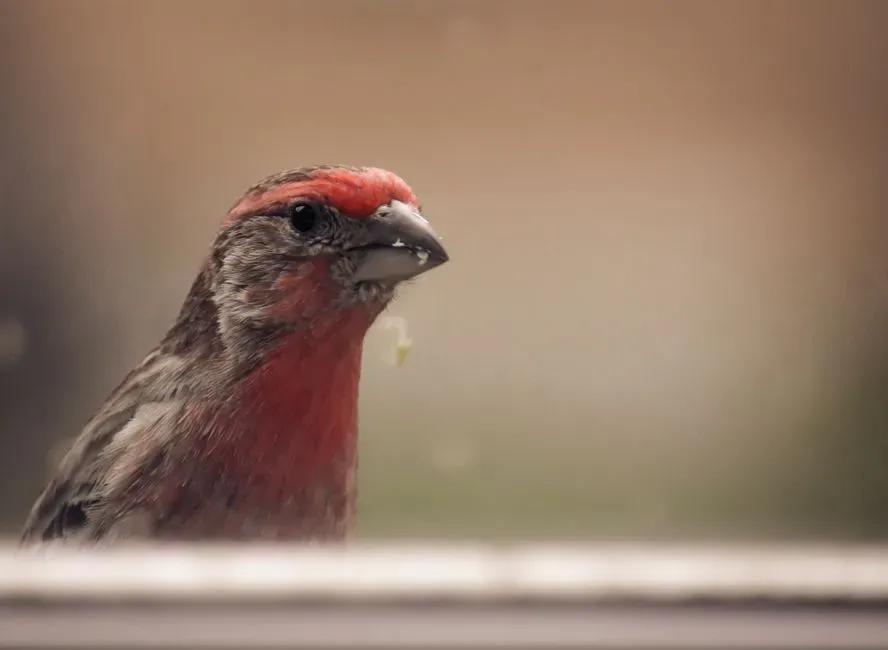
When a finch keeps appearing at your window, you are being offered more than a cute moment with a wild bird. Generations of folklore fold that experience into themes of joy, hope, freedom, connection, and spiritual wakefulness, while modern understanding adds honest nuance about bird behavior and the limits of literal prediction. You are free to see the bird as coincidence, as a symbol, or as something sacred; what matters most is whether the meaning you choose actually helps you live with more clarity and care.
Maybe the real message is this: your life is not sealed off from the natural world as tightly as you think. Even a creature that weighs less than an ounce can nudge you to look up, feel more, and act a little differently. The next time a finch lands at your window and looks in, you might quietly ask yourself: if this tiny visitor were a mirror, what part of you is it reflecting back today?