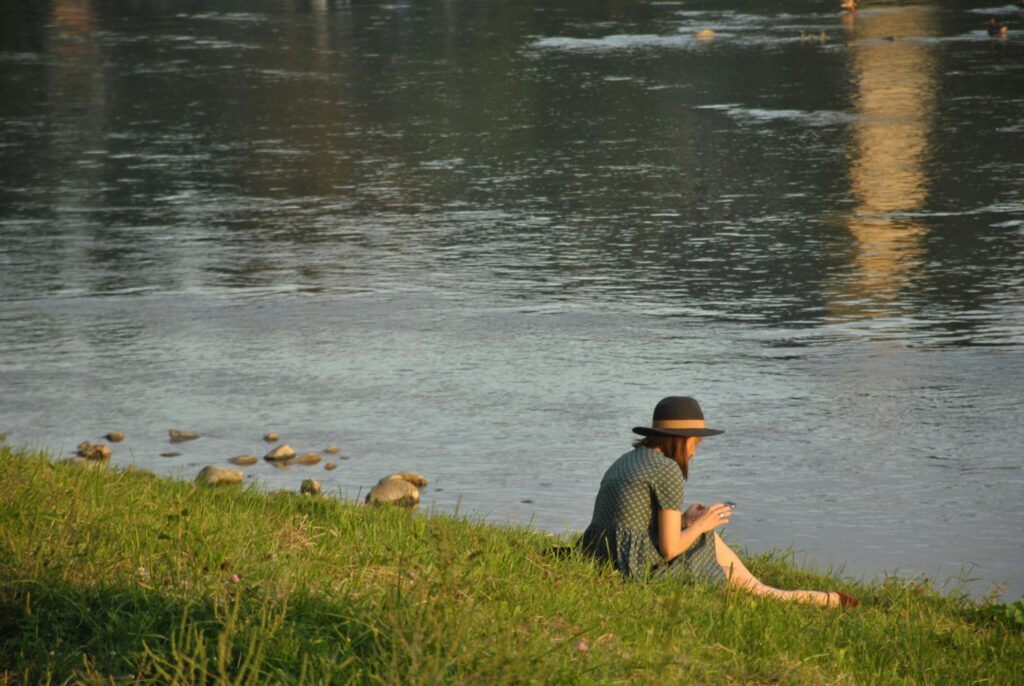

If you breathe easier in a forest than at a festival, you are not just being dramatic or antisocial. Your brain and body are literally running a different calibration than someone who thrives on packed rooms, loud music, and constant chatter. You are tuned to a quieter, more subtle signal, and your nervous system responds to environments in a way that is increasingly backed up by neuroscience.
Instead of thinking of yourself as someone who “can’t handle” crowds, it may be more accurate to see yourself as wired to track finer details: shifts in light, texture, sound, and emotion. Nature gives you that in a gentle, layered way, while crowds sling it at you like a firehose. Once you understand how your nervous system is set up, your preference for trees over traffic stops feeling like a flaw and starts looking like a feature.
Your Brain in the Woods vs. Your Brain in a Crowd

When you walk into a crowded room, your brain instantly starts processing a massive amount of information: faces, voices, movement, smells, and emotional cues. Your visual and auditory systems are flooded with rapidly changing stimuli, and your brain’s threat-detection networks stay on high alert, just in case something in that chaos signals danger. If you tend to feel tense or drained in crowds, it’s often because your nervous system is working overtime to filter the noise.
Now picture yourself stepping onto a forest path or a quiet beach. The sensory input is still rich, but it is slower, softer, and more predictable: the rustle of leaves, the rhythm of waves, the sway of branches. Instead of hard edges and sudden bursts of sound, you get gradual changes and organic patterns. Your brain can shift from scanning for threats to gently tracking the environment, which lets your body downshift into a calmer state.
The Two Main Modes of Your Nervous System

Your nervous system has two major settings you constantly move between: one geared toward action and protection, and one geared toward rest, connection, and repair. Crowds, noise, and urban environments tend to push you into the more activated state, where your heart rate rises, your breathing gets shallower, and your muscles get a little tighter, even if you do not consciously feel “stressed out.” If your system is already sensitive, this activation ramps up faster and sticks around longer.
In nature, especially quiet natural settings, your body gets more chances to spend time in the restorative mode. Your breath deepens almost on its own, your muscles soften, and your attention widens instead of locking onto the next possible problem. If you feel more comfortable with trees than traffic, it often means your internal dial is more easily twisted toward activation, so you instinctively seek environments that reliably bring that dial back down.
Sensory Processing Sensitivity: When You Notice More

If you cringe at harsh lighting, loud parties, or constant notifications, you may have a more finely tuned sensory processing system. That does not mean you are weak; it means you notice more. Your brain likely takes in extra details from your surroundings and processes them more deeply, especially emotional and social cues. This can be a gift in calm environments and a burden in chaotic ones.
Nature helps because it gives you complex but gentle stimulation. The patterns of leaves, the play of light on water, and the calls of birds offer plenty for a sensitive brain to explore without overwhelming it. Crowds, on the other hand, stack bright lights, dense bodies, loud sounds, and unspoken social rules all at once. If you feel fried by big gatherings but peaceful on a trail, that contrast is your nervous system showing you where it functions best.
Stress Hormones, Calm Signals, and Why You Feel “Too Much”
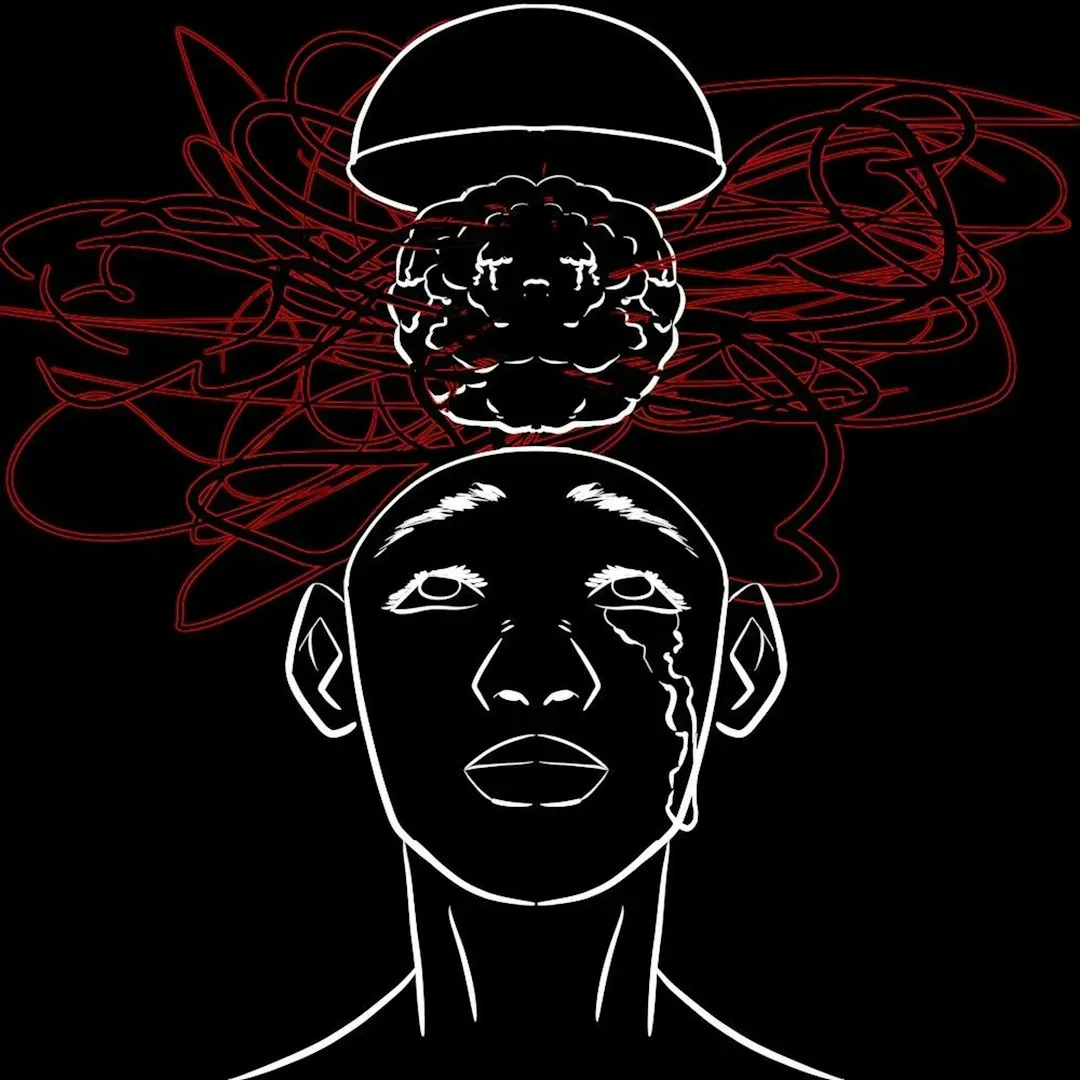
When you are in a crowd that feels like too much, your body can quietly drip out more stress chemistry: faster heartbeat, subtle tension in your jaw or shoulders, a slight knot in your stomach. You might call it anxiety or just say you are “tired,” but underneath, your stress circuits are more active. Because your system is sensitive, it does not take much noise, motion, or social pressure to flip those circuits on.
In nature, especially if you give yourself even ten or fifteen minutes, your body starts to send the opposite signals. Your heart rate can lower, your muscles loosen, and your breathing slows without you trying. You may feel your mind “clear” or your thoughts become less tangled. That is your nervous system recalibrating, turning down the inner alarm system and reminding your body what safety feels like in real time.
Attention, Overstimulation, and Why Nature Feels Like a Reset
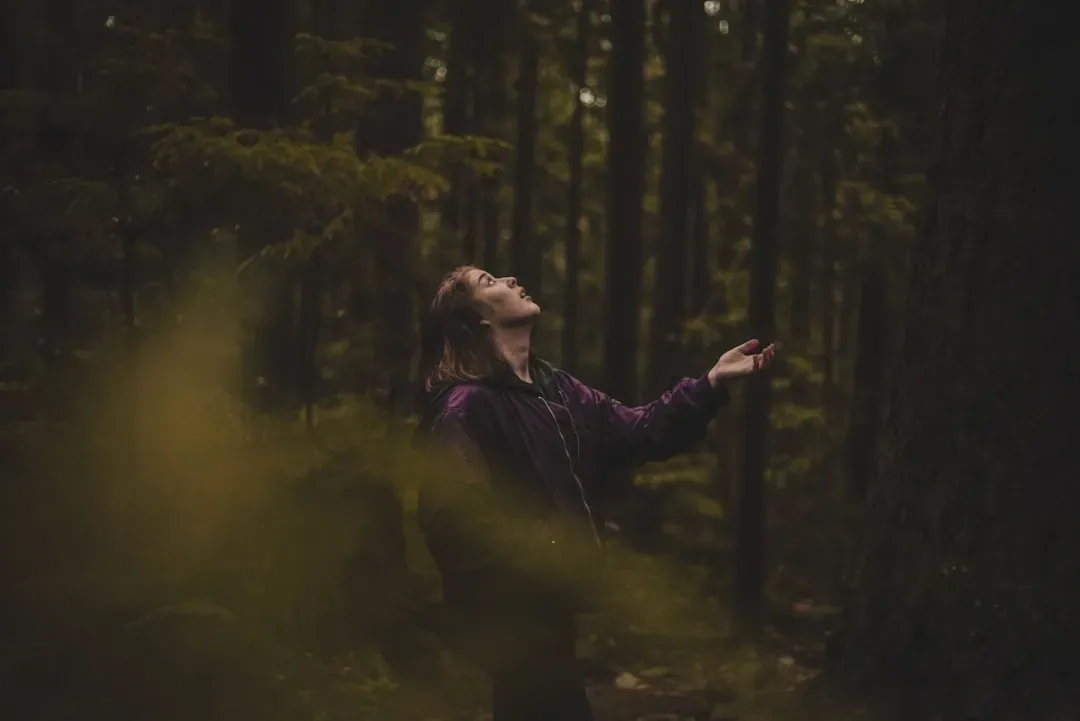
Crowded environments demand a very specific kind of attention: narrow, focused, and constantly shifting. You are tracking where to step, who is near you, what they might think, and what you should do next. Your brain is like a browser with too many tabs open, and eventually, you feel mentally overheated. If you have ever left a social event feeling like your brain battery just dropped from full to almost empty, you have felt this kind of overload.
Nature invites a softer, more open form of attention. You might rest your gaze on a distant line of trees or follow the slow motion of clouds without needing to react. Your mind can gently wander instead of constantly edit and respond. This open, wandering attention is deeply soothing to a nervous system that spends much of its life in constant vigilance, and that is a big part of why being outdoors can feel like pushing a hidden reset button in your body.
Social Energy, Loneliness, and What You Are Really Craving
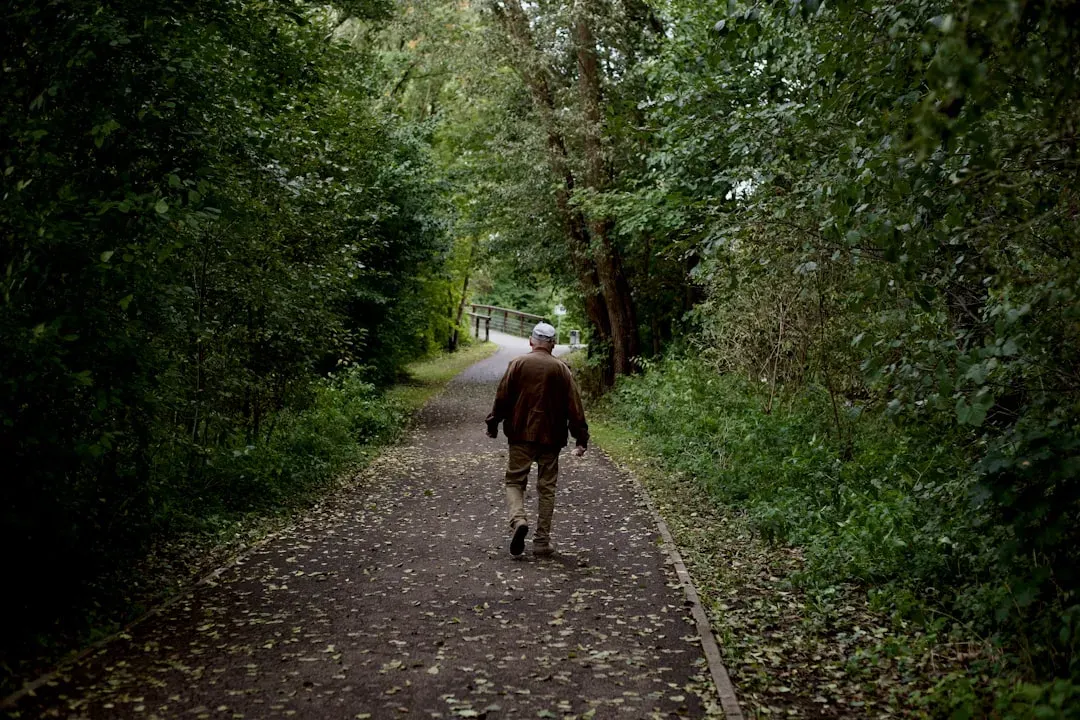
Preferring nature over crowds does not automatically mean you dislike people. It often means your nervous system struggles with the way social energy is packaged in modern life: rushed conversations, noisy rooms, surface-level small talk, and very little time to decompress. You may actually crave deep, one-on-one connection, but the typical social environment makes that hard to find without feeling overstimulated.
When you go outside alone or with one trusted person, you allow your system to hold both connection and safety at the same time. There is space for silence, for pauses, for just being side by side without constant performance. Your nervous system gets to feel socially linked without being socially flooded. If you have ever felt more bonded to someone after a quiet walk in the park than after a whole party, that is your internal wiring revealing what kind of contact nourishes you most.
How to Work With Your Calibration Instead of Fighting It

Once you see that your nervous system is calibrated differently, the goal shifts from “fixing” yourself to working with your wiring. You can start planning your days the way you would manage a finely tuned instrument: protect it from too much noise, give it time to rest, and let it perform where it naturally shines. That might look like limiting back-to-back social events or giving yourself a fifteen-minute walk outside before or after something intense.
You can also redesign how you socialize, choosing smaller gatherings, quieter places, or activities that include movement and nature instead of just sitting in a loud room. When you stop judging yourself for needing more breaks and more green space, you can be more fully present when you do show up. Instead of dragging yourself through every event half-fried, you become the person who is grounded, observant, and genuinely engaged, because you have honored the way your system works.
Simple Practices to Recalibrate in Everyday Life

You do not need endless free time or a mountain range to support your nervous system. Short, intentional practices can make a real difference, especially if you weave them into your normal routine. You might pause at a window and actually look at the sky for thirty seconds, or step outside for a few slow breaths between tasks. The point is not perfection; it is giving your body brief, repeated reminders of safety and space.
Building tiny rituals helps, too: a short walk under trees after work, sitting on the grass on your lunch break, or even tending a plant on your windowsill. Every time you connect with something natural, you are telling your nervous system, “You are allowed to come down a notch.” Over time, this can make crowds and busy environments feel a little less brutal, because your baseline is steadier and you know you can come back to your natural “home base” whenever you need.
Reframing Your Preference: From Flaw to Superpower

If you feel more at ease in nature than in crowds, you are not broken, behind, or weak. You are running a nervous system that is tuned to subtlety, depth, and slower rhythms. In a world that rewards constant buzz and noise, that sensitivity can feel like a liability, but it also lets you notice what others miss: mood shifts, micro-expressions, textures, patterns, and the quiet beauty hiding in plain sight. That capacity is not an accident; it is part of how your entire system is built.
The more you treat your calibration as something worth respecting, the more it starts to work for you instead of against you. You become the person who brings calm into chaotic rooms, who senses when someone is struggling before they say a word, who can find real rest in a patch of sunlight or a stretch of sky. Your nervous system is not wrong for preferring the forest to the crowd; it is simply telling the truth about where it functions best. The real question is, now that you know this, how will you choose to live with that truth?