
If you are reading this on a couch, in a cafe, or at a desk, your body is quietly preparing for ambushes, cliffs, famines and predators that are almost certainly never coming. Evolution does not update on a yearly schedule like your phone; it lags by tens of thousands of years. That means your nervous system is still wired for ice ages and saber-toothed problems, even while your biggest threat today might be unread emails. The result is a strange mismatch: ancient survival code, modern environment.
Once you start noticing these old reflexes, everyday quirks suddenly make sense. Why does your heart pound during a tense Zoom meeting as if you are about to sprint for your life? Why do you jolt awake at night for no obvious reason, convinced something is wrong? These are not random glitches. They are deeply baked-in survival systems, still running in the background, designed for conditions so extreme most people living in relatively safe societies will never face them. Let’s dig into seven of the most fascinating ones still controlling you, whether you like it or not.
The Fight‑or‑Flight Cascade: A Full Predator Alarm Triggered by Email

Imagine your ancient ancestor rounding a bend and suddenly locking eyes with a large, angry animal. In a fraction of a second, their brain flipped a biochemical switch: the sympathetic nervous system lit up, adrenaline surged, blood shunted away from the gut toward big muscle groups, pupils widened, and the heart began pounding, all to either attack or escape. That cascading response is the classic fight‑or‑flight reflex, and it still comes online in you with almost the same intensity, even when the “predator” is only a tense conversation or an alarming notification. Your body is not evaluating saber‑toothed tigers versus Slack messages; it is simply reacting to perceived threat.
What is wild is how overbuilt this response is for many modern stressors. The full cascade is tuned for life‑or‑death situations: sprinting, climbing, wrestling, bleeding. Most of us, thankfully, rarely face that kind of physical danger, yet the wiring has not received the memo. So you get tunnel vision in a meeting, shaky hands after a difficult phone call, or a racing heart before public speaking as if you are about to flee across open terrain. In terms of raw survival, that overshoot made sense; it was safer to have a hair‑trigger alarm in a dangerous landscape. In a world where threats are more psychological and less physical, the same system can feel like overkill – and yet it is still doing exactly what it was built to do.
The Startle Reflex: Your Built‑In “Hit the Deck” Program
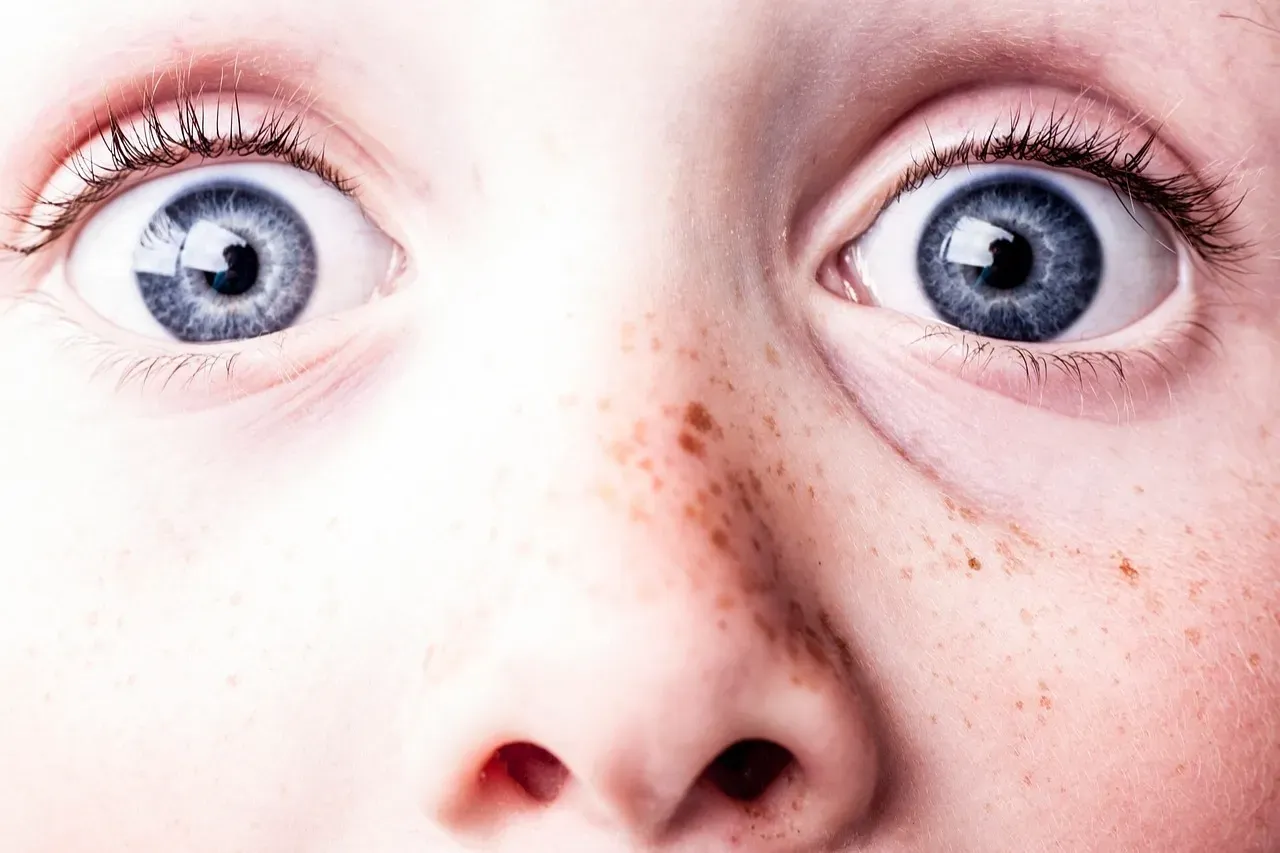
That full‑body jolt when a door slams or a car backfires is not just you being “jumpy.” It is a hardwired startle reflex designed for sudden, potentially lethal events like falling rocks, ambush attacks, or unexpected blows. In an instant, muscles in your neck and shoulders tense, you hunch slightly, your eyelids blink, and your body may even twist away from the source of the sound. This pattern is so consistent that researchers study it to understand how the brain handles threat, and you can see a simpler version even in newborns who fling out their arms when they feel like they are falling. Your nervous system is primed to yank you out of whatever you are doing and into rapid‑defense mode.
In ancestral environments, that split‑second protective flinch could mean the difference between a glancing hit and a fatal injury. Today, most of the time, the worst outcome is spilling your coffee or feeling slightly embarrassed in public. But the reflex has not faded, because evolution tends to keep anything that might one day prevent catastrophe. Even people who have never been near a battlefield or a collapsing tree exhibit the same wiring. In a sense, you carry a permanent “duck and cover” program inside you, built for falling debris and surprise attacks, that now mostly serves to make horror movies more effective and loud roommates more annoying.
Freezing Before Fleeing: The Predator Confusion Tactic

One of the most counterintuitive survival reflexes is the tendency to go completely still under threat. Many animals, including humans, show a freeze response: heart rate can drop, breathing becomes shallow, muscles lock, and behavior pauses for a moment. In nature, that pause can offer two big advantages. First, it gives the brain a brief window to process what is happening and pick a strategy instead of flailing. Second, many predators are attuned to movement; going motionless can reduce the chance of drawing attention or can make you harder to track in low light or dense cover.
In the modern world, though, freezing can feel like betrayal. You might blank out during a presentation, feel unable to move or speak in a confrontation, or “shut down” in an emergency instead of taking the decisive action you always imagined you would. It is easy to label that as weakness, but it is actually an ancient survival algorithm kicking in: when in doubt, stop and minimize detectability. The reflex is so ingrained that people in high‑risk jobs, like pilots or first responders, train specifically to override or channel it, because the body’s default is not always what the situation now requires. Your nervous system still assumes that sometimes the smartest move is to become a statue and hope the danger passes by.
The Dive Reflex: Your Body Thinks You Might Go Underwater Any Second
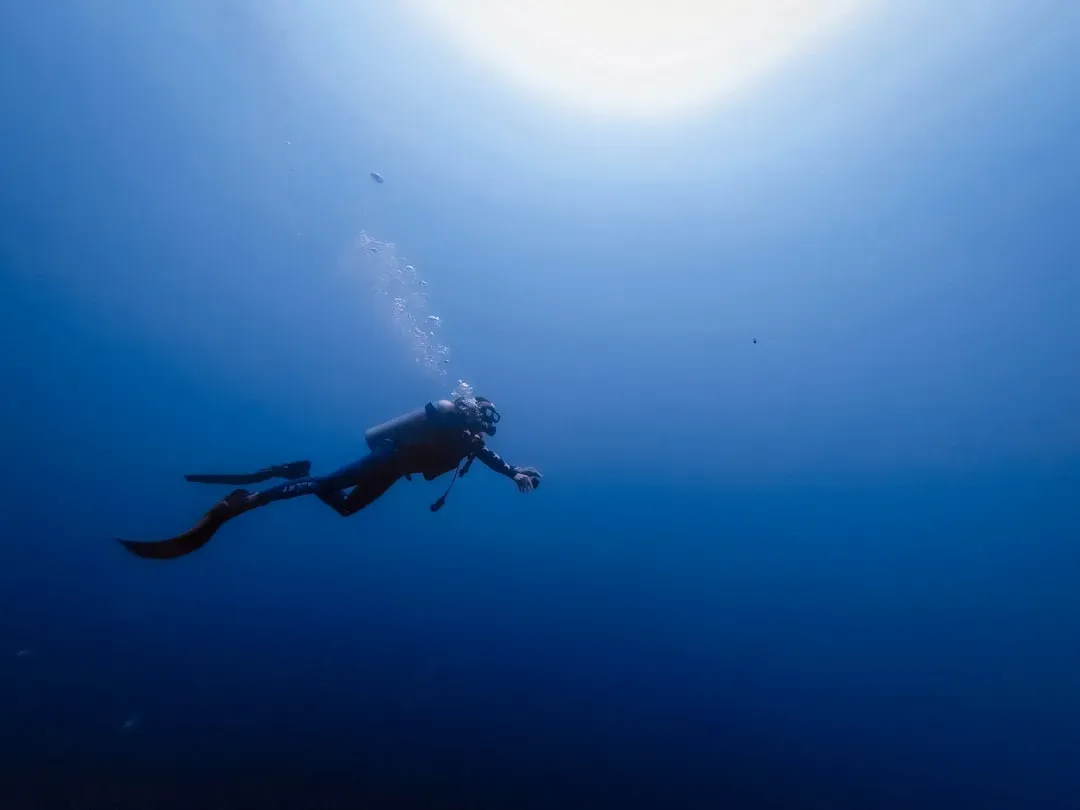
Humans, like many mammals, show what is often called the dive reflex when the face is submerged in cold water. Heart rate slows, blood vessels in the limbs constrict, and more blood is shunted toward vital organs like the brain and heart. This response helps conserve oxygen and protect critical systems if you suddenly find yourself underwater and struggling to breathe. It is not a conscious strategy; it is an automatic reconfiguration of your circulation, especially strong in infants but still present in adults who rarely, if ever, face genuine drowning risks.
In ancient coastal or riverine environments, this reflex could buy crucial seconds in cold water, during hunting, crossing streams, or accidents. Today, many people only notice it during swimming, ice baths, or even when splashing cold water on their face. Yet the body still carries this built‑in “emergency diving mode” as if unplanned immersions are a regular feature of daily life. Interestingly, some relaxation techniques take advantage of this response by using cool water on the face to nudge the nervous system toward a calmer state, a modern hack of an ancient aquatic survival trick your ancestors barely understood but relied on all the same.
The Cliff‑Edge and Heights Response: Anti‑Fall Software from a Pre‑Fence World
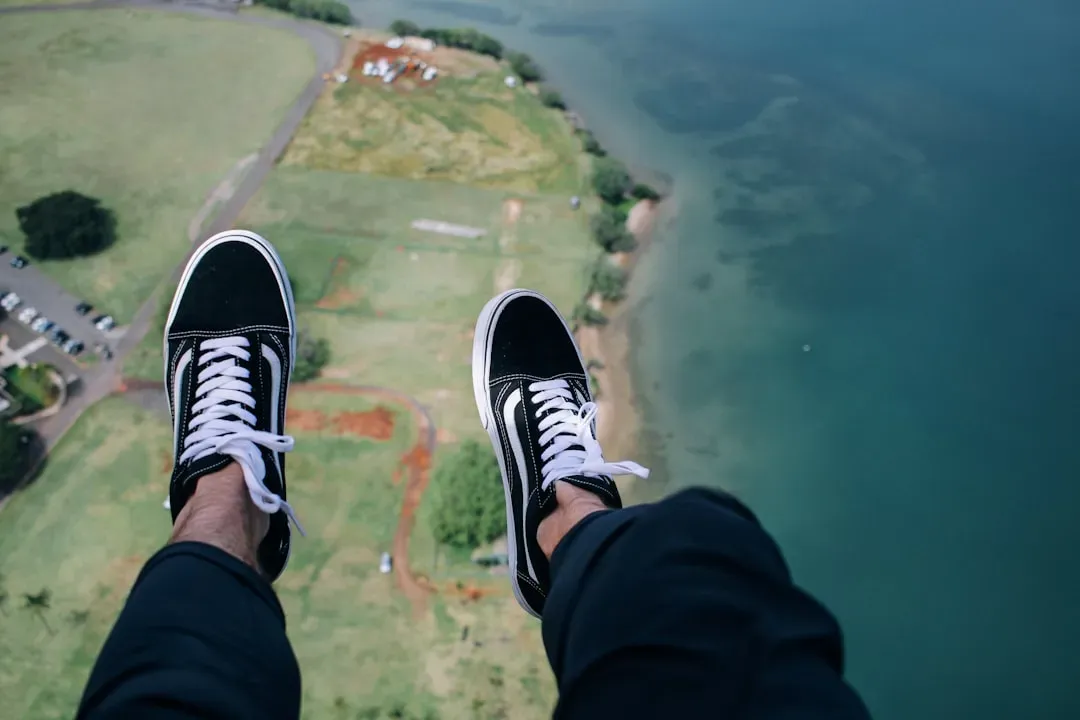
That wave of vertigo or unease you feel near a balcony edge or a steep drop is not just “being bad with heights.” Humans display a deeply rooted avoidance of unprotected edges, seen even in very young infants who hesitate at visual cliff experiments where a surface appears to drop away beneath them. Evolutionarily, this makes perfect sense: in a landscape filled with ravines, cliffs, and unstable ground, an innate fear of heights and drop‑offs would dramatically lower the odds of fatal falls. Your leg muscles tense, your posture shifts slightly backward, and your awareness locks onto the potential fall zone, essentially running a real‑time “do not step here” protocol.
Modern environments are full of railings, guard walls, and safety standards, yet the underlying circuitry has not dialed down. Glass‑walled observation decks, tall stairwells, or rooftop bars can trigger the same visceral warning system even when the actual risk is minimal. For most people, this response is more of an uncomfortable sensation than a functional tool, yet it was tuned for a world with no harnesses, no secure railings, and no building codes. Your body is still acting as if one misstep means an unrecoverable fall into a ravine. It is a reminder that your brain’s assessment of “safe enough” is calibrated to a much harsher and less predictable terrain than the one under your feet now.
Stress‑Fat Storage: Your Metabolism Thinks a Famine Is Coming

One of the most stubborn survival reflexes is the body’s tendency to store extra energy as fat when it senses long‑term stress or scarcity. For early humans, long periods of uncertainty often went hand in hand with unreliable food supplies: harsh winters, droughts, disrupted hunting grounds. In that context, a metabolism that became more efficient under stress – hanging onto calories, slowing down certain processes, depositing fat for later – was a lifesaver. Put crudely, your body learned to treat sustained stress as a warning that a famine might be on its way.
Fast‑forward to modern life, and that same reflex can feel like the enemy. Chronic work stress, irregular sleep, or emotional strain can nudge hormones involved in appetite and fat storage in directions that favor hanging onto weight, even when food is constantly available and there is no genuine famine in sight. It is maddeningly ironic: the more your life feels like a grind, the more your body may behave as though it needs to hoard resources. If you catch yourself resenting your own metabolism, it helps to remember that this is not sabotage; it is a protective system shaped in an environment where “too much food” was a fantasy and “too little for too long” was the real killer your cells were trying to outsmart.
Hypervigilance in the Dark: Night Watch Mode in a World of Streetlights
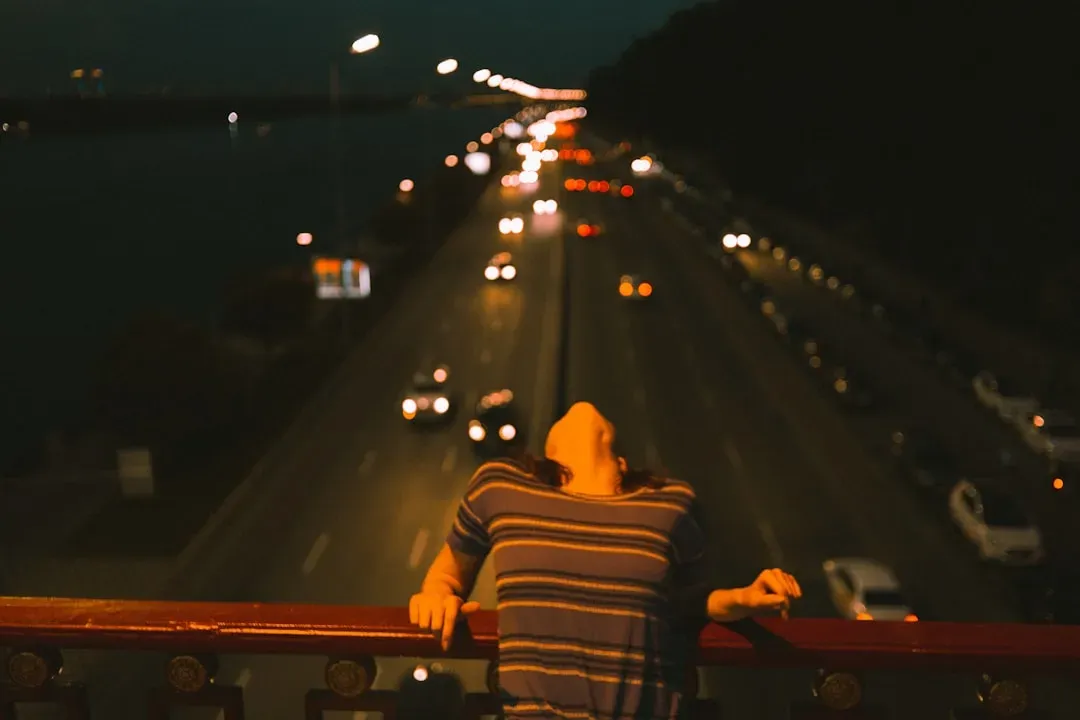
Have you ever noticed how a creak in the house sounds ten times louder at night, or how your imagination ramps up in a dark unfamiliar place? Humans evolved in a world where nighttime was when vision was weakest and many predators were most active. Our ancestors who survived were those whose senses sharpened in low light, whose sleep could be fragmented by small sounds, and whose brains erred on the side of assuming that rustle in the grass might be something with teeth. The result is a nervous system that easily slips into hypervigilance in the dark, even when the most likely “predator” is a shifting air duct.
In cities and suburbs with locked doors, streetlights, and relatively low rates of physical attack, this ancient night watch mode can feel excessive. People wake up multiple times, scan for danger, struggle to fall back asleep after a minor noise, or feel a surge of anxiety walking through a dark parking garage. These reactions are out of proportion to the actual statistical risk, but perfectly in line with what kept your lineage alive in a very different world. Your body still treats darkness as a time when you should sleep lightly, be ready to bolt, and assume that what you cannot see might hurt you. In an odd way, every restless night contains a shadow of your ancestors huddled around a dwindling fire, listening for what might be moving just beyond the glow.
Conclusion: Ancient Code in a Civilization That Outgrew It
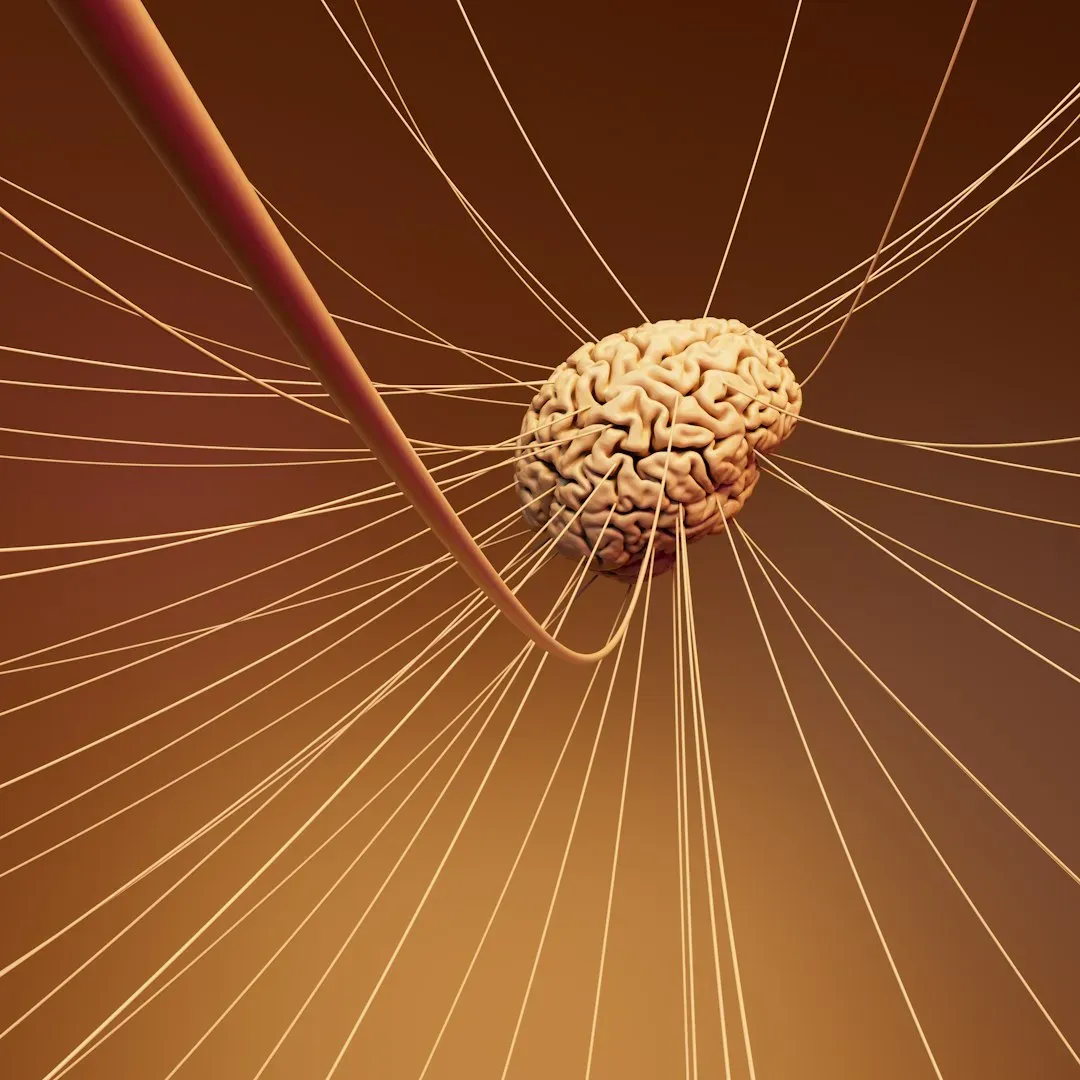
When you step back and look at these reflexes together, a clear picture emerges: your body is not badly designed; it is just badly updated for the world you live in now. Fight‑or‑flight storms in to handle office politics, the startle reflex throws your coffee in the air, freezing hijacks your big moment, the dive response prepares you for accidental immersion, your fear of heights screams on secure balconies, your metabolism hoards against imaginary famines, and your night brain patrols for predators long extinct. None of this is irrational if you judge it by the world that shaped it. It only looks out of place because our external reality has transformed far faster than our internal wiring.
In my view, the goal is not to “turn off” these ancient systems but to understand them well enough to work with them. When you know your panic before a presentation is the same circuitry that once saved lives on the savanna, it becomes a little easier to meet it with curiosity instead of shame. The most powerful stance we can take is to treat our nervous system like old but brilliant software: full of clever solutions to problems we rarely face now, occasionally buggy, but fundamentally on our side. The real question is not whether these reflexes are outdated, but how we can live wisely with them still humming in the background – what would you do differently if, every time they fired, you remembered they were proof of just how many dangers your ancestors already survived for you to be here at all?