
Walk through a seemingly ordinary second-growth forest and you might feel like you are simply surrounded by a bunch of individual trees trying to outcompete each other for light. But beneath your feet, a very different story is unfolding – one that sounds more like science fiction than ecology. An ancient underground fungal network, older than the trees themselves, is busy shuttling nutrients, relaying chemical signals, and reshaping how life cooperates after catastrophe.
It is wild to think that many of the forests that were clear-cut a hundred years ago are now stitched together again, not just aboveground but below, through vast webs of mycorrhizal fungi. These networks were not invented by today’s trees; they are part of a much older infrastructure that plants have been tapping into for tens of millions of years. Once you realize that the forest floor is basically a biological internet, every stump, sapling, and mushroom takes on a new meaning – and the recovery of cutover forests becomes far more mysterious and impressive.
The Hidden Internet Beneath Our Feet
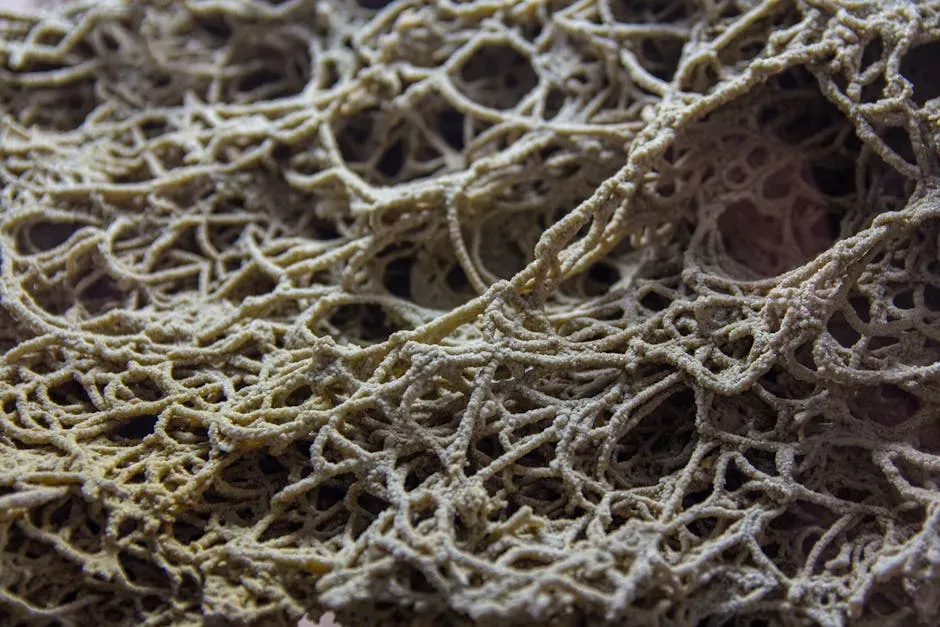
The idea that forests are wired together through fungi can sound like poetic metaphor, but it is firmly rooted in decades of ecological research. Mycorrhizal fungi form intimate partnerships with tree roots, spreading out as incredibly fine filaments through the soil and massively increasing the area through which plants can absorb water and nutrients. In exchange, trees pay the fungi in sugary carbon compounds produced through photosynthesis, turning the relationship into a quiet but powerful economy.
What makes this so astonishing is the sheer scale. In a handful of healthy forest soil, you can find kilometers of fungal threads, much of it connecting multiple plants at once. This is why scientists sometimes talk about “common mycorrhizal networks” – literal shared infrastructure that ties together different trees and understory plants. Once you see the forest this way, the idea of isolated individuals competing in silence starts to feel like an outdated myth.
How Ancient Fungal Networks Outlive the Trees
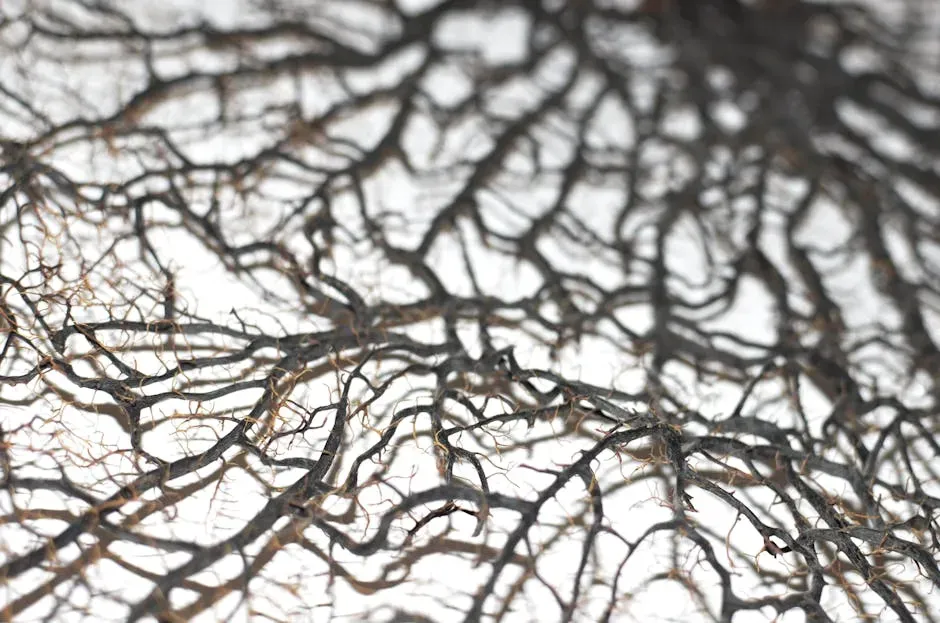
One of the most surprising insights from modern ecology is that many fungal partners are older than the current generation of trees – and, evolutionarily speaking, older than forests as we know them. Fossil evidence and genetic studies suggest that mycorrhizal fungi helped the first plants colonize land hundreds of millions of years ago, long before pines, oaks, or maples existed. When a forest is cut down, the trees may vanish in a season, but the fungal communities embedded in the soil can persist, waiting for new roots to arrive.
Of course, not all fungi survive a brutal clear-cut; intense soil disturbance, erosion, and compaction can wipe out sensitive species. But many mycorrhizal fungi endure, especially where some roots, shrubs, or remnant trees escape total destruction. As new seedlings establish themselves – whether planted by humans or dropped by birds – the surviving fungi can colonize their roots and begin rebuilding a shared network. In that sense, the underground web acts like a memory of the old forest, carrying forward an ancient biological infrastructure even as the canopy changes.
Forests That Were Clear-Cut: How Recovery Really Works
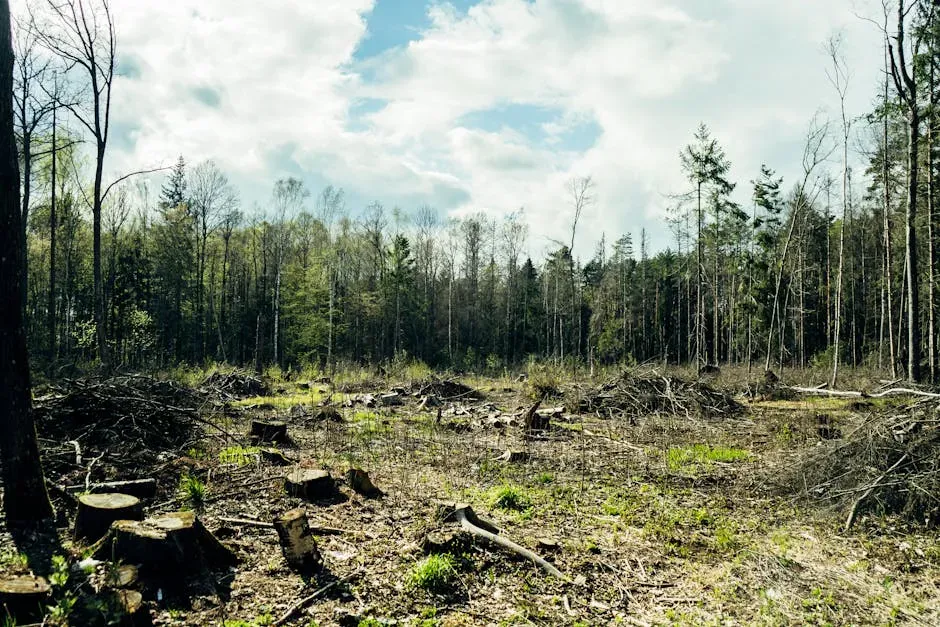
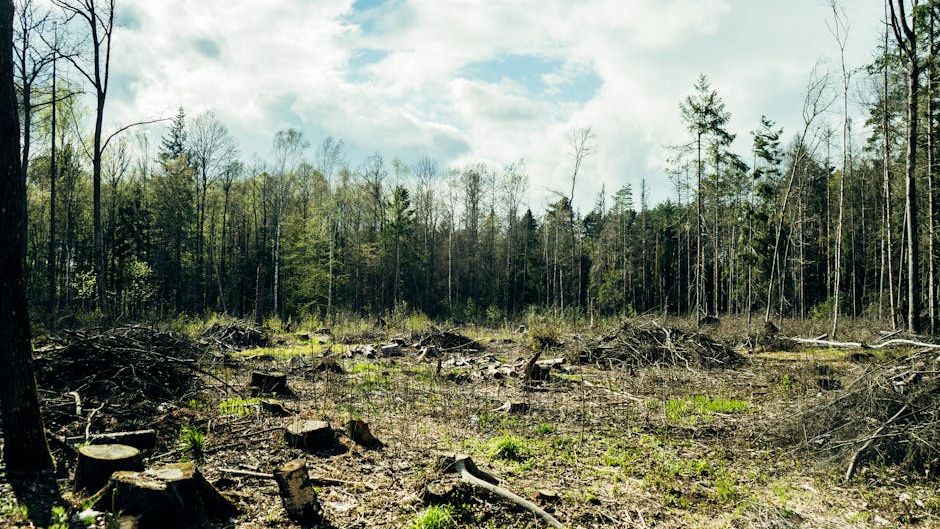
When we talk about forests that were clear-cut a century ago, it is tempting to imagine a clean slate, as if loggers erased everything and started from zero. Reality is messier and more interesting. While trunks were hauled away and sunlight flooded the soil, seeds, root fragments, and fungal spores remained. Over the following decades, a mix of pioneer species, hardy shrubs, and opportunistic fungi rushed in to occupy the disturbed space, gradually stitching together something that starts to look and function like a forest again.
The key point is that the recovery is not purely random. Soil conditions, leftover root systems, and surviving fungal networks guide which trees do well and where. In many regenerated forests, you can still detect the ghostly imprint of the former ecosystem in the underground fungal communities. So the forest you see today – its tree species, density, and resilience – is partially shaped by the invisible legacy of those ancient mycorrhizal partners that managed to hang on after the saws and skidders rolled away.
Tree-to-Tree Communication: More Than Just a Metaphor
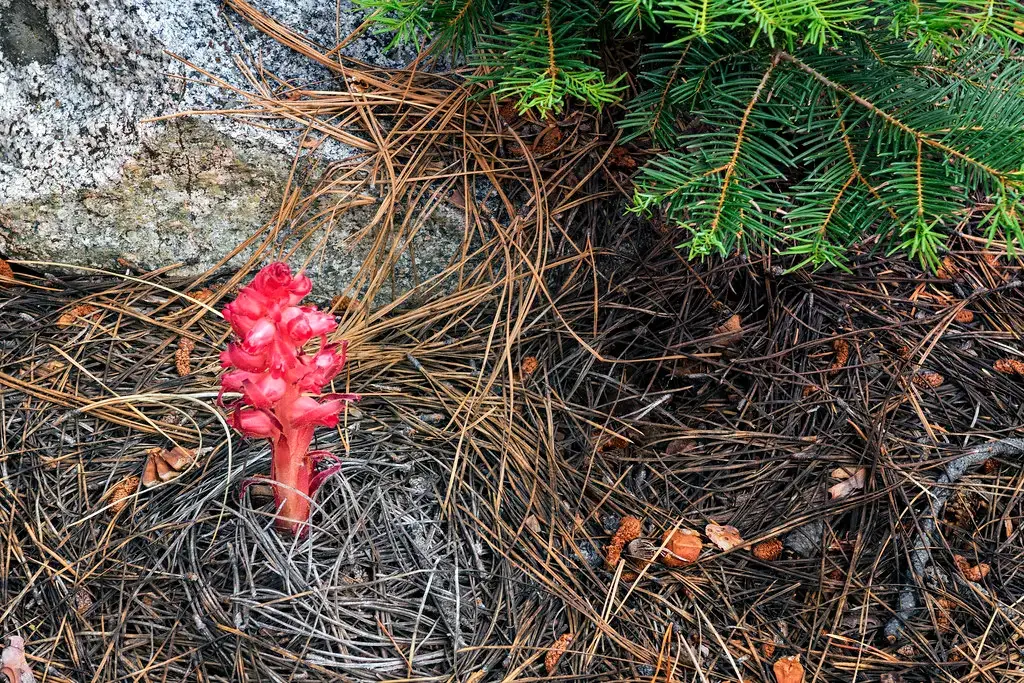
When people hear that trees “communicate” through fungi, it can sound suspiciously like mystical storytelling. But there are real, measurable processes happening belowground. Through shared fungal networks, trees can transfer nutrients such as nitrogen and phosphorus, and even move small amounts of carbon from one individual to another. Experiments using tracers have shown that shaded or stressed seedlings can receive some nutritional help from better-situated neighbors via these fungal connections.
Signals also appear to travel through the network. When a tree is attacked by insects or disease, it can ramp up chemical defenses, and some studies suggest that neighboring trees plugged into the same mycorrhizal system may respond more quickly than unconnected ones. That does not mean trees are sitting around making conscious decisions or having conversations. But it does mean that the forest behaves less like a collection of isolated organisms and more like a community linked by a sensitive, shared communication and transport grid.
Mother Trees, Seedlings, and the Politics of Sharing
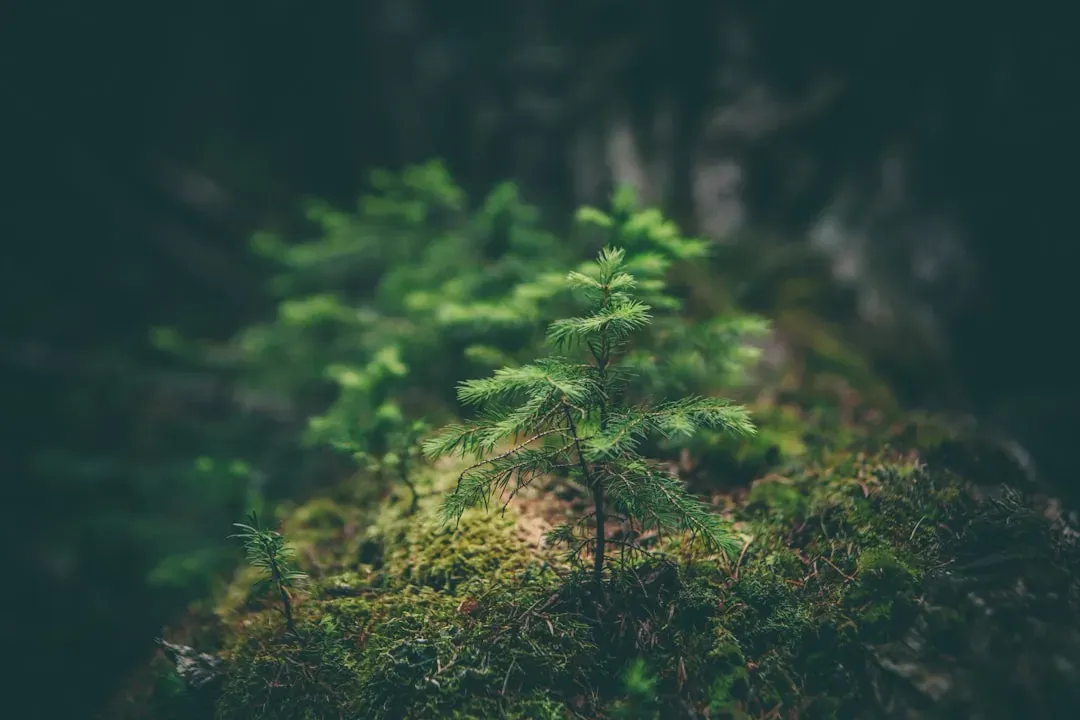
One especially compelling idea to come out of this research is that older, well-established “hub” trees play a disproportionate role in supporting younger seedlings. Through complex fungal networks, these big veterans can be connected to many smaller neighbors, sometimes even transferring resources that help those seedlings survive shade or poor soil. In forests that have regrown after clear-cutting, these roles may eventually emerge again as certain trees become central connectors in the underground web.
There is still plenty of debate about how far this support goes, how common it is, and whether it should change how we manage forests. But the basic picture – that not all trees are equal in the network, and some act more like hubs or anchors – has serious implications. If we remove the large, older individuals that structure these fungal webs, we may be ripping out vital wiring that younger trees rely on. In that light, logging or thinning decisions become less about counting trunks and more about understanding who is plugged into whom.
Fungal Networks and Climate Resilience
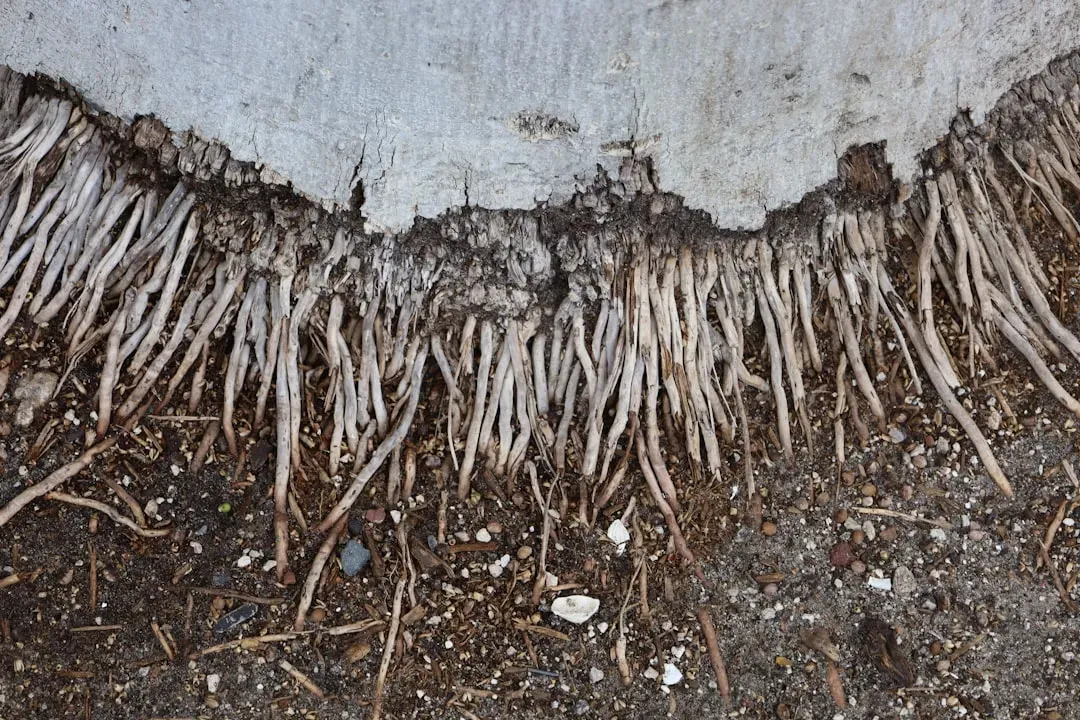
In a century marked by climate instability, these underground alliances matter more than ever. Mycorrhizal fungi help trees access water in dry periods and can buffer plants against certain stresses, making forests more resilient in the face of heat waves, droughts, and shifting weather patterns. When we look at second-growth forests that bounced back after historic clear-cuts, part of their ability to recover and withstand new pressures likely comes from the re-establishment of robust fungal networks.
There is also a carbon story here. Healthy mycorrhizal systems help trees grow and store more carbon in their biomass and in the soil. If we think of the forest as a climate battery, then fungi are the wiring that lets the battery actually charge. Ignoring the fungal side of the equation in climate policy is like trying to improve a power grid while paying attention only to the power plants and not the transmission lines that make the whole system work.
What This Means for Forest Management and Restoration
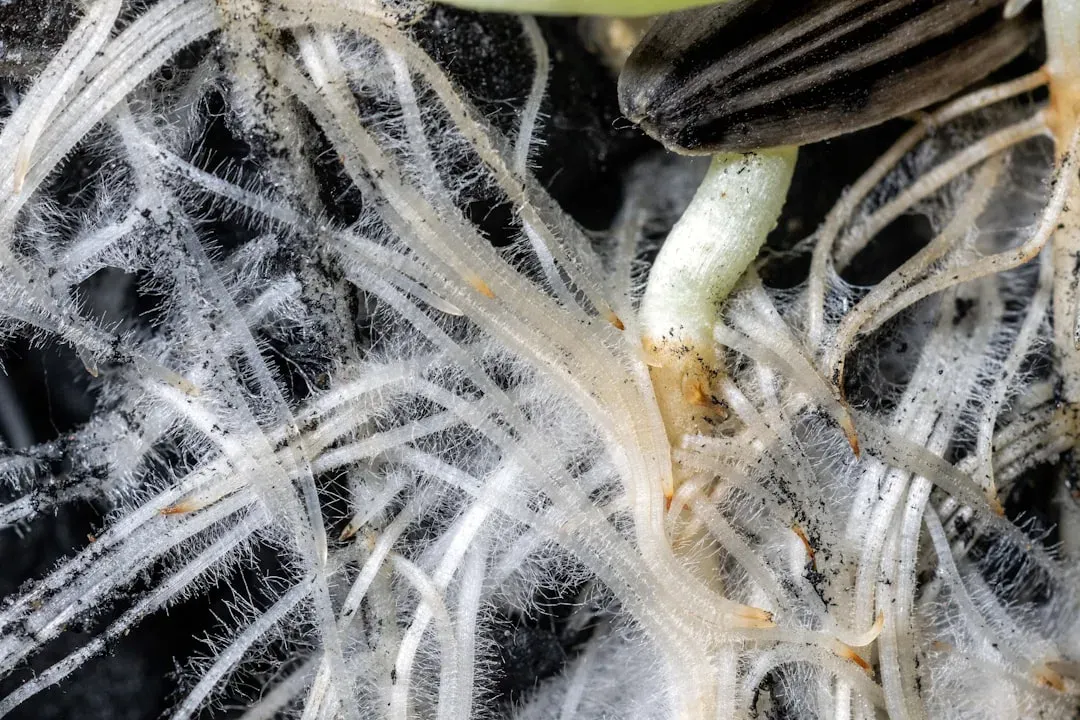
Once you take fungal networks seriously, forest management starts to look very different. Instead of treating soil as just “dirt” and trees as interchangeable stems, you begin to see a complex, living infrastructure that can be protected, damaged, or nurtured. Practices that minimize soil disturbance, preserve patches of old forest, and maintain a diversity of tree species all help sustain the underground webs that make the whole system more robust.
For restoration projects on lands that were clear-cut or degraded, this means paying attention not only to which tree species are planted, but also to the condition of the mycorrhizal community. In some cases, retaining legacy trees, nurse logs, or undisturbed forest islands can act as fungal reservoirs that jump-start the rebuilding of networks. It is a quiet kind of engineering: you are not building bridges and roads out of steel, but coaxing an ancient living network to rewire itself.
The Ethics of Listening to a Talking Forest
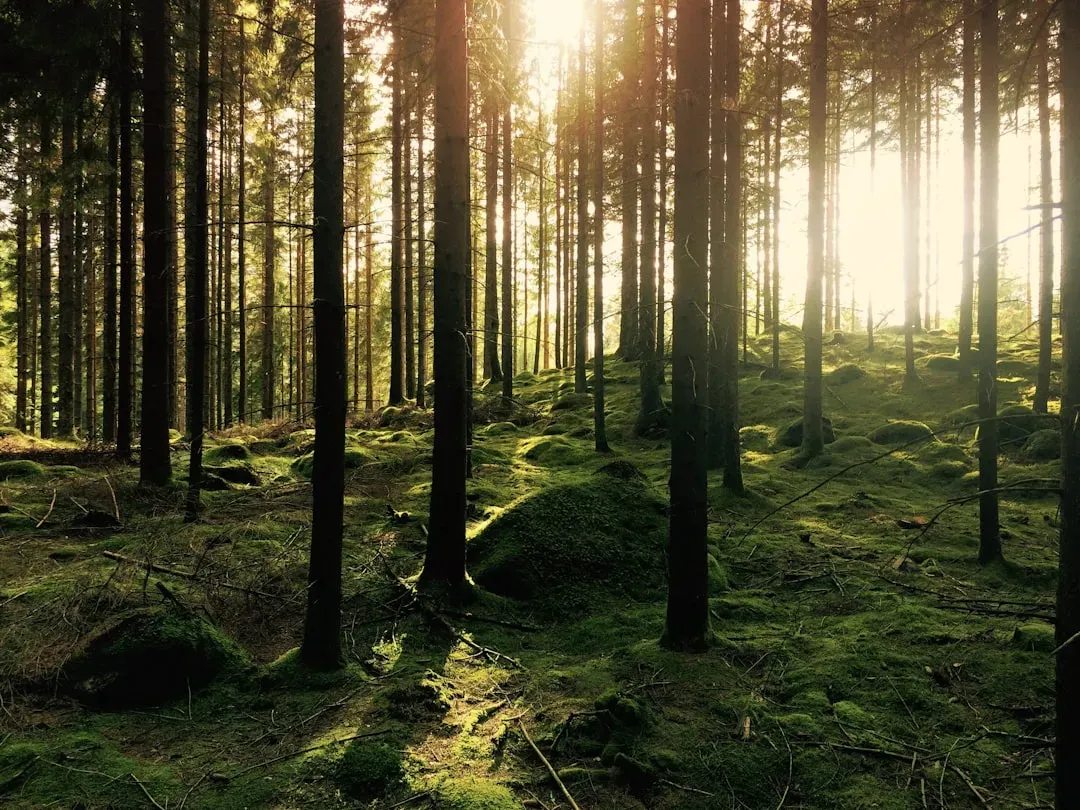
There is something almost unsettling about the idea that a regrown forest might still be following the buried script of an older one, guided by fungal partners that predate the current trees. It challenges the comfortable story that humans can erase an ecosystem and then re-create it on our own terms, as if nature were a factory we can reboot at will. Instead, it suggests that even after the most aggressive logging, there are living memories left behind in the soil, and that forests carry continuity we barely understand.
Personally, I find it humbling and a little thrilling. If forests are communicating underground, not in words but in carbon, nutrients, and biochemical alerts, then our role shifts. We are not just managers, owners, or resource users; we are eavesdroppers who barely speak the language. To me, that means our default stance should be restraint and respect. Before we claim that a cutover forest has fully “recovered,” we ought to ask whether the ancient networks beneath it have been allowed to heal – and what we might owe to a living system that remembers more than we do.
Conclusion: A Rewired Forest, An Old Intelligence
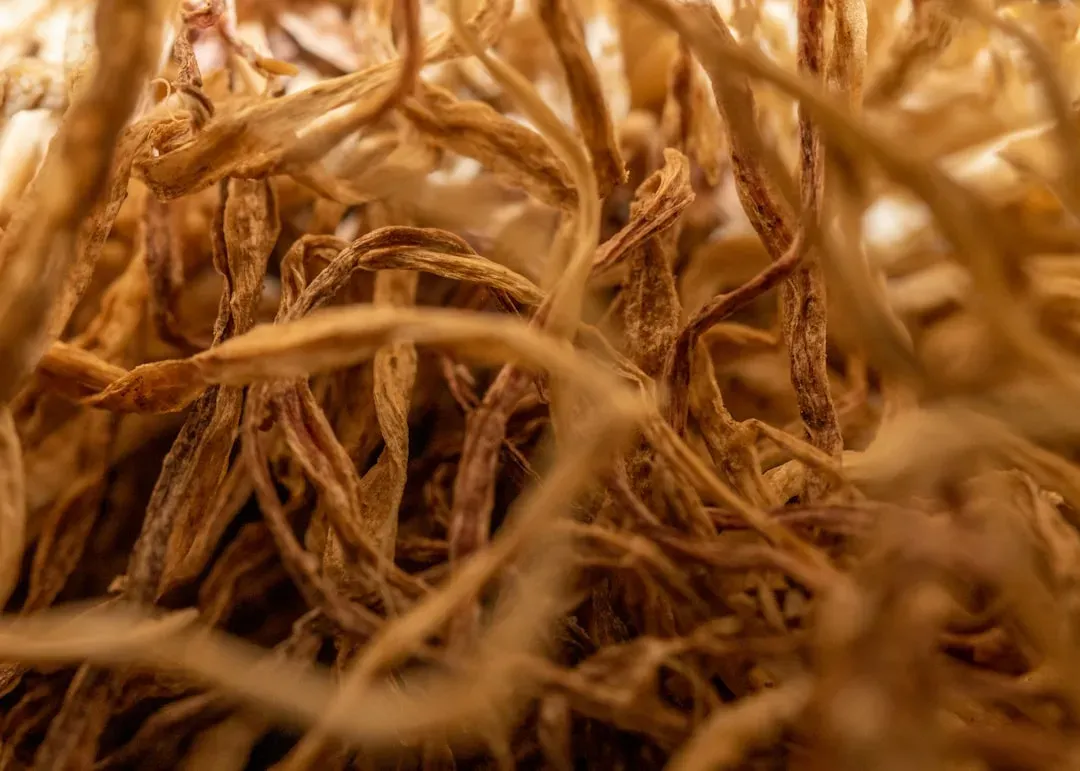
When you put all of this together, the headline idea stops sounding like fantasy and starts looking like a sober, if astonishing, summary of what ecology is revealing. Forests that were clear-cut a century ago are not just random collections of replacement trees; they are communities quietly reconnected by fungal networks with roots that stretch deep into evolutionary time. Those networks move nutrients, relay signals, shape who survives, and carry echoes of the forests that came before. Ignoring them is like trying to understand a city by looking only at its skyline and refusing to admit that roads, wires, and pipes matter.
My own opinion is that we have been far too confident in the story that we can bulldoze ecosystems and then simply “restore” them later with enough seedlings and funding. The more we learn about mycorrhizal networks, the clearer it becomes that some of the most important architecture is invisible, slow-growing, and insulted by quick fixes. If anything, the underground conversations of these regrown forests should be a warning against arrogant management and a nudge toward long-term, patient stewardship. Next time you walk through a stand of trees that replaced an old clear-cut, it might be worth asking yourself: if the forest is finally talking again beneath your feet, are we wise enough to listen?