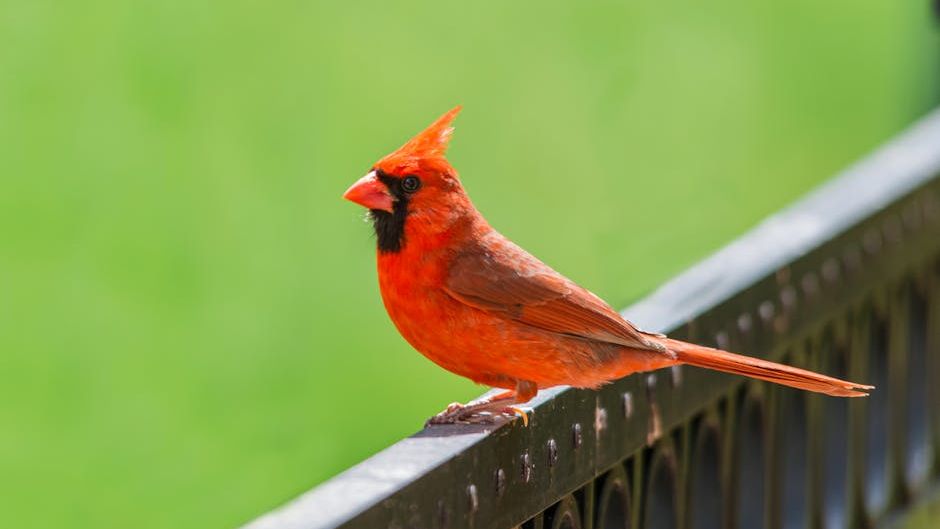

Have you ever been in the middle of a really hard day, stepped outside to clear your head, and suddenly a bright red cardinal landed right in front of you? For a lot of people, that tiny moment feels almost staged, like the universe is sending a message. Even if you’re skeptical, something about that flash of red against a gray mood can stop you in your tracks and make you wonder if there’s more going on than just a hungry bird looking for seeds.
Across generations, people have turned to stories, symbols, and signs to make sense of grief, uncertainty, and pain. Cardinals sit right at the center of many of these stories. From whispers that they’re messengers from loved ones who’ve passed, to old sayings about hope and renewal, the folklore around cardinals has become a kind of emotional language. You do not have to believe in anything mystical to feel the comfort of that language. In this article, we’ll unpack where these beliefs come from, how they show up in different traditions, and what it might really mean when a cardinal appears during one of your hardest seasons.
The Cardinal As a Messenger in Traditional Folklore
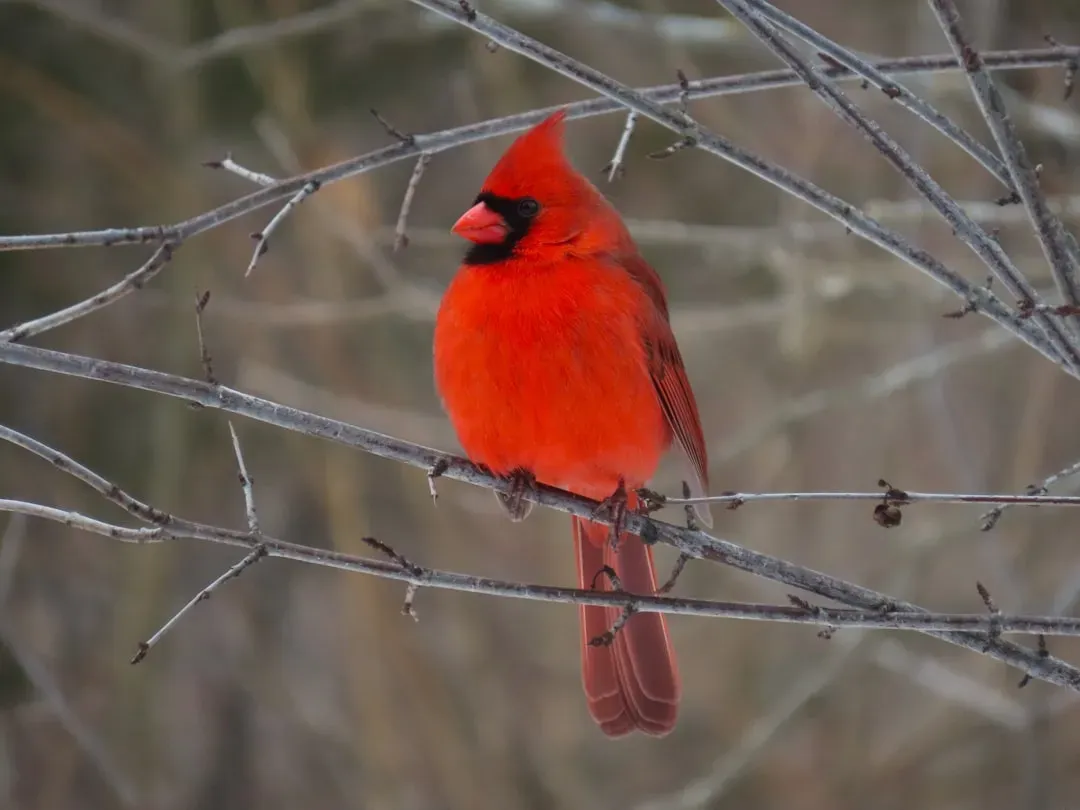
One of the most widespread pieces of cardinal folklore is the idea that they are messengers, especially in moments when life feels heavy. In many families, there’s a saying passed down that when a cardinal appears, a loved one who has died is nearby in spirit. This doesn’t come from one single ancient text or religion; it has grown more from a blend of Christian symbolism, European folk beliefs, and North American storytelling over time. The cardinal’s dramatic color and its tendency to stick around all winter only deepen this sense that it is something special breaking through the ordinary.
What makes this belief powerful is not whether it can be scientifically proved, but how it functions emotionally. When you’re in grief or facing a crisis, your brain is desperately trying to stitch meaning into chaos. Seeing a cardinal right then can feel like a stitched seam, a sign that the story is not just pain and emptiness. Folklore steps in where data cannot: it gives shape to an inner experience. The bird becomes a messenger not because someone can prove it, but because people collectively decided that this is a comforting and resonant way to understand its presence.
Cardinals and the Idea of Loved Ones Visiting From Beyond
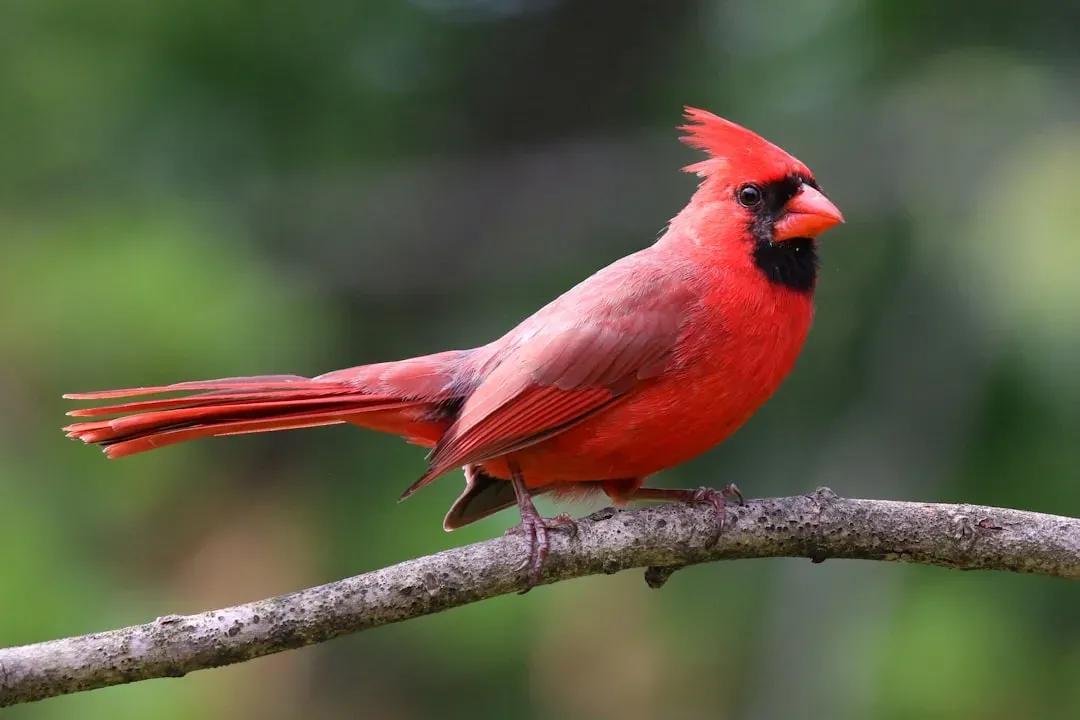
Another incredibly common belief is that cardinals are visits from loved ones who have died. You’ll hear people say that a cardinal perched outside their window showed up on the anniversary of a death, during a funeral week, or on a birthday of someone they’re missing. The pattern often sticks so strongly that the cardinal becomes almost like that person’s signature, a recurring reminder that they’re not entirely gone. This belief lives more in family stories and social media posts than in formal religious doctrine, but that actually makes it more flexible and personal.
Psychologically, this makes a lot of sense. Grief is not just sadness; it’s also the brain struggling with the permanent absence of someone who used to be everywhere in your life. Assigning that loved one’s presence to something tangible and recurring, like a cardinal that appears again and again, helps make the loss just a bit more bearable. It provides a way to still have conversations, still feel seen, still sense that the relationship continues in some form. Whether you see this as spiritual truth or emotional coping, the impact is real: for many people, that quick flash of red is enough to feel less alone for the rest of the day.
Color Symbolism: Why the Bright Red Cardinal Hits So Hard
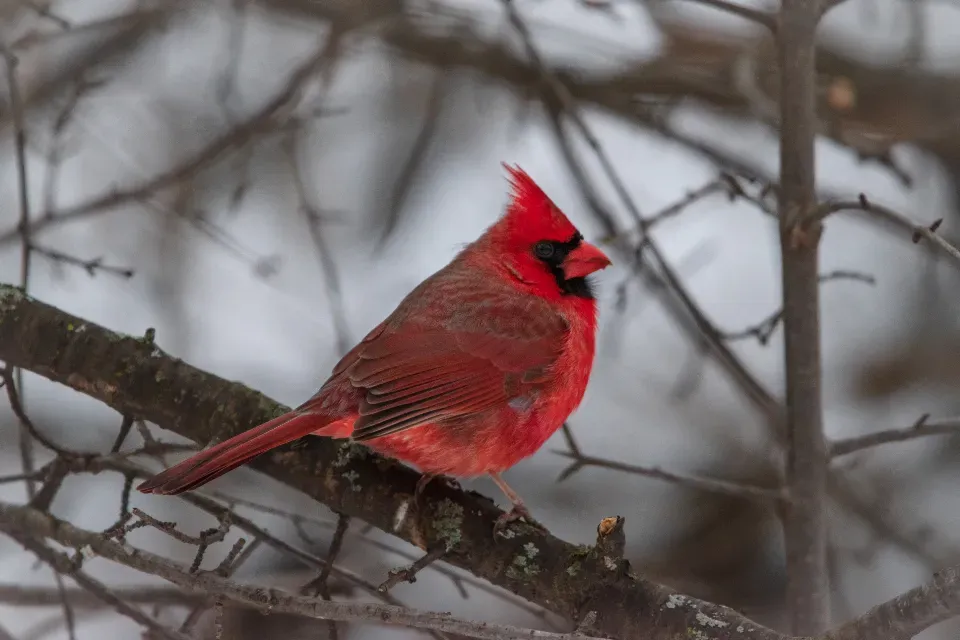
Folklore does not pick symbols randomly; the cardinal’s deep, vivid red is doing a lot of the emotional heavy lifting. Across many cultures, red is the color of life, blood, passion, and intensity. It is hard to ignore. When you’re going through something difficult, your inner world can feel faded, washed-out, almost colorless. Suddenly, this bold, unapologetic streak of red slices across your field of vision like an exclamation point in the middle of a monotone sentence. It is no wonder people interpret that jolt as meaningful.
In Christian symbolism, red is also associated with the Holy Spirit, sacrifice, and enduring love, which has shaped how cardinals are viewed in heavily Christian regions. Even outside of religion, red is linked in psychology research to heightened attention, strong emotional responses, and alertness. So, when folklore says that the red cardinal is a sign of hope or a message of love, it is really building on something our brains already react to anyway. The color alone makes the bird feel like an interruption to numbness, a little visual shock that says: something is still alive here.
Spiritual Sign or Selective Attention? A Psychological Perspective
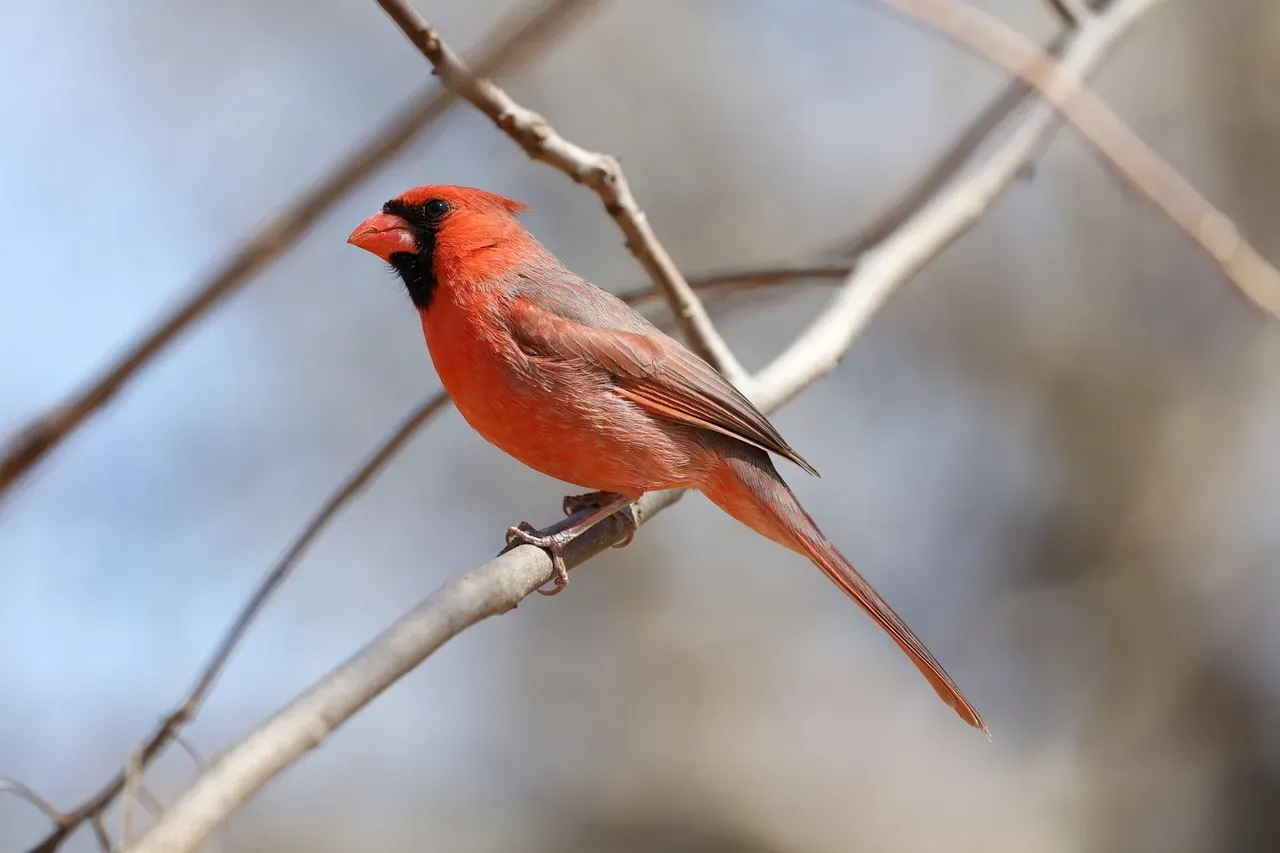
From a scientific standpoint, there’s a simpler explanation for why people notice cardinals during tough times: when you’re distressed, your mind is on high alert for anything that feels significant. Psychologists call this selective attention. Basically, what you’re tuned into mentally changes what you actually notice in the world. Cardinals are common in many parts of North America, so they are probably around more than we realize. But when we’re grieving, anxious, or desperate for reassurance, that one bird suddenly stands out and feels like a direct response to what we’re going through.
That does not mean the experience is fake or silly. In fact, one could argue it makes it even more meaningful, because the meaning is co-created by your inner world and the outer world. The bird is real; your state of mind is real; the story you weave between the two is the bridge. Whether you see it as a spiritual wink or a quirk of human psychology, the feeling of comfort is genuine. Personally, I think dismissing that comfort just because we can map some of it with brain science misses the point. The brain is part of how we experience wonder, not the enemy of it.
Winter Companions: Cardinals as Symbols of Hope and Endurance

One reason cardinals show up so often in winter holiday imagery is because they are striking against snow and bare branches. Unlike some birds that migrate, cardinals stick around in many cold climates all year. In folklore terms, that persistence has been read as resilience: this small, beautiful creature refuses to flee when things get harsh. When your life feels like an emotional winter, a cardinal at the feeder can feel like a quiet reminder that not everything retreats or dies back at once.
This fits neatly into human storytelling instincts. We love symbols that echo our struggles back to us with a hopeful twist. The idea that beauty can coexist with barrenness, that color can live inside a season of gray, is emotionally powerful. So the cardinal becomes a tiny emblem of endurance and possibility: if it can survive this cold, maybe you can survive this chapter. People sometimes underestimate how much a simple, recurring visual like that can stabilize them during drawn-out difficult times, especially when words from friends or therapists feel too abstract.
Across Cultures: How Different Traditions View the Cardinal
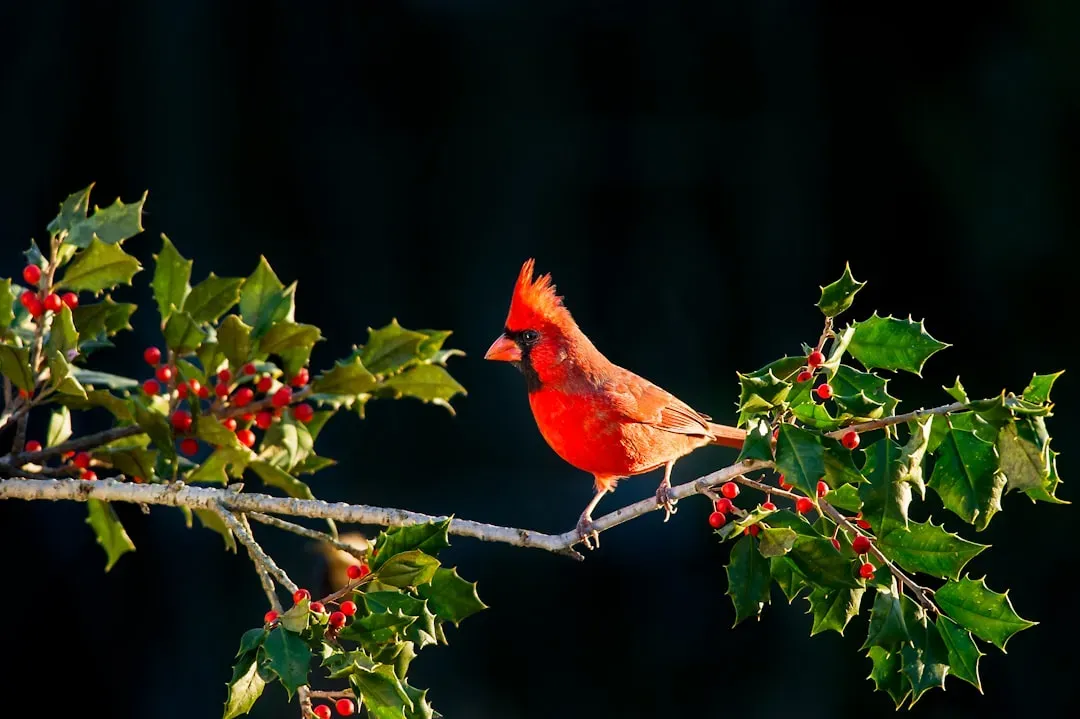
Most of the popular cardinal stories you hear online are shaped by North American and largely Christian-influenced culture, but the bird intersects with other traditions too. In some Indigenous North American stories, birds are messengers and intermediaries between the human world and the spirit world, and while the exact species varies, the overall idea of a bird carrying meaning is shared. In various folk practices, bright birds are often associated with vitality, the sun, or the fire element, which again ties back to life force and courage during dark times.
It is also worth noting that not every culture centers the cardinal the same way. In regions where cardinals are not native, you won’t see them woven into traditional lore at all. Instead, other birds, like robins, doves, or swallows, play a similar symbolic role. That contrast actually highlights what folklore really is: a local language of meaning built from whatever the land offers. The cardinal just happens to be perfectly designed for storytelling in the places where it lives: visually dramatic, musically present, and easy to recognize even for people with no bird knowledge at all.
Modern Mythmaking: Cardinals in Social Media and Pop Culture
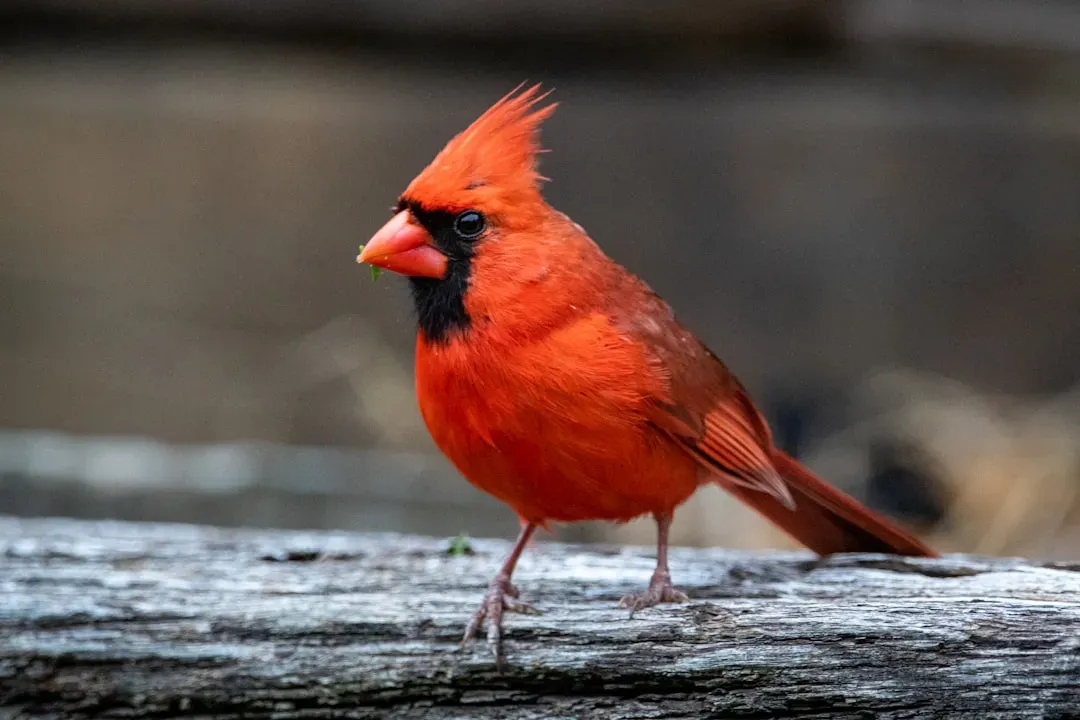
In the last couple of decades, cardinals have taken on a second life in modern mythmaking, especially online. You can find countless posts, art prints, home decor pieces, and sympathy cards featuring a cardinal with a short saying about loved ones visiting or heaven sending a sign. This has turned what used to be mostly regional, family-level beliefs into a sort of mainstream spiritual shorthand. If someone shares that a cardinal visited them after a loss, many people now instantly understand what that means emotionally.
Some people roll their eyes at this and see it as cheesy or overly sentimental, but I think it shows how hungry people are for gentle, non-dogmatic symbols of comfort. The cardinal has become part of a wider trend of soft spirituality: not rigid rules, not heavy theology, just small, portable meanings you can hold onto when life hurts. Of course, corporations and marketers have latched onto that, printing cardinals on everything, which can cheapen the symbol a bit. Still, for the person actually standing at the window, raw from grief, seeing that one real bird can cut through all the kitsch and feel deeply, disarmingly personal.
What Science Actually Says: Behavior, Habitat, and Coincidence
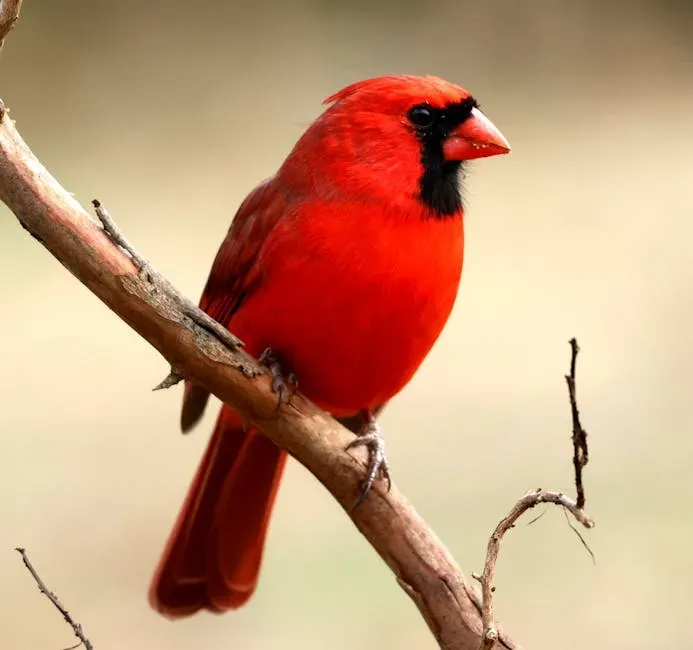
If we strip away the symbolism and just look at the bird itself, science gives us a calm, neutral description. Cardinals are territorial songbirds, common in many suburban and rural areas, especially where there are trees, shrubs, and bird feeders. They tend to stay in the same general area year-round, often moving in pairs. Males are the bright red ones most people notice, while females are more muted with subtle reddish tones. Their behavior includes frequent perching in visible spots to sing and survey, which of course makes them easier for humans to spot and attach meaning to.
From that perspective, it is not surprising that cardinals would show up on random stressful days: they are just doing what cardinals do. When your routines change during a crisis – spending more time at home, looking out the window more often, walking outside to think – you simply have more chances to see them. That is the rationalist view, and it is valid. But here is the interesting twist: even when people fully understand this, they often still choose to treat the appearance as meaningful. It is a bit like knowing how a magic trick works and still letting yourself enjoy the sense of wonder. Understanding the biology does not automatically erase the folklore; in many cases, it actually sits right beside it.
How to Work With Cardinal Symbolism in a Healthy Way
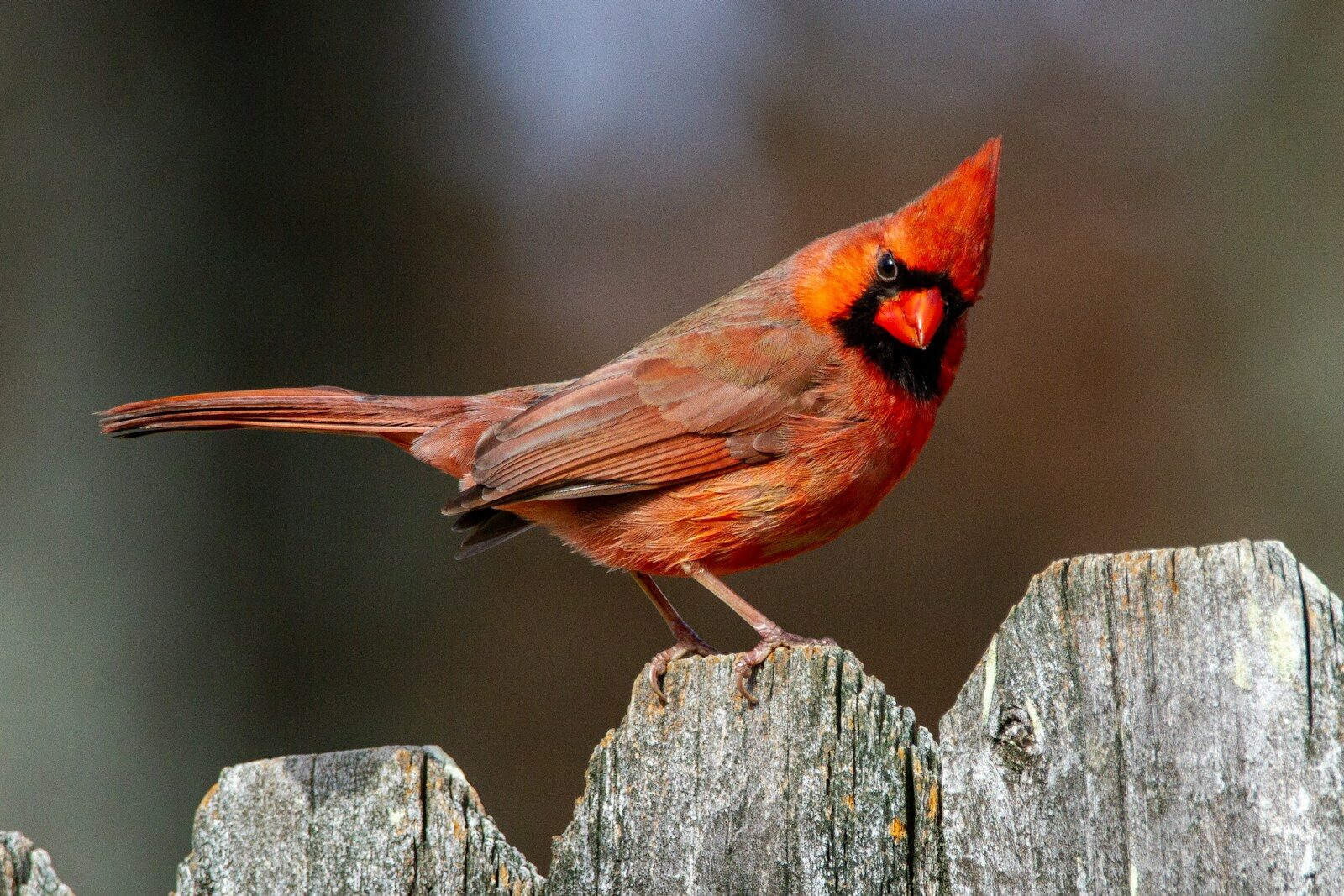
Whether you see the cardinal as a literal sign from beyond or simply as a powerful metaphor, there are healthy and unhealthy ways to relate to that symbolism. On the healthy side, you can treat a cardinal sighting as a prompt: to pause, take a breath, remember someone you miss, or check in with your emotions. You might use it as a gentle reminder to keep going, to call a friend, or to do one small kind thing for yourself that day. In that sense, the bird becomes a tiny ritual anchor, something that helps you practice presence and self-compassion.
The trouble starts when people lean so hard on signs that they avoid making decisions or facing reality. If you are waiting for a cardinal to tell you whether to leave a relationship, quit a job, or move cities, you may be handing too much power to coincidence. Symbols are best used as companions, not commanders. Let the cardinal be a comfort, not a crutch. Personally, I like the idea of thanking the bird – out loud or silently – for the moment of beauty or connection, and then returning to the very human work of feeling, choosing, and acting in your own life.
When Cardinals Appear During Your Own Hard Seasons
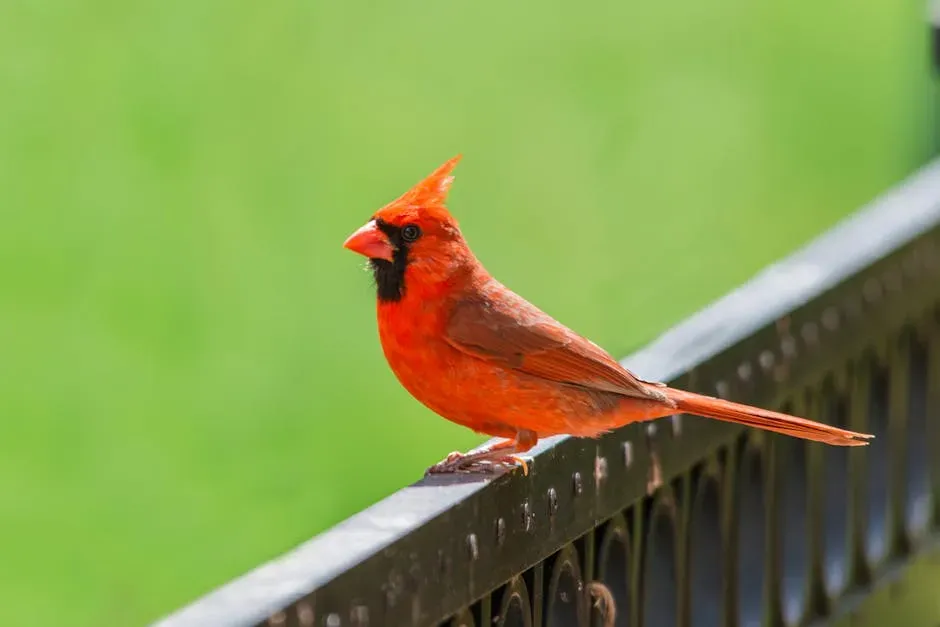
It is one thing to talk about all this in theory, and another to describe how it feels in real time. I still remember going through a rough, confusing stretch in my own life and stepping outside one cold morning just to breathe. A cardinal landed on the fence, impossibly bright against the dull sky, and for no rational reason I found myself tearing up. Did I suddenly believe it was a message from the universe, or from someone I had lost? Not exactly. But in that moment, it felt like the world was a little less indifferent than it had seemed five minutes earlier.
Maybe that is the real heart of this folklore. When a cardinal appears in your hardest moments, it gives you something concrete and beautiful to focus on – a tiny interruption of your inner monologue of worry, fear, or sadness. Whether you name that interruption as spiritual, psychological, or pure luck almost matters less than the fact that it breaks the spell. It proves, in a very small way, that color still exists, sound still exists, movement still exists. And sometimes that is enough to get you through the next hour, which is all any of us can really promise ourselves.
Conclusion: A Bird, a Story, and the Meaning You Choose
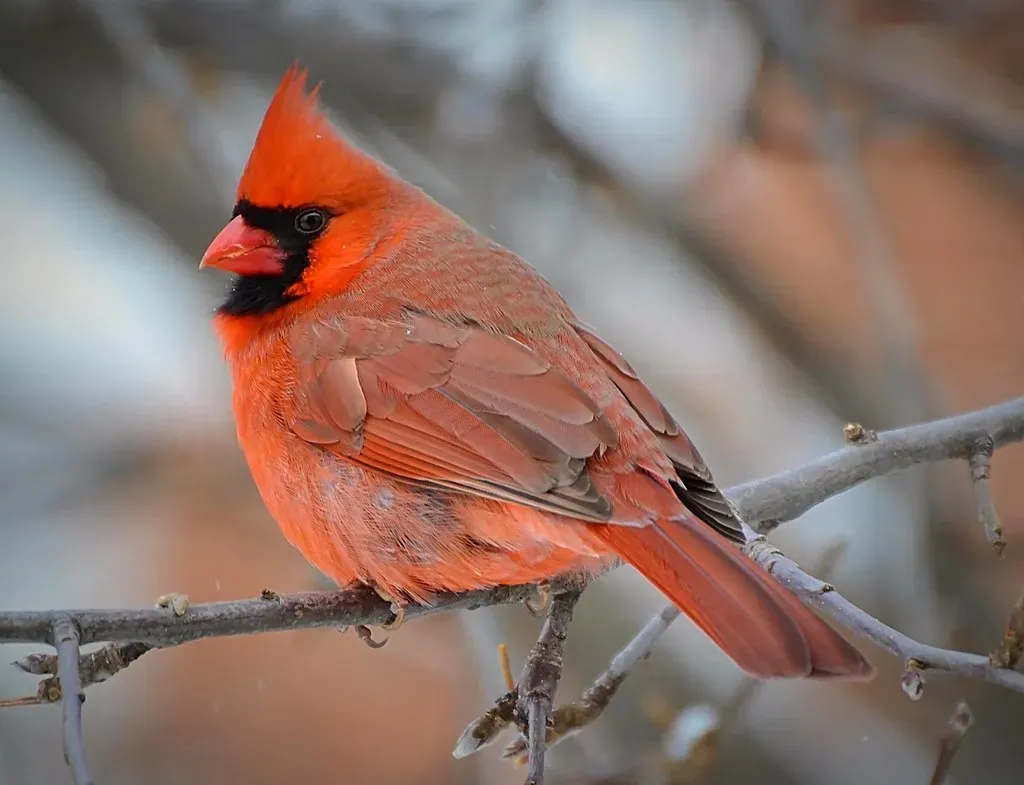
So what does it mean when cardinals appear during difficult times, according to folklore? It means love remembered, messages from beyond, hope in winter, resilience in color form. It means generations of people quietly agreeing that this one small bird can stand in for everything they cannot quite say out loud about grief, longing, and the hunger for reassurance. From a strict scientific lens, the cardinal is just a common backyard species, going about its life, caring nothing for our heartbreaks. Yet our minds and hearts insist on making that meeting between bird and human into a story – and that insistence is very human, and very understandable.
My opinion is this: you do not have to choose between science and symbolism here. You can understand migration patterns and still smile at the idea that your grandmother might be saying hello. You can know that cardinals sit on fences all day and still let your breath catch when one lands at the exact second you were thinking about someone you miss. In the end, the meaning of a cardinal during hard times is the meaning you decide to give it. The folklore simply offers you a well-worn, comforting script. What you do with that script is up to you – and maybe the next time that bright red flash cuts across your gray day, you’ll notice just a little more carefully. What will you choose to see when it appears?