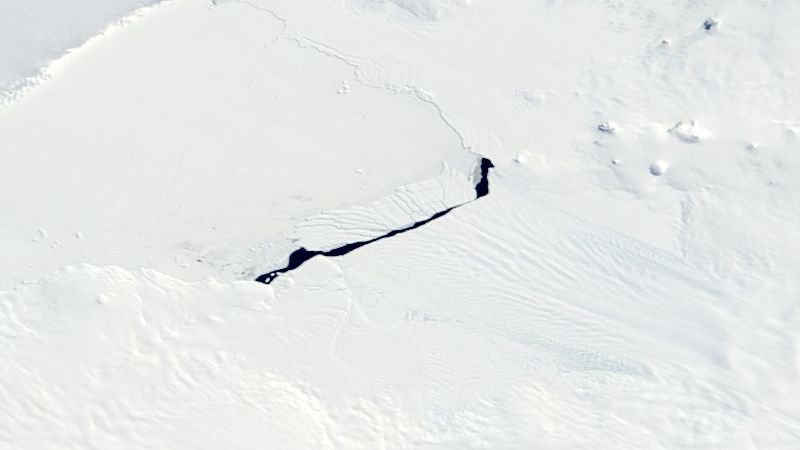

Imagine drilling deep into the Antarctic ice sheet, fully expecting a featureless block of ancient, unmoving ice, and instead finding something that behaves more like a living system than a frozen desert. That is essentially what has happened over the past few years: researchers have detected fractures, water, and dynamic processes at depths where, according to the old textbooks, the ice should be quietly deforming, not cracking. For scientists who have spent their careers treating Antarctica as a slow, predictable giant, these discoveries feel a bit like opening a door in your own house and realizing there is an extra room you never knew existed.
This is not just an academic surprise. How, where, and when Antarctic ice breaks is one of the most important ingredients in projections of future sea-level rise. Climate models were already racing to keep up with rapidly thinning glaciers and warming oceans. Now, this unexpected cracking at depth is forcing researchers to rethink how the ice sheet flexes, shatters, and slides – and how fast it can respond to a warming world. To understand why this matters, we have to go inside the ice, down to the places we once assumed were calm and uninteresting, and see what scientists are really finding there.
The Old Rulebook: Why Deep Antarctic Ice Was Not Supposed To Crack
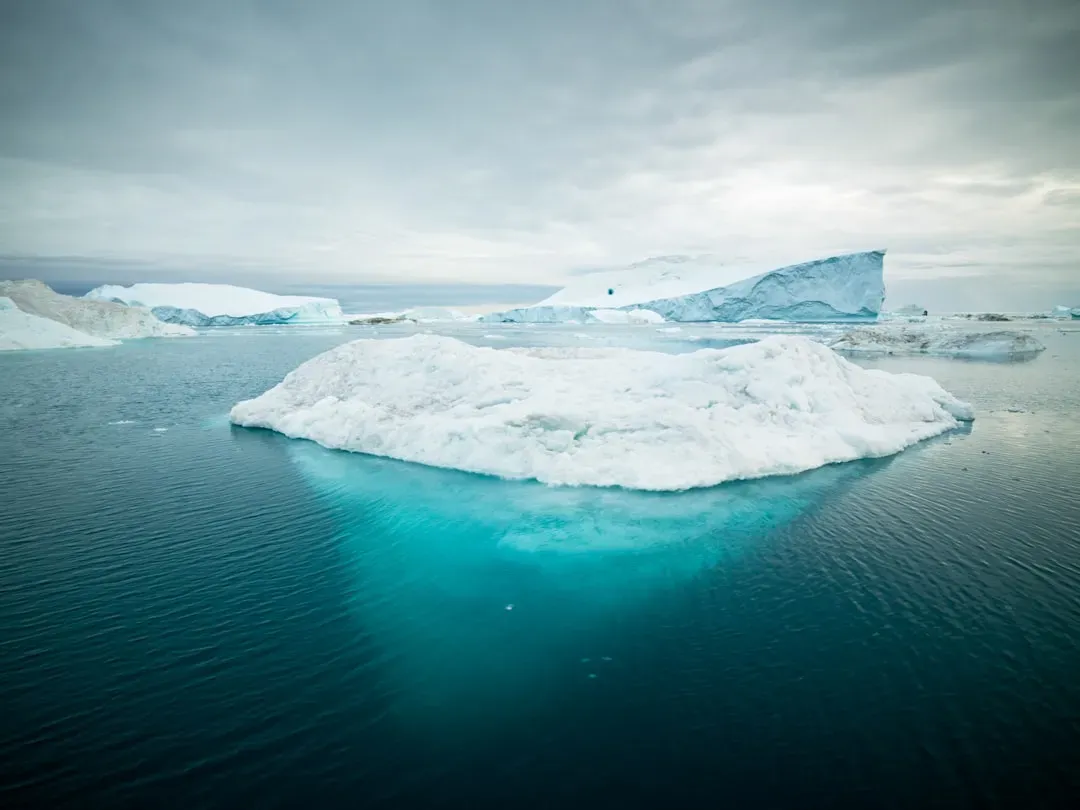
For decades, glaciology textbooks painted a relatively simple picture of how ice behaves with depth. Near the surface, where the ice is cold and brittle, it cracks easily, forming crevasses and fractures that anyone who has flown over Antarctica has seen etched across the white landscape. Deeper down, however, pressure and temperature rise, and the ice behaves more like very slow-moving putty: it deforms and flows instead of snapping. Under that old model, true brittle fracture was expected to be mostly a near-surface phenomenon, not something happening hundreds of meters or more below.
This neat division – brittle up top, ductile below – became baked into many large-scale ice sheet models, partly because it made the physics more manageable. In the equations that drive climate and sea-level projections, deep ice was usually treated as a smooth medium whose motion could be approximated with well-understood flow laws. Of course, scientists knew reality was messier, but without evidence of widespread deep cracking, there was little reason to complicate the models. That assumption is now under serious pressure, and the consequences ripple out through the way we estimate future sea-level rise and ice-sheet stability.
Cracks in the Deep: What New Instruments Are Revealing Inside the Ice
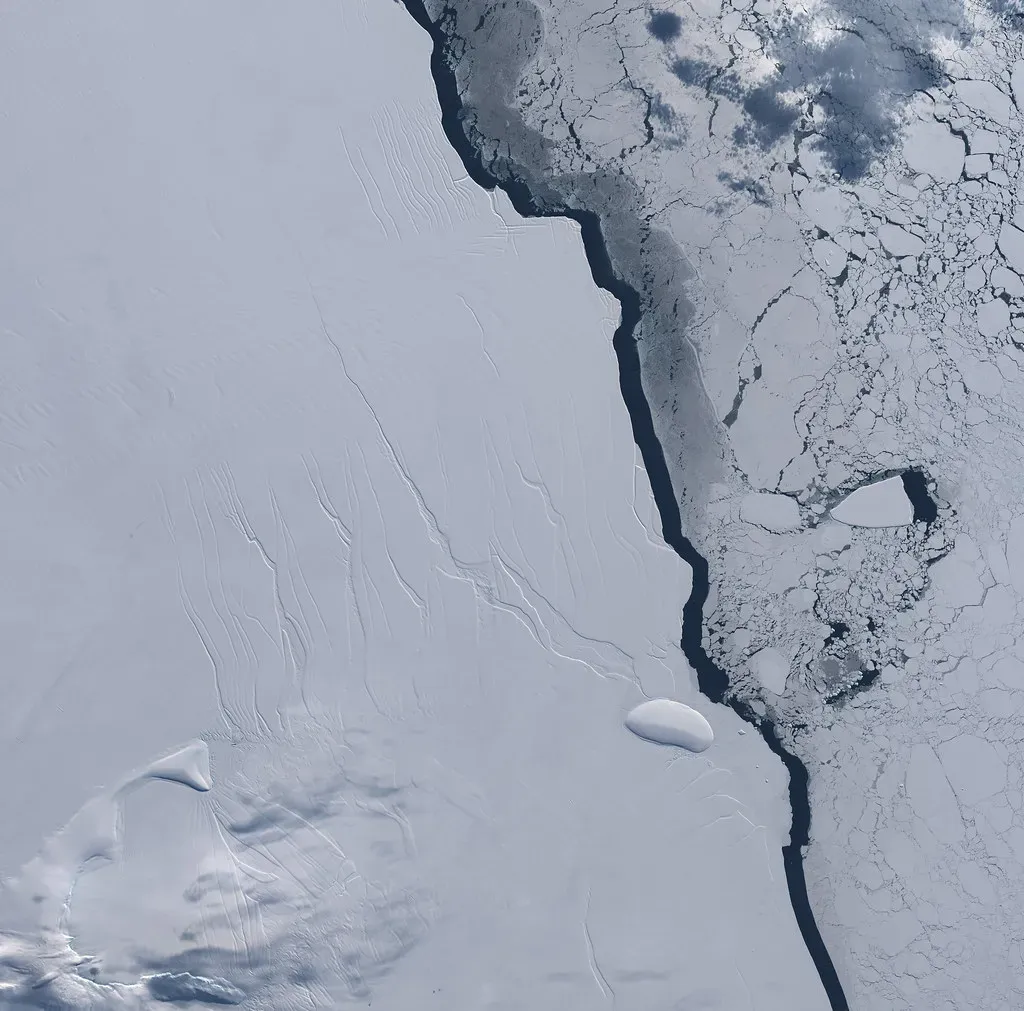
So what changed? In short, we finally started listening more closely to the ice. Advances in ice-penetrating radar, seismic monitoring, satellite gravimetry, and borehole instruments have allowed scientists to map the interior of the Antarctic ice sheet in much greater detail. Instead of registering just a uniform block, these tools are picking up signatures of layering, melt pockets, refrozen ice, and in some cases, zones that behave as if they contain fractures or sudden shifts in stress. To a scientist used to thinking of deep ice as smooth and continuous, these signals stand out like static in an otherwise quiet recording.
Seismic arrays, for example, can detect tiny icequakes – mini earthquakes within the ice sheet – that originate far below the surface. Some of these events cluster along planes that look very much like fracture zones, not just slow deformation fronts. Borehole cameras and sensors have also recorded abrupt changes in ice properties and temperature with depth, consistent with frozen fractures or healed cracks. It is not that the ice is shattering like glass in every region, but rather that under certain stress conditions, even deep, pressurized ice can fail in more abrupt, brittle-like ways than many models have historically assumed.
Hidden Water Highways: Subglacial Lakes and Fast-Flowing Channels
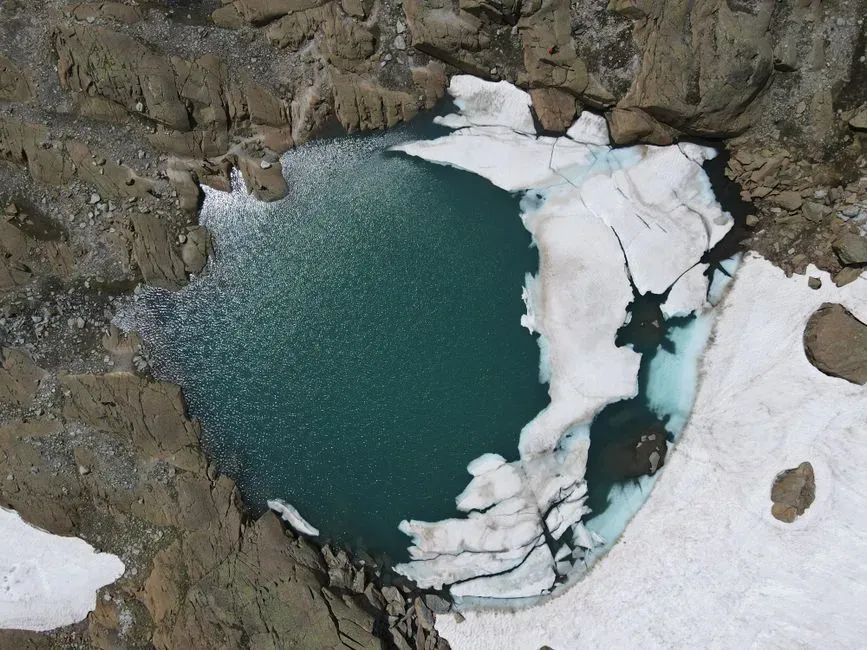
One of the most surprising things hiding beneath thick Antarctic ice is water – lots of it, pooled in lakes and rushing through channels that never see the light of day. Scientists now know there are hundreds of subglacial lakes, some connected by narrow drainage systems that can fill and drain over timescales of months to years. These water bodies sit under kilometers of ice but can dramatically change how that ice moves. When a lake drains, it can act like briefly pouring oil under a heavy object, letting it slip forward faster than before.
These hidden water networks are directly linked to the story of deep cracking. As water pressure changes beneath the ice, it alters the stress field throughout the ice column. In some cases, water can exploit weaknesses, existing fractures, or warmer zones deep within the ice, encouraging new cracks or reactivating old ones. The interaction between water and ice is complicated: water can lubricate and speed up flow, but it can also re-freeze, releasing heat and changing the internal structure of the ice. Climate models that treat the base of the ice sheet as either simply frozen or simply sliding over rock miss much of this messy, shifting reality.
Basal Heat and Friction: When the Ground Below Turns the Ice Above Unstable
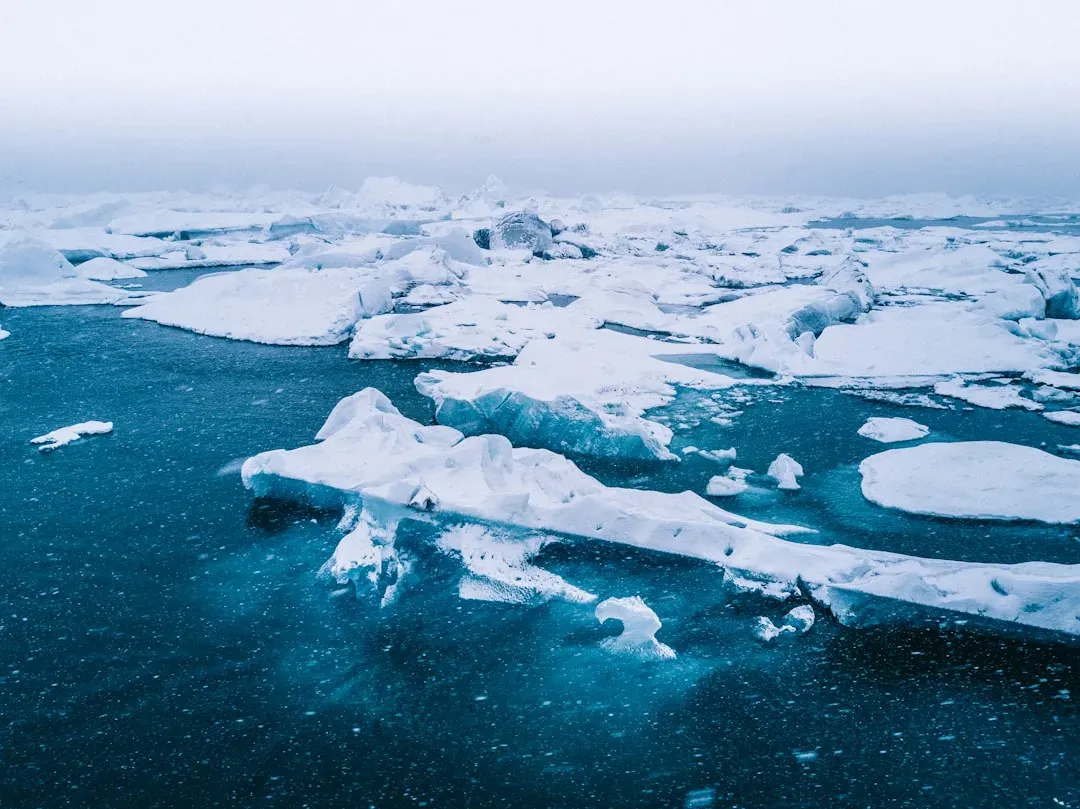
Beneath the Antarctic ice sheet lies not just cold bedrock, but a mix of sediments, geothermal heat, and occasionally even volcanic activity. Over long timescales, heat from the Earth’s interior and friction from the moving ice can warm the base enough to create thin layers of meltwater, even when surface temperatures remain far below freezing. That basal warmth softens the lowest portions of the ice, and in some places, it can create slippery interfaces that allow large sections of ice to surge more rapidly toward the ocean.
When basal conditions change – say, because of shifting water pathways, altered sediment properties, or regional differences in geothermal heat – stresses within the overlying ice can reorganize. Zones that were once creeping steadily can suddenly find themselves pulled or bent in new directions. This is where brittle behavior at depth can emerge: if the ice is being stretched or flexed faster than it can smoothly deform, it can crack. In my view, one of the more underappreciated drivers of deep ice instability is this complex marriage between what happens at the rocky bed and how that stress is transmitted upward through the ice body, sometimes in abrupt and surprising ways.
Ocean Fingers Reaching Inland: Warm Water Undercutting the Ice Sheet
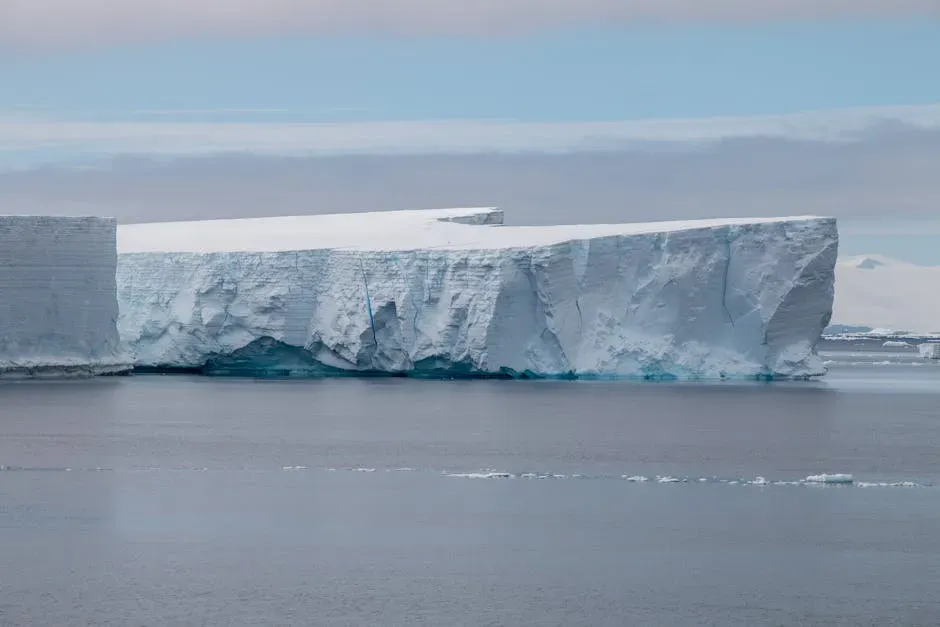
While the cracks forming deep within the ice sheet get most of the headlines, a quieter revolution is happening at the ice-ocean boundary. Around Antarctica, comparatively warm ocean water can sneak underneath floating ice shelves – those massive platforms of ice extending from the continent over the sea. As this water melts the underside of the shelves, it creates cavities and channels, reshaping the ice from below. When an ice shelf thins and weakens, it loses some of its ability to buttress the glaciers feeding into it, allowing inland ice to flow faster toward the ocean.
What makes this relevant to deep cracking is how far inland those mechanical effects can reach. When an ice shelf retreats or collapses, stress patterns in the grounded ice behind it can change all the way up into the interior of the ice sheet. In some instances, researchers have linked ocean-driven thinning to new zones of crevassing and fracturing farther inland than expected. Picture pulling a tablecloth from one end and watching wrinkles form in the fabric far away from where you are holding it – that is essentially what is happening, except the fabric is a few kilometers thick and made of ice. Any model that underestimates this ocean reach will likely underplay how fast inland ice can respond.
Icequakes and Slow Earthquakes: Listening to the Sheet Fracture in Real Time
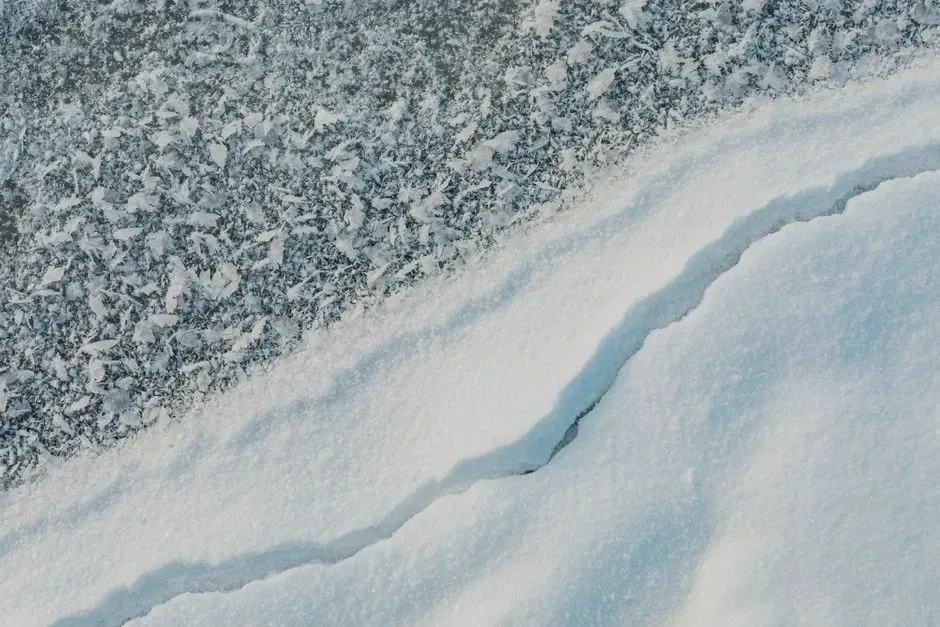
One of the most exciting shifts in Antarctic research has been the growing use of seismology to track how the ice sheet behaves minute by minute. Arrays of sensitive instruments can pick up the faint rumblings of icequakes, crevasse openings, calving events, and stick-slip motion where ice periodically locks and then suddenly jumps forward. Some of these signals originate near the surface, but others come from much deeper, hinting at fractures forming in parts of the ice column once thought to be too warm and ductile to crack abruptly.
These observations have led to a more nuanced view of ice mechanics. Instead of saying the ice is either brittle or ductile, scientists now talk about a spectrum, where parts of the same glacier can switch between smooth flow and jerky, earthquake-like motion depending on stress, temperature, and water conditions. Personally, I find this idea of the ice sheet as a kind of slow-motion, creaking machine far more compelling – and far more unsettling – than the older, simpler picture. It means that under the right conditions, Antarctic ice can respond in sudden, step-like shifts rather than only in gradual, predictable drifts.
How These Discoveries Are Forcing Climate Models to Grow Up
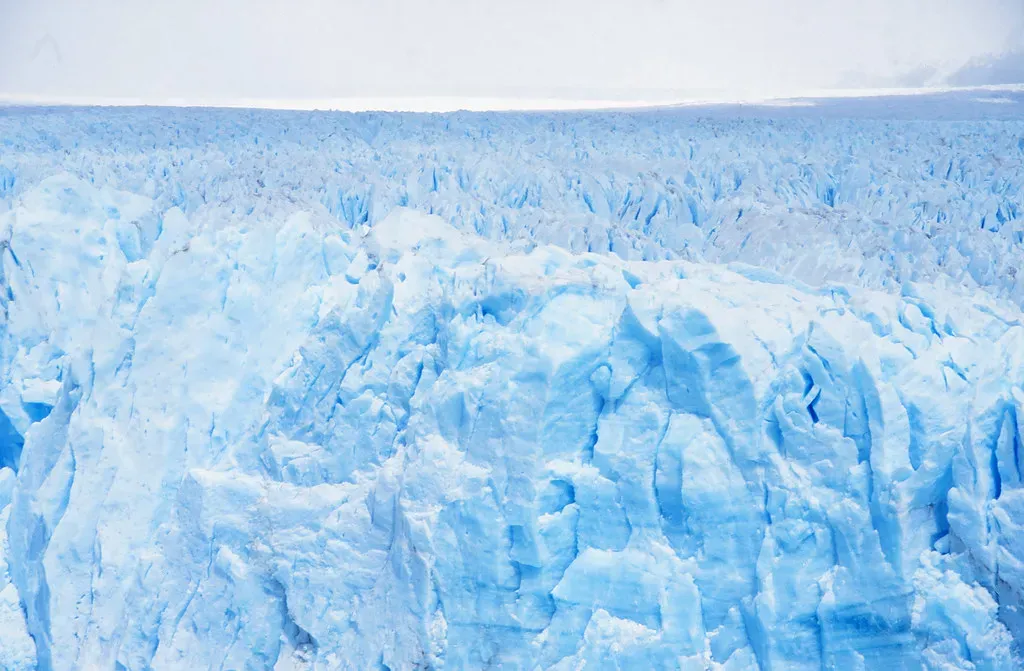
If you have ever tried to simulate something complicated on a computer, you know there is always a tension between realism and simplicity. Climate and ice-sheet models are no different. Many of the earlier generation models treated the Antarctic ice sheet as a relatively smooth, slowly deforming mass that responds over centuries. Deep fracture, evolving subglacial water networks, and sudden rearrangements of stress were either oversimplified or missing entirely. That was not laziness; it reflected the limited data and computational power at the time.
Now, with evidence piling up that the ice can crack at depth, slip on hidden water layers, and react quickly to ocean and basal changes, modelers are under pressure to build in these more chaotic behaviors. Newer models are starting to include processes like hydrofracturing, where surface meltwater drives cracks downward, as well as better representations of ice shelf buttressing and grounding line migration. My opinion is that we are in a transitional phase: the models are getting more realistic, but they are still catching up to the messy, fractured Antarctica we are discovering. That means we should treat highly precise long-range sea-level projections with healthy skepticism, especially when they rely on oversimplified assumptions about how politely the ice will behave.
What This Means for Sea-Level Rise and Our Sense of Risk
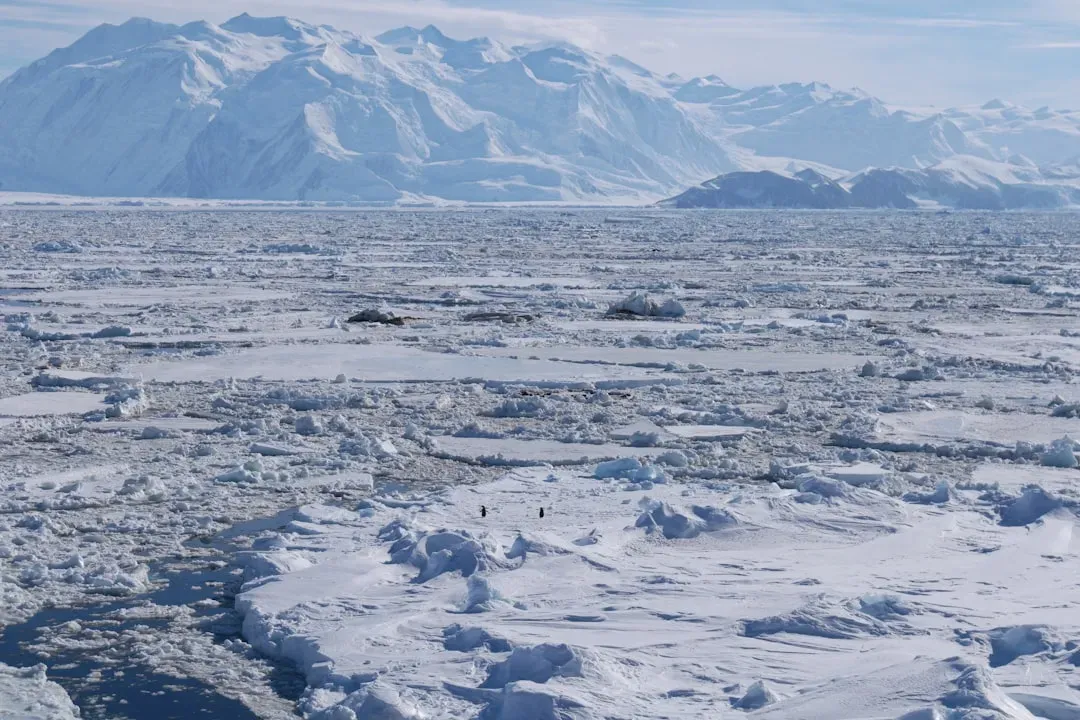
All of this talk about hidden cracks and deep ice mechanics might sound abstract, but it translates directly into the question everyone cares about: how fast and how far could sea levels rise? If the Antarctic ice sheet can fail in more abrupt, fracture-driven ways than previously thought, then the possibility of faster-than-expected ice loss becomes harder to dismiss. That does not mean we are staring at an overnight catastrophe, but it does mean that low-end, slow-change scenarios look less reassuring than they did when models assumed a mostly smooth, gradual response.
From a risk perspective, the real story here is about uncertainty and tails of the distribution – the less likely but more damaging outcomes. When you recognize that parts of the ice sheet can crack, slip, and reorganize under the combined influence of warming oceans, shifting basal water, and internal fractures, it becomes harder to argue that we are safely locked into only moderate, predictable sea-level rise. My own view is that societies and planners should treat this evolving science like discovering hairline cracks in the foundation of a house. Even if the timeline for major damage is uncertain, ignoring the warning signs because they are inconvenient or complex is a gamble that looks increasingly unwise.
Conclusion: A Cracked Ice Sheet, a Cracked Sense of Certainty
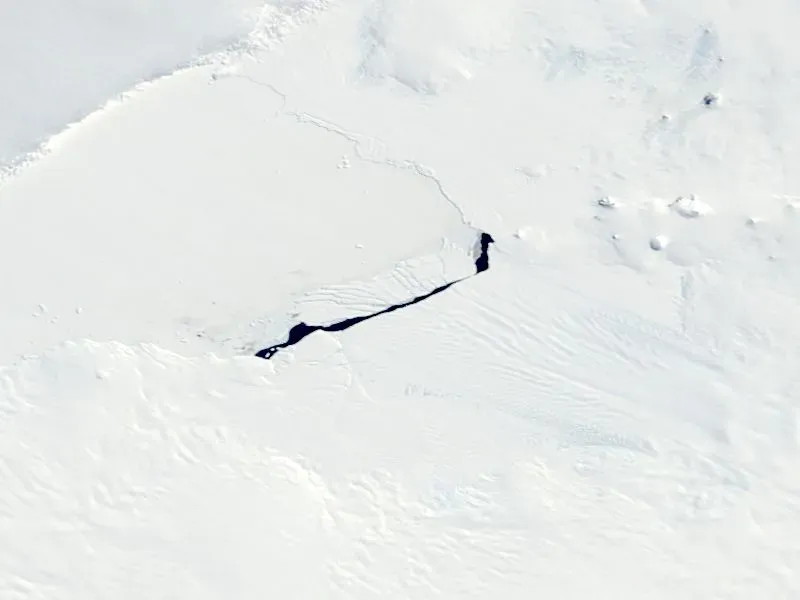
The discovery of cracking and unexpected complexity deep within the Antarctic ice sheet is more than just a scientific curiosity; it is a direct challenge to the comforting story that ice changes only slowly and predictably. As instruments peer inside the ice and find fractures, water pathways, and dynamic stress patterns at depths where everything was supposed to be quiet, our mental picture of Antarctica is being forced to grow up. We are moving from a world where ice sheets were treated like passive backdrops to one where they are active, sometimes unruly characters in the climate story.
My honest, opinionated take is this: the ice is telling us it can move and break in ways our best models still struggle to capture, and we should take that warning very seriously. Instead of clinging to old projections that underplay abrupt change, we should embrace the discomfort of updating our expectations as the science evolves. The cracks opening inside Antarctica are not just in the ice – they are in our long-held assumptions about how stable the planet’s biggest frozen reservoir really is. The question now is whether our politics, planning, and imagination can adapt as quickly as the ice is proving it can; what do you think will change faster, our models or the ice itself?