
You like to think of yourself as a modern, rational person. You scroll on your phone, order food in an app, maybe work in a glass office or behind a laptop at home. Yet the moment you see a stranger, your brain quietly does something incredibly ancient: it sizes them up as if you were standing around a campfire ten thousand years ago. You are running a survival scan, not a polite, civilized analysis.
This is not just a poetic metaphor. A big chunk of your social brain was built for life in tiny bands of hunter-gatherers where meeting a new face could mean new allies, new mates, or real danger. Today, you still use the same fast, crude shortcuts to decide who feels safe, trustworthy, attractive, or threatening, often in less than the time it takes to blink. Once you see how this works, you can start catching those old instincts in the act instead of letting them quietly run your social life.
You Still Do Instant “Friend or Foe” Scans

When you meet someone new, your brain doesn’t start with a polite neutral. It snaps into an instant judgment: safe or unsafe, useful or costly, friend or foe. In ancestral times, spending too long pondering a stranger could get you hurt, so your nervous system learned to err on the side of speed rather than perfect accuracy. You still feel that snap today as a gut sense that you “just have a feeling” about someone, long before you know a single real fact about them.
You often dress this up afterward with logical-sounding reasons, but the initial reaction is more like a survival reflex than a thought-out opinion. Maybe you notice posture, voice tone, eye contact, or the way someone enters a room, and your body quietly leans in or pulls away. You might tell yourself you are being intuitive, but really you are running the same fast threat-detection software your ancestors used on the edge of a unfamiliar camp.
You Judge Faces in a Split Second (and Then Stick to It)
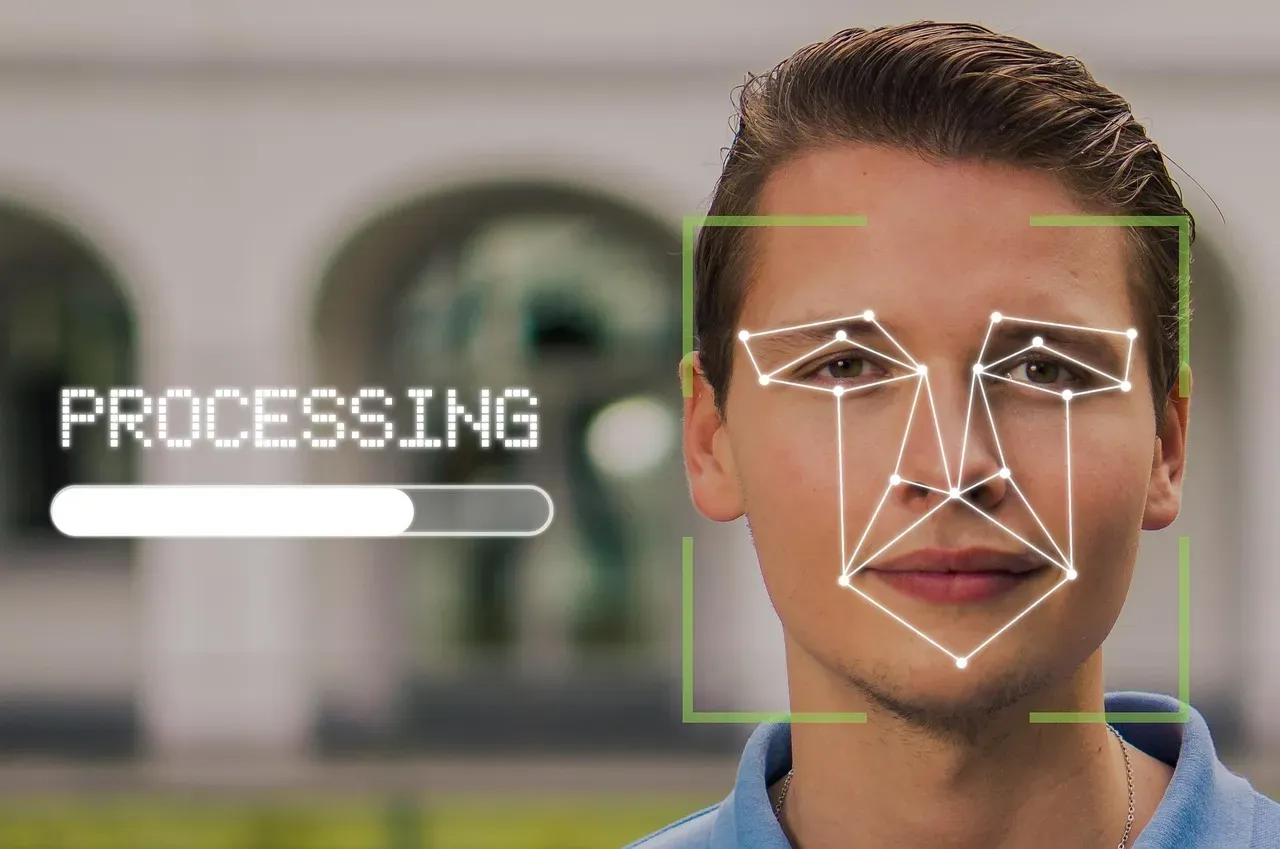
Your brain is shockingly quick at judging a stranger’s face. Within a fraction of a second, you form impressions about how trustworthy, competent, dominant, or warm someone seems. You probably feel like you are merely “noticing,” but you are actually making a whole set of predictions based on tiny cues like eyebrow shape, jawline, mouth tension, and eye openness. These snap judgments often feel so obvious that you forget they might be wrong.
The tricky part is that once you have that first impression, you tend to cling to it. You notice things that confirm your initial read and quietly ignore contradictions. If you decided in the first heartbeat that someone looks kind, you give them extra benefit of the doubt. If your brain tagged them as cold or arrogant, you see rudeness where there might only be shyness. Just like a hunter-gatherer deciding whether to let a stranger near the fire, you commit early and update slowly.
You’re Wired to Scan for Strength, Warmth, and Status

When your ancestors met a stranger, three questions mattered above all: Are you capable of helping or hurting me? Do you want to help or hurt me? And what power do you have in this group? Today, you still subconsciously scan for the same trio: strength (or competence), warmth (or intentions), and status. You sense how physically imposing someone is, how confident they move, whether they smile, and how others react to them.
This is why one person can feel intimidating while another feels safe and approachable, even if both are total strangers. Your brain is trying to place them on an old social map: potential protector, possible partner, threatening rival, or low-risk background character. In modern settings, that might translate into “leader,” “friend,” “competition,” or “irrelevant,” but the emotional logic is eerily similar to what your distant relatives used when they were choosing who to hunt with and who to avoid in a tight-knit band.
You Over-Trust People Who Feel Like “Your Tribe”
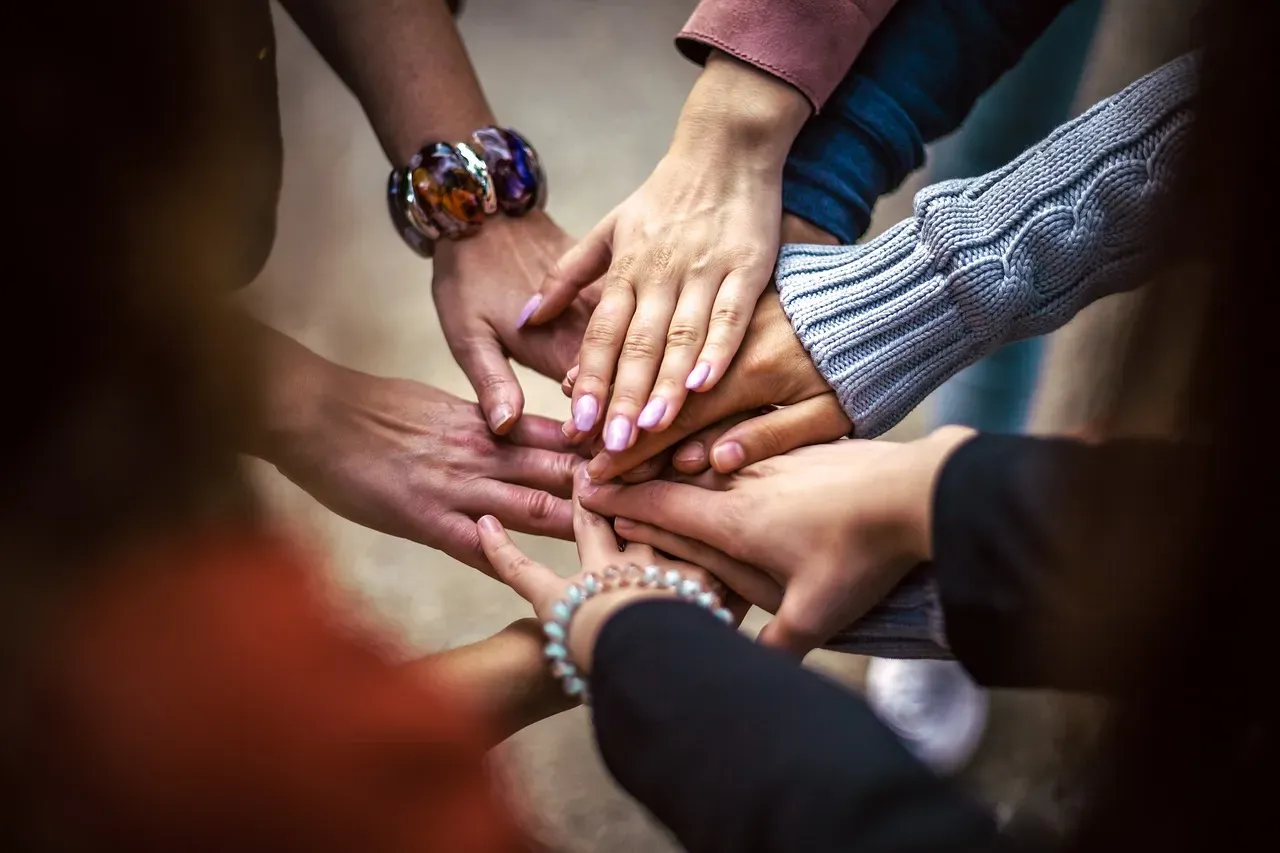
You are far more likely to trust people who seem like you in language, dress, accent, hobbies, or beliefs. In small ancestral groups, similarity usually did mean shared kin, shared norms, and shared survival. Trusting “your own” was efficient and often necessary. So your brain still relaxes when it picks up familiar markers and tightens when it senses difference, even if those differences are utterly irrelevant to actual character or behavior.
This is why you might instinctively warm up to someone who went to a similar school, cheers for your sports team, or shares your taste in music. You feel like you already know how they will behave, even when you do not. On the flip side, you might hold strangers who dress, speak, or worship differently at arm’s length, without ever consciously choosing prejudice. It is not that you are doomed to be biased, but that your brain’s default setting is tuned for a life where “not from my tribe” could be a dangerous red flag instead of just a fun opportunity to learn something new.
You Snap-Size People Up by Their Usefulness
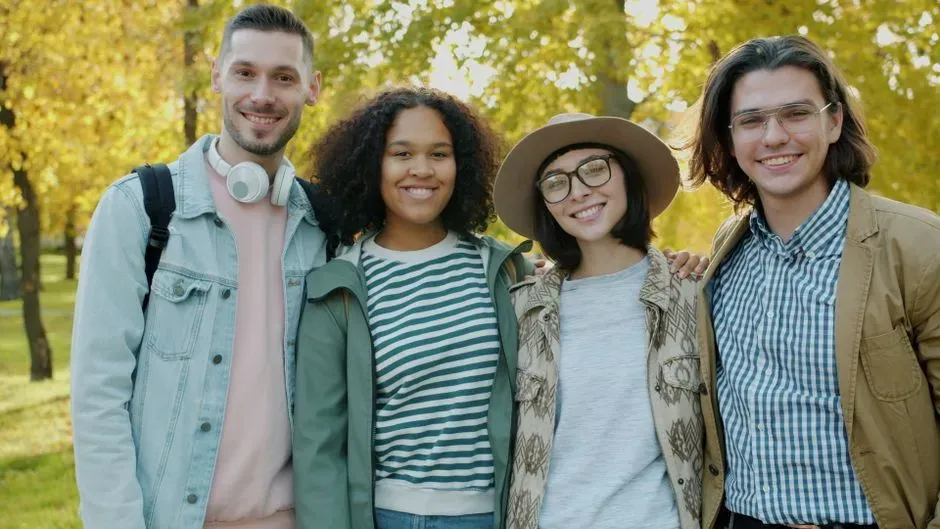
In a harsh environment with no supermarkets or hospitals, every stranger represented potential gains or costs. Could they help you find food, defend the group, watch the children, or share knowledge? Or would they eat resources, sow conflict, or cause harm? Today, your mind still runs a quieter version of that same accounting: you quickly sense whether someone seems like they will add value to your life or drain it.
You may notice how someone talks about work, how they treat service staff, how they react to small frustrations, and your brain quietly labels them as a helper, a competitor, a burden, or a neutral bystander. You often feel this as an urge to get closer to some people and avoid others, without being able to fully explain why. In a modern world of networking events and social media, this survival-era instinct shows up as fast judgments about whether someone is “worth your time,” even when you would never say that out loud.
You Still Rely on Gossip Like a Campfire Story
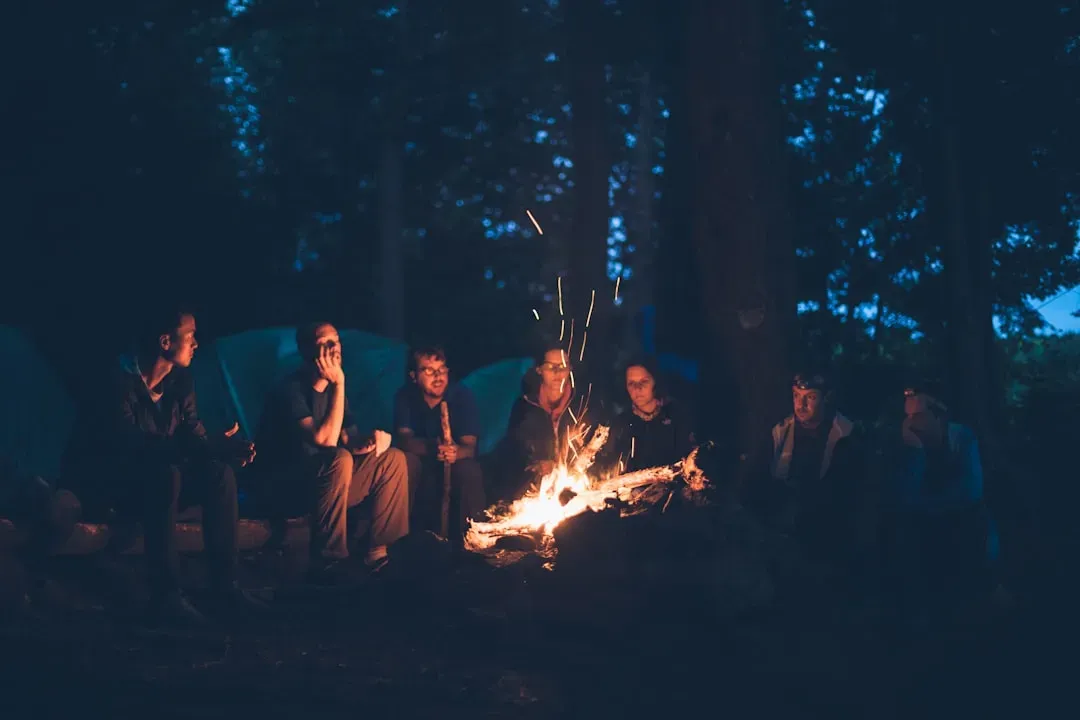
Long before social media, your ancestors relied on gossip as a survival tool. Stories about who could be trusted, who cheated, who shared food, and who broke rules helped groups decide who to accept or reject. Your brain evolved to pay close attention to these social stories, because a bad reputation could mean exclusion from the group, and exclusion could mean real danger. You still lean heavily on secondhand information when deciding what to think about strangers you have never met.
When you hear that a new coworker is “difficult” or that a friend of a friend is “amazing,” you begin forming a mental picture before you ever shake their hand. By the time you finally meet them, gossip has already colored your judgment, just like a campfire story would have primed your ancestors to welcome or distrust a newcomer. Even online, reviews, comments, and reputation scores play the role of digital gossip, guiding your gut reactions with surprisingly old psychological machinery.
You Remember Threats More Than Kindness

Your brain has a bias toward remembering negative encounters more clearly than positive ones. In a dangerous environment, forgetting who was kind was unfortunate; forgetting who was cruel or aggressive could be deadly. So when a stranger scares, insults, or embarrasses you, that memory tends to burn brighter and last longer than a random act of kindness from someone you did not know. You stay on the lookout for similar people in the future, long after the moment has passed.
This is why one bad experience with a certain type of person can make you tense around anyone who vaguely resembles them, at least at first. You might know, rationally, that it is unfair, yet your body still tenses up. Your fear system is not carefully nuanced; it would rather overreact and keep you safe than stay calm and risk danger. You are, in a way, carrying your own private catalog of warning stories, not so different from the mental lists your ancestors kept of who might turn violent when food ran short.
You Use Modern Tech, but Stone-Age Judgments

Even when you meet people online, your ancient judgment systems are busy at work. You scan profile photos for attractiveness, friendliness, and status. You read a few words in a bio and instantly feel turned off or intrigued. Reviews, likes, and follower counts become quick proxies for status and trustworthiness, just like visible allies and admirers did in small groups long ago. Your stone-age brain, in other words, is now scrolling through digital tribes.
This can mislead you badly. An impressive online presence can trick your old circuitry into trusting someone who has never actually earned it in your real life. A single awkward message or slightly odd photo can cause your defenses to go up automatically, even if that person would be a loyal friend or partner in the real world. You are using the same ancient tools in an environment they were never designed for, like trying to track a jet with a hand-drawn map of a valley.
How You Can Outgrow Your Inner Hunter-Gatherer

The good news is that you are not stuck with every ancient instinct running on autopilot. You can learn to notice when your brain is making a snap judgment, especially about strangers, and pause long enough to ask where it is coming from. You can treat your first impression as a rough draft instead of a final verdict. Simply reminding yourself that your mind is wired for quick survival calls, not fair modern evaluations, gives you a little breathing room to choose differently.
You can also deliberately collect more data before deciding what you think of someone: pay attention to how they act over time, how they treat people when there is nothing to gain, and whether their behavior actually matches your initial feeling. When you catch yourself distrusting someone just because they seem “not like you,” you can lean in with curiosity instead of retreating. You will never fully erase your inner hunter-gatherer, but you can invite it to take the passenger seat while a more thoughtful, modern version of you drives.
Conclusion: Ancient Instincts in a Modern World
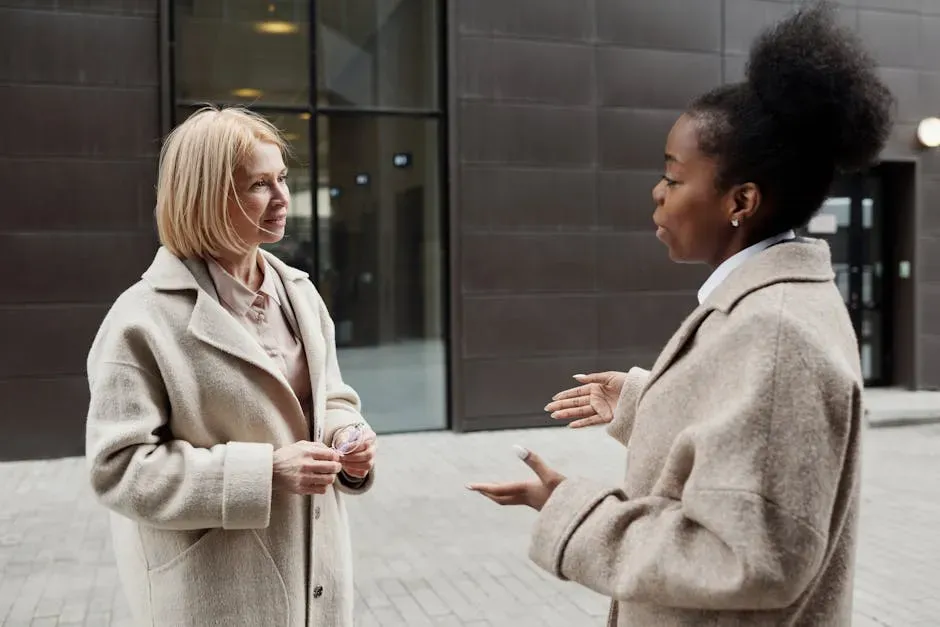
You live in an age of skyscrapers, satellites, and streaming, but the part of you that judges strangers is still shaped by campfires, scarce resources, and dangerous nights. You scan faces, sort people into tribes, overvalue gossip, and cling to first impressions because those habits once helped your ancestors survive. In many ways they still protect you, but they also cause you to misjudge, stereotype, and close doors that might have led to surprising friendships or opportunities.
If you start seeing your snap judgments as ancient survival tools instead of absolute truths, you give yourself a chance to do better than your default wiring. You can slow down, question your gut, and give strangers enough time to show who they really are. In a world where your physical survival is rarely at stake when you meet someone new, that extra moment of generosity and reflection can change not only how you see others, but how they see you in return. Now that you know this, whose story in your life might deserve a second look?