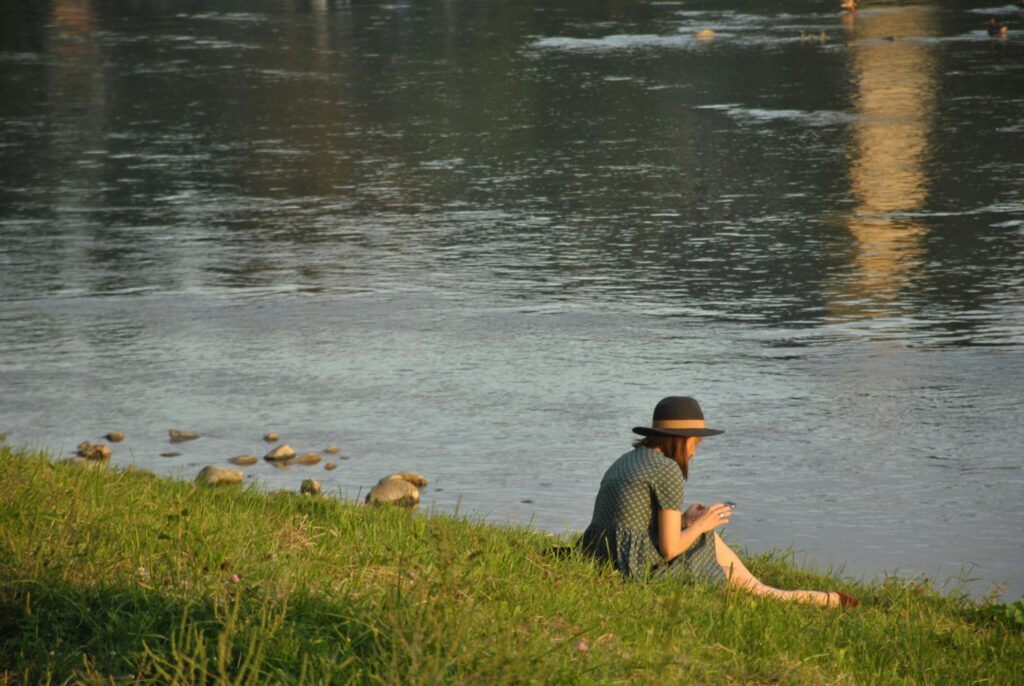

You know that prickly feeling you get when you sense someone staring at you, even if you have not actually seen them? Your shoulders tense, your heart rate ticks up a notch, and a quiet voice inside says, something is not right. You might write it off as paranoia, but that built‑in alarm is not a glitch in your system; it is one of the oldest survival tools your species has.
When you look at it through the lens of psychology and evolution, the fear of being watched goes way beyond social anxiety or embarrassment. You are carrying around instincts that were shaped long before cities, offices, or social media existed. You are reacting with wiring that helped your ancestors avoid predators in the dark, navigate rival groups, and survive in a world where being seen at the wrong moment could literally mean death.
The Ancient Survival Logic Behind Feeling Watched

Imagine yourself on a savanna hundreds of thousands of years ago, long before streetlights and locked doors. If you relaxed completely and ignored the feeling that eyes were on you, you might become dinner for a big cat hiding in the grass. Your nervous system evolved in that kind of world, where assuming you were being watched, even when you were not sure, often meant you lived long enough to pass on your genes.
Psychologists sometimes talk about this as a simple cost–benefit calculation your brain makes automatically. If you are wrong and nobody is watching, you might just feel silly or burn a little extra energy. But if you are wrong in the other direction and you miss a real threat, the cost could be your life. Over millions of years, that tilted the scale in favor of being jumpy, alert, and ready to react whenever you sense a gaze, a rustle, or a possible watcher in the shadows.
Why Your Brain Assumes There Is a Watcher, Even in the Dark
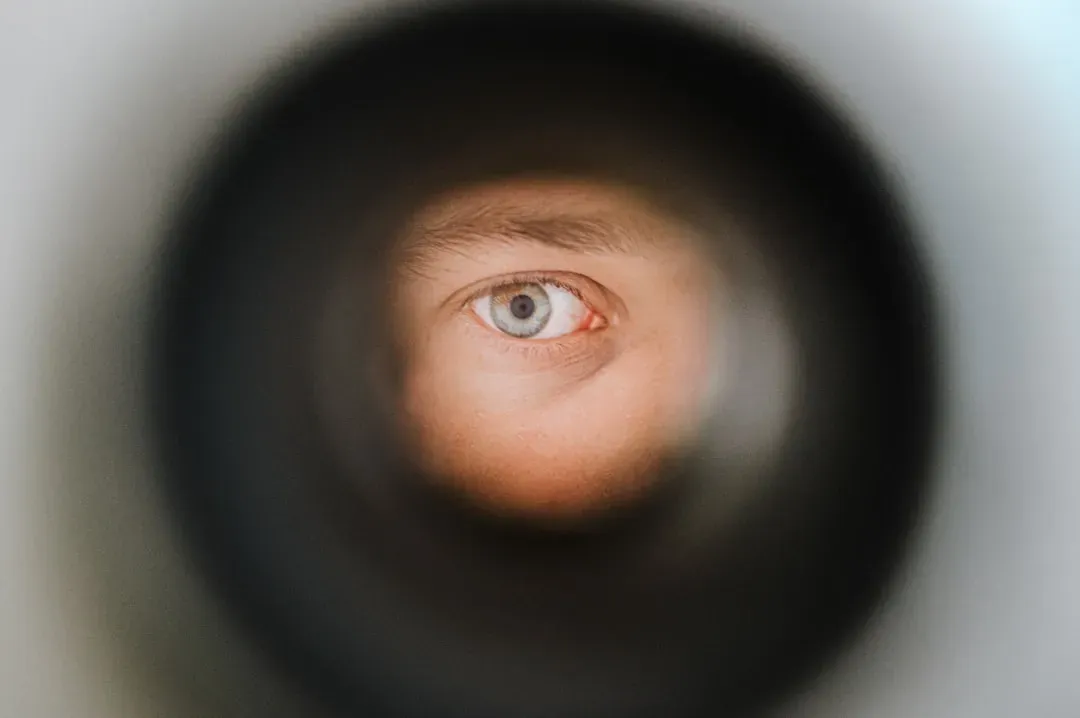
One of the strangest things you notice about yourself is how easily you start to see patterns and intentions where there may be none. You hear a creak in an empty house and imagine a person; you see a dark shape at night and assume it is dangerous. This mental habit, sometimes called a bias toward detecting agents, is part of the same ancient system that makes you uneasy about being watched.
Your ancestors who erred on the side of imagining a watcher survived more often than the ones who shrugged it off. So your brain is tuned to find faces in clouds, voices in noise, and eyes in the darkness. You are basically running an ancient security program that loudly announces possible threats while quietly ignoring the false alarms. That is why the sense of being watched can feel so real even when you later realize you were alone the whole time.
The Social Side: You Fear Eyes Because Eyes Once Meant Judgment

Being watched has never just been about predators; it has also been about people. In early human groups, being accepted or rejected by others could be the difference between life and death. If your group turned its back on you, you lost protection, food sharing, and support. That means your brain did not only learn to fear the predator in the bushes, but also the disapproving gaze of the group around the campfire.
Today, when you feel nervous giving a presentation or walking into a crowded room, you are tapping into that same old circuitry. Eyes on you once meant your reputation, your role, and sometimes your safety were at stake. So your body reacts with sweaty palms, racing thoughts, and that urge to hide, even when the “threat” is just a group of coworkers or strangers at a party. To your ancient wiring, attention can still feel like judgment, and judgment can feel like danger.
The “Gaze Detection” System You Do Not Realize You Have
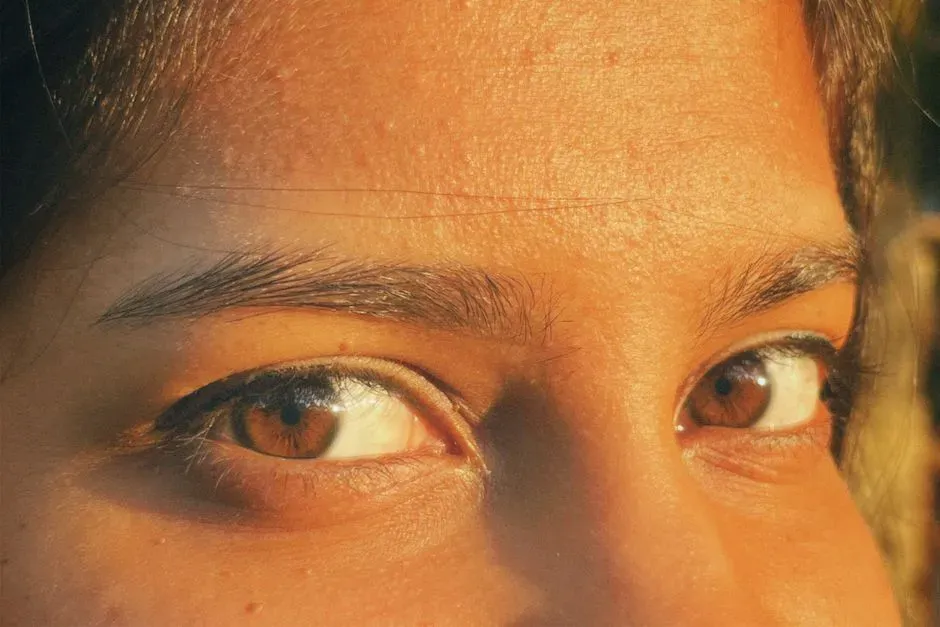
You have a surprisingly sensitive ability to tell when someone is looking directly at you, even from the corner of your eye. This is not some mystical sixth sense; it is a combination of specialized brain areas and finely tuned vision designed to pick up gaze direction fast. Your brain tracks tiny details, like the whites of someone’s eyes and the angle of their pupils, to decide in a fraction of a second if their focus is on you.
This system matters because, in the past, a gaze often carried crucial information: a predator locking onto you, a rival assessing you, or an ally signaling silently without words. When your body tenses as you feel someone staring at your back, you are not being irrational. You are experiencing a deeply rooted response from circuits that have spent countless generations practicing how to detect attention as quickly as possible.
How Fear of Being Watched Shows Up in Modern Life
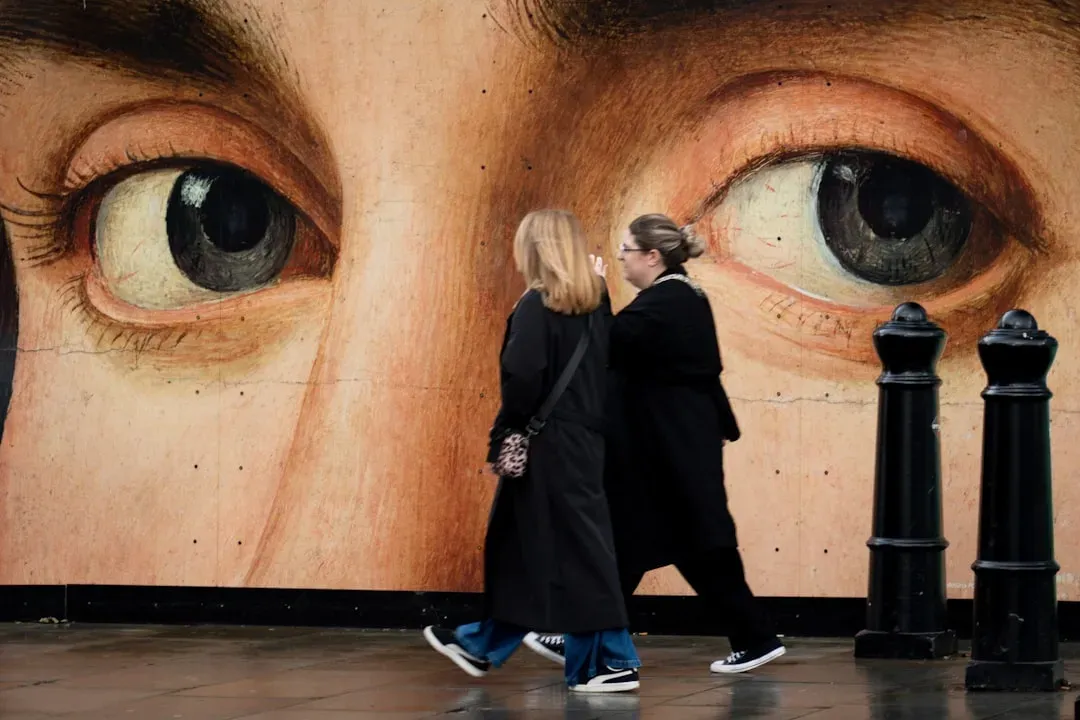
Even though you spend your life in buildings, cars, and online spaces, your ancient fear of being watched has not gone away; it has just changed costumes. You feel it when you freeze up on video calls, double‑check what you post on social media, or avoid sitting where everyone can see you. Your nervous system still reacts to eyes and attention as if the stakes might be very high, even when the worst outcome is some mild embarrassment.
This is also why modern surveillance, cameras, and constant online visibility can feel exhausting. Your brain is not built for living in a world where you could, in theory, be watched all the time. Each little reminder that you might be visible nudges those old alarm systems, keeping you just a bit more tense, guarded, and self‑aware than your body really wants to be over the long term.
When Ancient Fear Becomes Social Anxiety

For some people, that built‑in fear of being watched becomes especially intense and overwhelming. If you find yourself constantly thinking everyone is judging you, replaying interactions for hours, or avoiding situations where you might be noticed, you are seeing what happens when an ancient survival tool becomes turned up too high. At that point, your useful guard dog of awareness can start acting more like an out‑of‑control alarm siren.
In those moments, your body is not trying to torture you; it is trying to keep you safe using an old rulebook that does not quite fit modern life. Once you understand that your fear of eyes is rooted in survival and not in weakness, it can feel less shameful and more manageable. You can start to retrain that system by gradually facing situations that scare you, learning to calm your body, and teaching your brain that public attention no longer equals danger the way it once did.
How You Can Work With, Not Against, This Primitive Alarm

Because this fear is so deeply wired, your goal is not to erase it but to work with it more skillfully. You can start by noticing when your body reacts as if you are under threat just because you feel observed. Ask yourself what your ancient brain might be assuming and whether that assumption still makes sense in the current situation. Even that simple pause helps you separate the old survival script from the reality in front of you.
Practical steps like slow breathing, grounding your attention in your senses, and deliberately seeking safe, low‑stakes social experiences can all help your nervous system recalibrate. Over time, you teach yourself that you can be seen, spoken to, and even judged a little without anything truly catastrophic happening. You are still honoring the protective part of your brain, but you are gently updating it to the world you live in now, not the one your distant ancestors faced.
Why Understanding This Makes You More Compassionate With Yourself
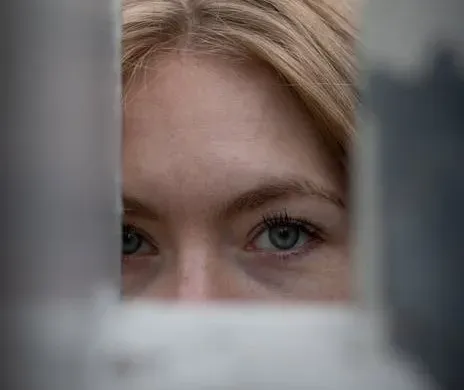
Once you realize that your fear of being watched is not just about shyness or insecurity, but about millions of years of survival history, you may start talking to yourself differently. Instead of thinking you are broken, you can recognize that you are using a system designed for a much harsher environment. You are not weak for feeling nervous under a spotlight; you are strong for navigating a modern world with stone‑age wiring.
This shift in perspective can also soften the way you see others. The person who seems aloof, awkward, or overly self‑conscious may be wrestling with the same ancient fear in their own way. When you see that your reactions are part of a shared human story and not a personal failing, it becomes easier to feel proud of the moments when you let yourself be seen anyway, even when your old instincts are telling you to hide.
The Future of an Ancient Fear in a Hyper‑Visible World

You are living in a time when visibility is becoming almost impossible to escape, between phones, cameras, and digital footprints. That means your ancient fear of being watched is being triggered in ways no previous generation ever experienced. If you feel overwhelmed, you are not imagining it; your biology never expected constant exposure, permanent records, and invisible audiences watching from behind screens.
The challenge for you now is to learn how to protect your need for privacy and psychological safety without losing the connections that visibility can also bring. That might mean setting boundaries around social media, choosing when and how you step into the spotlight, and creating spaces where you can truly relax without feeling observed. In doing that, you are not just coping with technology; you are honoring something very old in yourself that has always needed moments of safety in the dark.
Conclusion: An Old Fear With a New Role

When you strip everything back, your fear of being watched is not a modern quirk; it is a legacy, carved into your nervous system over countless generations. It once helped your ancestors survive predators, rival groups, and harsh environments, and today it still tries to keep you safe from rejection, humiliation, and harm. You feel it when you walk past strangers, log onto a video call, or speak up in a meeting, and it is easy to mistake that feeling for proof that something is wrong with you.
But that fear can also become a quiet teacher if you let it. It reminds you to notice your surroundings, respect your limits, and choose carefully when you share your most vulnerable self with the world. The real skill is not to silence the fear, but to be brave alongside it, stepping into visibility on your own terms. Now that you know how ancient this feeling really is, how might you treat yourself differently the next time you feel those invisible eyes on you?