

Thinking about death is uncomfortable, but it is also deeply human to wonder what actually happens in those final days and hours. When someone is very close to the end of life, the body usually follows a fairly recognizable pattern, whether the cause is advanced illness, extreme old age, or a serious injury. You are not just here one moment and gone the next; your body slowly shifts into a very different mode, and it often gives off clear signals along the way.
If you have ever sat at a bedside and quietly thought, “Is it close now?”, you know how scary and confusing these changes can feel. Understanding them does not make loss easy, but it can make it less bewildering. When you know what the body is doing and why, you can make more sense of what you see and sometimes feel a bit more prepared and less helpless. In the last forty‑eight hours, nine major biological changes tend to stand out.
Your breathing changes in surprising, uneven ways
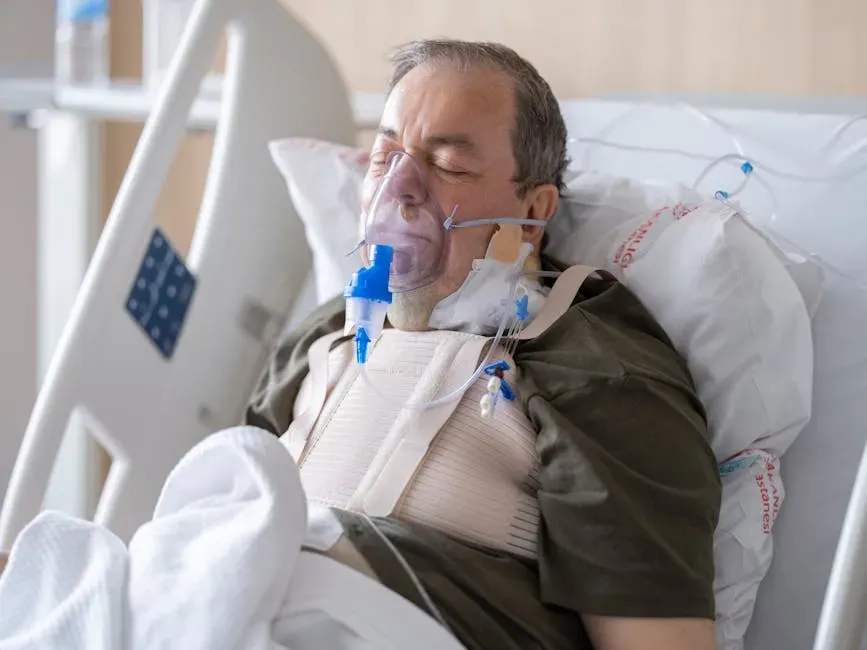
One of the clearest signs that death is near is how your breathing pattern changes. Instead of a steady in‑and‑out rhythm, your breaths may become shallow, irregular, and spaced out. You might go from breathing a bit too quickly to suddenly pausing for several seconds, then taking a deep, sighing breath. This pattern is sometimes called Cheyne–Stokes breathing, and if someone is watching, it can look frightening, as if you are repeatedly stopping and starting.
What is happening inside is that your brain’s breathing center is shutting down as oxygen levels fall and carbon dioxide rises. Your body is no longer trying to keep everything perfectly balanced, so the automatic control of breathing becomes unstable. You may not be aware of this shift; many people are already very drowsy or unresponsive by the time it appears. To someone at the bedside, it can feel like a countdown, but medically, it is more like the brainstem letting go of its old job.
Your consciousness drifts: more sleep, less response
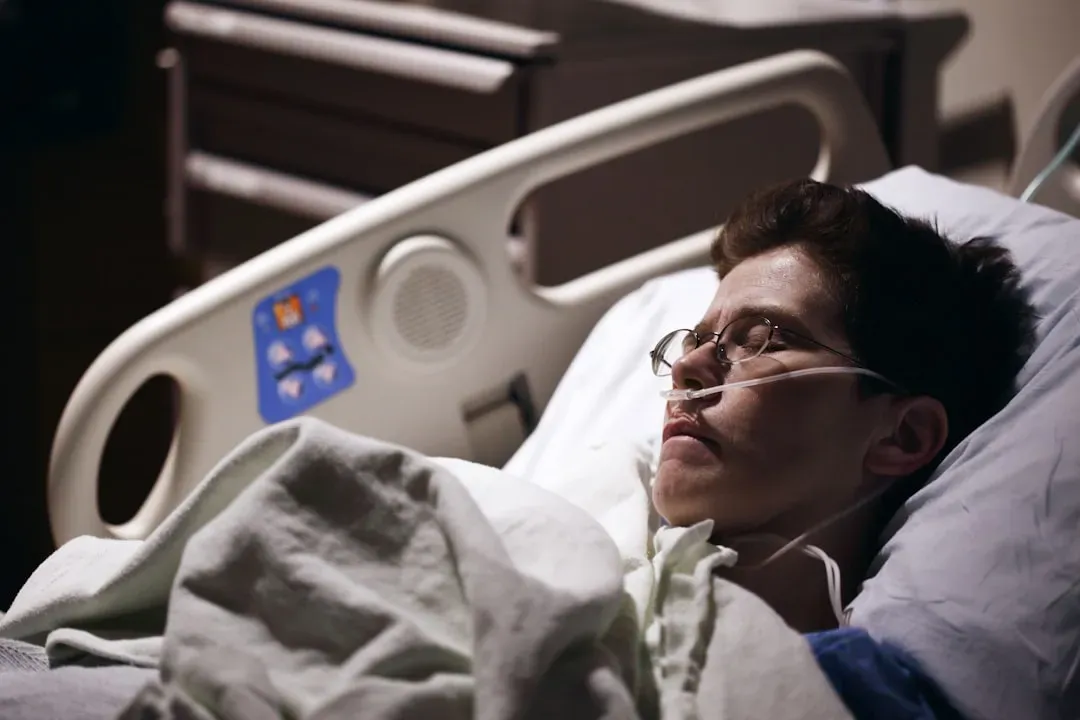
In the last couple of days, you usually spend far more time asleep than awake. You might drift in and out, responding briefly to a voice or a gentle touch, then slipping back into sleep. Over time, your reactions get slower and softer. You may stop speaking, or only say a few quiet words. From the outside it may look like you are “not really there,” but inside you might still hear familiar voices or feel reassuring contact.
This growing unresponsiveness is partly due to lower blood flow and oxygen reaching your brain, and partly due to the buildup of natural chemicals that make you drowsy. Your body is, in a sense, turning inward and conserving its very limited energy for core functions like circulation and basic breathing. You are not choosing to withdraw; your brain is doing it for you. For loved ones, this can be emotionally painful, but it is often a gentler, more peaceful state for you than it appears.
Your circulation slows, and your skin tells the story

As your heart gets weaker and your blood pressure drops, your body has to decide where to send the remaining blood. It prioritizes vital organs like the brain and heart, which means less blood reaches your hands, feet, and skin. You might notice your fingers and toes becoming cool or even cold to the touch. Sometimes your skin develops blotchy, purplish or reddish patches, especially on the legs and underside of the body. This is called mottling, and it is a common sign that circulation is failing.
These changes do not usually cause you pain; they are just a visual clue that your cardiovascular system is running out of strength. If someone feels your pulse, it may be faint or irregular, and your blood pressure might be too low to measure with a standard cuff. From the inside, this decline in circulation can contribute to dizziness, weakness, and that heavy, overwhelming fatigue you cannot shake off. Your body is quite literally running with less fuel and lower pressure than it was designed for.
Your body temperature and sweating become unpredictable
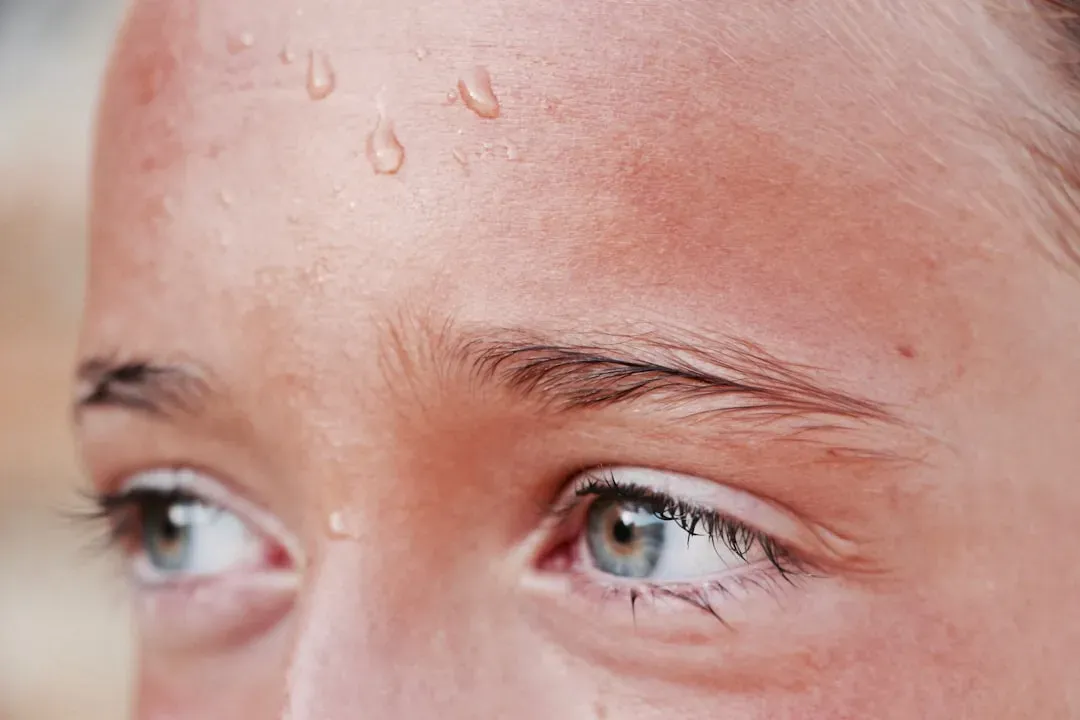
In the final day or two, your ability to regulate temperature often breaks down. You might feel unusually hot one moment and then suddenly cold, or your skin may be warm in some spots and cool in others. Fever is common when you are dying, especially if an infection is present or your organs are failing. At the same time, your body may not mount a typical fever response, so your temperature can bounce between higher and lower than normal.
You might sweat more, especially on your face and upper body, even if your hands and feet are cold. This mismatch happens because your brain’s temperature control center and your blood vessels are no longer coordinating smoothly. For people around you, adjusting blankets, opening a window, or using a cool cloth can be small but meaningful ways to respond. For you, the sense of being too hot or too cold often fades as your awareness drifts, even if your skin still shows the changes.
Your appetite and thirst almost completely fade

One of the most misunderstood signs of approaching death is the loss of interest in food and drink. In the last forty‑eight hours, you usually eat very little or nothing at all, and you may stop drinking except for a few small sips. From a biological standpoint, your digestive system is shutting down. Your gut is not moving food along effectively, your body does not need the same calories, and forcing down meals can actually cause discomfort rather than strength.
To people who love you, this can be distressing, because feeding someone is such a basic act of care. It can feel as if allowing you to refuse food is giving up. In reality, your body is telling you clearly that it no longer wants to process large amounts of nutrition. Moistening your lips, giving tiny sips of water or ice chips, or using mouth swabs can keep you more comfortable without pushing your body to do something it cannot handle. You are not starving; you are transitioning, and the biology of dying simply does not follow the logic of everyday eating and drinking.
Your kidneys and bowels slow down or stop
As blood flow to your organs decreases, your kidneys and intestines are some of the first systems to scale back their work. You may pass less urine, and what you do pass can be darker and more concentrated. In the final day or so, you might stop urinating altogether, especially if your blood pressure is very low. This is a clear signal that your kidneys are shutting down. Similarly, bowel movements usually become rare or stop in the last days, because you are not eating and your digestive muscles are not working as they once did.
These changes can lead to visible signs such as a catheter bag with very little output or a dry adult brief. For you, this shutdown can contribute to a feeling of bloating or nausea earlier in the process, but by the last forty‑eight hours, you are often too drowsy to notice much. Sometimes, muscles around the bladder and bowel relax near the moment of death, leading to a final release. To caregivers, this can seem startling or upsetting, but it is simply your body’s way of letting go of tension it has been holding.
Your muscles relax, and movement becomes minimal
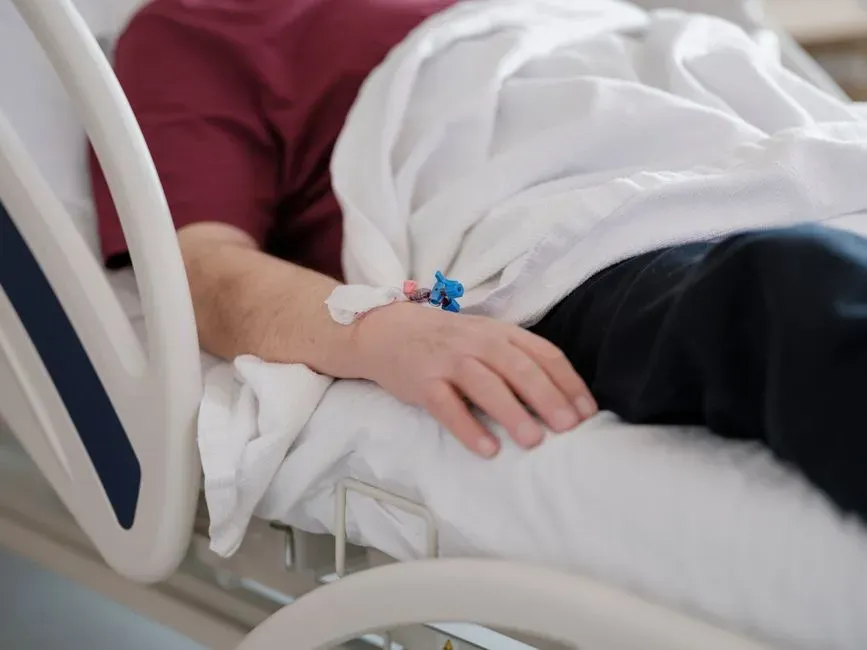
In the last two days, your body gradually lets go of most voluntary movement. Simple tasks like lifting your head, turning in bed, or raising a hand can feel impossibly heavy. Your muscles do not receive the same nerve signals or blood supply, and just staying awake can feel like hard work. You might still squeeze a hand or move your eyes, but large, purposeful movements usually fade away. Your posture becomes more relaxed, and sometimes your jaw or mouth falls slightly open because the muscles can no longer hold them closed.
This loss of muscle tone is not a sign that you are not fighting or that you have given up; it is a direct result of energy loss and declining nerve function. You may also lose the ability to swallow safely, which can lead to gurgling or rattling sounds in your throat as saliva or mucus pools there. While those sounds often worry family members, they do not always mean you are in distress. Your body is simply losing its last bit of fine control over muscles that once worked without a second thought.
Your senses and perception shift in subtle ways

As death approaches, your senses change, and not always in obvious, linear ways. You might not respond when someone calls your name, but you may still hear them and find comfort in familiar voices. Some people seem to become more sensitive to touch or sound, while others appear to pull away from external stimuli completely. You may keep your eyes half‑open or closed most of the time, and your gaze can look distant, as if you are focusing on something that no one else can see.
Your brain is using its last resources to process internal sensations rather than external ones. This can create a dreamlike or altered state, where time, memories, and impressions blend together. You might have vivid internal experiences that others interpret as confusion or hallucinations. From a biological point of view, this is the result of decreased oxygen, changing brain chemistry, and disrupted sleep–wake cycles. From a human point of view, it often feels like you are gradually turning away from the outside world and toward something only you can fully experience.
Your heart rhythm becomes fragile, leading to the final pause
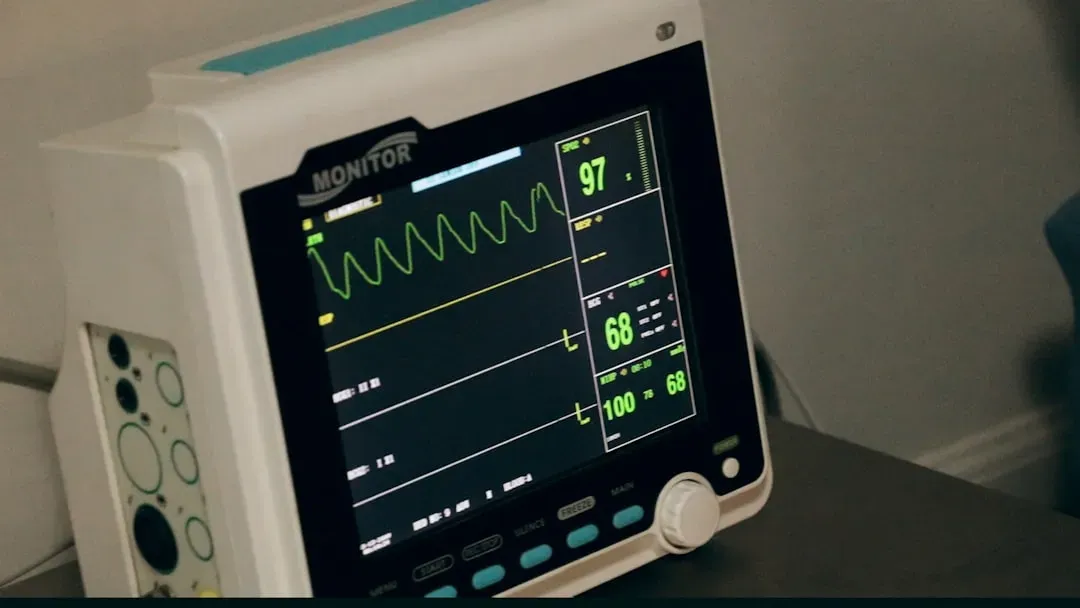
Underneath all these changes, your heart is slowly losing its strength and coordination. Electrical signals that once traveled smoothly through your heart muscle begin to misfire or slow down. Your pulse may become weak, irregular, or very fast and then suddenly very slow. You might not feel these changes directly, especially if you are already deeply asleep or unresponsive, but inside your chest, the pump that has carried you through every moment of your life is struggling to keep going.
In the final hours or minutes, your heart may slip into a chaotic rhythm that no longer pushes blood effectively, or it may simply slow until it stops. At that moment, blood flow to your brain and organs ceases, and consciousness ends. From the bedside, there may be a few last breaths or small movements after the heart has stopped, as leftover signals fire in muscles and reflex pathways. Biologically, though, those last irregular beats and pauses are the body’s closing chapter, the final sign that the intricate systems keeping you alive have come to rest.
Conclusion: Understanding the body’s quiet choreography

When you look at all these signs together, you can see that the last forty‑eight hours of life are not random or chaotic. Your body follows a kind of quiet choreography as it lets go of one function after another, always trying to conserve energy and reduce strain on failing systems. Breathing shifts, consciousness fades, circulation weakens, organs shut down, and your heart takes its final bow. It is not pretty or polished, but it is coherent, and in many ways, it is gentler from the inside than it appears from the outside.
Knowing this does not erase the grief of losing someone or the fear of facing your own mortality, but it can bring a sense of grounded understanding. Instead of seeing every change as a crisis, you can recognize it as part of a natural, if heartbreaking, process. You can focus less on panicking over each new symptom and more on being present, offering comfort, and saying what matters most while there is still time. When you imagine your own final forty‑eight hours, does it change anything to know that your body will be following a pattern it has quietly prepared for all along?