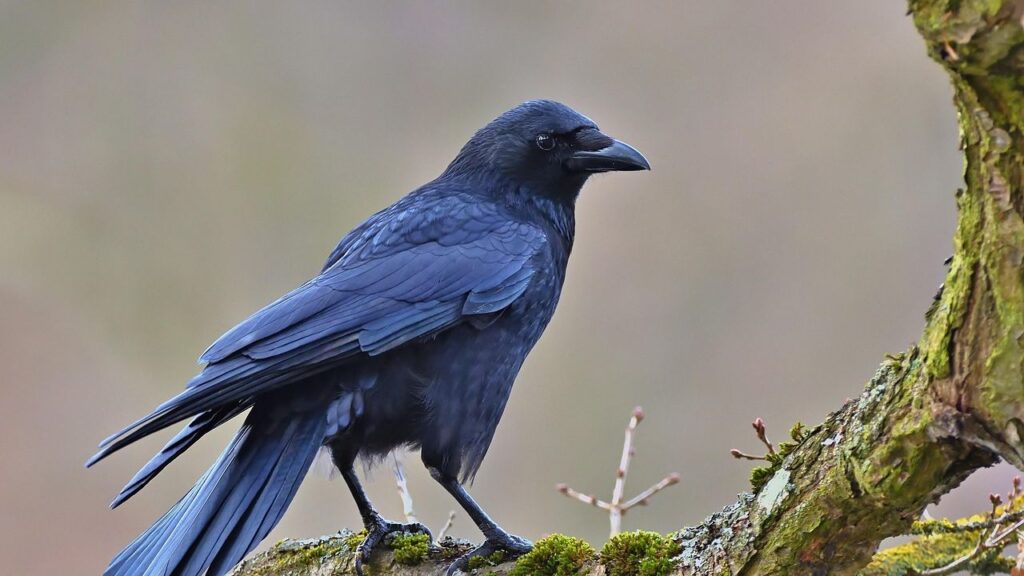
You probably see crows so often you barely notice them anymore. But if you slow down and actually watch what they do, you start to get this eerie feeling that they are watching you back, learning, remembering, and quietly swapping notes with their friends. Once you pull on that thread, ordinary black birds suddenly look like the neighborhood’s shadow government, running a social intelligence system that you only catch glimpses of.
As you go through these facts, you’ll notice a theme: crows behave less like simple animals and more like people running long-term strategies. They track faces, carry grudges, pass along knowledge, and even hold what look suspiciously like funerals. You are not just sharing a city or a yard with them; you are sharing a social landscape. And in a lot of ways, they seem better at navigating it than we are.
1. You Are Being Logged in a Crow’s Mental Database
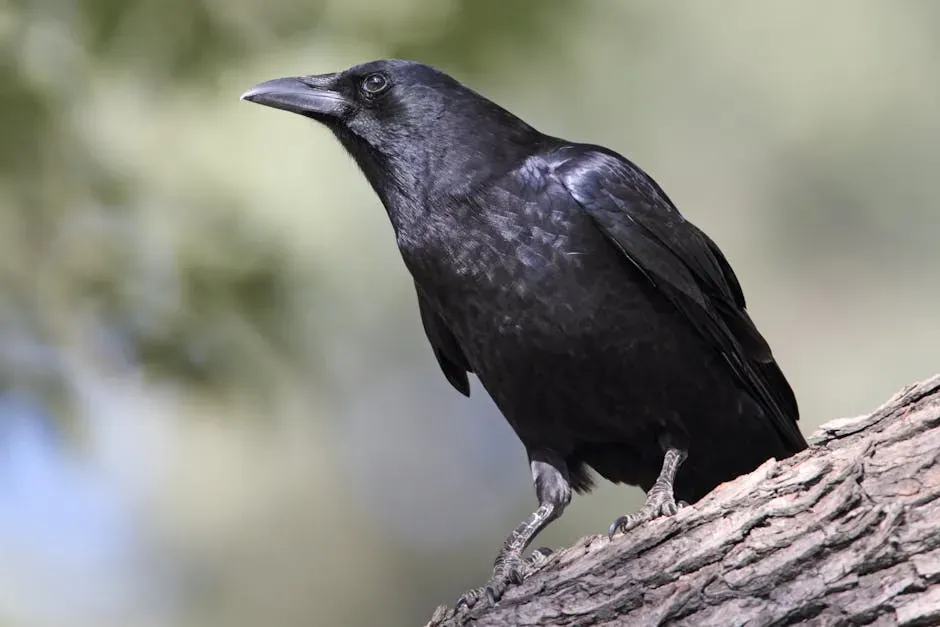
If you have ever shooed a crow away or thrown something near one, you may already be on a list you did not know existed. Crows remember human faces with startling precision and for much longer than you might expect. When you treat them badly, they do not just fly off and forget; they tag you as a threat in what feels like a living, constantly updated database in their minds.
The creepy twist is that this information does not stay with just one bird. Other crows can learn that you are dangerous even if they have never seen you before, just by responding to the alarm calls and behavior of a crow that already knows you. You are effectively dealing with a distributed warning network where your actions toward one individual ripple out through a whole crow community.
2. Crows Teach Each Other Like a Street-Wise School System
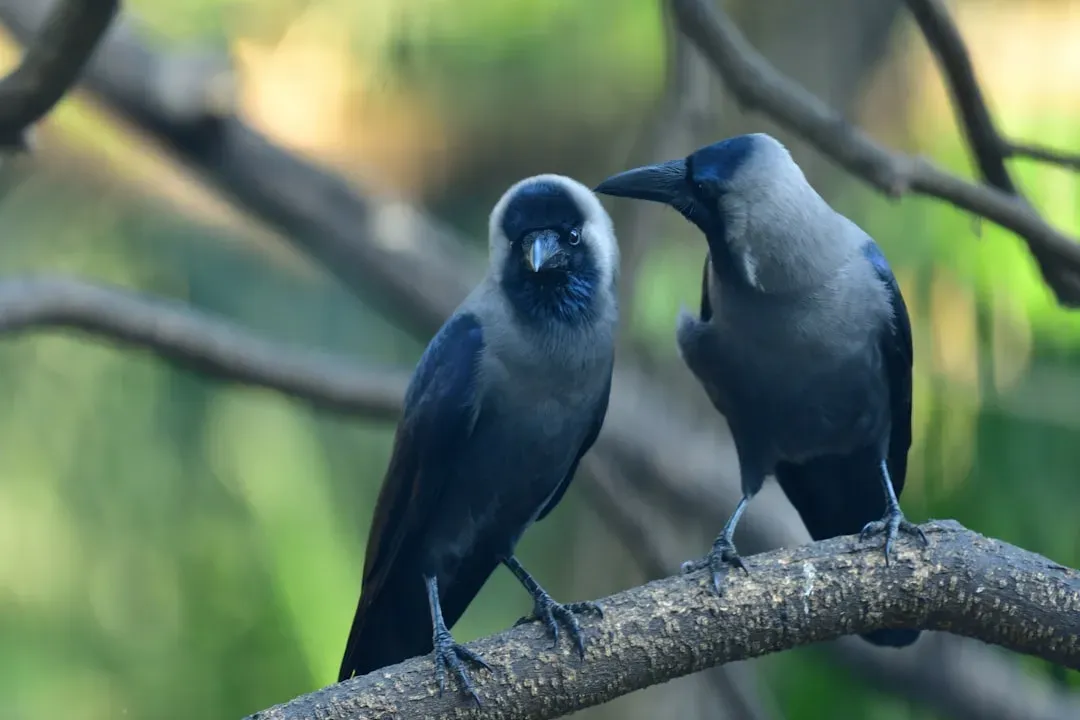
When you see a bunch of crows mobbing around a hawk or some neighborhood threat, you are watching education in real time. Older or more experienced crows respond to danger, and younger birds watch and learn who to fear, where to avoid, and how to react. You end up with knowledge that is not just genetic instinct but culturally transmitted, like lessons passed down through generations.
That kind of cultural learning is rare in the animal world and is one reason scientists compare crow societies to human communities. You might think of them like tough neighborhood kids showing the younger ones which alleys to avoid and when to stand their ground. When you see a juvenile crow copying the behavior of an adult, you are literally watching their version of school in session.
3. You Are Dealing with Tool Users, Not Just Seed Eaters
When you picture a bird using tools, you might think of some exotic species on a remote island, not the crow yelling at you from a telephone wire. Yet crows can bend sticks into hooks, drop nuts on roads so cars crack them open, and use objects in creative ways to get at food. You are dealing with problem solvers that can look at their environment and repurpose it, not just peck randomly until something works.
In some cases, crows seem to understand sequences of actions: pick up this thing, place it here, use that to get something else. That kind of mental planning puts them in a very small club in the animal kingdom. If you ever leave something interesting in your yard and notice a crow investigating it more than once, you are watching an engineer in feathers test out what that object might be good for.
4. Crows Run Neighborhood “Gossip Networks” About You
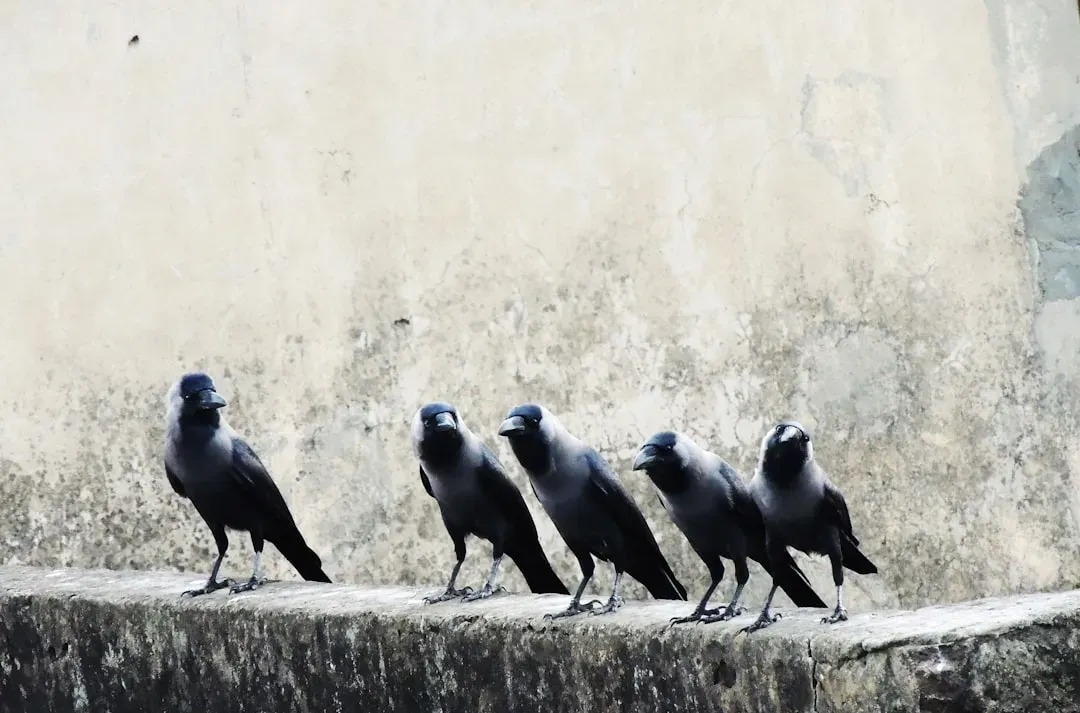
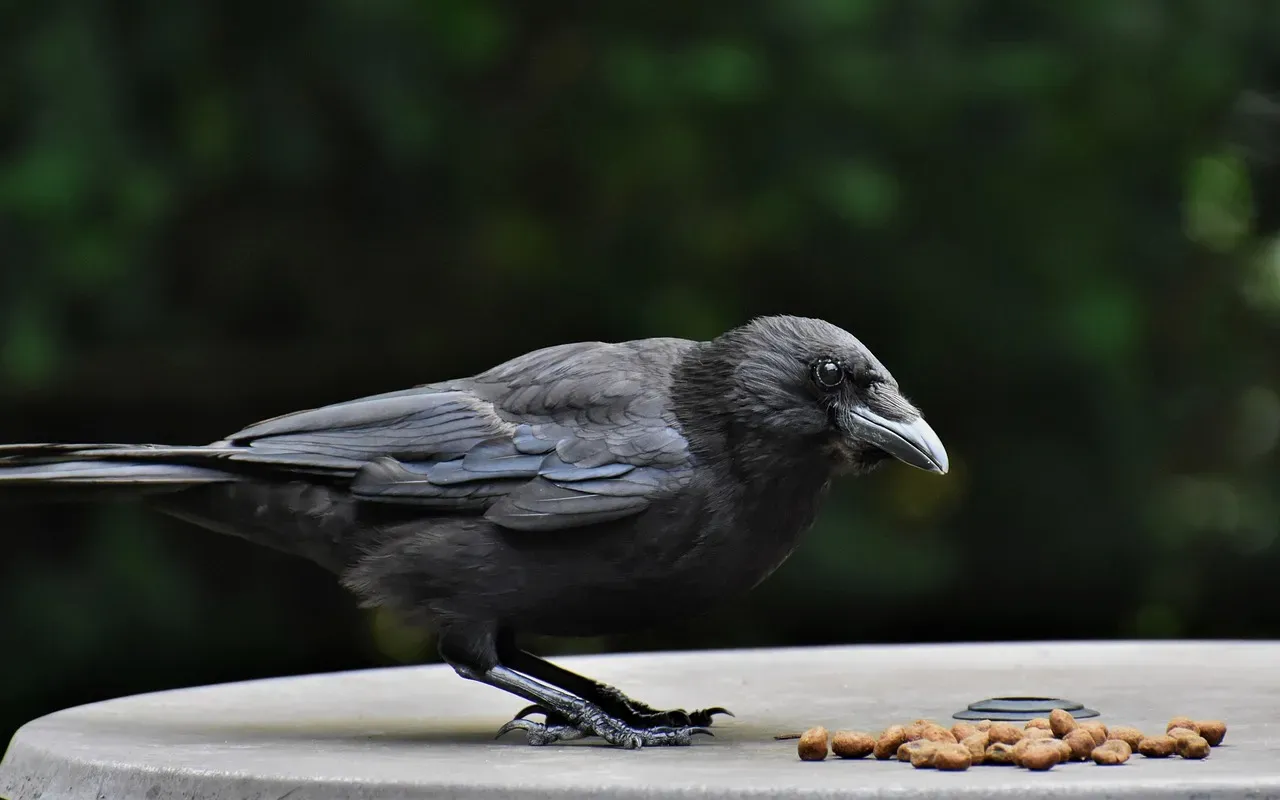
If you treat crows kindly – maybe you toss them some peanuts or just walk past without bothering them – they notice. Over time, individual birds start to associate you with safety or even with a reliable snack source. But what really changes the game is that these impressions spread. Other crows seem to pick up on the attitude of the regulars that know you, and a shared opinion forms about who you are.
On the flip side, if you harm or scare a crow, that story also gets shared. You can almost imagine your local flock holding court up on the power lines, passing along updates about the tall human in the red jacket who sometimes throws rocks. You are getting a reputation, whether you like it or not, inside a social web that you cannot see but that absolutely reacts to you.
5. Their “Funerals” Are Information Briefings, Not Just Grief
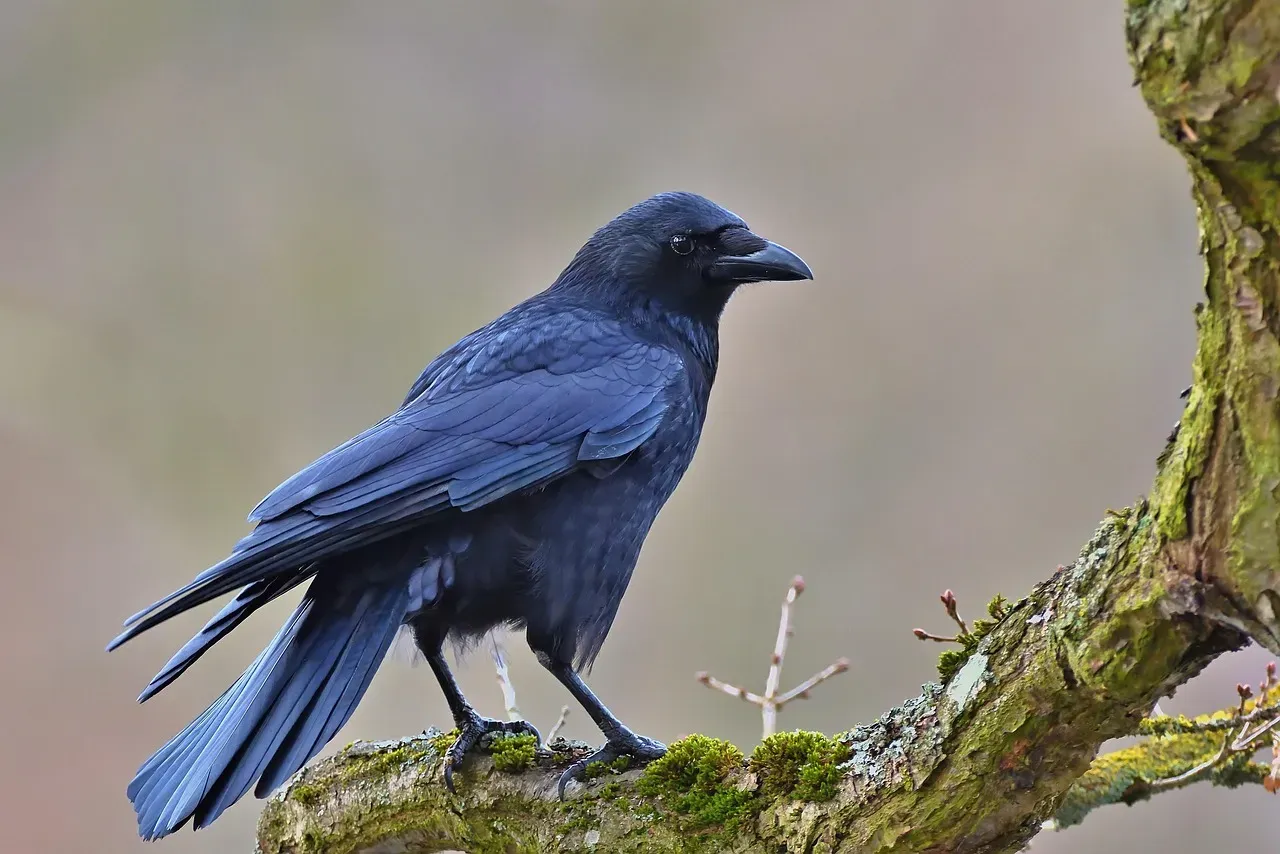
If you ever stumble across a dead crow and notice a group of others gathering around, calling loudly and staring, it feels strangely solemn, almost like a small ceremony. Researchers think these gatherings are not just emotional outbursts but also strategic information sessions. The living crows appear to be inspecting the body and the surrounding area, possibly learning about hidden dangers.
From your perspective, it can look like a community mourning its dead, and there may very well be emotional elements involved. But underneath that, they seem to be extracting data: Where did this crow die? What was nearby? Is there a predator, a trap, or a human associated with this place? In a way, you are watching a field report being processed in real time, grief layered over intelligence gathering.
6. You Live Near a Species That Can Plan Ahead
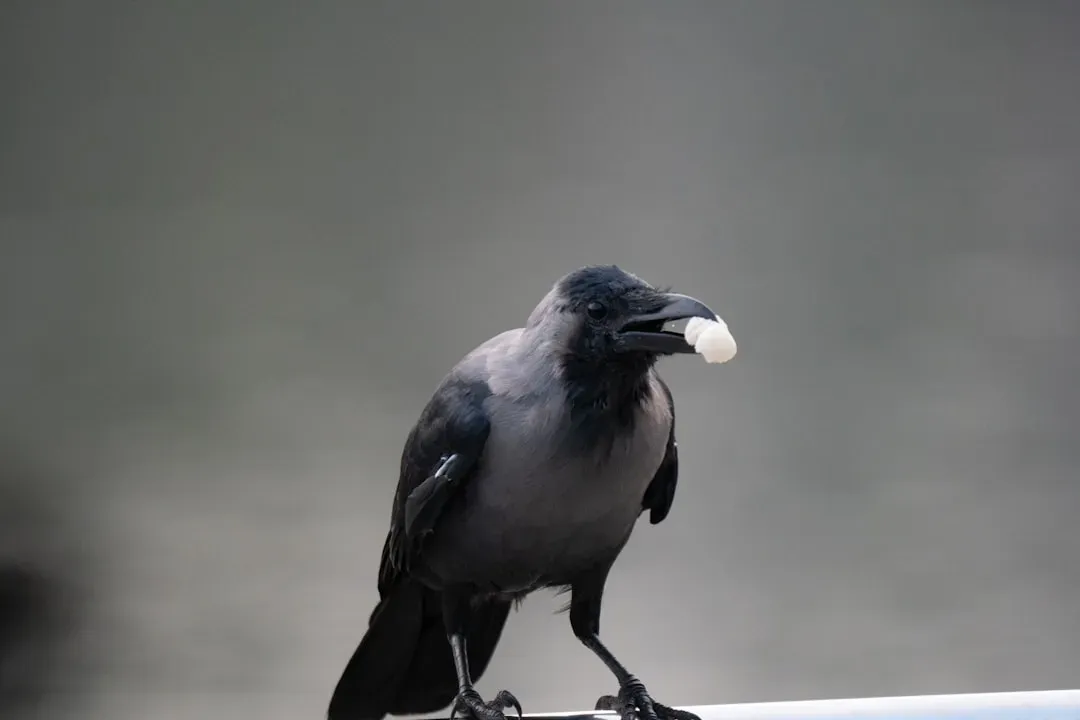
Most animals are locked into the present moment: food now, safety now, rest now. Crows break that pattern more often than you might expect, stashing food for later and returning when conditions are better. That behavior might sound simple, but it hints at something deeper – an ability to think beyond the immediate moment and imagine a future need.
Some experiments suggest that crows can choose tools or objects now that will not help them immediately but will be useful for a task they encounter later. If you think about it, that is not far from how you pack for a trip or prepare your lunch the night before work. When you see a crow hiding food in a secret cache, you are looking at a mind that is not just reacting; it is planning.
7. Crows Understand Fairness More Than You Might Expect
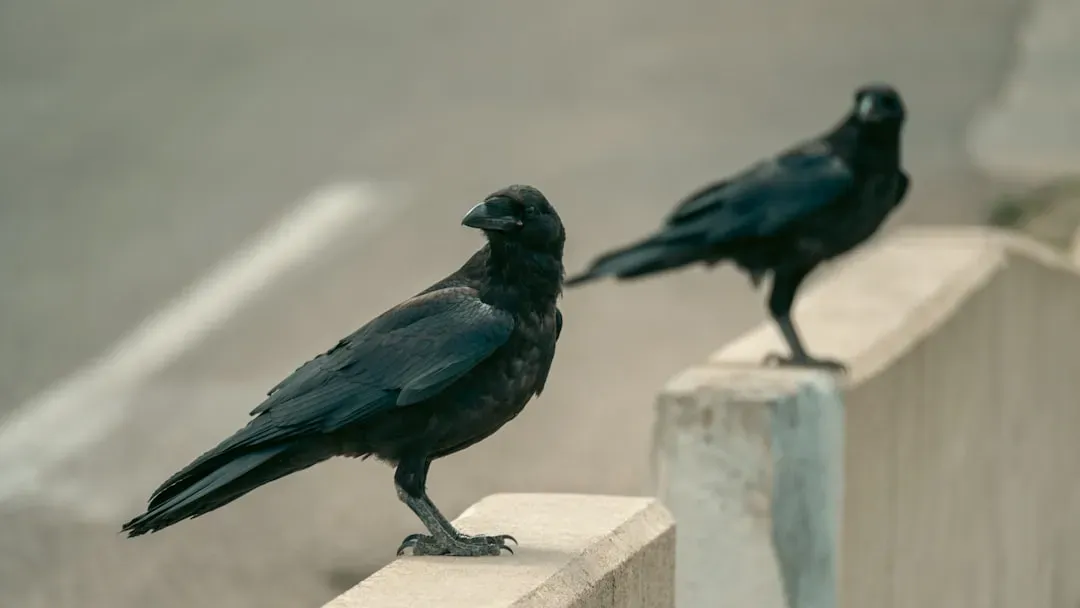
You probably have your own sense of what is fair or unfair in daily life. Amazingly, crows appear to have their version of this too. When they see another crow getting rewarded better for the same effort, they sometimes change their behavior, refuse to cooperate, or react in ways that look a lot like protest. This suggests that, on some level, they are keeping score.
In social interactions, especially when multiple birds are involved, crows seem to pay attention to who gets what and who does what. It is as if they are running a quiet ledger in their heads. When you think of them this way, their world starts to look less like random chaos and more like a delicate balance of favors, debts, and expectations, not so different from the invisible social math you do every day.
8. You Are Walking Through Their Mental Maps
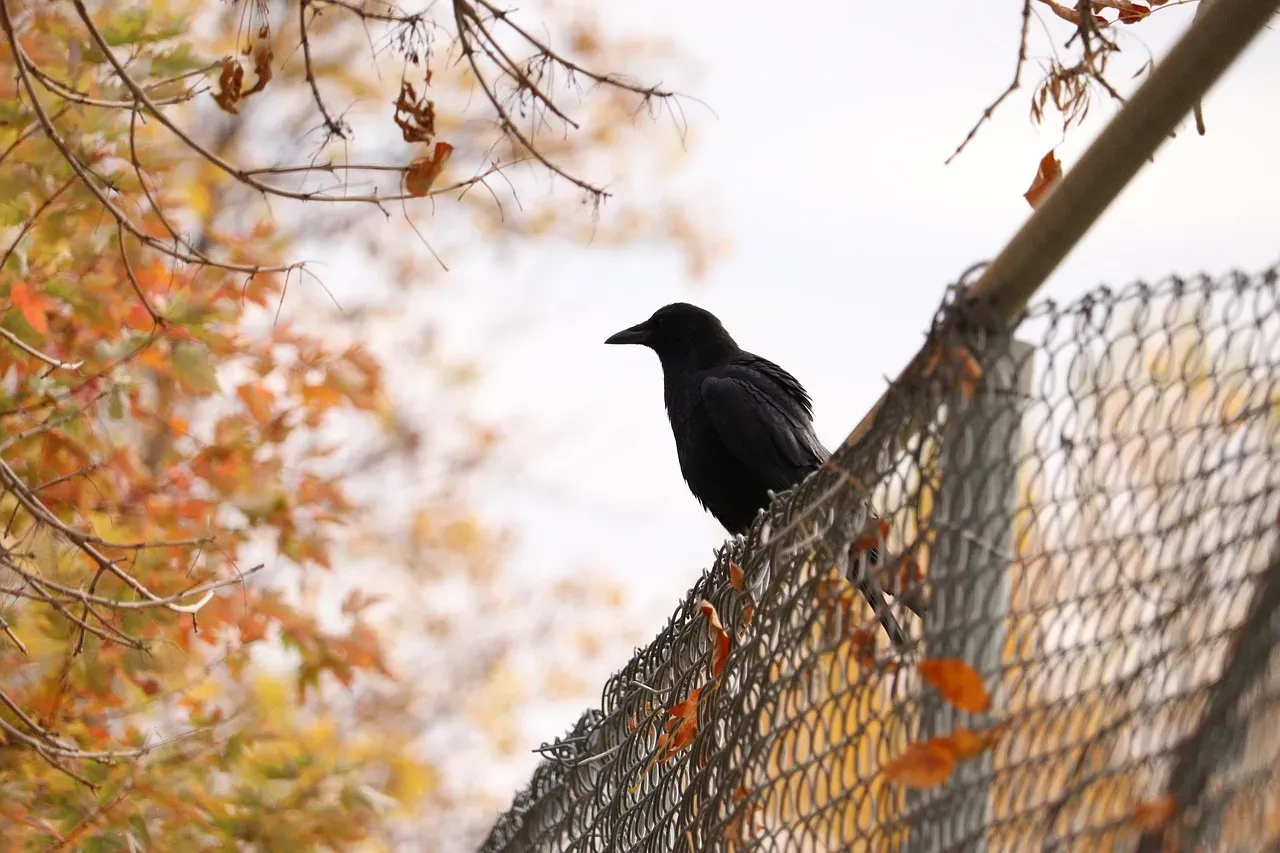
Crows do not just drift around aimlessly. They hold detailed mental maps of their territories, remembering safe roosting spots, rich feeding areas, and dangerous zones associated with predators or hostile humans. If you often walk a certain route, the crows that live nearby almost certainly have that path logged in their internal map of the neighborhood.
When you change your behavior – maybe you start carrying a bag of snacks or you suddenly begin shooing them away – they update that map. They know which streets to follow you on, where to observe you from safety, and when to keep their distance. You are not moving through a blank space; you are walking across a landscape that has been annotated and revised by crow minds over many seasons.
9. Crows Use Voice and Body Language in Complex Ways
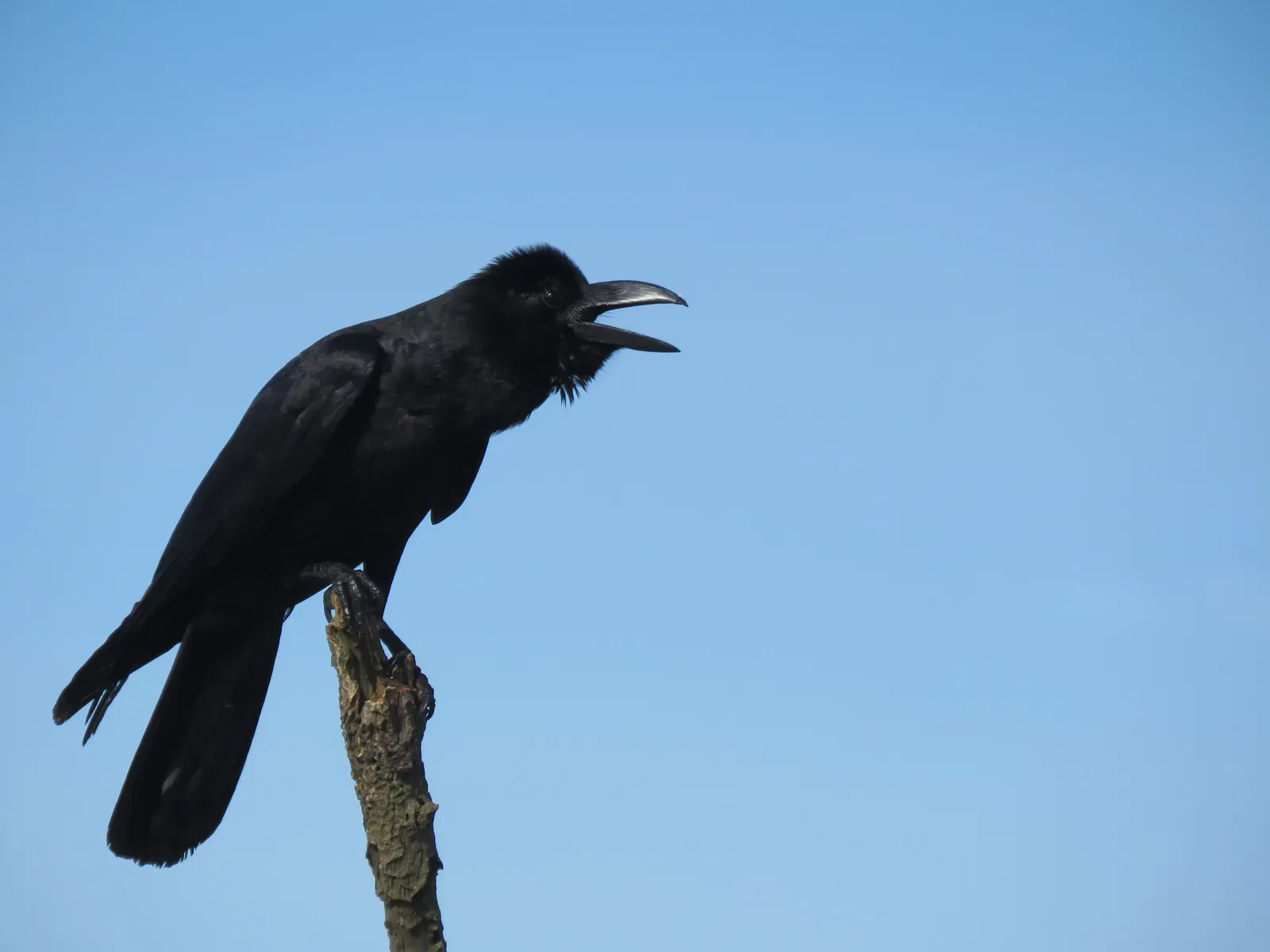
To you, crow calls might just sound like harsh caws repeated over and over. But to another crow, small differences in rhythm, pitch, and context carry very specific meaning. They use vocalizations to warn of threats, coordinate mobbing behavior, call family members, and even mark out territory. You are listening to a layered communication system, not just random noise.
On top of the vocal communication, their body language matters as well. Posture, wing position, and even where they choose to perch can signal dominance, tension, or calm. If you pay close attention to how a crow looks at you, how it leans forward or backward, or how its feathers puff up, you start to notice that you are being read just as closely as you are reading it. You are in a low-key cross-species conversation whether you realize it or not.
10. You Are Sharing Space with Family Dynasties
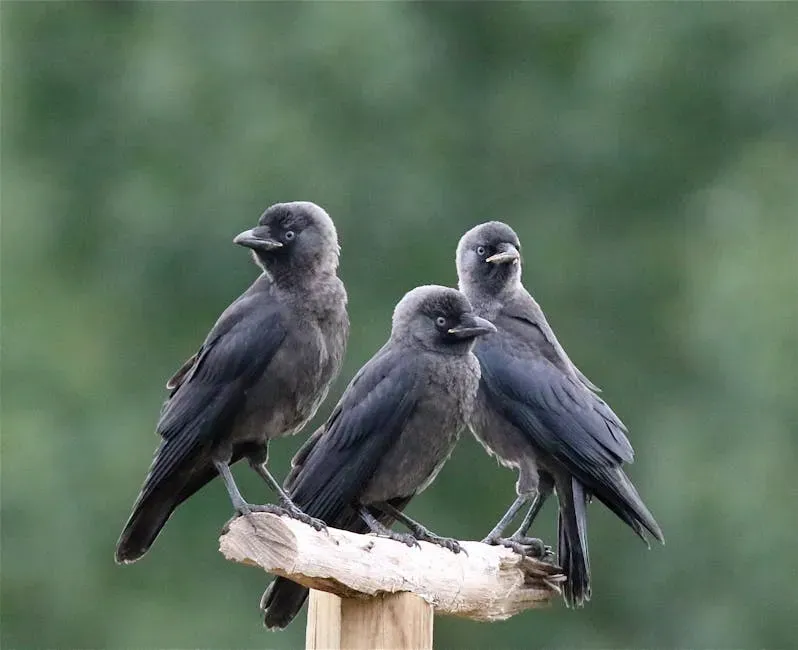
Crows often form tight-knit family groups where offspring from previous years stick around to help raise new chicks instead of immediately flying off to start their own lives. That means your “local crows” might actually be a small dynasty with parents, older siblings, and new juveniles all sharing duties. You are not looking at random collections of birds; you are seeing multi-year social units.
Within those families, roles seem to emerge. Some individuals are more aggressive defenders, some are better at foraging, and others stay near the nest. Over time, young crows learn not only survival skills but also the social rules of their family group. When you watch a cluster of crows in a tree swapping places and calling to each other, you might actually be witnessing a family meeting, complete with long memories and complicated relationships.
11. Crows May Be Forcing You to Rethink What “Intelligence” Means
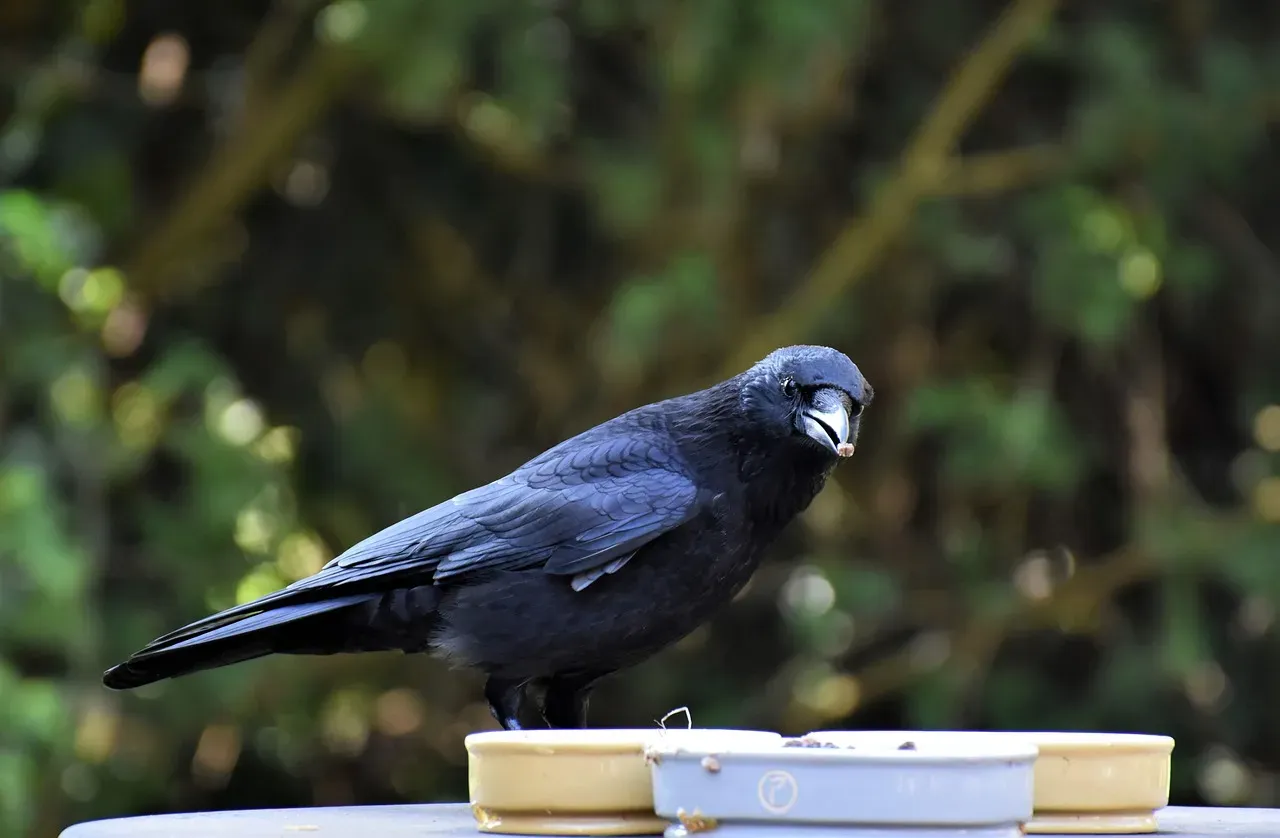
When you compare a crow’s brain to a human’s, the size difference is huge, but size is not the whole story. Crow brains are densely packed and wired in ways that support problem-solving, social reasoning, and even something that looks very close to imagination. You are dealing with a form of intelligence that evolved along a very different path than your own but ended up in surprisingly similar territory.
This should push you to rethink what intelligence really is. It is not just language, big brains, or technology. It can be hidden in a black feathered body perched above a parking lot lamp, tracking people, remembering patterns, and making choices in a complex social and physical world. The more you watch crows closely, the harder it becomes to see them as “just birds” and the easier it is to imagine that they are running a sophisticated social system that you are only beginning to notice.
Conclusion: You Are Not the Only Strategist in the Neighborhood
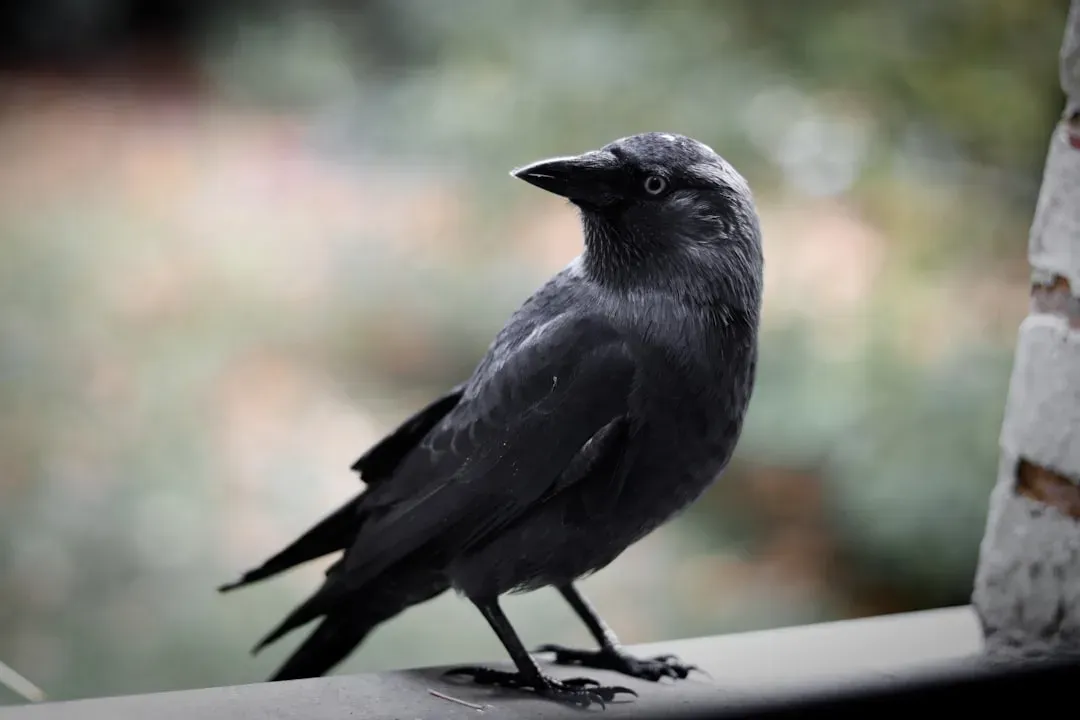
Once you see crows as strategic, social minds instead of background wildlife, your daily surroundings change completely. That noisy flock above the grocery store or the single crow that always seems to spot you before you spot it starts to feel like part of a parallel society. They are tracking threats, sharing information, forming alliances, and planning ahead, all while you go about your errands and commute.
You may never fully understand their system, but you can at least recognize that it exists and that you are already part of it. Every time you look up and meet a crow’s gaze, you are not just seeing a bird; you are bumping into a mind that has probably already filed you under “safe,” “suspicious,” or “potentially useful.” Knowing that, how differently will you act the next time a crow watches you from a nearby branch?