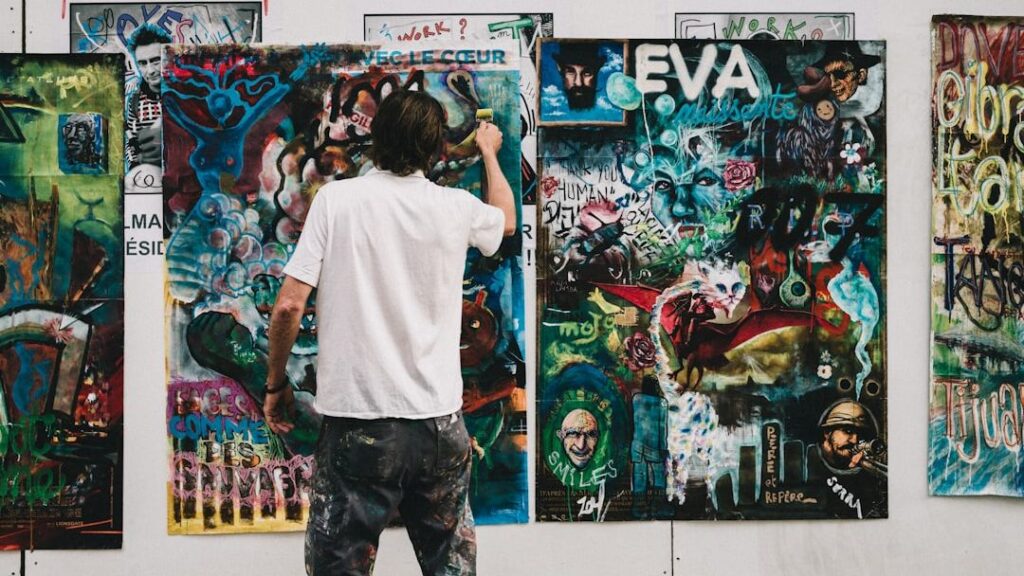
Have you ever looked up from something you were making – a sketch, a song, a line of code, even a spreadsheet – and realized an entire afternoon just evaporated? You were not scrolling, you were not bored, and you definitely were not checking the clock every ten minutes. You were simply gone in the best possible way, like the world had quietly stepped out of the room and left you alone with your ideas. Neuroscientists have a name for that strange, delicious tunnel you slip into: a flow state. And it turns out that when you are truly in it, your brain is doing something that most people rarely, if ever, experience.
What is wild is that this is not just a fuzzy, feel‑good idea about “being in the zone.” Brain scans, neurochemistry studies, and attention research all suggest that your perception of time, your sense of self, and your decision‑making systems literally shift gears when you hit deep creative flow. This is not magic, but it can feel like it. The twist is that this state is not reserved for geniuses or people with perfect lives. It is a brain mode that is available to almost anyone – yet modern habits, constant notifications, and low‑grade stress keep most of us hovering on the surface instead of dropping into the deep end. The real question is not whether it exists, but whether you are willing to shape your life enough to visit it more often.
The Brain State Behind “Losing Track of Time”
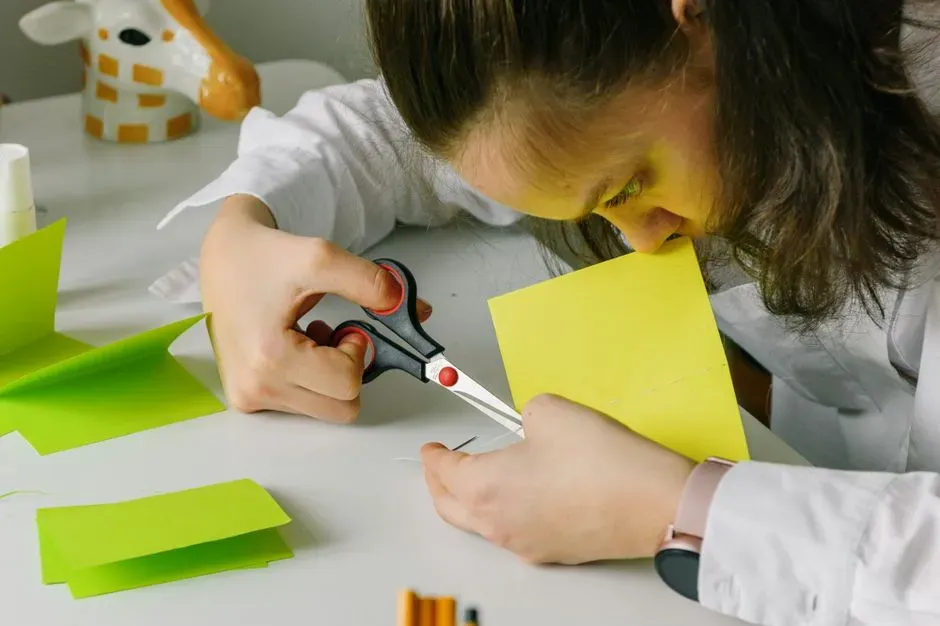
That eerie feeling that hours passed in what felt like minutes is not just a vibe; it is your brain’s timekeeping system being bent by attention. Parts of the brain that help you monitor time and stay self‑conscious, like regions in the prefrontal cortex, quiet down when you enter intense, sustained focus. At the same time, sensory and motor areas related to whatever you are doing ramp up, as if your brain has decided that the only reality that matters is the canvas, the screen, the instrument, or the words in front of you. Subjectively, it feels like time has melted, because your brain has stopped checking the clock inside your head.
Researchers who study flow often talk about something called “transient hypofrontality,” a fancy way of saying your higher‑order control systems take a partial break while more automatic, intuitive processes take over. That is why you can improvise on a guitar, write a paragraph that surprises you, or solve a design problem without feeling like you are consciously forcing each step. Your inner critic shuts up just enough for ideas to slip through. Most people never go there because their attention is constantly shredded by multitasking and micro‑distractions. The brain state is not rare because it is impossible; it is rare because our lifestyles almost seem designed to block it.
How Flow Hijacks Your Attention (In a Good Way)

Under normal conditions, your attention behaves like a nervous bird, constantly hopping from branch to branch – email, chat, news, random thought, snack, repeat. In flow, that bird lands on one branch and refuses to move. Neurologically, this looks like highly efficient coordination between networks responsible for focusing on tasks and those involved in mind‑wandering and self‑reflection. Instead of fighting each other, they synchronize just enough that your creative mind can wander inside a narrow, productive lane. It is like drifting on a river, but with the banks close enough that you never lose the thread.
What is striking is that this deep focus does not feel strained or tense. When you are forcing yourself to concentrate, you feel every minute dragging by. In flow, attention becomes sticky in a way that feels almost effortless. That is partially because the task hits a sweet spot: just hard enough to be interesting, but not so hard that you panic or shut down. Many people never notice this zone because they either stay in the boredom of easy tasks or the anxiety of impossible ones. The brain state most people never reach sits right in between, where attention can lock on and stay there without constantly burning willpower.
The Neurochemistry of Effortless Creativity

Under the hood, flow is soaked in neurochemistry. When people hit this state, the brain tends to release a cocktail of chemicals linked with motivation, focus, and learning, including dopamine and norepinephrine. These help sharpen your attention, boost pattern recognition, and make the act of doing the work feel inherently rewarding. That is why you can work for hours on something in flow and not feel the same drained resentment you might feel after a day of forced, fragmented effort. The brain is essentially paying you in its own currency for staying in the game.
There also seems to be a shift toward brain rhythms associated with relaxed but alert states, rather than the jittery pattern you get when stressed and overstimulated. You could think of it like turning on noise‑cancelling headphones inside your mind, not to dull everything, but to highlight the one thing you care about. This does not mean flow is some mystical superpower. It is a natural configuration of chemicals and electrical activity that evolution likely favored for hunting, making tools, and solving complex problems. The tragedy is that in a world built on constant partial attention, many people rarely create the conditions for this chemistry to line up.
Why Most People Rarely Reach This Level of Focus

Here is the uncomfortable truth: the modern world is engineered to keep you out of deep focus. Every app on your phone, every tab in your browser, every notification bubble is a tiny hook into your attention. Your brain did not evolve for this environment; it evolved for long stretches of relative quiet punctuated by occasional, important signals. When your phone buzzes every few minutes, you are training your brain to expect interruption as the default. Under those conditions, entering a brain state where time disappears is like trying to meditate in the middle of a rock concert.
On top of that, many workplaces value visible busyness over deep, sustained output. People sit in endless meetings, answer messages instantly, and juggle ten half‑finished projects at once, then wonder why they never hit that creative groove. Flow requires chunks of uninterrupted time, not ten minutes here and twelve minutes there. It also requires enough psychological safety to temporarily stop worrying about how you look and what others think. If you are constantly glancing over your shoulder – literally or metaphorically – your brain will stay in defensive mode, not creative mode. Most people are not missing the capacity for flow; they are stuck in environments that poison it.
Creativity, Identity, and the Quieting of the “Self”

One of the strangest parts of deep creative work is how your sense of “me” seems to fade into the background. You forget how you look, where you are, and even what time it is, because your brain has temporarily deprioritized your self‑referential thoughts. Brain imaging studies suggest that activity in areas linked with self‑talk and self‑evaluation drops during flow, which fits the lived experience of feeling less self‑conscious and more absorbed. This is not about losing yourself in a dangerous way; it is more like finally getting a break from the constant internal commentary that usually runs your day.
This softening of the self can be deeply healing for people who are normally dominated by perfectionism, anxiety, or self‑criticism. When I first started writing seriously, I would obsess over every sentence, hearing a chorus of imaginary judges in my head. The rare times I slipped into flow, it felt like those judges left the room and I could finally write what I actually thought. That is not just a nice feeling; it can reshape how you see yourself. Creative flow becomes proof that you are not just the sum of your doubts. For many, that glimpse of a quieter, more spacious mind is rare – and once you taste it, it is hard to accept spending your entire life in the noisy version.
Training Your Brain to Access This State More Often

The good news is that flow is not a genetic lottery prize; it is a skill you can train, like physical endurance. One of the most powerful (and most boring‑sounding) steps is simply protecting blocks of time where you do one thing, and only one thing, with your phone out of reach. Your brain needs that stable runway to shift from scattered awareness into deep engagement. Even ninety minutes of protected time, repeated consistently, can start to re‑teach your brain that not every impulse or notification deserves a response.
Equally important is choosing tasks that sit just beyond your comfort zone. If something is too easy, you drift into distraction. If it is too hard, you flee into avoidance. The sweet spot – where it feels challenging but doable – acts like a magnet for flow. You can nudge yourself there by setting clear, specific goals for each session: sketch three concepts, fix one tricky bug, write one scene. Over time, your brain starts to recognize these conditions as an invitation into that deeper mode. The point is not to chase some perfect, mystical state every day, but to gradually raise the odds that you slip into it more often.
The Hidden Costs of Never Reaching Deep Flow
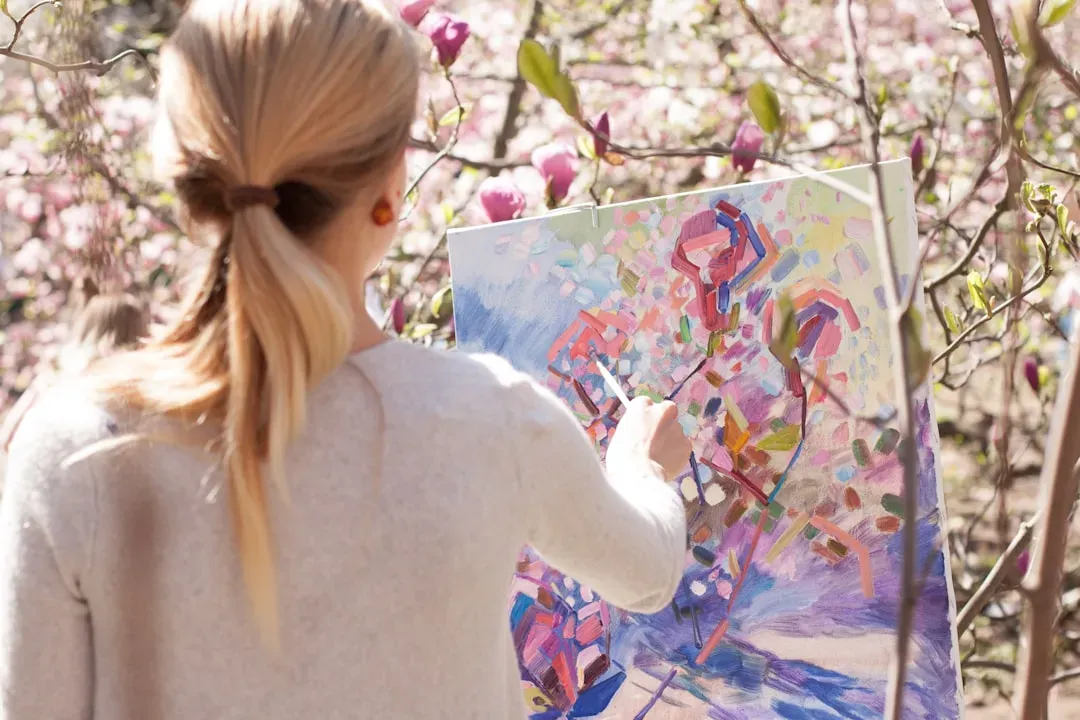
There is a quiet, creeping cost to living your entire life on the surface of your attention. When your days are built from fragments – twenty seconds here, two minutes there – you can stay busy while never feeling deeply engaged. That leaves many people weirdly exhausted but unsatisfied, like they worked all day and somehow did nothing that mattered. From a brain perspective, constantly switching tasks burns energy without giving you the reward of completion or mastery. Over time, this can feed cynicism, burnout, and the sense that everything is shallow and replaceable.
On the flip side, people who regularly enter flow often report higher feelings of meaning and engagement, even if their work is demanding. It is not that they are always happy or stress‑free; it is that they get regular experiences of being fully there, aligned with what they are doing. That sensation of total absorption is one of the most reliable sources of intrinsic motivation humans have. If you never access it, life can start to feel like an endless scroll of half‑experienced moments. In my opinion, that is not just a productivity issue; it is a spiritual one. A life without depth of attention is a life where you rarely show up as your full self.
Why This Rare Brain State Might Be Worth Rebuilding Your Life Around
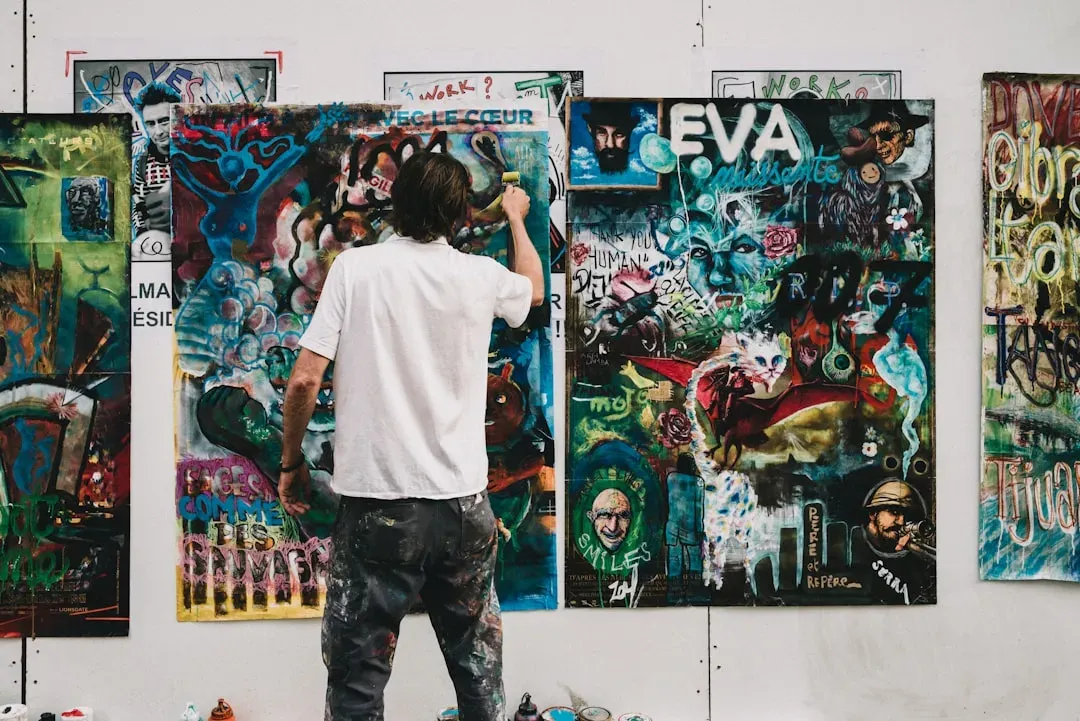
When you really take in what flow is – a temporary brain state where time bends, self‑doubt softens, and creativity ramps up – it starts to look less like a luxury and more like a basic human need. We are not built to live forever in the jittery, distracted mode that modern life normalizes. We are built to drop, at least sometimes, into that deeper, quieter channel where we can actually think, feel, and make. That state might be rare for most people today, but that says more about our culture than about our brains. We are surrounded by tools that steal our attention, but very few that protect it.
My opinion is blunt: if you know this brain state exists and you never make space for it, you are leaving some of your best life on the table. It might mean saying no to more things, closing more tabs, disappointing a few expectations, or rethinking what “productivity” even means for you. But the trade is enormous. You are not just getting more done; you are getting to inhabit your own mind in its most alive form, even if only for an hour at a time. In the end, the question is simple: when you look back on your days, do you want to remember a blur of interruptions, or those rare, luminous stretches when you forgot the clock because you were too busy being fully, brilliantly there?