
When you hear stories of people on the brink of death seeing a long‑gone parent at the foot of the bed, or feeling a beloved grandparent sitting beside them, it can sound almost too strange to be real. Yet if you talk to hospice nurses, palliative care doctors, or families who have sat at a bedside in those final days, you start to notice something unsettling and oddly beautiful: these stories are surprisingly common.
You might expect modern medicine to have a neat explanation for this, but it does not. Instead, you find a tangle of biology, psychology, spiritual belief, and human longing. As you explore this mystery, you are really exploring what it means to be human at the very edge of life: what you fear, what you hope for, and who you most want beside you when everything else falls away.
The Strange Pattern You Hear Again and Again
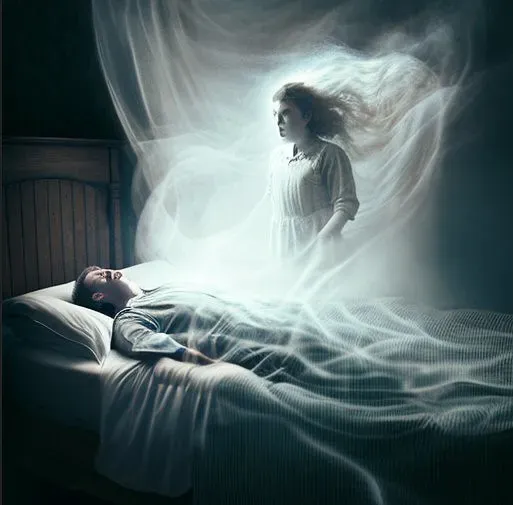
If you spend time reading accounts from families or talking with hospice workers, you notice a pattern that is hard to ignore. Very often, in the last days or weeks of life, people start talking to deceased spouses, parents, children, or friends, sometimes with a calmness that surprises everyone in the room. You might hear someone reach out an arm and say they see their mother in the doorway, or that a late partner has come to take them home.
What stands out is not just that this happens, but how specific it can be. Instead of vague shapes or random dreams, patients often name the person they see, describe conversations, and sometimes report feeling watched over or guided. You might assume this only happens in very religious people, but you also find it in those who never went near a church or temple. That consistency makes you pause and wonder whether something deeper is happening than just a confused brain shutting down.
Visions, Dreams, or Delirium? What Science Actually Says
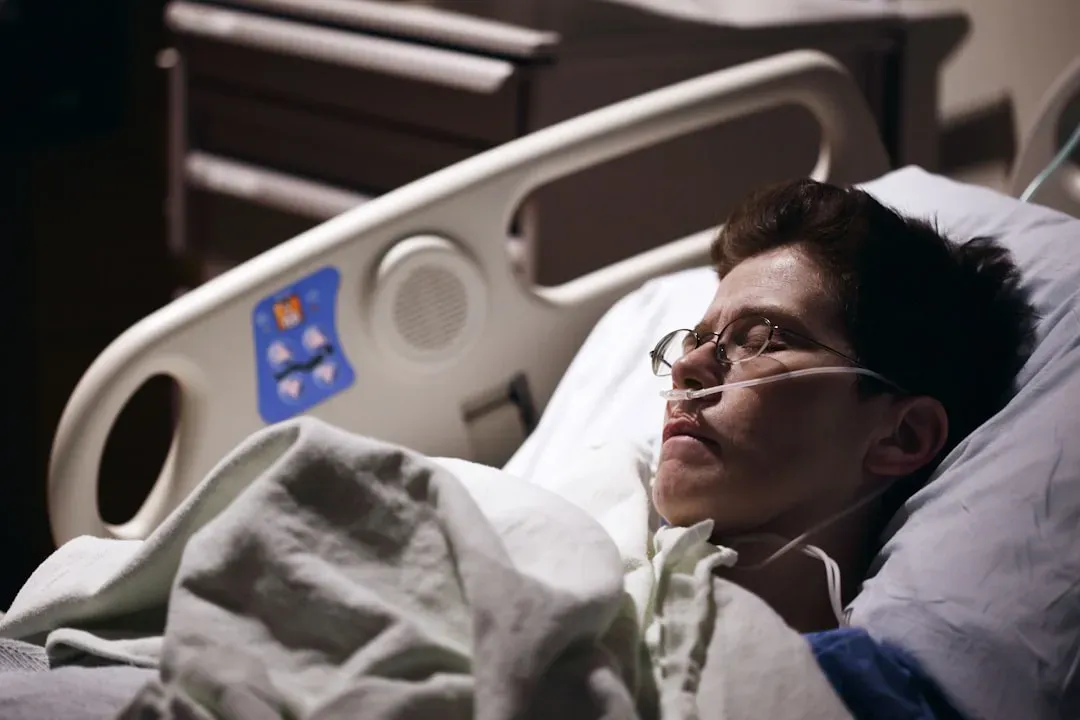
From a medical point of view, the simplest explanation is changes in the brain as the body shuts down. As blood flow, oxygen levels, and brain chemistry shift, you are more prone to vivid dreams, hallucinations, and confusion. Doctors can measure some of this: altered sleep cycles, metabolic imbalances, and the effects of medications like opioids or sedatives that can stir up intense inner imagery. On paper, it is easy to file these experiences under delirium or end‑of‑life dreams.
But when you look more closely, you see that end‑of‑life experiences often do not behave like typical delirium. People in delirium are usually disoriented, agitated, and fearful, seeing bugs on the walls or strangers in the room, unable to track time or recognize loved ones. In contrast, many dying patients who see deceased relatives remain surprisingly oriented and calm, able to hold coherent conversations and clearly distinguish between what is in the room and what they are inwardly experiencing. That difference keeps the debate open and makes the science feel less settled than you might expect.
How Your Brain Might Be Protecting You at the End
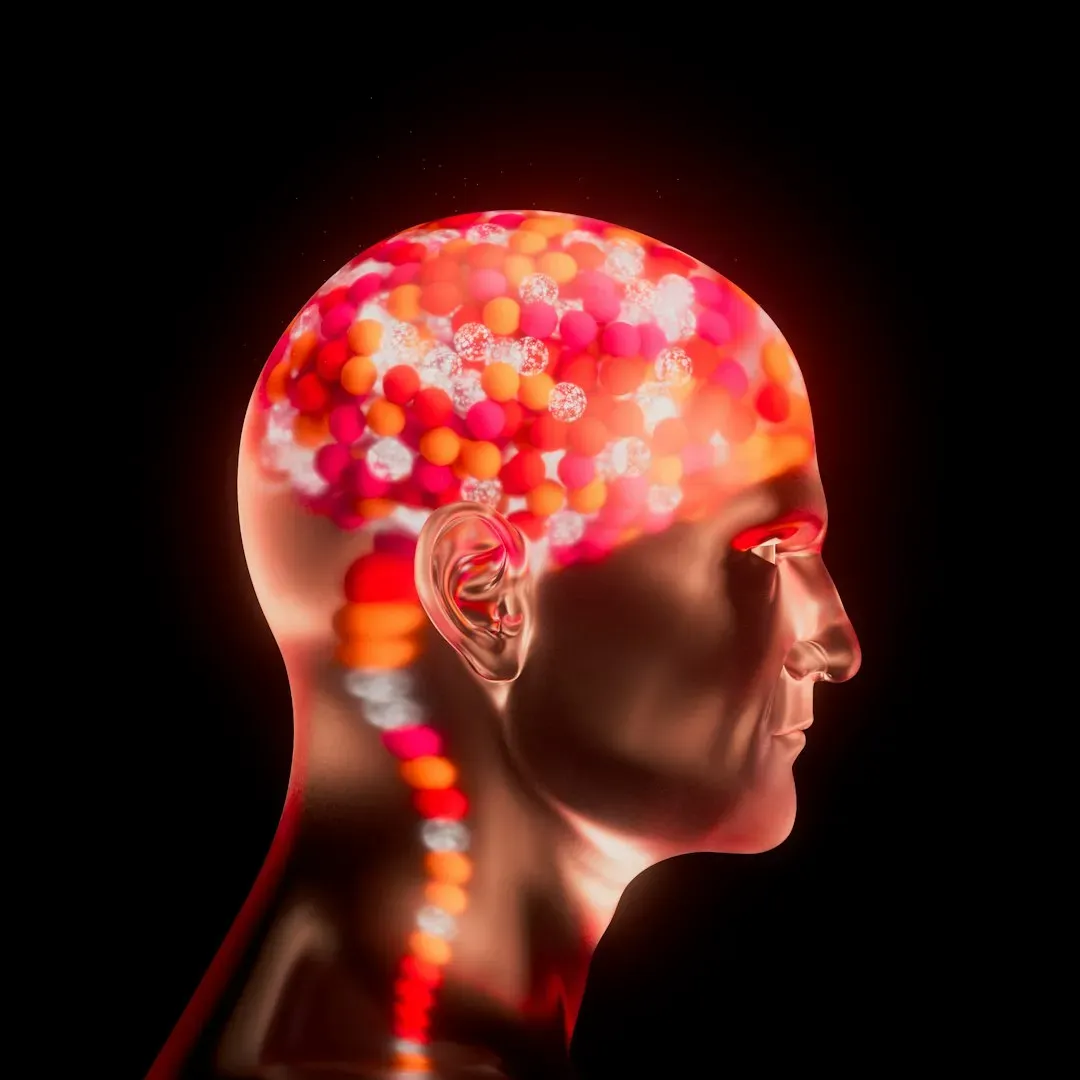
Even if you look at this mystery from a purely biological angle, there is a compelling possibility: your brain could be offering one last form of emotional protection. When you face the most threatening situation imaginable – your own death – your mind may pull forward the people who once made you feel safest. Just as a child under stress dreams of a comforting parent, an adult at the edge of life might naturally “see” the same figures, woven from memory, love, and longing.
Neuroscience has shown that when you recall a person you love, your brain does not just think about them; it partially “recreates” their presence through activity in areas linked to vision, emotion, and even touch. At the end of life, when boundaries between dreaming and waking can blur, those inner reconstructions may feel as real as someone standing at your bedside. From this angle, your visions of deceased loved ones are not random glitches, but your brain’s best attempt to give you comfort when you need it most.
The Role of Grief, Guilt, and Unfinished Business

Another layer to this mystery is the emotional history you carry with you. If you have unresolved grief, lingering guilt, or conversations you never had with someone who died, those memories can be powerful and persistent. Near the end of life, those emotional knots often tighten. You might find your mind circling back to a parent you disappointed, a sibling you fought with, or a child you lost, and in that vulnerable mental state, they may appear as if they have come to see you.
Psychologists point out that your brain is not just a recorder; it constantly rewrites and reshapes your life story to try to make sense of it. When death is close, your mind may rush to “finish the story” by imagining reconciliation, forgiveness, or reunion with people who mattered most. That does not mean you are making things up in a shallow way; it means your inner life is trying desperately to restore peace and meaning. Whether or not you see that as purely psychological, you can understand why those particular faces might appear in those final moments.
Why Many Patients Feel Calmer After These Encounters
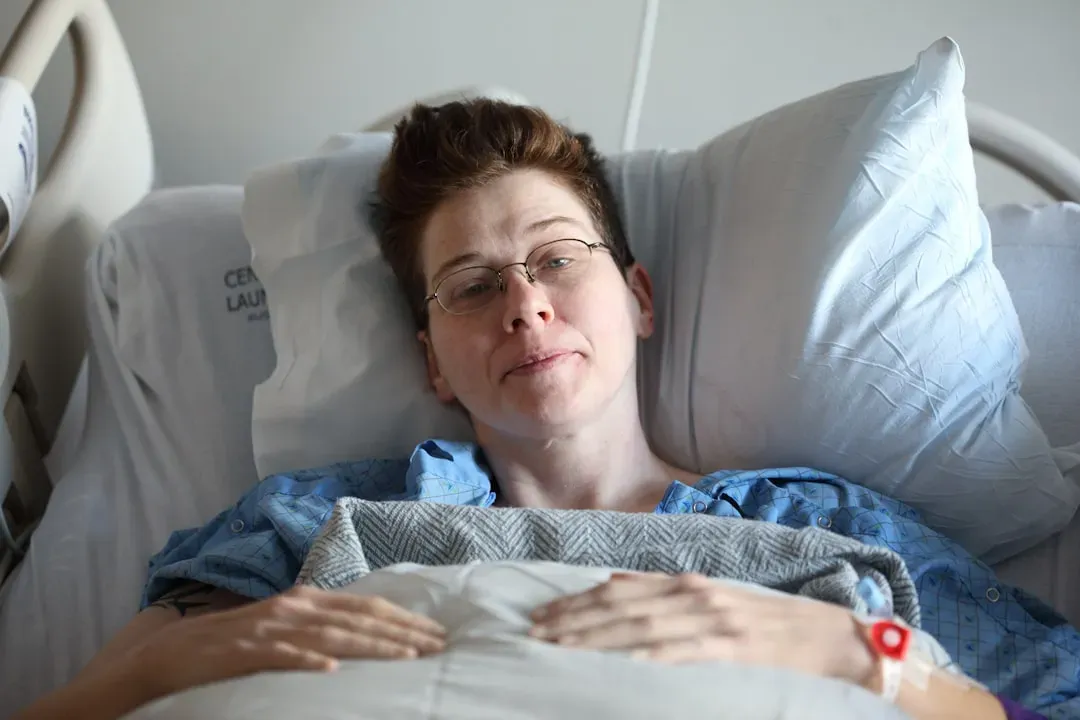
One of the most striking things about these reports is not just that they happen, but how they change people. Many patients who describe seeing deceased loved ones become noticeably calmer afterward. They may say they are ready, that they are not scared anymore, or that everything feels somehow “taken care of.” Even families sitting at the bedside notice when the atmosphere in the room shifts from tension to a unexpected peace.
This calming effect has real consequences for how the final days unfold. You might see someone who had been restless, anxious, or clinging to consciousness suddenly relax their body, sleep more peacefully, or let go of the need to fight. From a psychological perspective, this makes sense: feeling accompanied, even by an inner vision, can ease the terror of facing death alone. Whether you believe these encounters are purely internal or something more, you can recognize how powerful it is for a dying person to feel that the people they loved most have come back for them.
How Families and Caregivers Can Respond Without Dismissing or Misleading

If you are at the bedside and a loved one tells you they see someone who has died, it can catch you off guard. You might feel torn between wanting to be honest, staying grounded in reality, and not wanting to scare or dismiss them. In practice, you do not have to choose between compassion and clarity. You can acknowledge what they are experiencing without pretending you see it too. Simple responses like asking what they are seeing, how it makes them feel, or who is there can open space for them to talk without shame.
Hospice teams often encourage you not to argue or correct, unless the experience is clearly distressing or leads to dangerous behavior. Instead, you can treat these moments as windows into what matters most to the dying person. If they are comforted by the idea that their mother is in the room, you can gently support that comfort, even if your beliefs differ. And if they seem frightened by what they are seeing, you can bring in medical help to adjust medications or provide reassurance, knowing that your loved one’s inner landscape is just as important as their physical symptoms in those final days.
Holding the Mystery: You Do Not Have to Choose a Single Explanation
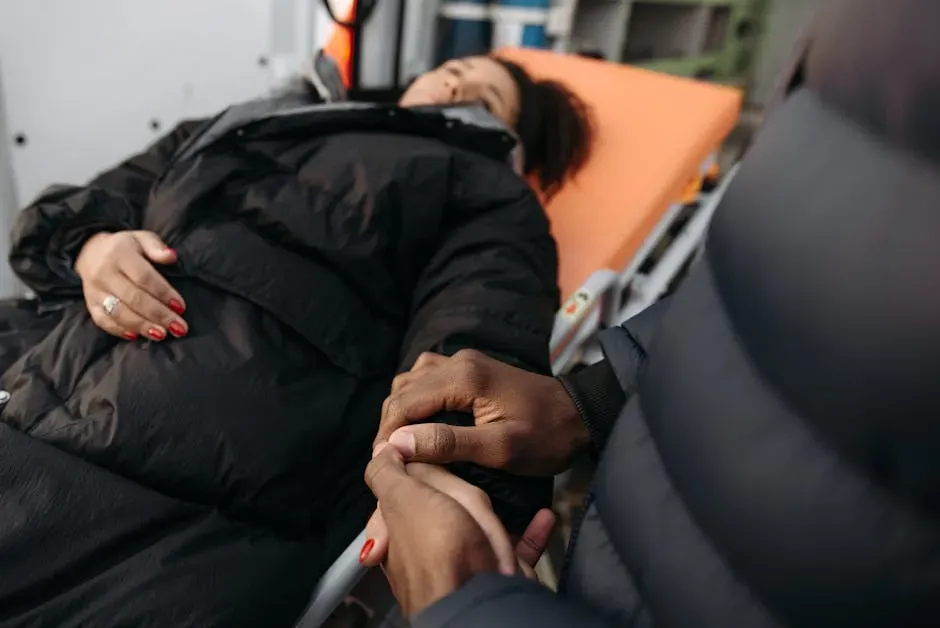
In the end, you face a choice that is not really a choice at all: do you see these experiences as broken brain chemistry, comforting hallucinations, or glimpses of something beyond death? The truth is, you do not have to lock yourself into a single explanation. You can acknowledge the role of biology and psychology, and still leave room for mystery. After all, everything you experience, from love to music to memories, is filtered through the brain, and you do not dismiss those things as meaningless just because you can map their neural pathways.
When you listen to stories of dying people seeing deceased loved ones, you are stepping into a space where science, faith, and human vulnerability overlap. Maybe, for you, these visions are evidence of an afterlife, or maybe they are the mind’s final act of self‑protection. Either way, they tell you something profound: at the edge of life, what rises to the surface is not your bank account, your status, or your achievements, but your relationships. The faces that appear in that doorway – whether internal or external – are the ones who loved you, hurt you, shaped you, and stayed with you. That alone is worth paying attention to.
Conclusion: What These Stories Might Be Asking You to Do Now

When you strip away the medical jargon and the arguments about what is real, you are left with something disarmingly simple: in your final moments, you are likely to reach for the people who mattered most. Whether those loved ones appear as vivid visions, quiet memories, or a felt presence you cannot quite describe, they seem to offer a bridge between this life and whatever comes next, even if “whatever comes next” is only the acceptance that your time here is ending. These stories do not give you proof of an afterlife, but they do hint that love, once formed, has a stubborn way of showing up again when you need it most.
If you let that possibility sink in, it gently challenges how you live right now. If the faces you might see at the end are the ones you are shaping relationships with today, how do you want those final inner visitors to feel when they appear? Maybe the deeper invitation hidden in these mysterious visions is not to solve them, but to repair old wounds, say what needs saying, and love the people in your life while you still can. When your own last days finally come, what kind of presence would you hope to see standing quietly at the foot of your bed?