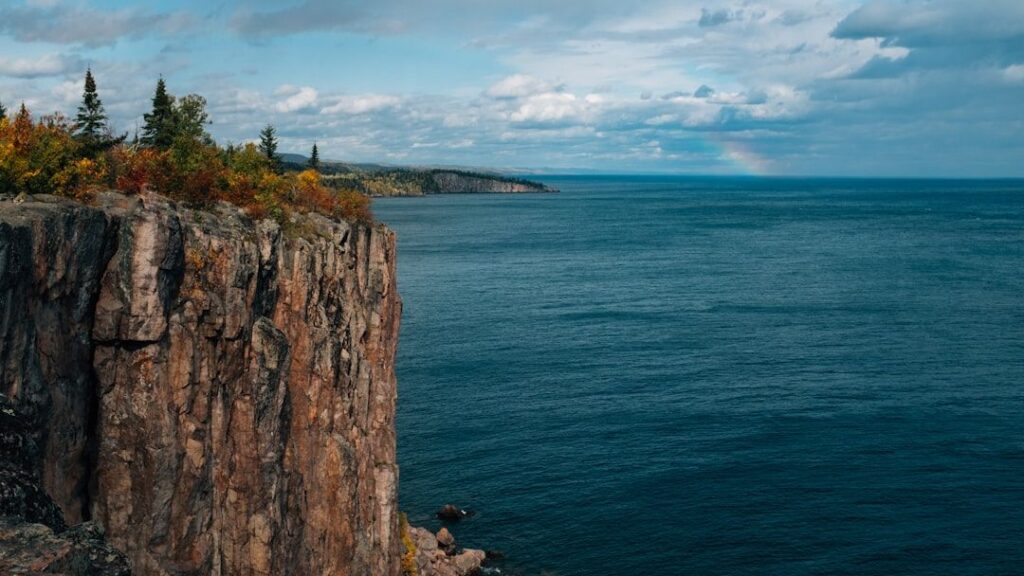

If you spend any time around the Great Lakes, you eventually realize something unsettling: this inland sea has a long memory. Even when the surface looks calm, the bottom of Lake Superior holds entire stories that simply stopped halfway through. In 1975, during one of the most violent early-winter storm patterns on record, several freighters pushed out onto Superior and never made it home, their hulls and cargo swallowed in a matter of hours.
Today, you live in a world where sonar, underwater robots, and high‑resolution mapping are finally catching up with those mysteries. Over the past few decades, Superior has been quietly “giving back” shipwrecks that went missing in that brutal season, revealing vessels lying in near‑perfect condition, with cargoes still sitting in their holds as if waiting to be unloaded. When you look closely at those wrecks, you are not just staring at twisted steel; you are looking straight into a moment in 1975 that never finished, frozen mid‑breath at the bottom of a cold, dark inland ocean.
The Deadly Autumn of 1975 on Lake Superior
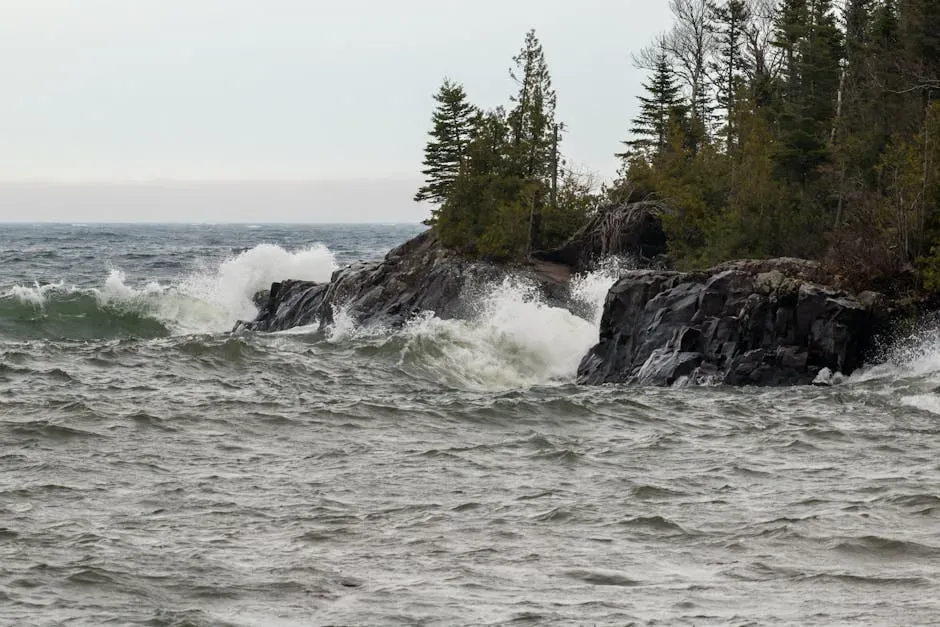
You might think of the Great Lakes as oversized ponds, but in November 1975, Lake Superior behaved much more like a small ocean. A powerful low‑pressure system swept in, colliding with frigid Arctic air and warm, moist air from the south, building into what mariners call a classic November gale. Wind speeds rose into the range you’d normally associate with a hurricane, while waves grew as high as a modest house. If you had stood on shore, you would have felt the ground shudder under your boots with every breaking wave offshore.
That season did not just claim one unlucky vessel. Multiple freighters were caught out on Superior in those storms, pushing through blinding snow, brutal crosswinds, and rapidly changing barometric pressure. You can imagine being on the bridge of one of those ships, watching the barometer fall, hearing the hull groan, and realizing that every decision you made in the next few hours might be the difference between running for shelter and never being seen again. In that harsh window of late 1975, some of those ships vanished so completely that, for years, you would only know them as names on a list and rumors in harbor bars.
How “Vanished” Ships Are Finally Being Found
If you picture shipwreck hunting as a couple of divers poking around in shallow water, you’re about half a century out of date. On Lake Superior today, you would be using side‑scan sonar dragged behind a research boat, sending out sound pulses that paint the lakebed like a grayscale photograph. Those sonar images pick up masts, hulls, and debris fields, even when they lie hundreds of feet down in total darkness. Once a target looks promising, remotely operated vehicles with cameras and lights are lowered to confirm what the sonar has found.
This is why you keep hearing about “new” wrecks from decades or even a century ago. In some cases, the positions logged in 1975 were rough at best; storms, human error, and limited technology meant the ships could be miles from where anyone thought they went down. Now, modern crews can systematically scan areas that would have been guesswork back then. When they finally pick up a clean outline of a steel freighter lying upright, or a debris field with clearly recognizable cargo, you suddenly have physical proof of a story that – until that moment – was mostly formed from speculation and grief.
Why Lake Superior Preserves Cargo Like a Time Capsule
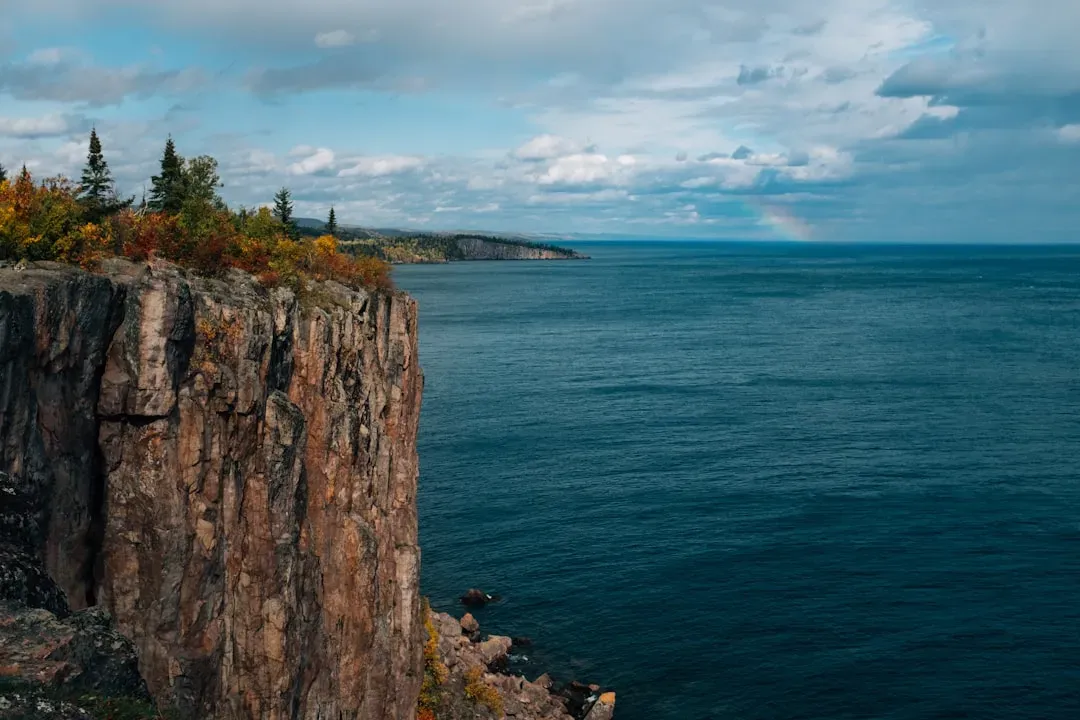
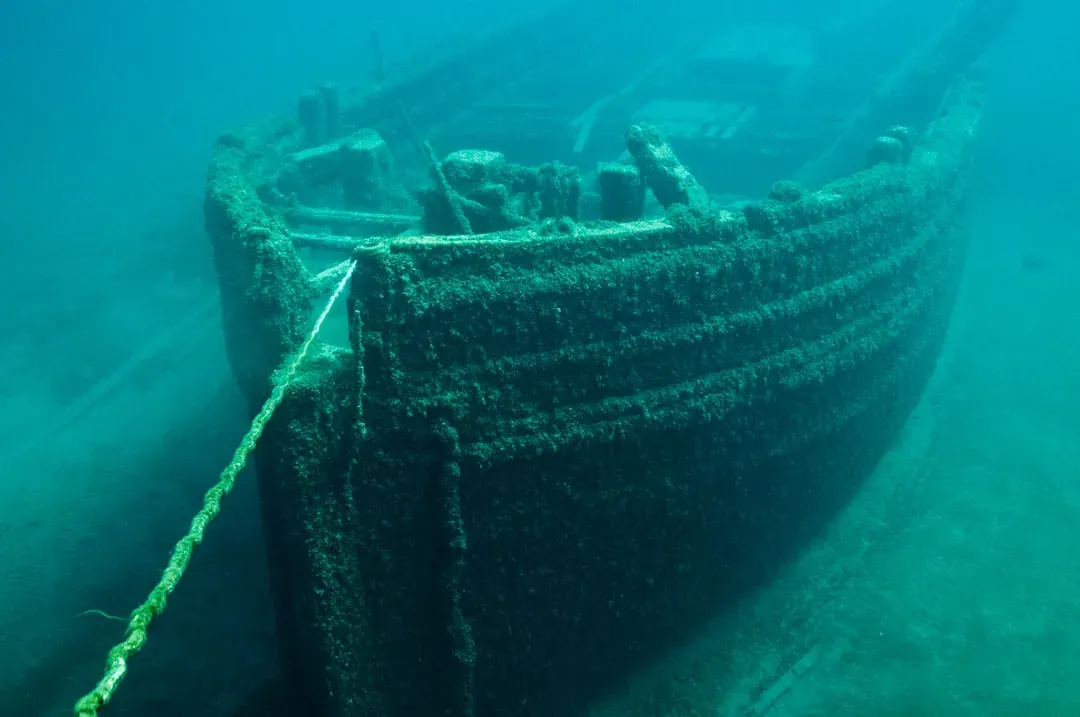
One of the strangest things you learn about Lake Superior is how gentle it is once you get below the storm‑torn surface. The water is famously cold, often just a few degrees above freezing at depth, and that cold acts like a preservative. There are no shipworms like you would find in the ocean, and far fewer bacteria and scavengers to chew through wood, cloth, or even some metals. When a steel freighter settles on the bottom in several hundred feet of water, it can sit there for decades with its structure and cargo far more intact than you’d expect.
That is why you keep hearing about wrecks described as “remarkably well preserved,” sometimes with cabins still recognizable and cargo piles looking almost untouched. If a 1975 ore carrier goes down with its holds full of taconite pellets or other bulk material, those pellets can still be sitting there in neat mounds when a robot camera finally pans across them fifty years later. Instead of scattered fragments, you see something much more unnerving: an industrial workday interrupted, as if the crew might walk back into the cargo hold at any moment and pick up where they left off.
The Shadow of the Edmund Fitzgerald and Her Lost Season
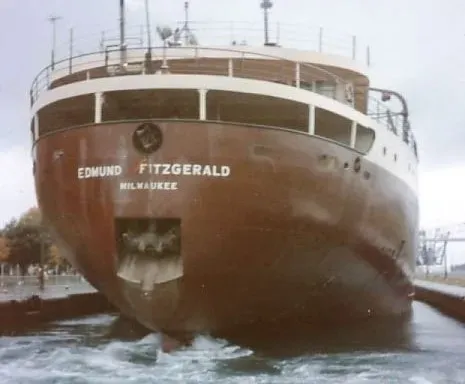
When you think of 1975 and Lake Superior, you almost automatically think of one name. The Edmund Fitzgerald left Superior, Wisconsin, in early November that year, loaded with more than twenty‑six thousand tons of taconite pellets and headed for steel mills farther east. She was one of the largest and most celebrated ships on the Great Lakes, a workhorse that had already hauled millions of tons of ore across those waters. By the time she hit the center of that November gale, she was pushing into the teeth of a storm that would become infamous.
Not long after dark on November 10, the Fitzgerald disappeared from radar during the height of the storm, taking all twenty‑nine crew with her. Within days, searchers found the ship in deep water, broken into two main sections lying surprisingly close together on the lakebed. Even in that wreck, you can picture the cargo still packed in the holds, the steel pellets essentially unchanged by time, while the questions around exactly how the ship failed have never been fully resolved. When you look at other 1975‑era wrecks that remained “missing” for much longer, you are really seeing different pieces of the same broader story: overconfident shipping schedules colliding with an inland sea that can switch from routine to lethal in a single night.
Three Lost Freighters, One Terrifying Pattern
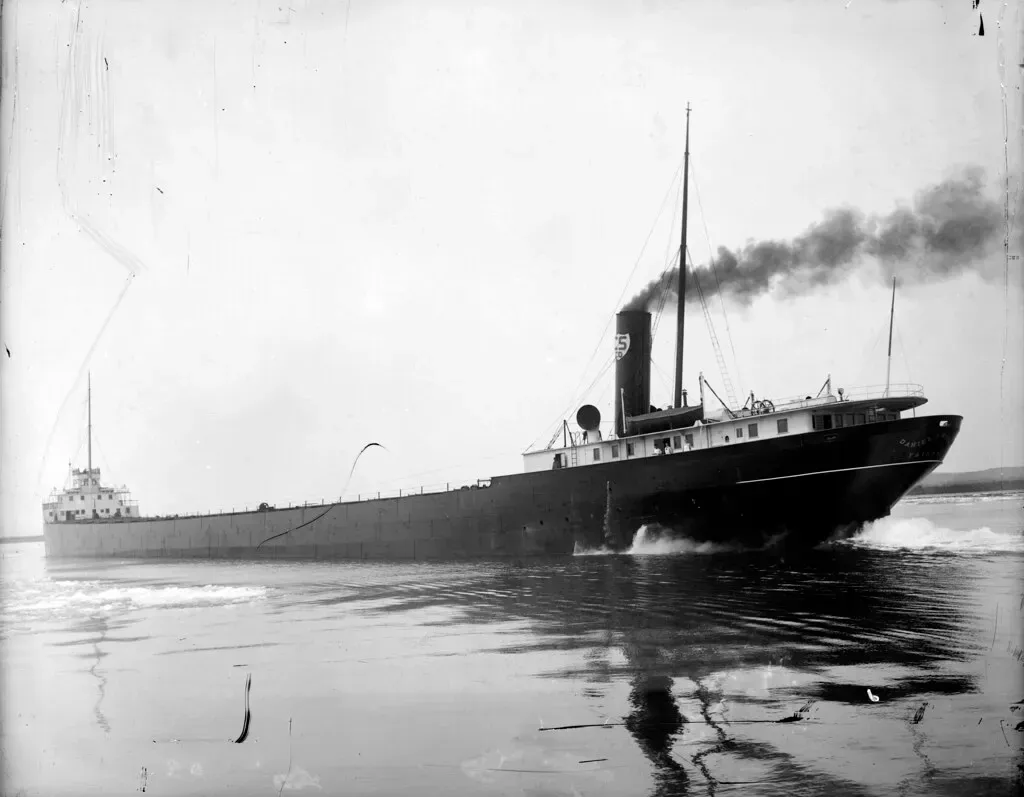
When you focus on three separate freighters from that 1975 season – each vanishing under similar conditions – it stops feeling like coincidence and starts looking like a pattern you could almost touch. In each case, you are dealing with long, heavily loaded steel hulls pushed hard across open water in November, when Superior’s waves can line up in what mariners sometimes describe as “three sisters”: a quick sequence of steep, powerful waves that can slam a ship before it has a chance to recover. If you picture a fully loaded vessel taking those hits in rapid succession, you can imagine hatches flexing, decks shipping water, and stress concentrating along the length of the hull.
Once modern teams finally track those wrecks down, some common themes emerge. You often see ships lying in relatively deep water, sometimes broken into major sections but still surrounded by dense, undisturbed cargo. The holds of bulk carriers remain full of ore or grain; the decks may show damage consistent with massive waves, and the debris field can be surprisingly compact. As a viewer, you are left with an unmistakable impression: these were not leisurely sinkings. They were sudden, violent failures that left almost no time for distress calls, and you can read that violence in the way an otherwise intact working ship now rests, frozen mid‑voyage, on the bottom.
What These Wrecks Really Tell You About Risk and Respect
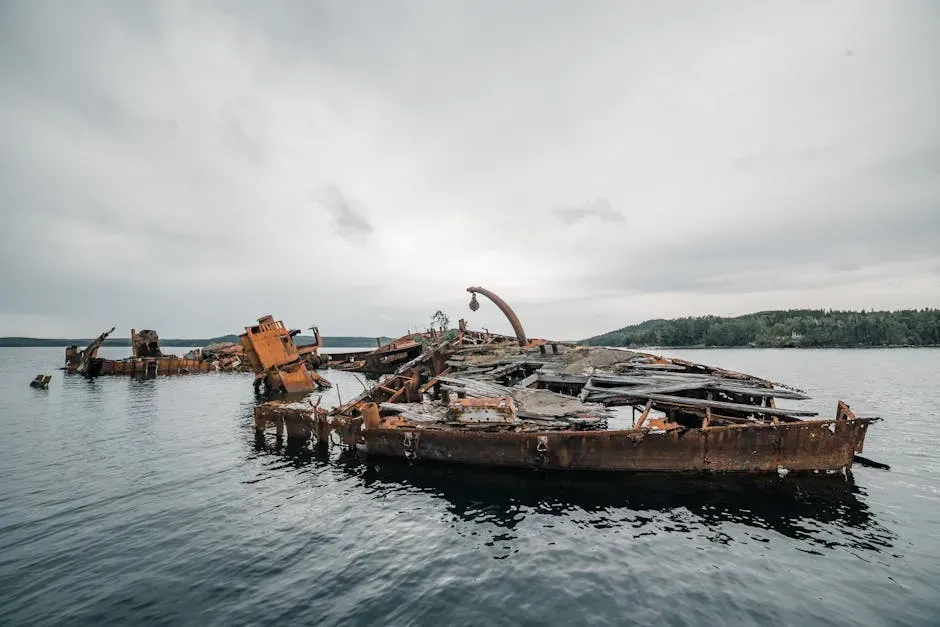
As you follow these discoveries, it is tempting to frame them as ghost stories or underwater treasure hunts, but the real lesson you keep bumping into is about humility. Lake Superior does not care how advanced your ship is or how experienced your captain feels; when wind, wave period, and atmospheric pressure line up wrong, the margin for error all but disappears. Those three 1975 wrecks show you that the line between a routine run and a complete loss can be razor thin, sometimes measured in a single course decision or a few missed weather updates. Modern navigation tools give you better odds, but they do not rewrite the basic power of that lake.
At the same time, every newly found wreck nudges shipping culture a bit further toward caution. You see stricter load‑line rules, better hatch and hull standards, and far more conservative approaches to November departures. Even if you never set foot on a freighter, you live in a world shaped by the lessons written – literally – in steel on the bottom of Superior. When you picture those intact cargoes sitting in the dark, you are really seeing the price paid to remind future crews, and you, that there are days when the smartest move is to stay in port and let the gale pass.
Peering Down Without Disturbing the Graves
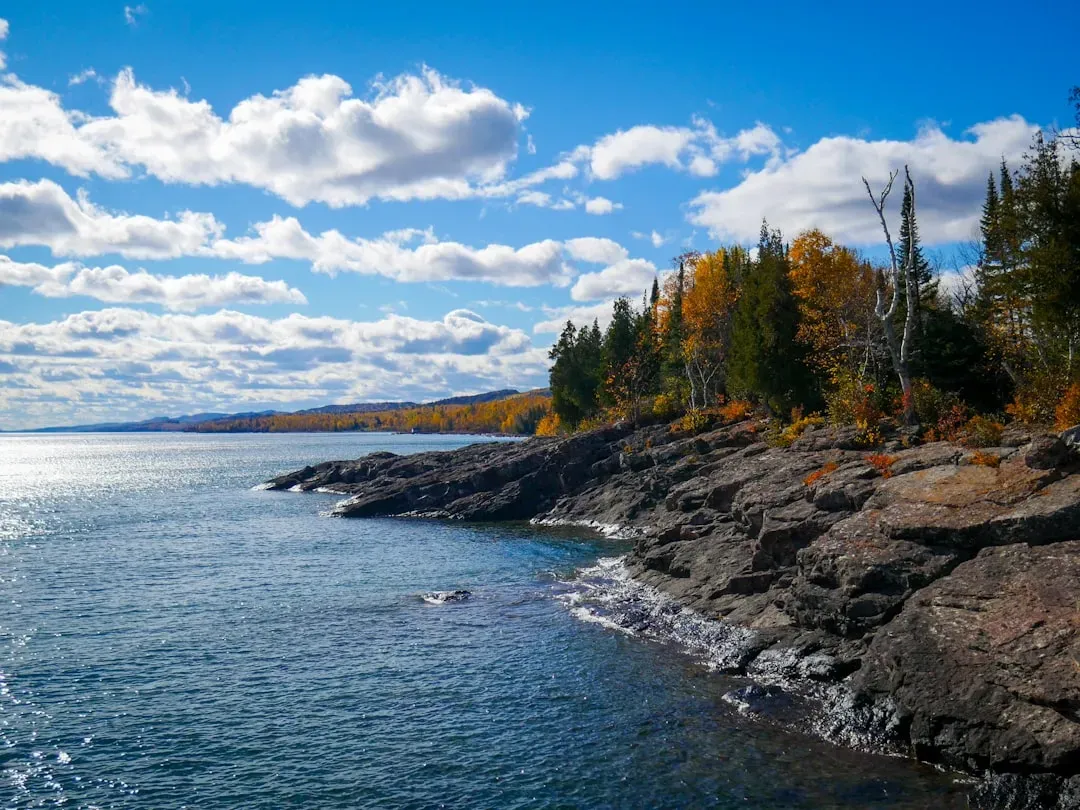
Once technology lets you look at these wrecks in crystal‑clear detail, you face a different kind of choice: just because you can get close, should you? Many divers and researchers now talk openly about treating these sites as graves, not playgrounds. You might welcome the high‑definition footage that allows you to see cargo holds, pilothouses, and deck equipment, but there is also a growing expectation that no one should be rummaging through personal effects or disturbing remains. That respect shapes how survey teams operate and how museums present what they find to you.
Instead of artifacts being hauled up and scattered into private collections, you are more likely to see remotely operated vehicles doing the quiet work, leaving everything in place while still gathering images and data. Museums and documentaries then translate that material into stories you can access on land: interactive displays, virtual dives, and careful reconstructions that walk you through a ship’s final hours. In that way, the intact cargo you never physically touch still teaches you something. It becomes part of a shared memory, where you can confront the scale of these losses without turning them into spectacle.
Conclusion: A Lake That Remembers Longer Than You Do
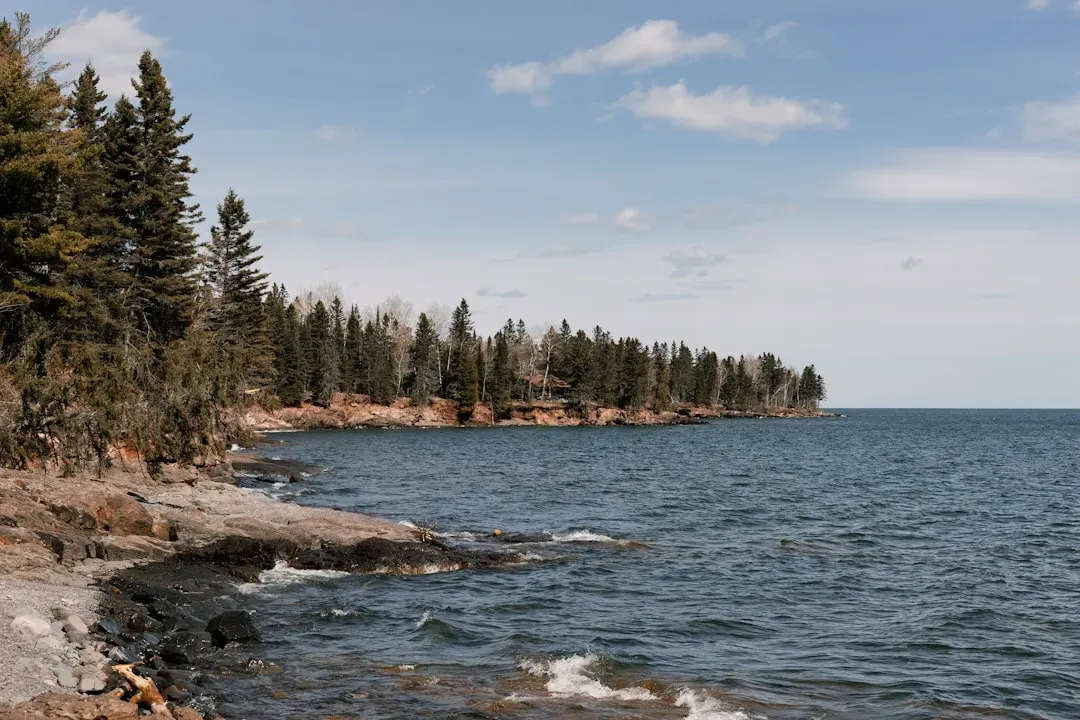
When you hear that Lake Superior has “given up” three ships from 1975 with their cargoes still intact, you are really hearing that your technology has finally caught up to what the lake has been holding all along. Those freighters, lying quietly in the cold, compress a whole set of truths into one haunting image: human ambition, industrial routine, and everyday work running straight into a wall of weather they could not quite outrun. The cargo still sitting in the holds – ore pellets, grain, or other bulk loads – reminds you that these were not special voyages; they were meant to be just another run on the schedule.
If you let that sink in, you start to see Superior less as a backdrop and more as an active character in the story, one that does not forget. Every newly found wreck gives you another chance to adjust your attitude toward risk, respect, and the limits of control. You may never stand on a heaving deck in a November gale, but the next time you look out over a big expanse of water, you might feel a subtle shift: a mix of awe, unease, and a quieter kind of gratitude that so much of what you rely on now is built on lessons learned the hard way. In the end, you have to ask yourself: when a lake remembers this much, how carefully are you listening?