
You probably grew up with a pretty simple timeline in your head: early humans slowly emerge in Africa, spread out, hunt mammoths, paint caves, and eventually invent farming and cities. Neat, tidy, and kind of comforting. But the more you look at the latest prehistoric discoveries, the more that tidy story starts to wobble. Suddenly, you’re staring at evidence that people were smarter, more mobile, and more organized far earlier than you were ever told in school.
In the last few decades, a handful of finds have shaken the foundations of what you think you know about prehistory. These are not fringe ideas from dusty conspiracy forums; they’re digs, bones, tools, and entire temple complexes forcing archaeologists to rewrite chapters of the human story. As you walk through these five discoveries, you’ll see how each one pushes you to imagine ancient people less like faceless cave dwellers and more like you: curious, social, creative, and surprisingly sophisticated.
1. Göbekli Tepe: The 11,000-Year-Old Temple That Flips the Farmer-First Story
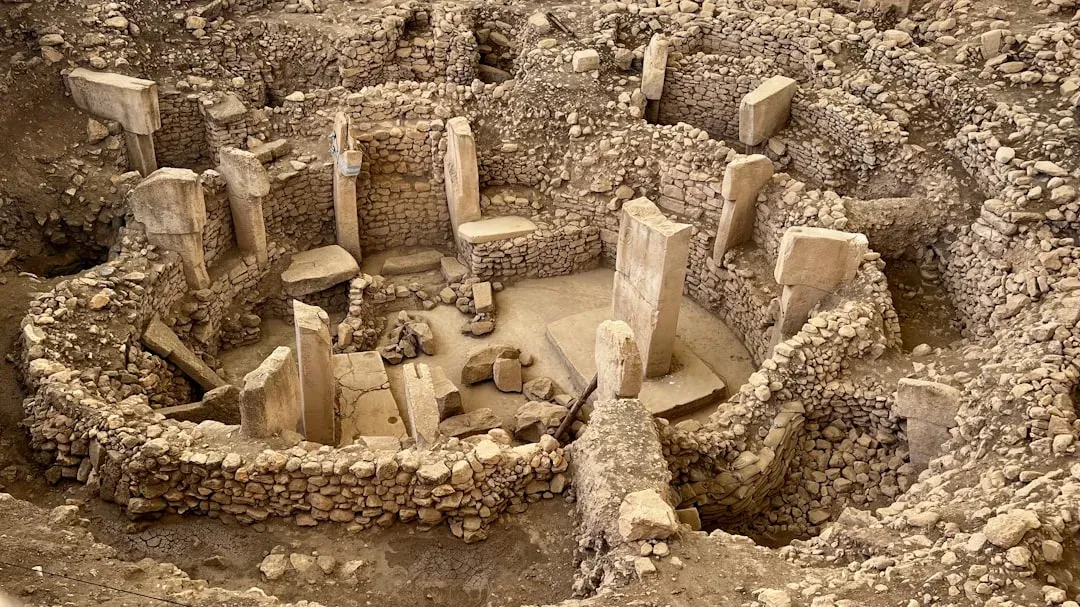
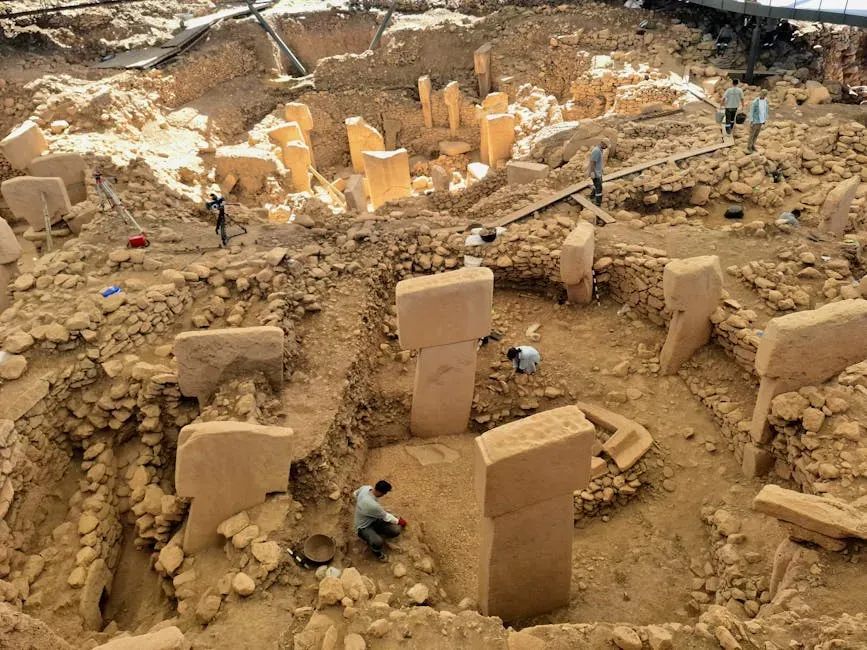
Most likely, you were taught that humans first settled down to farm, then built villages, then eventually developed religion and monuments. Göbekli Tepe, a sprawling stone temple complex in southeastern Turkey, turns that sequence upside down. Here, you’re looking at massive carved stone pillars, some weighing many tons, arranged in circular enclosures that go back roughly eleven thousand years, long before full-scale agriculture was supposed to exist in the region.
When you picture who could have built this, you’re not supposed to be imagining farmers with permanent villages and plenty of spare time. Instead, you’re looking at hunter-gatherers gathering in huge numbers to organize labor, plan construction, and carve intricate animal figures into stone. The site suggests that shared rituals and sacred spaces might have been the magnet that pulled people together first, with farming arriving later as a way to sustain these gatherings. If that’s true, your entire idea of what drove the birth of complex societies may need reshaping: maybe you do not first plant fields and then dream of gods; maybe you first come together to dream, and only then figure out how to feed the crowd.
2. Neanderthal Minds: From Brutes to Complex, Creative Cousins
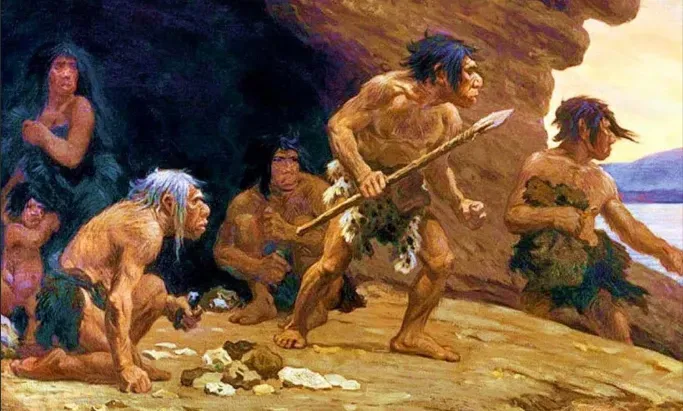
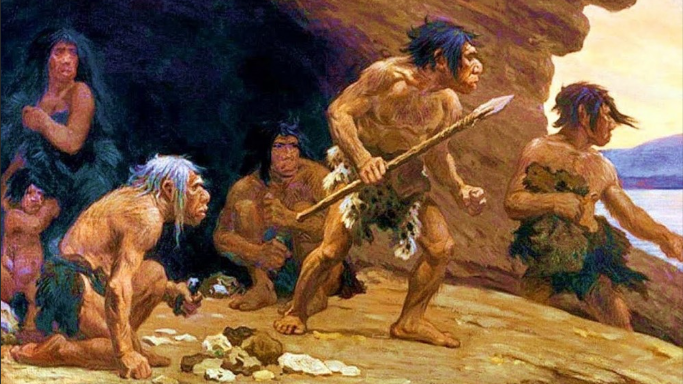
If you still imagine Neanderthals as grunting, brutish cave-dwellers, discoveries from the last years force you to see them very differently. You now have convincing evidence that Neanderthals buried their dead, used pigments, made beads from shells, and may have created simple art in caves long before Homo sapiens showed up in some regions. You also see that they controlled fire, hunted in coordinated groups, and likely passed on skills and knowledge across generations.
Genetic studies add another twist that directly involves you: if your roots trace outside of sub-Saharan Africa, you probably carry a small but real percentage of Neanderthal DNA in your own genome. That means you are not a pure descendant of a single, neat human line; you are the product of ancient encounters, interbreeding, and cultural contact between different human groups. The line between “us” and “them” blurs, and you’re left with a more tangled, more human story where multiple intelligent hominin species shared ideas, genes, and maybe even stories around the fire.
3. The Denisovans: A Lost Branch Revealed by a Finger Bone and DNA
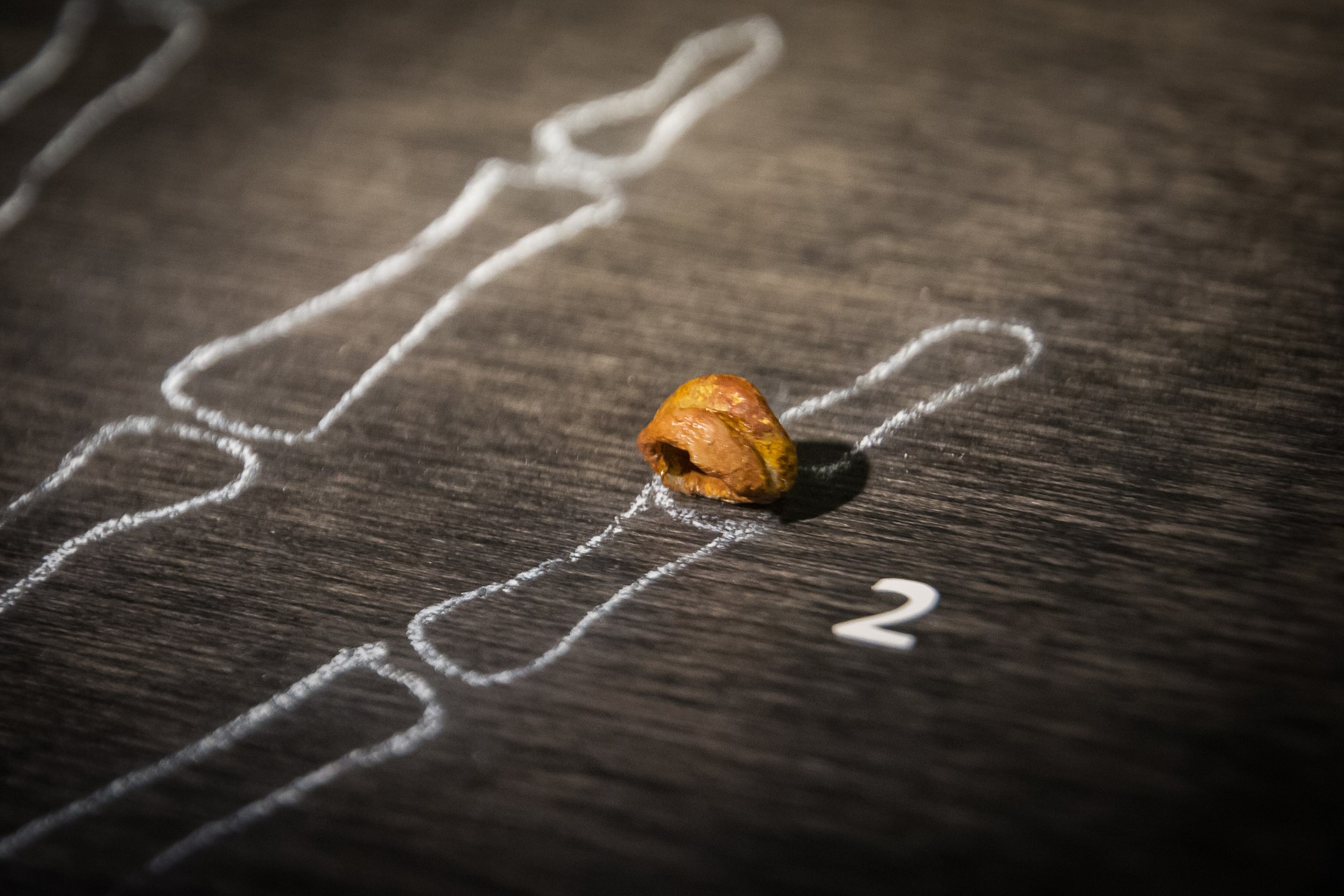
Imagine walking into a cave in Siberia and picking up a tiny finger bone, then later realizing it belongs to an entire human population you never knew existed. That’s essentially what happened with the Denisovans, a mysterious group identified not by neat skeletons but by ancient DNA pulled from fragments of bone and teeth. When you read about them, you’re not looking at a simple variation of Neanderthals or modern humans, but a distinct branch of the human family that once spread across large parts of Asia.
What makes this discovery wild for you personally is that their genetic fingerprints still show up today, especially in populations from parts of Asia and Oceania. Some of the genes you see in modern people, including those linked to high-altitude adaptation in Tibetan populations, appear to come from Denisovan ancestors. So now, when you think about prehistory, you’re not picturing a single straight line of progress, but a braided river of different human groups mixing, splitting, and influencing each other in ways you can still see in living people right now.
4. Ancient Americans: Pushing Back the Timeline of the First Peoples
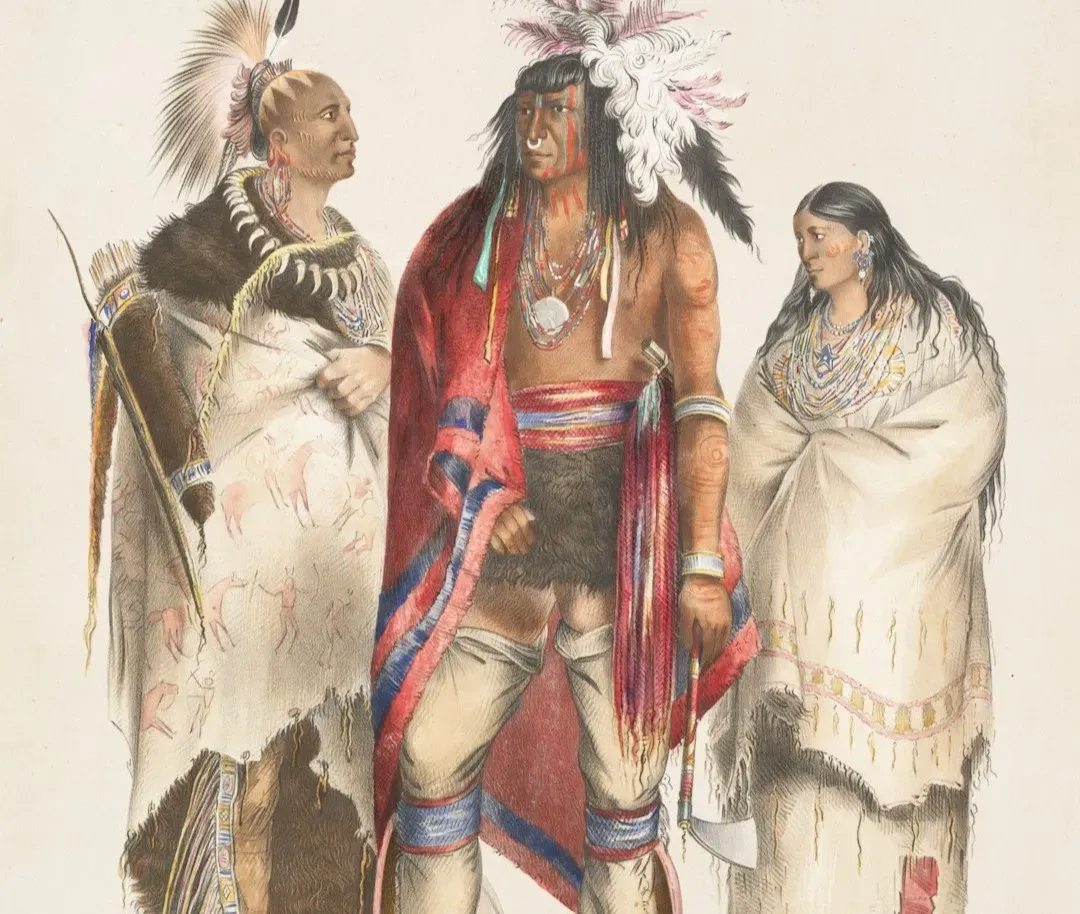
For a long time, you were probably told a simple story about the peopling of the Americas: near the end of the last Ice Age, a single group crossed the Bering land bridge from Siberia into Alaska, then spread south, leaving behind a recognizable style of stone tools. Recent evidence has been steadily chipping away at that tidy picture, suggesting that people may have been in the Americas far earlier than once believed, and that there may have been multiple migration waves and routes. You see hints of early sites, possible coastal migrations, and tool traditions that do not fit the classic model.
What this means for you is that the Americas might have been home to a deeper and more complex human story than you were taught. Instead of imagining a single, late-arriving founding group, you’re now invited to consider earlier, diverse populations adapting to radically different landscapes – from icy coasts to sprawling grasslands. The debate among researchers is still lively and sometimes heated, but the direction of the evidence nudges you toward an older, richer timeline where human ingenuity reached the Western Hemisphere earlier than your textbooks admitted.
5. Ancient DNA and the Ghost of Unknown Hominins
One of the strangest shifts you’re living through is that prehistory is no longer just about shovels and bones; it’s also about genetic code. As researchers sequence more ancient DNA, they keep stumbling on signals that something – or rather, someone – is missing from the fossil record. You see traces in the genomes of modern people that do not match Neanderthals, Denisovans, or known Homo sapiens groups, suggesting that other hominin populations once existed, interbred, and then vanished without leaving a clear physical trail you’ve dug up so far.
For you, this changes the emotional feel of prehistory. Instead of a complete family tree, you’re looking at one with broken branches and erased names, where some of your distant relatives are known only as faint echoes in your DNA. This pushes you to accept that your understanding of human origins is still very incomplete, and that new data can suddenly drag entire lost populations out of the dark. It also makes prehistory feel more like a detective story than a settled timeline, with you standing at a moment when new techniques can reveal hidden characters long after their bones have crumbled away.
Rewriting What “Prehistoric” Even Means
As you take all these discoveries together, you start to notice that the word “prehistoric” itself carries a quiet bias. It suggests a time before real history begins, as if people were just waiting around to become interesting once they invented writing. But when you see eleven-thousand-year-old temples, creatively skilled Neanderthals, hidden human cousins in your genes, and massive early settlements, you realize you’re already looking at rich, complicated human histories – just ones that were not written down.
This shift affects how you see yourself and your species. Instead of a story of sudden leaps from darkness into civilization, you’re now holding a narrative full of gradual experiments, dead ends, and surprising bursts of innovation across many different human groups. You are part of a lineage that has been curious, spiritual, social, and technically inventive far longer than you may have realized. When you stand in a museum or scroll through an article about early humans, you are not looking at strangers in some primitive “before” time; you are looking at early chapters of a story you are still writing today.
How These Discoveries Change Your Place in the Human Story
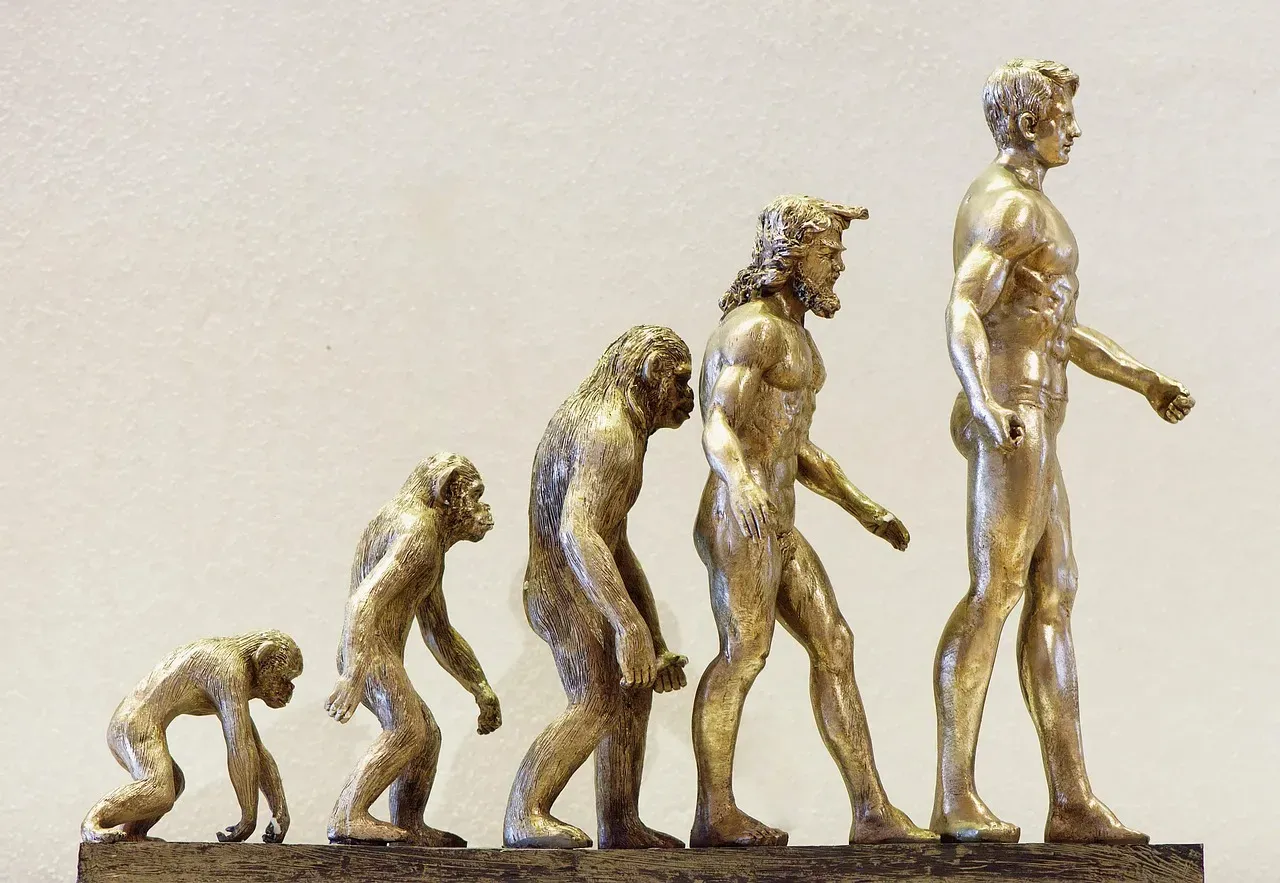
Once you let these findings sink in, it becomes harder to see yourself as the inevitable peak of a straight evolutionary ladder. Instead, you start to recognize that you’re a product of chance meetings, climate shifts, migrations, and countless experiments by many different human cousins. Your own DNA carries traces of those encounters, and your cultures echo ancient patterns of gathering, building, and believing that go back far beyond the last few thousand years.
Most of all, these discoveries invite you to stay curious and humble. If a single finger bone or a buried stone circle can rewrite huge parts of what you thought you knew, imagine what else is still out there, waiting under some patch of ground you walk past without noticing. You live at a moment when new tools – genetic sequencing, better dating methods, satellite scanning – can peel back layers your grandparents never dreamed of. So the next time you hear someone talk about “primitive” early humans, you might pause and ask yourself: given everything you now know, are you sure you’re the advanced ones, or are you just the latest chapter in a story that keeps surprising you?