
If you lined up all the big cats and somehow shrank them to the same size, the jaguar would quietly walk to the front of the strength rankings and sit there like it owns the place. You might not expect that, especially when lions have the reputation and tigers have the size, but when you look at raw power relative to body weight, the jaguar starts to look almost unreal. Once you dig into how it bites, climbs, swims, and hunts, you realize you are dealing with a compact tank wrapped in beautiful rosettes.
As you walk through these eight facts, you will see why so many biologists consider jaguars the strongest big cats pound for pound. You will look at familiar predators differently, and you may even start to understand why ancient cultures treated jaguars with a kind of awe you usually reserve for mythical creatures. By the time you finish, you will know exactly why this stocky, spotted cat is in a power league of its own.
1. You are looking at the most powerful bite of any big cat
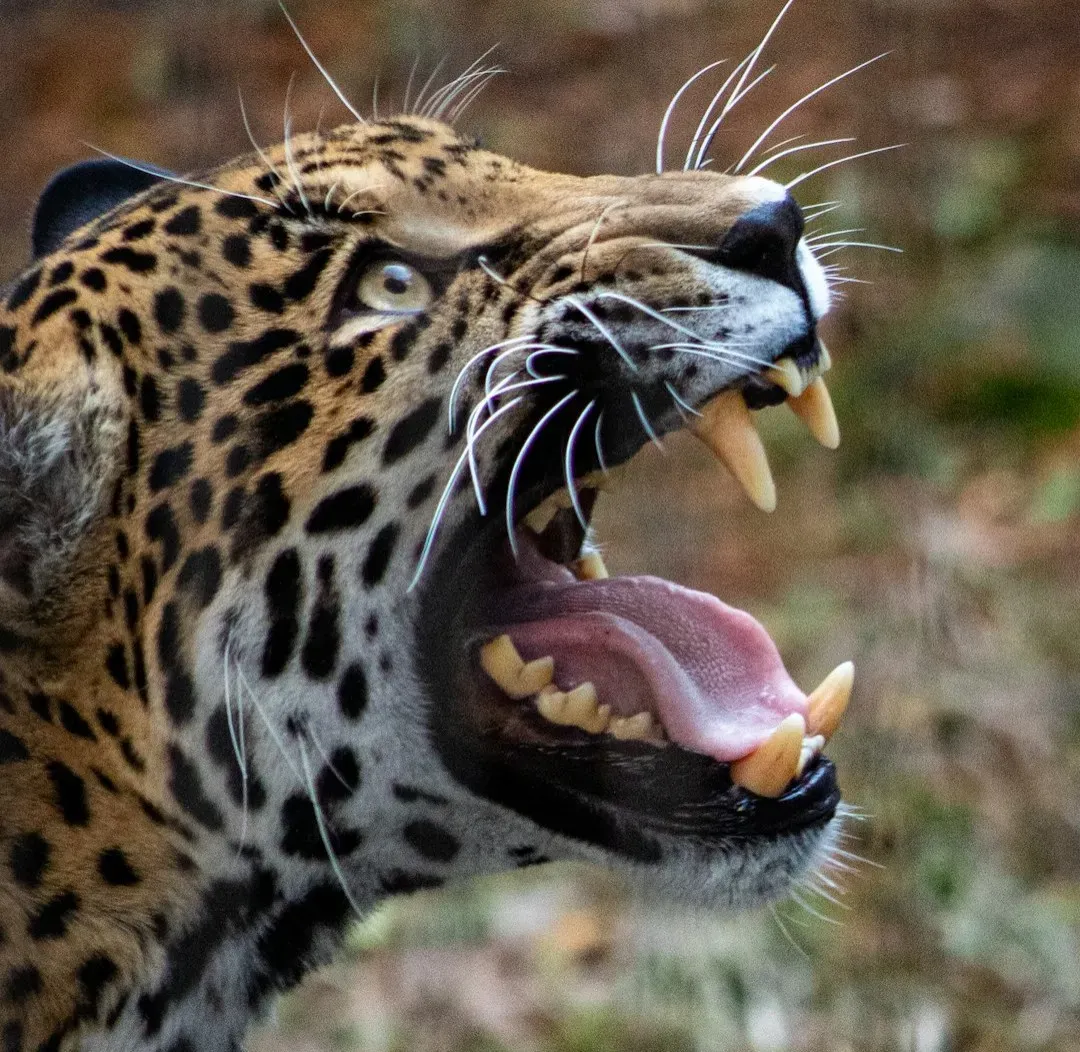
When you talk about strength, you usually start with the jaws, and jaguars play in a weight class of their own. If you compare body size to bite force, a jaguar’s bite outclasses lions, tigers, and leopards, which is wild when you remember those other cats are often much heavier. You are dealing with a skull built like a nutcracker, with massive jaw muscles that let the teeth drive straight through bone, shell, and even thick skulls that would stop most predators cold.
Instead of the familiar throat clamp that most big cats use, jaguars often bite straight through the skull of their prey, driving their canine teeth between the bones and into the brain. That killing style is only possible because the bite is both brutally strong and tightly controlled, almost like a hydraulic press. If you imagine holding a walnut in your hand while a vice closes on it, you are not far from what a jaguar does to a turtle’s shell or a caiman’s skull.
2. Their stocky, compact build turns them into muscle bricks
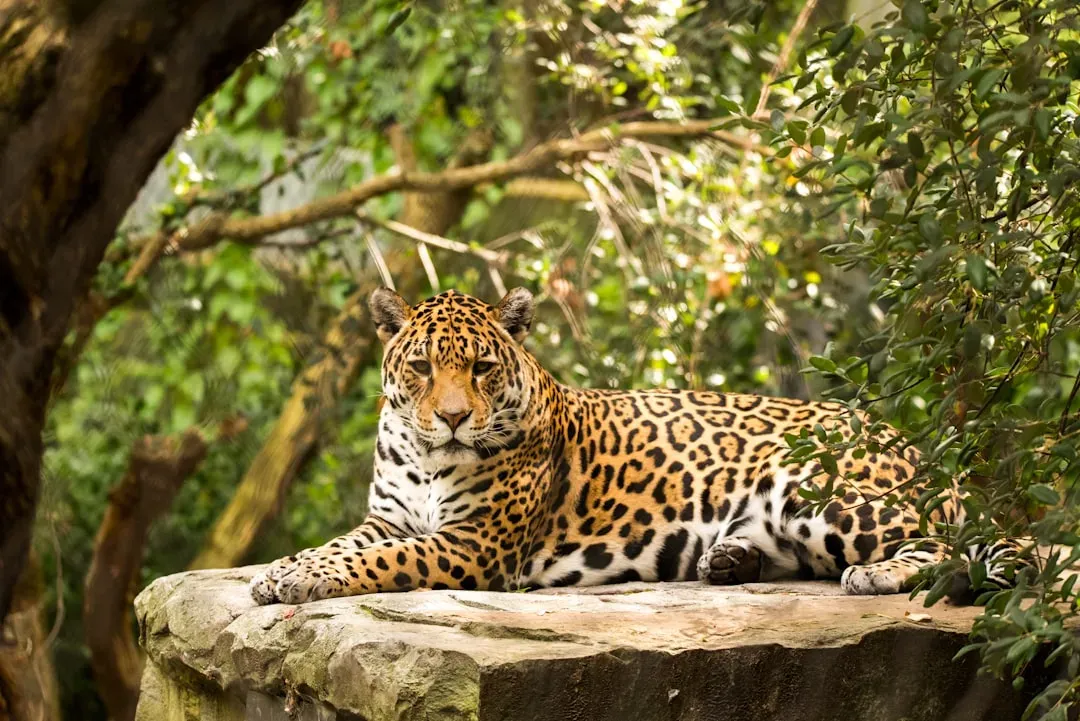
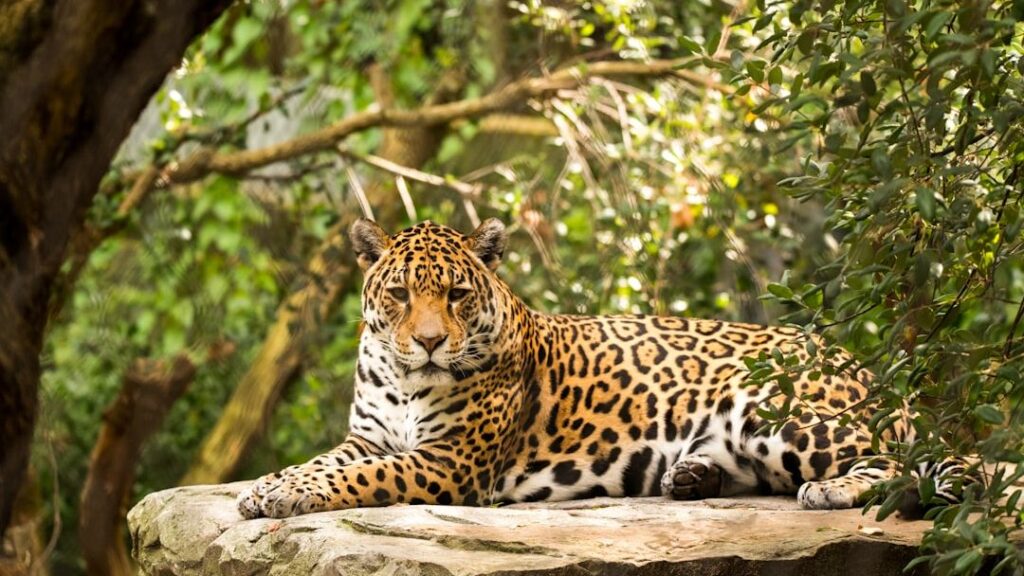
When you first see a jaguar in person, it almost looks too thick for its own skin – short, powerful legs, broad chest, heavy shoulders, and a barrel-like body. Compared to the long-legged, lanky frame of a cheetah or even a lion, a jaguar looks like the weightlifter standing next to a marathon runner. That compact build matters because it concentrates muscle mass over a smaller frame, which is exactly what you look for when you care about power per pound rather than sheer size.
You can think of it like comparing a high-performance sports car to a long-haul truck: the truck is bigger, but the smaller car delivers more power relative to its weight and reacts faster. Jaguars carry dense muscle across their shoulders and forelimbs, giving them ridiculous pushing and grappling strength when they tackle prey or haul themselves up trees. When you watch one move, you see this heavy cat glide almost silently, and it feels like watching a coiled spring that could explode in any direction at any second.
3. They punch far above their weight with the prey they tackle
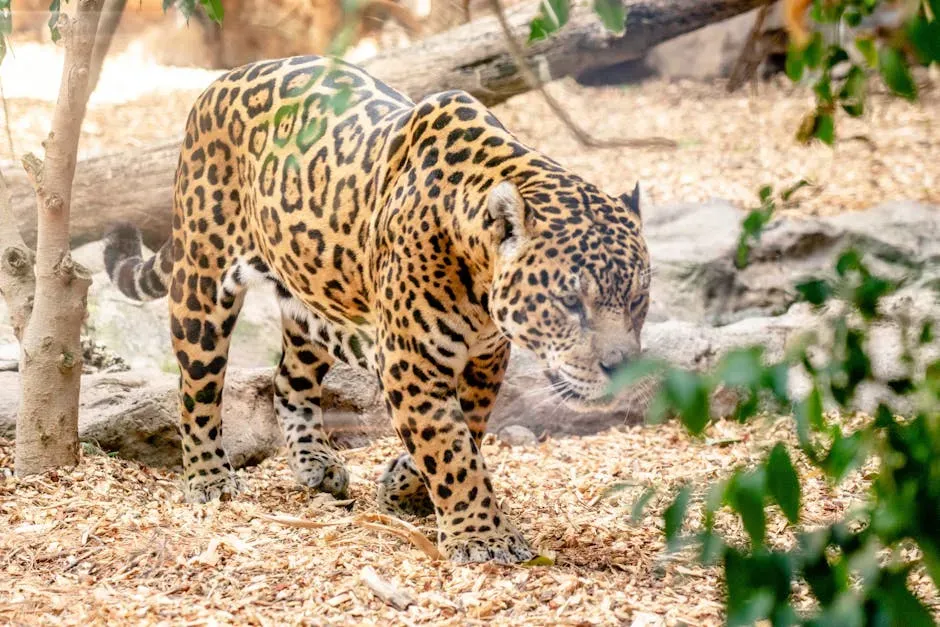
If you really want to judge power, you do not just look at the animal; you look at what it regularly brings down. Jaguars hunt prey that can weigh several times more than themselves, including big deer, tapirs, caimans, and sometimes even livestock. That is like you wrestling and overpowering a bull using only your bare hands, then dragging it away, and acting like it is just another Tuesday.
What makes this more impressive is how casually jaguars seem to do it. They rely on stealth, yes, but when the moment comes, they launch with enough explosive force to slam heavy prey to the ground and keep it there. You are seeing a predator that does not shy away from armored or dangerous animals – caimans with toothy jaws, turtles with rock-hard shells, or big herbivores that could easily injure them. That willingness, backed by real physical strength, is one of the clearest reasons you can call them the pound-for-pound champions.
4. Their skull and jaw design are built for crushing armor
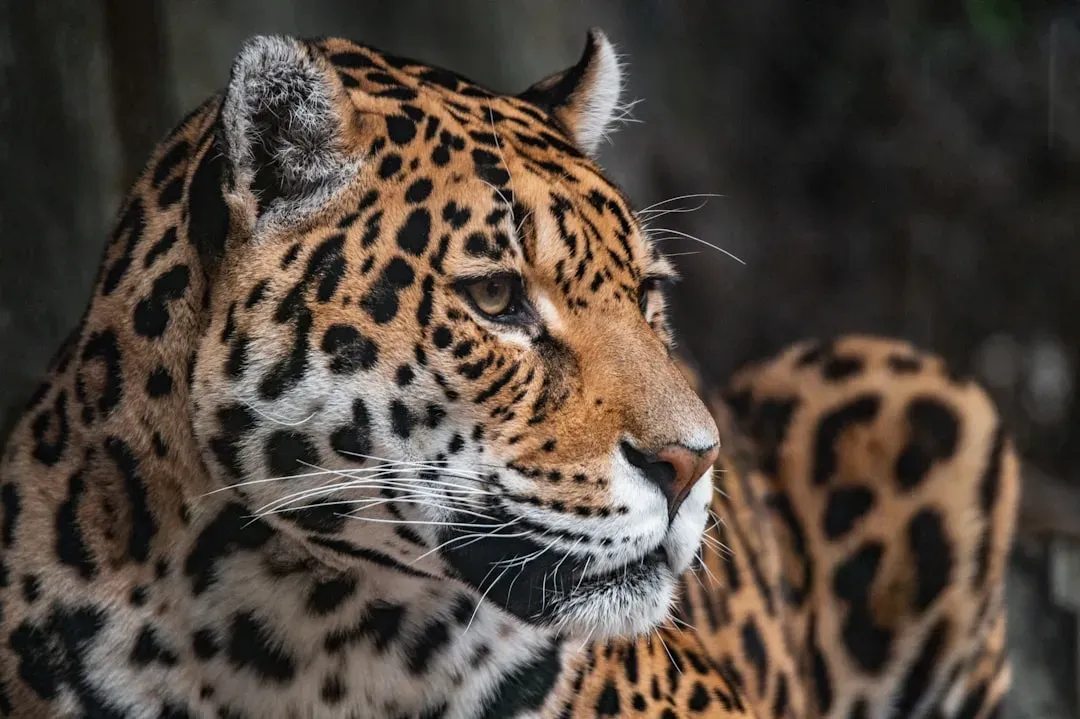
Most big cats have narrow skulls and long faces that are perfect for slicing flesh and gripping throats, but a jaguar’s skull looks different the moment you see it. It is broader and more robust, with a shortened snout that changes the leverage of the jaws and gives the bite more mechanical advantage. In practical terms, that means when a jaguar bites down, more of the muscle force goes directly into crushing instead of just gripping.
This design lets jaguars treat armored animals like puzzles instead of problems. They can crack turtle shells, pierce the skulls of caimans, and chew through thick bones that would make many other predators give up or simply scavenge. If you imagine trying to crack a bowling ball with your teeth, you get a tiny sense of what jaguars routinely do in the wild. That kind of bone-crushing, armor-breaking ability speaks to a level of anatomical specialization you simply do not see to the same degree in other big cats.
5. Their climbing and hauling power is quietly outrageous
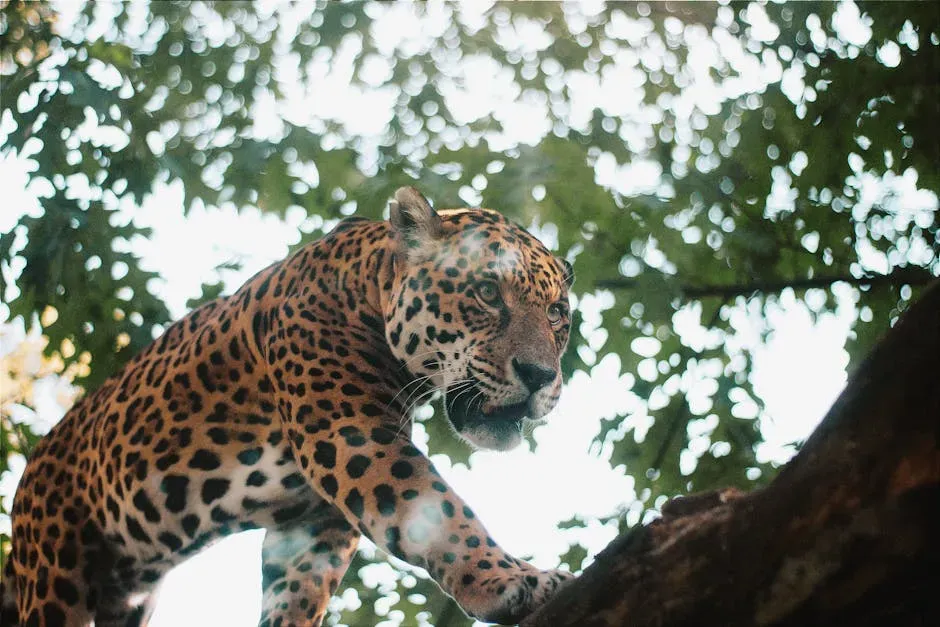
You might think of leopards when you picture a big cat hauling prey into trees, but jaguars are right there in that conversation, with an even more powerful body behind the effort. Their thick forelimbs and strong shoulders give them the ability to climb with heavy loads, sometimes dragging carcasses that are comparable to or heavier than themselves. When you picture a stocky cat muscling a large piece of meat up rough bark, you start to appreciate how much raw, practical strength that actually takes.
The same muscles that drive their climb also give them crushing grappling power when they latch onto prey. You can imagine someone doing a pull-up while holding a big backpack full of rocks, except the jaguar does it on vertical bark, in the dark, and after a full-speed ambush. If you put that in human gym terms, you would be talking about elite-level strength paired with perfect coordination. That combination makes them devastatingly effective in dense forests where vertical movement is a big part of survival.
6. They are powerful swimmers that dominate in water
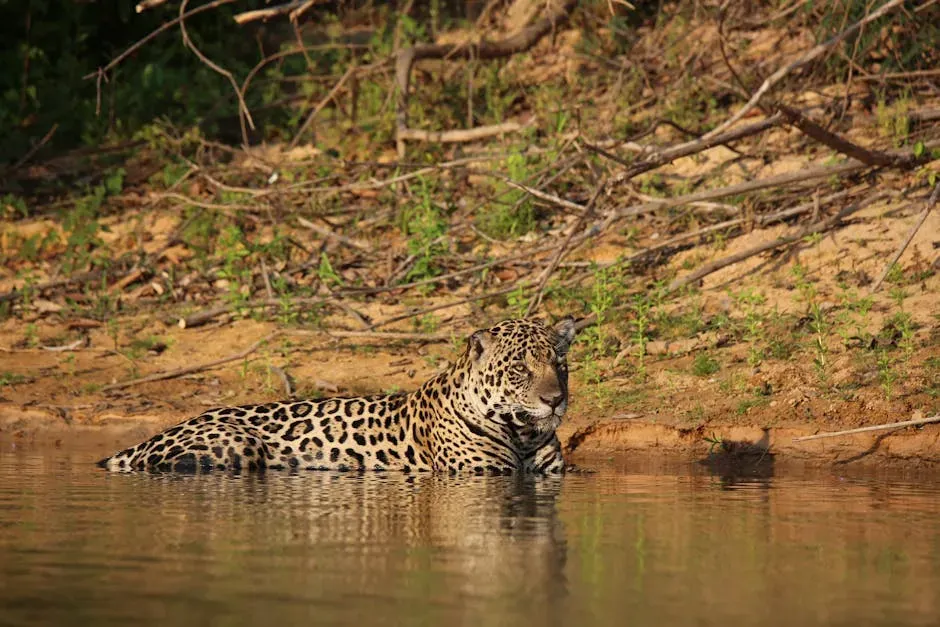
Most people know tigers swim well, but jaguars often take it even further by actively hunting in and around water as a routine part of their lives. Their muscular bodies and relatively short, strong limbs help them power through rivers, flooded forests, and swampy areas where other big cats might hesitate. When you watch a jaguar move in water, you see steady, confident strokes that carry a surprisingly heavy body with ease.
In river systems and wetlands of the Americas, jaguars will stalk caimans, capybaras, and fish-rich shallows, using their swimming ability like an extra weapon. That means their strength is not just about land-based ambushes; it is also about controlling a three-dimensional world of currents, submerged logs, and muddy banks. If you think of them as amphibious powerhouses, you are not far off the mark. Being so capable on both land and water is another reason their pound-for-pound strength feels almost unfair compared to other big cats.
7. Their hunting style demands extreme precision strength
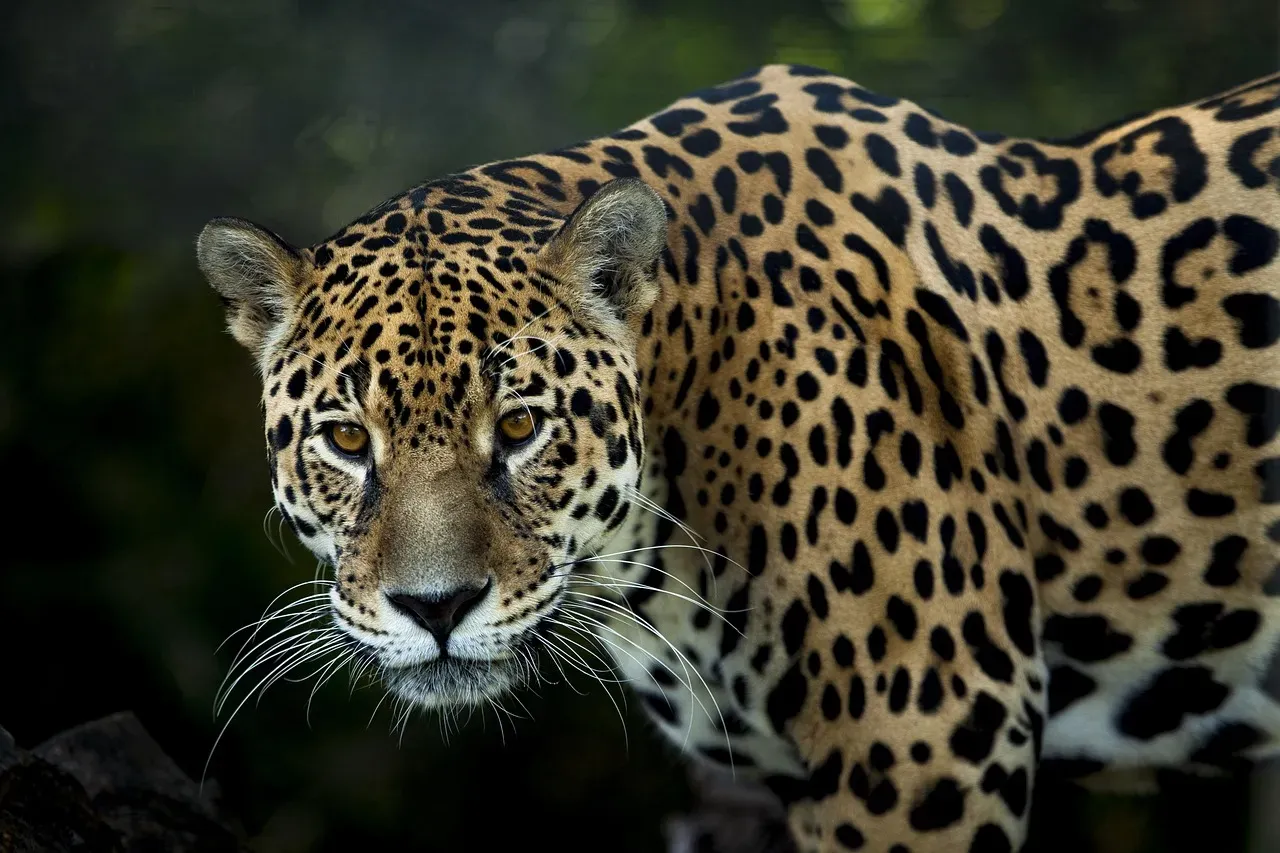
Because jaguars often go for skull or neck-base bites instead of suffocating the throat, they rely on a mix of precision and raw force that is rare among big cats. You are not just looking at a strong jaw; you are looking at an animal that can drive its teeth through specific points in bone with deadly accuracy. That means their muscles, nerves, and instincts all work together in a way that turns strength into a refined tool rather than a blunt instrument.
This hunting strategy lets them end fights quickly, which matters when your prey includes dangerous animals with sharp hooves, horns, or powerful bites of their own. The more decisive the bite, the less chance the jaguar has of getting injured in a struggle, and that kind of efficiency only works if the bite is strong enough to penetrate armor-like structures. Imagine needing to swing a hammer hard enough to drive a nail through metal, but doing it perfectly on the first hit every time. That is the level of strength and control you are dealing with when you look at a jaguar’s trademark killing bite.
8. Their evolutionary niche forced them to become power specialists
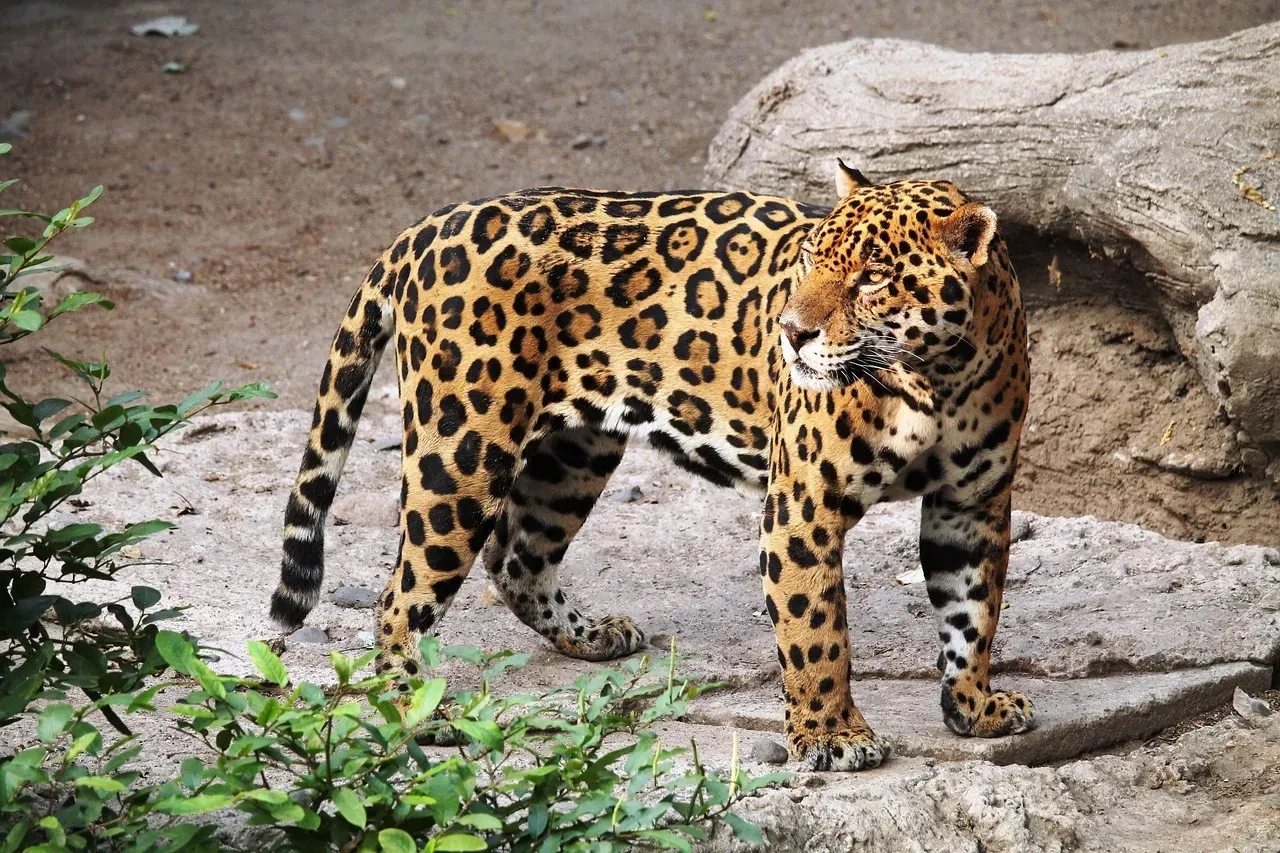
Jaguars did not become this strong by accident; they were shaped by the environments they live in and the prey they face. In the dense forests, wetlands, and river systems of the Americas, they encounter tough, well-defended animals from armored reptiles to thick-skulled mammals. To thrive there, they had to become experts at close-range ambushes, bone-crushing bites, and overpowering struggles where a small advantage in strength can mean the difference between a meal and a serious injury.
Over time, this pressure favored jaguars that were more compact, more muscular, and better at delivering enormous force in short bursts. While lions specialized in group hunting and tigers leaned into size and stealth in open or semi-open habitats, jaguars settled into the role of solitary powerhouses built for heavy duty work. When you look at them through that lens, their pound-for-pound dominance starts to make perfect sense. You are seeing the end result of countless generations of natural selection carving out a shape that is almost purpose-built for maximum strength in a medium-sized big cat body.
Conclusion: The quiet powerhouse you cannot ignore
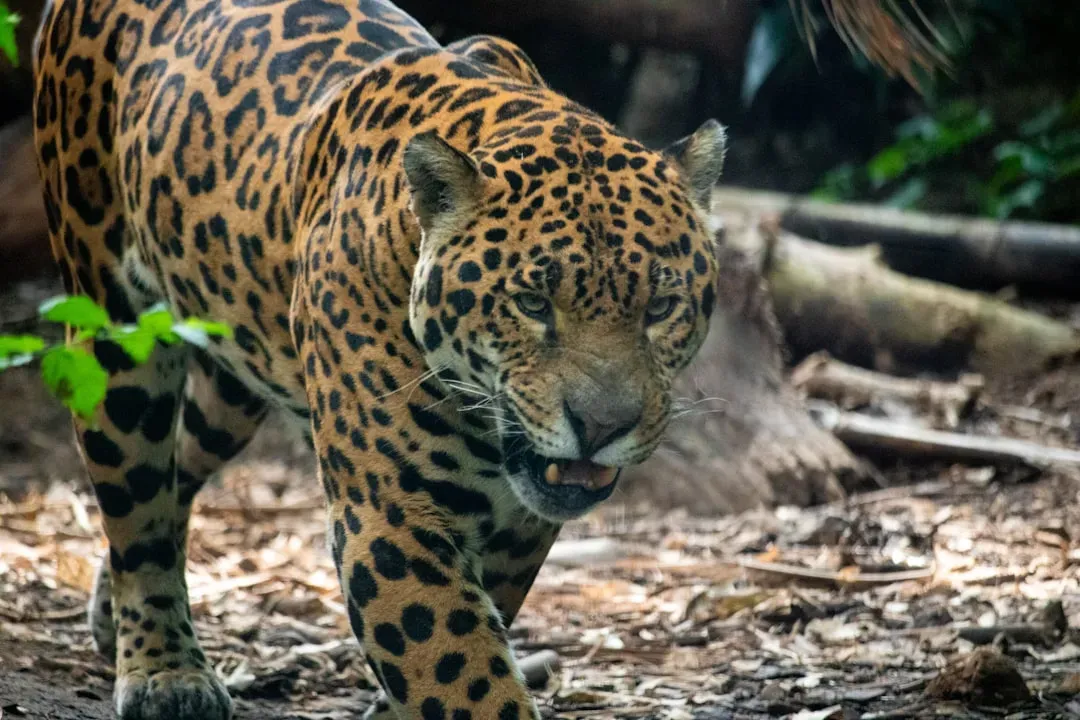
When you put all of this together – the record-breaking bite, the compact muscle-packed frame, the armor-crushing skull design, the climbing and swimming power, the precision hunting style, and the harsh environments they dominate – it becomes hard to argue against jaguars as the strongest big cats relative to their size. Other big cats might win in pure bulk or in dramatic social behavior, but jaguars quietly win the strength contest when you scale everything down to a level playing field. You end up with an animal that feels more like a living piece of heavy machinery than a typical predator.
The next time you see a photo or video of a jaguar, you will know you are not just looking at a beautiful spotted cat; you are looking at one of nature’s most extreme examples of concentrated power. There is something strangely satisfying about that, almost like discovering a secret champion that has been hiding in plain sight behind the bigger, louder stars of the big cat world. If you had to pick one feline to represent raw, pound-for-pound strength, how could you not choose the jaguar?