

You probably assume that what ends up in a hospital operating room is mostly what you’d expect: appendixes, gallbladders, maybe the occasional swallowed coin from a curious kid. Then you hear what surgeons actually find inside people’s stomachs, and suddenly the world feels a lot stranger. Medical teams across the globe have reported objects so unexpected that even seasoned professionals are left shaking their heads and asking the same thing you would: how did that get in there?
When you look closer at these cases, you’re not just staring at bizarre X‑rays for shock value. You’re seeing a collision of human curiosity, accidents, mental health struggles, and sometimes sheer bad luck. Some of these stories are grim, some are oddly funny once you know the patient survived, and all of them come with a lesson: your digestive system was not designed to be a storage locker. As you walk through these 14 unbelievable items, you’ll probably find yourself checking your own habits, wincing in sympathy, and wondering what on earth must have been going through people’s minds.
1. Cutlery: Forks, Spoons, And Even Knives
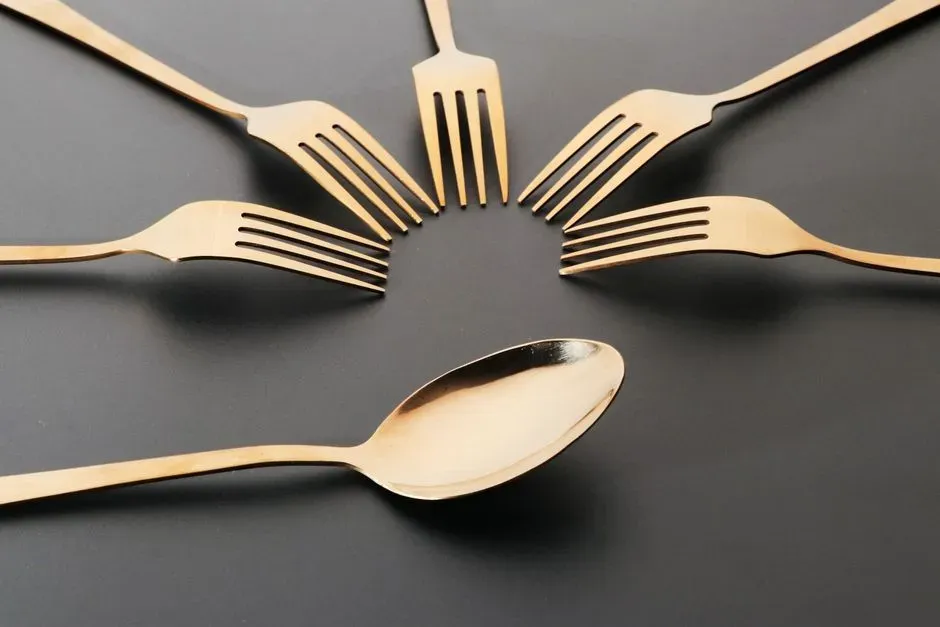
Of all the things you might imagine inside a stomach, a full‑size fork or spoon feels almost like a cartoon. Yet surgeons have removed entire pieces of cutlery from patients who swallowed them during dares, under the influence of alcohol, or in the middle of a psychiatric crisis. You can picture the scene: a party, a dare to put the handle of a spoon in your mouth, a slip, a gag reflex, and suddenly the object slides past the point of no return.
In other cases, you’re dealing with people who intentionally swallow objects repeatedly, often as part of a mental health condition or self‑harm behavior. A metal utensil is long, rigid, and absolutely not designed to navigate bends in your digestive tract, so it can pierce or scrape the lining of your esophagus and stomach. When you see an X‑ray of a fork lying across a person’s abdomen, it looks almost staged, but it’s very real – and it tends to end in emergency surgery, not a funny story to tell at dinner.
2. Toothbrushes That Went Far Beyond Oral Care
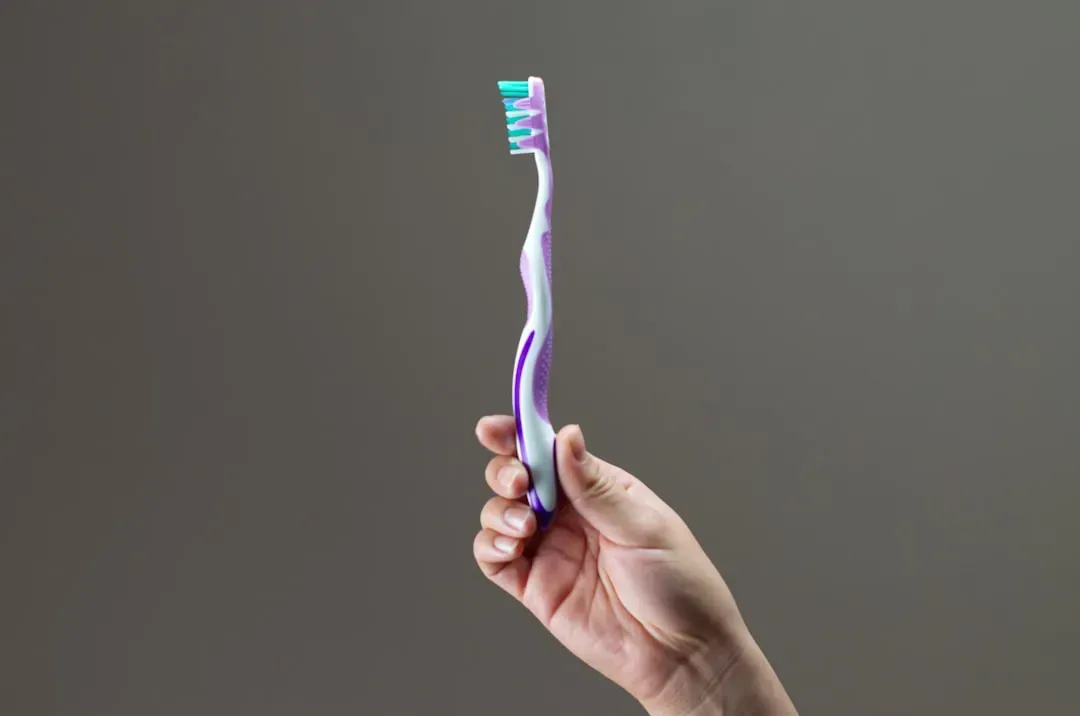
You use a toothbrush every day, and it probably seems too long and awkward to be something you could accidentally swallow. Yet there are documented cases of exactly that happening, often starting as a gagging or cleaning mishap. Sometimes people try to clean the back of their tongue, trigger a strong gag reflex, and the sudden muscular contraction pulls the brush backward toward the throat in a split second.
Unlike softer objects, a toothbrush is rigid, with hard plastic edges and sometimes metal inside, which makes it especially risky once it passes into your esophagus. It is far too large to pass naturally, so it typically gets stuck and can cause tears, bleeding, and infections. Surgeons usually race against time to remove it with an endoscope or, if that fails, with open surgery. When you think about this, you start to understand why medical professionals are so adamant that you never put anything deep into your mouth that you cannot easily control or let go of.
3. Multiple Coins And Small Change Collections

If you have kids in your life, you have probably told them not to put coins in their mouths. Children are notorious for swallowing spare change out of curiosity or by accident, and most single coins pass safely. The real trouble starts when you or someone you know swallows many coins over time, or in one impulsive episode, turning a small hazard into a dangerous metal cluster inside the stomach.
Surgeons have reported patients with stomachs that looked like piggy banks on X‑ray, with layers of overlapping coins stacked on top of one another. This buildup can cause pain, ulcers, and blockages, and metals like zinc can react with stomach acid and damage tissues. If you see an image like that, it feels surreal – like someone swallowed the contents of a vending machine. In the operating room, though, it is anything but funny; doctors have to remove those coins piece by piece before serious complications set in.
4. Rings, Necklaces, And Other Jewelry

Jewelry is small, shiny, and far more likely than you might think to end up where it doesn’t belong. You may have heard of people accidentally swallowing a ring while holding it in their mouth, or losing a small stud or pendant that later shows up on an abdominal X‑ray. The situation becomes more complicated when sharp edges or hooks are involved, such as with certain earrings and chains.
In some cases, jewelry is swallowed intentionally, especially among individuals in custody settings or with psychiatric conditions, using objects that are readily available. You imagine a person nervously fidgeting with a ring, then suddenly deciding to swallow it on impulse. The problem is that jewelry is not only foreign to your stomach; it is also frequently jagged, capable of tearing or lodging in delicate tissue. Surgeons have pulled out tangled chains and multiple rings that turned a sentimental item into an emergency that could have cost someone their life.
5. Entire Mobile Phones

You rely on your phone so much that you probably joke about it being an extension of your body – but some people have taken that far too literally. There are real cases where surgeons have removed whole mobile phones from inside the stomach, sometimes smuggled into prisons or swallowed in a panicked attempt to hide evidence. When you picture a phone sitting inside a human stomach on an X‑ray, it looks almost like a piece of dark comedy, but to the doctors involved, it is a ticking time bomb.
Modern phones contain batteries, metals, glass, and chemicals that absolutely should not be exposed to stomach acid for long. A leaking battery can cause chemical burns and severe internal damage, and the size of the device makes it almost impossible to pass naturally. Patients in these situations often delay seeking help out of embarrassment or fear, which only increases the risk. When a surgeon finally opens the stomach and lifts out an intact phone, you are looking at the end of a very dangerous gamble that could easily have gone another way.
6. Keys And Keychains
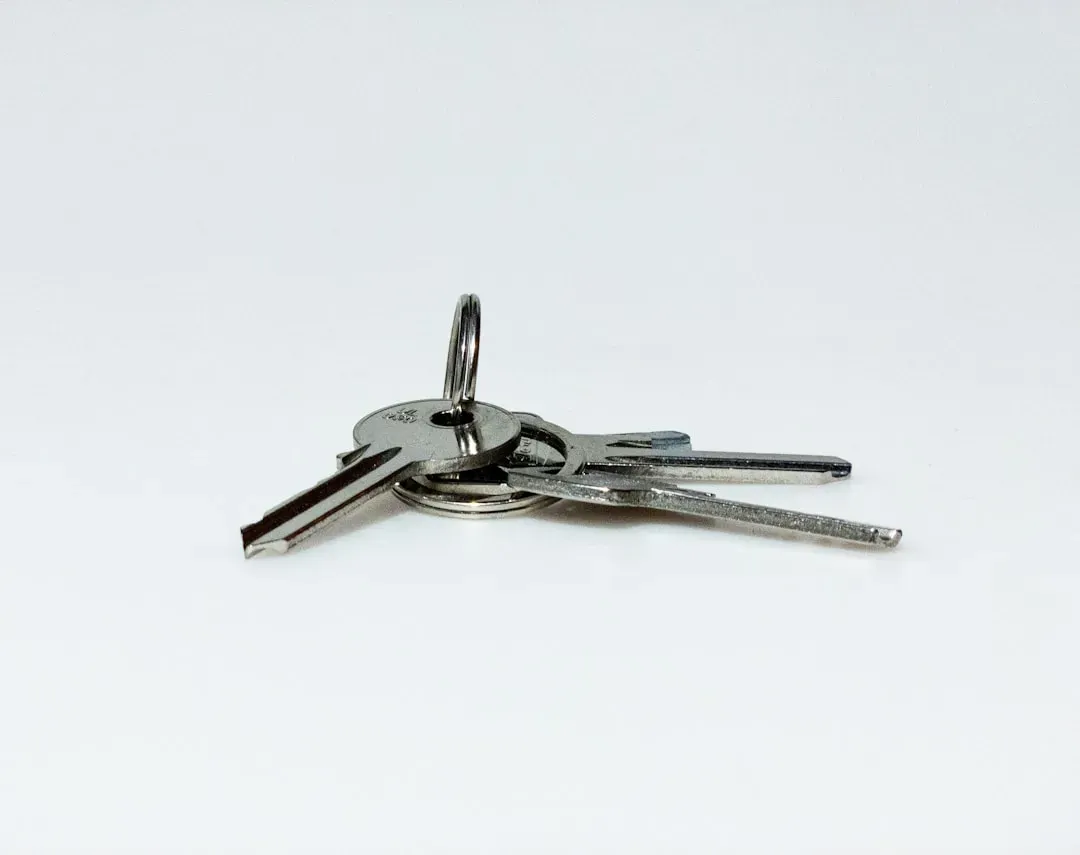
Keys are another everyday object that seem harmless – right up until they end up lodged inside your digestive tract. Sometimes people absentmindedly hold keys in their mouths, or use their teeth to grip them while their hands are full, and one misstep or sudden movement can send the keys backward. In other cases, they are swallowed deliberately, again often in institutional or forensic settings, where people may try to hide them or act out during crises.
Keys are especially dangerous because of their jagged edges and the potential for multiple keys on a ring. Once swallowed, they can scrape or puncture the esophagus and stomach, or get stuck around bends in the intestine. Unlike smoother objects, they are not likely to pass cleanly, so doctors treat them as emergencies. When you consider how casually you might hold keys between your teeth for a second, it becomes much easier to see how a simple habit could lead to an operating table if something goes wrong.
7. Magnets And Magnetic Balls
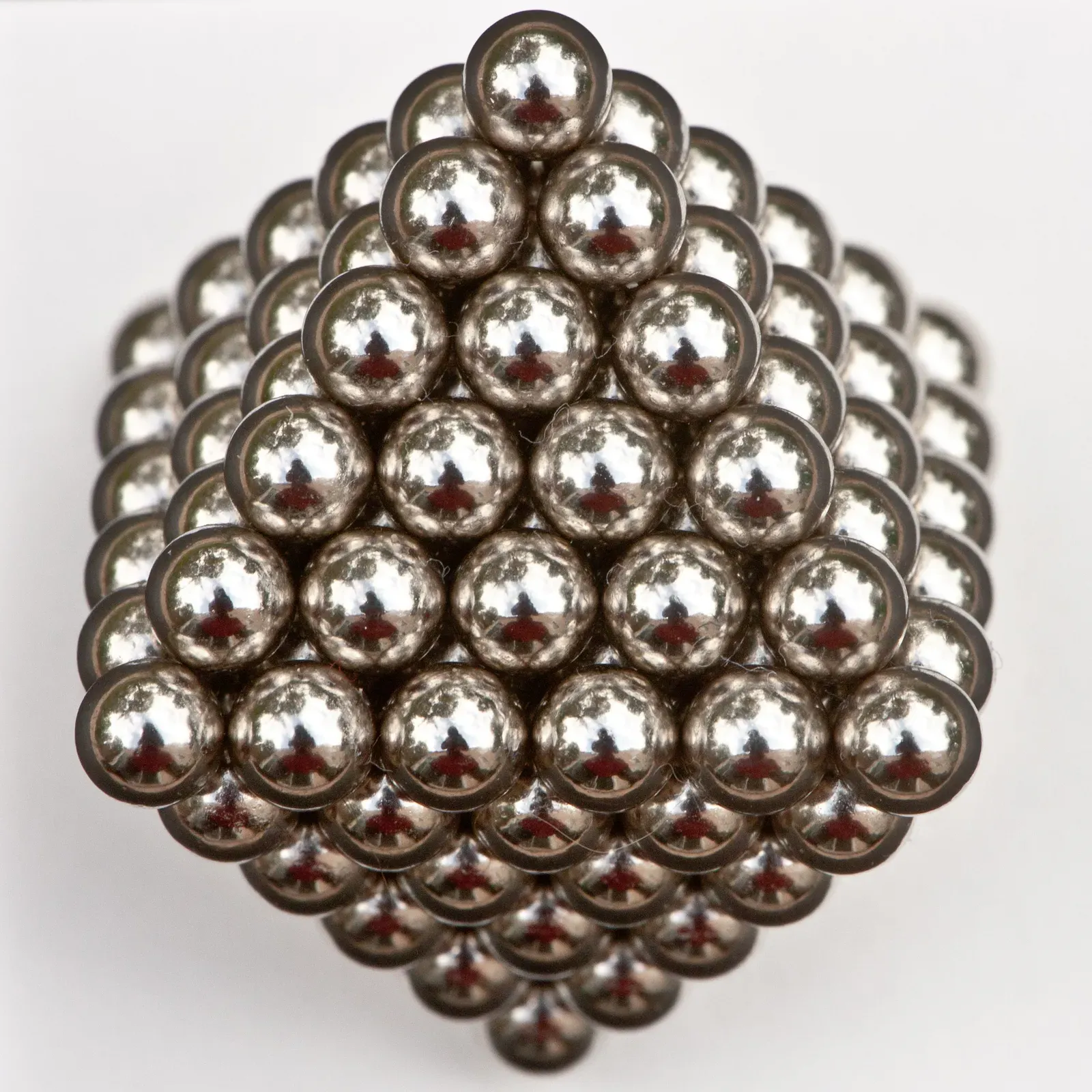
If you have ever played with tiny magnetic balls or toy magnets, you know how addictive it can be to snap them together and pull them apart. For children, and sometimes for adults, those small shiny spheres can also look like candy. Swallowing one is bad enough, but the real nightmare begins when more than one magnet travels through your digestive system at the same time.
Magnets inside the intestines can attract each other through loops of bowel, pinching tissue between them like a clamp. This pressure cuts off blood supply, leading to dead tissue, perforations, and life‑threatening infections if not treated quickly. Surgeons have described situations where they find chains of magnets stuck through different sections of the gut that have literally pulled organs together. It is one of those cases where something that feels like a harmless desk toy becomes a medical emergency that you would never see coming until it is too late.
8. Batteries: From Button Cells To Cylindrical Types

Swallowing a battery may sound like an urban legend, but it is a very real and very serious hazard. Small button batteries used in remotes, toys, and hearing aids are easy for children to put in their mouths and accidentally swallow. Adults are not immune either; people with cognitive impairments or those in crisis situations have also ingested batteries intentionally, turning a household item into a medical crisis.
Once inside the body, a battery can leak caustic chemicals or generate an electrical current that damages tissue, especially in the esophagus where it may get stuck. In the stomach, the acidic environment can accelerate corrosion, leading to burns, ulcers, and perforations. Cylindrical batteries are larger and even more dangerous to pass naturally. When surgeons remove a battery that has been sitting in place for hours or days, they often find severe internal injury around it, a sobering reminder that even small objects in your drawers and junk baskets carry hidden risks if they end up in the wrong place.
9. Large Quantities Of Hair (Trichobezoars)

A ball of hair in the stomach sounds like something out of a fairy tale, but in medicine, it has a very real name: a trichobezoar. This typically happens when someone has a habit of eating their own hair, a behavior linked to conditions like trichotillomania and pica. Over time, the hair cannot be digested or passed normally, so it collects into a solid mass sitting in the stomach like a dense, matted sponge.
These hairballs can grow surprisingly large, sometimes extending into the intestines and causing pain, vomiting, and obstruction. If you imagine the texture of wet, tangled hair, you can see why this mass would be almost impossible for your body to break down on its own. Endoscopic tools often cannot remove such a large, solid object, so surgeons must open the stomach to take it out. The physical problem may be solved in the operating room, but the underlying behavior usually needs careful psychological support afterwards, which is a side you might not think about when you first hear the story.
10. Construction Nails, Screws, And Sharp Metal Pieces
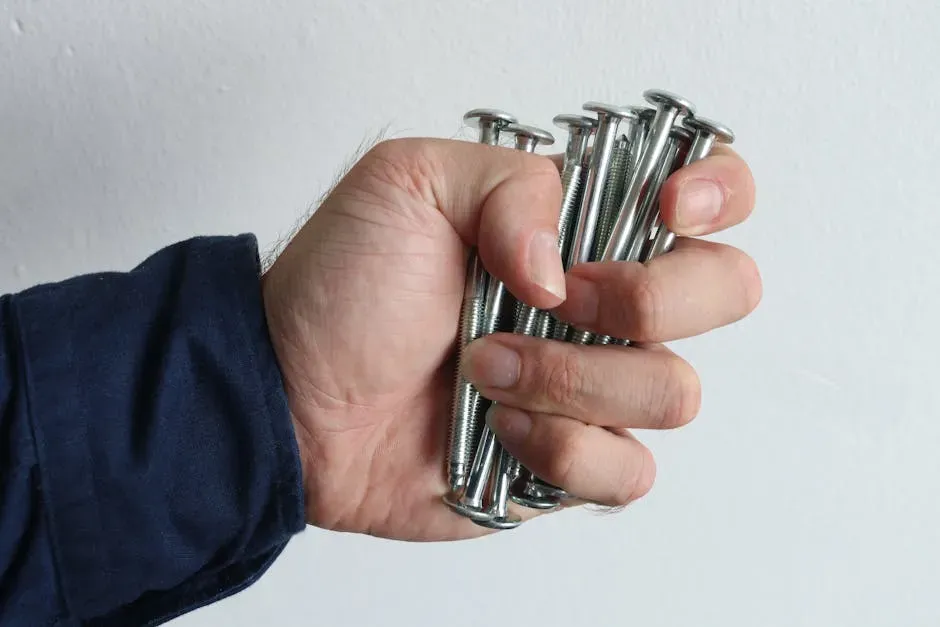
Construction nails and screws inside a stomach sound like something from a stunt show, yet there are real cases where people have swallowed multiple sharp metal objects. Sometimes this happens accidentally when workers hold nails or screws between their lips and inadvertently inhale or swallow them. In other situations, it is deliberate, often in the context of self‑harm, psychosis, or severe distress, with people ingesting whatever sharp objects they can find.
Once inside, these metal pieces can pierce the lining of your stomach and intestines, or migrate into surrounding organs, causing internal bleeding and infections. Surgeons occasionally find clusters of nails sitting together like a pile of hardware store inventory inside the gut. It is a shocking visual, but also a sign of deeper suffering or risk‑taking that went unaddressed. When you hear about such cases, it becomes clear that this is not just a story of bizarre objects; it is a reminder of how important mental health care and workplace safety habits really are.
11. Toys: Action Figures, Figurines, And Game Pieces

Toys are designed to be fun, colorful, and attention‑grabbing, which unfortunately makes them irresistible to curious children who explore the world by putting everything in their mouths. Game pieces, plastic figurines, and parts of action figures are common culprits that end up in stomachs. Adults sometimes appear in these stories too, often in situations involving intoxication or dares where someone swallows a toy as a joke that suddenly stops being funny.
The size, shape, and material of the toy determine how dangerous it is. Smooth pieces may pass on their own, while those with sharp edges or moving parts can cause obstructions or tears. Surgeons sometimes retrieve tiny characters or familiar game tokens that look almost comical sitting in a metal tray after removal. When you see that, you are reminded that something as simple as a board‑game night or a play session can turn into emergency surgery if a small object goes from a child’s hand to their mouth and then beyond.
12. Religious Or Ritual Objects

Not all swallowed items are random; some are deeply tied to belief, ritual, or symbolism. There have been cases where people swallowed religious medallions, crosses, or other sacred items as acts of devotion, desperation, or in the hope of spiritual protection. From the outside, it can be hard for you to understand why someone would risk their health this way, but for the person involved, the object may carry immense emotional weight.
These items are often made of metal, sometimes with sharp edges or protrusions that can damage the digestive tract. Removing them safely demands both surgical skill and sensitivity, because you are not just dealing with a foreign body; you are also handling something the patient may see as holy. When you hear about these cases, you are reminded that health care is never just about organs and instruments; it is also about stories, beliefs, and the powerful ways people try to cope with fear, guilt, or hope.
13. Dental Appliances: Dentures And Partial Plates
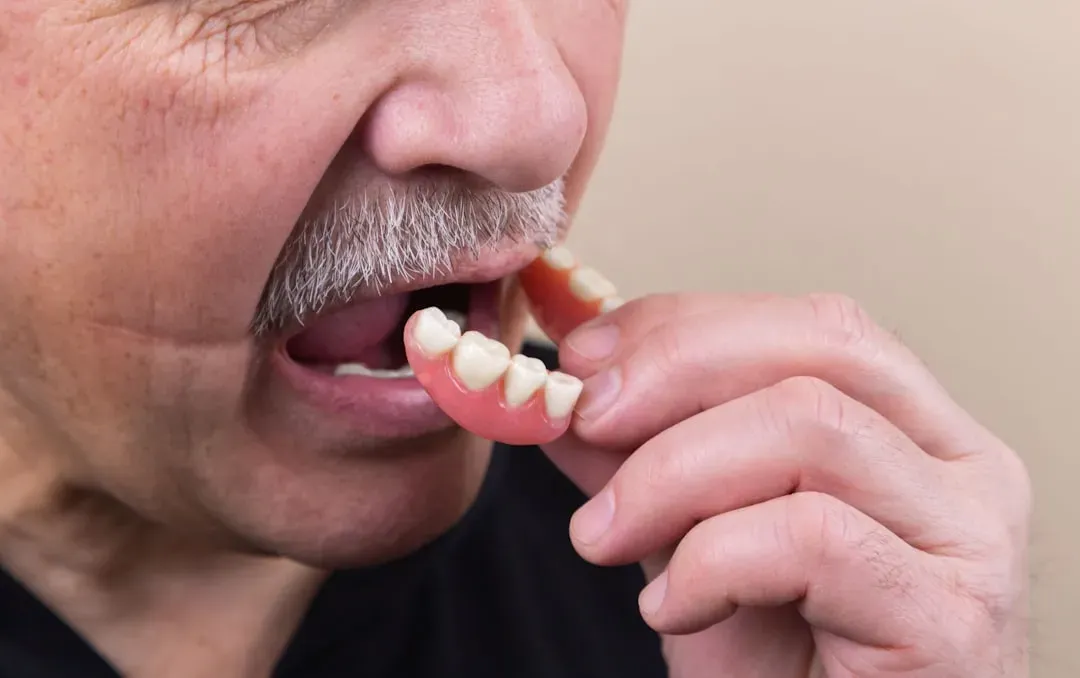
If you or someone you know wears dentures, you may already have heard warnings about swallowing them during sleep or choking incidents. Dentures and partial plates are surprisingly common foreign bodies found in the esophagus and stomach, especially in older adults or people who have difficulty swallowing. In a moment of coughing, laughing, or falling asleep, a loose appliance can dislodge and slip backward before anyone realizes what is happening.
These devices are particularly dangerous because they are large, rigid, and often have sharp clasps or metal components. Once swallowed, they can get stuck high in the esophagus or make their way into the stomach, where they rarely pass on their own. Surgeons may need to perform endoscopy or open surgery to retrieve them intact and prevent perforations. After hearing about cases like this, you may look differently at something as routine as taking dentures out at night, realizing just how critical small safety habits can be.
14. Bulky Food Items That Never Had A Chance

Not every shocking stomach find is a man‑made object; sometimes it is simply far too much food swallowed too fast or in the wrong form. From large chunks of meat that were never properly chewed to tightly packed balls of plant fiber or seeds, surgeons have removed food boluses that turned into solid, obstructive masses. Eating in a rush, swallowing big pieces without chewing, or having underlying swallowing disorders can all set you up for this kind of emergency.
These blockages can cause intense pain, vomiting, and even tears in the esophagus or stomach if the food becomes lodged. Endoscopic tools are often used first to break up and remove the mass, but sometimes surgery is needed when the obstruction is severe. When you think of the social pressure to eat quickly on a short lunch break or finish a big celebratory meal, it is easier to see how a moment of haste could end in an ambulance ride. In a way, this category is the most relatable of all: it is a dramatic reminder that even something as ordinary as dinner can turn dangerous if you ignore what your body can realistically handle.
Conclusion: What These Strange Cases Really Tell You

As wild as these stories sound, there is a sobering thread running through all of them: your body is incredibly resilient, but it was never designed to handle forks, phones, magnets, or hairballs. Behind every shocking X‑ray is a very human moment – curiosity gone wrong, a dare taken too far, a missed diagnosis of a mental health condition, or a panicked decision that seemed like the only option at the time. When surgeons lift these objects out of a person’s stomach, they are not just fixing a physical problem; they are often witnessing the end result of fear, pain, or neglect that started long before the operating room.
If you take anything from these cases, let it be this: treat your mouth as the gateway to your health, not a spare pocket. Keep small objects away from children, think twice about what you hold between your teeth, and never ignore the psychological side of strange or risky behaviors. The human body will surprise you with what it can survive, but it is far better not to test those limits in the first place. Looking at this list, which of these objects did you least expect to find inside a stomach – and which one will you remember the next time you catch yourself doing something risky without thinking?