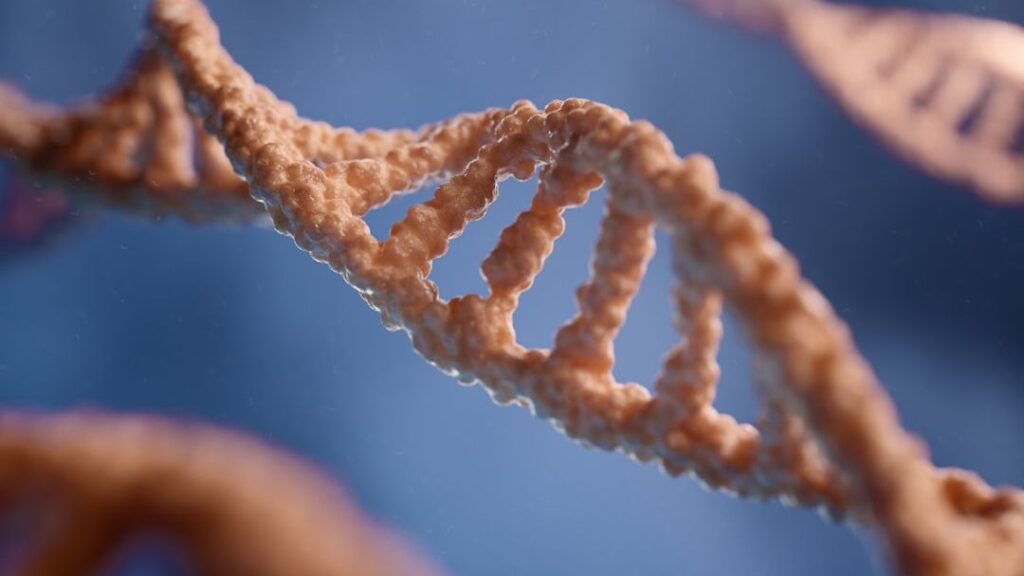

You are living in a moment that would have sounded like science fiction to your grandparents. Biologists are not just observing life anymore; they are editing, printing, programming, and re‑wiring it. From food on your plate to the way doctors might one day repair your heart, biotechnology is quietly reshaping what it even means to be alive.
That sounds thrilling, and it is – but it also raises some hard questions you can’t dodge. When you can edit DNA as easily as text, who gets to decide what is “normal” or “better”? When you can grow meat without animals, what happens to farmers? As you explore these nine big shifts, you may find your excitement and your unease rising together – and that tension is exactly where the future is being negotiated.
1. Editing DNA Like a Document: The CRISPR Revolution
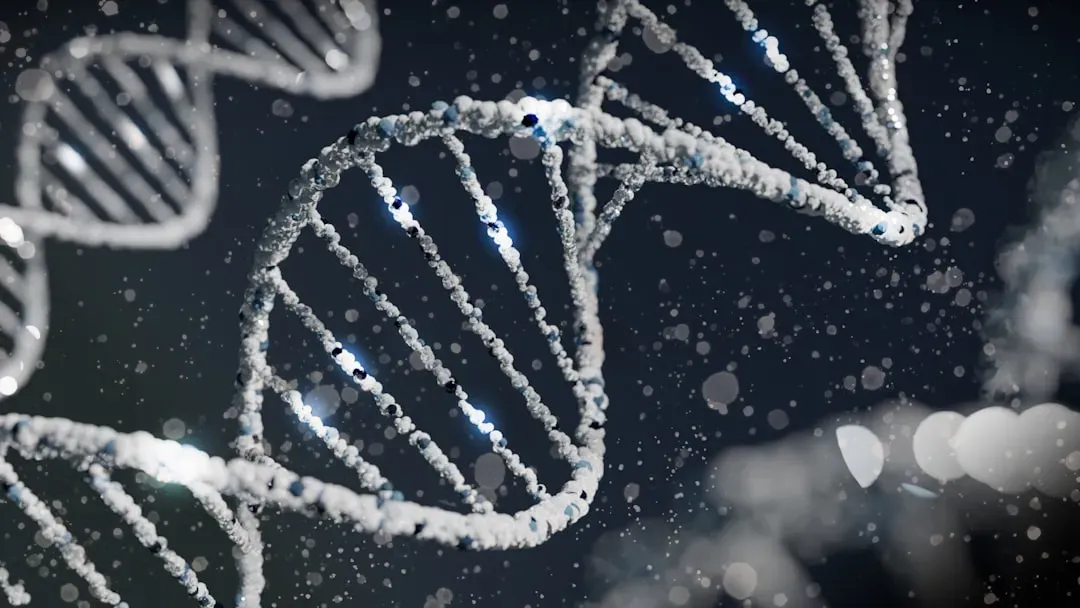
Imagine opening the genetic code of a living cell the way you open a document on your laptop, placing your cursor on a single letter, and changing it. That is roughly the mental model CRISPR gives you, even though the biology under the hood is much messier. You are no longer stuck waiting for random mutations and blind breeding; you can deliberately tweak a crop to resist a disease or adjust a microbe to churn out a drug ingredient.
For you, this flips the script on how you think about traits like height, disease risk, or even how a plant tolerates drought. Instead of asking what life “naturally” does, you are asking what you want it to do. At the same time, you are forced into the uncomfortable role of editor, deciding whether it is acceptable to correct a mutation that causes a deadly illness in an embryo, or to enhance an ability just because you can. You are not just reading the book of life anymore – you are making revisions.
2. Growing Meat Without Animals: A New Food Chain

If you have ever felt guilty cutting into a steak, biotechnology now hands you a strange escape hatch: meat grown from animal cells in steel tanks instead of on living animals in fields. You take a small sample of cells from, say, a cow, feed them nutrients, and coax them to form muscle tissue that looks and cooks a lot like the real thing. In theory, you get the sensory experience you want without the slaughter, the manure, or the enormous land and water footprint.
For you as an eater, this tears up the old rule that meat must come from a whole animal raised and killed on a farm. It also throws your idea of “natural” into a blender. Would you rather eat a burger from a cow that lived knee‑deep in its own waste, or from a clean tank in a biotech facility? Some people are energized by the lower animal suffering and potential environmental gains; others feel wary of a food system that looks more like a semiconductor factory than a pasture. You are suddenly forced to decide not only what tastes good, but what kind of food story you want to support.
3. Turning Your Cells Into Living Medicines
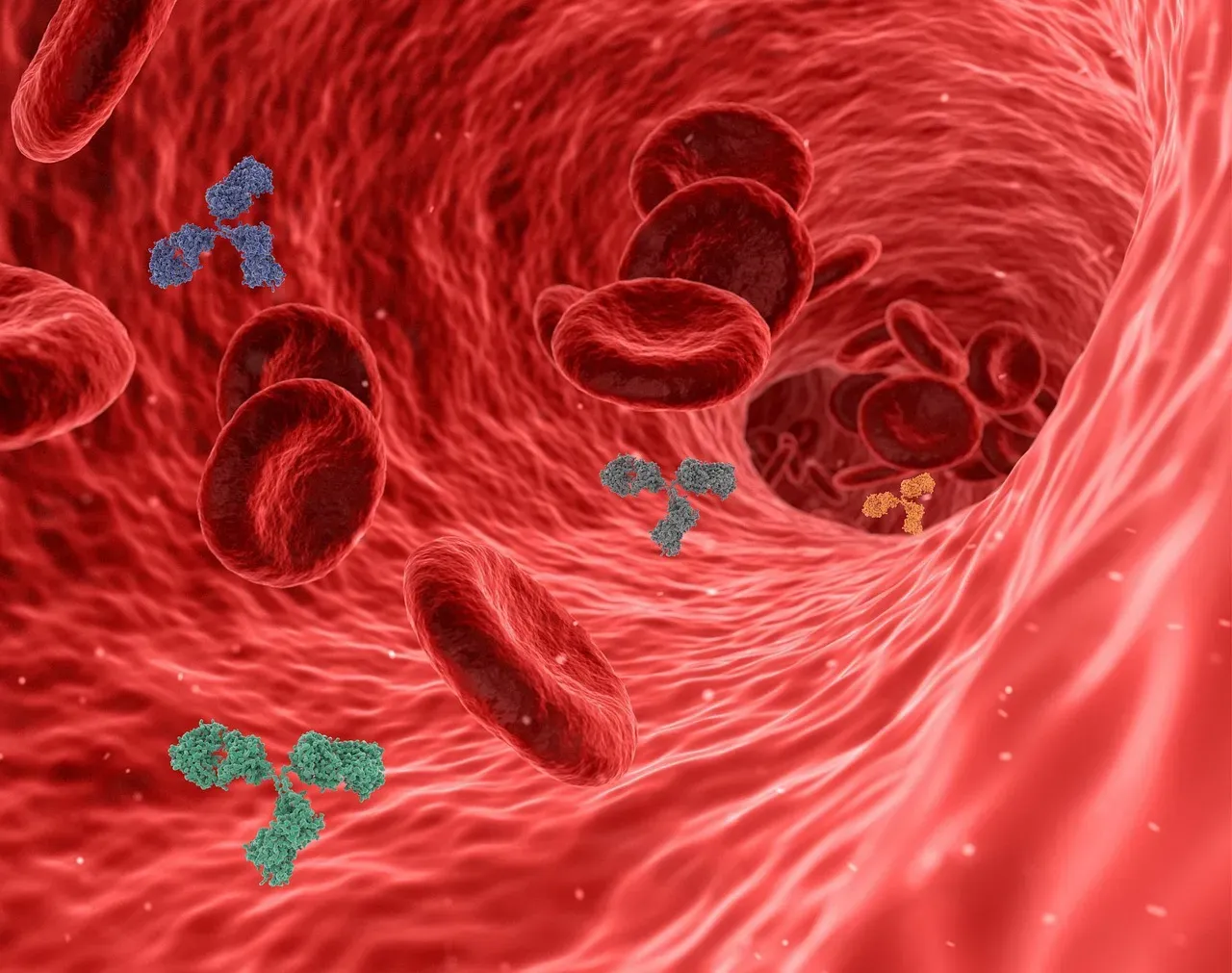
In the old model of medicine, you took a pill or got a drug infusion and hoped it did enough good before side effects kicked in. Biotechnology is offering you something more intimate: therapies where your own cells are removed, genetically re‑programmed, and sent back in as hunters that track down disease. In some cancers, people who had run out of options have seen their tumors vanish after receiving modified immune cells designed to recognize and destroy them.
When you picture medicine this way, you are no longer a passive recipient of chemicals; you become part of the therapy itself. Your cells become tools, almost like tiny programmable robots, acting on instructions scientists built into their DNA. That shift is emotionally intense, because it blurs the line between your identity and your treatment. You are likely to feel both hope at the precision and fear about long‑term effects you cannot yet fully predict. The rules of care stop being just about dosing schedules and start being about rewriting the living parts of you.
4. Reading Your Genome Like a Personal User Manual
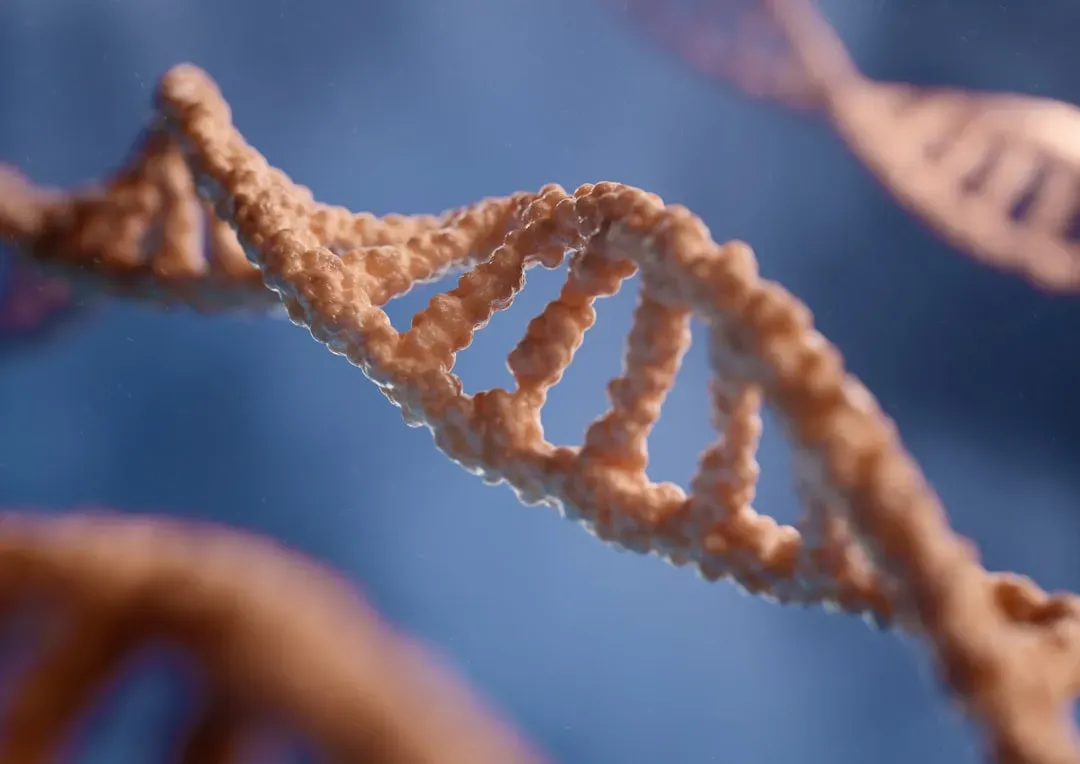
Once, your health story unfolded as a mystery, revealed only when symptoms appeared or family patterns became too obvious to ignore. Now, you can spit in a tube, send it to a lab, and within weeks get a report hinting at your risks for certain diseases, how you might metabolize drugs, and what traits you quietly carry. Your DNA shifts from a hidden script to something closer to a user manual you can leaf through.
For you, that changes the timeline of responsibility. Instead of reacting when a condition explodes into your life at age fifty, you might choose different screening schedules or lifestyle habits decades earlier. But it also weighs you down with knowledge you may not want – learning you have a higher chance of a late‑onset disease with limited treatment options can feel like carrying a quiet storm cloud. Biotechnology invites you to see your life as data, probabilities, and risk curves, and you have to decide how much of that truth you actually want to carry.
5. Programming Microbes to Build the Things You Use
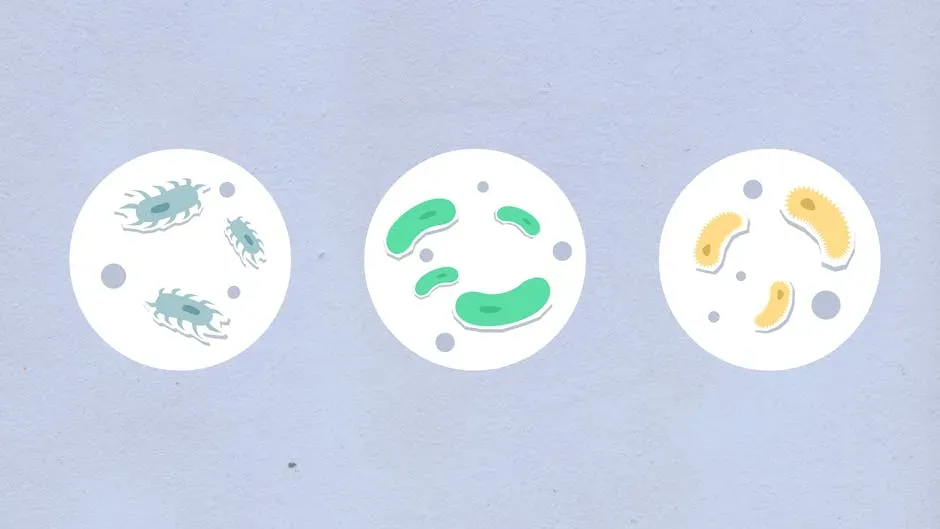
If you look around your home, you see plastics, fabrics, cleaners, maybe even packaging with a so‑called plant‑based label. Increasingly, the invisible workers behind those products are microbes engineered to act like tiny factories. You can tweak a yeast cell so it makes a rare fragrance molecule, or nudge bacteria to produce a crucial chemical that used to come from petroleum or exotic plants.
For you as a consumer, this quietly overturns the rule that manufacturing must rely on drilling, mining, and heavy industry. Instead, you are tapping into fermentation tanks and bioreactors that look closer to breweries than oil refineries. This can cut down on environmental damage and make supply chains more flexible, but it also makes you dependent on a complex layer of biological software most people never see. You are trusting that the organisms are well‑contained, the genes do what they are supposed to, and the people designing them are as careful as they say.
6. Reimagining Fertility, Pregnancy, and Family

Biotechnology is not just changing crops and microbes; it is reaching into some of the most intimate decisions you will ever make. With in‑vitro fertilization, genetic testing of embryos, and rapidly improving reproductive tools, you may one day choose embryos not only free of certain diseases, but also selected based on risk profiles or other traits. Even now, screening embryos for serious genetic conditions is already altering what many families face.
That means you move from accepting the lottery of conception to curating your potential children to some degree. This can feel deeply compassionate if it spares a child from a terrible illness, but it can also slide into uncomfortable territory where normal variation starts to look like a problem to fix. You are forced to confront questions about disability, diversity, and what kind of people society quietly encourages or discourages. The old rule that you get what you get is eroding, and in its place you are offered choices that are both empowering and morally heavy.
7. Healing Ecosystems With Engineered Life
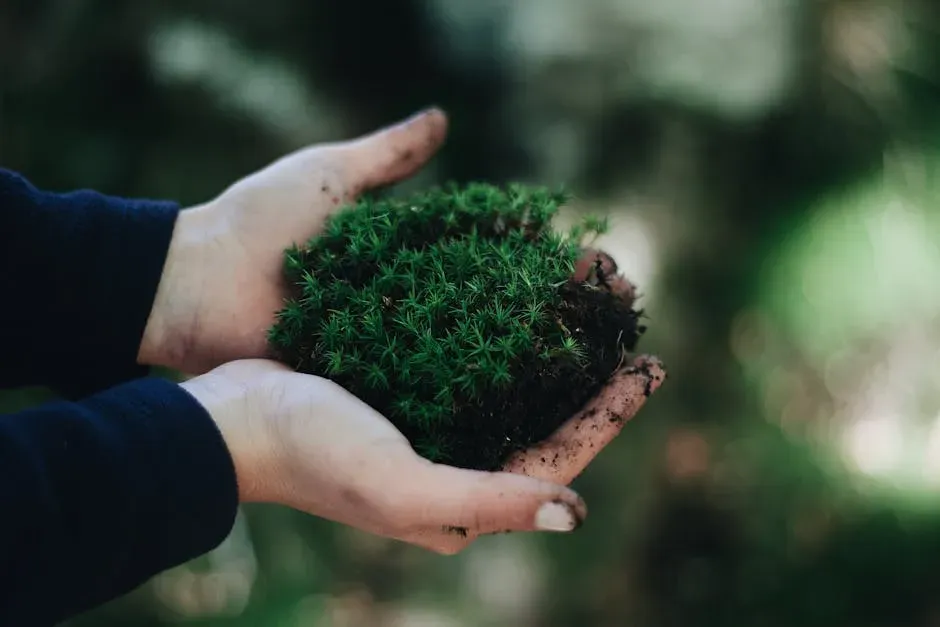
When you think about environmental repair, you might picture planting trees or cleaning up trash along a riverbank. Biotechnology adds a more radical tool to your kit: organisms designed to do specific jobs, like bacteria that eat oil spills faster or plants tuned to pull extra pollutants out of soil. In some visions, you might even tweak insects or other species to control invasive populations or limit the spread of certain diseases.
For you as a citizen of this planet, that approach flips the relationship between humans and nature. Instead of only damaging ecosystems and then backing off, you start editing them in an attempt to fix past harm. That sounds inspiring, but it also makes you a gardener with access to fire, not just water. Once an engineered species is released, calling it back is incredibly hard, and unintended ripples across an ecosystem are always possible. You are being asked to believe that you can correct environmental mistakes with more intervention, not less, and that is a gamble you need to evaluate with clear eyes.
8. Turning Cells Into Data and Data Into Power
Every blood draw, swab, and tissue sample you give can now be turned into a mountain of digital information – gene expression patterns, protein profiles, subtle molecular fingerprints. With powerful computing, researchers and companies can look for patterns across millions of people, revealing which treatments work best for which kinds of bodies or which early signals predict disease. You might benefit from drugs tuned to your biology instead of a one‑size‑fits‑all approach.
But once your cells become data, you enter a new kind of vulnerability. That information can reveal things about your future health, your biological relatives, and even your ancestral background. You have to trust that it will be stored securely, used ethically, and not sold or misused in ways that come back to haunt you. Biotechnology is rewriting life not just in petri dishes, but also in databases, and you are right to ask who owns that power and how transparent they are about using it.
9. Blurring the Line Between Human and Machine
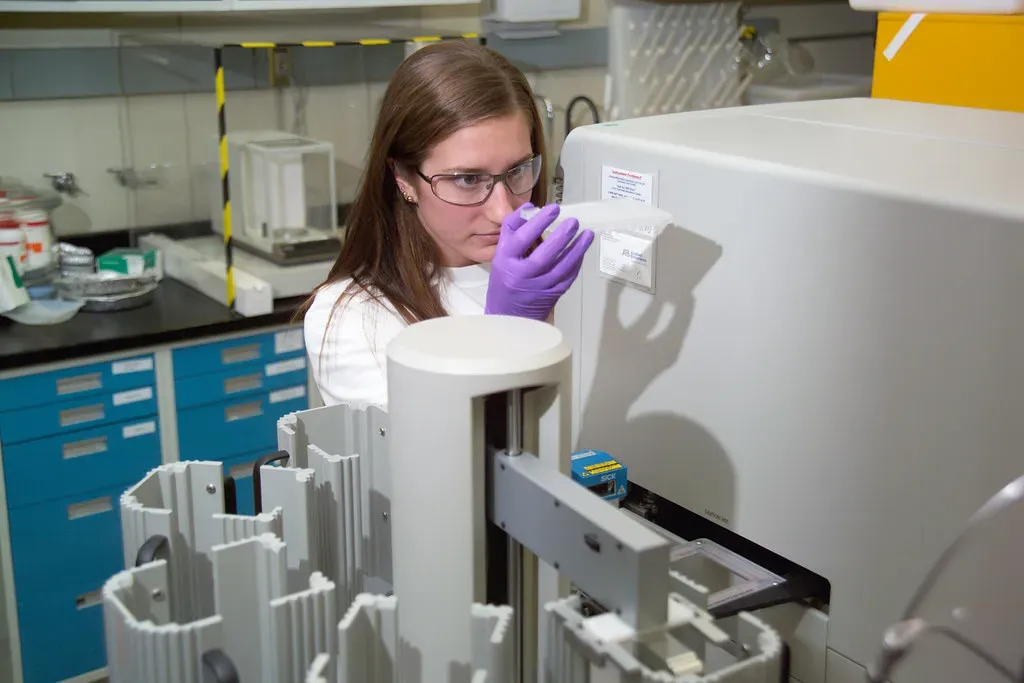
Finally, biotechnology is reaching across the boundary you have always drawn between biology and technology. You see it in brain‑computer interfaces that let paralyzed people move a cursor with their thoughts, or in lab‑grown tissues integrated with electronics to test drugs or sense chemicals. In some experiments, neurons grown in dishes have even been used to control simple devices, hinting at a future where biological and digital systems work together far more closely.
For you, this raises both wild possibilities and unsettling images. You might imagine restoring lost senses, repairing damaged brains, or building prosthetics that feel and respond like natural limbs. At the same time, you may picture surveillance creeping right into your nervous system, or feel uneasy about a world where the definition of a “device” includes living cells. As this frontier expands, you are pushed to rethink what counts as a body, what counts as a mind, and where you are willing to let technology plug into the most private parts of yourself.
Conclusion: Living in a World You Are Actively Editing
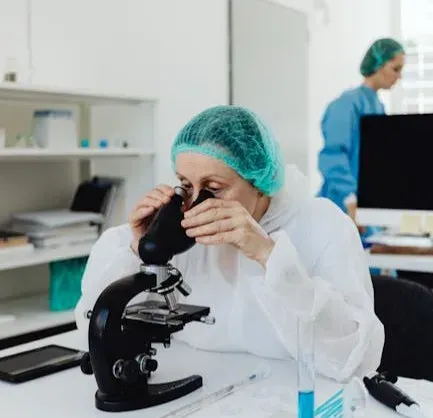
When you step back from all these pieces – edited genomes, cell‑based therapies, lab‑grown meat, engineered ecosystems – you see a single, staggering shift: you are no longer just living in the world, you are actively editing its basic code. Biotechnology hands you tools that can reduce suffering, clean up damage, and expand possibilities, but it also hands you responsibilities that no previous generation has carried. You are being asked to decide not only what kind of life you want for yourself, but what kinds of life you want to exist at all.
used to feel fixed, written in a language only nature could speak; now you find that language half‑translated and the keyboard sitting in front of you. The most honest stance you can take is neither blind enthusiasm nor reflexive fear, but a clear‑eyed mix of curiosity, caution, and moral courage. As you look ahead, the real question is not whether biotechnology will rewrite – it already is – but how intentionally you will help choose the next chapters. If you had your hands on the code, what would you dare to change, and what would you refuse to touch?