

You probably assume that coming close to death would make you more afraid of it. Strangely, for many people who have had a near-death experience, the opposite happens: the terror of dying simply disappears. You still feel a normal instinct to survive, but that paralyzing horror about your own end can fade, sometimes almost overnight. It is one of the most puzzling and moving patterns you see when you talk to people who have stood on that edge.
In this article, you are going to walk through the main reasons researchers, therapists, and survivors themselves think this shift happens. You will see how your brain, your beliefs, your relationships, and even your sense of time can completely reorganize after a brush with death. As you read, you might notice that the real story is not about death at all; it is about how intensely you can come alive when you understand, in your bones, that your time is limited.
The Shock Of Crossing A Line You Thought Would Kill You
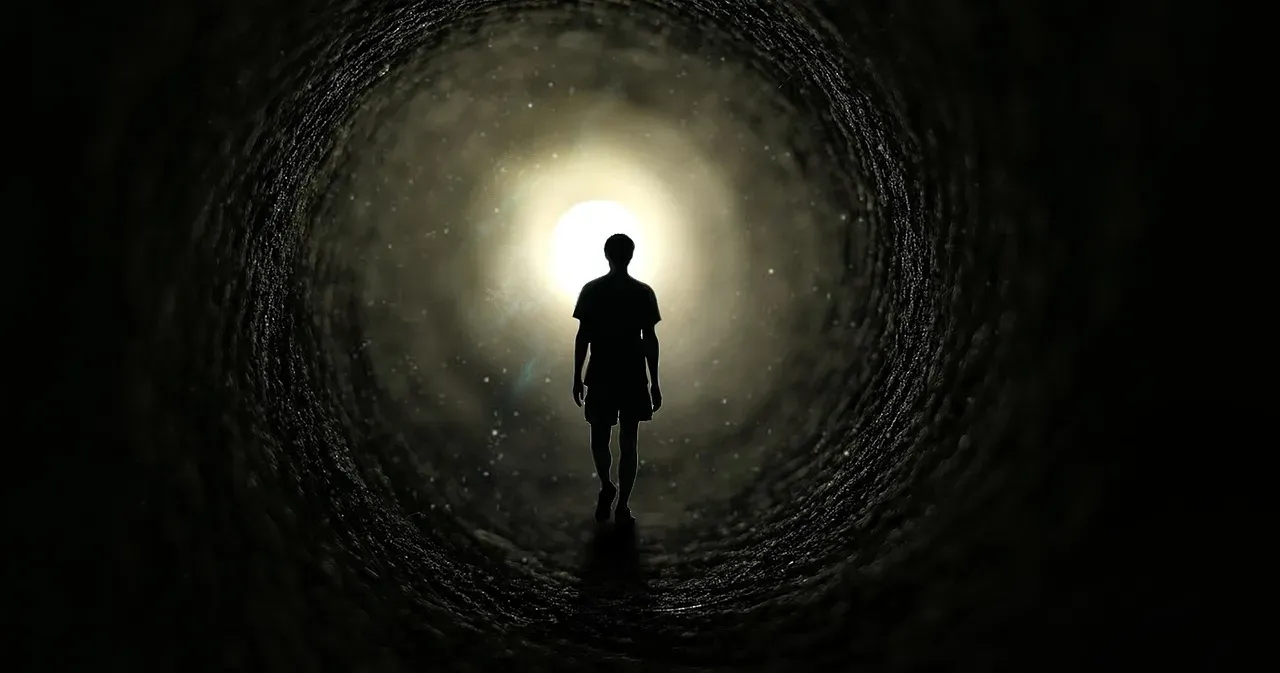
Imagine the thing you dread most actually happening: your heart stops, you cannot breathe, or you are sure you have only seconds left. In that moment, you cross a line you always believed would be unbearable, and yet… you are still here. That alone can crack the fear of dying, because you discover that what you imagined was far worse than what you actually went through. Your mind had spent years telling stories about how awful death would be, and suddenly you have real data from your own experience that says, in a strange way, it was not what you thought.
When you survive something like that, your internal map of danger changes. You no longer live only in the world of “what if”; you have met one of your worst “what ifs” face to face. That can blunt the edge of anxiety, because fear thrives on uncertainty and unknowns. Once you have crossed into that territory and come back, your nervous system may stop treating death as an abstract monster hiding in the dark and start seeing it as just another part of the landscape of life, even if you still respect it.
How Your Brain And Emotions Reboot After Extreme Threat
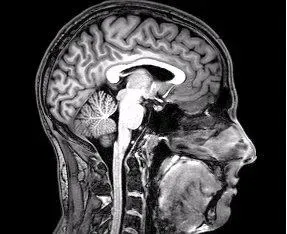
Your brain is wired to protect you, and when you nearly die, it goes into emergency mode. Stress chemicals surge, your focus narrows, and time can feel distorted. Afterward, some people get stuck in trauma, but others go through almost the opposite: a deep reset. You may find that your brain, instead of looping on fear, shifts into a calmer baseline, as if surviving that peak danger convinced your inner alarm system that it does not need to scream all the time anymore. For you, the fear of dying can fade simply because your threat detectors stop treating death as a constant, looming emergency.
On top of that, intense experiences can rewire how you process emotions. If you have ever gone through something so overwhelming that everyday worries suddenly felt tiny, you already know the basic pattern. A near-death event can do this on a massive scale. Arguments, minor illnesses, financial stress – all of it can feel less crushing compared to the moment you almost did not make it. As your emotional priorities reorder themselves, the fear of death often slides way down the list, replaced by a stronger desire to live fully in the time you do have.
Feeling Peace Instead Of Panic In The Moment Itself

You might expect that if you were on the edge of death, you would only feel panic. Yet many survivors report something very different: an unexpected sense of calm, detachment, or even peace in those moments. If you felt that kind of deep quiet instead of pure terror, it would naturally change how you think about dying. The story you tell yourself afterward is no longer “death is nothing but horror,” but rather “when I got close, it was surprisingly calm.” That remembered peace can linger in your body and mind like an antidote to fear.
Part of this may be biology. When your system is overwhelmed, your brain can trigger a kind of protective numbness or altered state, dampening pain and panic. Psychologically, that can become proof that you are capable of meeting death without completely falling apart. You are no longer just imagining that you might handle it; you have already tasted how your mind and body actually responded. That lived evidence can quietly sit in the background of your life, weakening the grip of fear every time you think about your own ending.
A New Sense That Death Is A Transition, Not A Vanishing

For many people, a near-death experience brings an overwhelming sense that you were not just snuffed out; you passed through something. You might feel as if you left your body, moved through darkness or light, or had a strong sense of continuing awareness even when you knew your physical body was in trouble. Whether you interpret that as spiritual or as a brain phenomenon, it can still change your relationship to death. Instead of picturing a hard wall, you may start to feel more like you are walking through a doorway into something you cannot fully see but no longer entirely fear.
Even if you were skeptical about any kind of afterlife before, a powerful perception of ongoing consciousness can be hard to shake. You can try to explain it in medical terms, or you can lean into spiritual meanings, but either way, you have a personal experience whispering that death might not be pure nothingness. If you start to see it as a transition, not an erasure, the terror attached to it often weakens. You may not suddenly welcome death, but it can feel less like a cliff edge and more like a mysterious border crossing that you now feel oddly familiar with.
The Way Your Values Flip Overnight After Coming So Close

When you nearly die, you are forced to confront a blunt reality: your time is not guaranteed. That realization can hit harder than any philosophy or self-help book ever could. You might come back with a fierce clarity about what truly matters to you and what does not. Work pressure, status, and the endless chase for approval can start to seem hollow compared to time with people you love, experiences that feel meaningful, and simple moments of joy. As your values flip, the fear of death can fade because you feel more at peace with how you are actually using your life.
Instead of obsessing over avoiding death, you may start obsessing – in the best way – over living in line with your new priorities. You might decide to repair a broken relationship, change careers, or finally pursue something that always scared you. When you live like that, the idea of dying becomes less frightening, because you are no longer haunted by the sense that you wasted your one chance. You feel less like you are being dragged toward an unwanted ending and more like you are walking your own chosen path for as long as it lasts.
Feeling Less Alone: Connection, Gratitude, And A Different Kind Of Courage

Surviving a near-death event can make you see connection everywhere. You may feel a deeper bond with the people who helped save you, with loved ones who stayed by your side, or even with strangers who heard your story and cared. This sense of belonging can soften the fear of dying, because fear often grows in isolation. When you feel held by others – emotionally, spiritually, or physically – you may start to trust that whenever your time comes, you will not be facing it alone, at least in a deeper, emotional sense.
Gratitude also plays a powerful role. You might wake up every day feeling genuinely amazed you are still here. That gratitude can fuel a quiet courage. Instead of constantly bracing against death, you find yourself savoring small things: sunlight through a window, a good meal, a boring day where nothing goes wrong. Over time, this habit of appreciation makes death feel less like a thief waiting to take everything and more like a natural closing of a chapter you were lucky to experience. You are less afraid of the last page when you have really read the book.
Conclusion: When Facing Death Teaches You How To Live
When you put all of this together, you can see why some near-death survivors lose their fear of dying almost completely. You cross a line you thought would destroy you and discover unexpected calm, a rebooted brain, and a massive shift in what you care about. You may come away with a sense that death is more of a transition than an annihilation, wrapped in new gratitude, deeper connection, and a story that makes sense to you. The fear that once lived in the shadows of your mind simply has less room to breathe in this new way of being.
At its core, losing your fear of death after a near-death experience is less about wanting to die and more about finally knowing how you want to live. You stop clinging so tightly to every second and start showing up more fully for the ones you actually have. You might never seek out such an experience, and you should not romanticize the real trauma many survivors face, but there is something undeniably powerful about seeing the end up close and coming back with your priorities transformed. If you truly felt, right now, how fragile and rare your own life is, how differently would you live the rest of today?