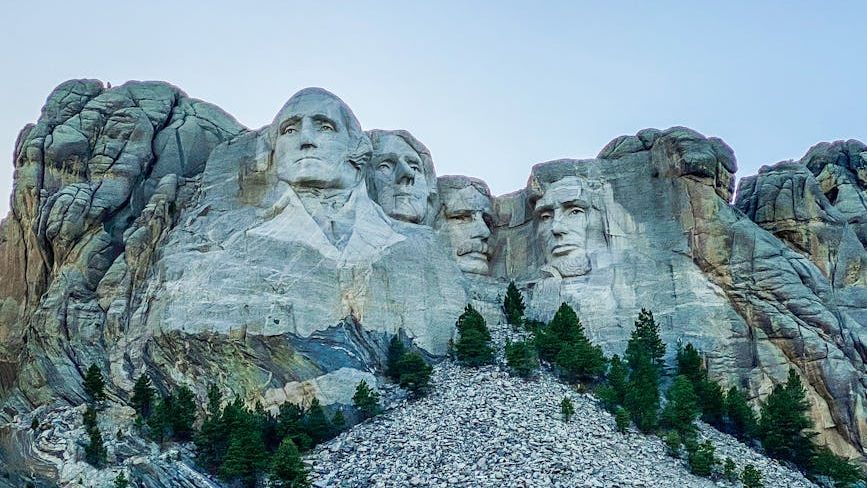

If you have ever stared up at the four faces on Mount Rushmore and felt an odd shiver, you are not imagining it. You are looking at a monument that literally has a hidden story carved into the mountain itself, one that sits behind thick granite and locked doors, far away from the typical park brochure. Beneath and behind those famous profiles, there really are sealed spaces, interrupted ambitions, and half-forgotten plans that the government rarely talks about in detail.
When you start digging into what actually lies inside the mountain, the truth turns out to be stranger and more fascinating than any movie conspiracy. You find a mix of visionary art, Cold War anxiety, practical engineering, and plain old unfinished business. As you peel back the layers, you realize you are not just learning about a monument; you are looking directly at how a country chooses what to remember, what to display, and what to quietly lock away in the dark.
The Very Real Hidden Chamber Behind the Presidents
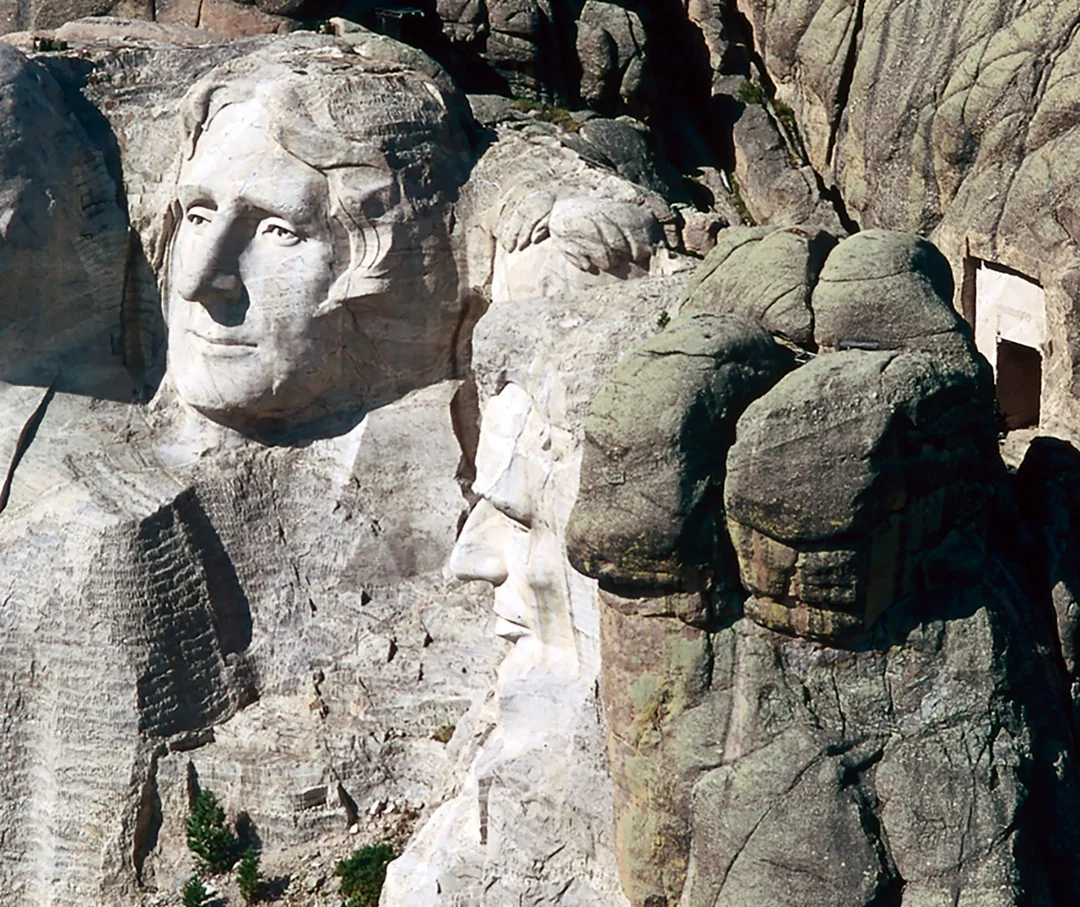
Most people never realize that behind the carved heads of Mount Rushmore there is a genuine man‑made cavity in the rock, cut with the intention of becoming a grand inner chamber. You cannot see it from the viewing platform, and visitors are not allowed inside, but you are not dealing with rumor here: there is an actual hallway and room blasted into the granite, tucked behind Lincoln’s head. This is not an accidental pocket in the stone; it was deliberately started as part of the original artistic vision.
When you hear talk about “sealed rooms under Mount Rushmore,” your mind might jump straight to hidden bunkers or secret labs, but the truth starts with something more mundane and, in some ways, more haunting: an incomplete project. Think of it like discovering that your favorite historic painting has a whole unfinished scene hidden underneath the surface layer. The chamber exists, it is sealed to the public, and it sits in that uncomfortable space between myth and documented fact, which is exactly why it fuels so much curiosity.
Gutzon Borglum’s Forgotten Dream of a Hall of Records
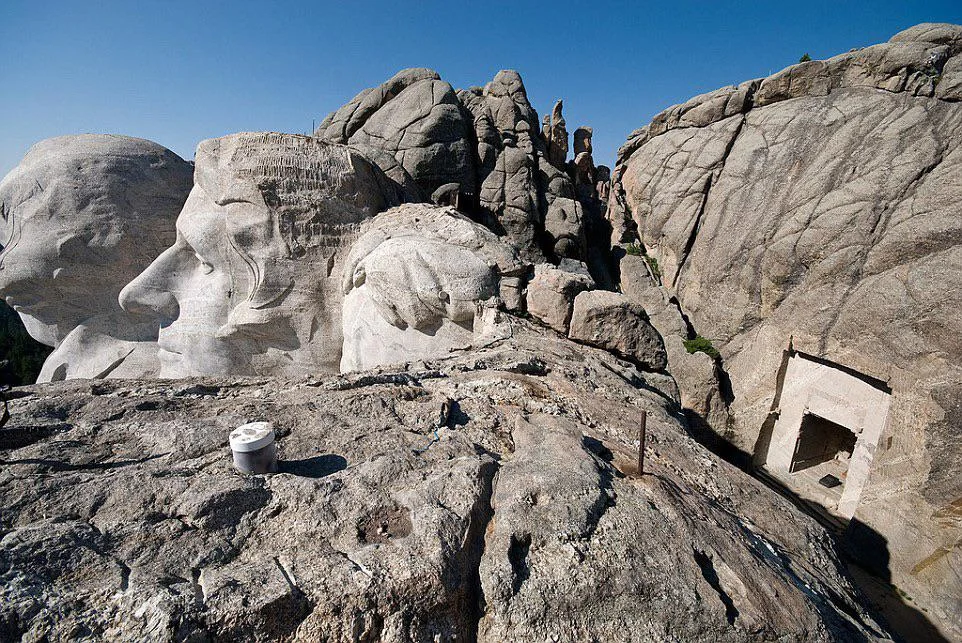
To understand those secretive spaces, you have to step into the head of the sculptor, Gutzon Borglum, who did not just want to carve four faces and call it a day. He imagined something far bolder for you and for future generations: a vast “Hall of Records” inside the mountain, reached by a long staircase and a dramatic entrance carved behind the presidents. In his mind, you would step off the tourist path, walk into the heart of the granite, and find a grand chamber preserving the story of the United States.
Borglum wanted that hall to hold important documents, historical texts, and symbols that would explain who the presidents were and why they mattered, almost like a time capsule on an epic scale. You can picture yourself in that space, surrounded by carved panels that tell the sweep of American history, instead of just snapping photos from the viewing deck outside. That was the original plan: not just a sculpture, but a mountain‑sized archive that would speak to people thousands of years from now. Instead, most of that dream never made it past the rough excavation phase, leaving a sealed, ghostlike reminder hidden in the rock.
How War, Money, and Politics Left the Rooms Unfinished
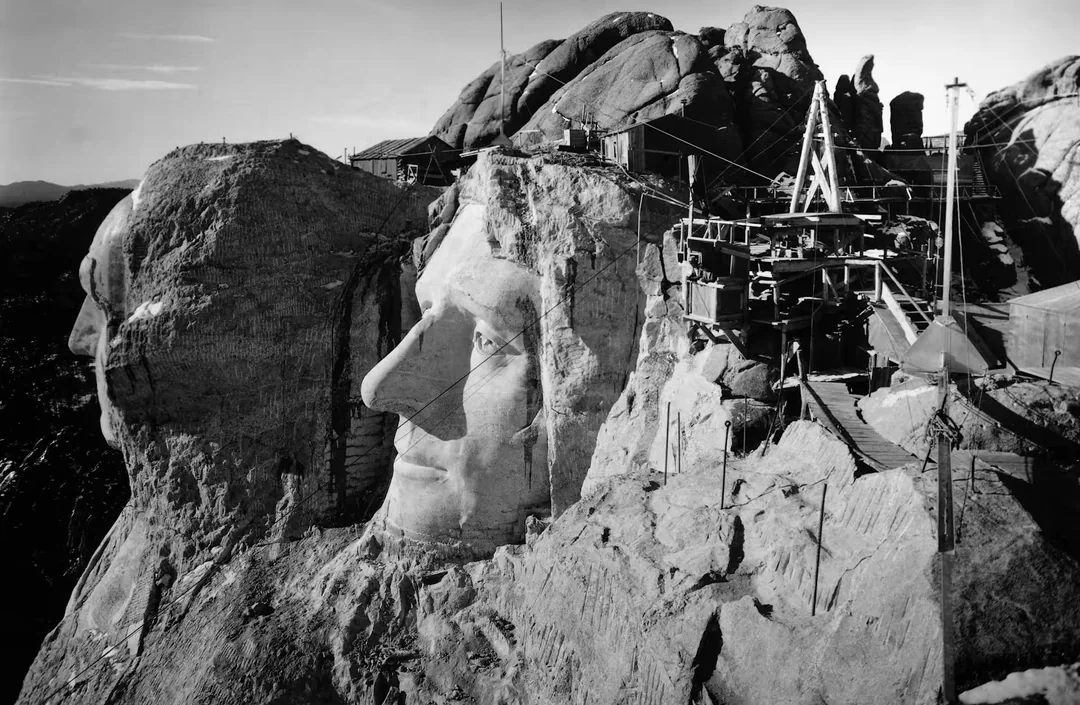
If you are wondering why this ambitious inner hall never became a reality you could visit, you quickly run into the harsh side of big national projects: money, timing, and politics. Construction on Mount Rushmore ran across the years leading up to the Second World War, and as the country’s priorities shifted, funding for a vast internal chamber became harder to justify. Even before that, there were debates about whether carving more deeply into the mountain was too risky or too extravagant compared with simply finishing the faces that everyone could see.
Then Borglum died in 1941, and with his death, the driving force behind the Hall of Records disappeared. You can think of those sealed spaces as the physical trace of a dream that lost its champion at the worst possible moment. Once the nation turned toward wartime needs and later to different political concerns, there was little appetite to pour more money into an elaborate inner room. So the project stalled, the main outer sculpture was declared complete, and the partially formed chamber behind it was essentially locked away from public life.
What Actually Sits Inside the Hidden Chamber Today
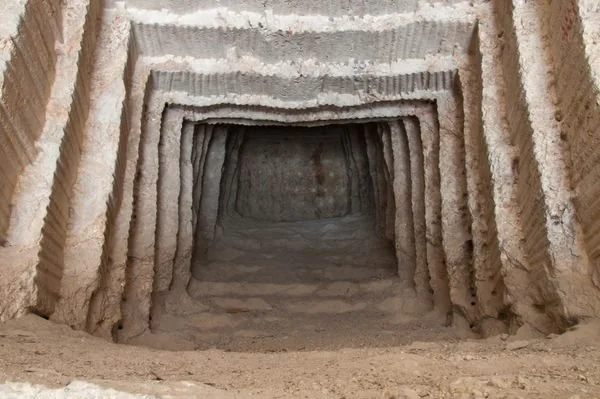
Even though the grand hall Borglum imagined was never fully built, the idea of preserving something inside the mountain never completely died. Decades later, there was a push to at least place a kind of time capsule in the space that had already been carved. You have, inside that hidden area, an arrangement that functions more like a symbolic archive than a walk‑through museum: carefully stored materials intended for people far in the future rather than for today’s tourists buying postcards in the gift shop.
You will not find the sprawling multi‑room complex of thriller novels, but there is more than bare rock. The chamber area houses encased records and interpretive materials that explain why the monument was built and what it was meant to represent. Imagine if someone thousands of years from now stumbled on Mount Rushmore with no context; the idea was that these preserved pieces would act like a decoder ring, helping them understand the faces on the cliff. For you, the room is sealed, inaccessible, and almost never discussed in day‑to‑day park materials, which is probably why your mental picture fills in the gaps with secrecy.
Separating Underground Myths from Documented Reality
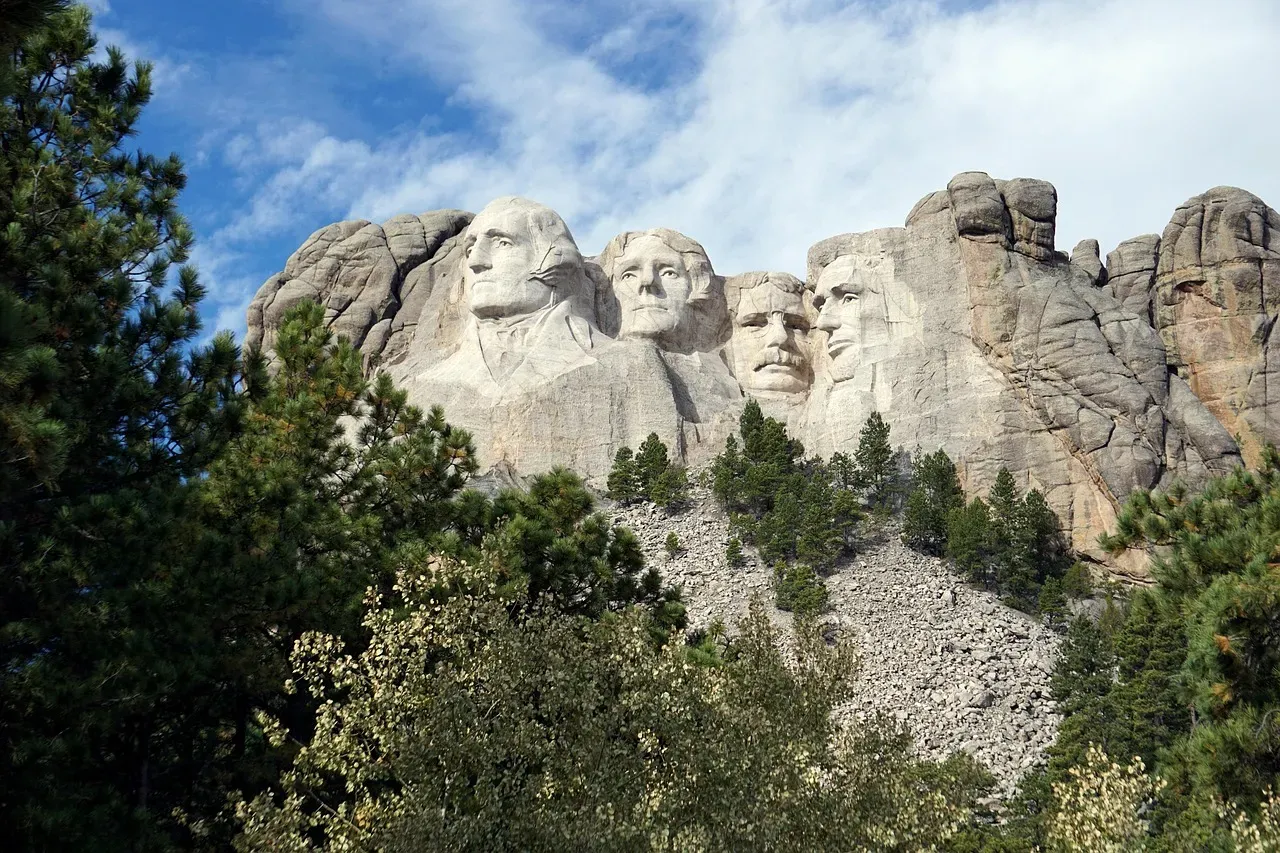
The moment you hear about sealed rooms and hidden spaces under a famous American monument, your imagination might race toward covert government facilities or underground bunkers. Over the years, plenty of stories have claimed that beneath Mount Rushmore lies a secret military complex, nuclear shelters, or sprawling tunnels connecting to distant bases. It is natural for your brain to lean into these dramatic ideas, especially when the official details feel sparse and the setting is so cinematic.
When you strip away the rumors and ask what is actually supported by evidence, the picture becomes more grounded. Yes, there is a real excavated chamber behind the sculpture, but there is no reliable proof of an extensive, high‑security base stretching for miles under the Black Hills. You are dealing instead with a mostly unfinished space plus limited storage, not a hidden city. That may sound less thrilling than a spy movie, but it is also more interesting in another way: the true story shows how quickly an unrealized dream can turn into a magnet for every fear and fantasy a culture already has about power and secrecy.
Why the Government Rarely Talks About These Sealed Spaces
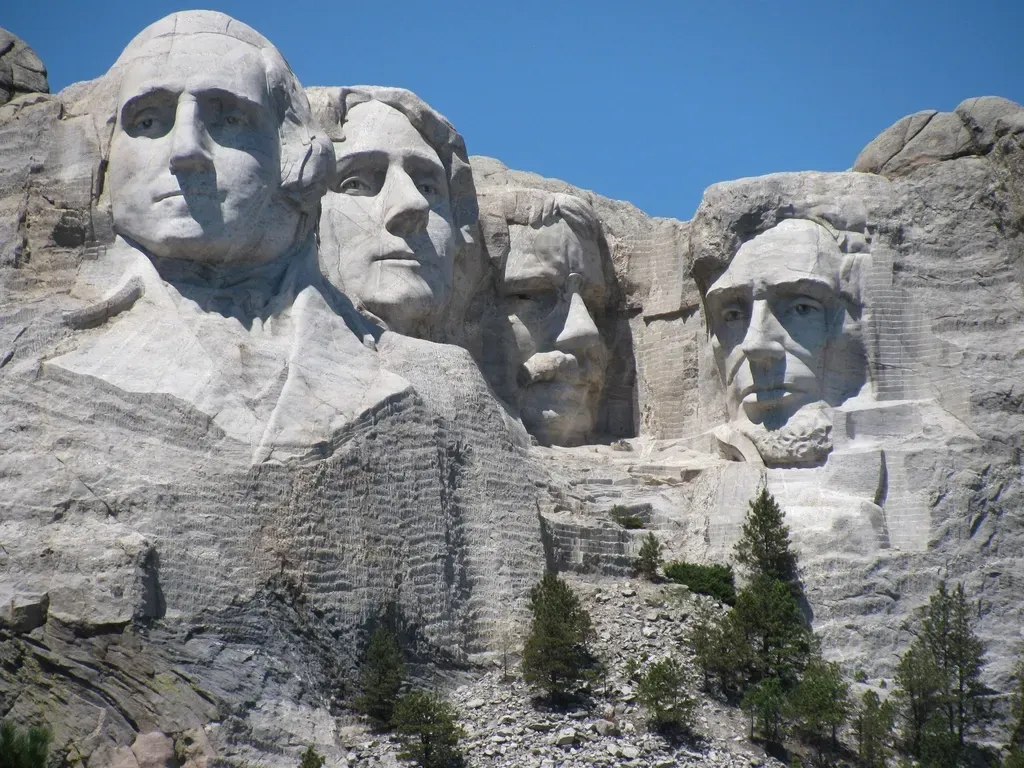
When you visit Mount Rushmore, the official narrative you are given is polished, patriotic, and focused on the dramatic faces on the mountain and the broad strokes of American history. There is not much time spent walking you through half‑completed inner projects or old disagreements over what should have been built inside. Part of that silence is simple practicality: park rangers have only so long to talk to crowds, and they stick to the safest, clearest version of the story that fits into a family vacation schedule.
There is also an understandable desire by agencies to emphasize what exists and works, not what got left behind, sealed off, or abandoned. Telling you too much about inaccessible rooms raises questions about safety, security, and intent that can be awkward to handle in a casual setting. From a bureaucratic point of view, it is easier if you focus on the viewing platform and the visitor center, not on a locked door in a cliff that you can never approach. The result is that something real, but incomplete, quietly slips into the background of public awareness, where it can easily be reshaped by rumor.
How Knowing About the Sealed Rooms Changes the Way You See Mount Rushmore
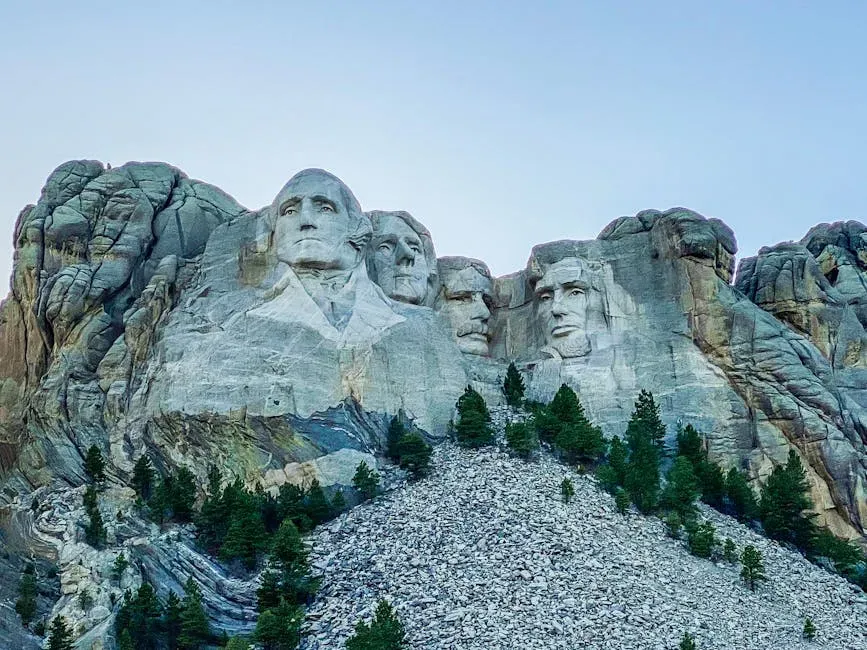
Once you know that there are sealed rooms and an unfinished inner vision hidden in the rock, you will probably never look at Mount Rushmore the same way again. The monument stops being just four granite faces and becomes more like a layered story about ambition, compromise, and selective memory. When you stand there, you are no longer just staring up; you are also imagining the dark space behind the stone, the abandoned staircases that could have been, and the messages intended for people who are not even born yet.
This knowledge can make your experience more unsettling, but also richer. You see that what you are allowed to visit is only one version of the site, curated and simplified, while another version sits literally walled off inside the mountain. In a strange way, those sealed rooms become a mirror for how a country handles its own history: it celebrates the parts it is comfortable with out in the open and quietly tucks the rest into hidden corners. The next time you find yourself under those towering faces, you might catch yourself wondering not just what is on the surface, but what else is always just out of sight, locked behind a door you cannot see.
In the end, the sealed rooms beneath and behind Mount Rushmore are less about high‑tech secrets and more about very human ones: unfinished projects, shifting priorities, and the urge to control how a story is told. You are looking at a monument that contains its own hidden footnotes, carved into the same rock yet kept away from everyday view. Maybe that is the real mystery here: not what wild scheme might be unfolding underground, but how much of any nation’s story is quietly sealed off where most people will never look. Now that you know those rooms exist, what else in history do you suspect is still locked behind a closed door?