
When you picture the American Southwest, you probably see blazing sunsets, red rock canyons, and desert highways that seem to stretch forever. What you might not immediately think about is the quiet, coiled presence hiding in the rocks and grass: rattlesnakes. These snakes are woven into the story of this landscape just as much as saguaros and slot canyons, and the reality of how they live is far more fascinating than the scary legends.
If you spend any time hiking, camping, or road-tripping through places like Arizona, New Mexico, Nevada, or West Texas, you’re in rattlesnake country whether you see one or not. Learning how they actually behave, how their venom works, and how to stay safe around them not only calms your nerves, it gives you a deeper respect for one of the Southwest’s most iconic animals. Once you understand them, you stop thinking of rattlesnakes as desert villains and start seeing them as expert survivors playing a crucial role in the ecosystem you’re exploring.
1. You Share the Southwest With More Rattlesnake Species Than You Think
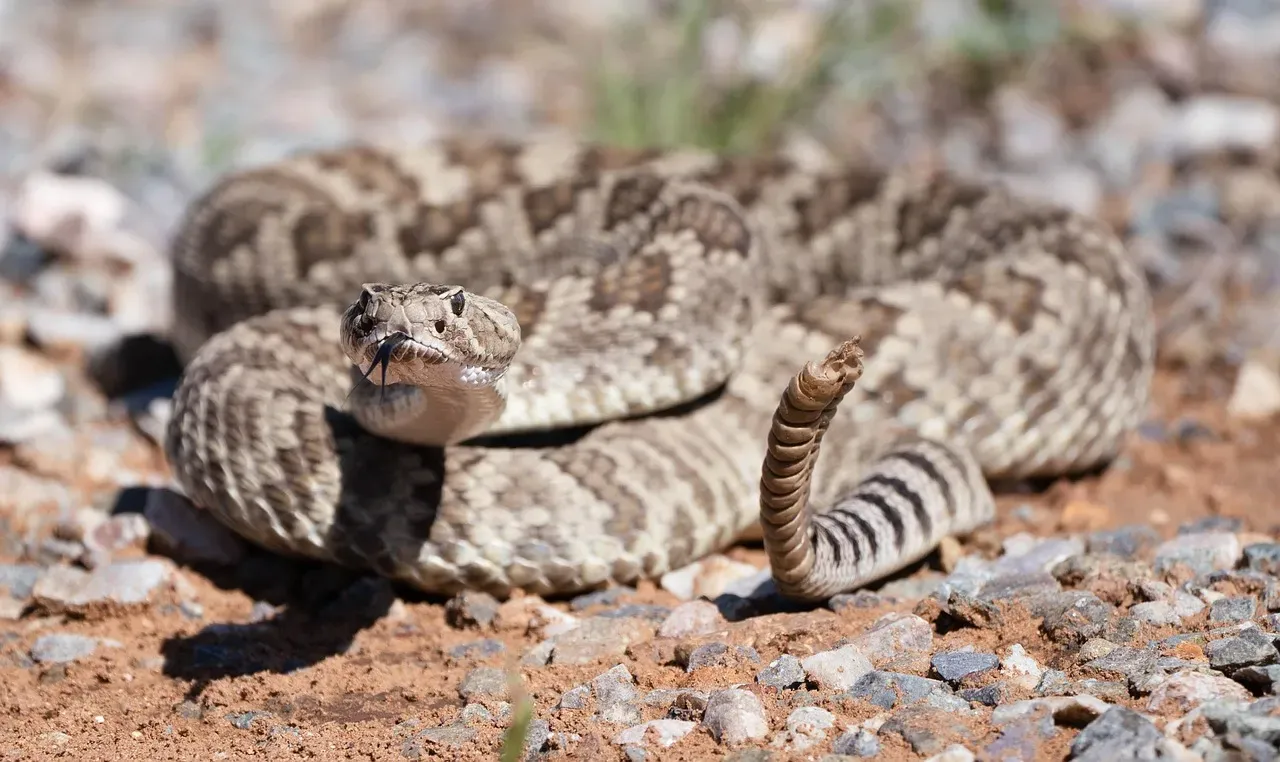
When you walk across a dusty trail in Arizona or cruise down a back road in Texas, you might assume there’s just “the” rattlesnake out there. In reality, you’re surrounded by a surprising variety of species, each adapted to a specific slice of the Southwest. You’ve got heavy-bodied Western diamondbacks, cliff-hugging rock rattlesnakes, and sidewinders surfing across loose sand like living boomerangs. If you added in all the local species and subspecies across the region, you’d be counting well over a dozen distinct types.
What this means for you is that rattlesnakes are not a one-size-fits-all animal. A snake you encounter in a New Mexico canyon can look and behave quite differently from one you see on a Nevada dune. Their color patterns can range from pale gray and sandy beige to dark, mossy green or nearly black, often blending almost perfectly with their home terrain. When you realize just how diverse they are, you start paying closer attention to where you put your hands and feet because the rattlesnake in your area may be a specialist in exactly the kind of habitat you’re walking through.
2. That Famous Rattle Is a High-Tech Warning System, Not a Battle Cry
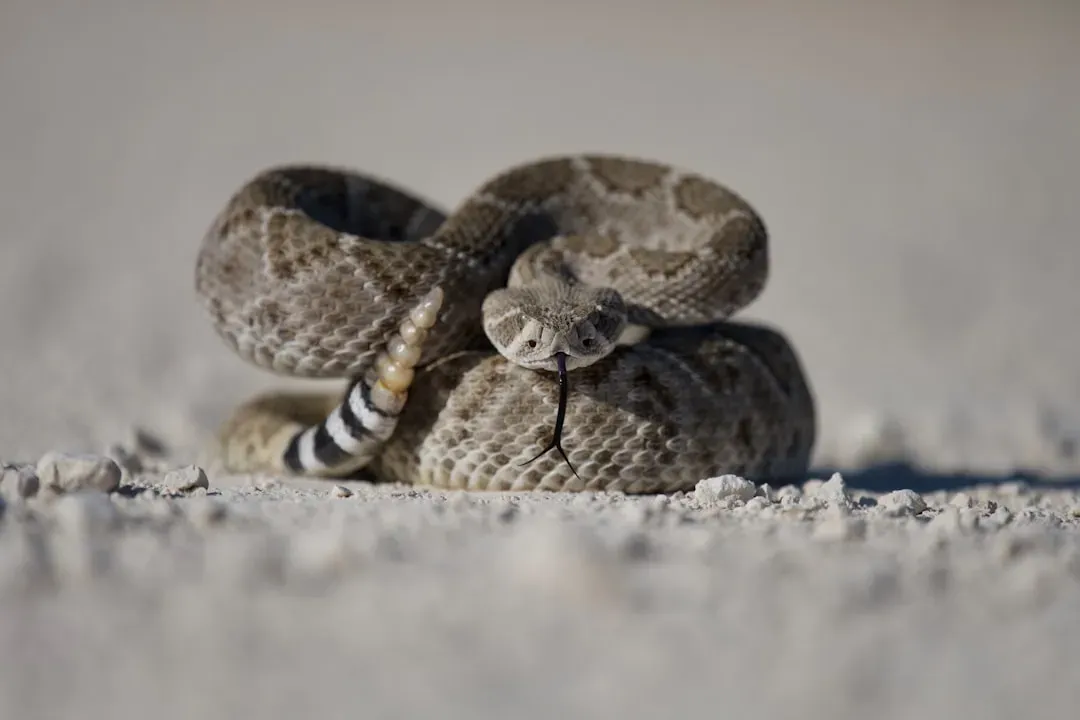
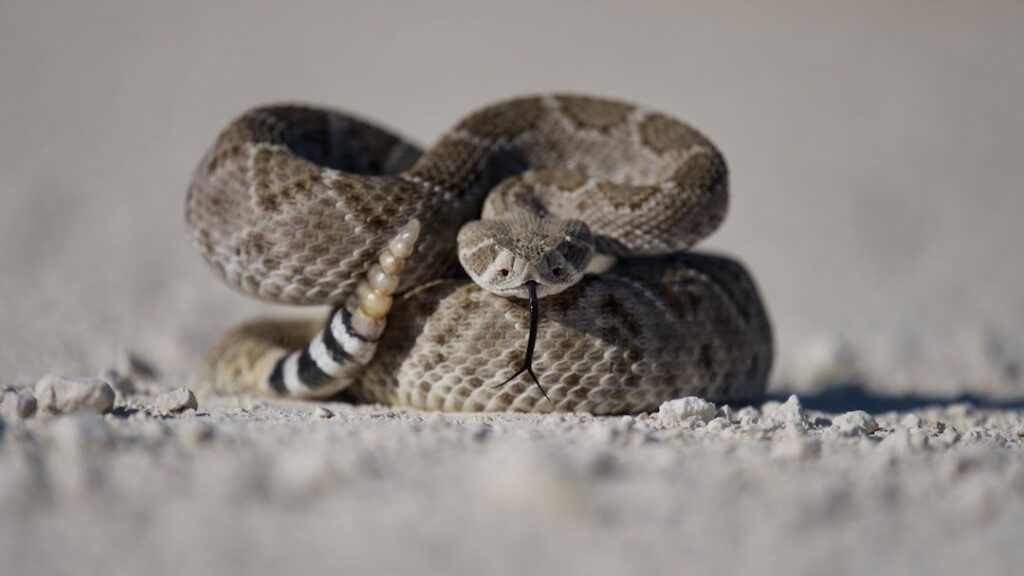
When you hear that sharp buzzing rattle for the first time on a trail, your heart probably jumps into your throat. Your brain might translate that sound as a threat, but to the snake, it’s actually a last-ditch plea to avoid conflict. The rattle is made of hollow, keratin segments – essentially tough, layered rings – at the end of the tail. When the snake vibrates its tail at high speed, those segments knock together and produce that unmistakable buzz. You’re not listening to a war drum; you’re listening to a safety alarm that says, very clearly, “Stop right there.”
In practice, the rattle is doing you a massive favor. A rattlesnake that warns you early is giving you the chance to step back, reroute your path, and walk away completely unharmed. The frustrating twist is that in heavily disturbed or persecuted areas, some snakes seem to rattle less because loud snakes are often the ones people find and kill. That means you can’t rely on always hearing a warning before you’re close. So if you’re hiking in rocky or brushy country, you treat every log, rock pile, and patch of tall grass like it might conceal a silent neighbor that would rather be left alone.
3. Rattlesnake Venom Is Complex – and Most Bites Are Actually Defensive
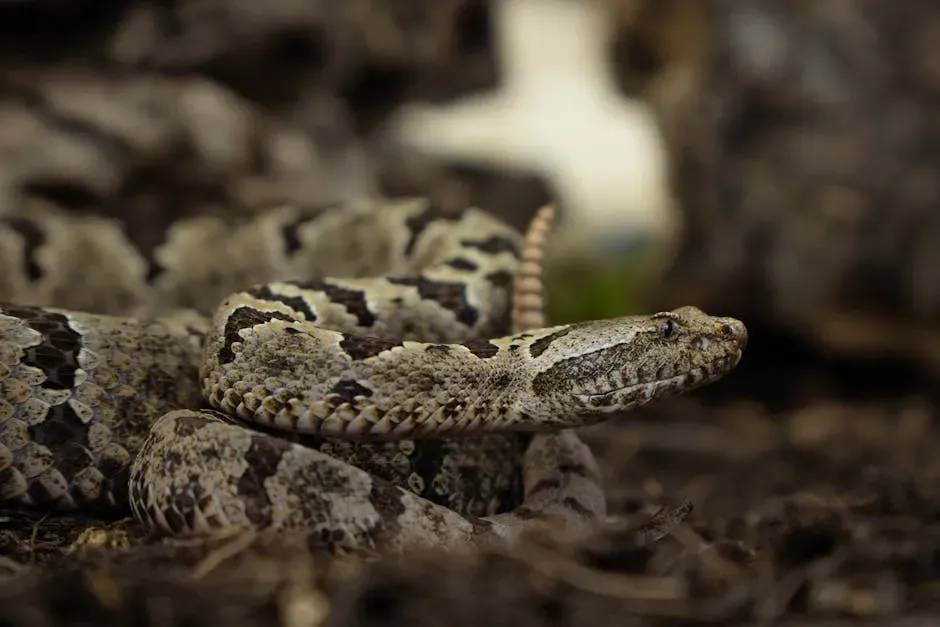
It’s easy to lump all rattlesnake bites together in your mind as equally catastrophic, but the venom story is far more complicated. Rattlesnake venom is a chemical cocktail that can include components that damage tissue, affect blood clotting, or interfere with the nervous system. Different species in the Southwest lean more heavily toward different venom effects, and even within a single species, venom can vary from one region to another. On top of that, a snake does not always inject the same amount of venom every time it bites, and sometimes it may inject very little or even none at all.
From your perspective, the biggest shift in mindset is understanding that most bites are defensive, not predatory. The snake isn’t trying to “get” you; it’s trying to get you to go away. When you accidentally step too close or try to pick up or kill a rattlesnake, you’re forcing it into a corner where a bite becomes its best survival option. The smartest way to protect yourself is to avoid putting a snake in that position in the first place: watch your step, never reach blindly into rocks or brush, and if you see a rattlesnake on the trail, simply give it space instead of trying to move or harass it.
4. They Are Masters of Camouflage You’ll Walk Past Without Ever Noticing
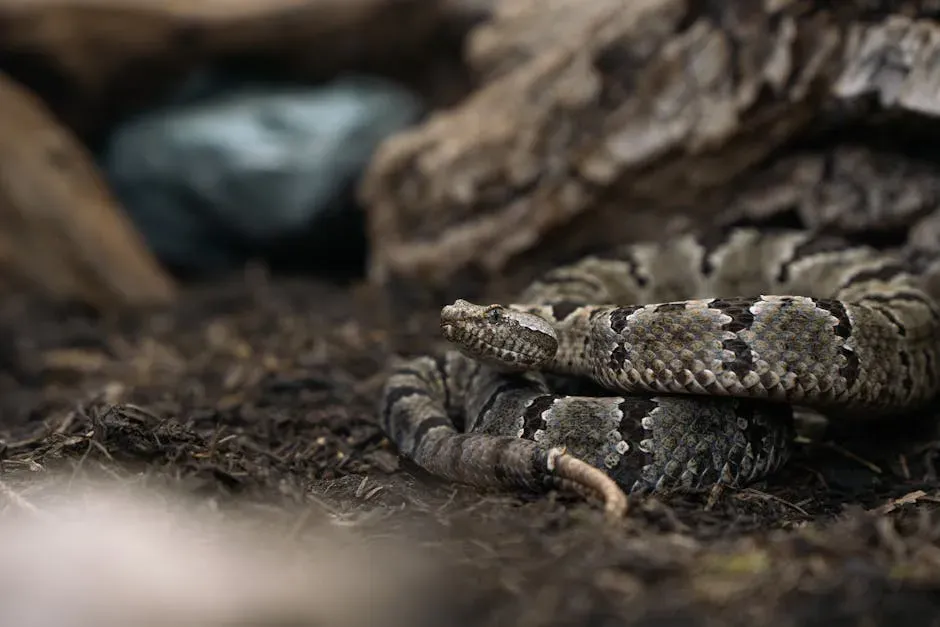
If you’ve hiked a busy trail in the Southwest without seeing a rattlesnake, it doesn’t mean they weren’t there – it often means they blended in so perfectly that you walked by unaware. Rattlesnakes are visual magicians. A rock rattlesnake draped across mottled limestone can look like just another patch of shadow and stone, while a Mojave rattlesnake in a sandy wash can resemble a twisted stick or dry clump of grass. Your eyes want to find clear, solid shapes, but these snakes are built to break up their outline and disappear into the background.
Once you realize how effective that camouflage is, you start adjusting your behavior. Instead of placing your hands on rocks without looking, you scan the area for subtle patterns: a curve that looks too smooth, a set of darker diamonds, a coil that forms a suspicious “C” shape. You learn to shine a flashlight ahead of your feet at night, especially around camp or on uneven terrain. The more you accept that the snakes are there whether you see them or not, the more careful and deliberate you become in how you move through their world – and that’s exactly what keeps both you and them safe.
5. Rattlesnakes Are Surprisingly Shy and Prefer to Avoid You
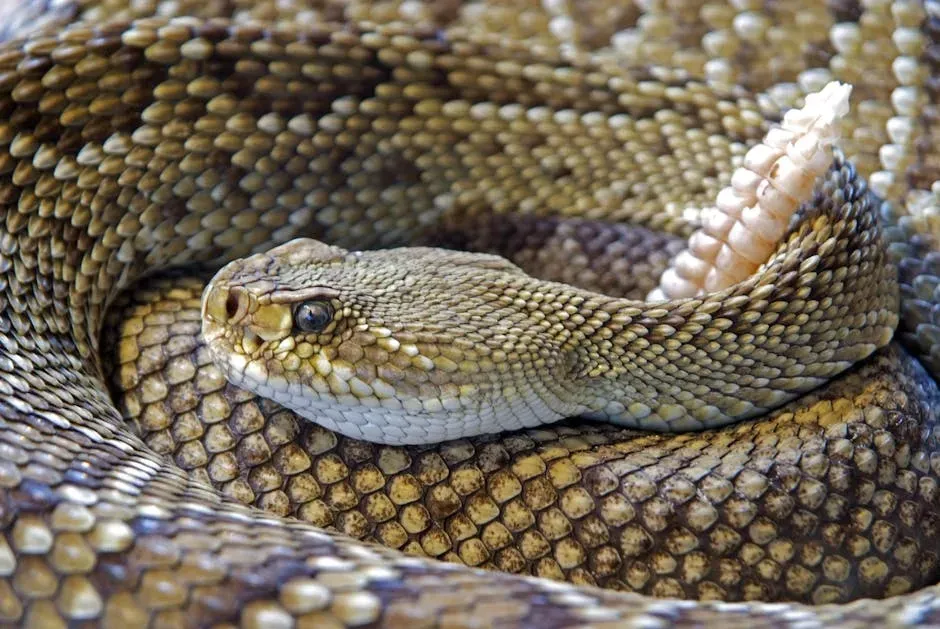
The mental image many people carry is of an aggressive rattlesnake just waiting to chase them down. If you spend enough time in real rattlesnake country, you discover how far off that picture really is. In most encounters, the snake’s first choice is to freeze and hope you pass by, or quietly slip away if it has room to retreat. Think about it from the snake’s perspective: you’re a huge, unpredictable animal that could easily crush it, and there is no evolutionary benefit in picking a fight with a creature it can’t eat.
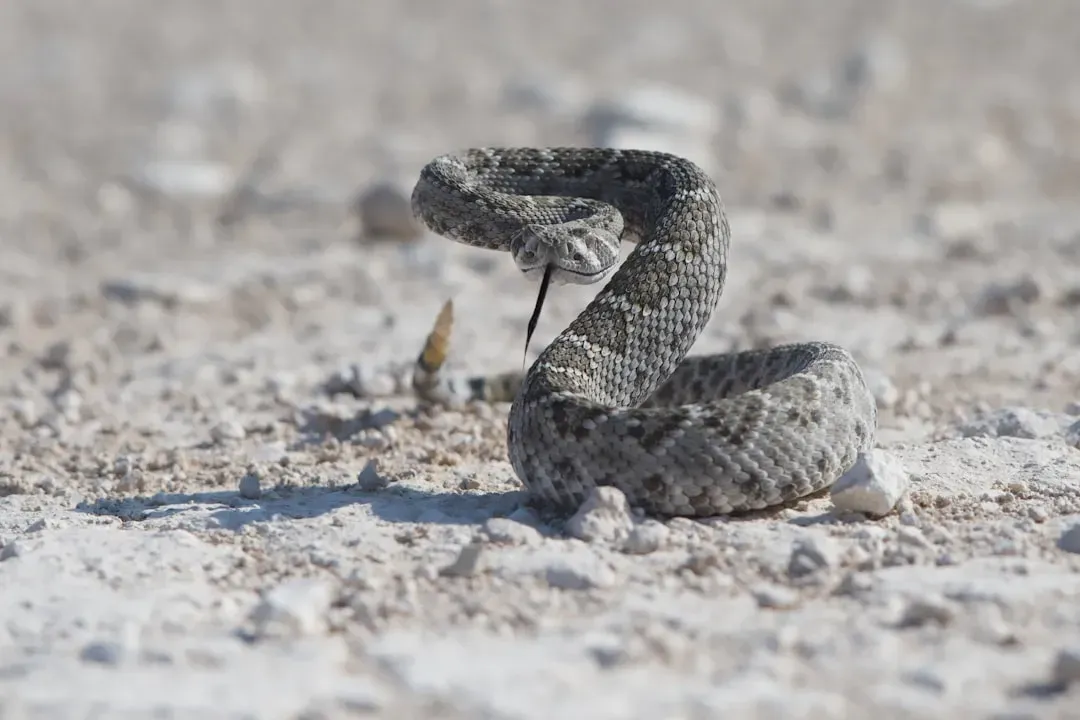
When you finally do see a rattlesnake that stands its ground, coils, or rattles, what you’re looking at is a scared animal backed into a corner, not a bully spoiling for a fight. If you step back a few paces and wait, you’ll often see the posture relax and the snake retreat once it feels there is an escape route. This is why people who spend years hiking, surveying, or guiding in rattlesnake country rarely get bitten: they learn to interpret that defensive display as a clear, simple message and respond by giving space instead of escalating the encounter.
6. They Play a Huge Role in Controlling Rodents (Which Ultimately Helps You)
If you strip the emotion out of the word “rattlesnake” for a second and just think in terms of cause and effect, these snakes are quietly doing you a favor. Much of their diet in the Southwest is made up of rodents – mice, rats, gophers, and other small mammals that can explode in number when conditions are right. Without predators like rattlesnakes, those populations can boom and start raiding crops, chewing through wiring, and spreading diseases that affect people and pets. It is not an exaggeration to say the balance of rodent numbers in many wild and rural areas depends heavily on snakes.
When you remove rattlesnakes from an area, you do not create a “safer” place so much as you create an ecological hole. Rodents fill that gap fast, and then people usually turn to poisons and traps to compensate, which can harm other wildlife and even non-target pets. By contrast, when you tolerate rattlesnakes at a distance and allow them to live in their natural habitats away from homes, they quietly perform rodent control around the clock without any chemicals or maintenance. If you care about balanced ecosystems, fewer pests, and healthier landscapes, learning to coexist with rattlesnakes ends up being in your best interest.
7. Their Heat-Sensing Pits Give Them a Kind of “Sixth Sense” at Night
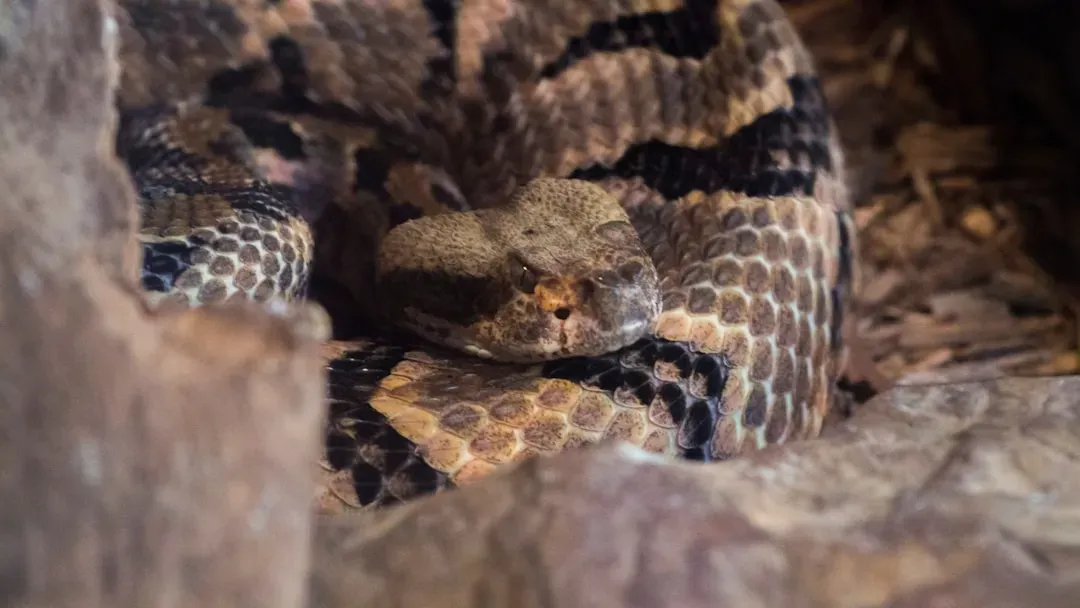
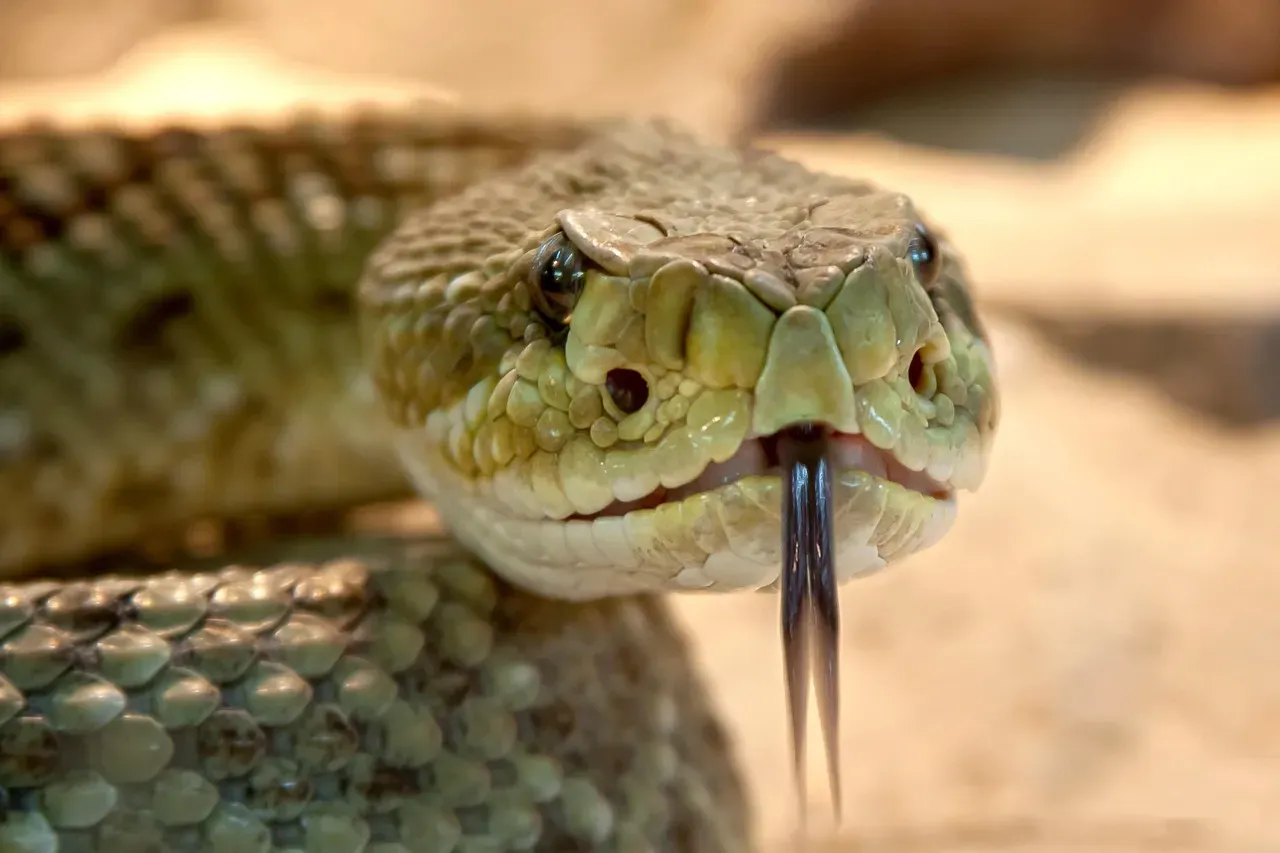
On a warm desert night, when you can barely see your own boots without a headlamp, a rattlesnake can track a warm-blooded mouse as if someone flipped on a thermal camera. Those little pits you see between a rattlesnake’s eyes and nostrils are heat-sensing organs, capable of detecting tiny differences in temperature. To you, the desert may seem silent and still after dark, but to a rattlesnake, it is full of thermal signatures – small mammals, birds, and lizards glowing like neon against a cooler background.
This sense does more than just make them efficient hunters; it also affects how you think about hiking and camping after sunset. Just because you do not see much wildlife with your flashlight does not mean nothing is moving. Rattlesnakes are often more active on warm nights, especially in spring and early fall, when temperatures are comfortable for them to move and hunt. That is why it pays to use a light when walking around camp, avoid wandering barefoot, and think twice before sitting or placing your hands on rocks you have not checked. You’re stepping into their most active hours, so extra awareness is your best tool.
8. They Change Their Daily Routine With the Seasons
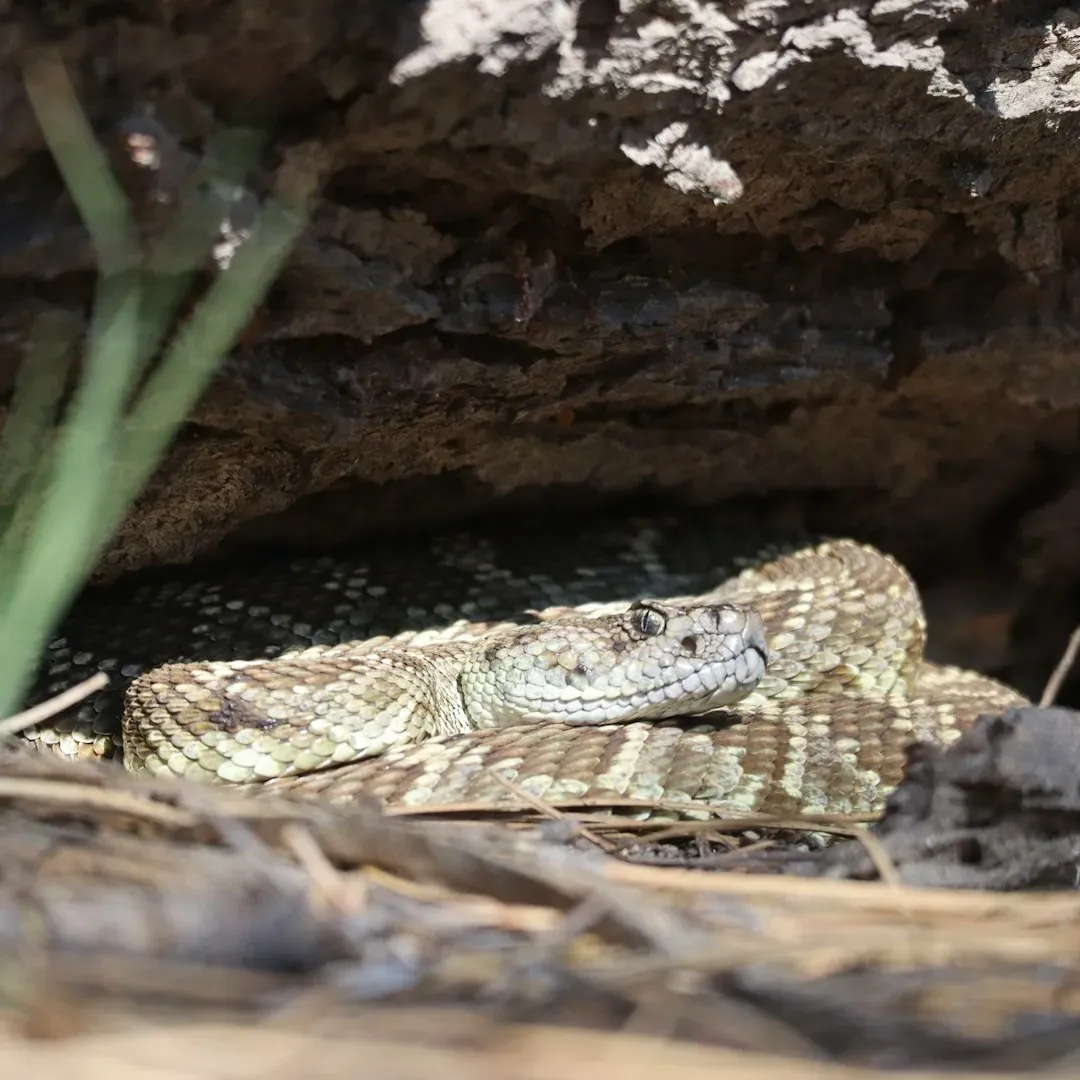
If you only visit the Southwest in one season, you might assume that is how rattlesnakes always behave. In reality, they adjust their schedule dramatically based on temperature and weather. During the cooler months, they are more likely to bask in the sun or move around in the late morning when it is warm enough to function. As the brutal summer heat arrives, many shift to being crepuscular or nocturnal, becoming more active around dawn, dusk, and after dark when the ground is not scorching hot.
For you, this seasonal rhythm should shape how and when you stay alert. On a pleasant spring morning, you keep a close eye on open, sunny spots where a snake might be warming up. In the dead of summer, you realize that early morning and late evening hikes can bring you into peak activity windows, so you avoid walking in the half-light without good visibility. In winter or in colder high-elevation areas, rattlesnakes may den up in sheltered spots, sometimes with multiple snakes sharing the same site, and you think twice about disturbing rock piles or crevices that might be serving as their seasonal refuge.
9. Most Bites Happen When People Try to Handle or Kill Them
If you look at what actually leads to many rattlesnake bites, a clear pattern emerges: people getting too close on purpose. A common scenario is someone spotting a snake on a trail or near a campsite and deciding to move it with a stick, pose with it for a photo, or kill it with a shovel or rock. In that moment, you are stepping directly into the snake’s strike zone and putting intense pressure on it, which dramatically increases the chance it will defend itself with a bite. It is not bad luck so much as a predictable response to risky choices.
The uncomfortable truth is that the safest behavior is also the simplest: you leave the snake alone. If you encounter one on a trail and it is blocking the way, you back off and give it time to move away on its own, or you take a wide detour if you have safe room. Around homes or ranches, you can work with local wildlife professionals or snake relocation services instead of trying to deal with a rattlesnake yourself. When you accept that “do not touch, do not harass, do not kill” is the golden rule, you instantly drop your bite risk far more than any gadget or trick could ever do.
10. You Can Dramatically Reduce Your Risk With a Few Smart Habits
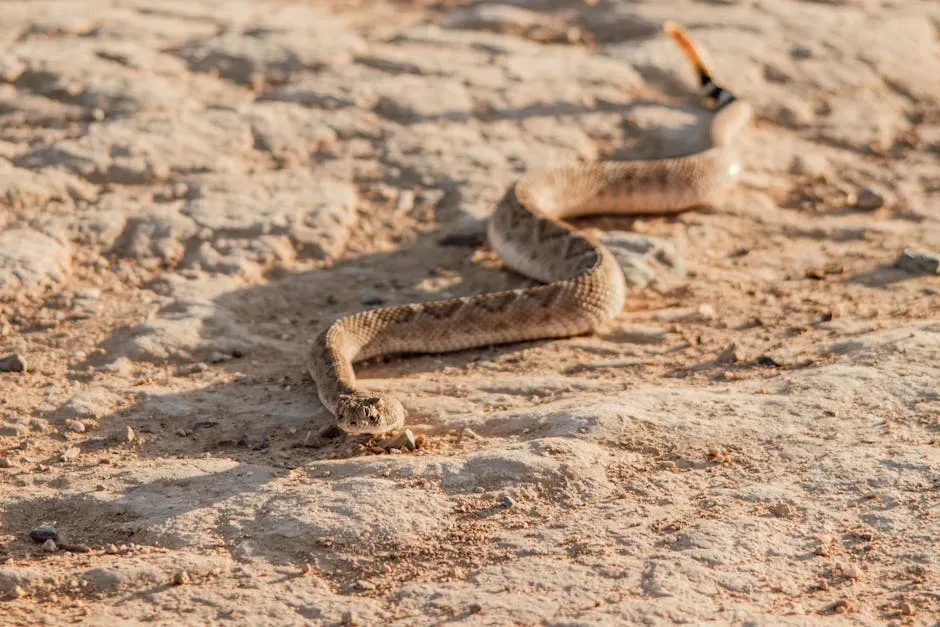
Living in or exploring rattlesnake country does not mean you have to be terrified every time you lace up your boots. A handful of practical habits go a long way. Wearing sturdy, closed-toe shoes and long pants makes an accidental strike to the lower leg less likely to reach your skin. Staying on clear, open trails instead of bushwhacking through dense brush gives you better visibility. Using a flashlight around camp and when walking at night helps you spot a snake before you step too close. These small routines add up to a big safety buffer.
You can also prepare mentally so you know what to do if the worst happens. If someone is bitten, you stay calm, keep the person as still as possible, remove tight jewelry or clothing near the bite before swelling starts, and get them to medical care quickly. You do not cut the wound, suck out venom, apply a tourniquet, or pack the bite in ice – those old myths can make things worse. Most importantly, you remember that with modern medical treatment, many people survive rattlesnake bites, and the best outcome always starts with fast, calm action rather than panic.
In the end, rattlesnakes are not the monsters you may have grown up imagining; they are cautious, complex animals that happen to carry serious defensive weapons. When you learn how many species live across the American Southwest, how their venom and senses work, and how badly they want to avoid you, your fear slowly shifts into informed respect. You start hiking a little more carefully, camping a little more thoughtfully, and seeing each rattlesnake encounter as a glimpse into how wild this landscape still is. The next time you hear that dry buzz in the distance, will you feel only fear, or will you recognize it as a reminder that you are sharing the desert with a survivor that has been here far longer than you have?