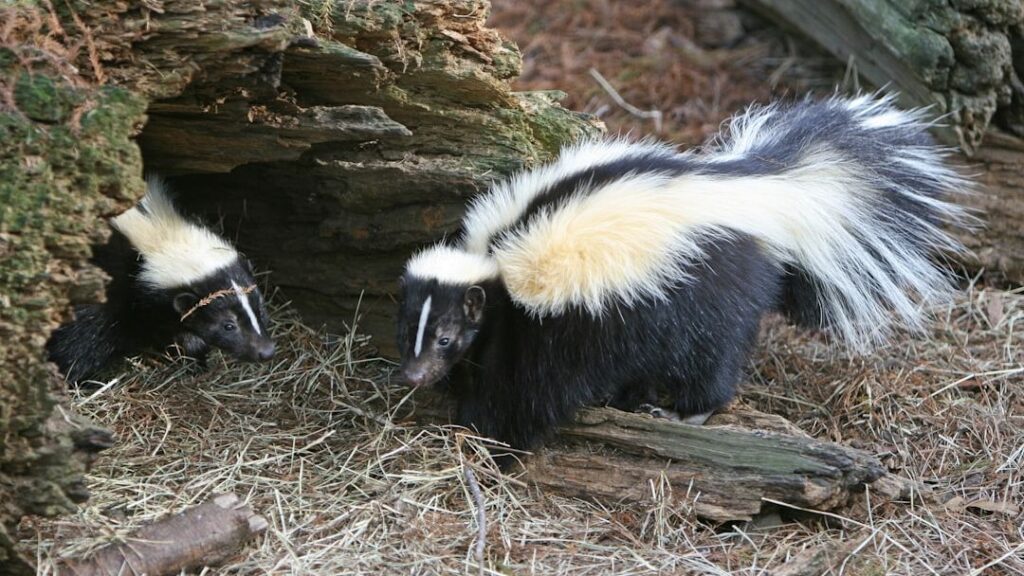

If you think skunks are just smelly little troublemakers, you’re wildly underestimating them. Behind that black-and-white fur is an animal with chemistry skills, social quirks, and survival tricks that would put a superhero movie to shame. The more biologists study skunks, the more they realize these animals are much stranger, smarter, and more complex than the old cartoon stereotypes.
Once you get past the infamous spray, you find an animal that can glow under certain light, communicate with subtle body language, and survive predators that would kill almost anything else. I still remember the first time I read that their spray can actually blister skin if concentrated enough, yet they avoid using it if they possibly can. From secretive winter habits to weirdly cute family behavior, these are the kinds of facts that make you see skunks in a completely different way.
1. Skunks Are Not Weasels, But They Used To Be
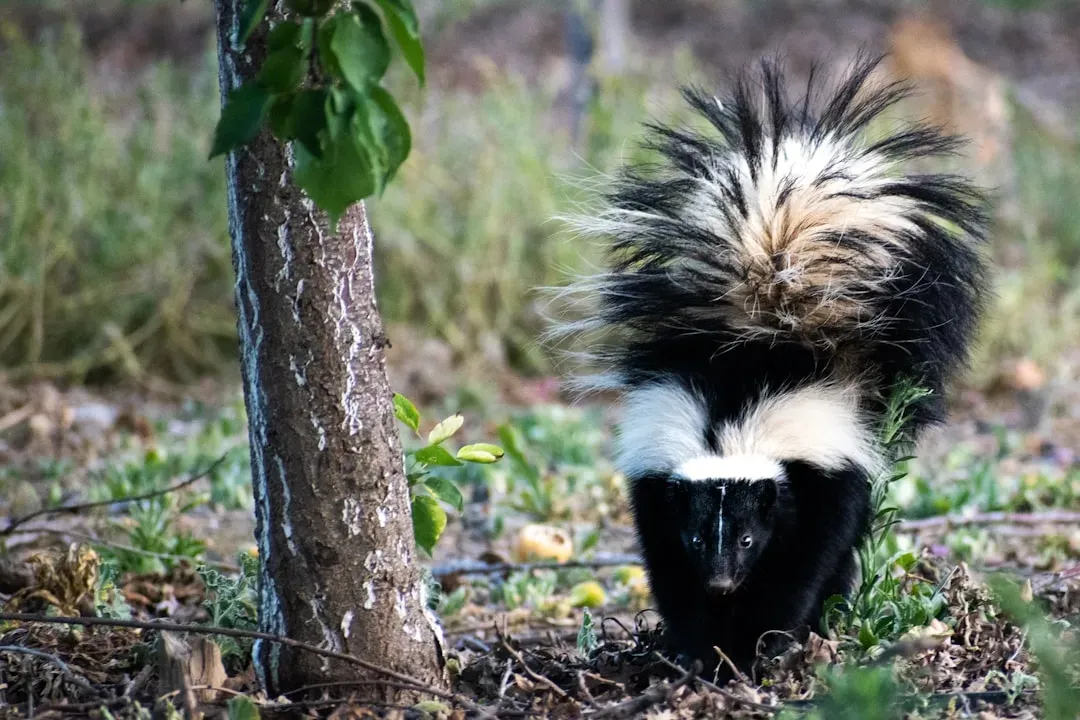
Most people casually lump skunks in with weasels, ferrets, and badgers, and for a long time scientists did the same thing. Skunks were once classified in the same family as weasels, mostly because they share a similar body shape and some hunting behaviors. But as genetic tools improved, researchers realized skunks are unique enough to deserve their own family, called Mephitidae, which sets them apart from classic mustelids like mink and otters.
That might sound like a boring taxonomic tweak, but it actually tells a cool story about evolution. Skunks evolved their famous spray system down a very different path from their supposed weasel cousins, and their skull shape and teeth are distinct too. Think of it like finding out a person you always thought was a close cousin is actually a distant relative with a totally different family tree. Skunks still share an ancient ancestor with weasels, but today they stand in their own oddball branch of the mammal world.
2. Their Spray Is a Precision Chemical Weapon, Not Just a Bad Smell
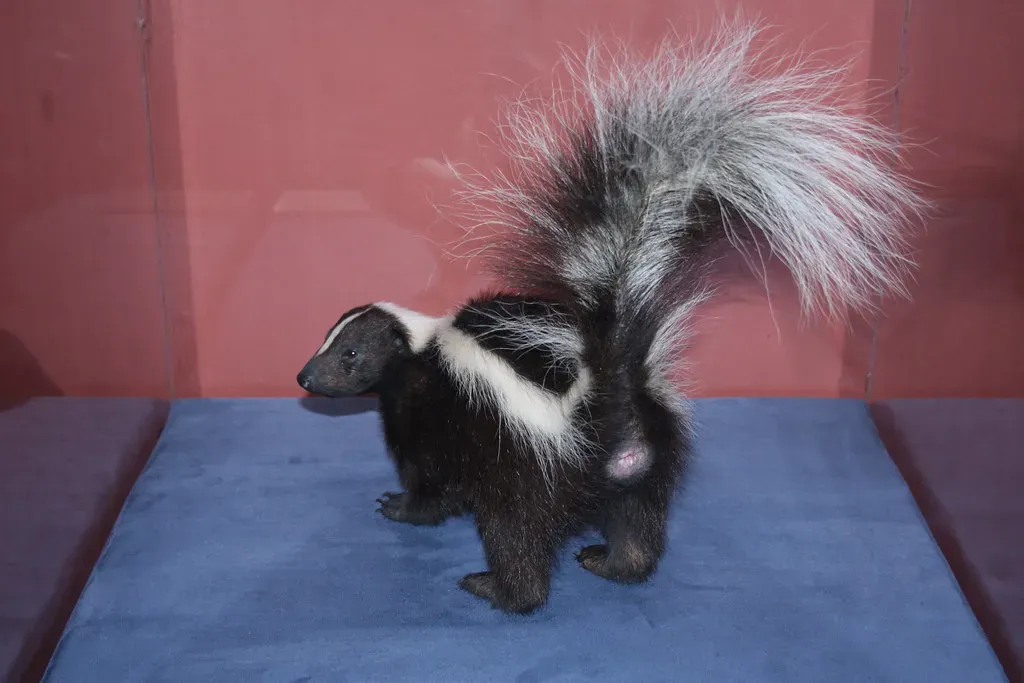
Everyone knows skunks smell terrible, but the chemistry behind that stink is way more sophisticated than people realize. Their spray is made of sulfur-based compounds called thiols and related chemicals that are incredibly potent even in tiny amounts. These compounds bind strongly to proteins in your nose and skin, which is why that smell clings to clothes, hair, and even car interiors for days if you do not deal with it properly.
On top of that, the spray is not just a random squirt of nastiness; it is a targeted defense weapon. Skunks can aim their spray like a pressurized hose, adjusting both range and direction, and in some species, the fluid can reach several meters with surprising accuracy. At close range and high concentration, it can cause intense burning in the eyes and temporary blindness, which is no joke if you are a predator trying to catch dinner. It is less like a bad odor and more like nature’s version of tear gas with a built-in warning label.
3. Skunks Give Plenty of Warnings Before They Spray
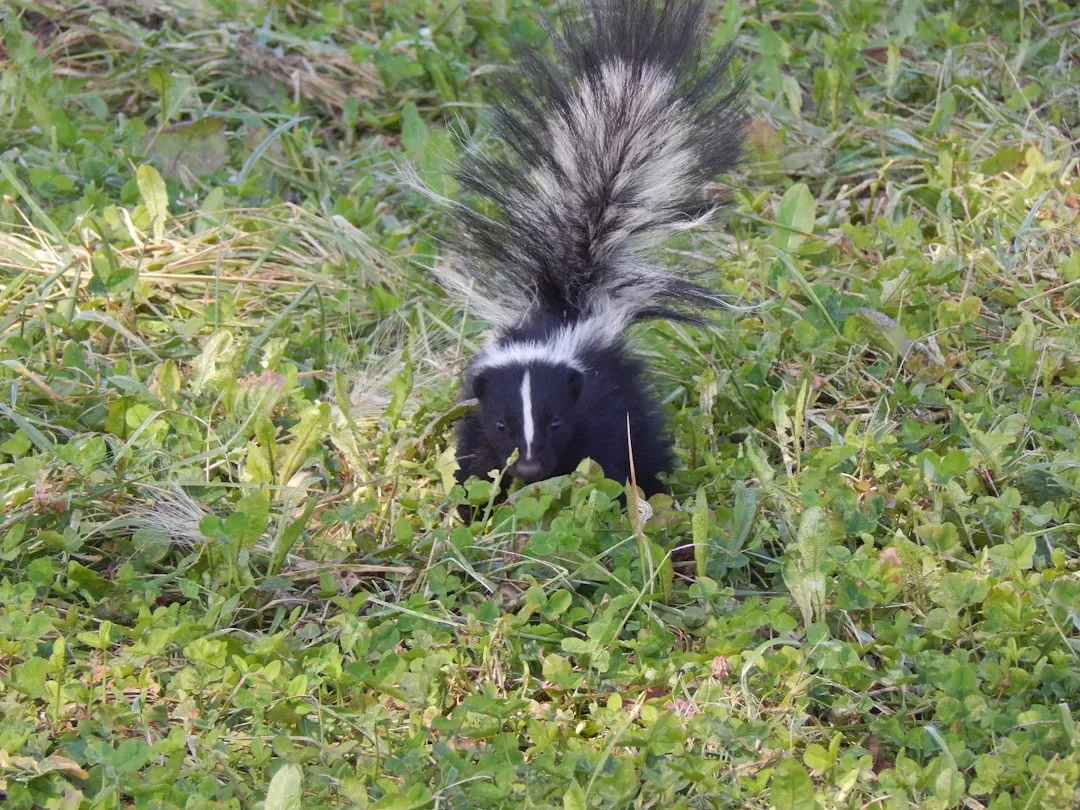
Despite their reputation, skunks really do not want to spray you. That stuff takes time and energy to produce, and they only carry a limited supply that can take days to fully refill. Because the spray is their last line of defense, they rely on a whole set of warning signals first, hoping you get the message and back off before things escalate.
If you ever see a skunk stamping its front feet, arching its back, or turning around while looking back over its shoulder, that is the animal version of a flashing red alarm. Some species will even do handstand-like poses to show off their stripes and make themselves look larger and more dramatic. In a way, they are begging you not to make them use their nuclear option. Most wild predators learn fast: ignore a skunk’s dance once, and you probably will not forget the lesson.
4. Their Stripes Are Like a Built-In Warning Label
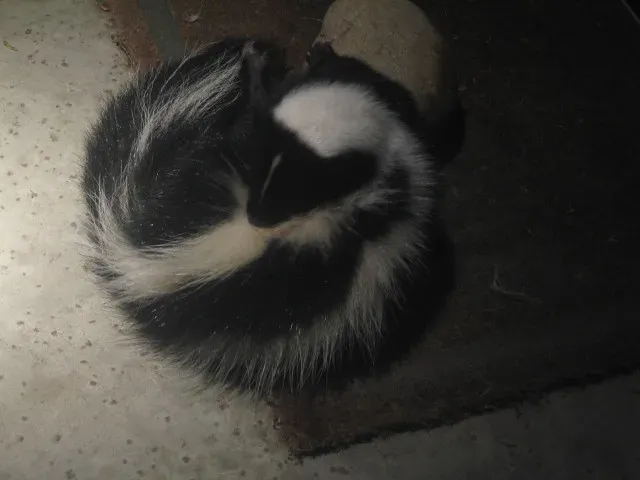
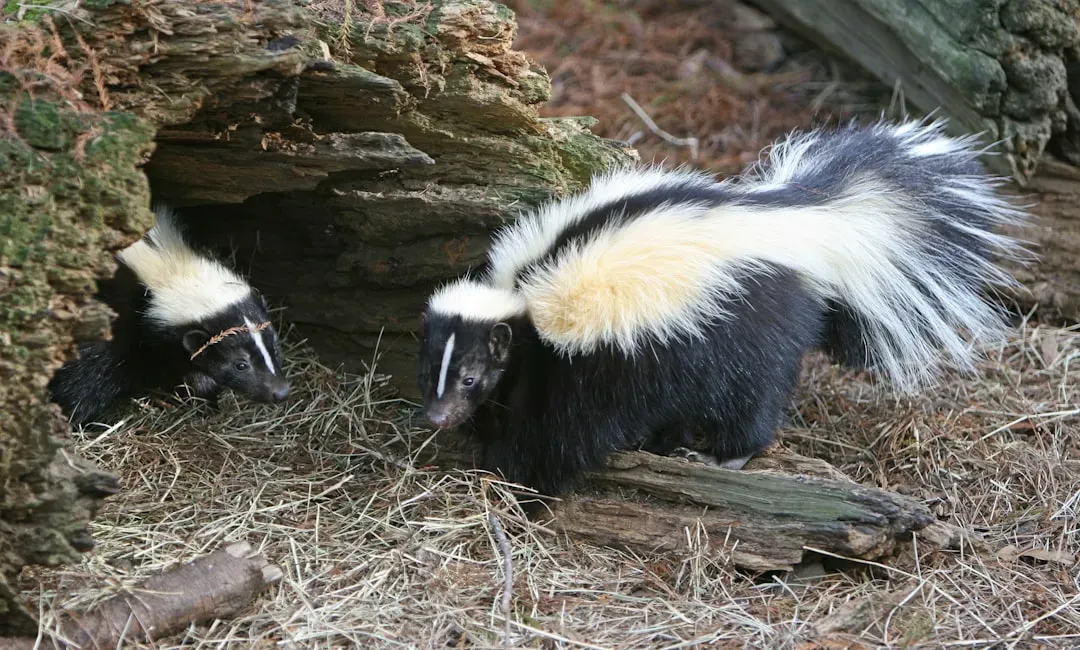
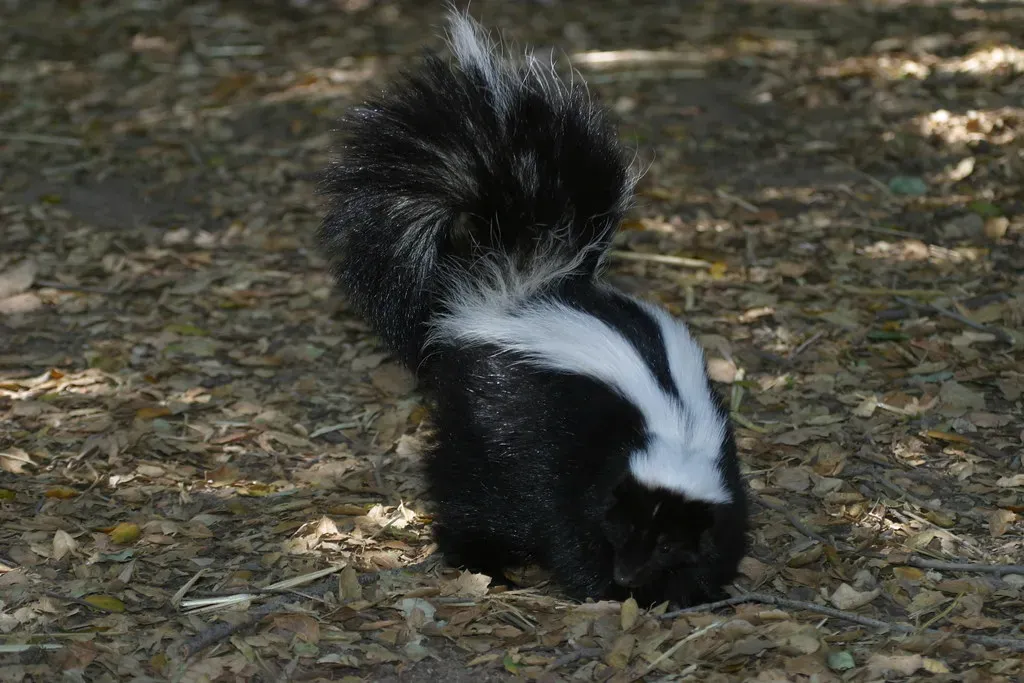
Skunks’ black-and-white coats look stylish, almost like a tiny animal wearing a tuxedo, but that pattern is not about fashion. Biologists see it as classic warning coloration, a bold visual signal that basically says, do not mess with me. The high contrast of black and white stands out even in low light, which is perfect for a mostly nocturnal animal trying to send a clear message to potential predators.
Interestingly, the placement of the stripes often points toward the most dangerous part of the body. On many skunks, the stripes run from the head down the back toward the tail, almost like arrows leading straight to the scent glands. Predators learn to associate that specific pattern with a miserable experience, so the stripes become a kind of survival advertisement. It is like a brand logo you never forget after one terrible interaction.
5. Skunk Spray Glows Under UV Light
Here is one of the strangest and coolest facts: skunk spray can fluoresce under ultraviolet light. That means if you shine a UV flashlight on areas where skunk fluid has landed, you may see a faint glow that reveals exactly where the chemical hit. Wildlife biologists and animal control workers actually use this trick sometimes to locate contaminated spots for cleanup.
This glowing effect comes from specific compounds in the secretion that react to UV wavelengths. It is not that skunks evolved this on purpose as a visible feature, but it is a handy side effect for humans trying to understand or manage them. In a weird way, it turns an invisible problem into something you can actually see and deal with. It also adds another layer of sci-fi vibe to an animal that already seems like it walked out of a comic book lab experiment.
6. They Eat Far More Pests Than Trash
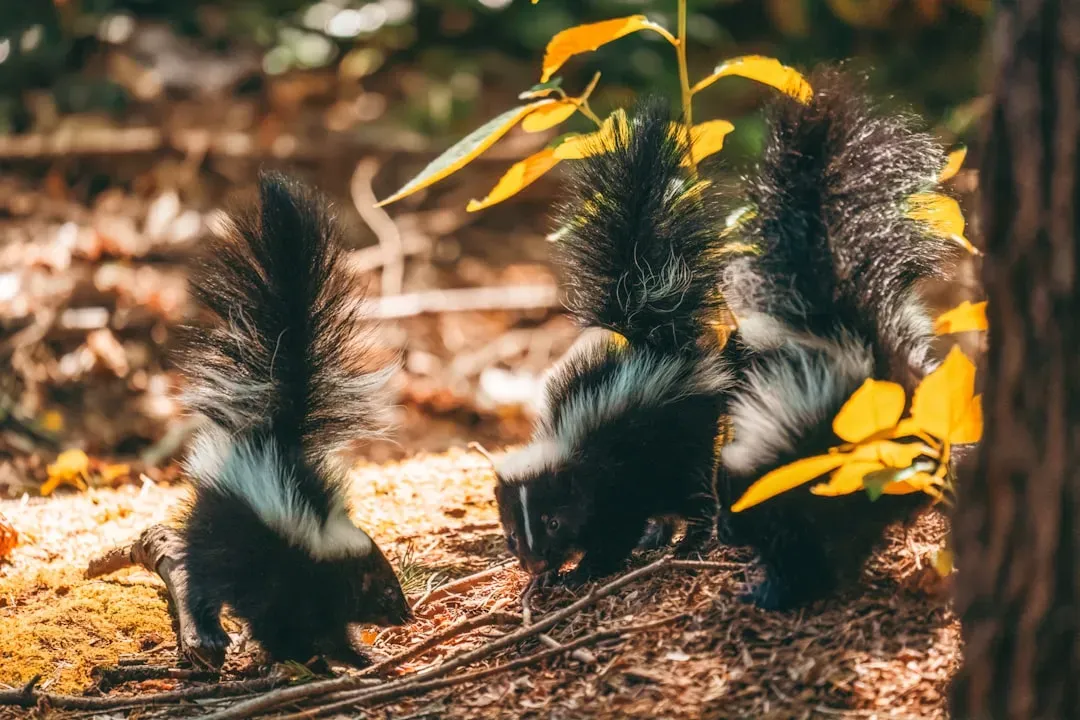
Because skunks sometimes raid garbage cans or chicken coops, people assume they are mostly trouble. In reality, they are opportunistic omnivores that eat a ton of insects and small animals that humans consider harmful. A skunk’s menu often includes beetles, grubs, crickets, wasp larvae, mice, and even small snakes, many of which are serious agricultural or garden pests.
Farmers who pay attention often realize that a skunk quietly patrolling a field at night is doing free pest control. By digging up and eating insect larvae, they can reduce future outbreaks that would damage crops or lawns. Yes, they can cause problems if they move under a porch or go after poultry, but their overall ecological role is more helpful than most of us give them credit for. It is a bit like discovering the neighborhood troublemaker is secretly the one keeping the park clean after dark.
7. Some Skunks Share Winter Dens Like Tiny Roommates
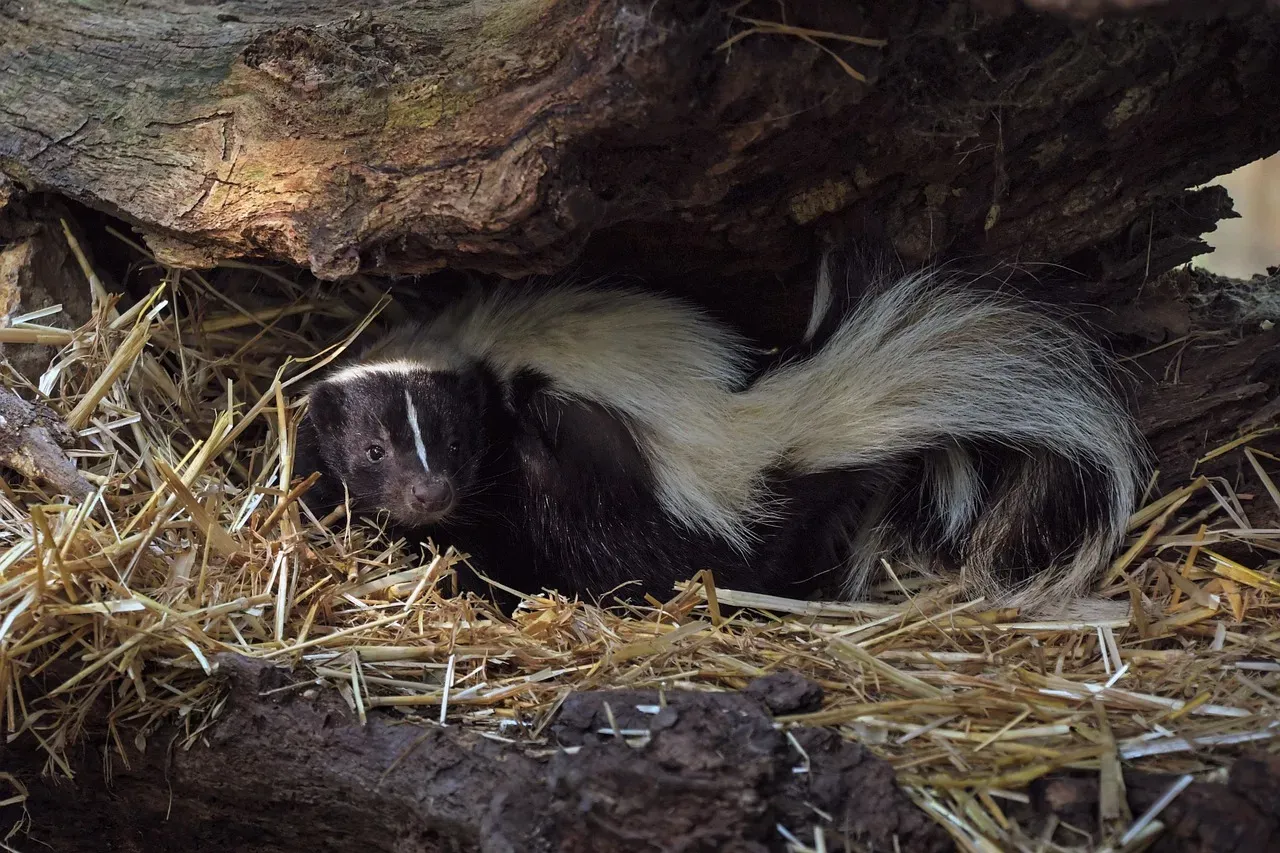
Skunks do not truly hibernate in the deep, bear-like sense, but they do slow down and sleep a lot more in winter. In colder regions, females in particular may gather together and share a communal den to conserve heat. Researchers have found multiple skunks curled up in the same underground burrow or sheltered space, almost like a furry living blanket.
This den-sharing behavior helps them ride out harsh weather while spending less energy on staying warm. Males tend to be more solitary, but even they can become less active in the coldest months, living off fat reserves built up in fall. To an outside observer, an occupied skunk den might look completely lifeless for long stretches, with only occasional tracks in the snow as a clue. Inside, though, there is a quiet, slow-motion social life happening under your feet.
8. Skunks Are Surprisingly Calm Around Familiar Humans
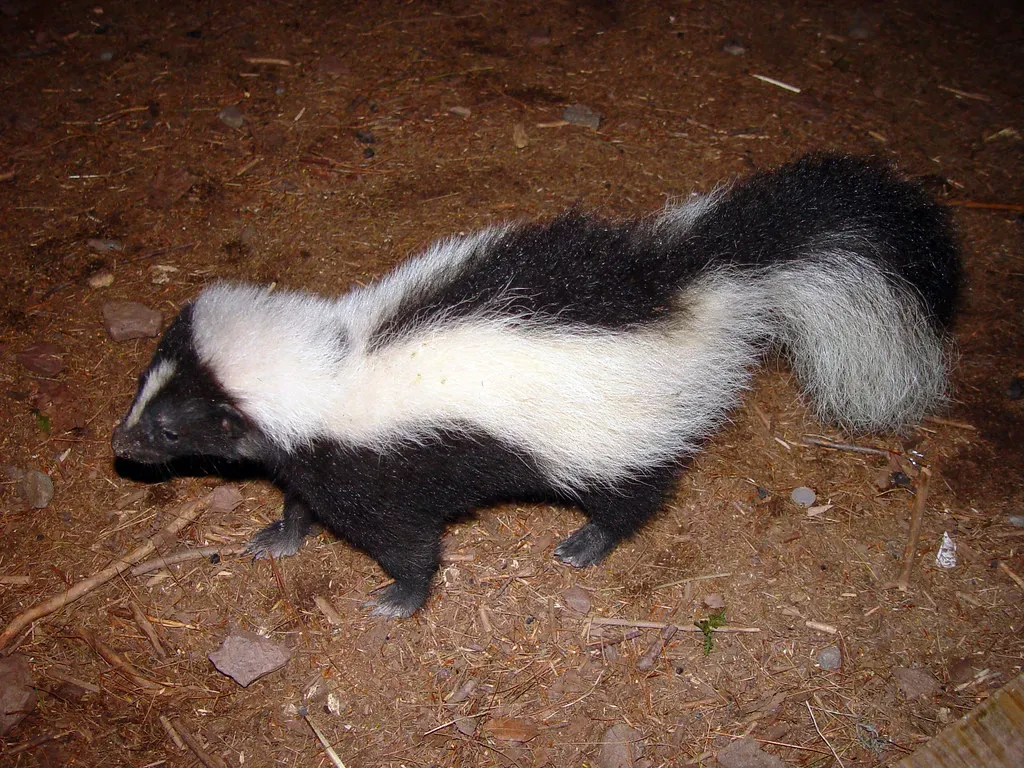
Wild skunks are not pets and should never be treated like them, but people who work closely with skunks often notice something interesting. When they are not threatened, skunks can be pretty relaxed, almost mellow, and sometimes surprisingly tolerant of human presence. Their main defense is so effective that they do not rely as much on speed or aggression, so a calm skunk can look almost casual as it waddles around.
In some regions, there are even permitted, domestically bred skunks with their scent glands removed, kept as exotic companion animals. Without the fear of immediate spraying, their personalities come forward as curious, food-motivated, and sometimes even cuddly with trusted humans. That said, they still have sharp claws, strong opinions, and wild instincts, so they are absolutely not just stripey cats. Still, their chill attitude around people who treat them gently is a reminder that most animals are more nuanced than their worst stereotype.
9. Baby Skunks Can Spray Much Earlier Than You Think
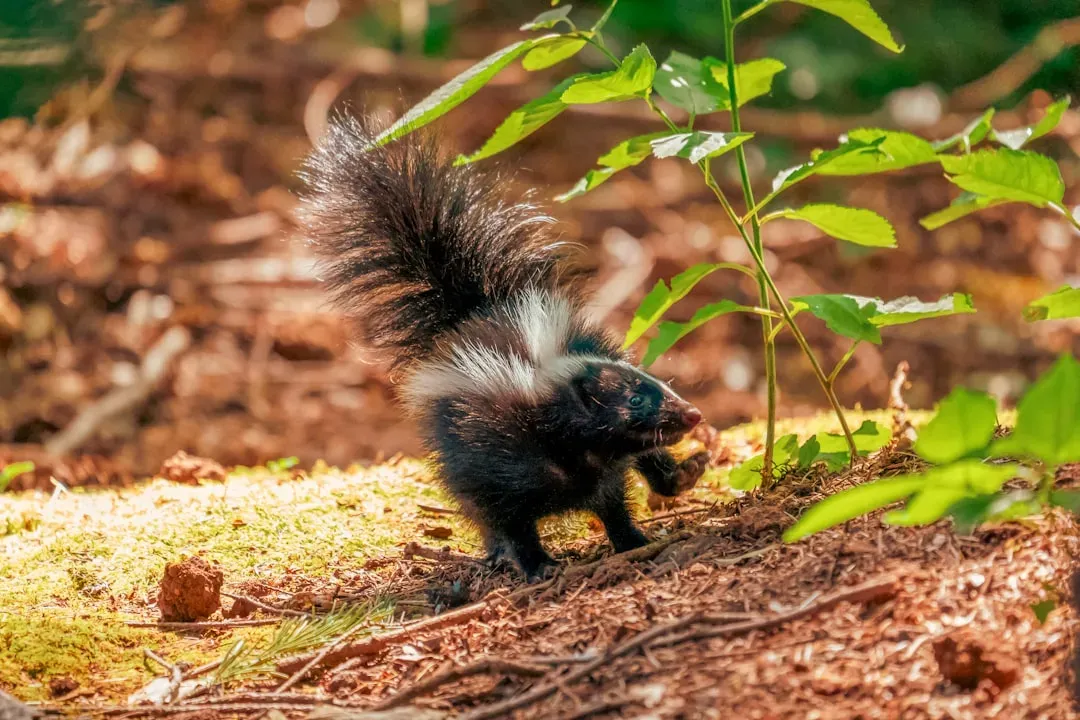
It is easy to picture baby skunks as harmless little fluff balls, but they come equipped with their signature defense shockingly early. Even very young kits are capable of producing small amounts of spray, though they may not be as accurate or as forceful as adults. This early ability makes sense from an evolutionary standpoint, because a defenseless striped baby would be an easy snack for predators.
Interestingly, skunk families tend to stick together for a while, with the mother leading her kits in a sort of waddling parade. If threatened, she may position herself between danger and her offspring, but the little ones are not completely helpless. Their early, small sprays are like a weaker version of the adult weapon, but still unpleasant enough to make many predators think twice. It is a reminder that in the skunk world, defense is not an optional feature; it is built in from the start.
10. Skunks Are One of the Few Mammals That Reliably Resist Snake Venom
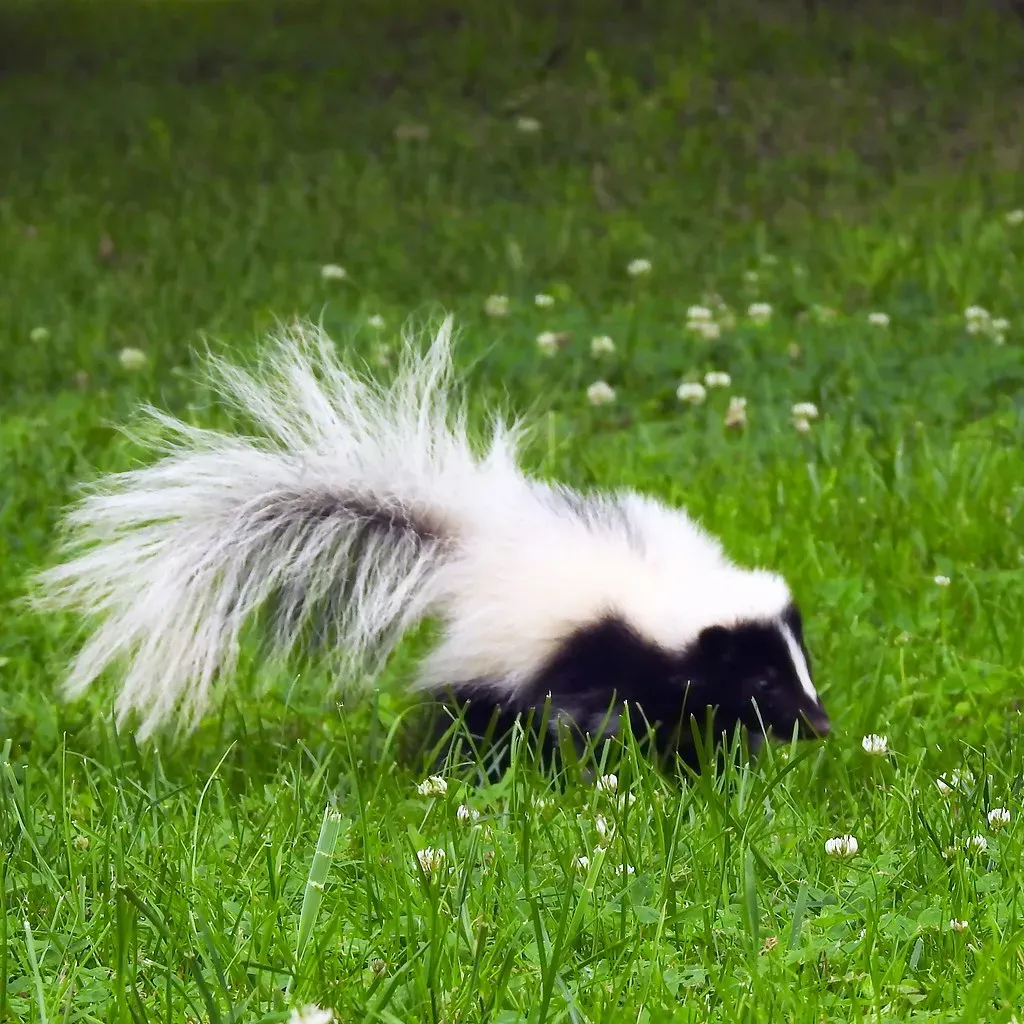
Skunks do not look like natural snake fighters, but their biology tells a different story. Studies have shown that some skunk species have a notable resistance to venom from pit vipers such as rattlesnakes. This resistance appears to be tied to changes in their nervous system receptors that prevent the venom from binding as effectively, reducing the deadly effects that would kill many other mammals of similar size.
Because of this resistance, skunks can sometimes prey on venomous snakes that other animals avoid, adding another layer to their already impressive survival toolkit. They are not completely invincible, and a large enough dose could still be dangerous, but their odds are much better than you would expect. It is like finding out your slow-moving neighbor quietly has a black belt in a very specific kind of martial art. Combined with their spray, this venom resistance makes skunks a surprisingly tough target in the wild.
11. Their Reputation Is Worse Than Their Real Impact
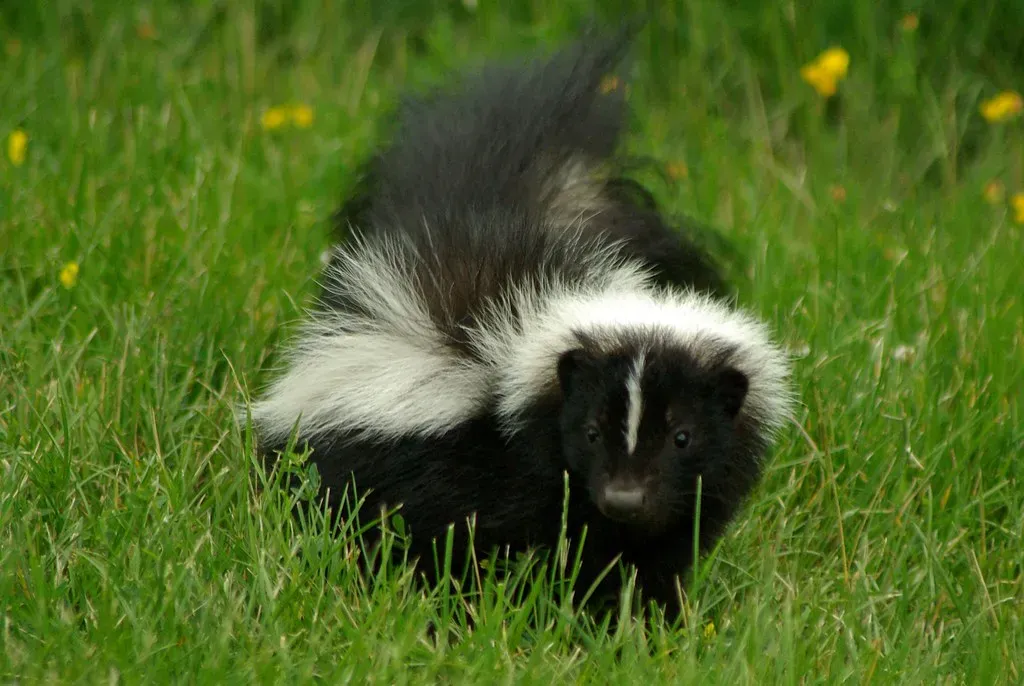
Ask people about skunks, and many will instantly think of rabies, smell, and property damage. While skunks can carry rabies and can definitely cause odor disasters, the actual risk to most people is lower than the cultural fear suggests. Rabid skunks are a concern, especially in certain regions, but as long as you keep your distance from strangely behaving wildlife and vaccinate pets, the real-world danger is manageable and monitored by public health systems.
In terms of ecology, skunks are just one more mid-sized predator trying to survive in a landscape we have heavily altered. They control pests, clean up carrion, and mostly avoid conflict unless cornered or habituated to human food sources. Their intense smell just makes every encounter way more memorable, so the horror stories spread faster than the quiet, everyday reality. If anything, our knee-jerk disgust says more about us than it does about them, and I think we underestimate how much they are simply trying to get through the night like every other creature.
Conclusion: The Skunk You Fear Is Not the Skunk That Exists
The more you learn about skunks, the harder it is to see them as just walking stink bombs. They are small mammals with their own history, social quirks, chemical defenses, and unexpected superpowers, from glowing spray to snake venom resistance. Personally, I have gone from flinching at the slightest whiff of skunk on the road to feeling a weird respect for how cleverly they are built to survive alongside us. They may look cartoonish, but their biology is anything but simple.
That does not mean you want one under your porch or rummaging through your garbage, and it is fair to take precautions to keep a safe and respectful distance. But once you know that those bold stripes are a warning, that the foot stamping is a final chance to back off, and that they are quietly eating pests all night, it gets harder to see them as villains. In a world where so many species are vanishing, a tough, adaptable survivor like the skunk starts to look less like a nuisance and more like a misunderstood neighbor. The next time you catch that sharp scent in the air, will you only think about the smell, or will you remember the strange little genius behind it?