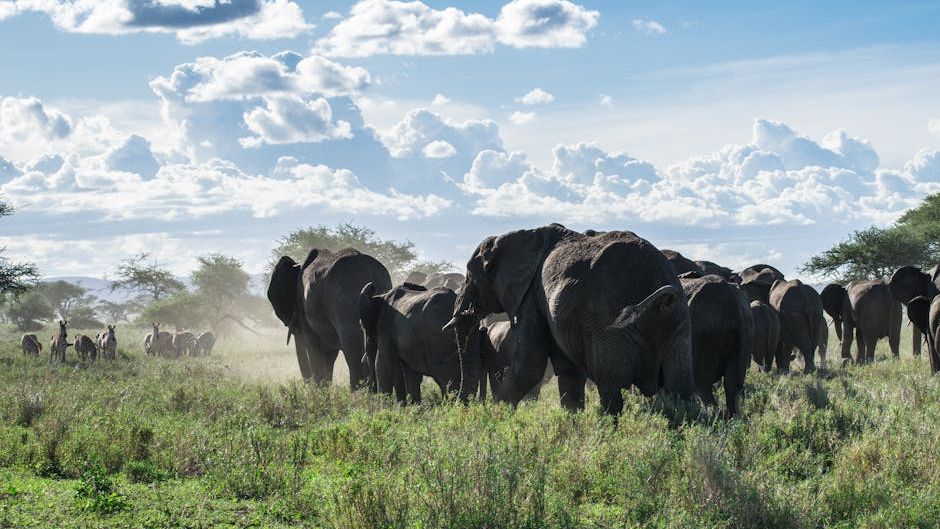

Imagine walking through the African bush at dusk and coming across a circle of massive, grey bodies standing motionless over a pile of old, sun-bleached bones. No trumpeting, no drama, just heavy silence and slow, deliberate touches of trunk on bone. Scenes like this have left biologists, rangers, and travelers standing in their tracks, wondering what on earth is going on inside an elephant’s mind.
Elephants do not treat all bones this way. They are strangely selective, often lingering over elephant skulls, tusks, and jawbones more than anything else on the ground. That quiet focus feels uncomfortably close to reverence. Are we watching grief? Recognition? A sophisticated kind of curiosity? Science has some clues, but not all the answers – yet what we already know about elephant behavior makes their bone rituals even more haunting, and honestly, a little humbling.
The Haunting Sight: What Elephants Actually Do at Bone Sites
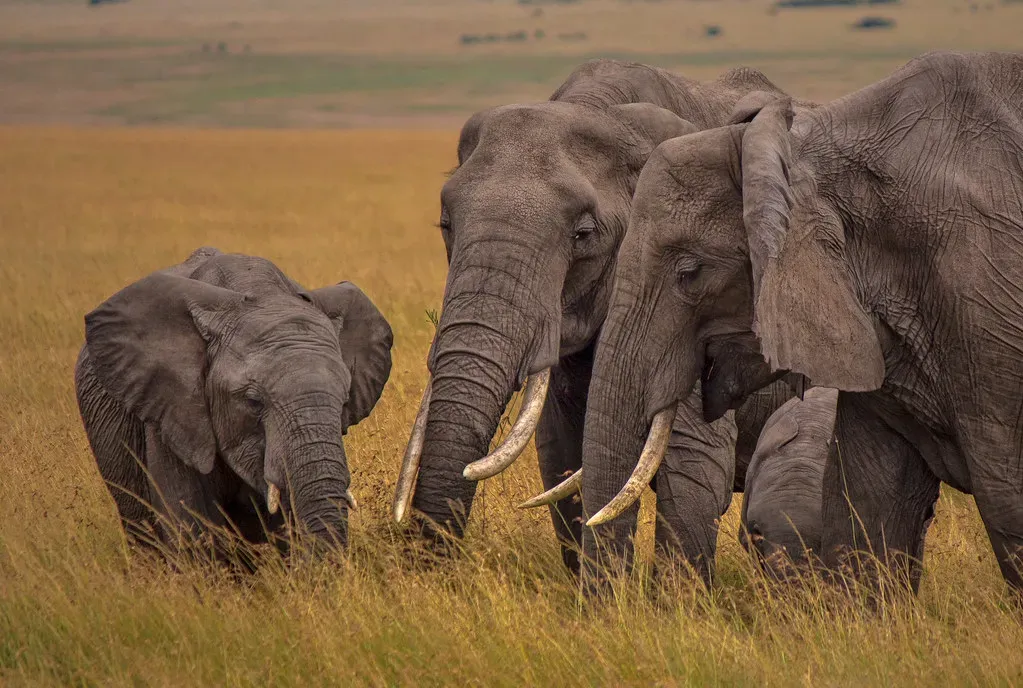
The moment that first hooks people is usually not a dramatic chase or a powerful charge, but something far quieter: a group of elephants gently caressing bones with their trunks and feet. They may arrive at the site almost casually, then slow down as if the mood thickens in the air. Adults will often nudge and turn skulls, slide tusks between their trunk fingers, and stand almost completely still for several minutes at a time, as though considering what they are holding. Younger elephants hover nearby, watching or tentatively reaching out to touch what the others seem so focused on.
Observers have noted that elephants sometimes spread the bones out, move them closer together, or repeatedly return to a particular skull as if it matters more than the rest. There is hardly any of the playful tossing you see when they find random objects like logs or discarded buckets. Instead, the whole scene feels heavy, slow, and ritual-like. Nothing about it looks like simple foraging or tool use, and that mismatch between what we expect and what we see is exactly what makes these encounters feel almost sacred.
More Than Instinct: Elephant Intelligence and Self-Awareness
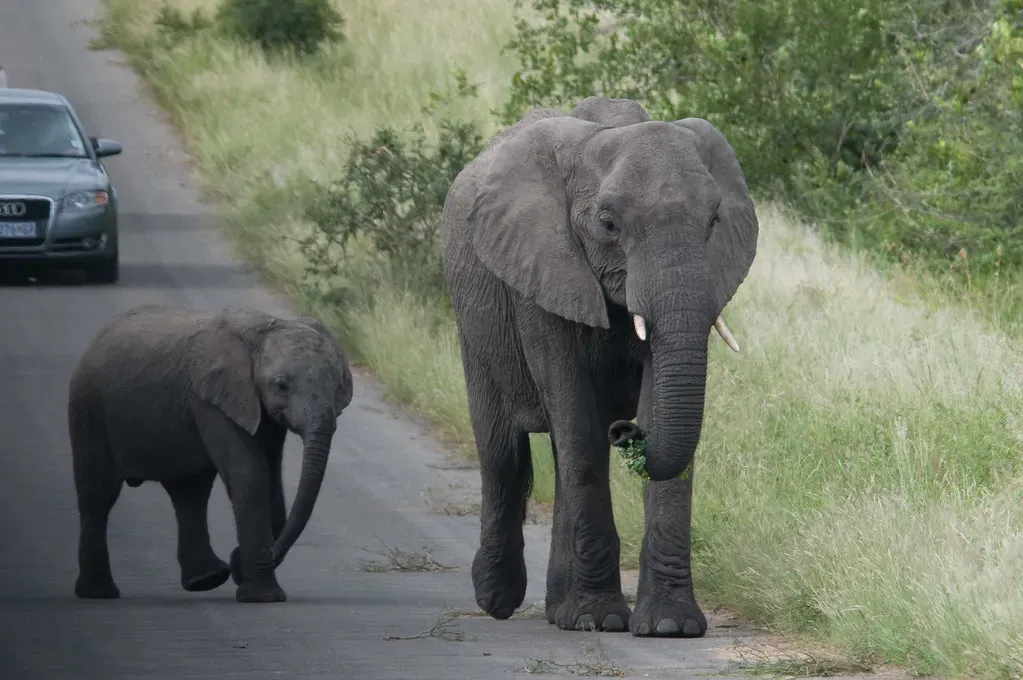
If this behavior seems surprisingly deep, that is largely because elephants are surprisingly smart. Their brains are enormous, not just in mass but in the complexity of the folds and structures linked to memory, sensory processing, and social life. In experiments, elephants have recognized themselves in mirrors, adjusted their actions to help others, and solved problems in ways that suggest flexible thinking rather than rote instinct. In other words, they are capable of noticing patterns, remembering events over long periods, and adjusting their behavior in thoughtful ways.
Self-awareness is often treated as a kind of mental turning point: once an animal can distinguish itself as an individual, it can also begin to grasp that others are individuals too. That shift opens the door – at least in principle – to understanding that other beings can disappear. Elephants live for decades, form long-term bonds, and watch herd members age, sicken, and die. When you put those facts next to their calm, searching attention at bone sites, it becomes hard to dismiss the behavior as mere instinct. At the very least, it suggests that something more than simple curiosity may be at work.
Family Bonds That Stretch Across a Lifetime
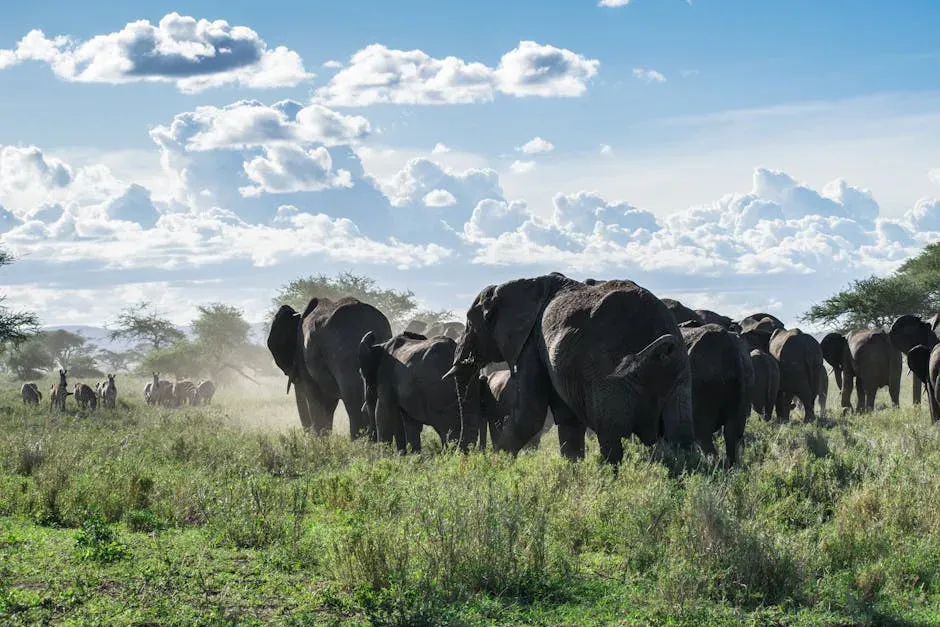
To really understand why elephants might revisit the remains of their dead, you have to look at how tightly their lives are woven together while they are alive. Elephants grow up in complex matriarchal families, with older females leading groups that may include daughters, sisters, cousins, and calves from several generations. Many individuals stay in the orbit of the same relatives for decades, sharing migration routes, water sources, and the daily routines of feeding, resting, and protecting calves. When you spend most of your long life shoulder to shoulder with the same individuals, losing one of them is not just a brief disruption; it is a deep tear in the social fabric.
There are numerous accounts of elephants lingering around a recently dead herd member, approaching the body repeatedly, touching the head and trunk, and sometimes staying nearby for hours or even returning over following days. Calves have been seen standing by their dead mothers, and adult females have been observed trying to lift or rouse a non-responsive companion. Whether we call it grief or not, it clearly matters to them. The return to bones later on might be an extension of this same bond – a kind of long, slow goodbye that stretches out far beyond the moment of death.
Do Elephants Recognize Their Dead, or Just the Species?
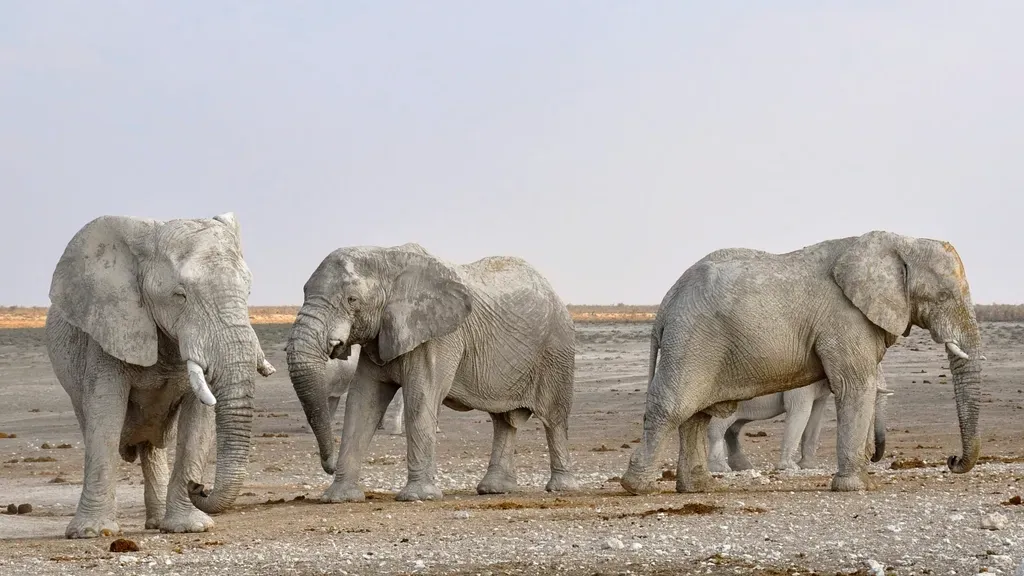
One of the most fascinating details is that elephants show special interest in elephant remains over other animal bones. When given a mix of bones from different species, they spend far more time touching and inspecting elephant skulls and tusks than, say, the bones of antelope or buffalo. It is as if the shape, size, and smell still whisper something familiar, long after flesh and skin have disappeared. That selective attention is a strong hint that elephants are not simply drawn to bones in general as odd objects, but to the remains of beings more like themselves.
The harder question is whether they recognize individuals. Some observations suggest that they may pay particular attention to the bones of former herd members, but the evidence is not yet airtight. Maybe they are responding to lingering scent cues or to the layout of a known death site; maybe they are recognizing a specific skull shape. Or maybe their response is more generalized, a kind of deep, species-level recognition rather than a personal one. Personally, I suspect the truth sits somewhere in between: elephants probably pick up more individual cues than we can yet measure, but even when they cannot, the fact that the bones are elephant may be enough to trigger this quiet, focused response.
Is This Grief, Ritual, or Something We Do Not Have Words For Yet?
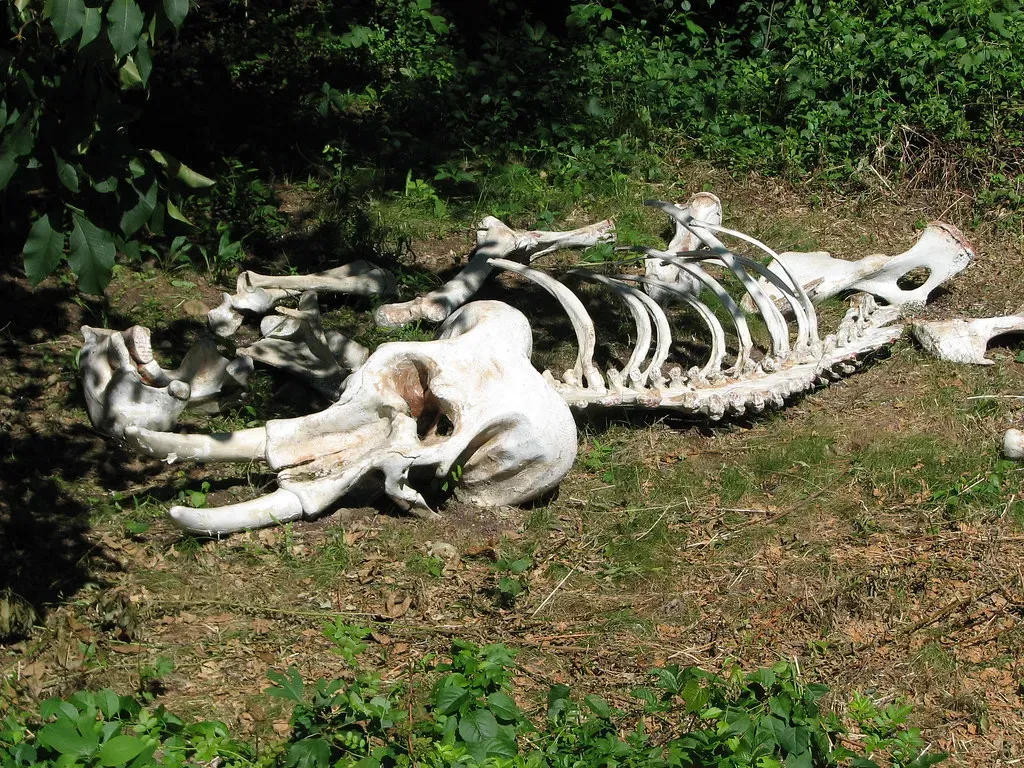
This is where things get controversial, because people understandably want to call what they see grief or mourning, while many scientists warn against projecting human emotions too easily onto animals. Still, when you watch a group of elephants stand in near silence around the bones of their own kind, repeatedly touching and lingering, it is hard not to feel that some shared emotional weight is present. The behavior is certainly different from how they interact with food, toys, or strangers; it is slower, more careful, and strangely solemn.
Maybe the word grief is not perfect, but refusing to use any emotional language at all feels like the opposite kind of mistake. Elephants clearly react strongly to death and to the bodies and bones of elephants, especially those that were part of their social world. They may not understand death in the abstract, philosophical way humans do, but they seem to understand loss and absence in a concrete, lived way. Their bone visits might be part grieving, part curiosity, part social learning, and part something that does not map neatly onto human categories. Honestly, the fact that it resists simple explanation is exactly what makes it feel so profound.
The Practical Side: Memory, Maps, and Life-or-Death Lessons
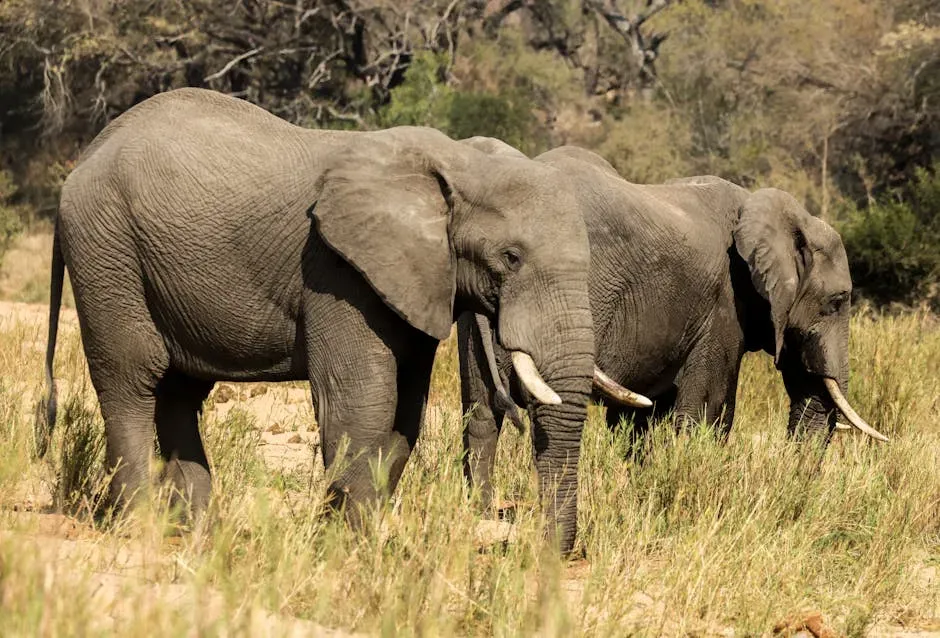
It is tempting to see only emotion in these scenes, but there may also be very practical reasons for elephants to revisit death sites and bones. Elephants rely heavily on memory to navigate enormous landscapes in search of water and food, and many of those routes are passed down through generations. A place where a beloved matriarch died might also be a place where a crucial water source once existed or where a particularly dangerous dry season was endured. Returning there and paying heightened attention could help embed those locations in the minds of the younger animals.
There is also a hard ecological truth: death is part of the landscape. The bones of a large animal mark where predators, disease, drought, or human conflict have taken their toll. Elephants that revisit these sites may be learning about the risks associated with certain areas or conditions, even if they are not consciously analyzing it the way we would. It is possible that a calf that pauses at a skull is, at the same time, absorbing information about where water runs out, where poachers lurk, or where the herd once barely survived a famine. If that is true, then elephant bone rituals are not just emotional – they are a way of writing lessons onto the land itself.
How Humans React: Awe, Projection, and an Uncomfortable Mirror
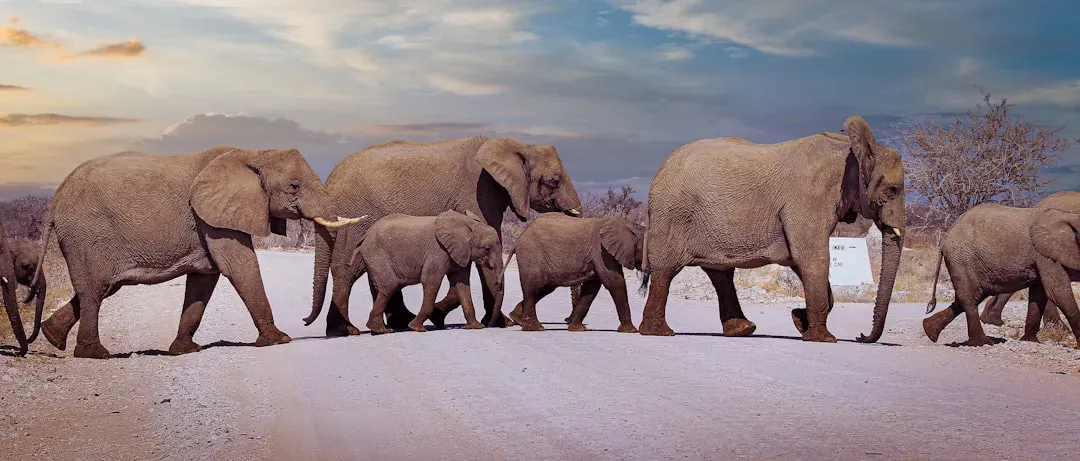
When people first see elephants with bones, their reactions usually split along two lines: some feel deeply moved and insist they are witnessing grief and even mourning ceremonies; others worry this is too much projection and call for strict caution in interpreting animal behavior. Both reactions say as much about us as they do about elephants. We desperately want to find ourselves in other species, to see our emotions echoed in theirs, and at the same time we are terrified of claiming too much and being accused of sentimentality. Elephants, whether they like it or not, get caught in the crossfire of that debate.
Personally, I think it is a mistake to strip all feeling out of our descriptions just to appear objective. The behavior is strange, rare, and emotionally charged, and any honest account should admit that. At the same time, we should admit what we do not yet know: we cannot prove exactly what an elephant is thinking when it rests its trunk on a skull. Maybe the healthiest position is a kind of humble openness. Let the behavior stay a bit mysterious, but let it challenge our assumptions about how unique we really are. Watching elephants with their dead is like looking into a slightly warped mirror; we recognize something there, and the distortion is exactly what makes us think harder about our own rituals.
Conclusion: A Quiet, Unsettling Reminder That We Are Not Alone
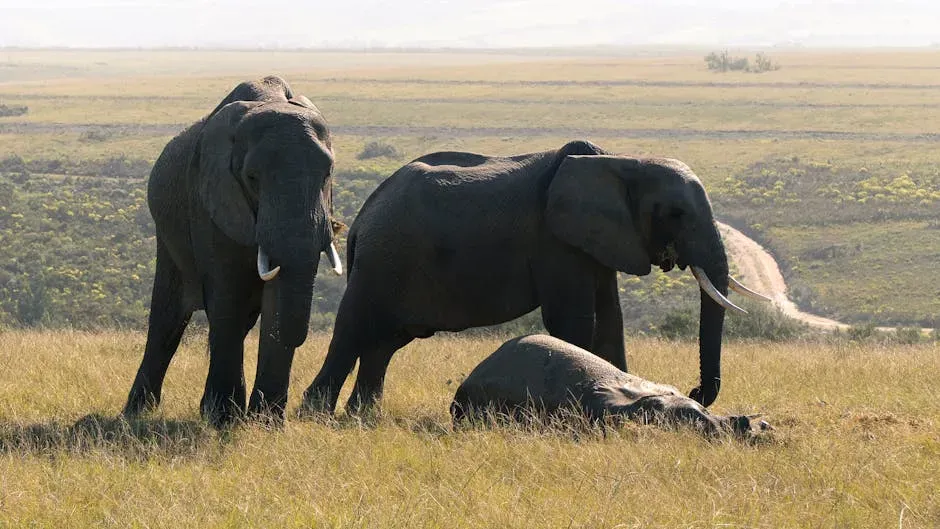
For me, the most striking part of this whole story is how unshowy it is. Elephants do not build monuments, carve symbols, or stage elaborate ceremonies. They simply return, again and again, to the bones of their own kind, touching, pausing, sometimes just standing together in shared stillness. That simplicity makes their behavior feel even more authentic. There is no performance, no audience to impress – only the weight of memory, the reality of loss, and the stubborn presence of what once was a living, breathing giant among them.
I think we are watching a kind of bridge behavior, something halfway between animal practicality and the more ritualized, symbolic grieving humans have turned into funerals and memorials. We should resist the urge to romanticize elephants into gentle saints, but we should also stop pretending they are emotionless machines. Their quiet returns are a reminder that powerful social bonds and responses to death did not start with us and will not end with us. The next time you see a photo of elephants gathered around a skull, ask yourself honestly: are we really that different, or are we just louder about our grief?