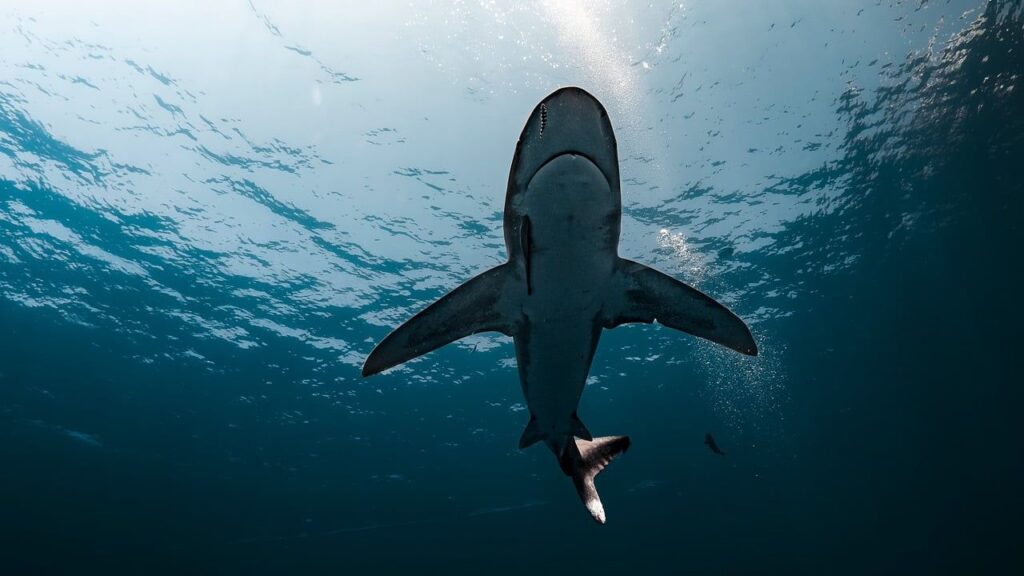

There is something both thrilling and unsettling about looking inside a shark’s stomach. Every time marine biologists cut one open, it is like opening a time capsule of our oceans: what the shark has been hunting, what humans have been throwing away, and how our worlds collide without us even noticing. Off the coast of Florida, that collision is especially intense, where warm currents, busy shipping lanes, tourism, and rich marine life all mix together.
While not every shark comes with some wild surprise inside, the patterns that researchers are seeing are hard to ignore. You get a mix of natural prey that tells a story about the health of the ocean, and then you get the unmistakable fingerprints of human activity: plastic, fishing gear, and the kind of junk you would expect to find in a landfill, not a living predator. Let’s walk through some of the most striking categories of things being found inside sharks near Florida waters this year, and what they quietly reveal about us.
1. Whole Fish, Swallowed Almost Intact
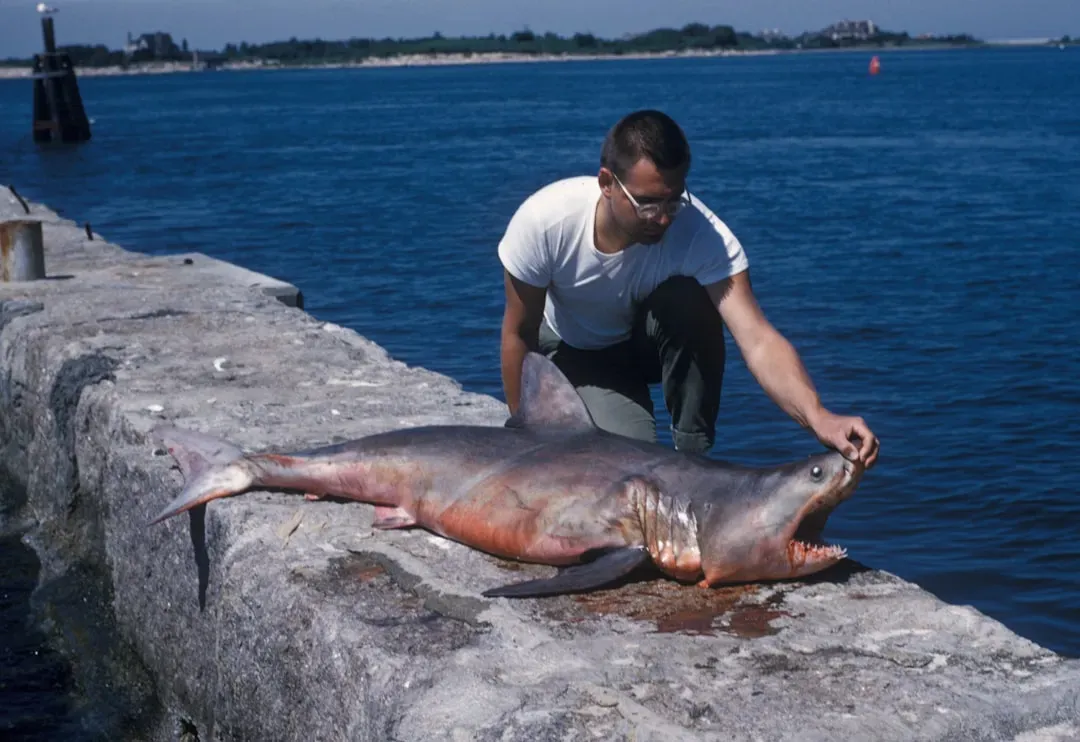
One of the most surprisingly ordinary things found inside Florida sharks this year is also one of the most dramatic to actually see: entire fish swallowed nearly whole. Think of snappers, mullet, small groupers, or baitfish like menhaden, folded just enough to slide down a shark’s throat but still so intact you can identify them. It is a raw reminder that, despite all the headlines about trash, sharks are still doing what they evolved to do: hunt swiftly and efficiently in bursts of speed and surprise.
Biologists sometimes use these whole or nearly whole fish to figure out what local shark populations are really targeting at different times of year. If a lot of sharks are turning up with the same species in their bellies, that can hint at seasonal migrations, spawning events, or shifts in fish populations. To me, this is one of the most reassuring finds: it says that in some corners of the Florida coast, there is still enough natural prey for top predators to act like top predators, not desperate scavengers. But it also sets the baseline for just how wrong things look when the stomach contents are not fish at all.
2. Sea Turtles and Turtle Parts
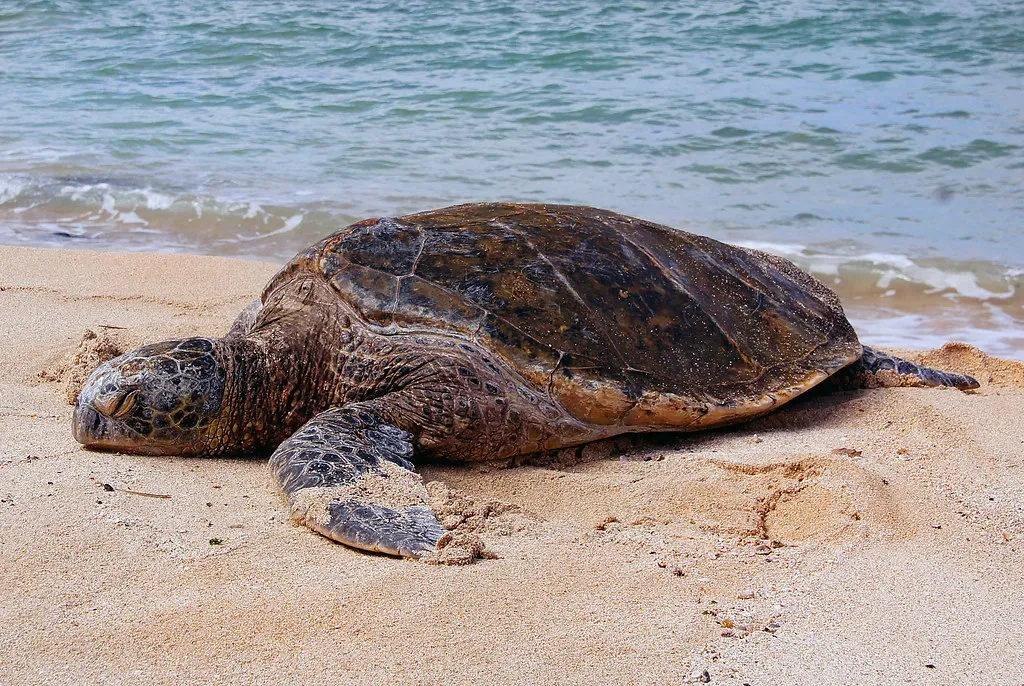
Every time a young sea turtle shell or turtle flipper shows up inside a shark, it sparks a complicated mix of emotions. On one hand, sharks have been eating turtles for millions of years; it is a core part of the natural food web. On the other hand, many sea turtle populations are already under stress from beach development, light pollution, climate change, and fishing gear. So when a Florida shark’s stomach reveals bits of shell or bone, researchers do not just see a meal; they see another data point in a high-stakes ecological balance.
In Florida’s coastal waters, juvenile sea turtles often share the same shallow feeding grounds as coastal sharks, which makes encounters almost inevitable. Some of the turtle remains found this year have come from smaller individuals, which are easier for medium-sized sharks to overpower. I think the hard truth here is that protecting turtles is not about somehow stopping sharks from eating them; it is about making sure turtles have enough safe nesting beaches and clean water so their populations can handle natural predation. The shark is not the villain in that story; it is the reality check.
3. Rays and Skates, Wings and All
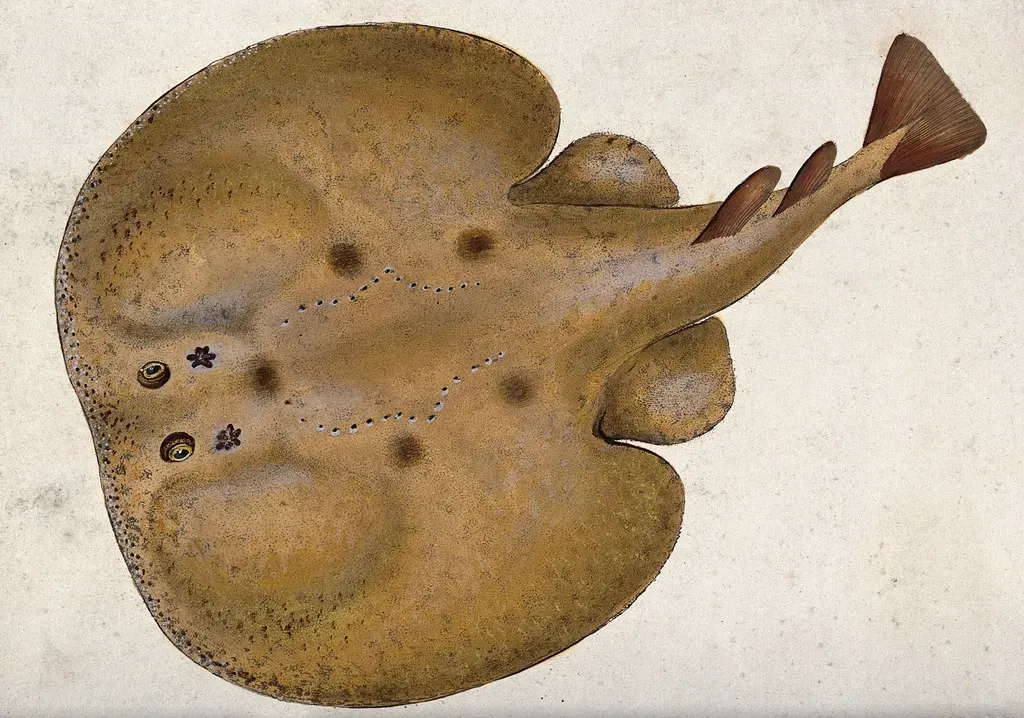
Rays and skates are like stealth snacks for many sharks, especially around Florida’s sand flats and seagrass beds. Inside sharks, researchers have been finding ray wings, bits of cartilage, and occasionally whole ray discs partially digested. If you have ever seen a ray glide through shallow water like a ghostly flying carpet, it is wild to picture that same animal later folded inside the stomach of a larger predator. But it is a classic predator–prey relationship: sharks often swoop down on rays from above, exploiting that flat silhouette.
The presence of rays and skates in shark guts tells us something subtle but important about the health of the bottom habitats near Florida: seagrass beds, sandy channels, and patch reefs where these animals live. When rays are abundant in stomach analyses, it usually means the lower levels of the food web are supporting a rich community of invertebrates for them to eat. In a strange way, finding ray parts in sharks is a backhanded compliment to the habitat. It also reminds me how layered the food chain is: what looks calm and quiet in knee‑deep water is actually a constant, mostly invisible arms race.
4. Seabirds and Feathers
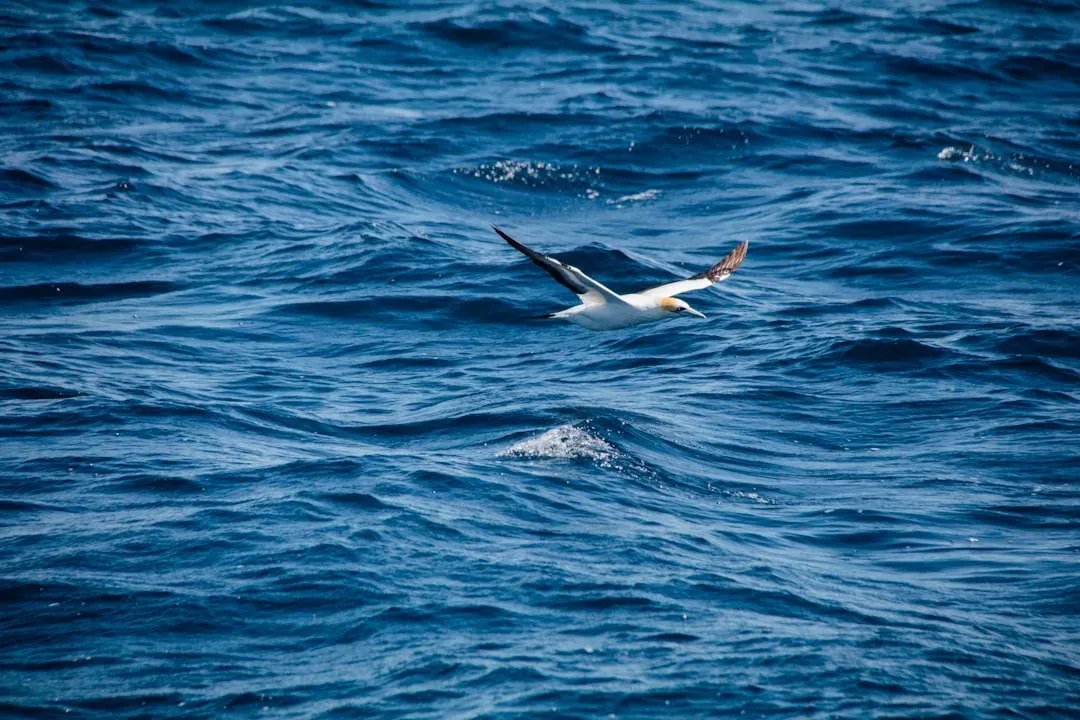
Every so often, a shark off Florida turns up with seabird remains in its stomach: feathers, bone fragments, sometimes an entire bird swallowed in chunks. It sounds dramatic, but when you think about it, seabirds and coastal birds spend a lot of time floating or diving on the water’s surface, often near baitfish or fishing activity. To an opportunistic shark, a struggling bird can look like an easy calorie-rich target, especially in choppy conditions where visibility is low and movement is all that matters.
What makes bird remains especially interesting to scientists is that they show how sharks blur the lines between ecosystems. A bird that spent its life nesting in mangroves or on sandy islands ends up becoming part of a pelagic predator’s diet, carrying energy from the air and land back into the sea. Personally, I find that fascinating and a bit unsettling: storms, disorientation from artificial lights, and fishing bycatch can put birds in the wrong place at the wrong time, and sharks are simply there to take advantage. It is another reminder that the boundary between sky and ocean is much thinner than it looks from the beach.
5. Crabs, Lobsters, and Other Crunchy Prey
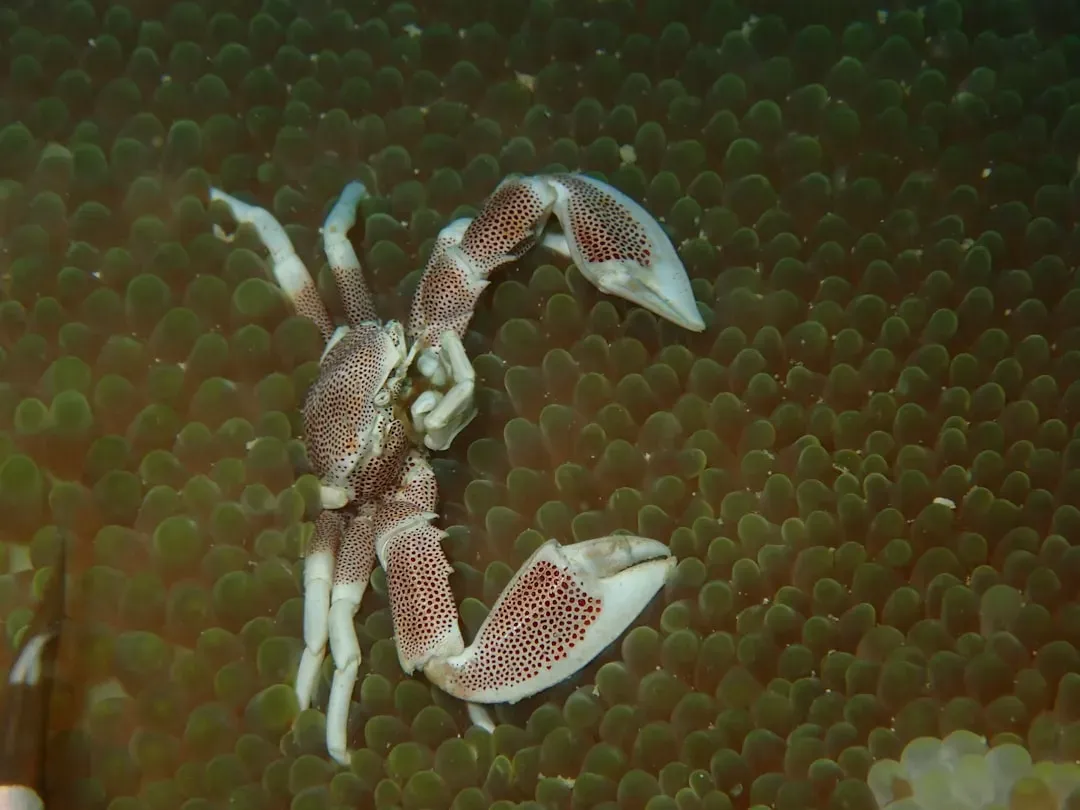
Not everything inside a shark is squidgy and soft. Along the Florida coast, scientists continue to find chunks of crab, lobster shells, and other crustaceans ground up in shark stomachs. You would not necessarily picture a shark crunching down on a blue crab the way a snapper or drum might, but some species are more than willing to scavenge or opportunistically feed on crustaceans, especially juveniles or damaged individuals. In stomach contents, these show up as shell fragments, claws, and bits of tough exoskeleton.
These crunchy remains are clues to how flexible shark diets can be when the opportunity arises. If a fish trap has been raided, if discarded bycatch is floating near the surface, or if a crab is molting and temporarily vulnerable, a shark might not turn it down. To me, this undercuts the overly tidy image of sharks as only sleek fish hunters. In real Florida waters, they are more like the ocean’s unpicky cleanup crew, sampling whatever the environment offers. That adaptability is part of why sharks have survived so many changes over evolutionary time, even if human impacts are now testing that resilience in new ways.
6. Squid and Other Cephalopods
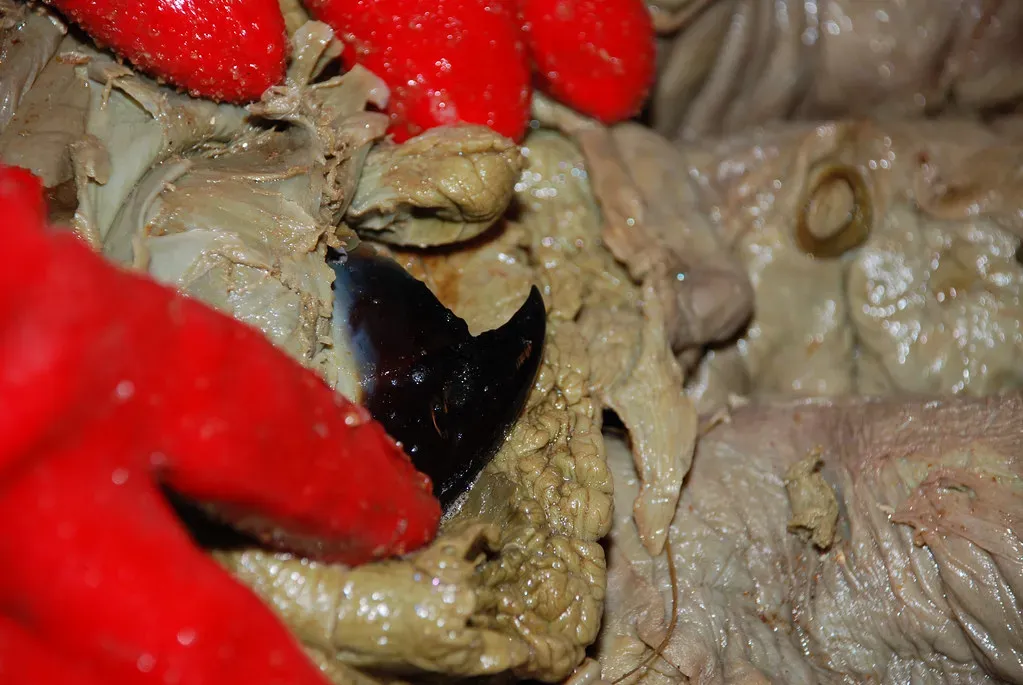
Squid are the silent, slippery entries on a shark’s menu, and they show up often in stomach examinations along the Atlantic and Gulf sides of Florida. Inside sharks, squid usually appear as beaks and small remains of tentacles, because most of the soft tissue digests quickly. These beaks are durable, almost like tiny black parrot bills, and can tell researchers a lot about what type of squid was eaten and roughly how large it might have been. For some shark species, cephalopods make up a surprisingly large share of their diet when they hunt in deeper or offshore waters.
Finding squid and other cephalopods reminds us that even coastal Florida sharks do not always stay close to the beach; they often move along depth gradients, following schools of prey. Cephalopods are rich in protein and are active swimmers, so they represent a more energy-demanding type of prey than scavenged scraps. Personally, I see these squid beaks as little signatures of wildness in an ocean that is otherwise so marked by human presence. They are proof that some ancient predator–prey relationships are still unfolding far from the Instagram-friendly surface.
7. Fishing Hooks, Leaders, and Lures
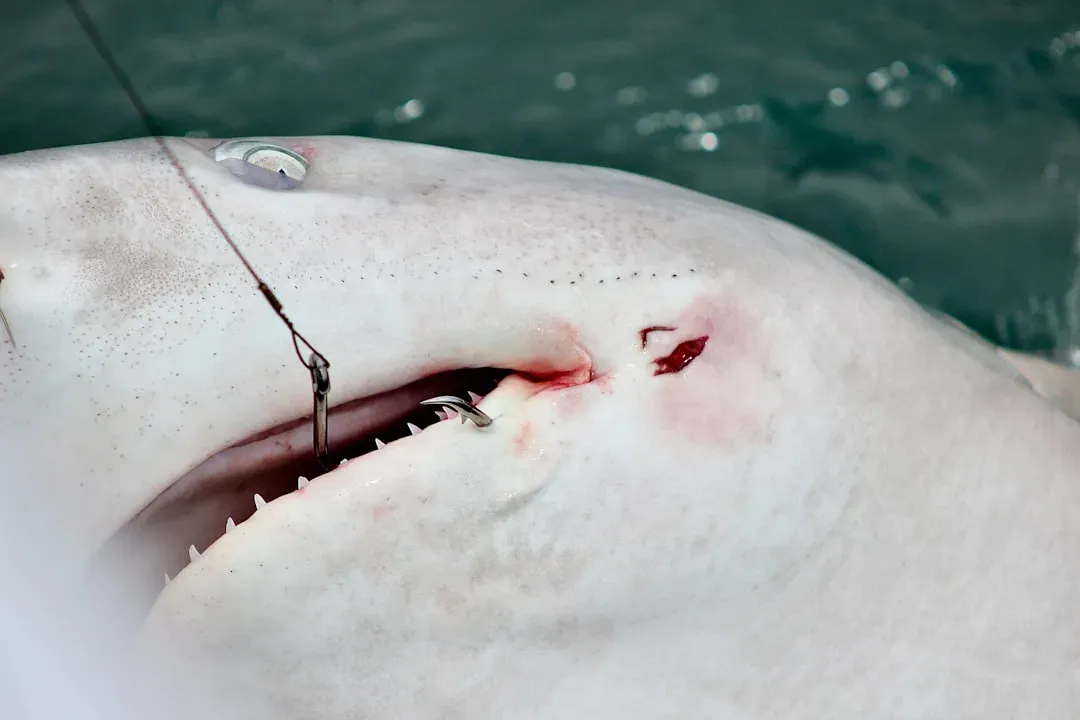
Now we get to the unsettling part: metal and plastic fishing gear lodged inside living sharks. Off Florida, it is not rare for researchers to discover hooks embedded in stomach linings, sections of monofilament leader, and even artificial lures swallowed in the chaos of a strike. Sometimes the shark had clearly taken a bait, broken free, and then kept on living with the hardware slowly corroding or working its way deeper. On necropsy tables, these pieces stand out sharply against soft tissue and digested prey.
From a human perspective, this is one of the more uncomfortable findings because it is so clearly our fault. Recreational and commercial fishing are a massive part of Florida’s coastal identity, and yet the leftover gear does not just vanish when a line snaps. Sharks, as aggressive feeders, are often the ones paying the price. I think we tend to shrug off a lost hook as just part of fishing, but seeing them inside a stomach paints a very different picture. It raises a fair question: if we care about sharks as icons and as vital predators, are we doing enough to fish in ways that minimize the invisible injuries we cause?
8. Plastic Bags and Food Wrappers
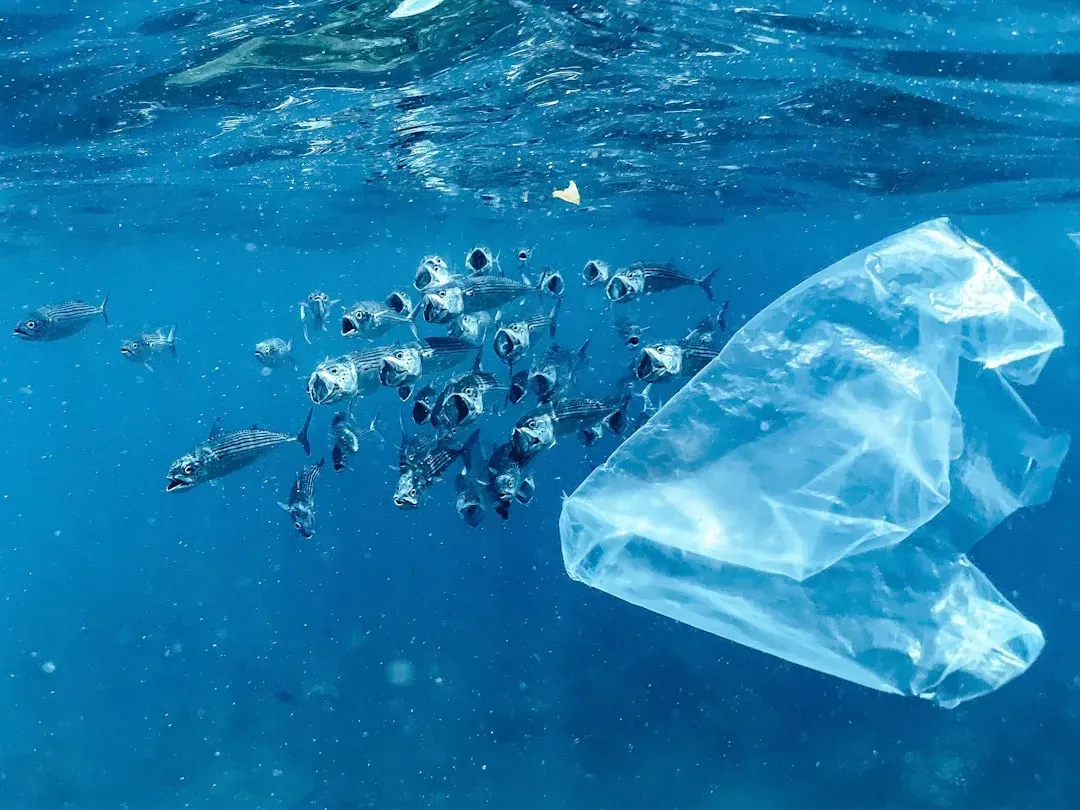
One of the most depressing but consistent findings in shark stomachs near Florida is soft plastic: grocery-style bags, chip and candy wrappers, fragments of packaging film. In the water, these items can flutter and twist like jellyfish or dead fish, tricking a shark’s senses, especially when it is moving fast in murky water. Inside the stomach, they ball up, stretch, or layer over one another, sometimes creating blockages or simply taking up space that offers zero nutrition. Sharks do not seek out plastic on purpose; they are just not equipped to tell the difference once it is drifting in their hunting zone.
What hits me hardest is how ordinary most of this trash is. We are not talking about rare industrial waste; we are talking about wrappers from snacks on a boat, a bag that blew away in a parking lot, or packaging tossed overboard when no one was looking. Over time, those casual moments add up to something that literally ends up inside an apex predator. It is fashionable to talk about ocean plastic in big, abstract numbers, but finding a crumpled food wrapper in a shark feels brutally specific. It is our convenience culture, trapped inside an animal that never asked for it.
9. Bottle Caps and Small Hard Plastics
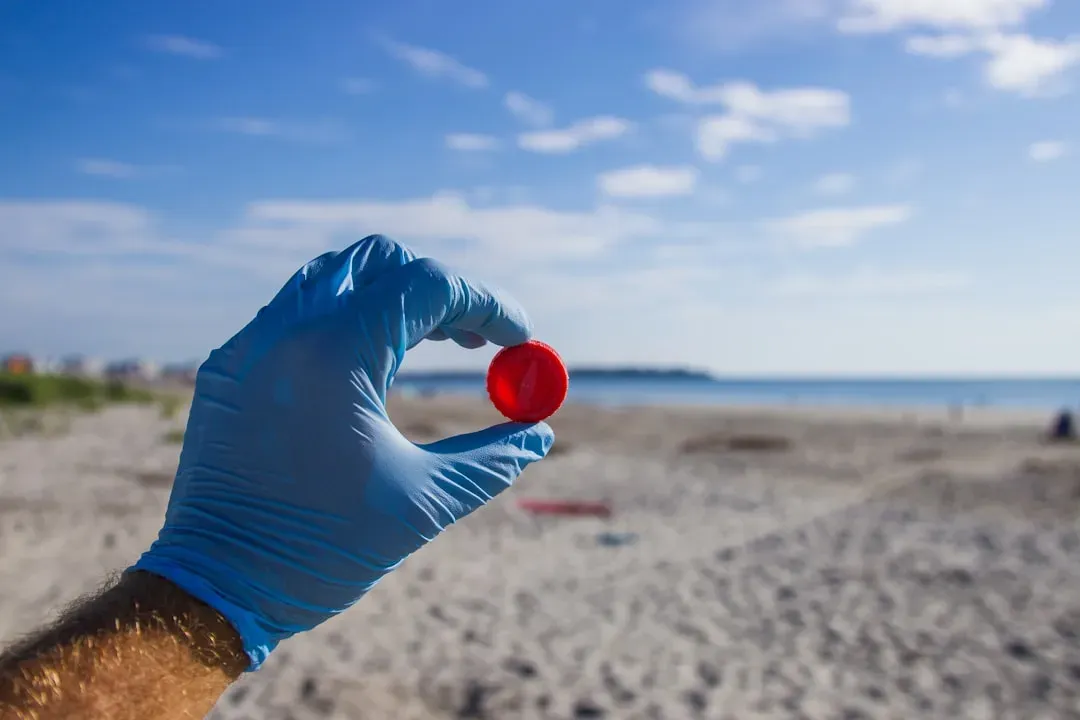
Alongside soft plastics, sharks in Florida waters have also turned up with small hard items like bottle caps, bits of broken containers, and unidentified plastic fragments. These objects may be swallowed accidentally when mixed with fish or bait, or taken in during fast strikes near floating debris. Once inside a shark, they are nearly indestructible on any realistic timescale, sitting in the stomach like tiny, pointless stones. Unlike softer prey, these items do not break down into anything useful; they just persist.
What makes these small pieces especially concerning is their size and shape. They may not cause an immediate blockage, but they can abrade internal tissues, stress the digestive system, or just accumulate over time. In my view, this is a quiet, chronic harm rather than a dramatic one-time event. No single bottle cap kills the shark outright, but a lifetime of ingesting little bits of plastic can only push an already pressured species closer to the edge. The worst part is that this is the easiest kind of trash to prevent: securing lids, not tossing things overboard, and treating every cap as something that will end up somewhere specific, not just “away.”
10. Cans, Metal Fragments, and Other Odd Debris
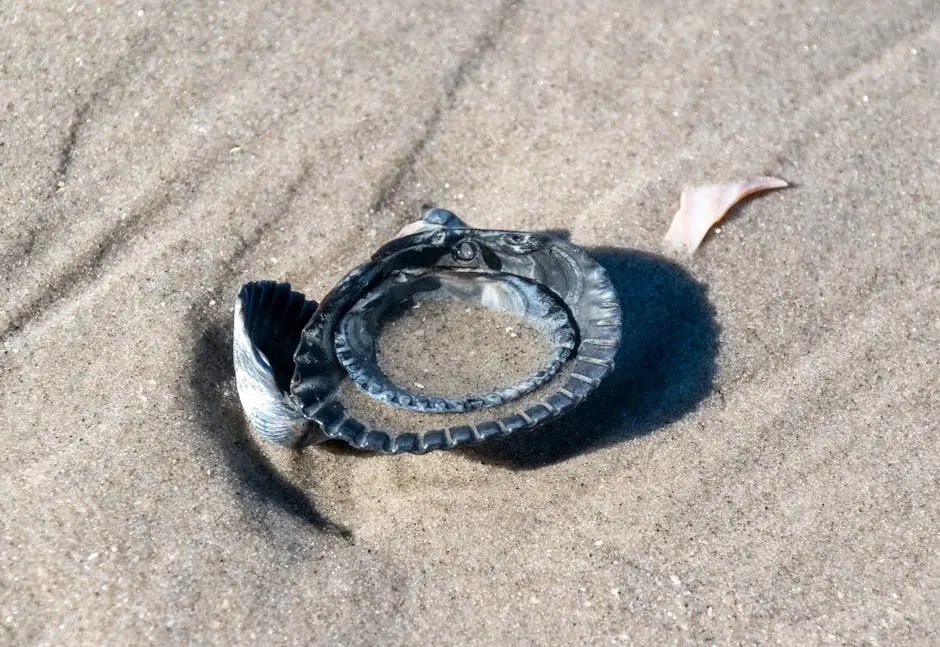
Every year, a few sharks turn up with truly strange items inside them: pieces of aluminum cans, thin metal strips, even fragments that may once have been parts of tools or hardware. Off Florida, with its heavy boat traffic and coastal development, the odds of random debris making it into the sea are unfortunately high. Sharks may accidentally ingest these objects when feeding on fish that are nosing around trash piles or when striking in low visibility near floating clutter. Unlike fish bones, this metal has no way to break down naturally in the animal’s lifetime.
Seeing those jagged shapes embedded in stomach tissue is like a punch in the gut. It looks wrong in a very physical way, as if you took the insides of a wild, streamlined hunter and swapped them with parts from a scrapyard. I know some people shrug and say the ocean has always had shipwrecks and debris, which is true, but the difference now is volume and type. Rust from an old anchor is not the same as a shredded can or engineered sharp fragment. When top predators are literally full of our waste, it is hard to argue that the problem is distant or theoretical.
11. Discarded Bait, Fish Heads, and Human Food Scraps
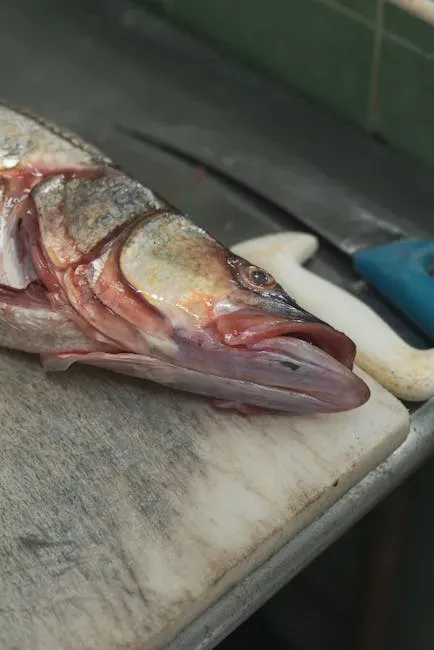
Not everything human-related inside a shark is outright garbage; sometimes it is the leftovers from our own fishing and eating habits. In Florida, sharks are often found with discarded bait fish, fish heads from cleaning tables, and even the remains of filleted catches that were tossed overboard. Mixed in, there can be bits of processed human food: chicken bones, pieces of meat, or other scraps that ended up in the water near docks or boats. To a shark, this is just easy calorie-dense food, no different from a wounded fish.
This kind of finding raises a more nuanced question than simple plastic trash. On one level, throwing fish remains into the sea feels “natural,” since it is organic matter and will be eaten by something. On another level, it can change shark behavior, drawing them closer to shore, teaching them to associate boats or marinas with easy meals, and potentially increasing risky encounters with people. My opinion is that we underestimate just how quickly large predators can learn patterns. When a shark’s stomach is full of things that clearly came from a fillet table and not from the open ocean, it is a sign that our habits are literally reshaping their foraging strategies.
12. Other Sharks and Pieces of Shark Flesh
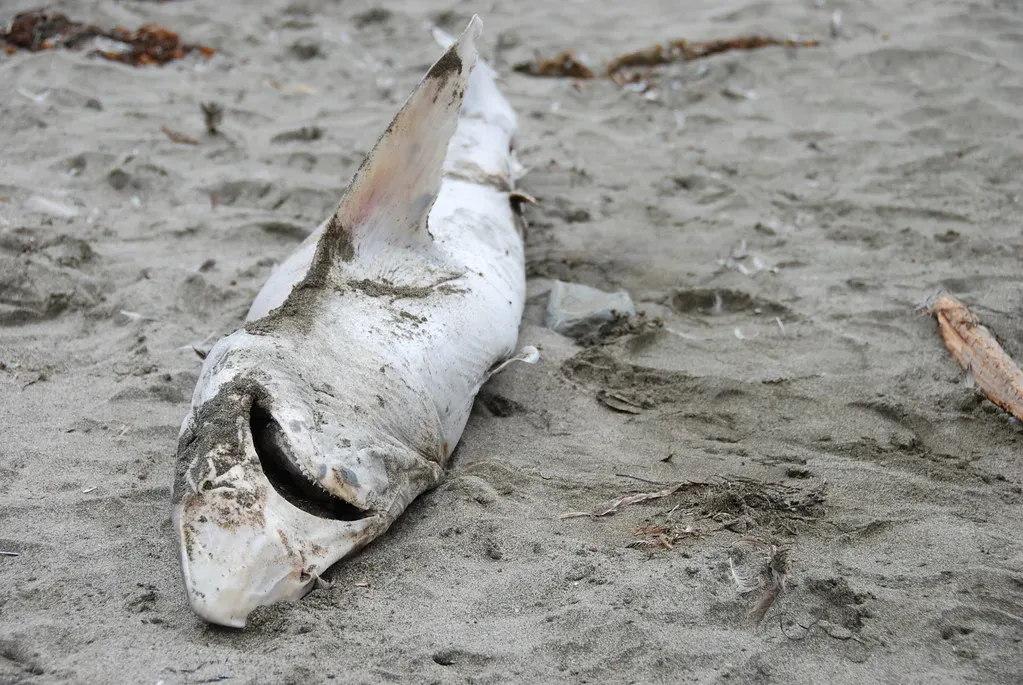
Yes, sharks really do eat other sharks, and Florida waters are no exception. Researchers examining stomach contents sometimes find chunks of shark flesh, fins, or even nearly complete smaller sharks inside larger individuals. This is not new behavior; shark-on-shark predation and cannibalism have deep evolutionary roots. Larger species see smaller or injured sharks as just another high-protein meal, and they will take advantage of that opportunity the same way they pounce on weak fish or rays.
To me, this is one of those findings that strips away the last bit of romanticism. We like to think of shark species as separate, neat categories, but in reality, they are locked in the same brutal food web as everything else. When population pressures, fishing, or environmental change reduce the abundance of typical prey, it is easy to imagine shark-on-shark predation becoming even more common. Finding those telltale remains inside a stomach is a reminder that in a stressed ecosystem, the lines between predator and prey blur quickly, even among apex predators themselves.
13. Parasites and Unwanted Hitchhikers
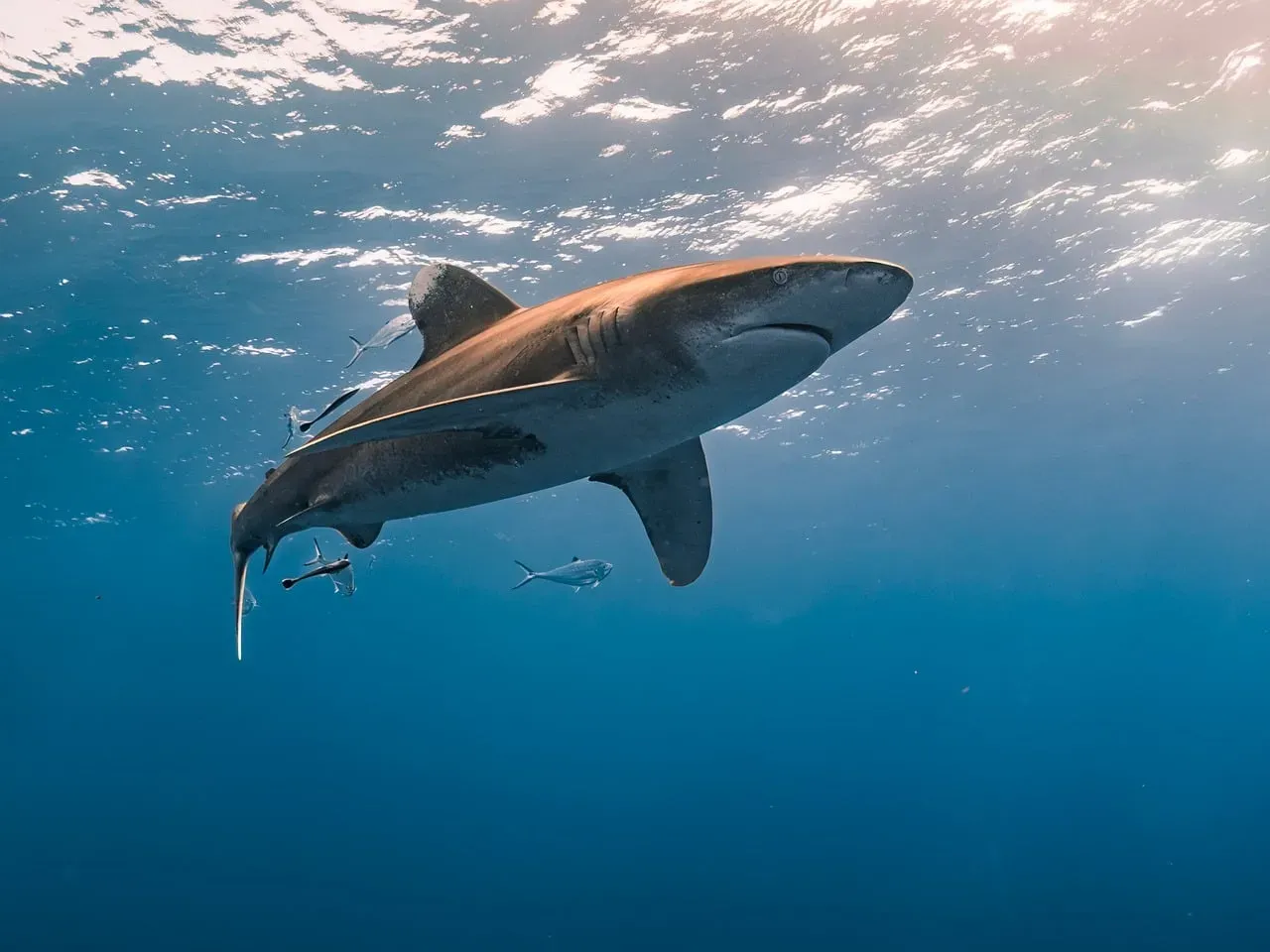
Not every “thing” found inside a shark is something it chose to eat. Many sharks along the Florida coast carry internal parasites like worms or flukes, which can be seen during necropsies wrapped around organs or residing in the gut. These hitchhikers often arrive when the shark consumes infected prey, then set up shop in their new host. While a healthy shark can usually tolerate a moderate parasite load, high levels can sap energy, weaken the immune system, or reduce overall fitness.
Seeing these parasites up close can be strangely humbling. Even an apex predator, built like a living torpedo, is not free from being eaten in its own way. Parasites are yet another link in the food web, moving silently from small fish to larger ones and finally into top predators. I sometimes think of them as the fine print in nature’s contract: nothing gets to be powerful without a cost. When scientists catalog both visible stomach contents and hidden parasites, they get a much richer view of what stressors Florida sharks are dealing with day in and day out.
14. Stones, Shells, and Unclear “Accidental” Items
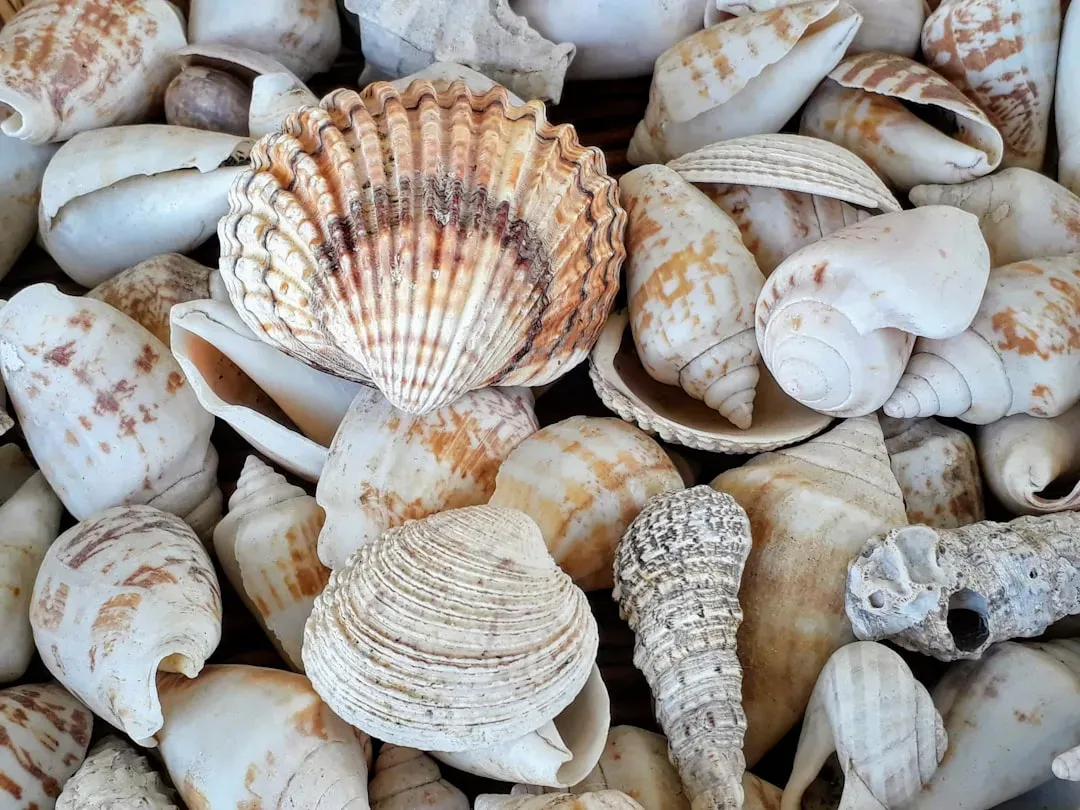
Finally, there are the mysteries: small stones, bits of shell, and other objects that do not obviously belong in a shark’s stomach. These may have been swallowed accidentally while the shark was feeding aggressively near the bottom or ripping prey off a structure like a reef, pier, or ship hull. Some researchers suspect that, in a few cases, sharks may even retain heavier items for help with buoyancy control or digestion, though that idea is still debated and not clearly proven. Most of the time, these items look incidental, not intentional.
What intrigues me is how these stray objects highlight just how rough and imprecise feeding can be for a fast-moving predator. When a shark bites, it is not delicately picking and choosing every gram; it is lunging through water, teeth first, often with poor visibility and high competition from other predators. If a few shells or pebbles get swept in, the shark’s stomach just has to deal with it. To me, these odd inclusions feel like the background noise of a shark’s life: the unplanned side effects of hunting in a messy, dynamic, human-influenced sea.
Conclusion: What Shark Stomachs Really Say About Us
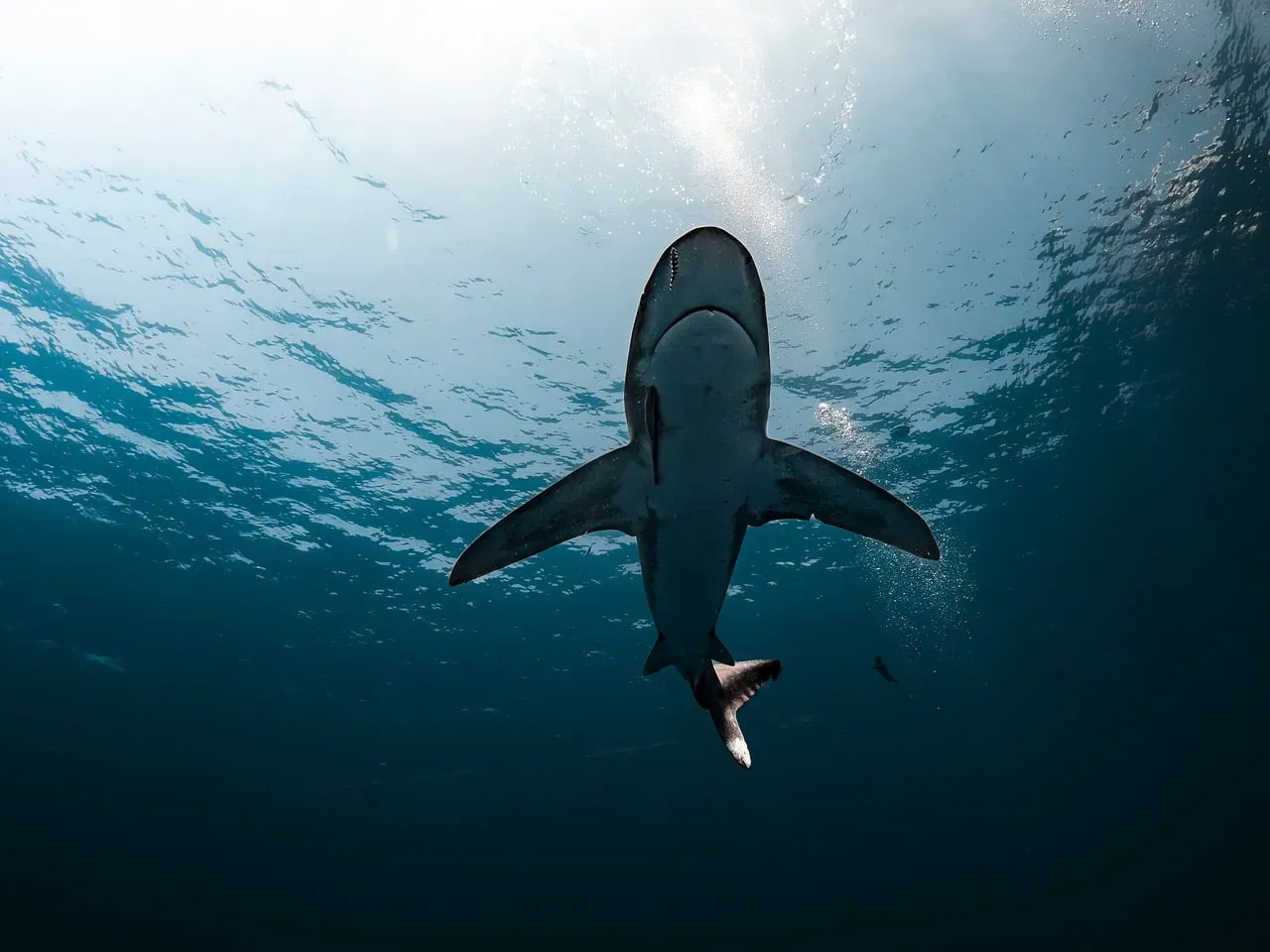
Looking through this list, a pattern emerges that is hard to ignore. The natural prey found inside Florida sharks this year – fish, rays, turtles, squid – tells a story of an ecosystem that is still functioning, still wild, still capable of supporting top predators. But layered over that is a second story written in plastic bags, hooks, metal scraps, and food waste, and that second story is about us. Shark stomachs have become unwilling archives of our habits, our litter, and our casual assumptions that the ocean will simply dilute whatever we toss its way.
My own opinion is that we have reached the point where being “fascinated by sharks” is not enough; we have to be uncomfortable with what we find inside them. These animals are not just symbols on T‑shirts and documentaries; they are living barometers of our respect – or lack of it – for the sea that surrounds Florida’s coasts. The hopeful part is that many of the worst items inside sharks are preventable: lost lines, tossed wrappers, unsecured trash. The question is whether we are willing to change small everyday behaviors on land and on the water so that future scientists open a shark’s stomach and find mostly fish, not fragments of our lifestyle. When you picture a shark right now, do you imagine a sleek hunter full of wild prey, or a living trash bin dragging our mistakes through the blue?