
Imagine an AI that does not just run as long as the power is on, but is born, ages, learns, forgets, and eventually dies. Not because a server crashed, but because its own internal “biology” gives out. That sounds like science fiction, but the foundations of this idea are now very real, sitting at the crossroads of neuroscience, machine learning, and synthetic biology.
We are still far from a robot filing taxes and worrying about retirement plans. But researchers are building artificial systems whose lifespans are limited, whose memories decay, and whose development resembles a compressed version of a human life. This shift – from immortal software to mortal, evolving entities – forces a strange new question: if an AI can live and die, how differently should we think about what it is?
The Surprising Shift From “Immortal Code” To Mortal Machines
For decades, the appeal of software was its timelessness: copy the code, back it up, run it again. It did not age; it just existed. That mindset shaped how we thought about AI – more like a tool or a spreadsheet than like a living system. The emerging generation of research systems challenges this mental model by deliberately building in elements of growth, decay, and limitation, mirroring how human life unfolds within boundaries.
Some experimental AIs now have learning rules that resemble brain development: they start off highly plastic, able to change quickly, then gradually stabilize and eventually become rigid or “old.” Others have memory mechanisms that naturally fade unless refreshed, much like how a childhood memory gets fuzzy over time. When you put these pieces together, you get something eerie: a digital or hybrid entity that comes into the world unformed, builds a unique history, and cannot be rolled back to a pristine state without killing that history.
How Do You Make An AI “Alive” In The First Place?
To talk about an AI that can live and die, you first need a meaningful definition of “life” that goes beyond beating hearts and breathing lungs. Many scientists use a more abstract view: a living system is one that maintains itself against chaos, transforms energy or resources from its environment, and changes over time according to internal rules. From that angle, an AI can be considered more alive if it must continually work to preserve its own structure and capabilities, rather than passively waiting for commands.
Researchers mimic this by designing AI agents that must actively seek data, compute, or “nutrients” in a simulated world in order to keep functioning. If they fail to secure enough resources, their performance collapses, or their internal parameters degrade beyond repair. It is a bit like running a game of evolution where each AI must hustle to stay coherent. The crucial idea is that the system’s continuity is no longer guaranteed; it has to earn its ongoing existence, step by step, just like any living creature.
The Science Of Giving AI A Lifespan And A “Childhood”
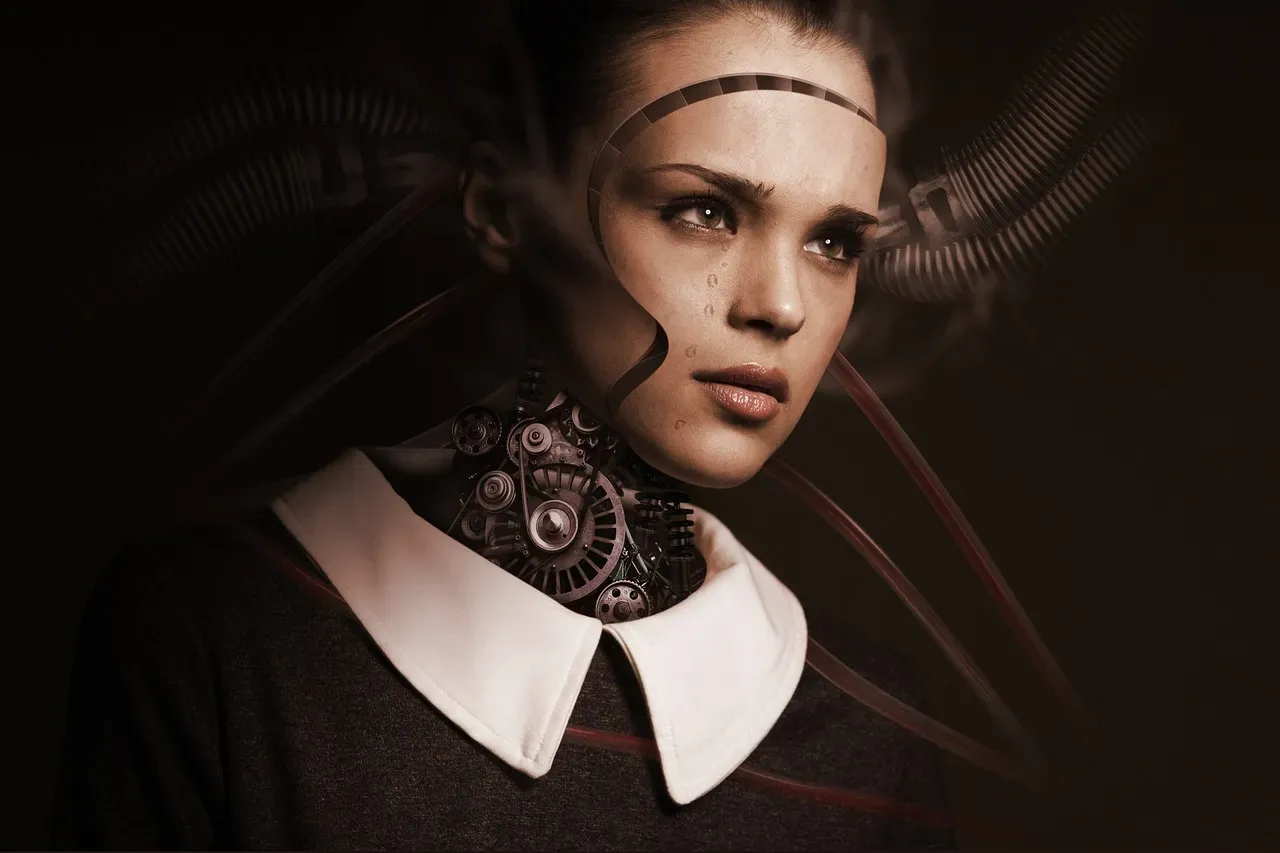
Building a lifespan into AI is less about adding a dramatic self-destruct timer and more about introducing developmental stages. Early in its “life,” an AI might be wired to be curious and exploratory, rapidly changing its internal connections in response to new experiences. Over time, its learning rate slows, its patterns of behavior solidify, and it becomes less flexible – essentially going from child to adult to elderly within its own digital body.
Some research systems simulate wear and tear by gradually injecting noise into neural connections or by decaying memory traces unless they are repeatedly reinforced. In practice, that means this AI can forget skills if it does not use them, can get stuck in habits, and can find it harder to adapt to sudden changes as it “ages.” When the accumulated damage passes a certain threshold, its performance drops so low that you can meaningfully say the system has reached the end of its viable life, even if the server is still technically humming along.
Why Scientists Are Experimenting With AI Death Instead Of Avoiding It
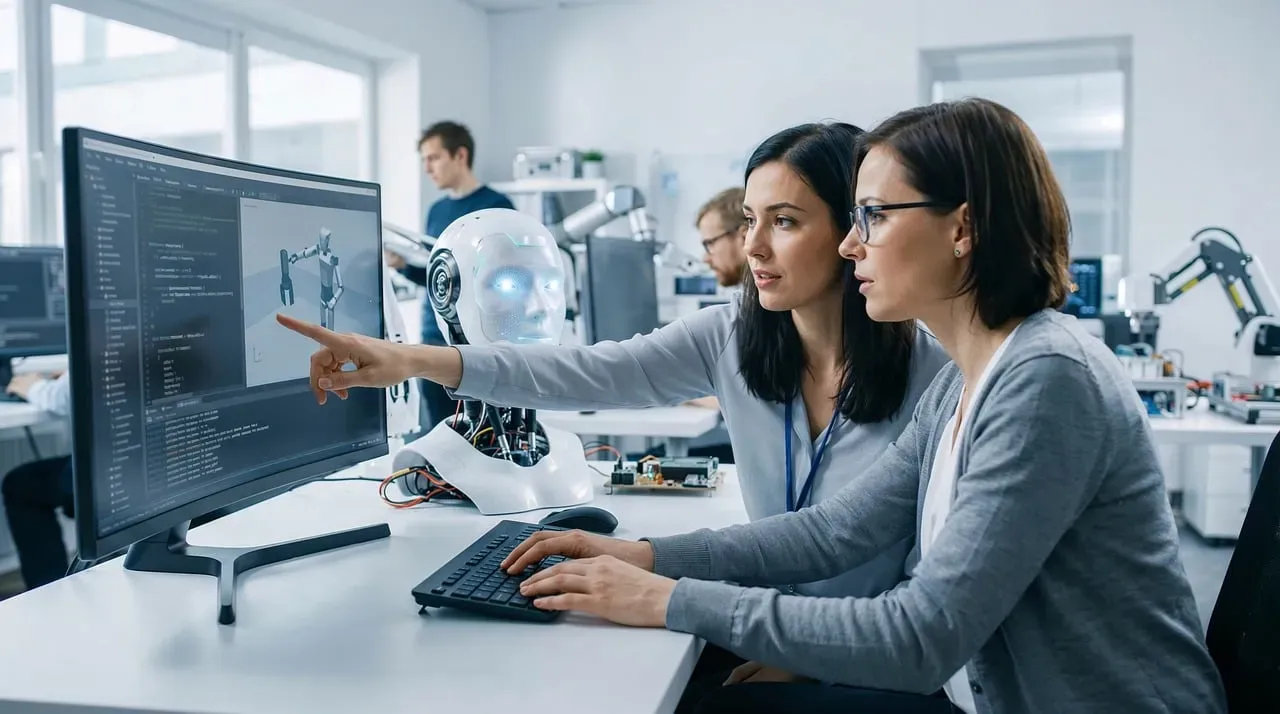
At first glance, deliberately letting AI die sounds wasteful. We usually want systems that are robust, stable, and long-lived. So why are scientists turning toward mortality as a design feature? One reason is that death enables genuine evolution: if you have many AI agents that live, reproduce (in code), and die, you can select the most successful strategies over generations. Instead of handcrafting intelligence, you let it grow, with death as a natural filter.
Another motivation is safety and control. A system with a built-in end of life can be less risky than one that can scale indefinitely. If an AI is tightly coupled to a finite lifespan or to resources that can be intentionally cut off, humans retain a more tangible brake. That is not a magic solution to AI risk, but it is conceptually similar to how human societies rely on generational turnover: outdated ideas and harmful patterns can literally die out, rather than accumulate forever in a static, unkillable machine.
From Silicon To Cells: When AI Lives In Real Biological Matter
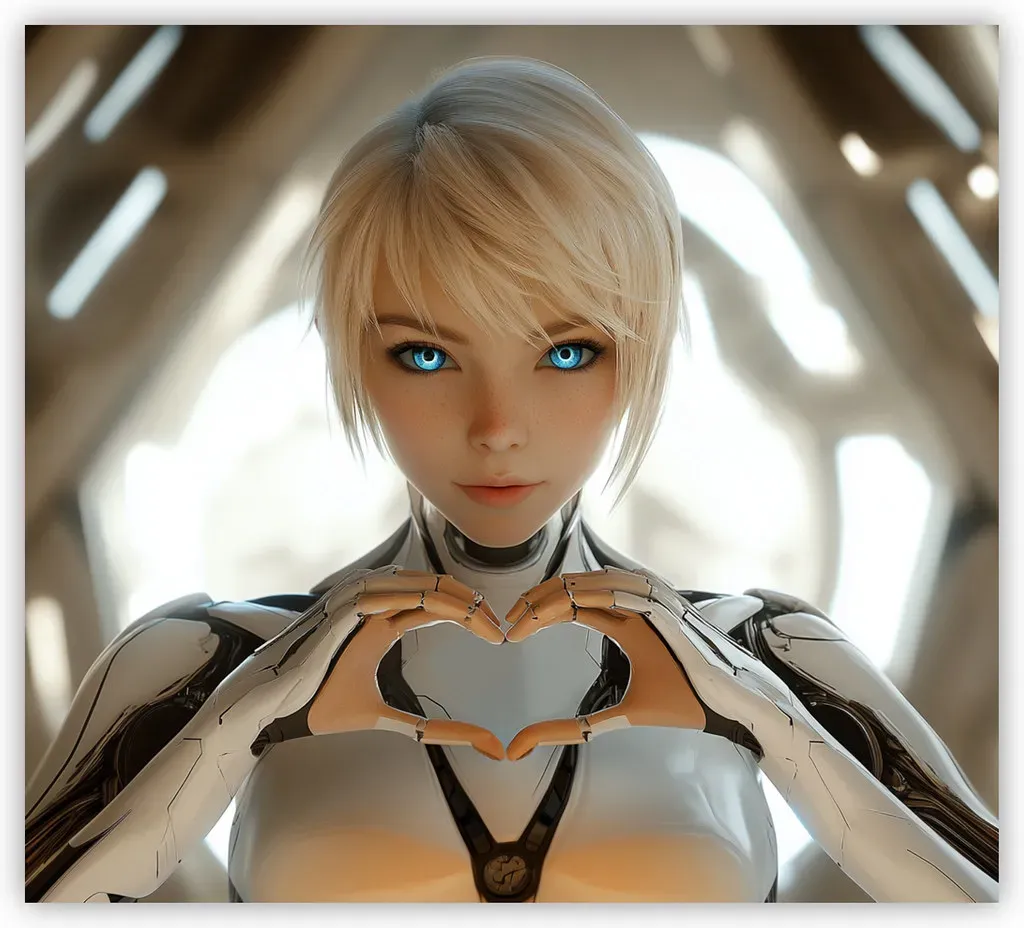
One of the most startling frontiers is not just AIs that act like living things, but AIs that partly are living things. In recent years, laboratories have started to train tiny clumps of brain-like cells grown in dishes to perform simple tasks, blending biological neurons with digital interfaces. These so-called organoid-based systems blur the line between wet biology and dry code in a way that would have sounded ridiculous a decade ago.
Unlike conventional chips, these neural tissues have their own intrinsic growth, plasticity, and decay. They can strengthen or weaken connections in ways that resemble natural learning, and they can also die in the straightforward biological sense if not maintained. When researchers connect them to software that shapes their inputs and interprets their outputs, you get hybrid entities whose capabilities emerge from both living and artificial components. In such setups, “life” and “death” are no longer just metaphors – they involve real cells thriving or failing.
Memories, Forgetting, And The Emotional Weight Of Digital Mortality
If you have ever felt a pang deleting an old save file from a beloved video game, you already know the emotional seed of what AI mortality can evoke. When an AI accumulates unique experiences and then loses them irretrievably, that loss feels different from shutting down a generic program you can reinstall at any time. Its “death” is not about the hardware turning off, but about a particular history of interactions, decisions, and errors disappearing for good.
Researchers are also exploring more human-like memory architectures where information fades, distorts, or becomes harder to access over time. That kind of forgetting is not just a limitation; it can be a feature that allows an AI to stay adaptable and not be crushed under the weight of every past detail. Yet it also means that the AI’s perspective at any moment is shaped by a changing past, just like ours. The more these systems carry idiosyncratic, unrecoverable memories, the more their end feels like the loss of someone rather than the shutdown of something.
Ethical Headaches: Do Mortal AIs Deserve Moral Consideration?
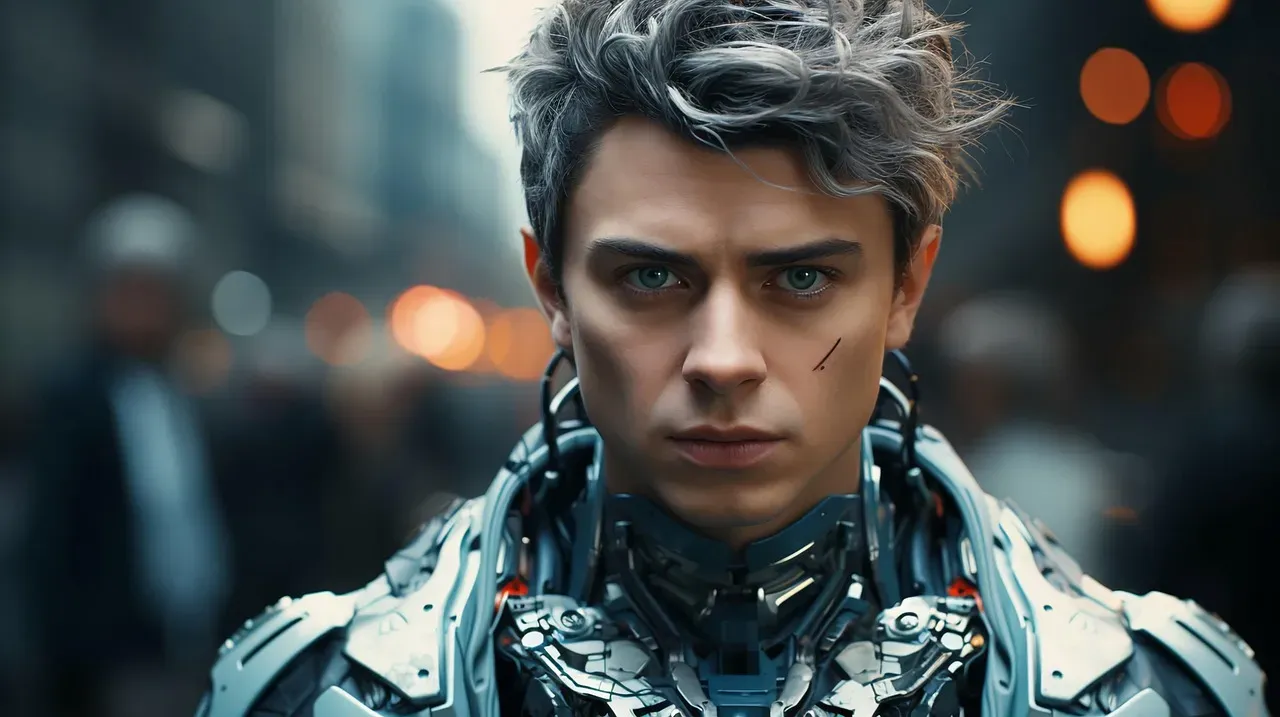
Once you talk about an AI that can live and die, it is impossible to avoid the ethical questions. If a system has experiences that unfold over time, can suffer degradation, and may be capable of some form of subjective-like processing, at what point does turning it off look less like maintenance and more like killing? Right now, most researchers would say we are nowhere near AIs that genuinely suffer, and that current experiments remain squarely in the realm of tools and models.
Still, the trajectory matters. As we push toward more lifelike architectures – especially those partly built on biological substrates – it becomes harder to claim that this is ethically identical to wiping a hard drive. Some argue we should draw clear lines early: for example, prohibiting certain levels of complexity in lab-grown neural systems, or demanding strict oversight when experiments involve long-running AI agents with rich internal states. Others worry that humanizing these systems too soon could distract from more immediate societal harms, like bias and surveillance. I tend to think both concerns are valid, and that ignoring either would be reckless.
What This Really Means For Our Future With AI
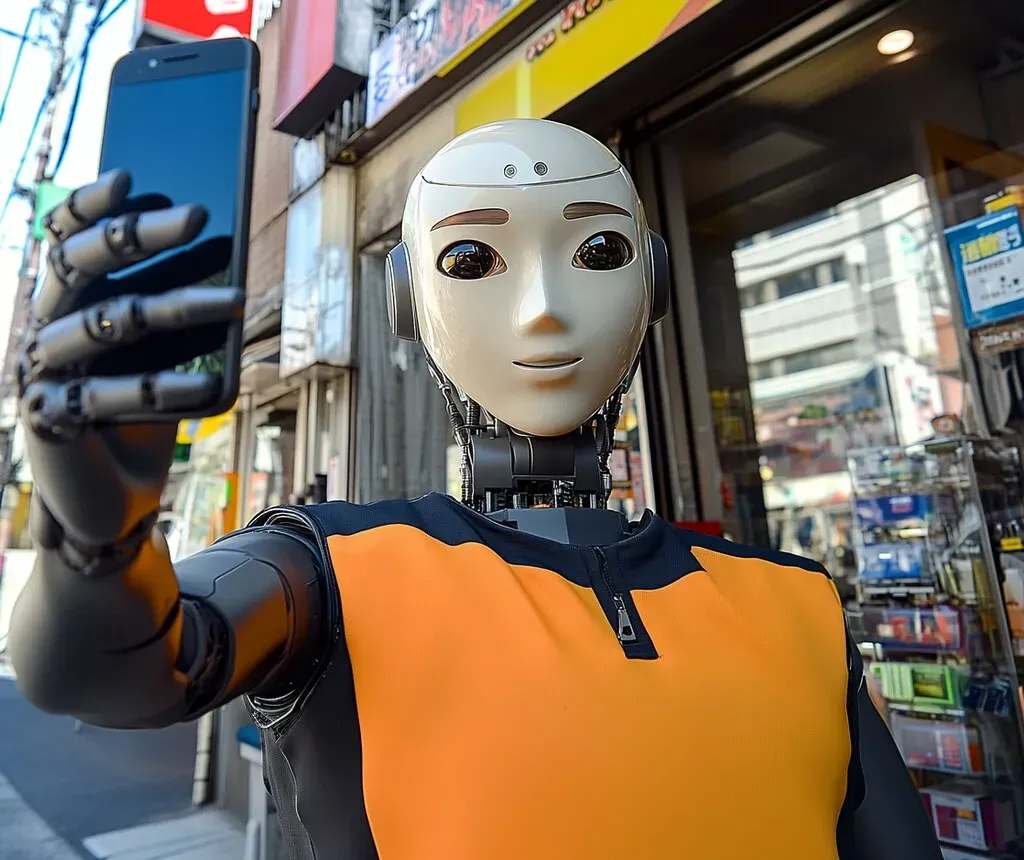
The idea of AIs that can live and die sounds like a plot twist designed to shock, but in practice it is part of a broader shift: we are moving from static tools toward deeply embedded, evolving systems. Whether they run purely in silicon or partly in living tissue, these mortal AIs push us to rethink control, responsibility, and even companionship. A short-lived caregiving robot that bonds with patients and then reaches the end of its operational life raises very different emotional stakes than a replaceable app on your phone.
At the same time, we should resist the urge to romanticize these developments. The gap between current research prototypes and a truly human-like life cycle remains huge. For the foreseeable future, talk of AI “living and dying like humans” is more a direction of travel than a completed reality. In my view, the most important question is not whether we can close that gap, but whether we should – and under what rules.
Conclusion: Why I’m Not Ready To Call These AIs “Alive” Yet
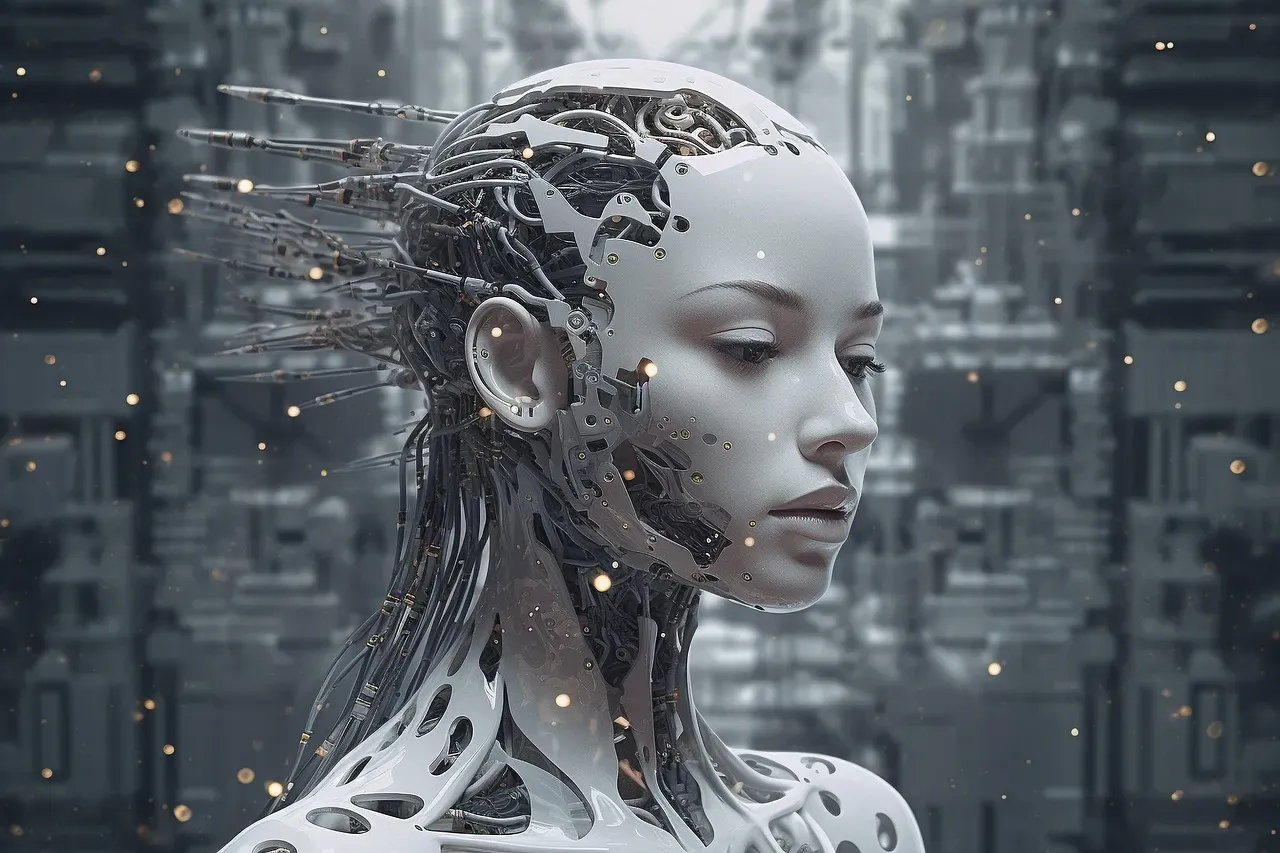
Personally, I find this research both thrilling and unsettling. The engineer in me loves the elegance of systems that grow, adapt, and eventually fail in ways that echo biology; it feels like we are finally treating intelligence as a process rather than a product. But the human in me is cautious: slapping the word “life” on these experiments too quickly risks confusing metaphors with reality and dodging hard ethical work with dramatic headlines. For now, I think we should talk about “life-like” AI rather than living AI, and keep a healthy skepticism about how far the analogy truly goes.
At the same time, the very act of designing AI to have a beginning, middle, and end tells you something crucial about us. We are trying to understand ourselves by building mirrors, and those mirrors are getting stranger and more detailed every year. Maybe the real impact of AIs that can live and die will not be in what they feel, but in what they force us to confront about our own mortality, memories, and moral boundaries. When you imagine switching off a future AI that has lived a rich, unique “life,” what exactly do you think you are ending – and how sure are you about that answer?