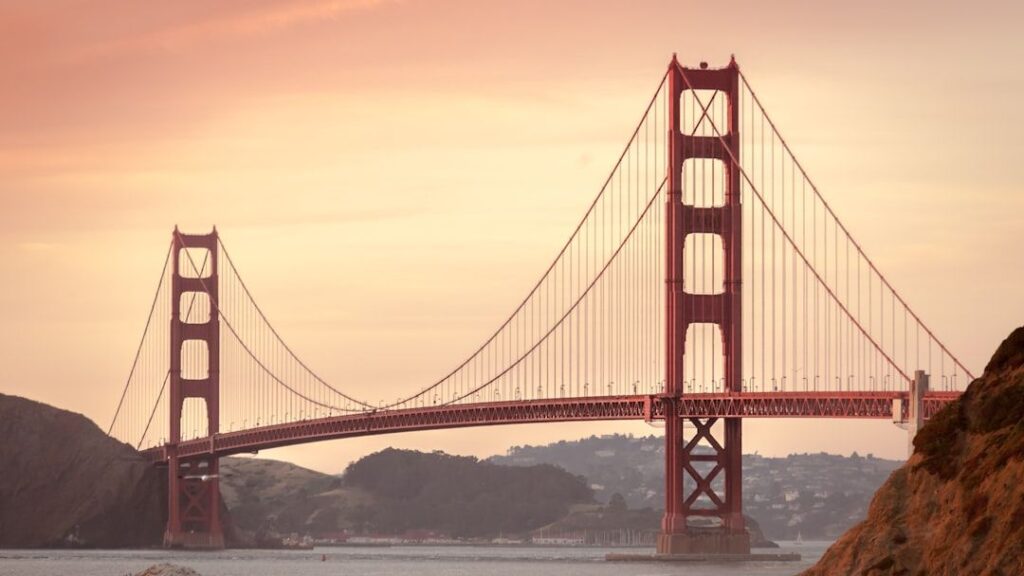

If you stand on the Golden Gate Bridge on a windy day, you are literally standing on a moving object. The roadway shifts, the cables hum, and the towers themselves sway ever so slightly against the San Francisco sky. It sounds like the start of a disaster movie, but engineers will tell you this motion is not a flaw at all. It is the secret to why this iconic orange giant has survived storms, traffic, and earthquakes for nearly a century.
What is changing now is not just that the bridge moves, but how and why it is being allowed – and even engineered – to move more intelligently. With new retrofits, sensors, and design philosophies shaped by climate change and mega-quakes, the Golden Gate is quietly becoming a living laboratory for the future of infrastructure. The bridge we think of as solid and timeless is, in reality, a carefully controlled dance between steel, wind, and earth, and that dance is only getting more complex from here.
Why A Moving Bridge Is Safer Than A Rigid One
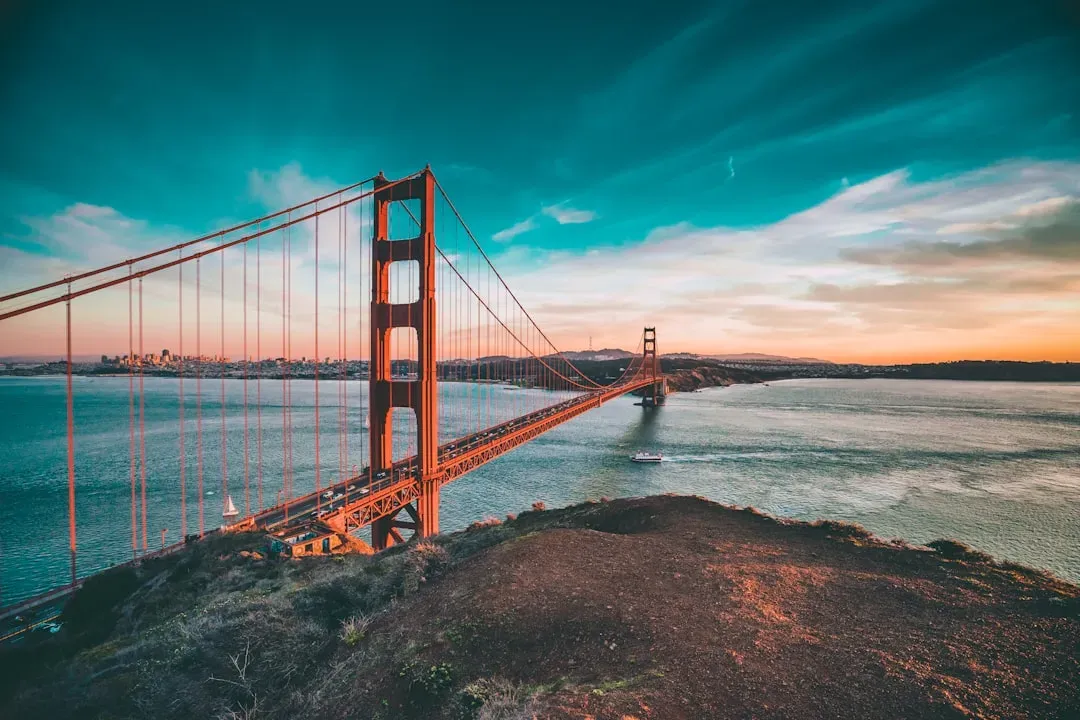
It feels counterintuitive: we tend to associate safety with rigidity, like a sturdy table that does not wobble. But when you are dealing with a structure that stretches more than a mile across open water, rigidity is actually dangerous. A bridge that cannot flex is more likely to crack, snap, or collapse when forces like wind, traffic, and seismic waves hit it. The Golden Gate was designed from the beginning as a flexible system of cables and steel that can sway, twist, and stretch without failing.
On a strong wind day, the deck can move several feet sideways, and the towers can sway by small but measurable amounts. During an earthquake, the bridge is meant to rock, slide slightly at bearings, and let its cables absorb energy rather than transferring it all to brittle joints. Think of it less like a granite monument and more like a gymnast’s body: the ability to bend is exactly what stops it from breaking. When engineers talk about the bridge moving more, they are really talking about giving it more room and smarter ways to move so it can survive whatever is coming next.
The Hidden World Of Sensors Beneath The Iconic Orange Steel
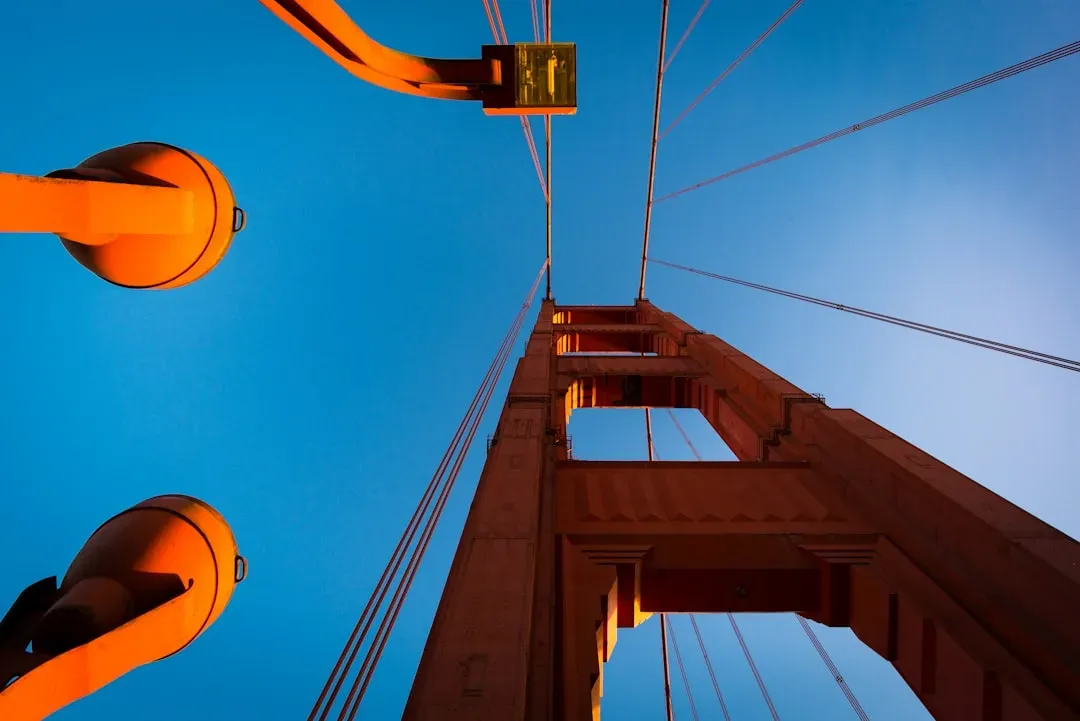
Most people walking or driving over the Golden Gate see rivets, towers, and that famous International Orange paint. What they do not see is the quiet army of sensors, cables, and data systems tucked into its spine. Over the past few decades, the bridge has been outfitted with accelerometers, strain gauges, GPS receivers, and temperature sensors that constantly track how it behaves. These devices measure how the structure vibrates in the wind, how much the cables stretch under rush hour traffic, and how the bridge responds to daily temperature swings.
This real-time monitoring is what lets engineers say with confidence that the bridge is moving, how much it is moving, and whether that movement is healthy or worrisome. In a way, the Golden Gate now has something like a wearable fitness tracker, but for a piece of infrastructure. Patterns in the data reveal subtle changes in stiffness, emerging fatigue, or unusual behavior after storms and small quakes. Instead of waiting for cracks to appear or paint to peel in obvious ways, engineers can see early warning signs in the data and adjust maintenance and retrofits long before a casual observer would notice anything at all.
From Earthquakes To Climate Change: Why More Movement Is Inevitable
The Golden Gate sits in one of the most dynamic environments on the planet. Just offshore, tectonic plates grind past each other, sending seismic waves through the region with every significant quake. On the surface, the bridge endures salty fog, powerful winds funneled through the strait, and the slow but steady rise of sea levels. Each of these forces nudges engineers toward designs that accept, and even depend on, greater controlled movement. A stiffer, more “old-school” bridge would simply not be able to keep up with these evolving realities without serious risk.
As storms grow more intense and sea levels creep up, the loads on the bridge will shift in ways earlier designers did not fully anticipate. Stronger winds and higher waves change how forces are distributed through the towers and cables, and hotter summers alter how much the steel expands and contracts day to day. Instead of fighting all of this with brute rigidity, modern engineering leans into it by allowing bearings to slide more, expansion joints to move further, and energy-dissipating devices to deform under stress. The result is not a fragile bridge, but a structure that is intentionally more alive and responsive to its environment.
The Aerodynamic Face-Lift: How Wind Is Making The Bridge Move Differently
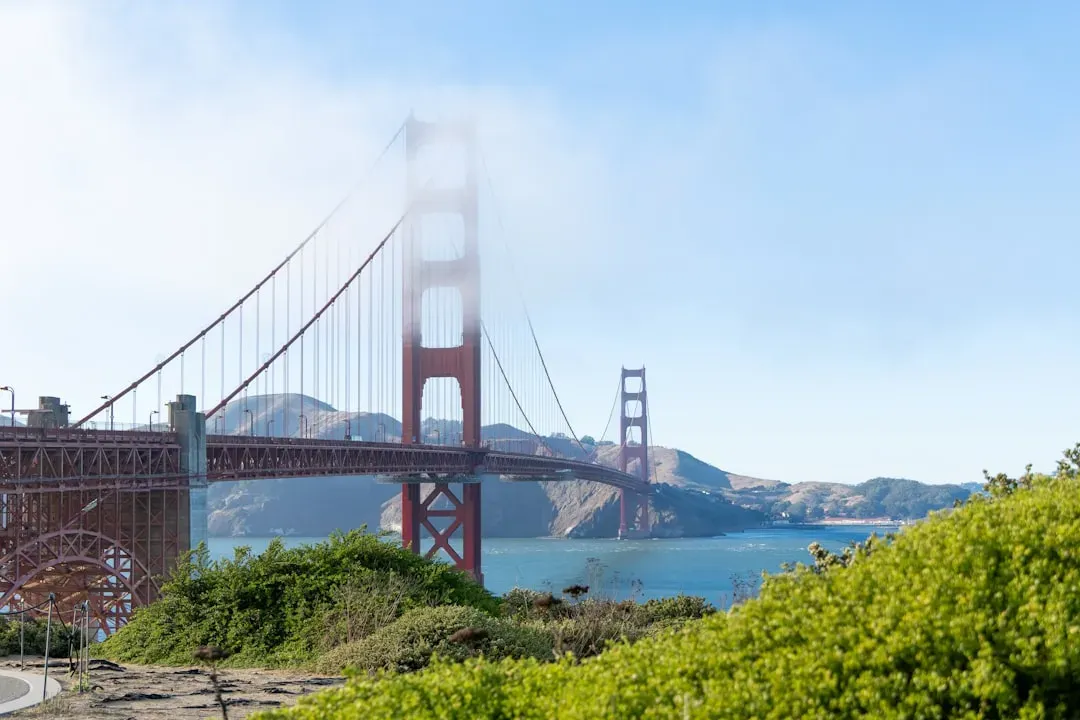
One of the most dramatic recent changes to the Golden Gate Bridge has been the replacement of sections of its sidewalk railings with slimmer, more aerodynamic designs. At first glance, that might sound like a minor cosmetic tweak, but it has meaningful consequences for how the bridge moves in the wind. Older railings created more turbulence, pushing and pulling on the structure in irregular ways. The new design allows wind to pass more smoothly, reducing certain kinds of chaotic motion while introducing different vibration patterns that engineers study closely.
Not long after some of these changes, people in nearby neighborhoods reported hearing the bridge emit an eerie humming sound during strong winds. That sound was the tangible result of airflow interacting with the new elements and exciting specific vibration modes. To the public, it felt unsettling, almost like the bridge was singing a warning. To engineers, it was more like a wake-up call to fine-tune their models and possibly add small tweaks to dampen those vibrations. The key point is that as we refine a structure aerodynamically, we inevitably change how and how much it moves, and that is a deliberate trade-off in the quest for long-term stability.
Turning The Golden Gate Into A Prototype For Future Smart Bridges

In a sense, the Golden Gate Bridge is no longer just a bridge; it is a full-scale experimental platform. Data from its sensors is used to test structural models, refine earthquake simulations, and validate new retrofit techniques. Engineers around the world look at how this aging yet upgraded landmark behaves and adapt those lessons to new bridges in regions as far away as Asia and Europe. The fact that the Golden Gate is so well-known actually helps, because it attracts funding, public attention, and research partnerships that might not exist for a less iconic structure.
A big shift underway is the move from reactive maintenance to predictive maintenance powered by data. Instead of waiting for a visual inspection to notice corrosion or fatigue, algorithms can scan sensor data to predict where issues will likely appear next. This approach essentially means the bridge is constantly “telling” its caretakers how it feels, and they can respond in advance. As computing power and machine learning tools improve, you can expect even more nuanced understanding of how the bridge moves under different conditions, making this kind of intelligent flexibility the default model for big infrastructure rather than a niche experiment.
What “This Is Just The Beginning” Really Means For Bridges Everywhere
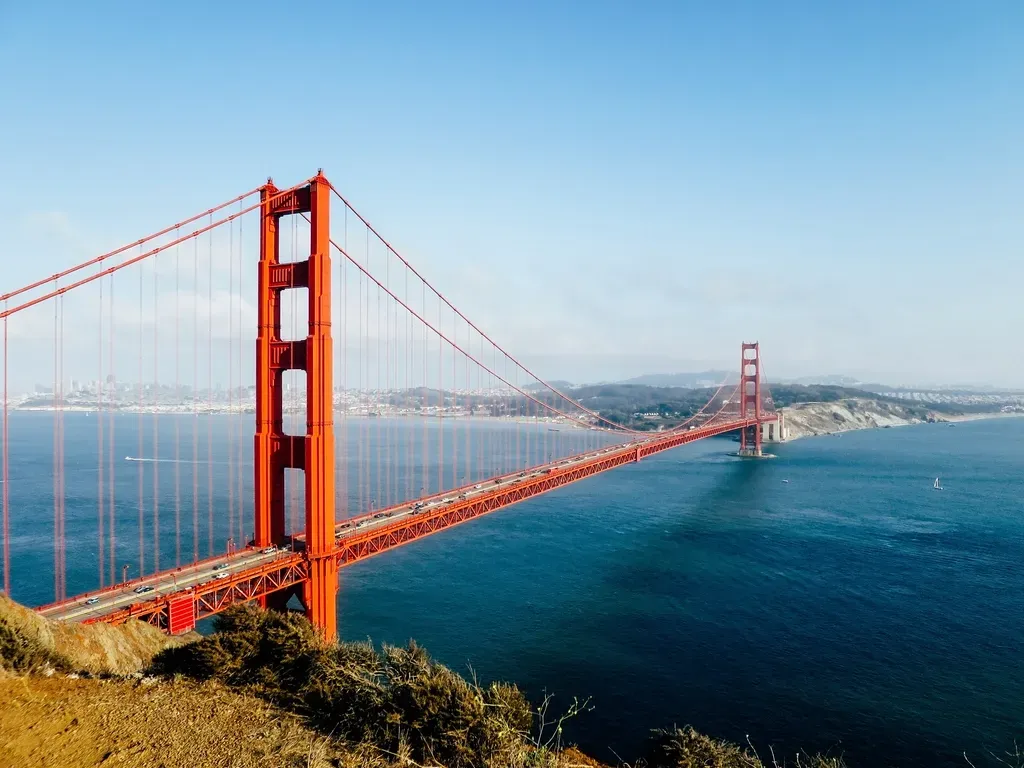
When engineers say the Golden Gate Bridge’s movement is just the beginning, they are really pointing to a broader transformation in how we think about infrastructure. The era of building massive, rigid structures and hoping they survive is ending. In its place is a philosophy that treats bridges, towers, and even skyscrapers as evolving systems that are monitored, updated, and taught to respond to changing conditions. The Golden Gate just happens to be one of the most visible examples of this shift, and its movements are a preview of what will be normal rather than exceptional.
My own view is that we should embrace this idea wholeheartedly, even if it feels a bit unsettling to know the ground – or bridge – under our feet is in motion. A bridge that moves is not a bridge on the verge of failure; it is a bridge that has been designed honestly for the messy, shifting planet we actually live on. The alternative is clinging to the illusion of stillness until reality forces a far more painful wake-up call. The Golden Gate’s quiet sways and subtle hums are a reminder that resilience does not look rigid, and that is a truth we will have to accept as we rebuild aging infrastructure in a warming, restless world.
Conclusion: A Swaying Icon In A Shifting World
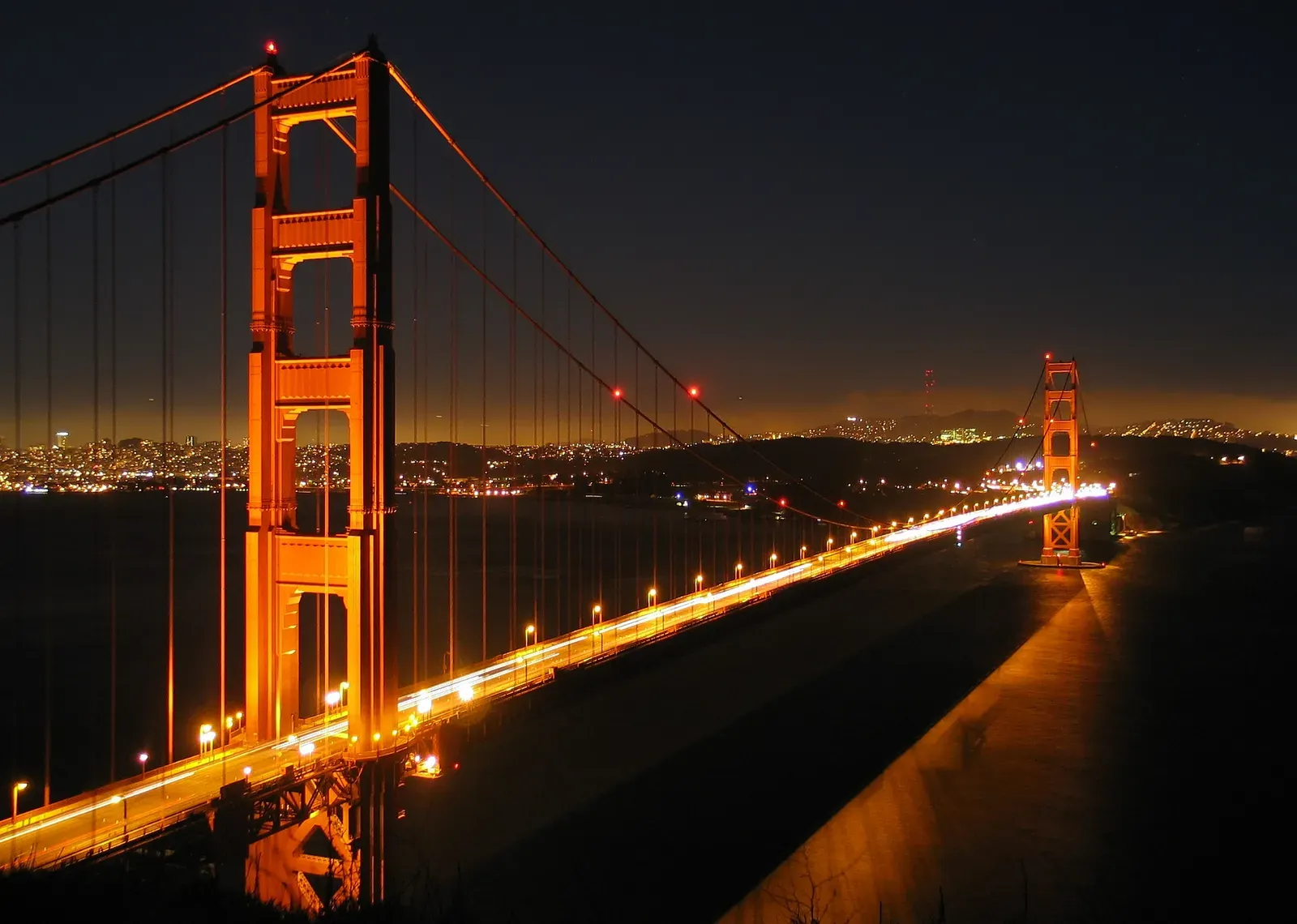
It is strangely comforting to realize that the Golden Gate Bridge, this supposed symbol of permanence, survives precisely because it refuses to stand still. Its cables stretch, its towers sway, its deck shifts under wind and quakes, and all of that motion is carefully measured and, for the most part, encouraged. To me, it feels like a rebuke to the fantasy that safety comes from locking everything in place. Instead, the bridge insists that safety comes from adaptation, from listening to data, and from upgrading old bones with new brains. That mindset is not just an engineering choice; it is a cultural one.
If anything, I think we have been too slow to accept that our infrastructure must become more like the Golden Gate: flexible, instrumented, and transparently dynamic. Waiting for disasters to justify smarter, more responsive design is a luxury we no longer have. The bridge’s ongoing motion is not a warning siren that collapse is near; it is a signal that we finally understand the value of building for motion instead of pretending it does not exist. In a world of rising seas, stronger storms, and inevitable quakes, a swaying bridge is not a problem to fix, but a philosophy to scale. Knowing that, does the idea of a moving bridge still scare you – or does it start to feel like the only honest way forward?