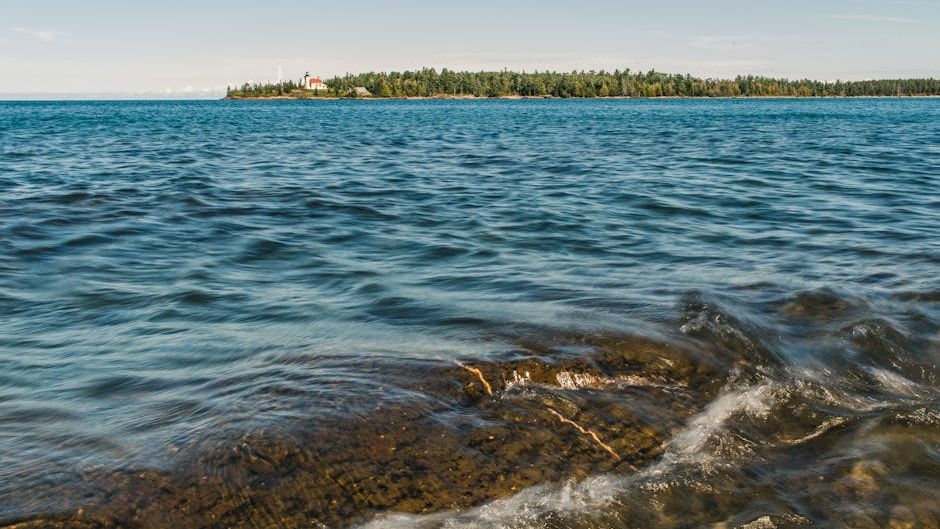

If you have ever stood on the shore of Lake Superior, you know something feels different there. The water looks darker, the horizon feels farther away, and even on a calm day you get the uneasy sense that the lake is holding back its true power. You are not imagining that. For centuries, Superior has swallowed ships whole, sometimes in full view of other vessels, and even in the age of GPS, radar, and satellite forecasts, it still manages to take ships down with almost no warning.
When you hear that thousands of ships have been lost on the Great Lakes and that Superior alone has claimed some of the biggest and most modern freighters ever built, you start to realize why so many sailors treat it with a kind of wary respect that borders on fear. As you work through these facts, you will see that it is not just spooky folklore or old ghost stories keeping Superior’s legend alive; the real science of the lake is often even more unsettling than the myths.
1. You Are Dealing With an Inland Sea, Not a “Lake”
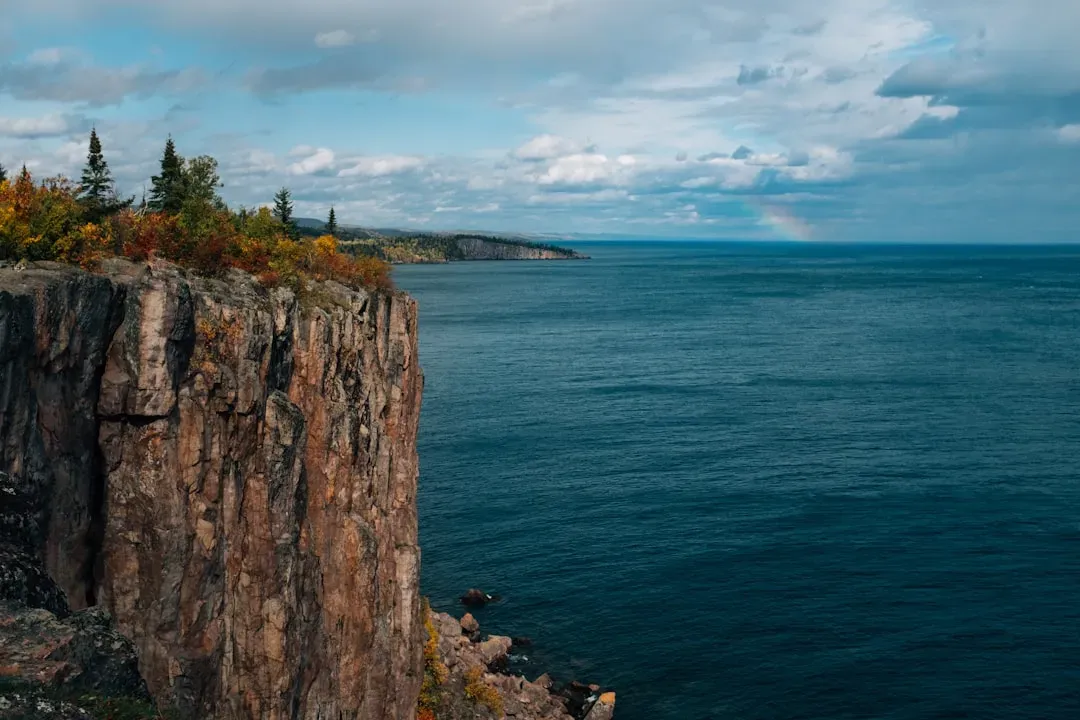
When you picture a lake, you probably imagine a body of water where you can always see the opposite shore, where waves are small and storms lose steam quickly. On Superior, that mental picture will get you into trouble fast. This lake stretches roughly three hundred and fifty miles from end to end and holds more water than all the other Great Lakes combined, which means storms have enormous room to build strength before they ever reach you. You are not crossing a pond; you are crossing something closer to a small ocean in disguise.
The lake is so vast that when you are out near the middle, you can feel as cut off as if you were far offshore at sea, with no immediate shelter if conditions suddenly turn. Weather systems can travel along that long fetch of open water and create waves tall enough to slam into a ship’s hull like moving walls. That scale alone explains why, even with modern equipment, you still see large freighters get into serious trouble out there.
2. The Depth Is So Extreme That Wrecks Simply Vanish From Reach
If you are used to thinking of lake bottoms as places you could maybe dive to, Lake Superior will reset your expectations in a hurry. Its maximum depth plunges to well over thirteen hundred feet, and its average depth is still hundreds of feet, which means that when a ship goes down in the deeper basins, it disappears to a place where only specialized research vessels and remotely operated vehicles can follow. For you, standing on shore or even cruising above in a boat, that wreck is effectively gone.
This depth does not just make recovery tough; it makes many wrecks difficult even to locate, especially older ones that went down before precise positions could be logged. When a modern ship vanishes in bad weather, it is entirely possible for it to settle in deep, cold darkness with no floating debris and no visible oil slick, leaving families and investigators with almost nothing to work from. That unsettling ability to erase evidence is a big reason Superior’s shipwreck stories still sound so mysterious.
3. The Water Is So Cold That It Preserves Bodies and Wrecks for Decades
You might think of cold water as harsh but harmless, yet on Superior, the temperature is eerie for a different reason. The lake’s surface rarely gets comfortably warm even in midsummer, and much of the water column stays close to refrigerator temperatures year-round. When a ship sinks, that cold slows decay to a crawl, leaving hulls, cargo, and sometimes human remains astonishingly intact even many years later.
When you read divers’ accounts of approaching a wreck and finding boots, tools, and cabins almost frozen in time, you realize why this lake feels more like a massive underwater archive than a typical graveyard. It also means that some of the people who vanished in storms long ago are still down there, preserved by the chill, which gives every new disappearance a haunting edge: if you go missing here, you do not just vanish in memory, you may quite literally remain in the dark below.
4. Rogue Waves and “Three Sisters” Can Hit You Out of Nowhere
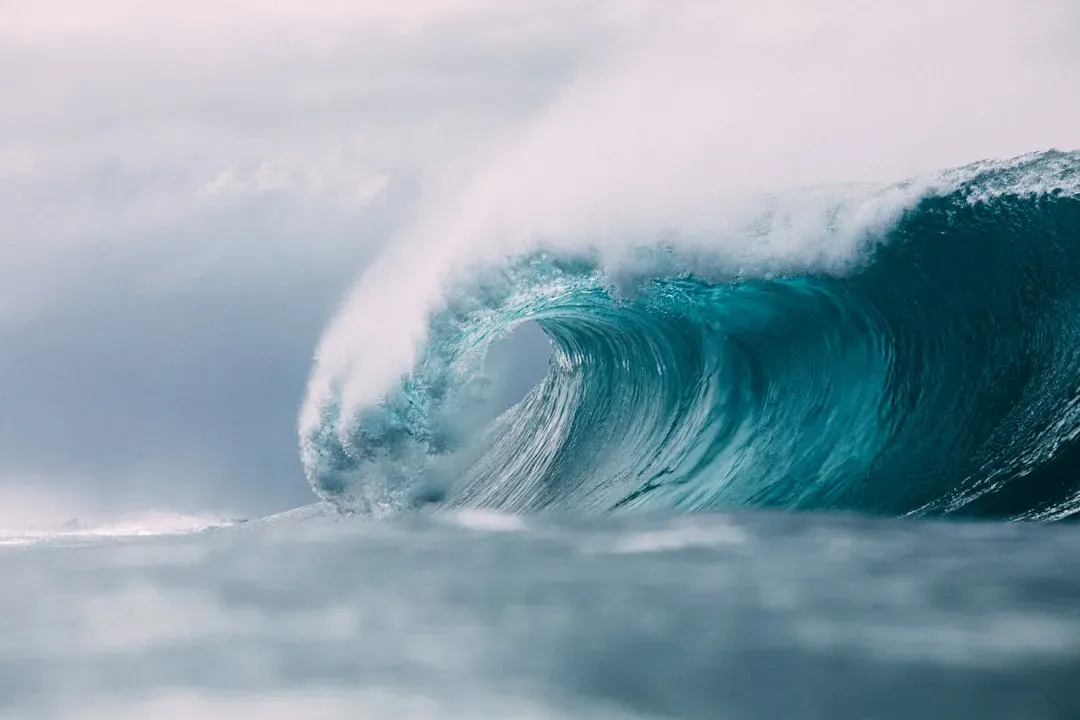
If you picture waves building up in a steady, predictable way, Superior loves to prove you wrong. Under the right conditions, the lake can produce freak waves that tower far above the surrounding seas, sometimes arriving in a rapid set known as the “three sisters.” Imagine you are in heavy weather, already fighting to keep your bow pointed into the swell, when suddenly three larger waves blast through the pattern and smack you before you can recover between hits.
Researchers studying Superior’s storms have documented how these rogue waves can be nearly double the height of their neighbors, with one documented case near sea caves showing a single wave that was dramatically taller than everything around it. When you are on a heavily loaded freighter and one of those monsters catches you sideways or lifts your bow while your stern falls into a trough, the stresses on the hull can be brutal. It is not hard to see how a ship can go from “holding its own” to overwhelmed in just a minute or two.
5. Sudden Seiches Can Raise and Drop the Whole Lake Like a Giant Bathtub
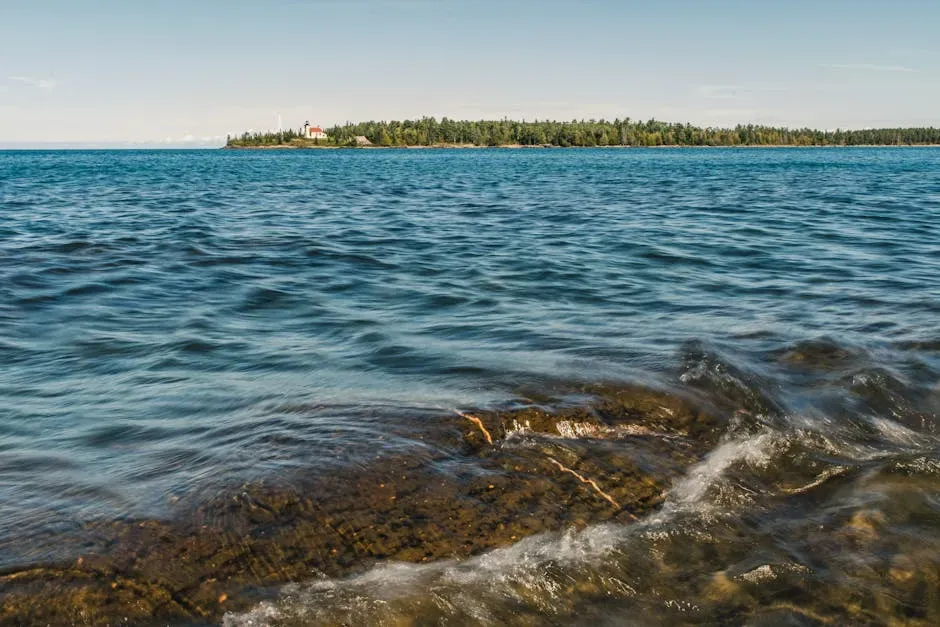
If you are on a ship, a seiche can quietly shift the baseline your depth-sounder is reading and subtly change currents under your hull. Combine that with big surface waves and poor visibility, and you can suddenly find yourself closer to shoals than your instruments lead you to believe. It is unnerving to realize that the lake itself can tilt under you in a way you might not even feel until you are already in danger.
6. The Legendary Witch of November Is Not Just Sailor Talk
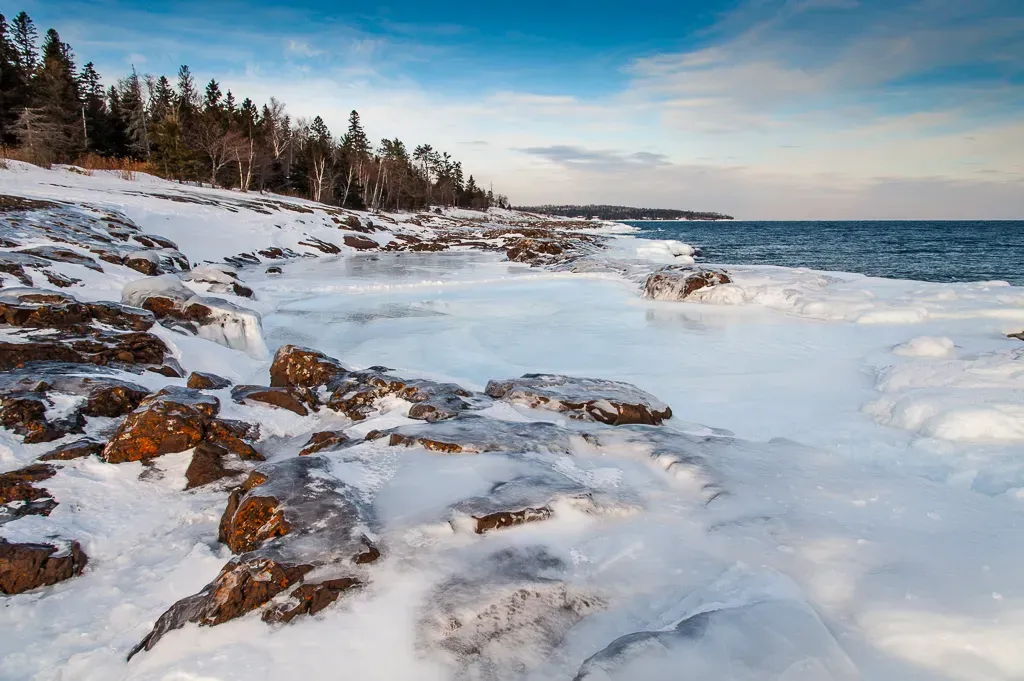
When old Great Lakes sailors talk about the “Witch of November,” they are not just being dramatic for fun. In late fall, you have frigid Arctic air masses crashing into lake waters that still hold summer heat, and Superior’s enormous size lets those clashes develop into monsters. You get low-pressure systems with wind speeds and wave heights that meteorologists openly compare to serious ocean storms, all concentrated over a long, narrow inland sea lined with rocky shores.
This is why so many of the worst shipwrecks on Superior cluster around November dates, from the early twentieth century up through the famous disasters of the 1970s. Even now, with better forecasts and modern weather models, you can watch a forecast go from “strong gale” to “near hurricane-force gusts” surprisingly quickly. If you are on a ship when that happens, you are making choices under pressure: push ahead and risk it, or turn back and possibly ground yourself looking for shelter.
7. Storms Are Getting Wilder in the Modern Era, Not Calmer
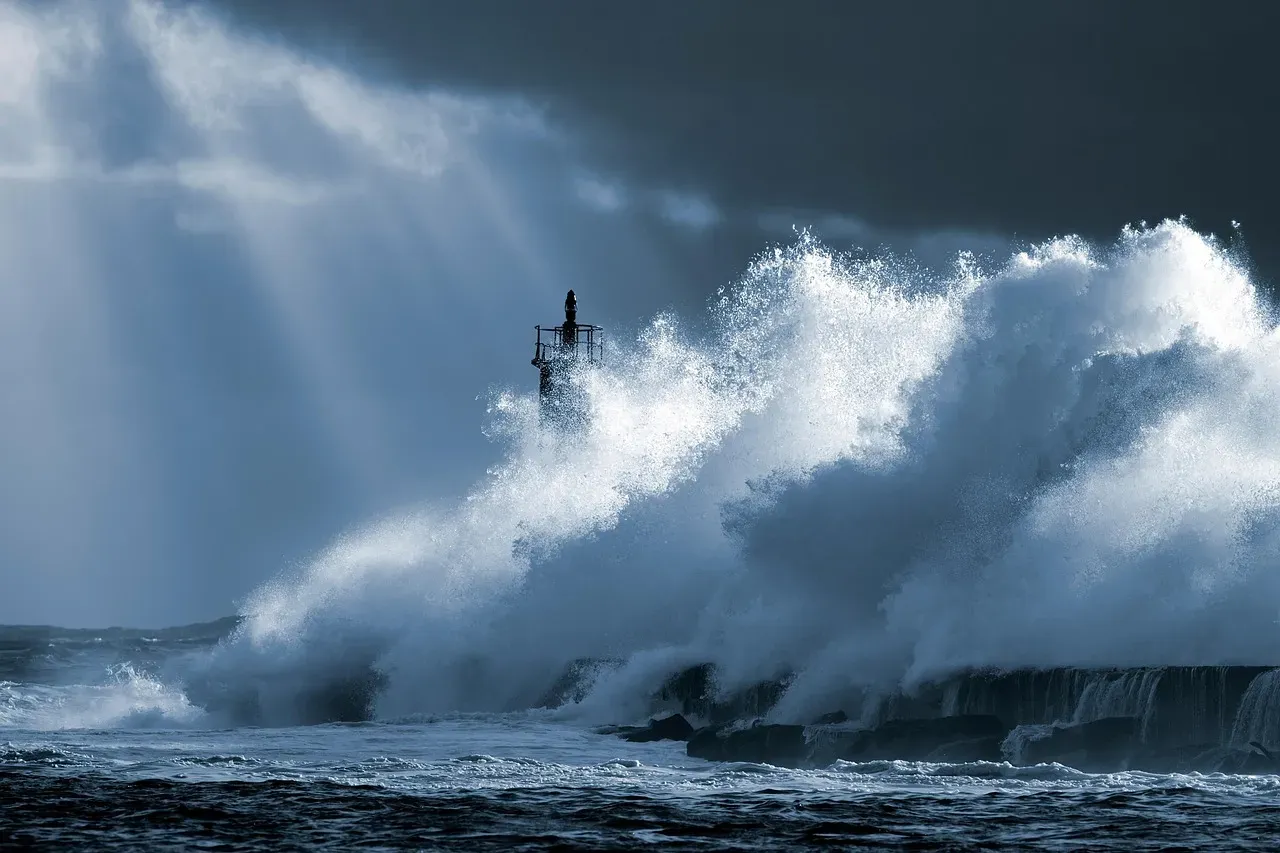
You might assume that with today’s climate awareness and forecasting tools, your biggest gains are safety and predictability. On Superior, the story is more complicated and more chilling. Research over the past few decades has shown that average wind speeds on the lake have been creeping upward, while peak gusts in fall storms have jumped even faster, driving higher and more frequent large waves.
For you, that means the baseline level of risk has quietly increased since the mid‑twentieth century. The kind of storm that was once a rare, freak event is now less unusual, and a squall line that might have topped out at one intimidating level of severity now has enough energy to push a little further. When waves that used to be considered near the ceiling of what Superior could do start showing up more often, you understand why ships still get into desperate trouble despite better technology.
8. Hidden Underwater Ridges and Shoals Wait Just Below the Surface
If you think of the bottom of a lake as smooth and gently sloping, Superior will disabuse you of that hope. Parts of its bed are studded with underwater mountains and razor-backed ridges that rise frighteningly close to the surface. One famous shoal in the open lake has peaks that come up to shallow depths in the middle of an otherwise deep stretch, turning it into a lurking hazard right in the path of heavy traffic.
Even with updated charts, radar, and GPS, you still rely on human decisions about route, speed, and how much margin you leave in bad weather. If a ship, already riding low with cargo and wallowing in big seas, strays a little off course over such a ridge, the wave action can slam its hull into unseen rock or drive it through shallower water than planned. Several modern investigations have kept that possibility on the list of ways a strong ship can suddenly fail without a distress call.
9. Fog, Snow, and Sudden Whiteouts Can Blind You in Seconds
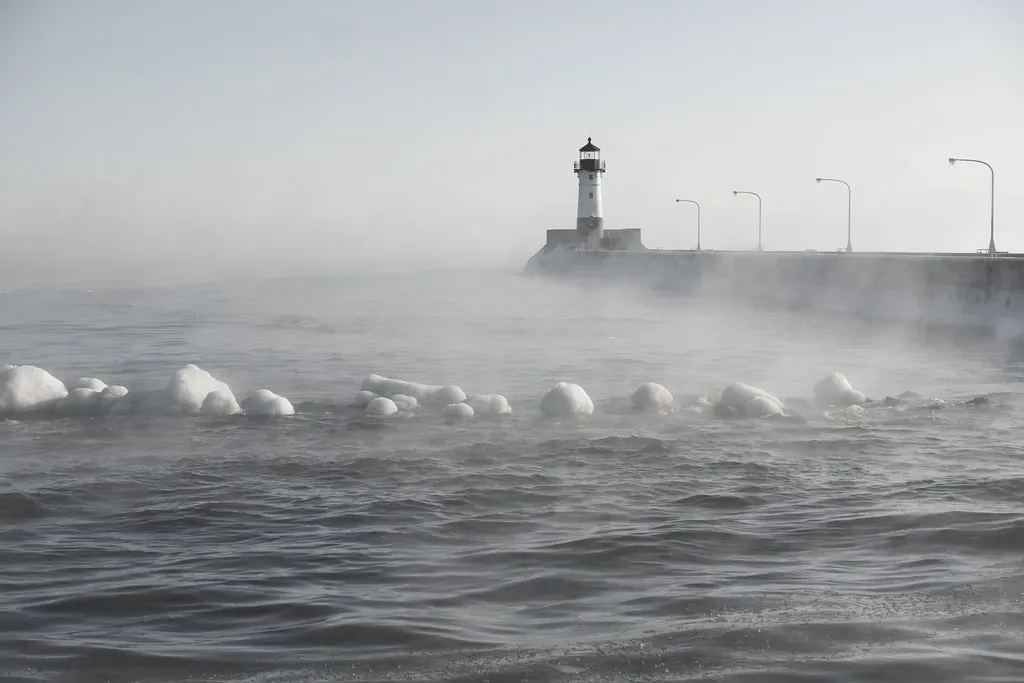
On Superior, clear skies can vanish so abruptly that your brain struggles to keep up. Warm, moist air drifting over the icy water can create thick fog banks that shut down visibility until even nearby navigation lights disappear. In colder months, fast‑moving snow squalls can roll in with such intensity that you go from decent sightlines to a total white curtain around your vessel in a matter of minutes.
Modern instruments help, but they do not remove the tension of steering a long, heavy freighter by numbers alone while hazardous headlands, reefs, and other ships lurk out there unseen. Radar has blind spots, GPS does not warn you about floating debris, and human reaction times do not get any faster just because the equipment is newer. In that sensory soup, one small misjudgment can put you on a lee shore or into the path of another vessel before you have any chance to correct it.
10. The Lake’s Reputation for Shipwrecks Is Earned, Not Exaggerated
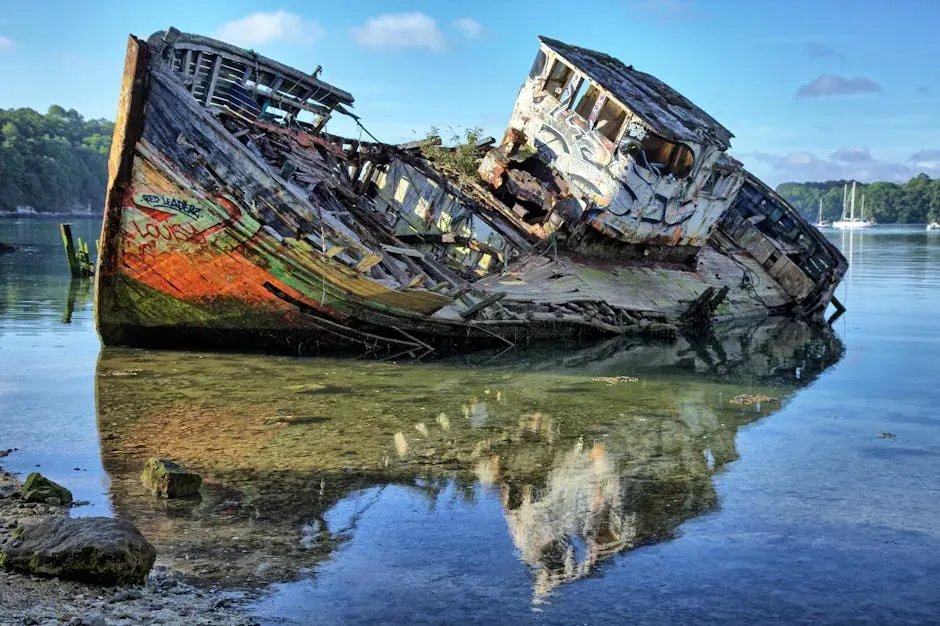
When you hear that the Great Lakes as a whole may hold thousands of wrecks, that sounds like a big, distant statistic. But when you zoom in and notice that Superior alone is believed to contain hundreds of them, many from the heyday of ore and grain shipping, that number starts to feel more personal. Each of those ships once carried people who woke up that morning expecting an ordinary run and instead ended up as part of the lake’s grim roster.
What makes it more unsettling is how many of those wrecks went down close to where you might now kayak, fish, or stroll along the shore. In places like Whitefish Bay or the North Shore, you can look out across stretches sailors quietly call graveyards, knowing there are broken hulls and twisted steel beneath you. That history changes how you read every new headline about a vessel in distress on Superior; you are not just hearing about an isolated event, you are watching another chapter in a long, dangerous pattern.
11. One of the Largest Ships Ever on the Lakes Vanished in Minutes
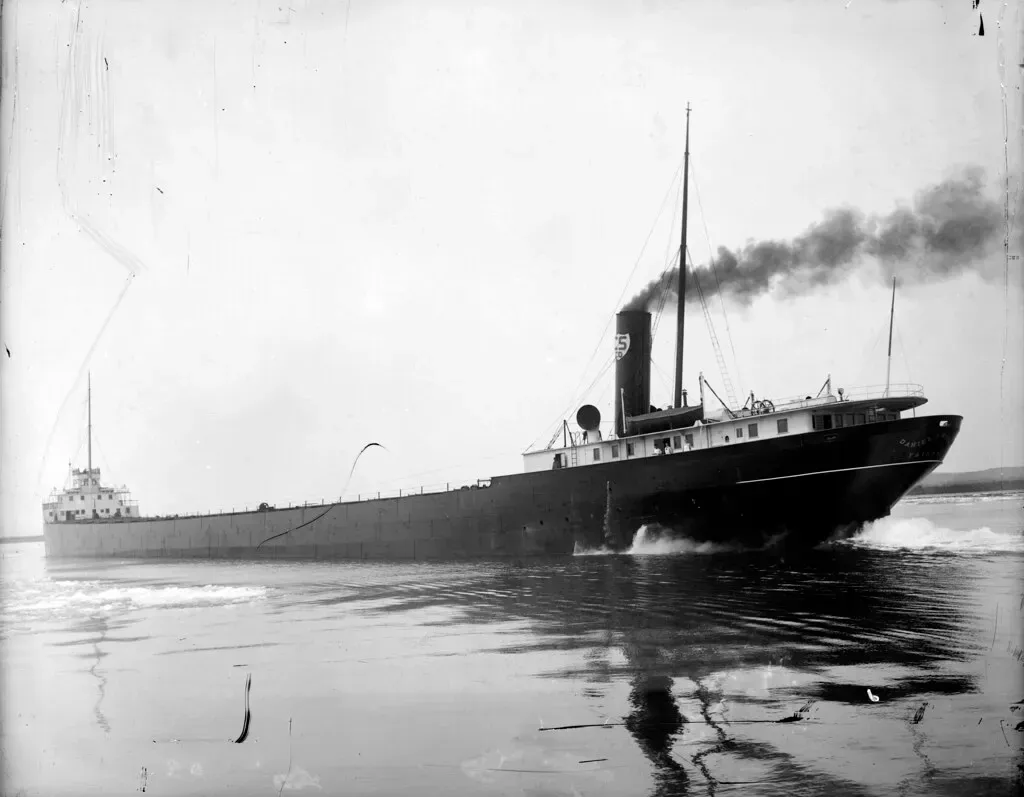
If you think size automatically equals safety, the story of one particularly famous ore carrier on Superior forces you to rethink that. This freighter, more than seven hundred feet long and once the pride of the lakes, disappeared during a raging November storm in the mid‑1970s without a single survivor and without a clear, agreed‑upon cause even after multiple investigations. The ship broke in two and settled in deep water, leaving families and experts with only fragments of radio logs and scattered debris to work from.
For you, that loss is a harsh reminder that even the biggest, most modern ships on Superior can be humbled quickly. Theories range from structural failure during extreme seas to catastrophic flooding from damaged hatches or a fatal encounter with a shoal, but the chilling part is that no single explanation has crushed all doubt. That lingering uncertainty keeps many mariners wary; if a vessel that impressive could vanish that fast, any ship in the wrong place at the wrong time can, too.
12. Modern Navigation Tools Help You – Until the Lake Overwhelms Them
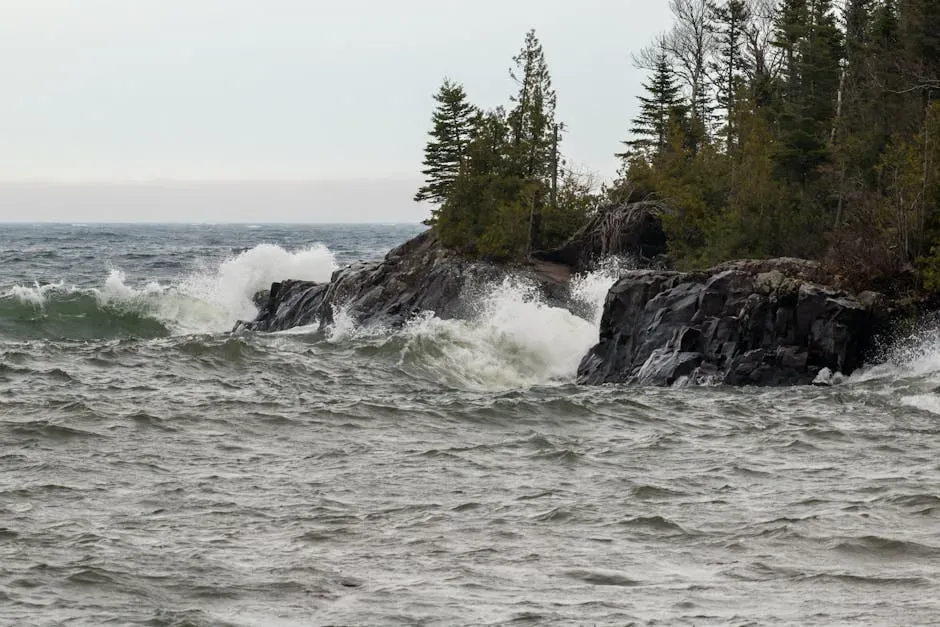
It is tempting to think shipwrecks belong mostly to the pre‑radar, pre‑satellite era, but Superior has a way of cutting through that comfort. Today you have GPS, more accurate charts, better storm warnings, and improved hull designs, yet when you talk to people who actually run these freighters, they are clear that the lake can still push all that to the edge. Instruments give you data, but they do not magically shorten your stopping distance in steep seas or prevent water from battering vulnerable spots on deck.
What really unnerves you is when official reports and veteran captains openly admit that, in the worst Superior storms, you can find yourself pushed close to the limits of what a lake freighter is designed to handle. The lake can still throw rare combinations of wind, wave, and current that reveal weaknesses nobody fully appreciated. In those moments, all the electronics in the wheelhouse are just one more layer of information sitting on top of a very old problem: a huge body of angry water trying to tear your ship apart.
13. The Bottom Topography Can Turn Ordinary Waves into Killers
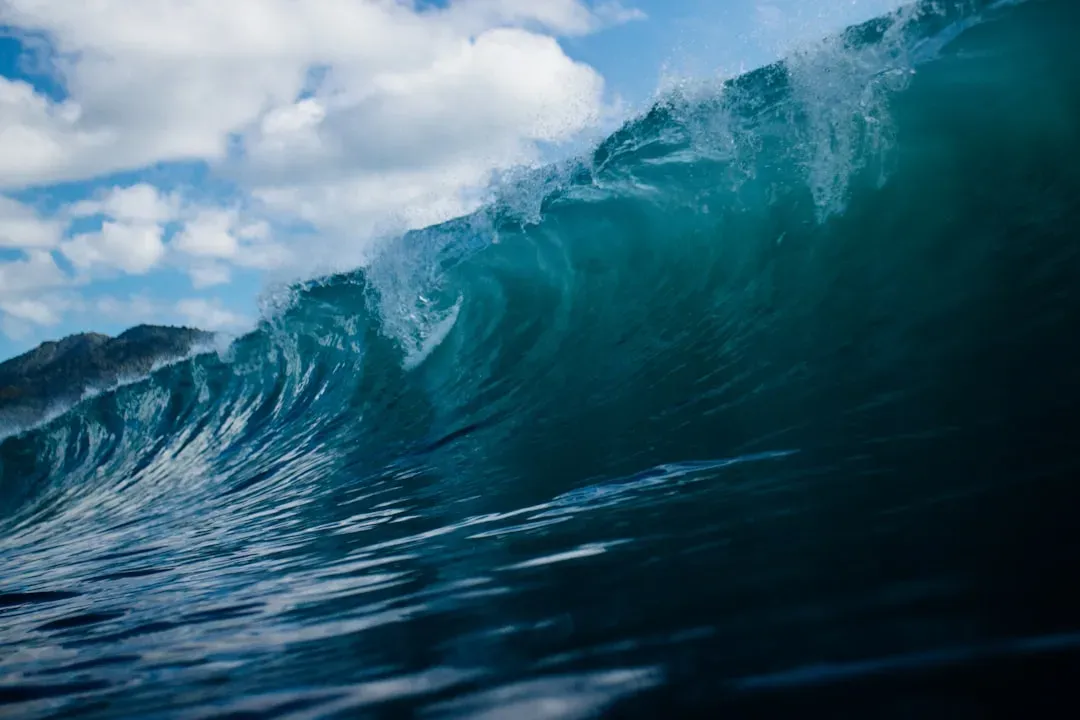
When you look at charts of Superior’s floor, you see more than just deep bowls; you see abrupt depth changes, ledges, and underwater cliffs. In fluid dynamics, those sharp steps can transform wave behavior, amplifying certain swells, focusing energy, and giving you a greater chance of rogue or steep breaking waves than you would expect from the wind alone. If you steer a ship across one of these underwater fault lines in a major storm, you might suddenly face seas that feel out of proportion to the rest of the storm.
Think of it like driving on a highway that suddenly drops and rises without warning; your suspension and control are stressed in ways they are not designed for. On Superior, your “suspension” is the hull, and those underwater features can momentarily push it past safe bending loads, especially on long, heavily loaded freighters. Even if you never touch the bottom, the altered wave patterns above those features can be enough to twist, slam, or flood a ship that seemed to be coping just moments earlier.
14. Rescue Is Farther Away Than You Want to Believe
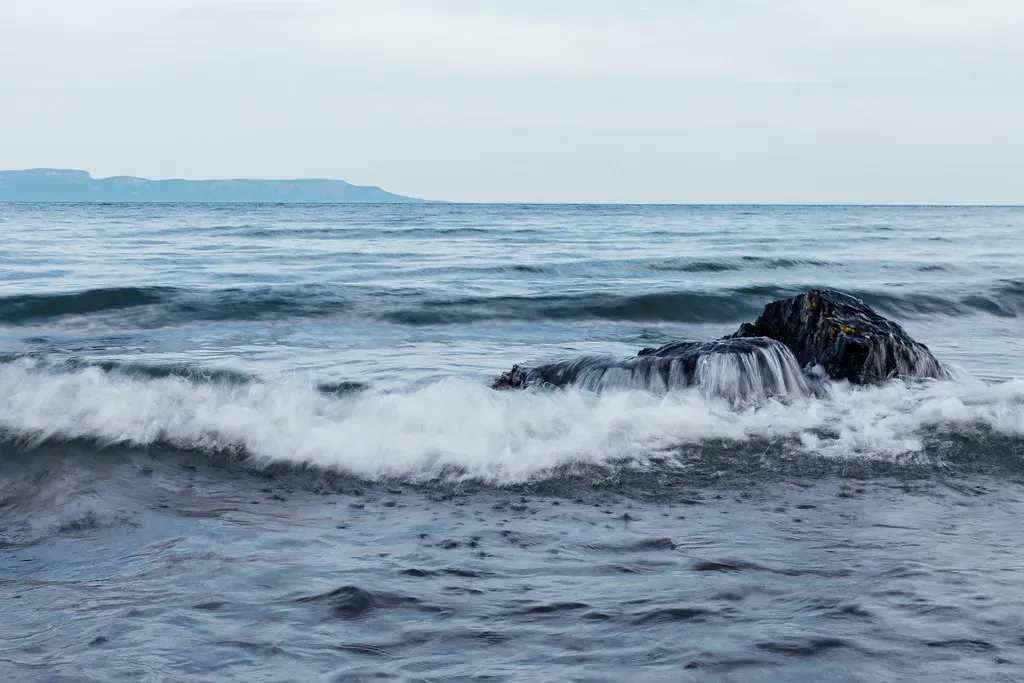
If you are used to coastal sailing, you may subconsciously assume that help is always fairly close by. On Lake Superior, distances and weather can stretch that comforting assumption past its breaking point. In a major storm, when you are far out in open water, air and surface rescue units can face brutal headwinds, dangerous wave heights, and poor visibility trying to get anywhere near you, and neighboring ships may be fighting for their own survival instead of able to come alongside.
That means if your ship takes a hit – whether from a rogue wave, a sudden flood, or structural failure – you might have only minutes or even seconds to act before things become unrecoverable. Life rafts are brutal places in Superior’s cold water and towering seas, and often there is simply no time to deploy them properly. Knowing that rescue might realistically not reach you before hypothermia does is one of the most chilling realities of sailing on this lake.
15. The Myths Are Scary, but the Real Science Is Scarier
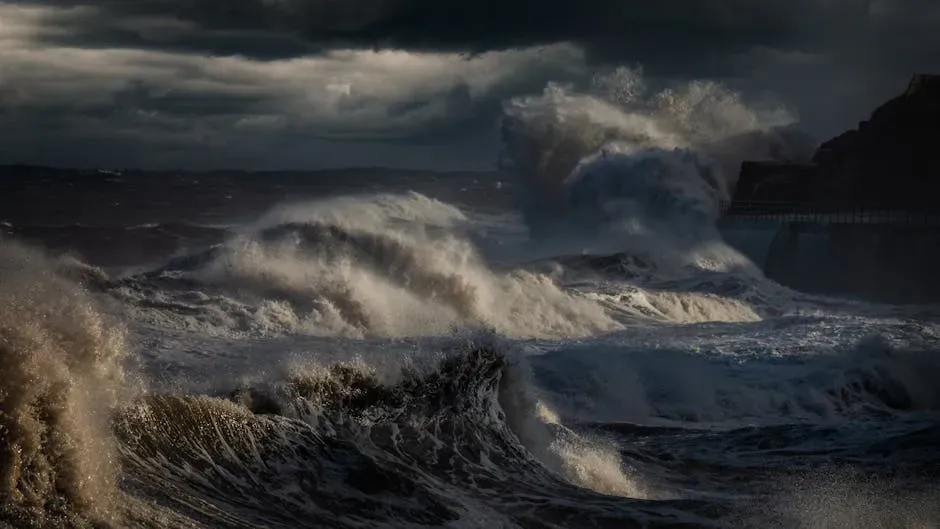
It is easy to get distracted by talk of triangles, curses, or mysterious lights when you read about Superior’s shipwreck lore. But when you dig into the actual research on wind trends, wave statistics, and underwater topography, you discover something more unsettling: you do not need anything supernatural to explain why ships still vanish here. The combination of vast fetch, increasing storm intensity, extreme depth, cold water, and tricky bottom features is more than enough to create rare but devastating scenarios.
In a way, the myths exist because your brain craves a story that feels big enough to match the emotional weight of these disasters. The truth, though, is that physics, weather, and human decision‑making are plenty powerful on their own. When you truly understand what Superior can do on a bad day, you realize the most terrifying part is not ghosts or legends – it is that an inland lake you can drive around in a long day can behave, in its worst moods, like a chunk of the North Atlantic dropped into the middle of the continent.
Conclusion: Respect the Lake, or It Will Teach You Why
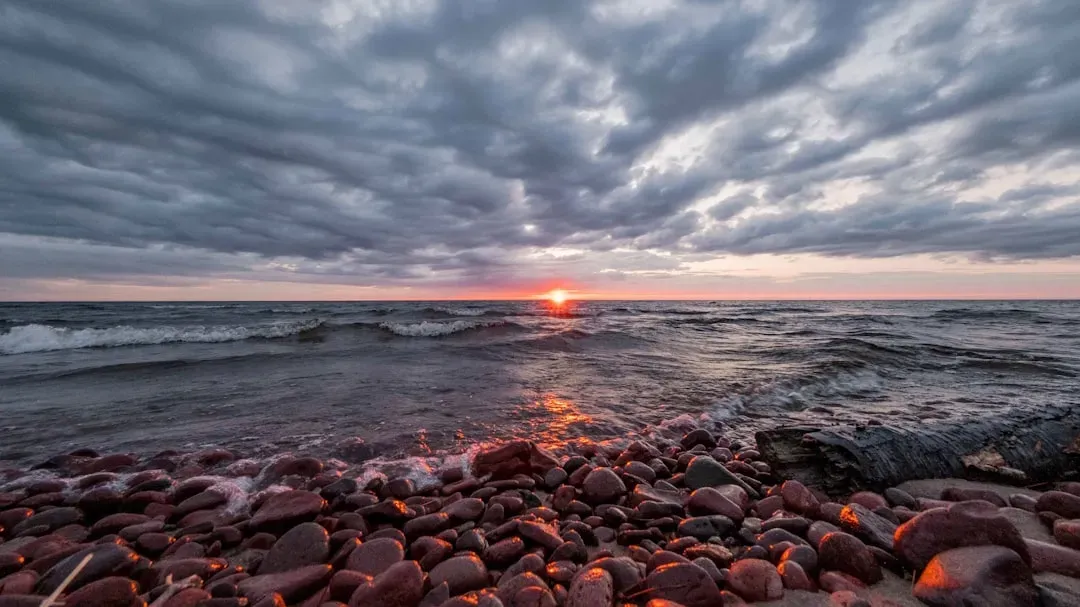
When you step back and line up all these facts, a pattern emerges that you cannot shrug off. Lake Superior is not dangerous because of a single quirk or one historical tragedy; it is dangerous because everything from its size and depth to its storms and underwater terrain stacks the odds against complacency. That is why, even in an age of radar domes and satellite feeds, you still hear about ships running into horrifying trouble out there, and why old‑timers treat smooth crossings as a privilege, not a guarantee.
If you ever find yourself gazing out over Superior on a calm day, it is worth remembering just how thin the line can be between postcard serenity and chaos. The same dark water reflecting the sky back at you has frozen bodies in place for decades, torn ships apart in silence, and turned modern steel into twisted sculptures on the lakebed. The question is not whether the stories are exaggerated; it is whether you are willing to give this inland sea the respect it has earned, or learn the hard way why so many who did not never came home.