
Most people assume every ancient ruin has already given up its secrets – dated, labeled, filed away in a museum plaque. Actually, that’s not even close to true.
Scattered across six continents are massive stone structures, carved caverns, and earthen monuments that archaeologists have studied for decades, sometimes over a century, without agreeing on a single answer for why they exist. Some predate agriculture. Others required engineering we still can’t fully replicate. Here’s what the actual excavation data says about 13 places where the “why” remains stubbornly, fascinatingly unsolved.
#1 – Göbekli Tepe: The Temple That Shouldn’t Exist
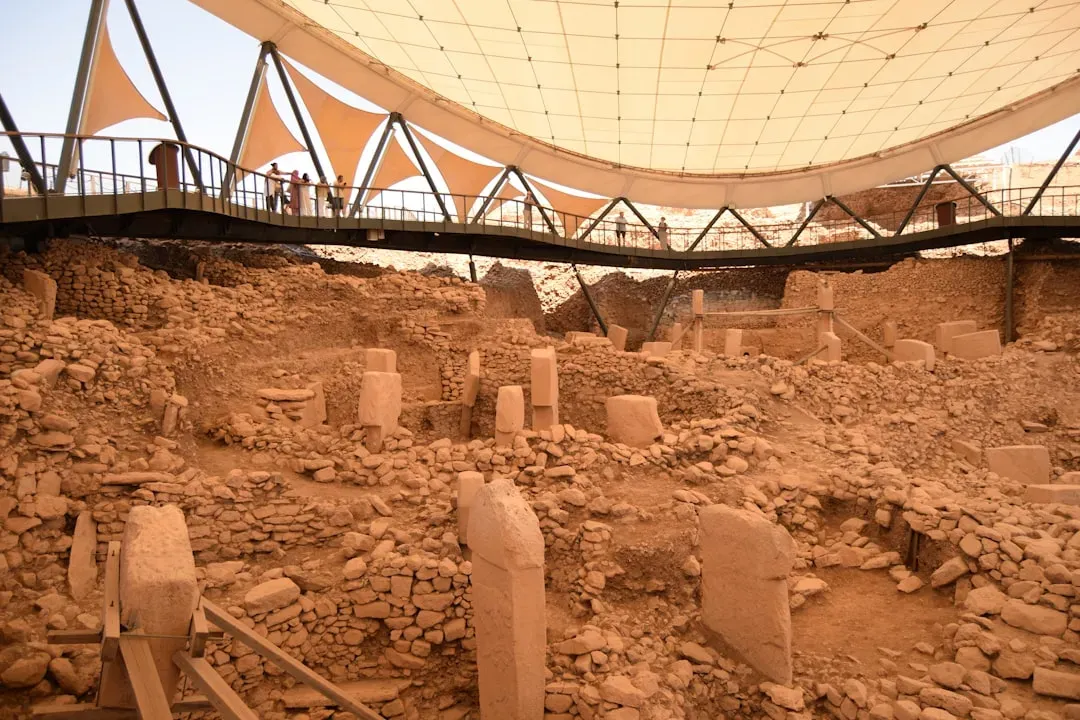
A ring of carved limestone pillars in Turkey has quietly demolished the timeline archaeologists spent a century building.
Göbekli Tepe is estimated to be around 11,000 to 12,000 years old, making it older than Stonehenge by about 6,000 years, and even older than the first known cities of Mesopotamia. The Neolithic site contains a series of elaborate circular enclosures constructed of massive T-shaped limestone columns, many featuring intricate carvings of abstract symbols and wild animals, including lions, foxes, gazelles and birds. The truly strange part: it was built by people with no farming, no metal tools, and supposedly no capacity for large-scale organization.
Archaeologists are puzzled by the lack of any evidence of human habitation at the site – no domesticated plants, no traces of homes, and no known water source in the region. Even stranger, around 8000 BCE, Göbekli Tepe was intentionally filled in and buried, its purpose seemingly abandoned, with theories ranging from ritualistic closure to a catastrophic event. Nobody knows why a functioning sacred site would be deliberately entombed.
First came the temple, then the city.
Klaus Schmidt, lead archaeologist at Göbekli Tepe
That single idea flipped the standard model of civilization on its head. But that mystery is tame compared to what’s happening in England.
#2 – Stonehenge: 5,000 Years and Still No Consensus
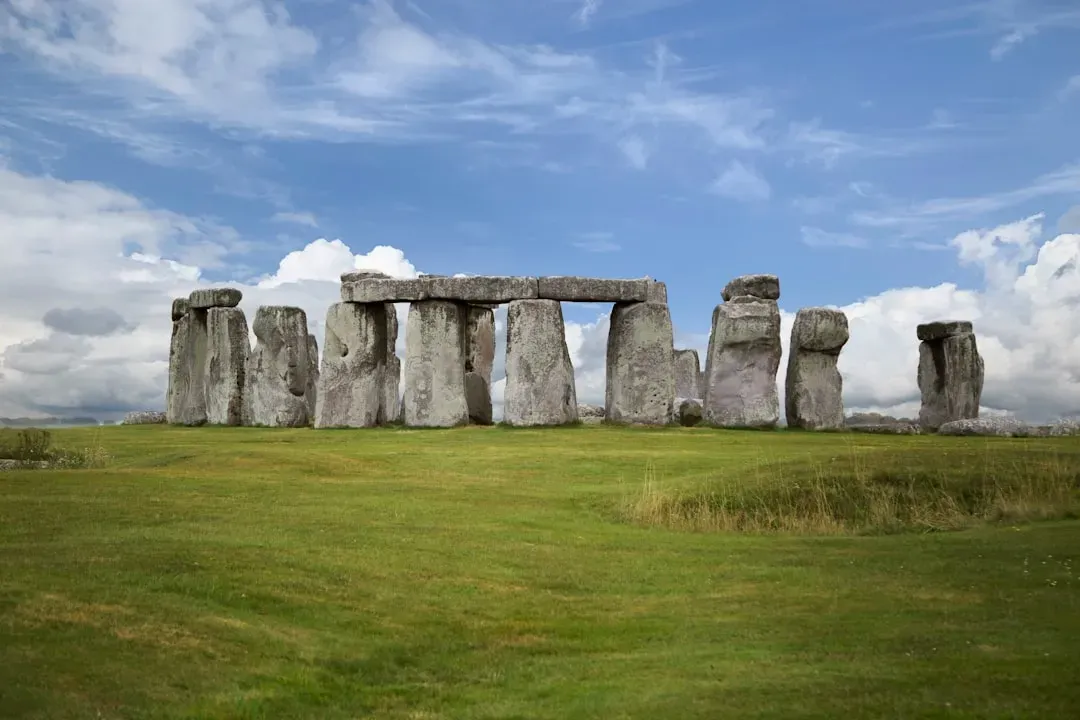
You’d think the most photographed monument in Britain would have a settled explanation by now. It doesn’t.
Stonehenge’s original purpose remains one of archaeology’s greatest mysteries, built over 4,500-5,000 years ago on the open landscape of Salisbury Plain in southern England. Leading theories suggest it was used as a burial site, ceremonial gathering place, astronomical calendar, or religious monument – and archaeologists genuinely can’t rule out any of them.
Here’s the theory that turns heads: in 2008, two of Britain’s top Stonehenge researchers argued it was essentially a prehistoric hospital. Timothy Darvill and Geoff Wainwright proposed Stonehenge was a site of healing, pointing to the bluestones that form its inner circle, which came from the Preseli Hills in Wales, more than 150 miles away, where they were associated with healing springs. Why haul stones 150 miles for a monument if not for something people believed had real power?
Fast Facts
- Built 4,500-5,000 years ago on Salisbury Plain, England
- Bluestones traveled over 150 miles from Wales’ Preseli Hills
- Leading theories: burial site, astronomical calendar, ceremonial gathering place, or healing sanctuary
- 2008 excavation reignited the “prehistoric hospital” theory
That question alone keeps this site in permanent dispute. Yet even that debate looks simple next to a floating city in the Pacific.
#3 – Nan Madol: The Floating City Nobody Can Explain
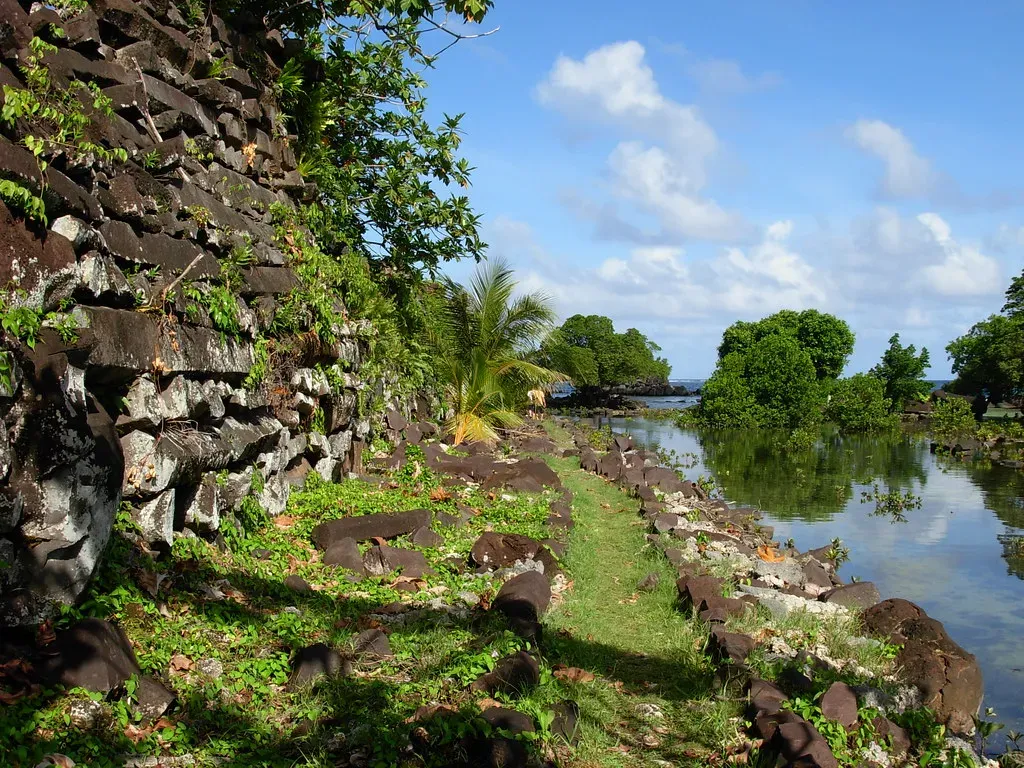
A basalt metropolis rising out of a Pacific lagoon shouldn’t exist by any conventional engineering logic – yet there it sits.
The site is 1.5 kilometers by .5 kilometers and encompasses a sea wall, 92 islets, canals, an irrigation system, ceremonial and residential sections, tombs, and even a prison, all sitting on a coral reef with boulders and logs made of naturally hexagonal volcanic basalt totaling over 750,000 tons. The construction, between 1200 and 1500 CE, is perplexing because it’s unclear how the Pohnpeians, without modern architectural tools and metal, managed to assemble megalithic structures with rocks weighing up to 80 to 90 tons from a quarry more than 40 km away.
Local legend fills the gap science can’t. Oral tradition states that twin sorcerers, Olisihpa and Olosohpa, had the power to make the basalt columns float and stack on top of each other. The city became a political administrative center and religious capital, yet it was mysteriously abandoned about a century before European sailors arrived.
Why an entire working city was walked away from remains unanswered. Still, nothing here beats the puzzle waiting high in the Andes.
#4 – Puma Punku: Precision That Shouldn’t Be Possible
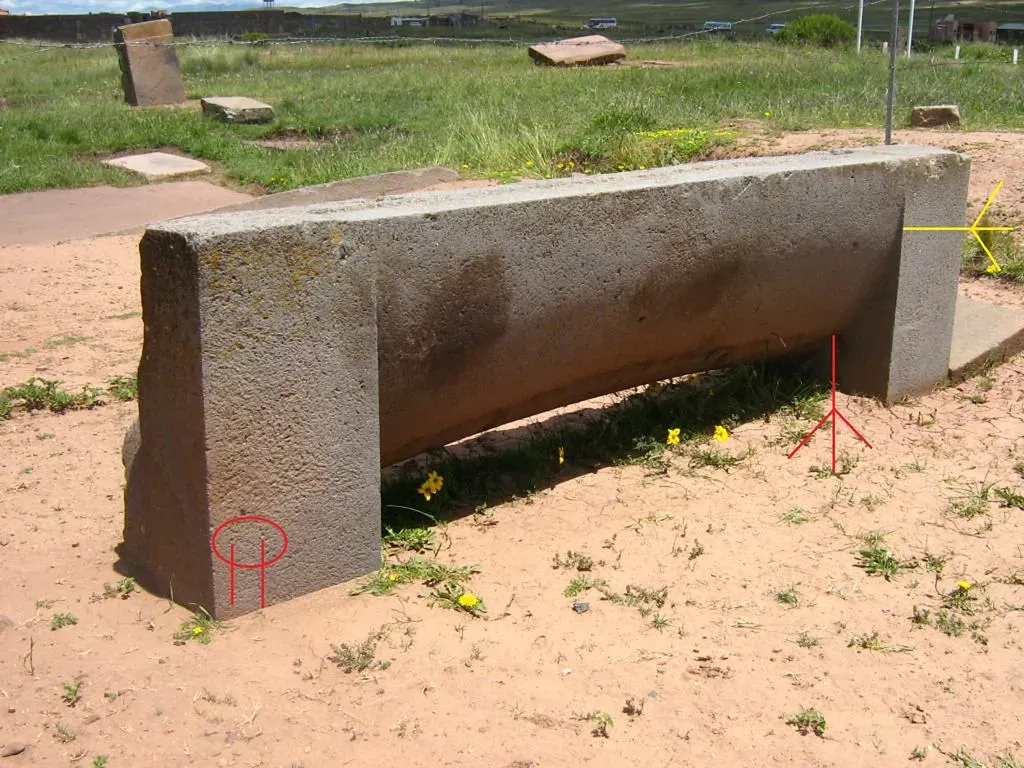
High in the Bolivian Andes sits a pile of stones that has quietly frustrated engineers for over a century.
The ruins of Pumapunku form a pre-Columbian archaeological site near Lake Titicaca in Bolivia, generally accepted to have been built around 536 AD, renowned for its large number of impressively cut and arranged stones. The angles are so exact, the interlocking joints so flush, that modern stonemasons have struggled to reproduce them using only period-appropriate tools.
The bigger mystery isn’t the cutting – it’s the purpose. The unique nature of the site raises curiosity regarding its builders, when it was constructed, and its purpose, mysteries that have arisen ever since the Inca civilization first laid eyes on the ruins of a site abandoned centuries before they arrived. Even the people who lived nearby for generations had no living memory of who built it or why.
That vacuum of explanation is exactly why fringe theories thrive here – but mainstream archaeology still has no better answer. Compared to Lebanon’s mystery, though, this one barely registers.
#5 – The Baalbek Trilithon: Stones Too Big to Move
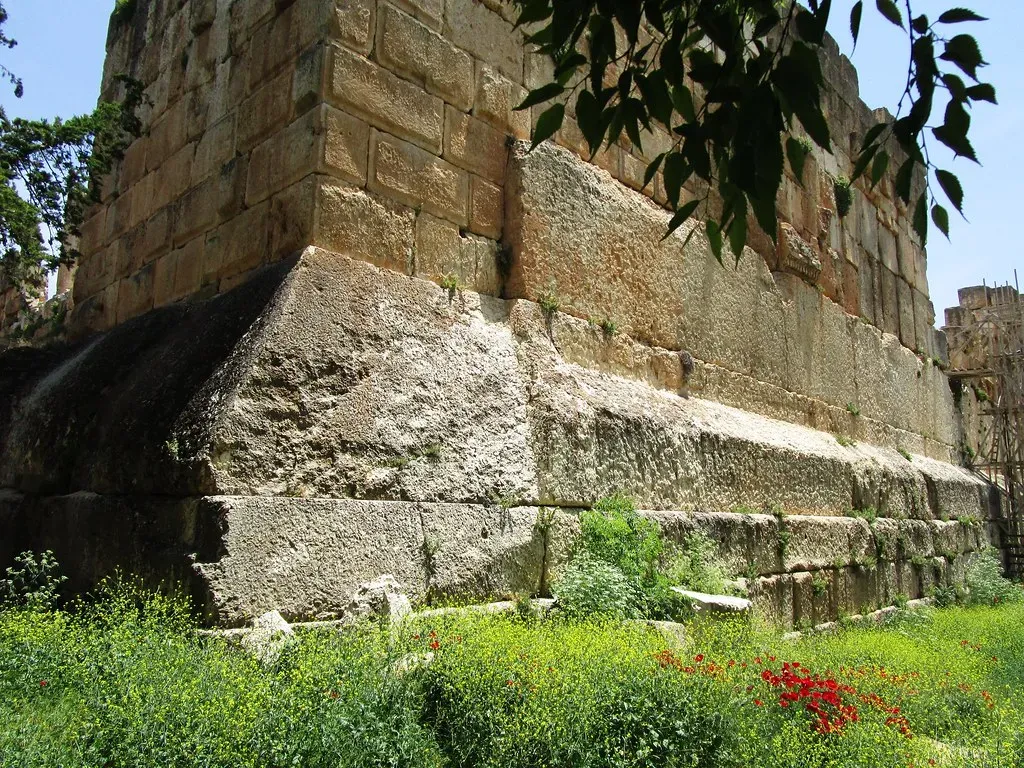
In Lebanon sits the single heaviest cluster of cut stone on the planet, and nobody has ever fully explained the logistics behind it.
On the west side of the podium at Baalbek is the “Trilithon,” a group of three enormous stones weighing about 800 tons each, alongside a limestone monolith called “the Stone of the Pregnant Woman” weighing approximately 1,200 tons. For context, that’s heavier than a fully loaded jumbo jet, cut with what were supposedly Bronze or Iron Age tools.
Here’s the part that really bothers researchers: it remains unexplained how the Romans, or whoever was actually responsible, quarried, cut and transported these megaliths – and another mystery is why the largest blocks were left in place, never actually installed. The origins of the massive foundation stones, weighing more than 1,600 tons, remain a mystery and date to times long before the ancient Romans who later built their temple complex on top.
Nobody quarries a 1,600-ton block and abandons it without a reason. Even that mystery shrinks next to the walls above Cusco.
#6 – Sacsayhuamán: Walls That Mock Modern Masonry
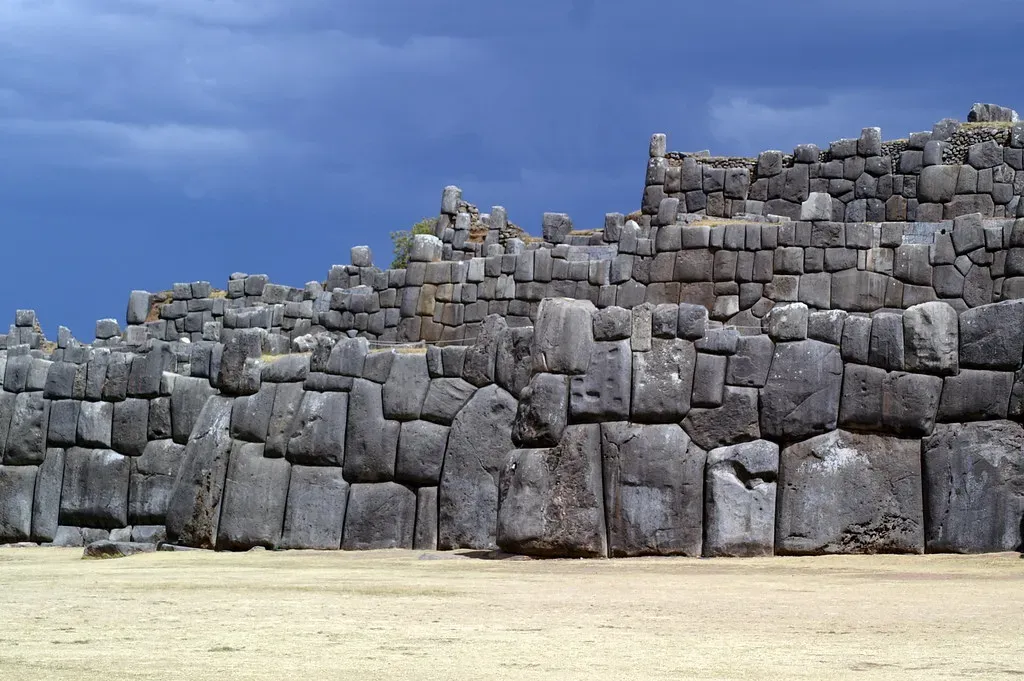
Above Cusco, Peru, sits a fortress wall so precisely fitted that it has become the go-to example of “impossible” ancient stonework.
The fortress walls of Sacsayhuamán consist of perfectly interlocking stones, some weighing over 100 tons, and although no mortar was used, the fit is so exact that a blade of grass cannot slide between them. No cement, no metal clamps, no visible tool marks that explain the finish. Just multi-ton boulders locked together like a jigsaw puzzle assembled by giants.
Most guidebooks call it a fortress. Many archaeologists aren’t so sure. Its earthquake-resistant layout and mysterious construction techniques continue to puzzle archaeologists, and the zigzag wall pattern has sparked competing theories about ceremonial, defensive, and astronomical functions.
Why It Stands Out
- Some interlocking stones weigh over 100 tons
- Built with zero mortar, yet no gap fits a blade of grass
- Zigzag wall design may double as an earthquake-resistant structure
- Competing theories: fortress, ceremonial site, astronomical marker
The truth is probably a combination of all three – but nobody has the evidence to prove which purpose came first, or whether the “fortress” label is even accurate. But the real head-scratcher is still buried under a Chinese village.
#7 – The Longyou Caves: China’s Underground Enigma
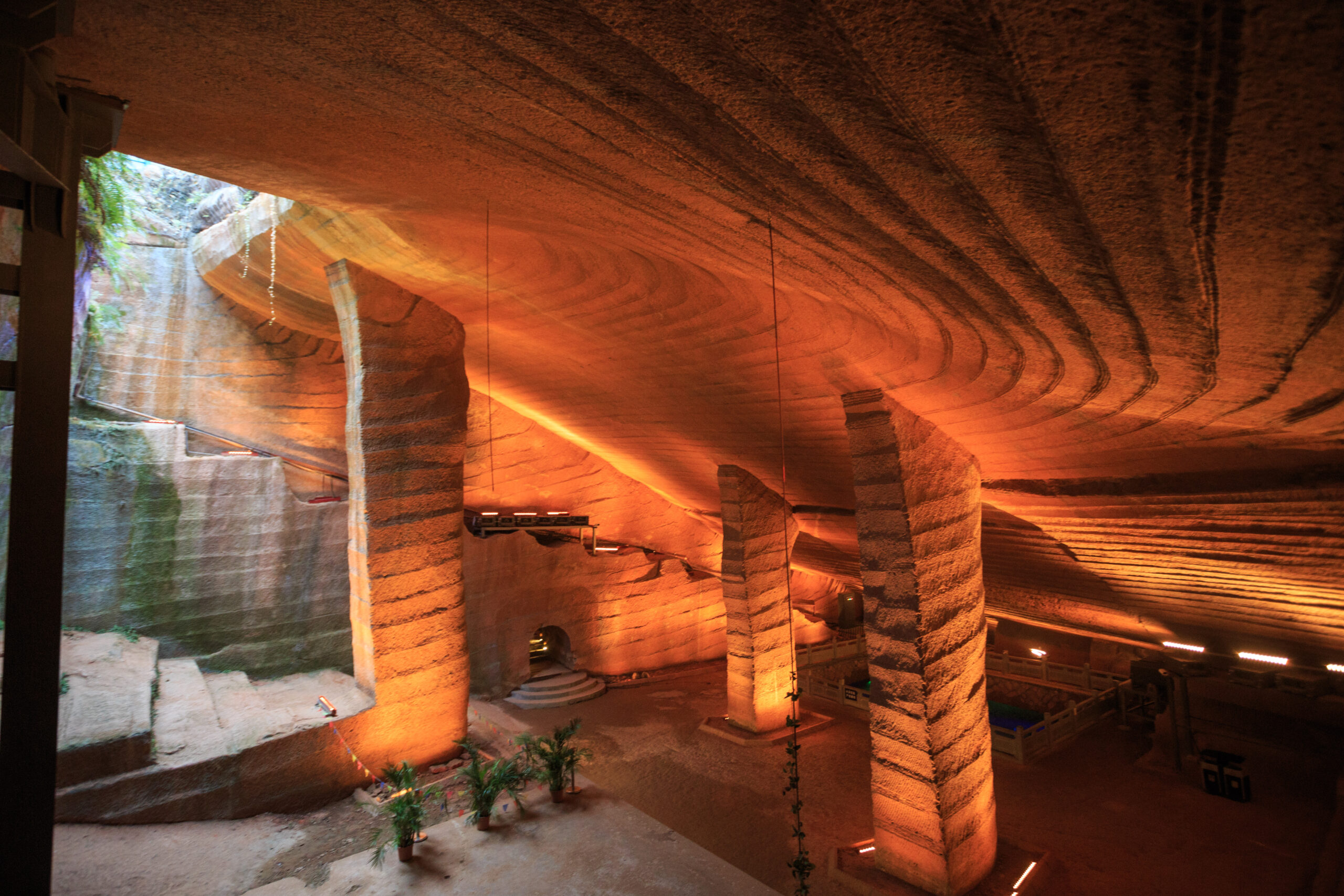
Hidden beneath a sleepy Chinese village for two millennia was a labyrinth of caverns so vast, entire villages could have vanished inside them.
The Longyou Caves rank among the most impressive feats of ancient engineering, discovered in 1992, with 24 man-made caverns carved into siltstone by 200 BC spanning over 300,000 square feet, chambers reaching 100 feet high, featuring uniform chisel marks, pillars, and reliefs. The catch: not a single historical document mentions them.
Speculation suggests the caves were ancient quarries, a mausoleum, underground storage, Taoist dwellings, reservoirs, or secluded military hideouts, but each theory has a reasonable argument while the scarcity of evidence can neither support nor disprove any of them. An estimated one million cubic metres of rock, over 350,000 tonnes, was excavated to create the caves, a project that would take 1,000 people working day and night for six years to complete, yet the civilization that ordered this left zero written trace.
That’s not a small oversight – that’s a deliberate erasure, or a total loss of records. That silence is nothing compared to the controversy simmering off Japan’s coast.
#8 – Yonaguni Monument: Japan’s Underwater Riddle
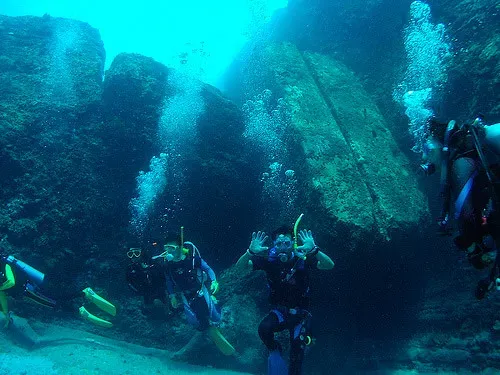
Off the coast of a small Japanese island, divers stumbled onto something that has split the scientific community for over 40 years.
In the 1980s, divers discovered what appears to be a rectangular monument measuring 165 feet long and 65 feet wide, with some scholars believing it’s the remains of a pyramid from a long-lost submerged civilization, while others insist the rocks were simply shaped by millennia of ocean currents. Flat terraces, sharp-edged steps, and geometric patterns don’t scream “natural erosion” to everyone who’s seen it in person.
Officially, the debate is already settled – just not the way mystery-hunters want. While some argue that markings on the rock’s surface are proof of ancient human involvement, others say they are simply scratches, and the Japanese government seems to agree with the latter, not recognizing the Yonaguni Monument as culturally significant.
Government skepticism hasn’t stopped researchers and divers from returning year after year, convinced the terraces are too regular to be coincidence. Yet the arguments here are calm compared to what’s rooted in French soil.
#9 – The Carnac Stones: An Army Frozen in Rock
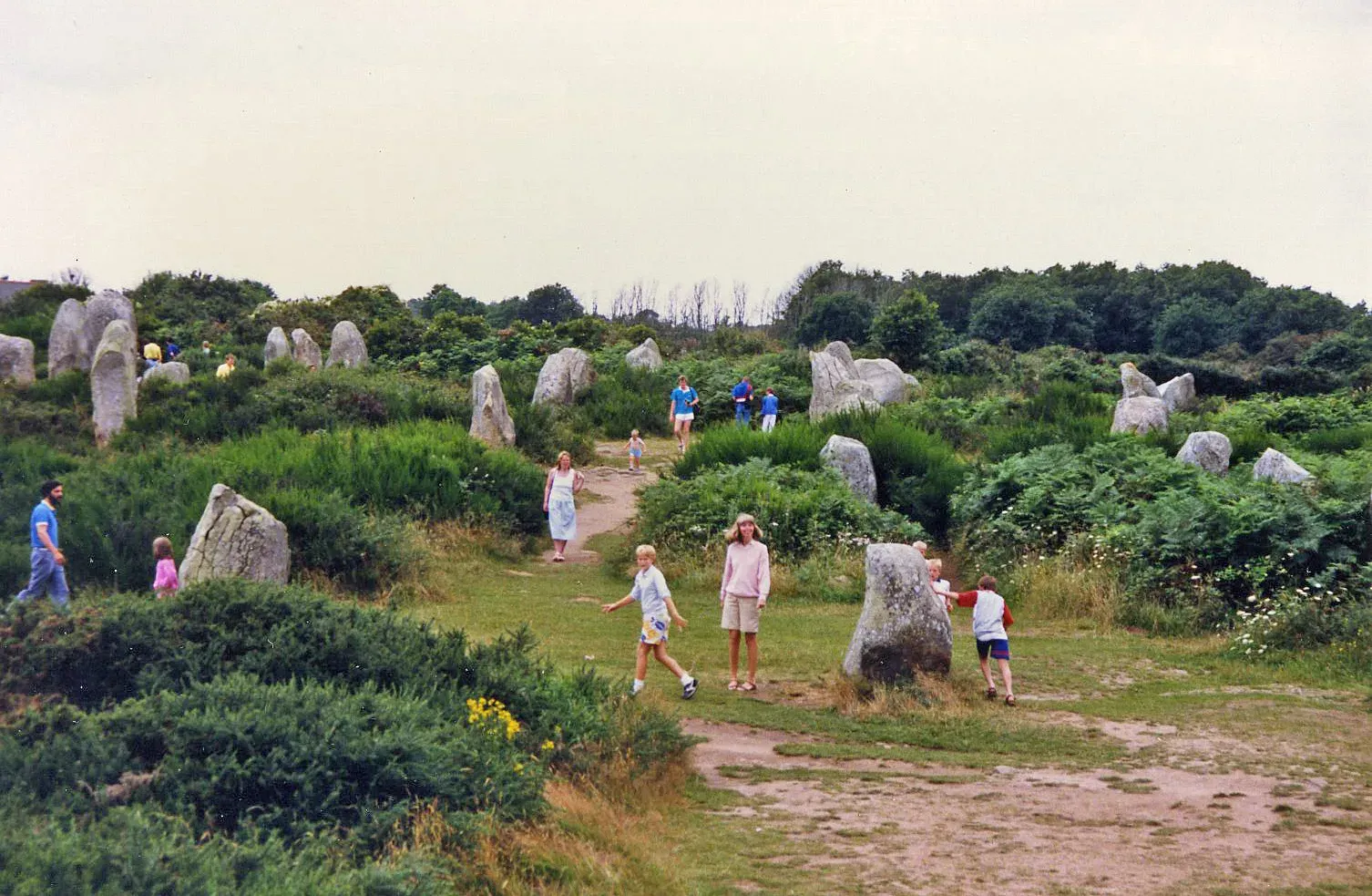
In a quiet French village sit thousands of standing stones arranged with a precision that looks less like religion and more like a blueprint.
The Carnac Stones are a group of more than 3,000 megalithic standing stones in Brittany, France, dating back to the Neolithic period, probably erected between 3300 and 4500 BCE, making them one of the world’s largest collections of menhirs. They stretch for miles in rows so straight that modern surveyors have double-checked their alignment with GPS.
Here’s the uncomfortable truth: there is no confirmed answer. There is no real evidence to confirm their purpose, but that hasn’t stopped researchers from hazarding guesses, with some theorizing they were used as calendars and observatories by farmers and priests. Other researchers argue for burial sites, astronomical markers, or even a lost language encoded in stone.
Moving thousands of multi-ton slabs into perfect rows isn’t something a society does casually – whatever the reason, it mattered enormously to them. None of that compares to the thousands of jars scattered across Laos.
#10 – The Plain of Jars: Laos’s Stone Puzzle
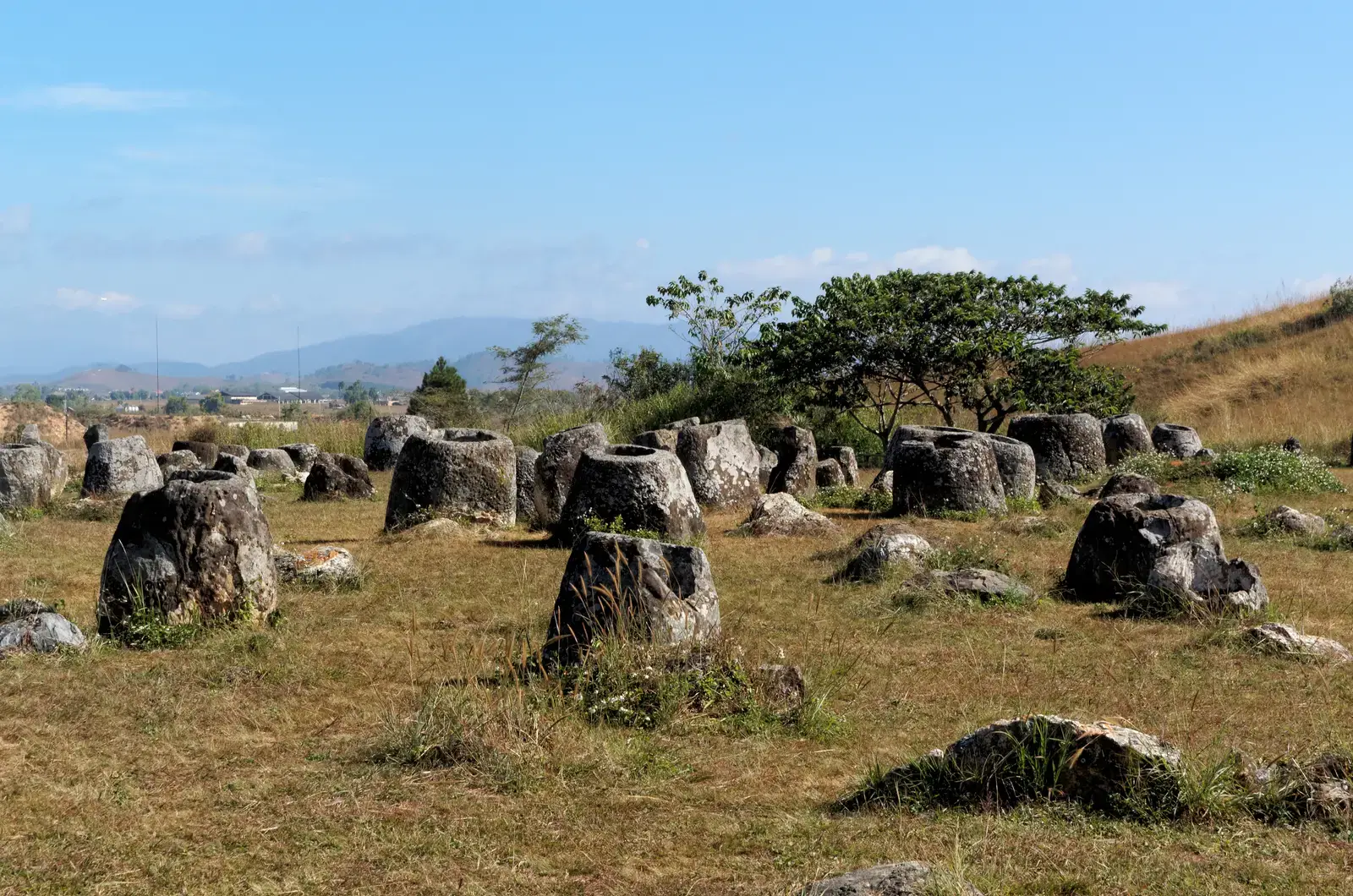
Scattered across a remote Laotian plateau are thousands of massive stone jars, and even the world’s leading archaeologists are still arguing about what they were for.
The jars are scattered around the upland valleys and lower foothills of the Xiangkhoang Plateau, arranged in clusters ranging from one to several hundred, with researchers determining some were put in place as early as 1240 to 660 BC. Some stand over three meters tall – roughly the height of a basketball hoop – hollowed out of solid stone with no modern machinery.
The leading theory involves death, not storage. French researcher Madeleine Colani concluded in 1930 that the jars were associated with burial practices, and excavation by Lao and Japanese archaeologists in the years since has supported this interpretation with the discovery of human remains, burial goods and ceramics around the jars.
At a Glance
- Jars date back as far as 1240-660 BC
- Some stand over three meters tall, carved from solid stone
- Linked to ancient burial practices by researcher Madeleine Colani in 1930
- Many areas remain unexcavated due to unexploded ordnance
But that leaves the harder question unanswered: why sculpt something this massive just to bury remains around it? And thanks to unexploded American bomb shells in Laos restricting visitor access, huge portions of the surrounding sites still haven’t been fully excavated. Even stranger is the tower Africa’s colonizers refused to explain.
#11 – Great Zimbabwe: The City Colonizers Refused to Believe
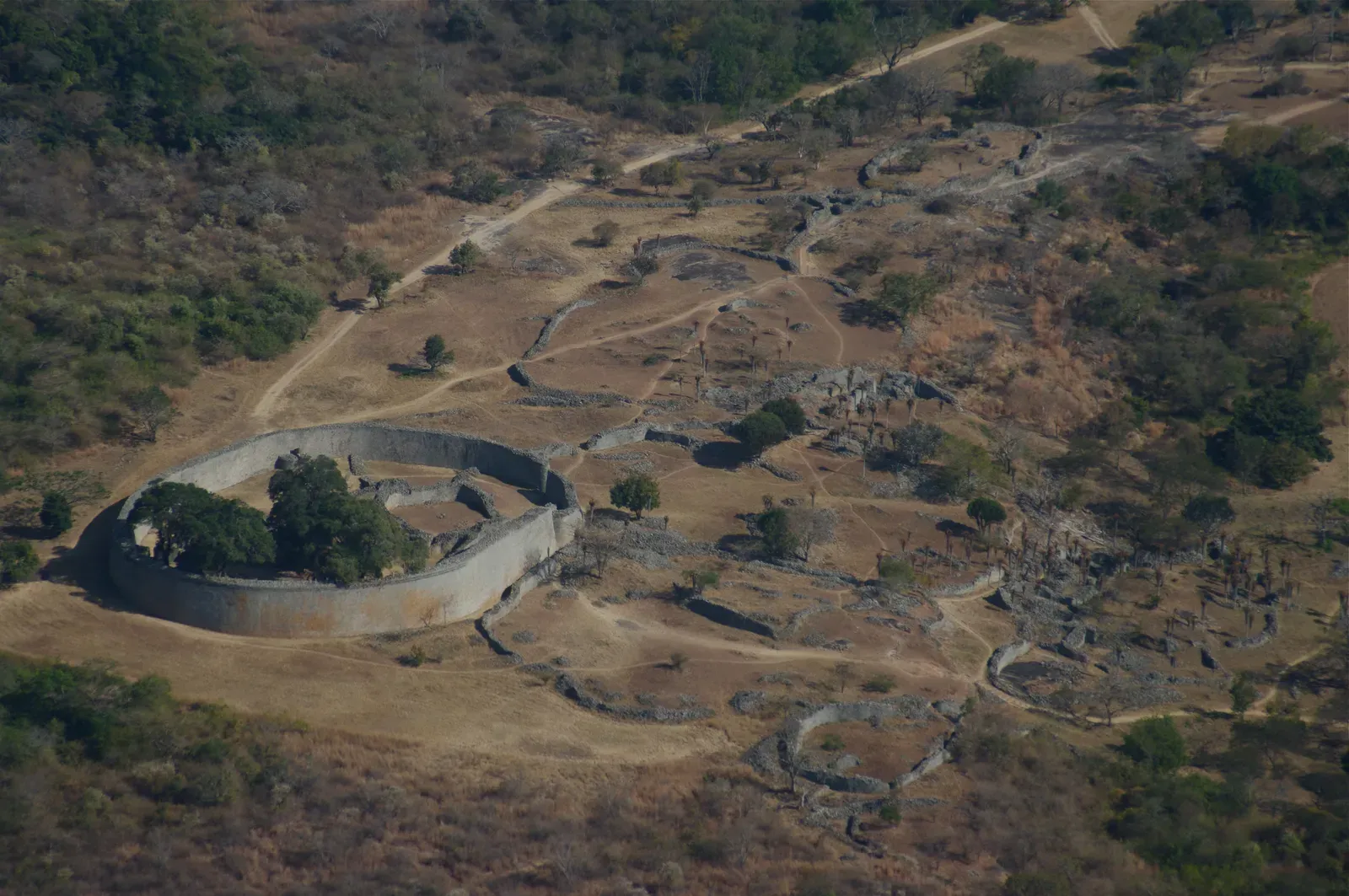
In southern Africa stands the largest set of ancient stone ruins on the continent south of the Sahara – and for over a century, European scholars simply refused to credit its builders.
Great Zimbabwe Ruins are the largest ruins in sub-Saharan Africa, a sprawling complex of dry-stone walls stacked without any mortar, some reaching over thirty feet high, curving through the hills in patterns that still baffle structural engineers studying pre-industrial construction. Colonial-era administrators spent decades insisting Phoenicians, Arabs, or even a “lost race” must have built it – anyone but the local Shona ancestors, despite the evidence pointing squarely at them.
The city clearly functioned as a trading hub, linked to gold, ivory, and glass beads moving along Indian Ocean trade routes. But its most iconic feature – the tall, solid conical tower inside the Great Enclosure – has no doorway, no chamber, and no inscription explaining its function. Was it a grain silo replica meant as a symbol of wealth? A phallic fertility monument? A chief’s power symbol?
Every theory is plausible. None is proven. And that ambiguity is precisely why this site remains criminally under-discussed outside Africa. But nothing on this list is as eerie as the serpent carved into Ohio’s hills.
#12 – Serpent Mound: America’s Silent Snake
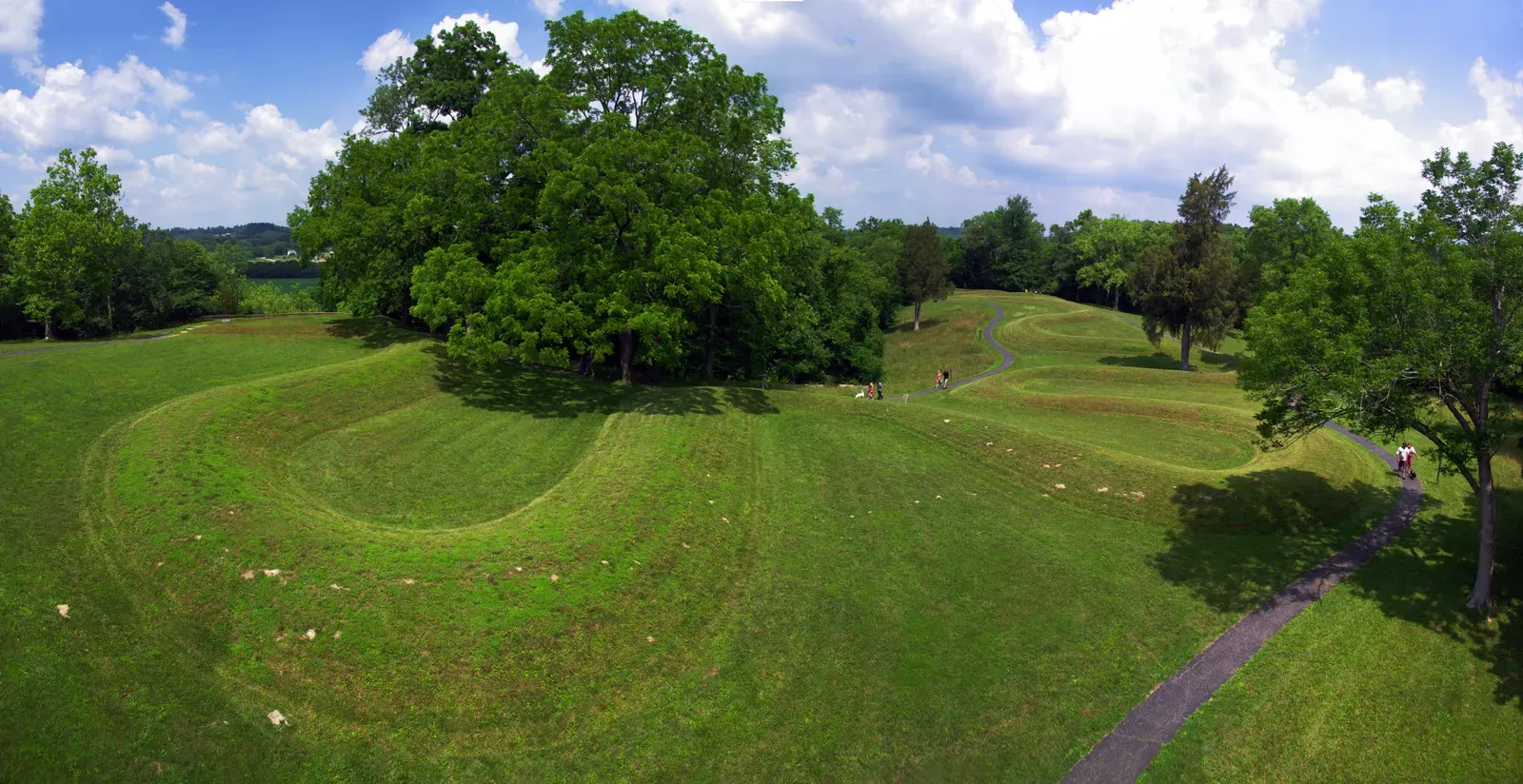
Coiling across a ridge in rural Ohio is the largest serpent-shaped earthwork in the world, and archaeologists still can’t agree who built it or why.
The effigy stretches for roughly a quarter mile, its body curling through seven distinct coils before ending in a tightly spiraled tail, with an open oval shape at the “head” end that some researchers interpret as an egg, an eye, or a sun symbol. Radiocarbon dating has produced conflicting results over the decades, with some samples pointing to the Adena culture roughly 2,000 years ago and others suggesting a later Fort Ancient construction – meaning archaeologists can’t even agree on which ancient culture is responsible.
What makes this mound genuinely strange is its location. It sits atop a cryptoexplosion structure – a geological anomaly some geologists link to an ancient meteor or comet impact. Whether the mound-builders knew about the unusual bedrock beneath their feet, or whether it’s coincidence, is unresolved.
Worth Knowing
- Stretches roughly a quarter mile across seven coils
- Radiocarbon dating conflicts between Adena (~2,000 years old) and later Fort Ancient builders
- Sits atop a geological cryptoexplosion structure tied to an ancient impact
- No burials or artifacts found inside to explain its purpose
Some researchers point to solstice alignments in the coils as evidence of a calendar function; others insist it’s purely ceremonial. Nobody digs up an answer, because unlike most ancient sites, there are no burials or artifacts inside it to interpret. Save the strangest disappearance of all for last.
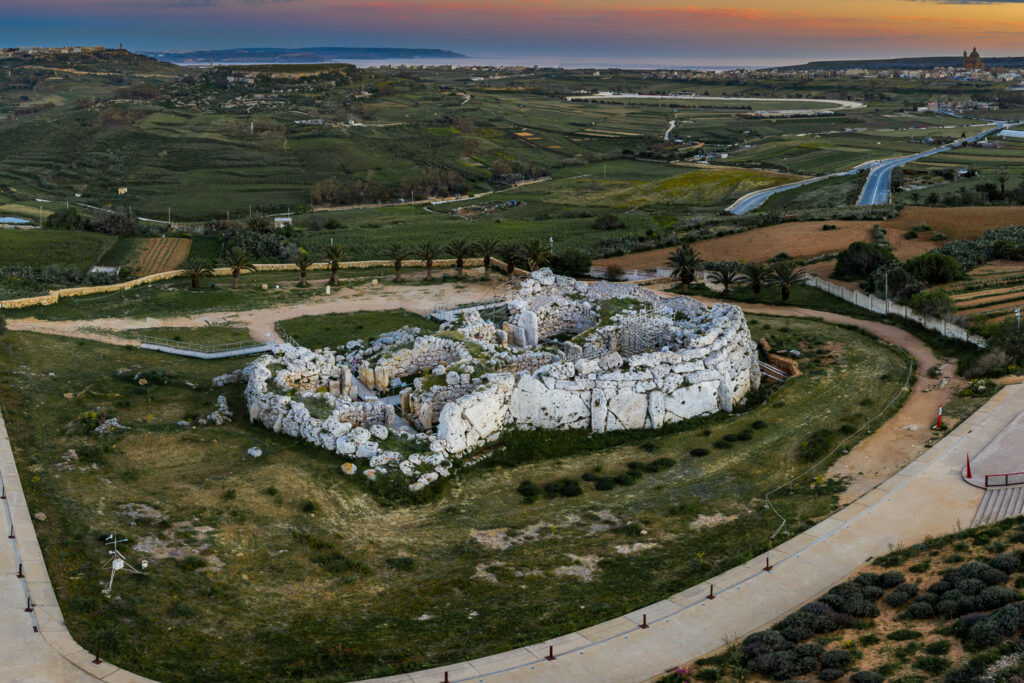
#13 – The Ġgantija Temples: Older Than the Pyramids, and Still a Mystery
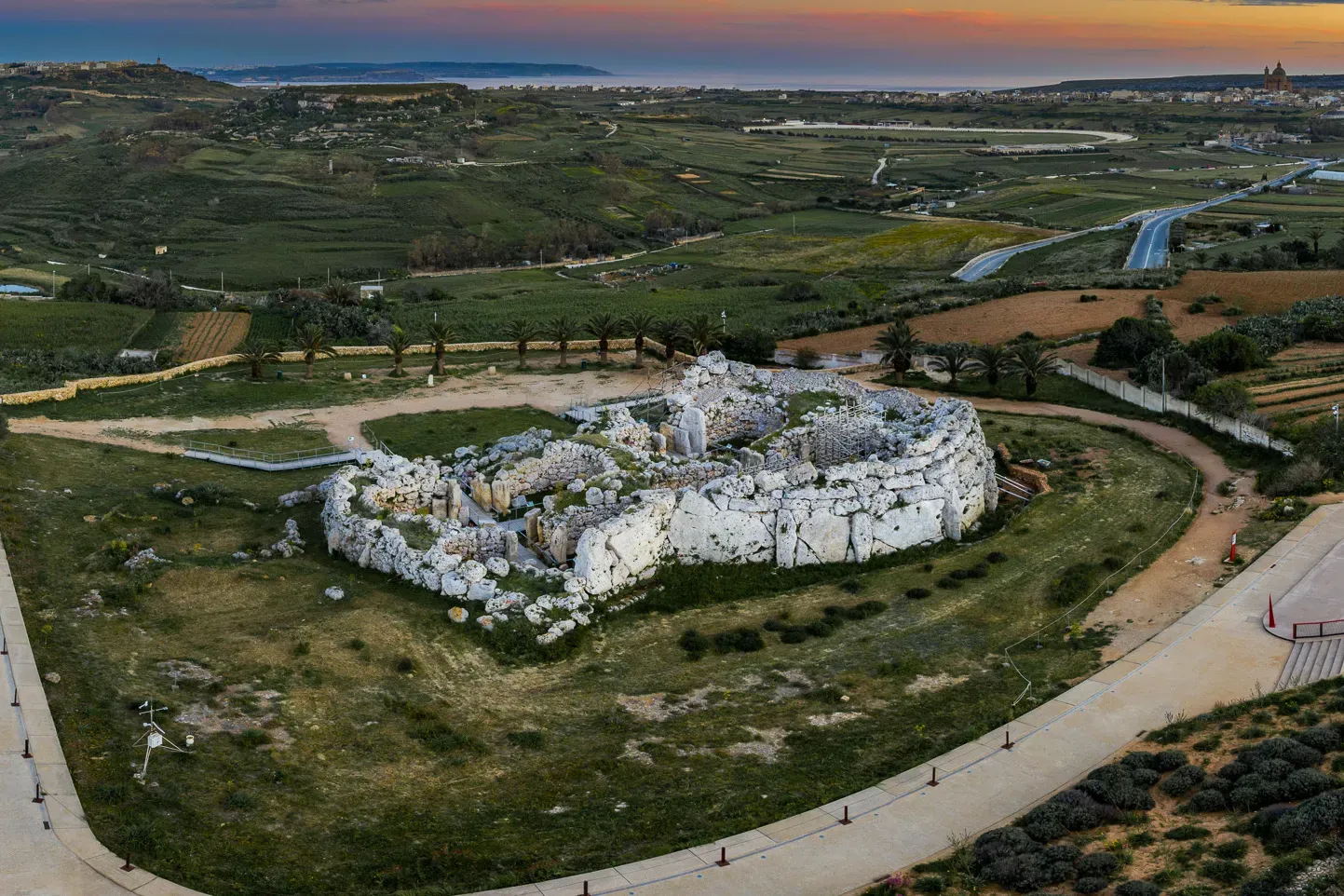
On the tiny Maltese island of Gozo sit temple complexes older than Stonehenge and the Great Pyramid of Giza combined – and their builders vanished without a trace.
These megalithic temples, built from massive coralline limestone blocks, are widely considered among the oldest free-standing stone structures on Earth. Their layout, arranged in a clover-like pattern of interconnected apses, suggests a deliberate ceremonial design rather than a practical dwelling, and excavators have recovered fat, rounded stone figurines inside that many interpret as fertility or “mother goddess” symbols. But no written language survives to confirm what rituals actually took place within those curved chambers.
The real gut-punch of a mystery is the disappearance. Around 2500 BCE, the entire temple-building culture across the Maltese islands collapsed and vanished almost overnight, with no clear evidence of war, invasion, or famine to explain it. The people simply stopped building, stopped leaving artifacts, and seem to have abandoned the islands or been replaced by an entirely different population.
A monument-building society that had thrived for over a thousand years disappeared faster than researchers can currently explain – making Ġgantija not just an architectural mystery, but a demographic one too.
The Bottom Line
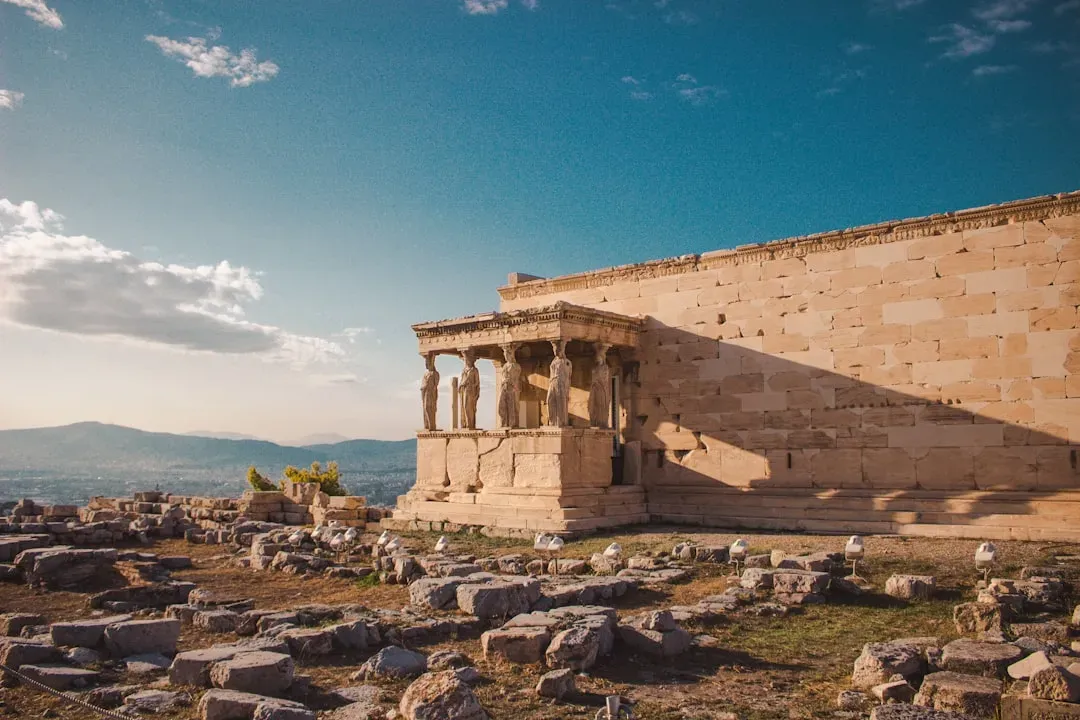
Here’s my honest take after digging through all thirteen: the “ancient aliens” crowd gets the mystery right but the explanation lazy. These builders weren’t helpless without advanced technology – they were relentlessly resourceful with what they had, whether that meant floating basalt logs across a lagoon or hauling 800-ton blocks with rope and log rollers.
What actually stuns me isn’t that we can’t explain the engineering. It’s that after satellite imaging, ground-penetrating radar, and decades of excavation, we still can’t agree on the why. That gap between capability and motive is where the real mystery lives.
Which of these thirteen do you think we’ll finally crack first – and which one do you think we never will? Drop your theory in the comments.