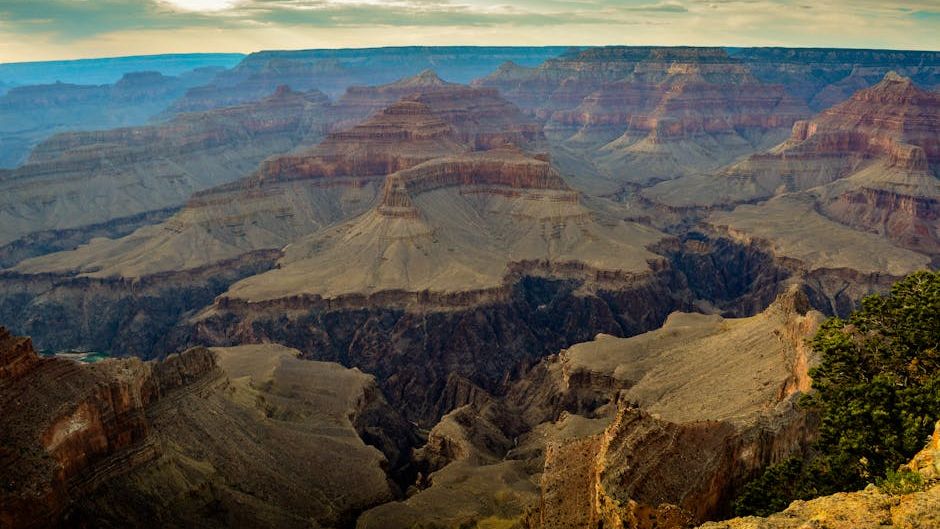
Stand on the edge of the Grand Canyon and it feels eternal, like it has always been there and always will be. But behind that calm, timeless view is a landscape that is still moving, cracking, and adjusting under our feet. In recent years, geologists have been tracking subtle shifts, slope failures, and widening fractures that suggest parts of the canyon are changing more quickly than many people realize.
That does not mean the canyon is about to snap in half in some disaster-movie way, but it does mean the rock is not as still as it looks in your vacation photos. Some cliffs are shedding giant blocks more often, some rims are weakening as climate patterns shift, and slow-motion tectonic forces deep below are still flexing the crust. Put together, these changes are enough for geologists to speak up with clear, if measured, warnings: stop assuming this is a frozen monument, and start treating it like the living, evolving system it is.
A canyon that never actually stopped forming
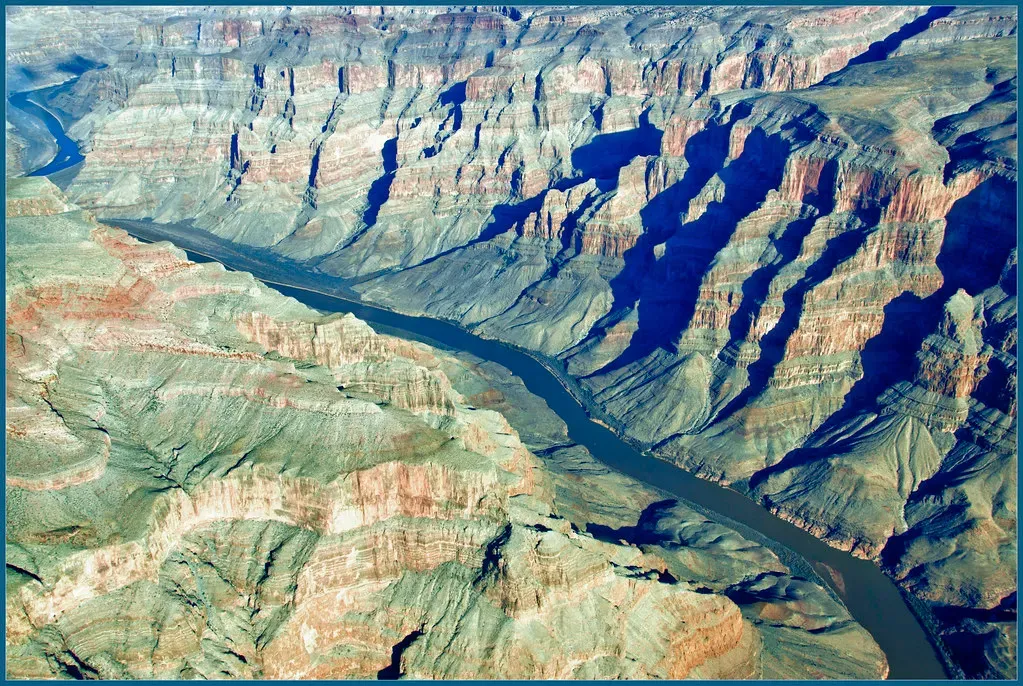
It is easy to think of the Grand Canyon as finished, like a sculpted statue that nature completed millions of years ago and then walked away from. Geologists see something very different: a river still cutting, cliffs still collapsing, and plate tectonics still doing their slow, grinding work in the background. The Colorado River continues to carve its way downward, removing sediment and undercutting canyon walls, while gravity does the rest by pulling loosened rock toward the depths.
Over geologic time, the pace of erosion has gone up and down with climate shifts, river flow changes, and uplift of the surrounding plateau. Even in the last couple of centuries, there have been rockfalls that permanently altered trails, viewpoints, and even river channels. So when scientists say parts of the canyon are “splitting apart faster than expected,” they are not predicting some brand-new phenomenon; they are recognizing that the ongoing process of erosion, cracking, and mass movement is more active in certain areas and under current conditions than older models assumed.
Why talk of “splitting apart” is both right and misleading
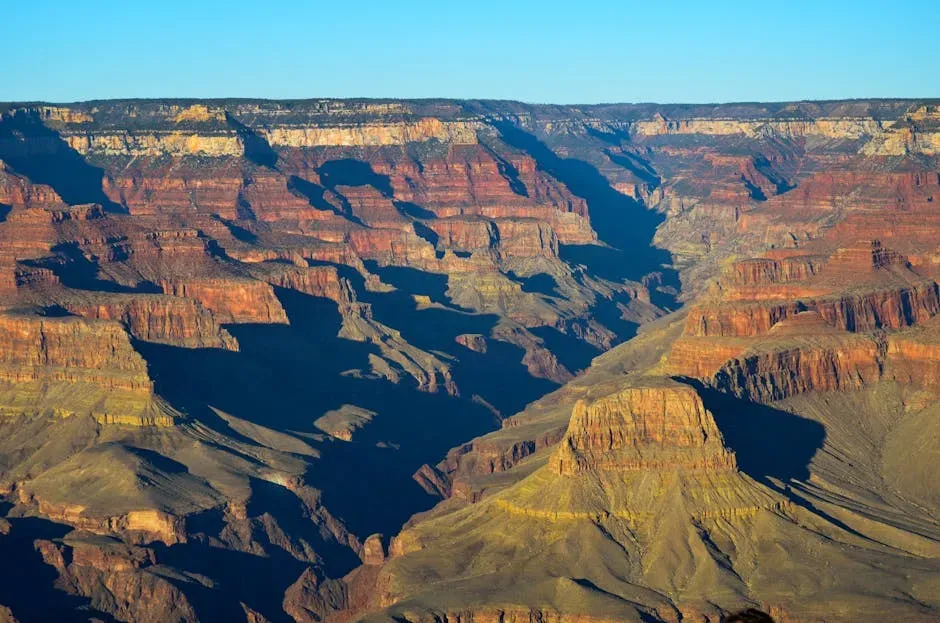
The phrase “splitting apart” sounds dramatic, and honestly, that is why headlines love it. In scientific terms, what is really happening is a combination of widening joints, expanding fractures, and repeated rockfalls that gradually move the canyon’s rims and walls farther apart. When you zoom out over millions of years, the canyon has literally opened from a narrow incision to the vast chasm we see today; when you zoom in to human time, that expansion shows up as isolated but sometimes spectacular failures of rock.
So is the Grand Canyon actually splitting apart faster than expected? In some localized zones, yes, cracks are propagating and blocks are releasing at a pace that surprises researchers who used to assume steeper walls were relatively stable on human time scales. But that does not translate into an imminent, canyon-wide collapse. It means that certain cliff systems, especially where rock layers are heavily jointed or weakened by water, are deteriorating faster than older stability assessments assumed, and that has real consequences for safety, infrastructure planning, and how we talk about risk with the millions of people who visit every year.
The quiet work of fractures, joints, and hidden weaknesses
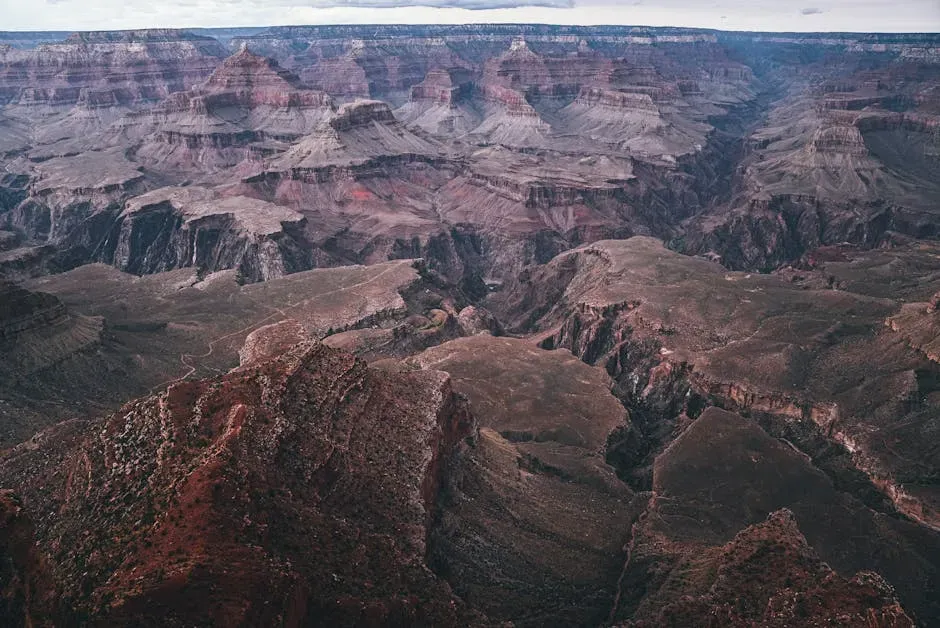
From a distance, the canyon walls look like clean, solid cliffs, but up close they are a maze of cracks and joints that act like pre-cut fault lines in a giant stone puzzle. These weaknesses often follow natural bedding planes, vertical joints formed as the rock cooled or shifted, or old fault zones that were reactivated at different times in the region’s history. Over time, small openings widen, individual blocks become detached on three or more sides, and all that is needed is a final push – maybe a storm, a freeze-thaw cycle, or just gravity finally winning – to send a huge slab crashing down.
Geologists use tools like laser scanning, high-resolution drone imagery, and on-the-ground mapping to track which fractures are opening and which blocks are on the verge of detaching. What they are finding in some locations is that fractures are propagating more quickly than earlier baseline measurements suggested, hinting that the internal structure of some cliff sections is less stable than it appears. In other words, the canyon walls are not just slowly eroding; they are primed for sudden, stepwise failures that can reshape a slope or overhang in an instant.
Climate shifts, intense storms, and the new erosion reality
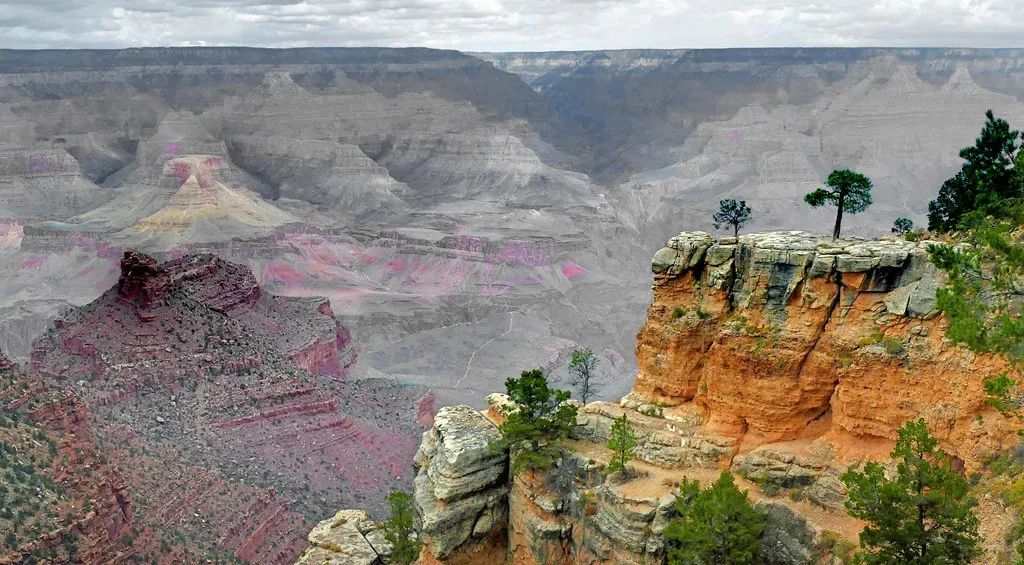
The Grand Canyon has always weathered extremes, but the pattern of those extremes is changing. Warmer temperatures, shifting snowpack, and more frequent intense rainstorms are altering how water enters, moves through, and exits the canyon walls. Instead of a slower, more predictable seasonal rhythm, there are more episodes of heavy downpours that pound exposed rock, fill cracks rapidly, and trigger landslides and debris flows that rip material from the slopes.
On top of that, changes in freeze-thaw cycles can accelerate the widening of fractures in certain layers. When water seeps into cracks and freezes, it expands and acts like a wedge, prying the rock open bit by bit; if these cycles become more erratic, some rock faces can destabilize more quickly than models based on older climate records would expect. None of this is a simple on-off switch, but taken together, it pushes sensitive parts of the canyon closer to failure and makes geologists far less comfortable with the idea that the cliffs above popular trails will behave the same way they did a few generations ago.
Rockfalls: sudden signs of a long, slow process
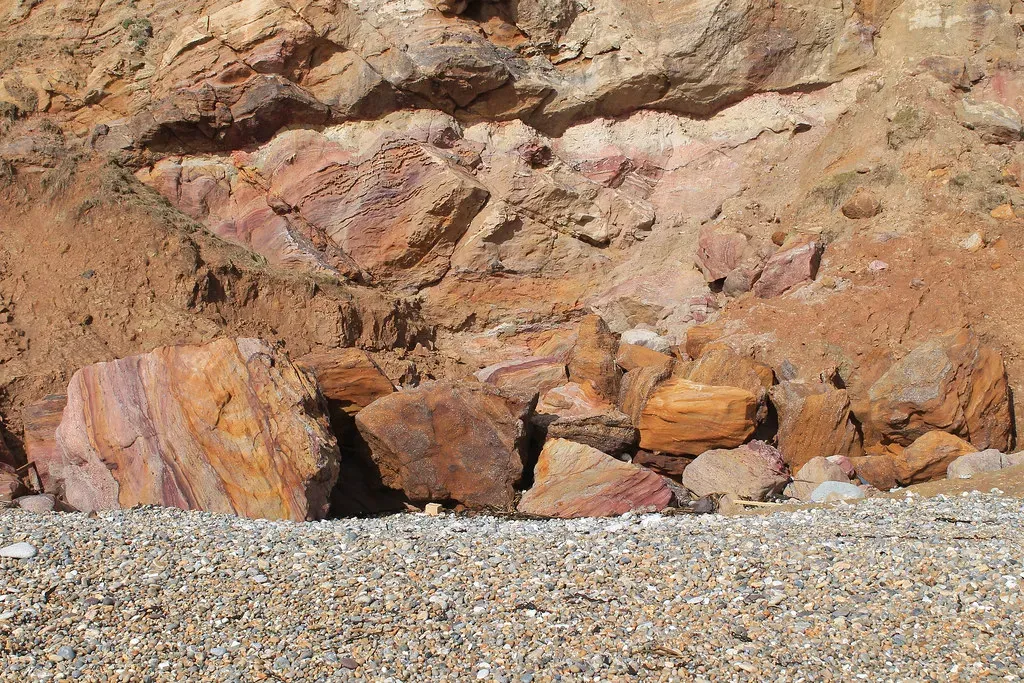
When a huge slab peels away from the canyon wall, it looks like a sudden disaster, but in reality it is the end of a very long story. For years or centuries, water, temperature shifts, and subtle ground motion prepared that block to fail, while hikers and rafters passed beneath with no idea what was perched above. In recent decades, there have been multiple significant rockfalls that have damaged or closed trails, buried sections of road, and altered the immediate landscape, each one a reminder that the canyon’s edges are not a static backdrop.
Geologists pay close attention to patterns in these events: which rock layers are most prone to failure, which seasons see more collapses, and how close some of these failures come to built infrastructure and popular viewing points. Some recent events have happened in places once considered relatively secure, prompting a reevaluation of how “expected” the rates and locations of failure actually were. That is where the warning tone comes in – not that the entire canyon is destabilizing at once, but that assumptions of long-term stability in local spots have sometimes been proven wrong the hard way.
How scientists actually measure movement in the canyon
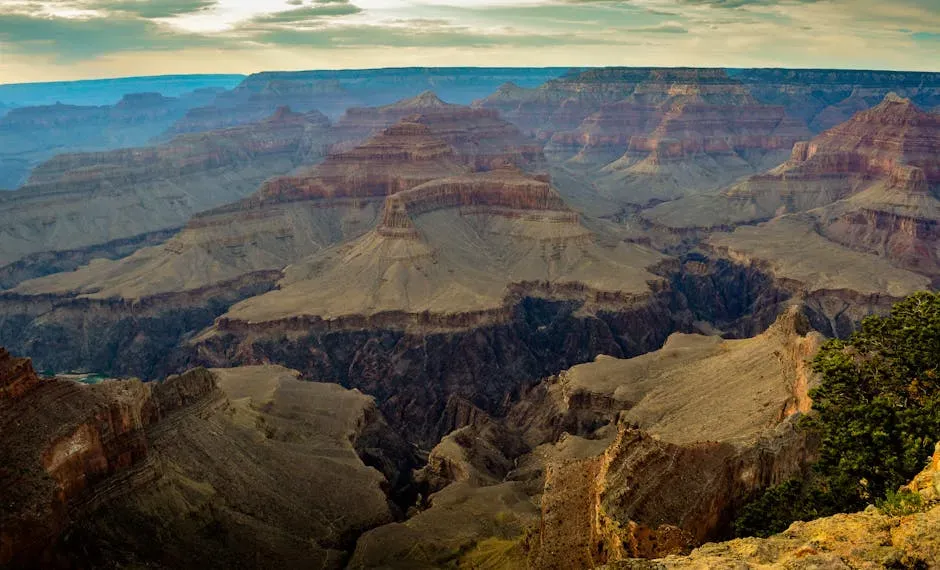
It might seem impossible to track something as huge and slow-moving as the Grand Canyon, but modern geophysics and remote sensing make it surprisingly precise. Researchers install small instruments on or near the rim and walls that can measure tiny shifts in position over time, sometimes down to millimeters. They combine that with satellite-based techniques that detect subtle ground deformation over large areas, plus repeated 3D surveys that map the exact shape of cliffs and slopes year after year.
What stands out from this data is not that the whole plateau is racing apart, but that some zones show higher-than-expected rates of movement, crack widening, or small collapses that add up over time. When a section of rim moves even a tiny bit faster than anticipated, or a particular cliff repeatedly sheds more material than predicted, it tells geologists that the internal stress state and fracture network in that area is more active than their older models suggested. That is the quiet, technical side of the warning: the numbers are nudging scientists to be less complacent about how “locked in” the canyon’s current geometry really is.
What this means for visitors, trails, and park infrastructure
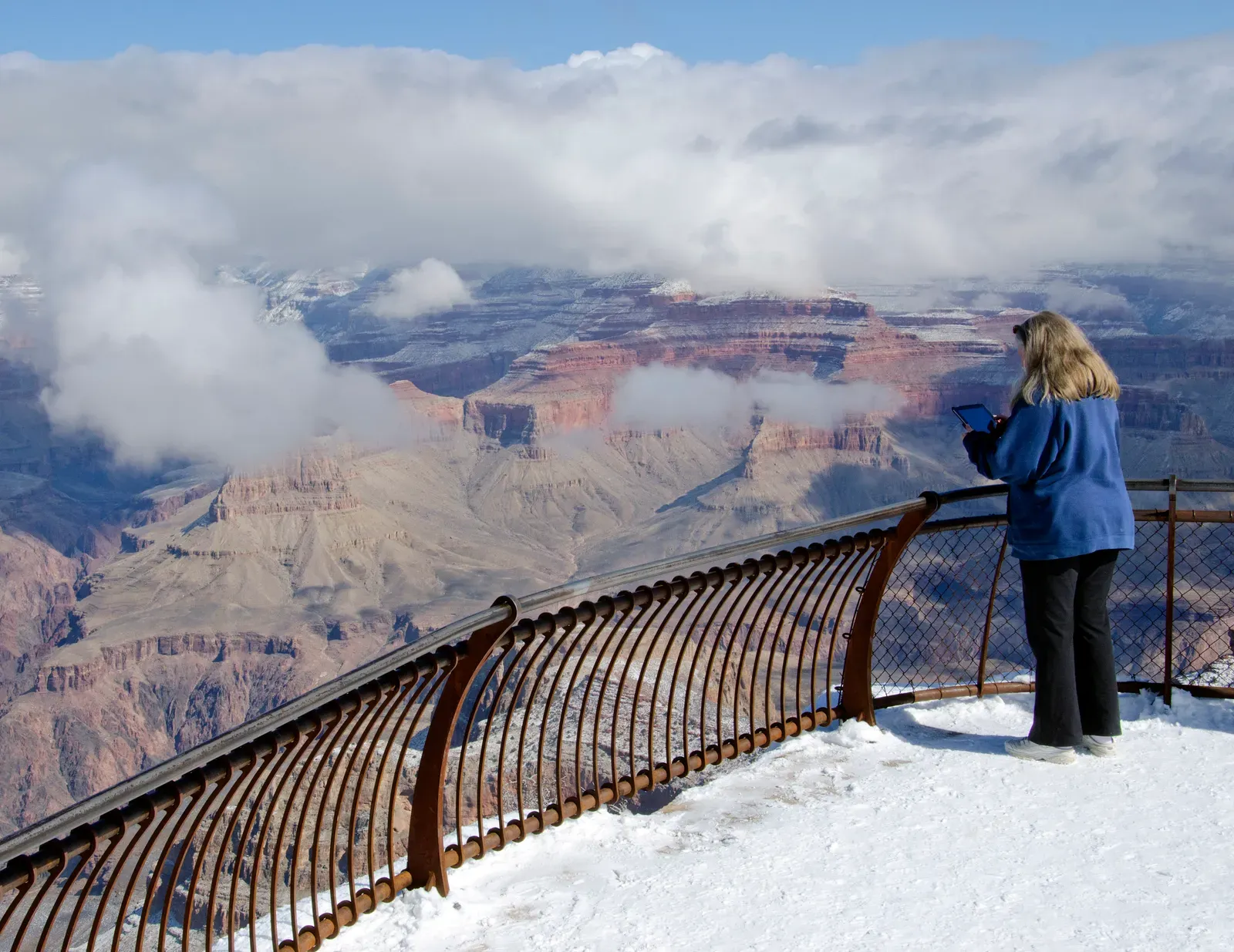
For most people, the biggest question is simple: is it safe to visit? The honest answer is that Grand Canyon National Park is still generally very safe, but it is an inherently hazardous landscape, and those hazards are changing in subtle ways. Park staff and geologists have to constantly reevaluate where to place trails, viewpoints, and facilities, balancing visitor access against the evolving understanding of rockfall and slope-failure risks. Sometimes that means rerouting a classic trail, fencing off what was once a beloved overlook, or closing an area after a new fracture network is identified above it.
If you have ever hiked there and seen warning signs about falling rock or unstable edges, those are not just legal formalities; they are rooted in real observations of a canyon that continues to shift. As data reveal that certain parts of the rim or inner canyon are splitting or slumping faster than expected, managers have to make hard decisions that can frustrate visitors but ultimately protect lives. In my view, the fact that planners are willing to change course as new science emerges is a good thing – it shows that the park treats the canyon as an active system, not just a postcard background to build right up against.
The deeper tectonic story beneath the drama
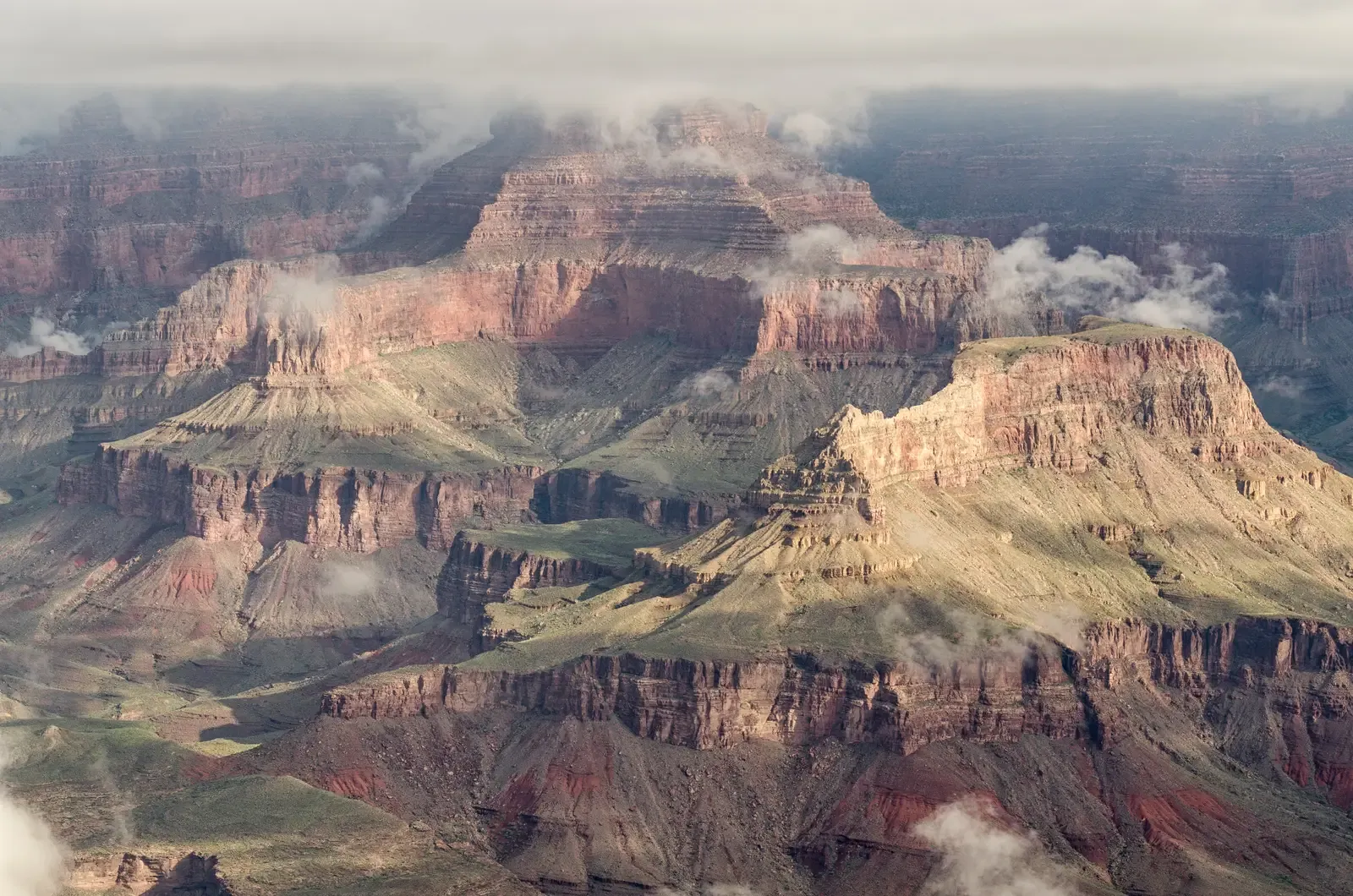
Beneath all the visible erosion and crumbling cliffs is a slower, deeper driver: the fact that the Colorado Plateau itself is a raised block of crust that has been uplifted and gently deformed over tens of millions of years. That uplift is part of why the Colorado River has so much energy to cut down into the rock, creating astonishing depth instead of just meandering across a flat plain. Subtle tectonic adjustments are still happening, shifting stress around the region and slowly modifying how and where fractures and faults reactivate.
These tectonic forces are not going to tear the canyon open overnight, but they help set the stage for where the rock is pre-stressed, where joints are more likely to widen, and where entire slope systems may be marginally closer to failure. In a way, the “splitting apart faster than expected” idea is the surface expression of a long-running tug-of-war between uplift, river incision, and gravity. We get to see the dramatic cross section, but under the surface there is a quieter rebalancing of the crust that will continue for far longer than our species will be around to watch it.
Why the real warning is about respect, not panic
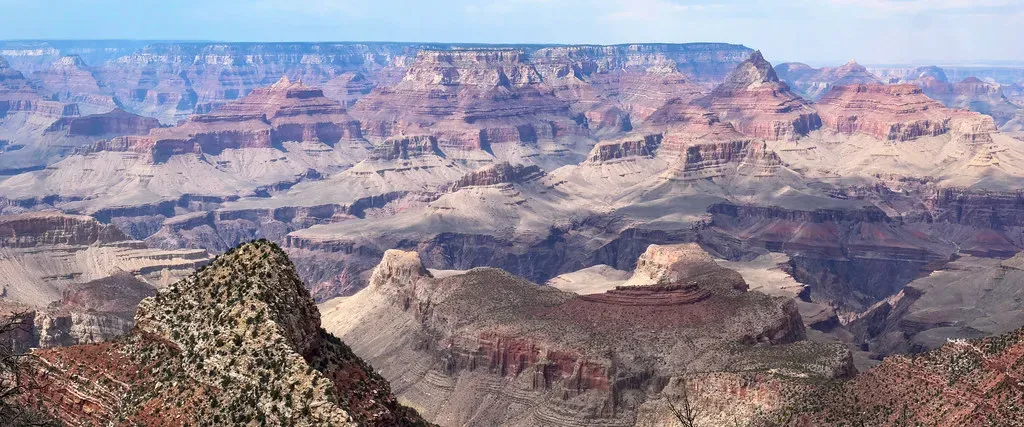
When geologists warn that parts of the Grand Canyon are changing more quickly than older assumptions allowed, they are not trying to scare people away; they are asking us to update our mental model. This place is not a fossilized relic, it is a gigantic machine of rock, water, and time that is still very much switched on. To me, that makes it more awe-inspiring, not less – you are standing on the edge of something mid-performance, not visiting a closed museum exhibit.
The practical takeaway is that we should respect the evolving science and the cautions that come with it: staying back from unfenced edges, taking rockfall warnings seriously, and accepting that some viewpoints or trails may change or close as understanding improves. Personally, I think the most dangerous mindset is the nostalgic one that treats the canyon as unchanging and assumes it will always look and behave exactly as it does in today’s photos. The Grand Canyon is splitting, slumping, and reshaping itself on its own terms; the question is whether we choose to see it as a living landscape and act accordingly, or cling to the comforting illusion of permanence and get caught off guard. Which story do you want to believe when you are standing on the edge?