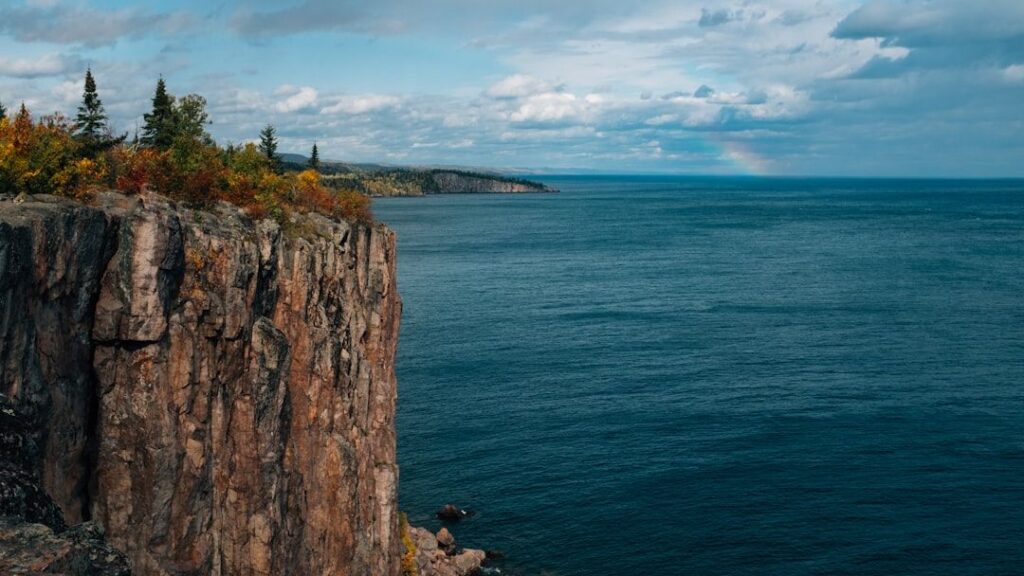
There is something unsettling about standing on the rocky shore of Lake Superior and realizing you are looking out over a vast, cold archive of the past. Divers, historians, and locals will tell you that the lake does not easily give up what it takes; shipwrecks sit on the bottom like frozen time capsules, and in some rare cases, the people who went down with them are still there, eerily intact. It sounds like an urban legend at first, the kind of story teenagers trade around campfires, but it is rooted in real science and a very unforgiving environment.
Underneath the waves, Lake Superior is less like a typical lake and more like a refrigerated tomb. Its immense depth, near-freezing temperatures, lack of oxygen, and unusual chemistry all conspire to slow decay to a crawl. That does not mean the lake is literally packed solid with visible, intact corpses as some viral headlines suggest, but it does mean that under the right conditions, human remains and entire shipwreck scenes can linger for astonishingly long periods. Once you understand how the lake works, the idea of these hidden, perfectly preserved bodies becomes less myth and more chilling reality.
The Myth, The Reality, And The Chills In Between
The phrase “” instantly sounds sensational, and to be honest, that is part of why it spreads so fast online. It paints a picture of a watery catacomb, with row after row of frozen sailors staring up from the darkness. The truth is more nuanced, and in some ways, more disturbing: Lake Superior has claimed thousands of lives over the past couple of centuries, and in many cases those bodies were never recovered. In a subset of those tragedies, the conditions were just right for remains to be preserved for far longer than most of us are comfortable thinking about.
So is the lake literally hiding “thousands” of fully intact bodies, each in pristine condition? No responsible researcher would make that claim. Many victims would have decomposed, been scavenged, or moved by currents. But the lake’s unique environment absolutely improves the odds that remains, clothing, and other organic materials can stay recognizable for decades and sometimes longer. When divers and forensic experts talk about the preservation power of Superior, they are not repeating ghost stories; they are describing what they have actually seen in those dark, cold depths.
The Science Of A Natural Deep-Freezer
To understand why Lake Superior can preserve bodies and shipwrecks so well, you have to start with temperature. Even in summer, the deep water stays just above freezing, hovering in a range where bacterial activity that breaks down flesh and fabric is dramatically slowed. Imagine leaving food in a refrigerator versus on the kitchen counter; one spoils quickly, the other lasts far longer. The bottom of Superior is essentially a gigantic natural fridge, and unlike your kitchen, it never loses power.
Temperature is only part of the story, though. The deeper levels of Lake Superior are low in oxygen, which is critical for most decay-causing organisms and scavenging animals. With less oxygen to fuel bacteria and fewer creatures to feed on remains, the normal life cycle of decomposition is interrupted. Add to that the lake’s very low nutrient content, which keeps overall biological activity down, and you get a place where time moves differently for anything that sinks out of the light. The lake does not stop decay completely, but it stretches the process out in ways that can turn a recent tragedy into what looks like a frozen tableau from another era.
The Role Of Cold, Chemistry, And No-Slip Currents
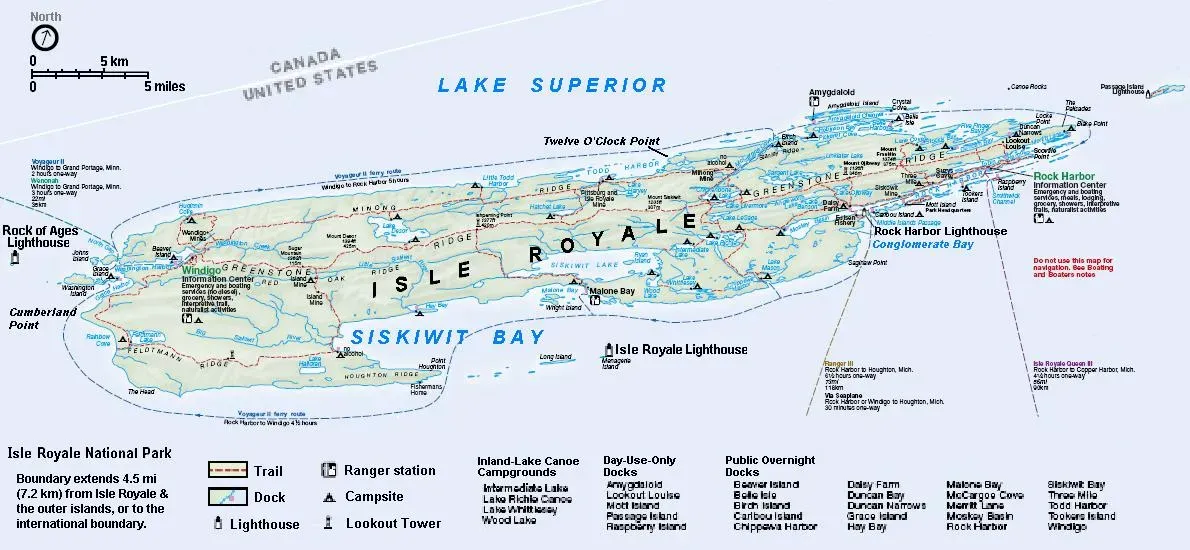
Besides the deep cold and low oxygen, Lake Superior has another trick: its water chemistry is unusual compared with many other large lakes. It is relatively low in dissolved salts and organic matter, which means less corrosion and less fuel for the microorganisms that would typically tear through wood, metal coatings, clothing, and flesh. In practice, this allows shipwrecks to hold their shape and details for a very long time. Wooden fixtures, leather shoes, and even paper have been found in conditions that would be unthinkable in warmer, murkier waters.
The lake’s physical behavior matters too. While Superior is certainly not motionless, many wreck sites lie far below the reach of strong storms and wave action. Down there, currents can be slow and gentle, more like a faint breath than a ripping tide. When a ship settles intact on the bottom, the bodies inside cabins or holds may be shielded from direct disturbance. Combined with cold, chemistry, and a kind of steady stillness, this creates pockets where the scene on the lakebed can look eerily similar decades later to whatever it was in the ship’s final moments.
Shipwreck Graveyards And The People Still Inside
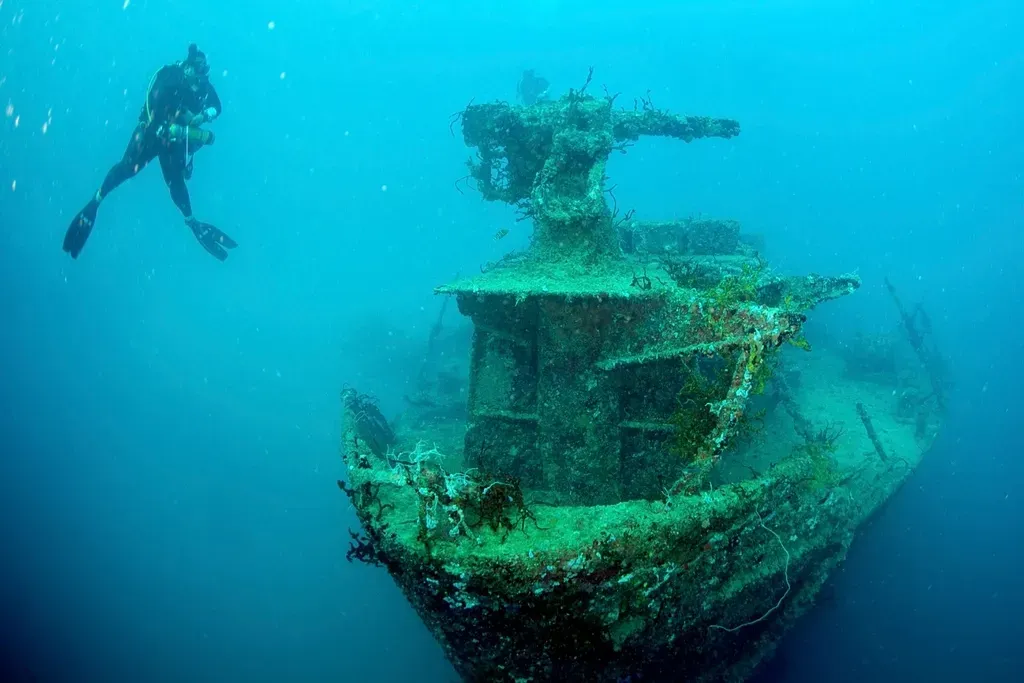
When people talk about preserved bodies in Lake Superior, they are almost always talking about shipwrecks. From the days of wooden freighters to massive twentieth-century ore carriers, the lake has swallowed hundreds of vessels, sometimes taking entire crews with them. Some of these ships were never found, and others were discovered only after sonar technology and technical diving made deep exploration possible. In a number of these wrecks, divers have reported human remains resting where you would expect to find them: near exits, in cabins, or in machinery spaces where escape would have been impossible.
These are not skeletons bleached by tropical sun or scattered by fish. In the cold, oxygen-poor water, bodies can keep their basic shape, clothing, and sometimes even soft tissues far longer than on land or in shallower lakes. It is important to say out loud that these remains are not curiosities or tourist attractions; they are people who never made it home. Many dive groups and historical societies treat these wrecks as war graves or sacred spaces, pushing for strict limits on photography and interference. The same conditions that fascinate scientists also demand a level of respect that casual thrill seekers sometimes overlook.
Why Bodies Do Not Float To The Surface Like In The Movies
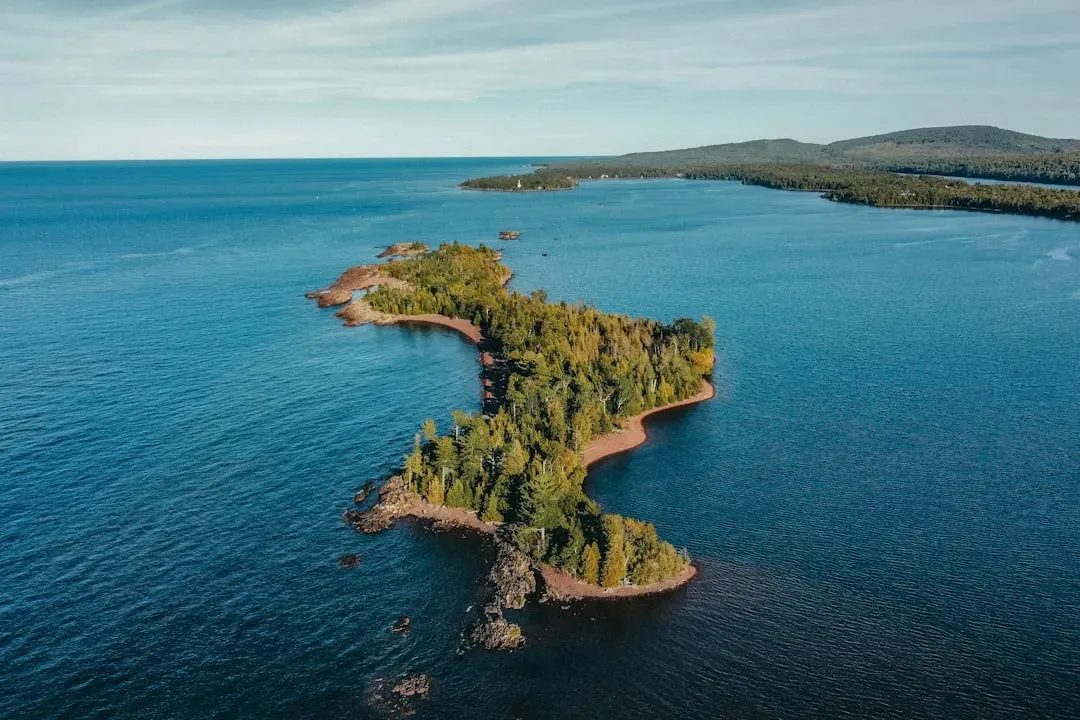
One of the big questions people ask is why more victims from Lake Superior disasters do not simply float to shore the way they do in crime dramas. In most bodies of water, after someone drowns, gases from decomposition inflate the body and eventually cause it to rise. In Superior’s near-freezing depths, that process can be so slow and incomplete that the body never becomes buoyant enough to break free from the bottom. If the person is trapped inside a ship, caught under debris, or weighed down by gear, the odds of resurfacing drop even more.
In some cases, the lake’s cold environment promotes something like natural mummification or waxy preservation of fatty tissues, which can change the way a body behaves in water. Clothing, lifejackets, and entanglement in wreckage can further pin remains in place, locking the whole scene into a kind of underwater still life. That is why search and recovery efforts, especially in older wrecks, often turn into search and documentation missions instead. Investigators know the lake may be keeping its secrets on the bottom, not on the surface where the public imagines them.
Ethics, Exploration, And The Stories We Choose To Tell
The eeriness of preserved bodies in Lake Superior raises a hard question: how do we balance scientific curiosity and public fascination with basic human decency? On one hand, the lake is an incredible outdoor laboratory where maritime archaeologists and forensic experts can learn about ship design, disaster dynamics, and even long-term body preservation in cold water. That knowledge can help modern investigators understand fresh cases, improve safety regulations, and reconstruct events when black boxes and paper records are long gone. Ignoring that potential out of discomfort would be a loss.
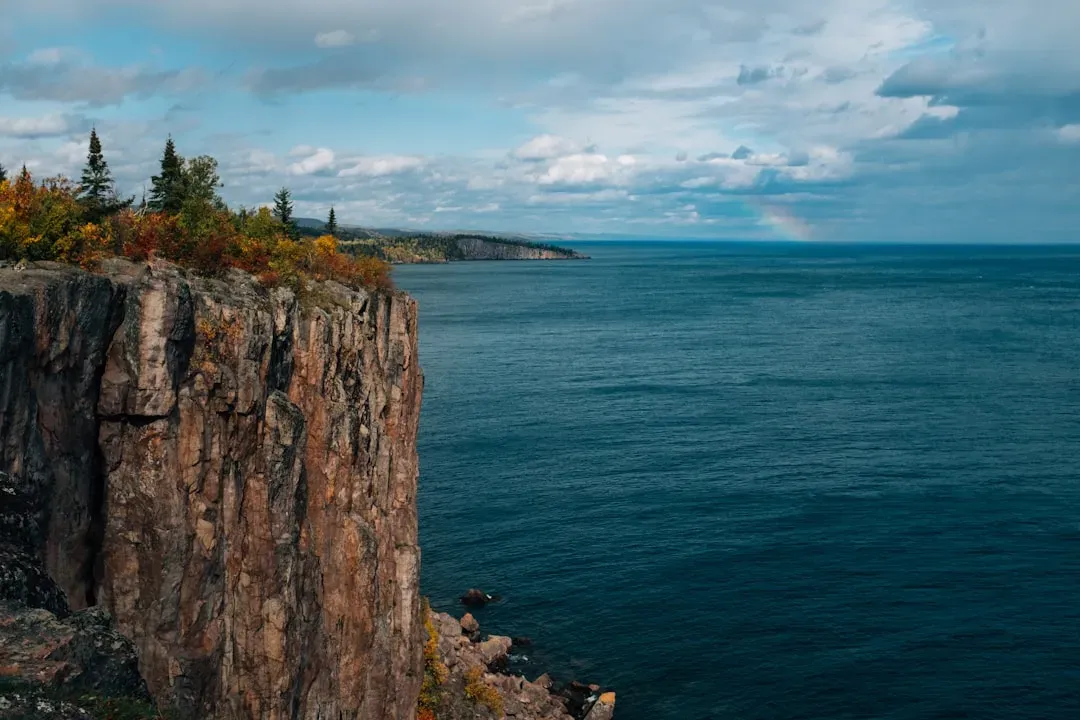
On the other hand, there is a thin line between investigation and voyeurism, and I think we cross it more often than we admit. Turning lost sailors into clickbait about “haunted lakes” and “body museums” strips away the reality that these were family members, co-workers, and friends. My own view is that we should absolutely talk about the science and the history, but we should do it in a way that centers the people and their stories, not the shock value. When you stand on the rocky shore and look out over that dark, cold water, you are not just staring at an odd quirk of chemistry; you are looking at a graveyard that happens to be disguised as a beautiful lake. Knowing that, how could you not feel at least a little different about the stories you repeat and the way you tell them?